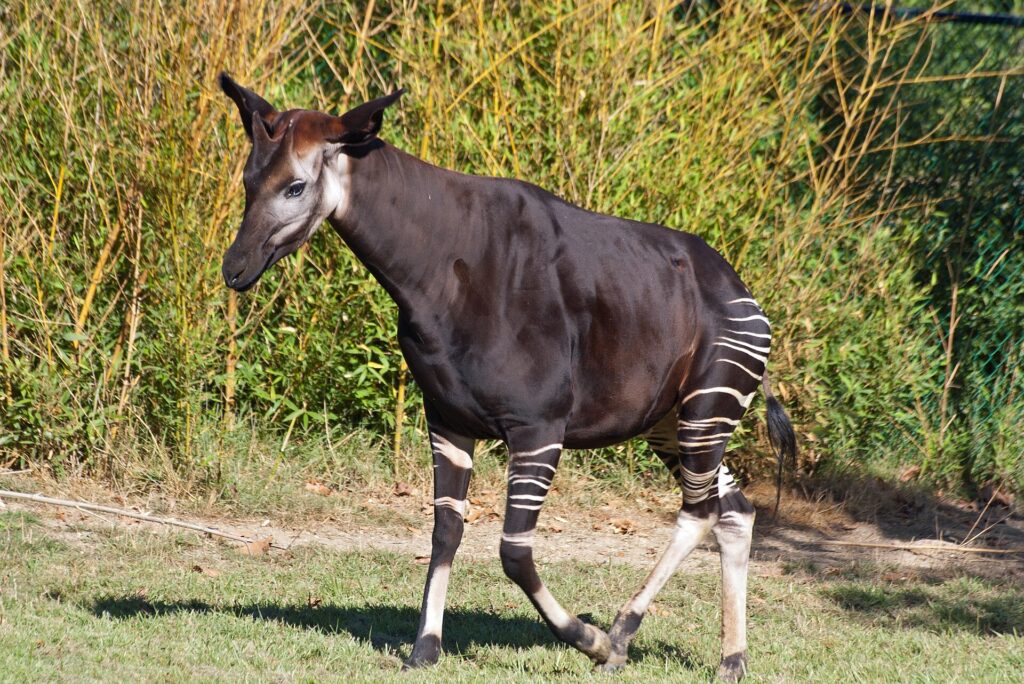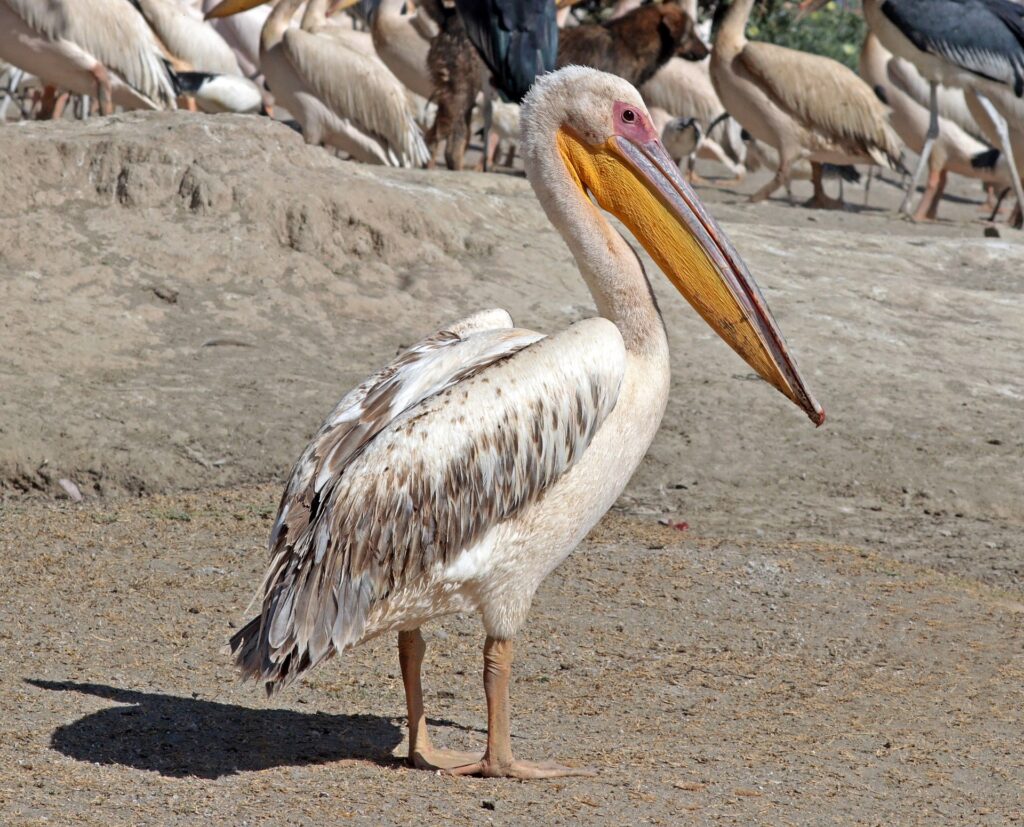
Great White Pelican
Great white pelicans fish as a team, swimming in a horseshoe formation to herd fish into shallow water before scooping them up together.
Great white pelicans fish as a team, swimming in a horseshoe formation to herd fish into shallow water before scooping them up together.
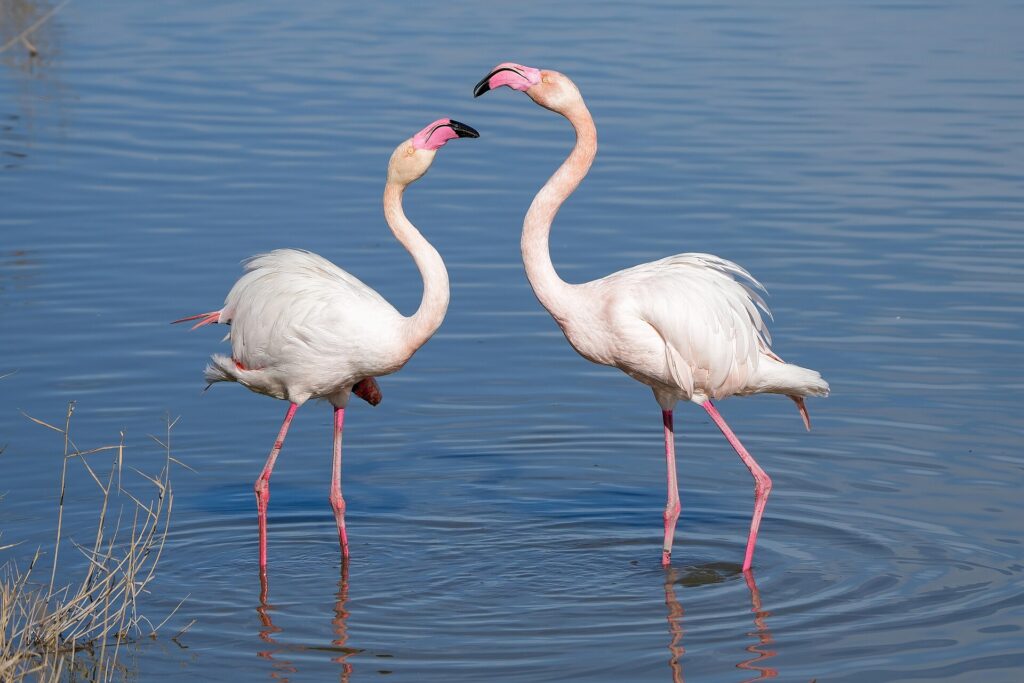
Flamingos are pink because of carotenoid pigments in the algae and shrimp they eat; chicks are born grey and white.
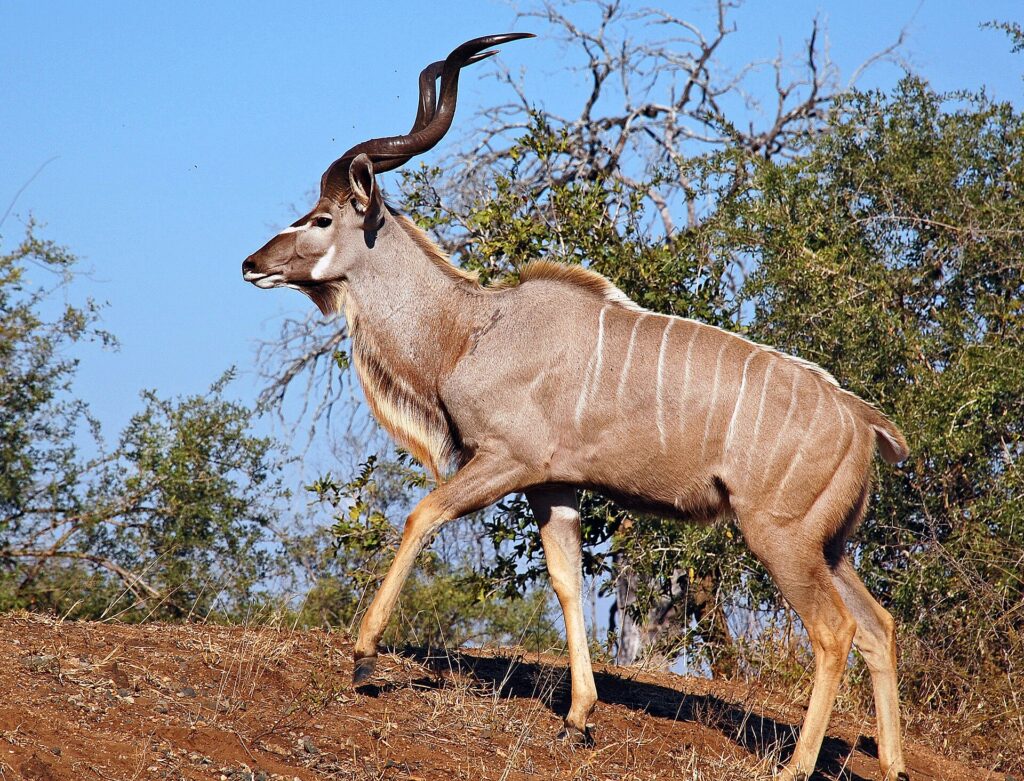
A male greater kudu’s spiral horns can reach about 1.8 metres along the curve, with two and a half graceful twists.
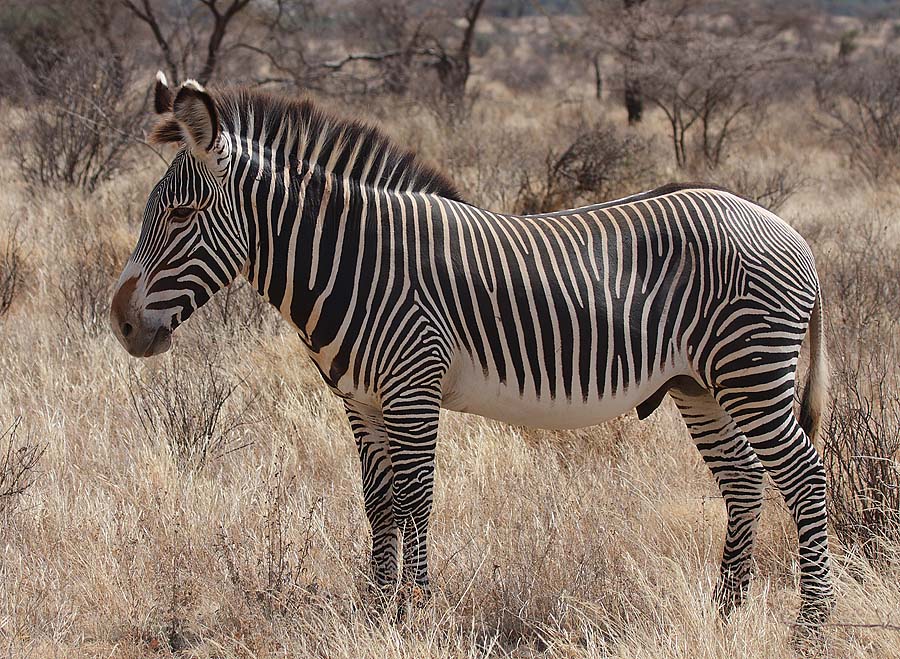
Grevy’s zebra is the largest wild horse in the world, with narrower stripes, a white belly and big, round ears.
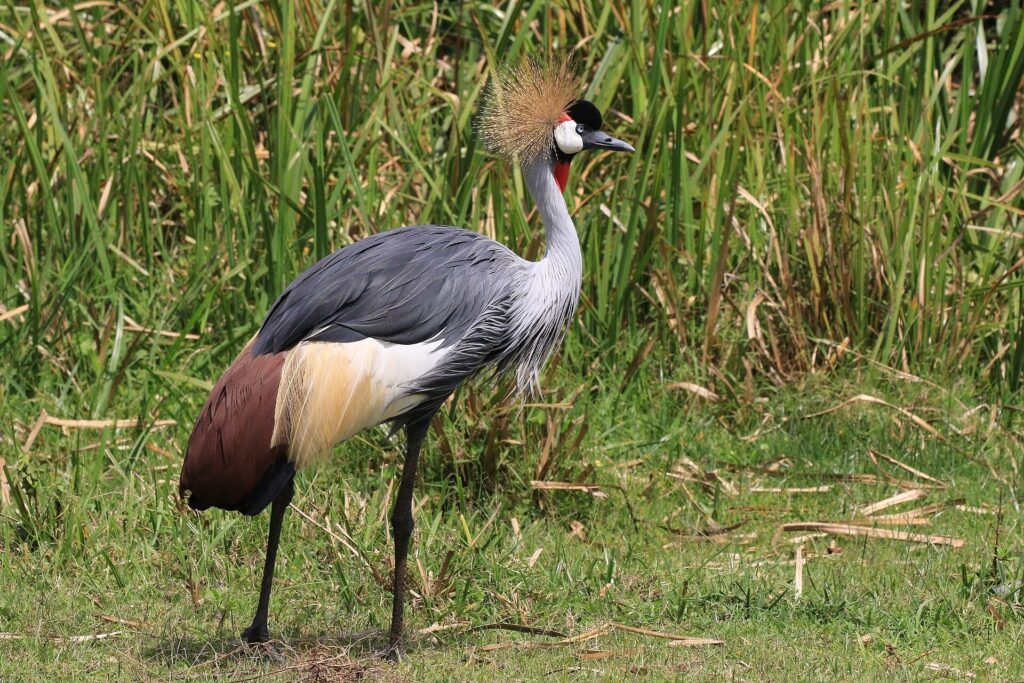
The grey crowned crane is one of only two crane species that can perch in trees, thanks to a long hind toe that grips branches.
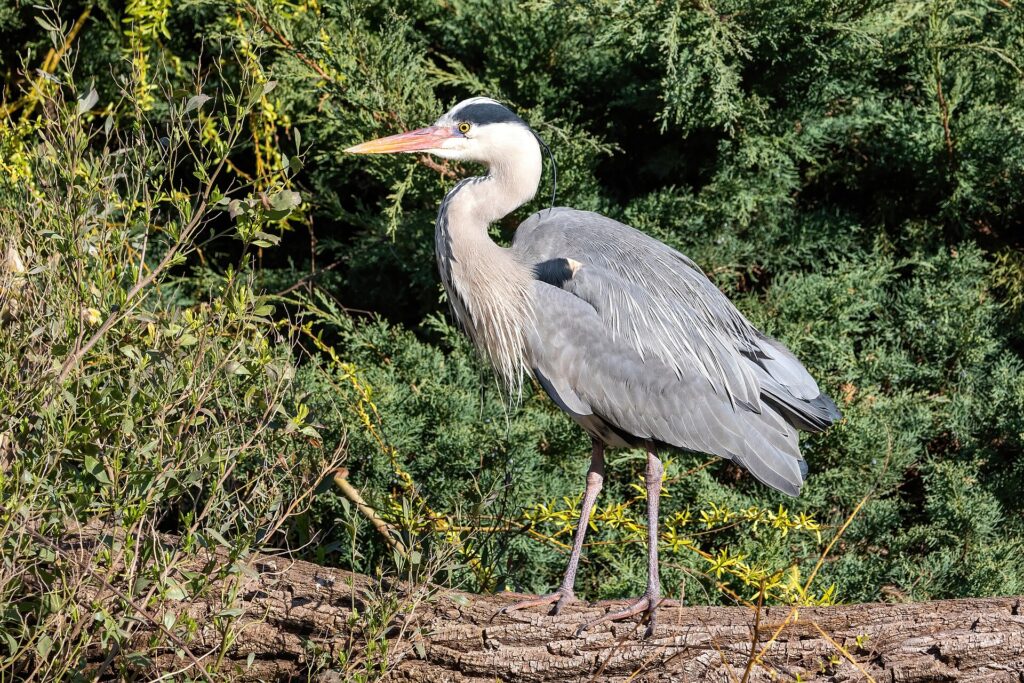
Britain’s Heronries Census has counted nesting grey herons since 1928, making it the longest-running census of breeding birds in the world.
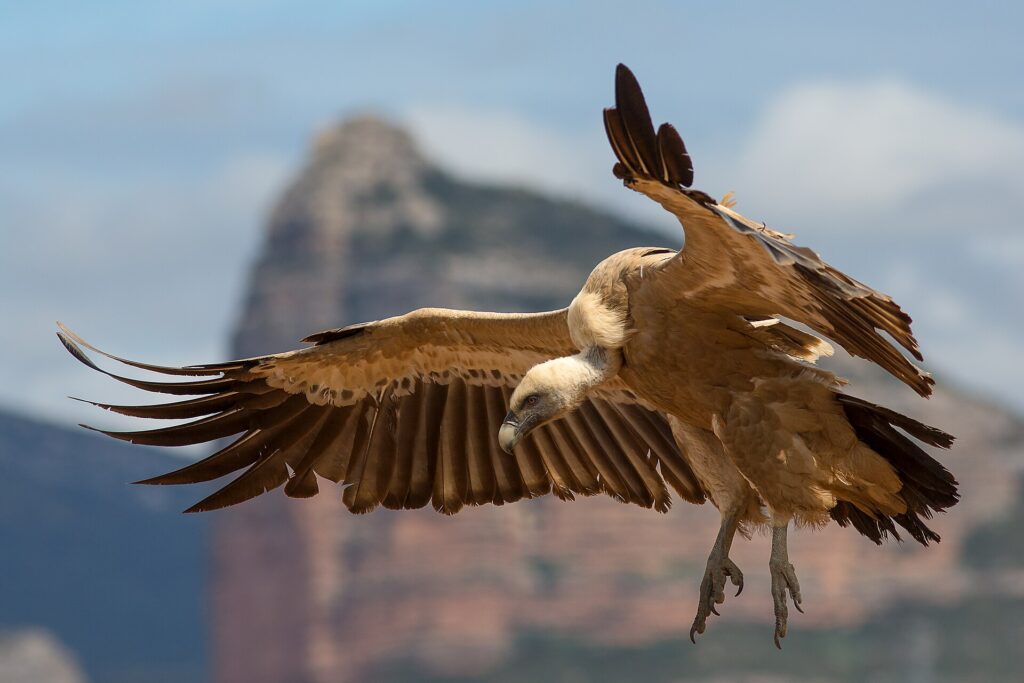
Griffon vultures can soar for hours on rising warm air without flapping, scanning huge areas for carcasses.
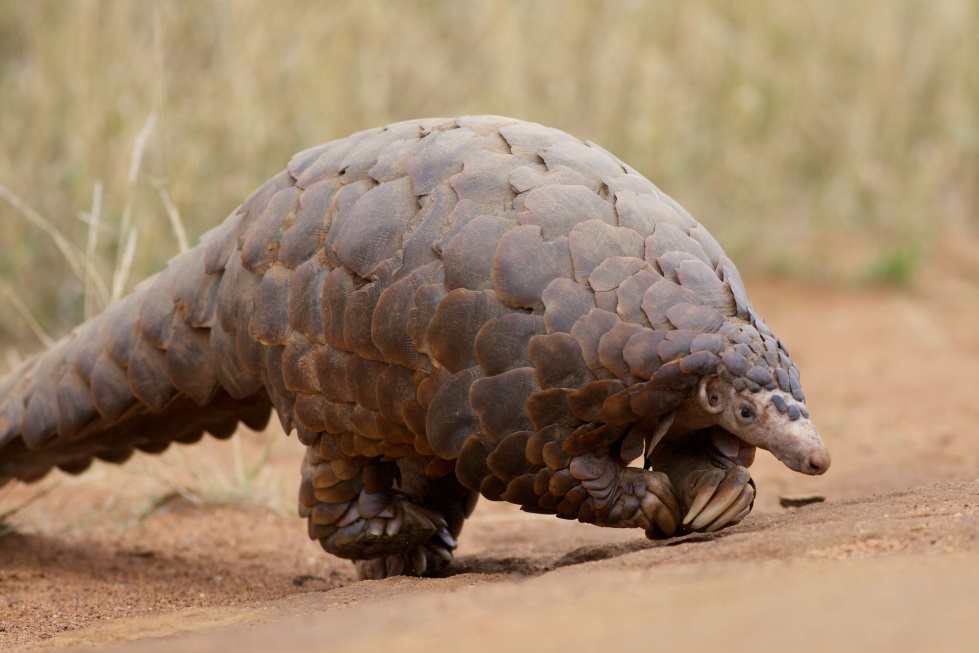
When threatened, a ground pangolin rolls into a tight ball of overlapping scales that even a lion cannot bite through.
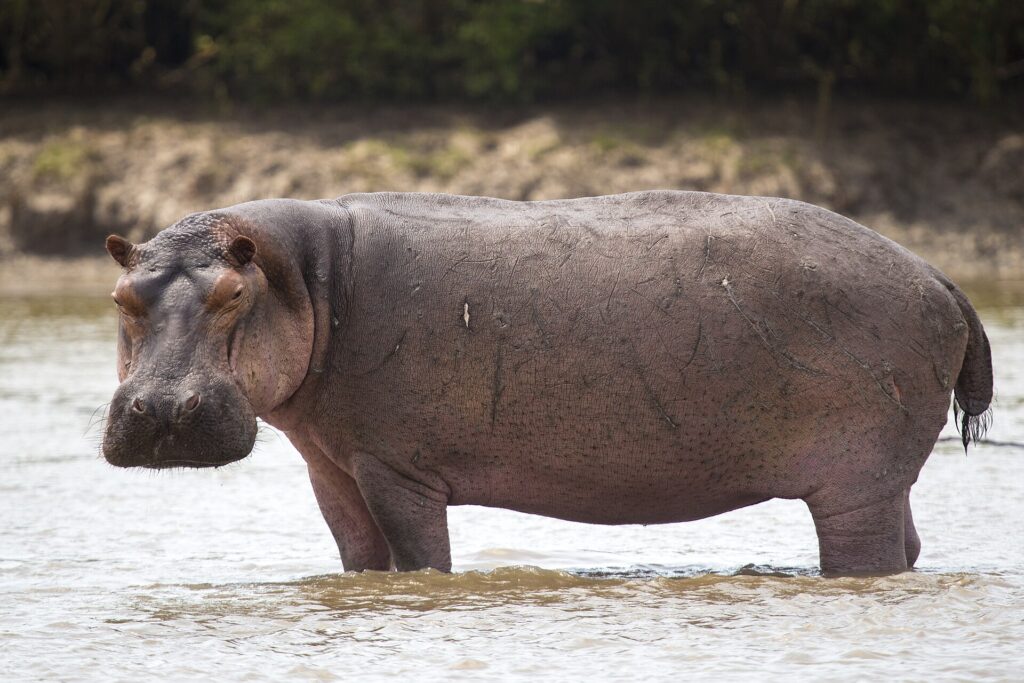
Hippos secrete a reddish fluid that works as a natural sunscreen and may help protect against bacteria.
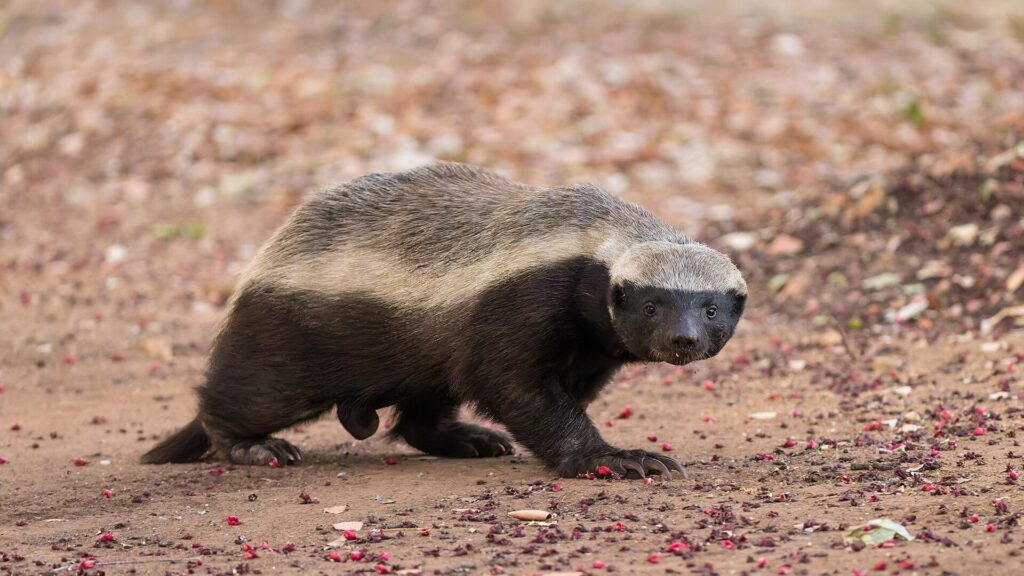
The honey badger’s skin is so thick and loose that it can twist around inside it to bite an attacker that has grabbed it.
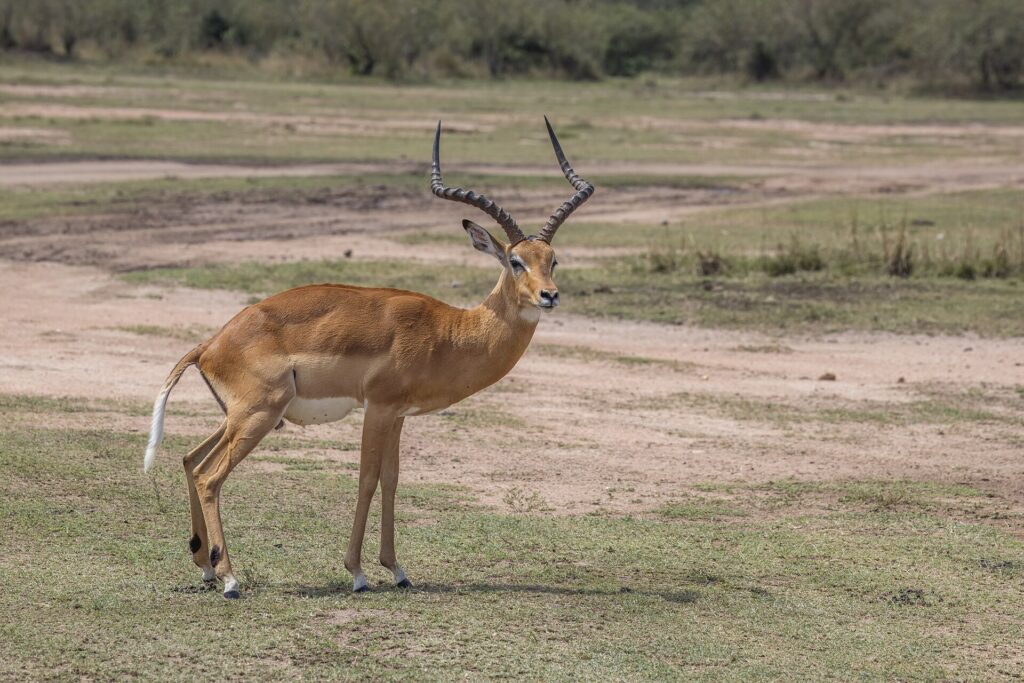
Impala can leap about 3 metres high and 10 metres long, often bounding over bushes or even other impala when fleeing predators.
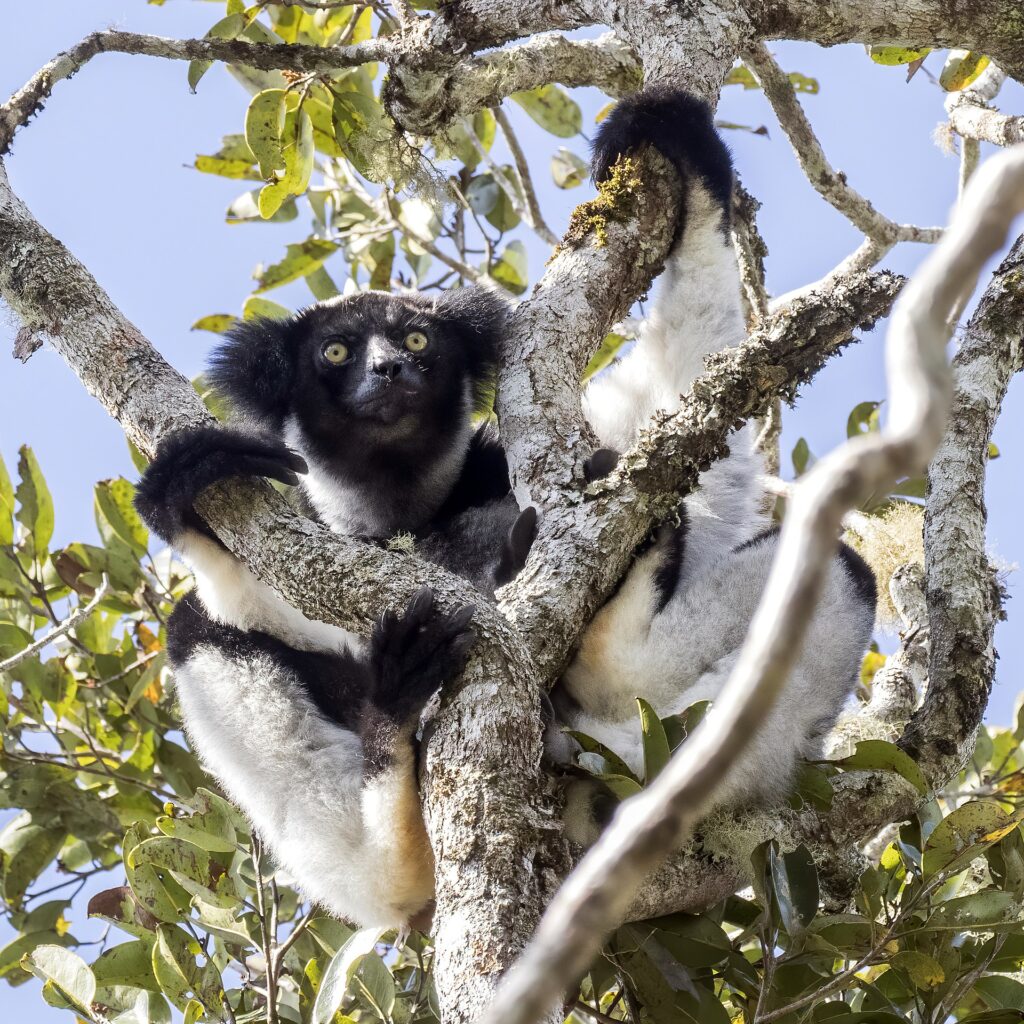
Indri families sing haunting songs that carry over 2 km, and scientists found their songs share rhythms with human music.
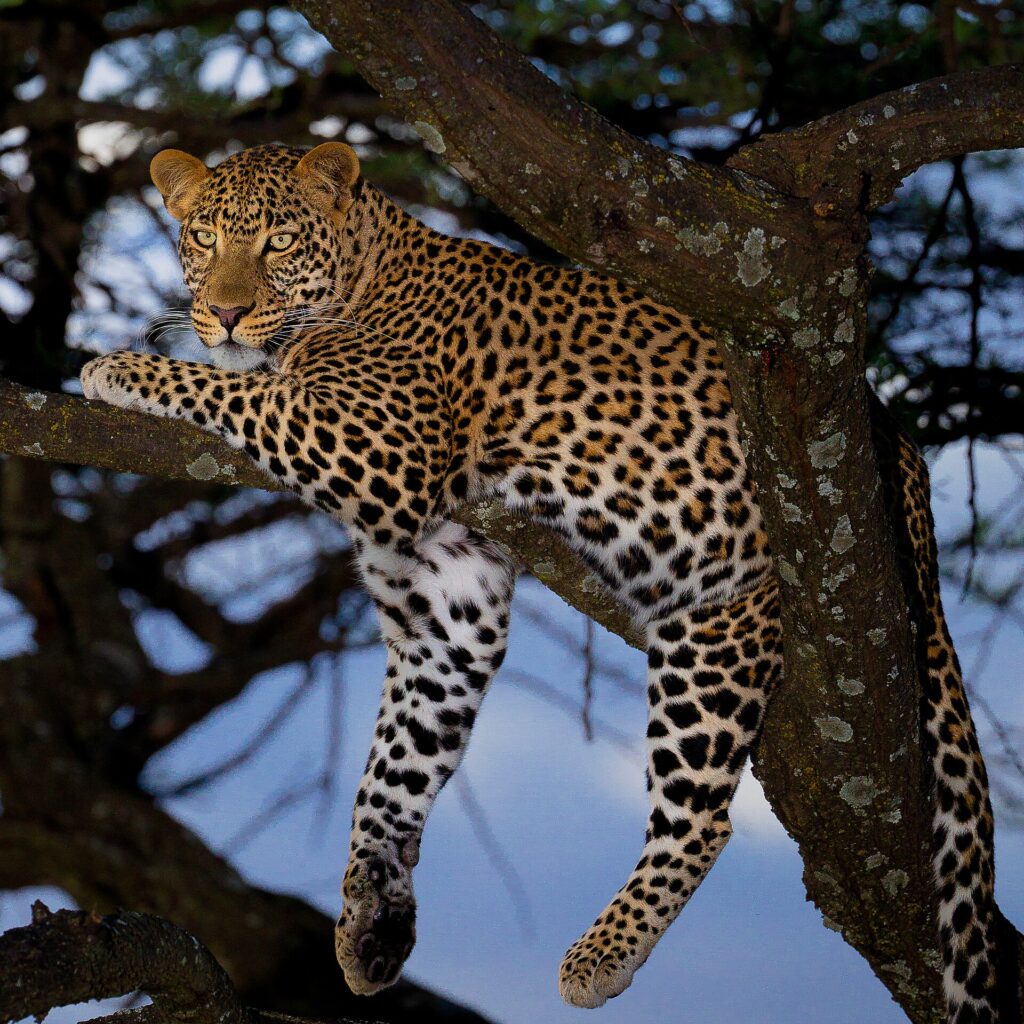
A leopard can haul a carcass heavier than itself, such as a young giraffe, several metres up a tree to keep it away from lions and hyenas.
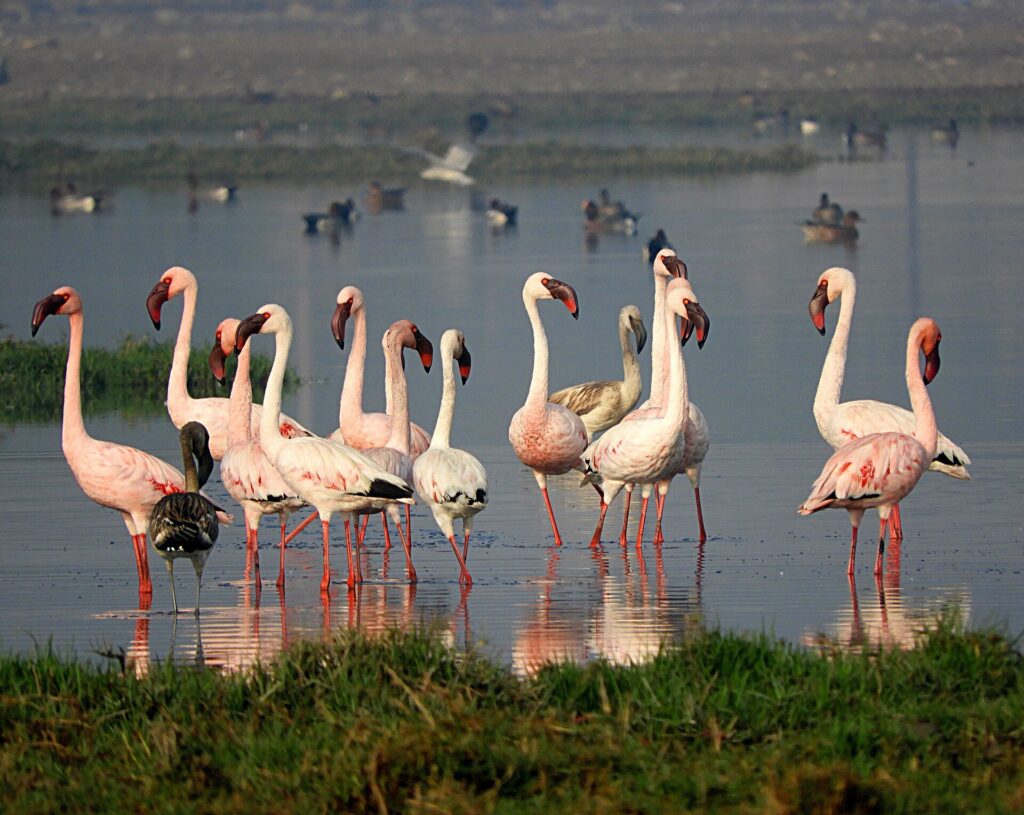
Most of the world’s lesser flamingos breed at Tanzania’s Lake Natron, a caustic soda lake that is too harsh for most predators to cross.
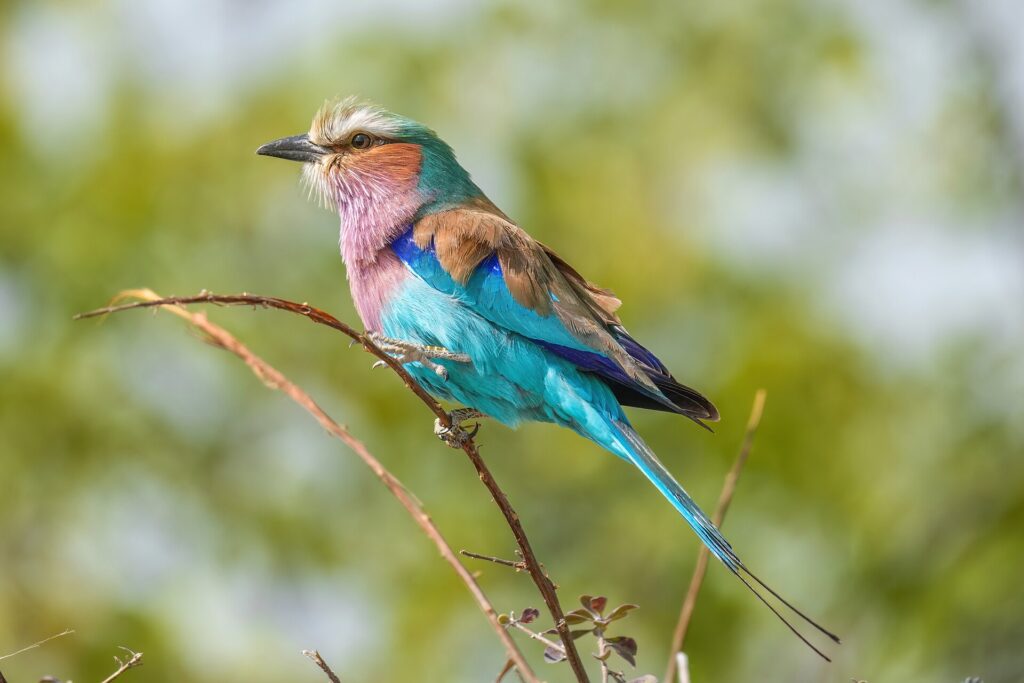
During courtship, the lilac-breasted roller flies high, then dives and rolls from side to side, giving the roller family its name.
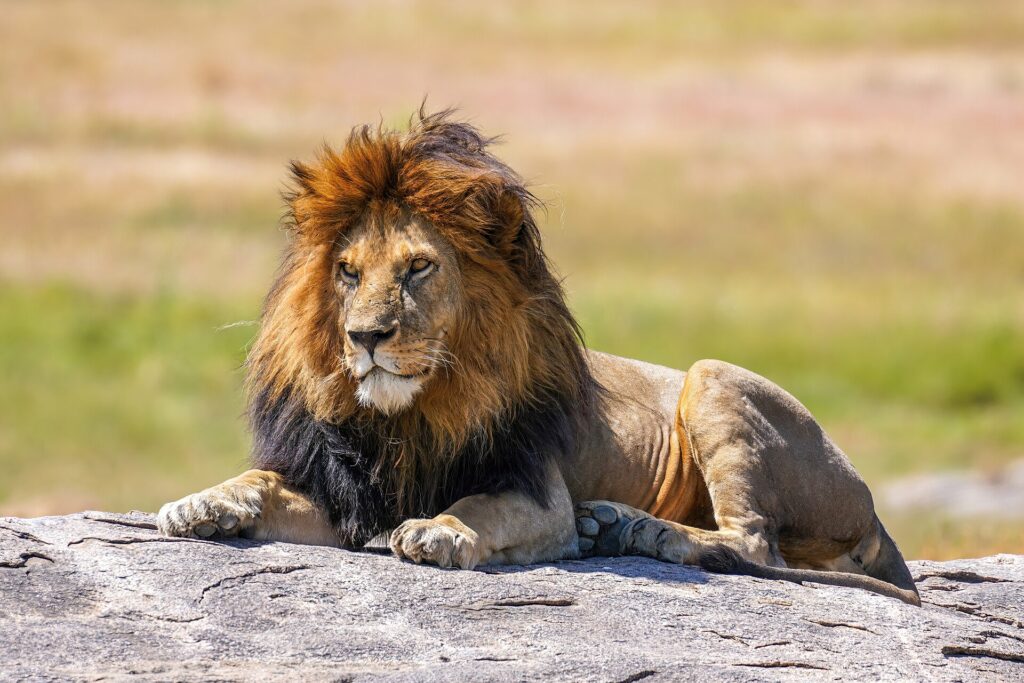
A lion’s roar can be heard up to 8 km away, and pride members roar together to announce who holds their territory.
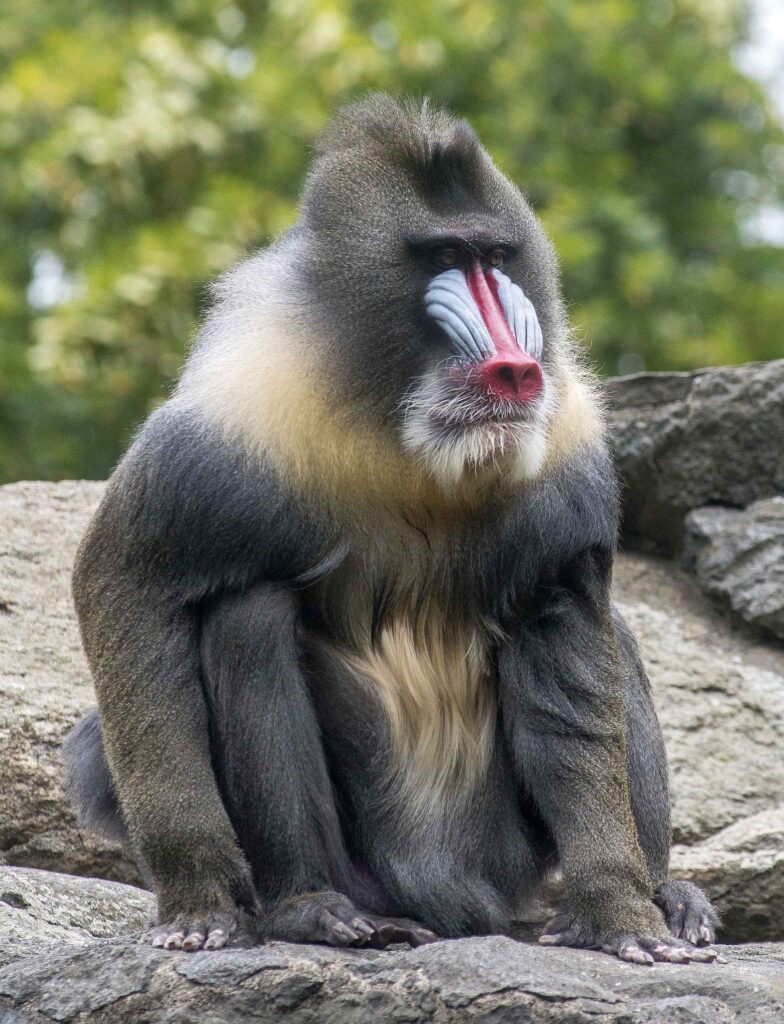
Mandrills form the largest groups of any non-human primate: ‘hordes’ of more than 800 have been recorded in Gabon.
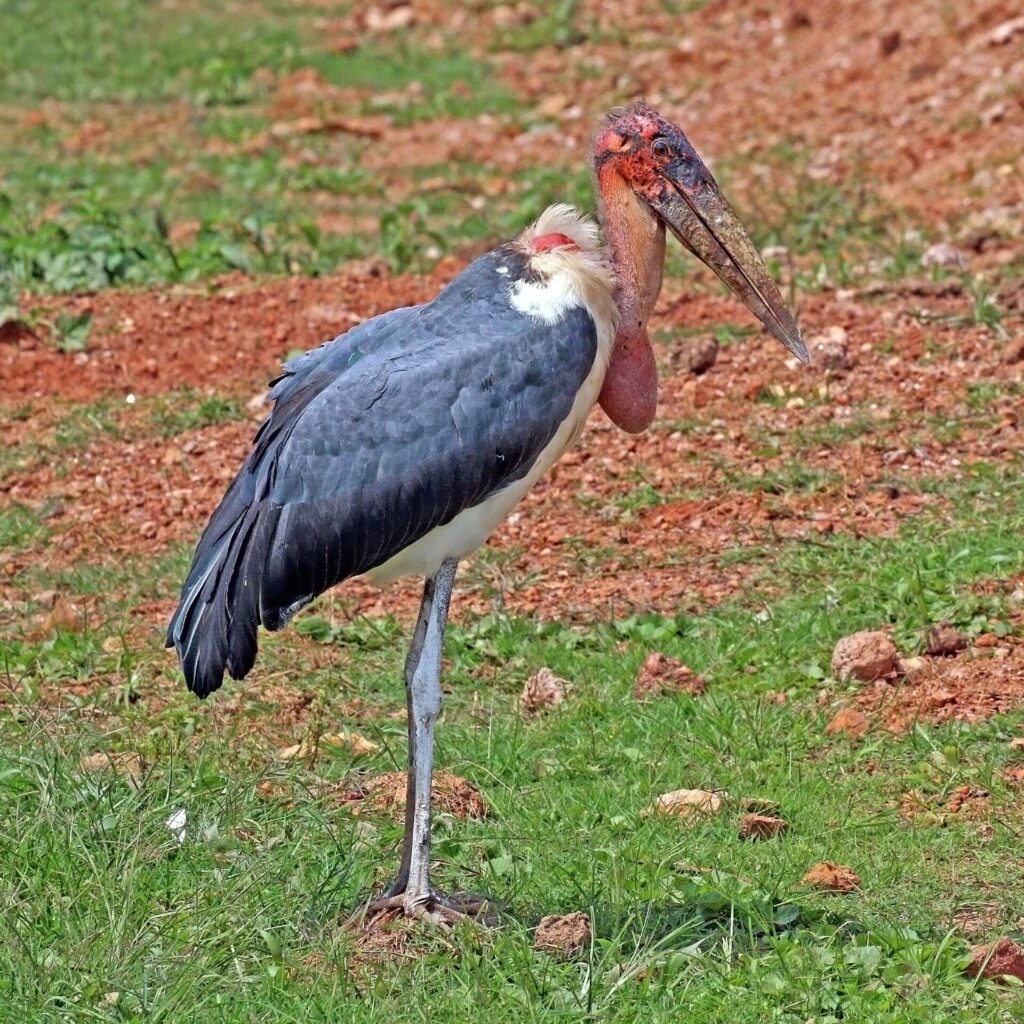
The marabou stork has one of the largest wingspans of any land bird, and it is nicknamed the ‘undertaker bird’ for its hunched, cloaked appearance.
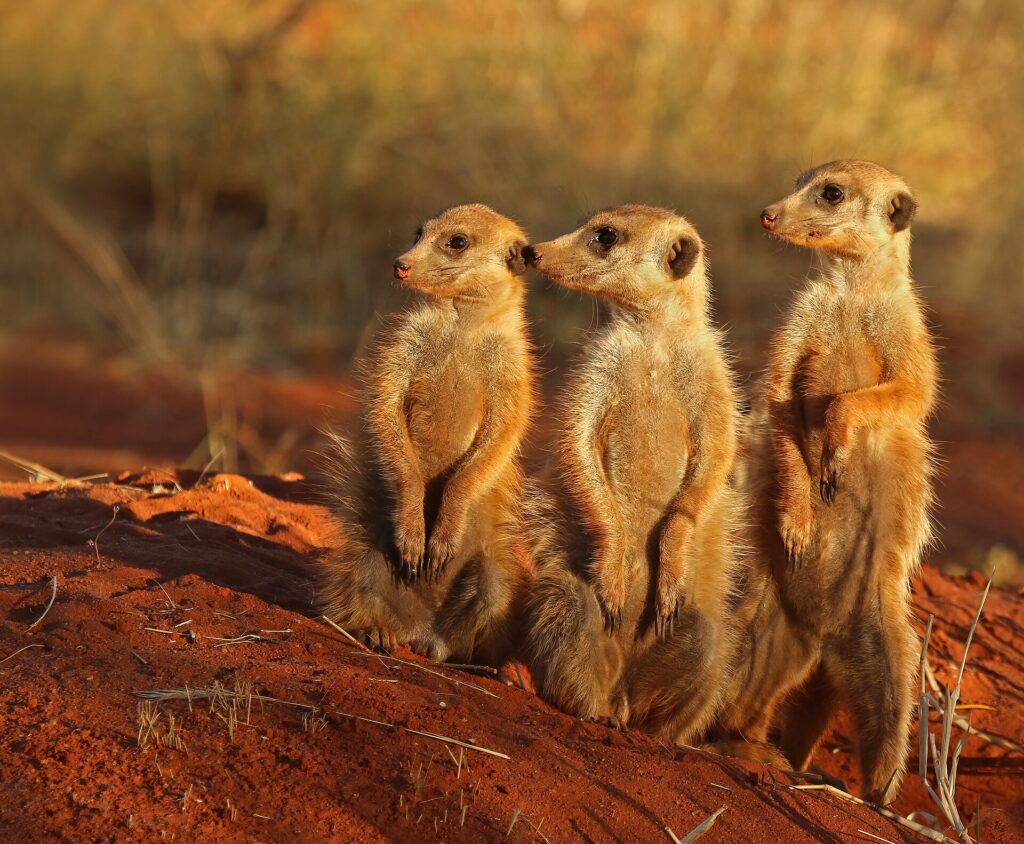
Meerkats are partly resistant to scorpion venom, and adults teach young how to handle scorpions by first bringing them dead or disabled ones.
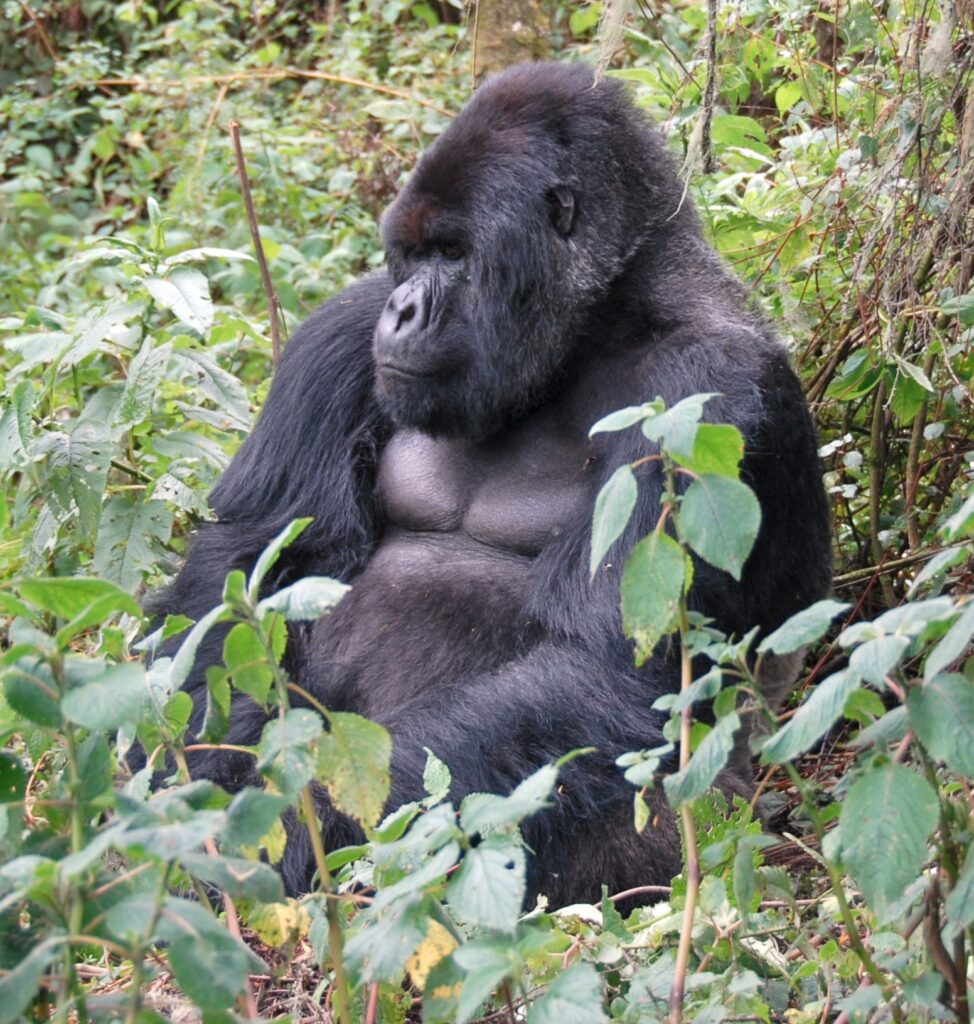
Mountain gorillas are the only great apes whose numbers are increasing, having risen from about 250 in the early 1980s to just over 1,000.
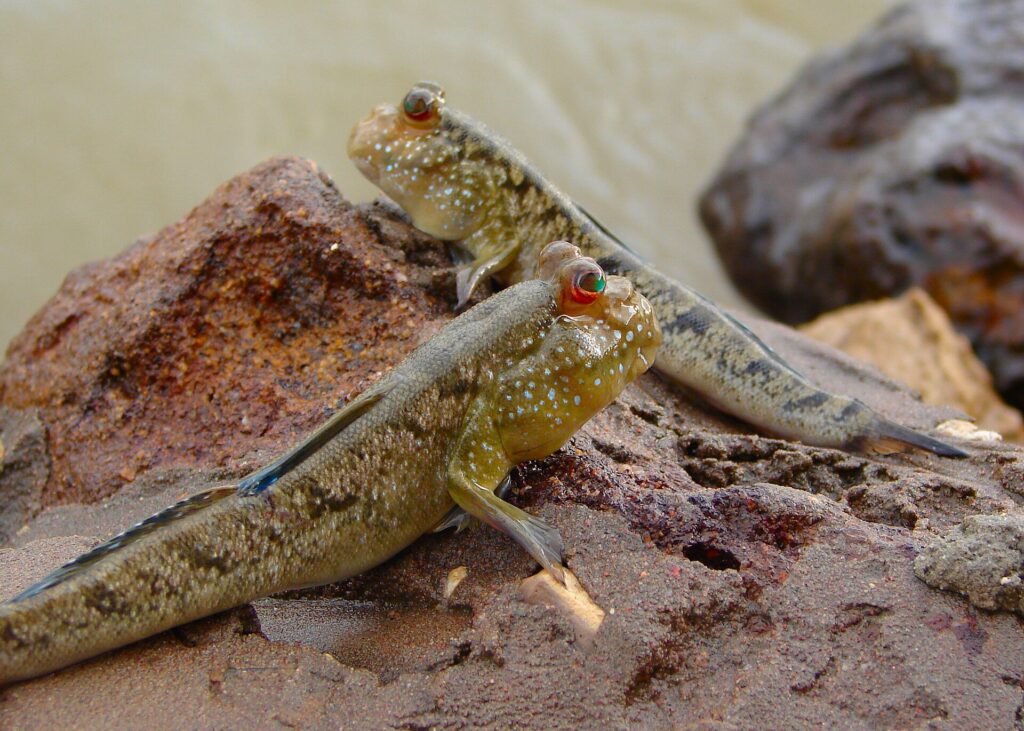
Mudskippers are fish that spend much of their time out of water, walking and skipping across mudflats on their fins.
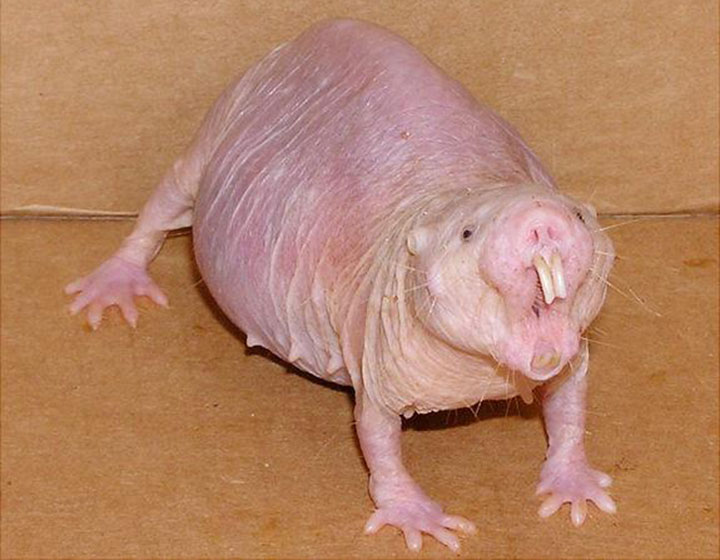
Naked mole-rats can live for more than 30 years, over ten times longer than similar-sized rodents, and rarely get cancer.
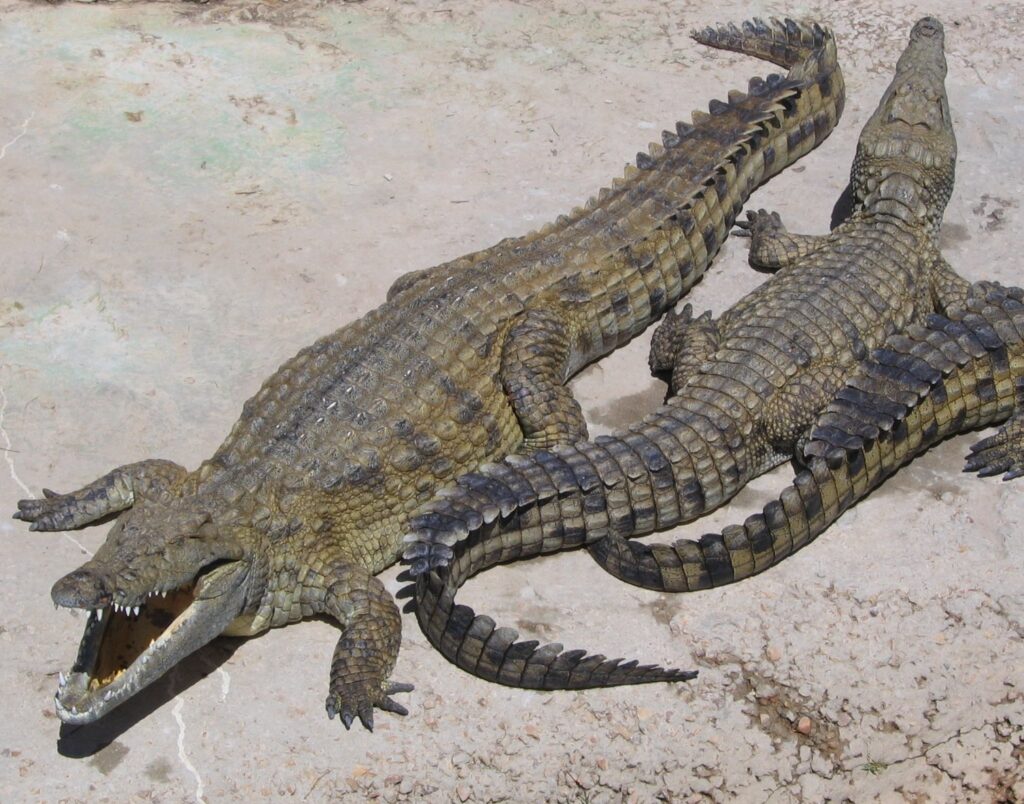
Nile crocodiles ambush wildebeest and zebras at the Mara River crossings, and can go months without eating after a large meal.