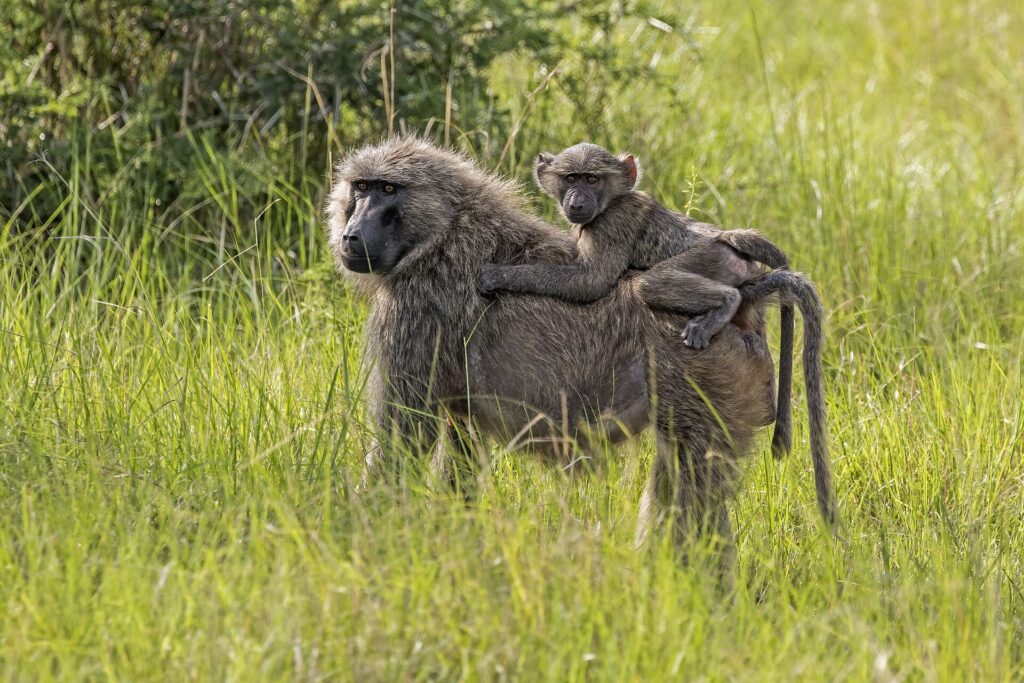
Olive Baboon
Olive baboons form long-term friendships, and studies in Kenya have shown that a baboon’s social position affects its stress levels and health.
Olive baboons form long-term friendships, and studies in Kenya have shown that a baboon’s social position affects its stress levels and health.
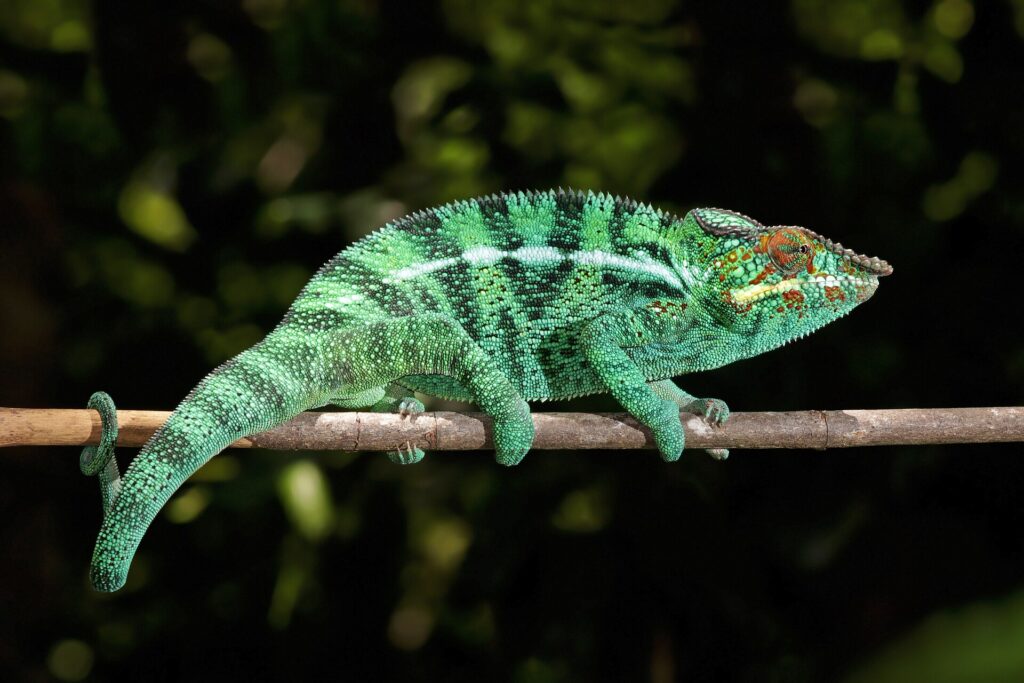
Chameleons change colour by adjusting tiny nanocrystals in their skin cells, mainly to communicate and regulate temperature, not only to camouflage.
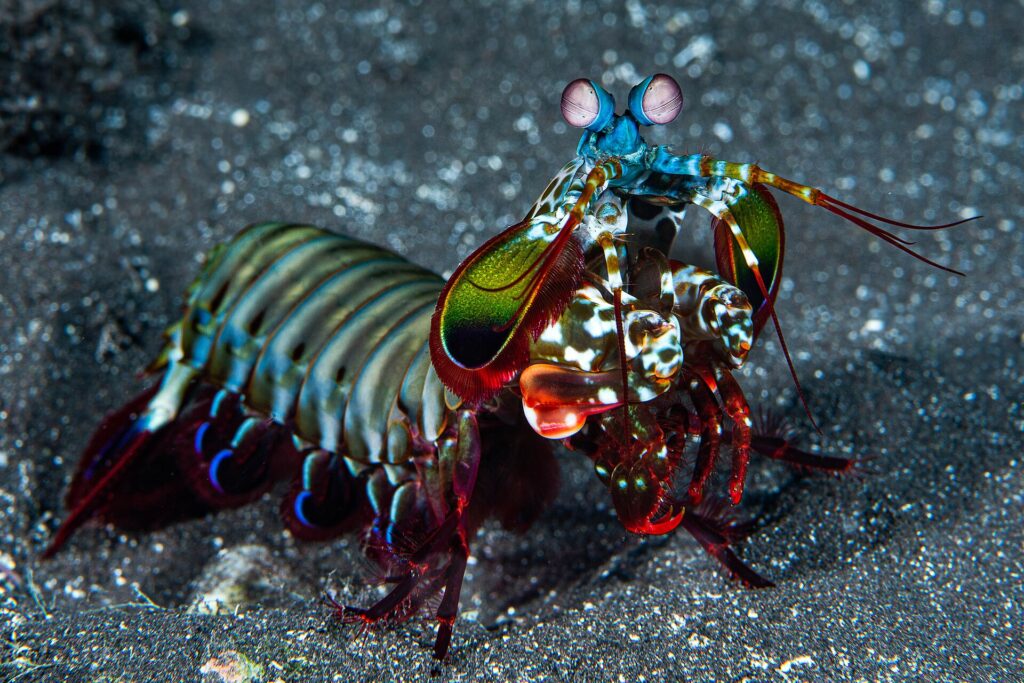
The peacock mantis shrimp punches with a club that accelerates like a bullet, striking so fast that the water around it briefly boils and flashes with light.
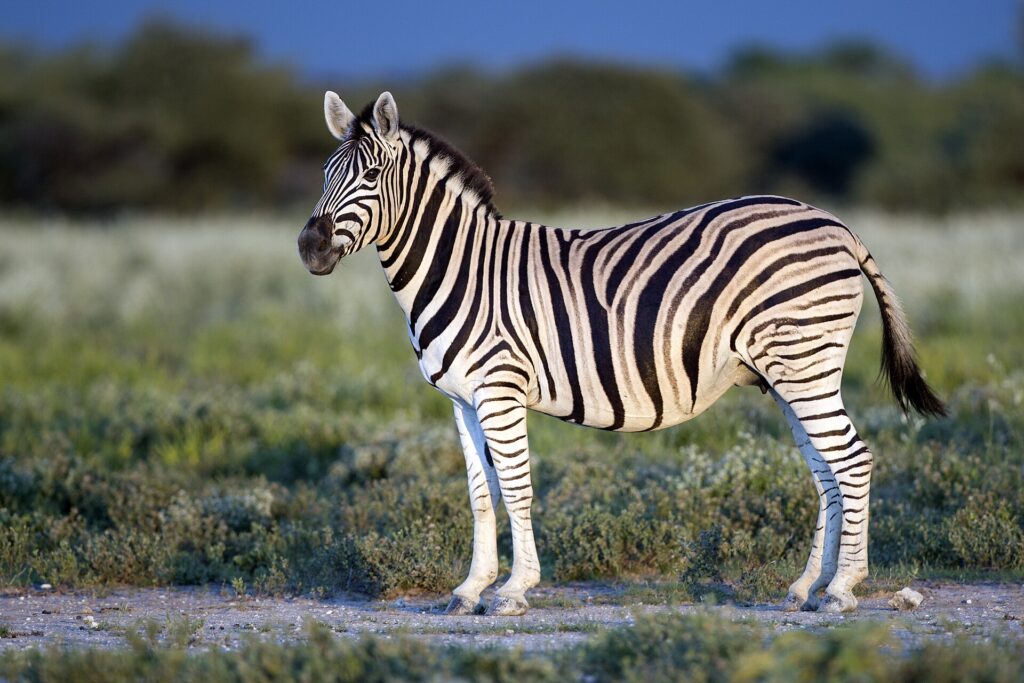
Zebra stripes appear to deter biting flies: experiments show horse flies are far less likely to land on striped coats.
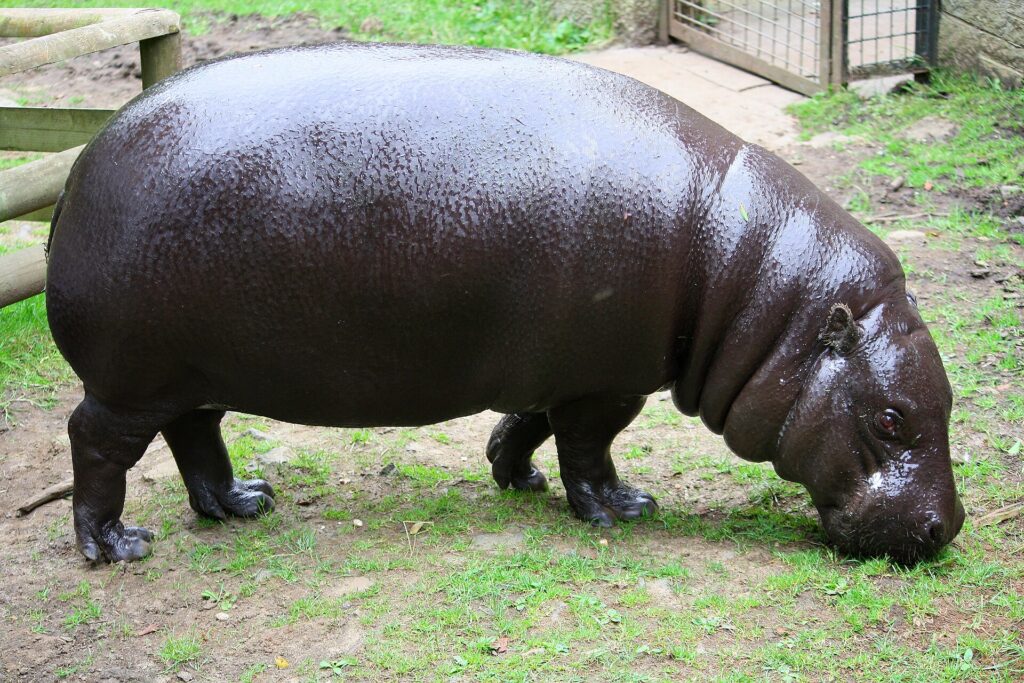
The pygmy hippo weighs about a tenth as much as a common hippo and lives alone in dense rainforest rather than in groups in rivers.
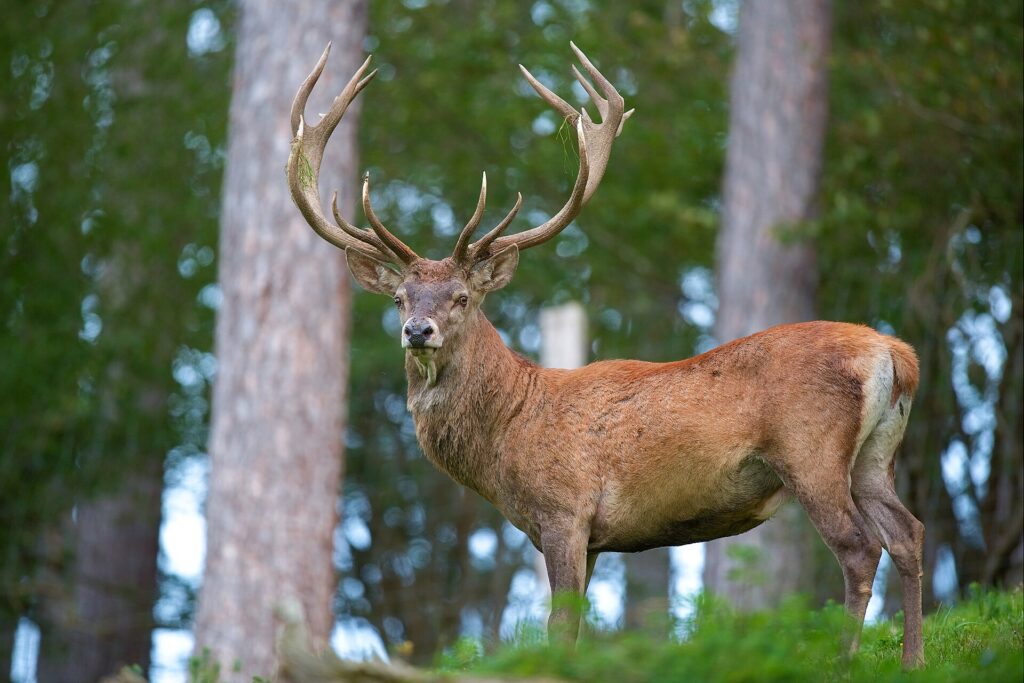
A stag’s antlers can grow up to about 2.5 cm a day, making them one of the fastest-growing tissues in the animal kingdom.
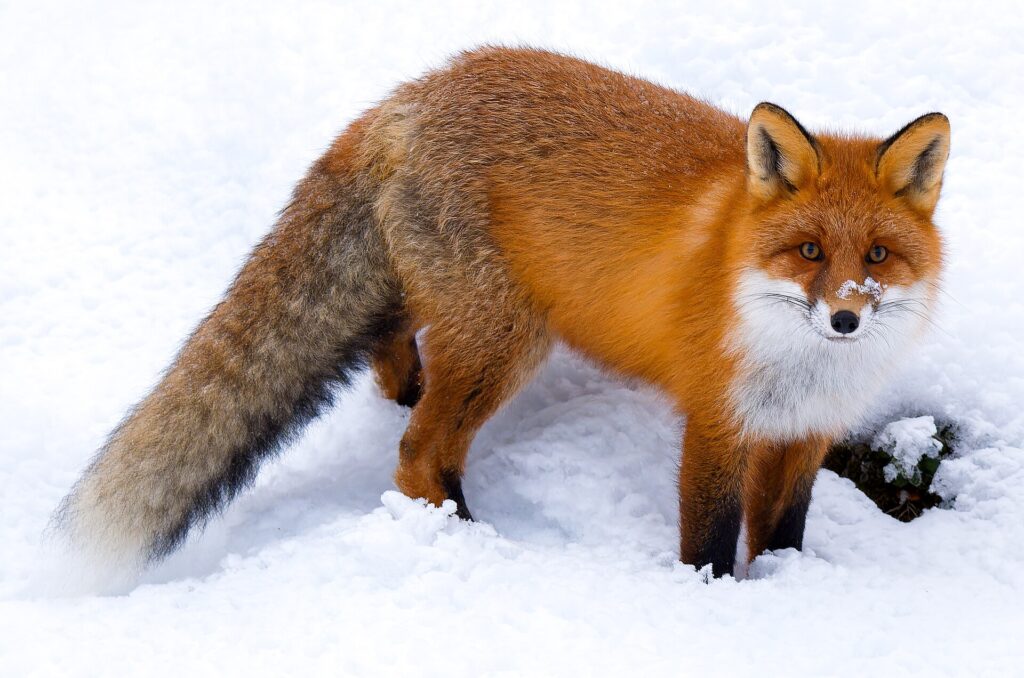
The red fox has the largest natural range of any wild carnivore on Earth, spanning North America, Europe, Asia and North Africa.
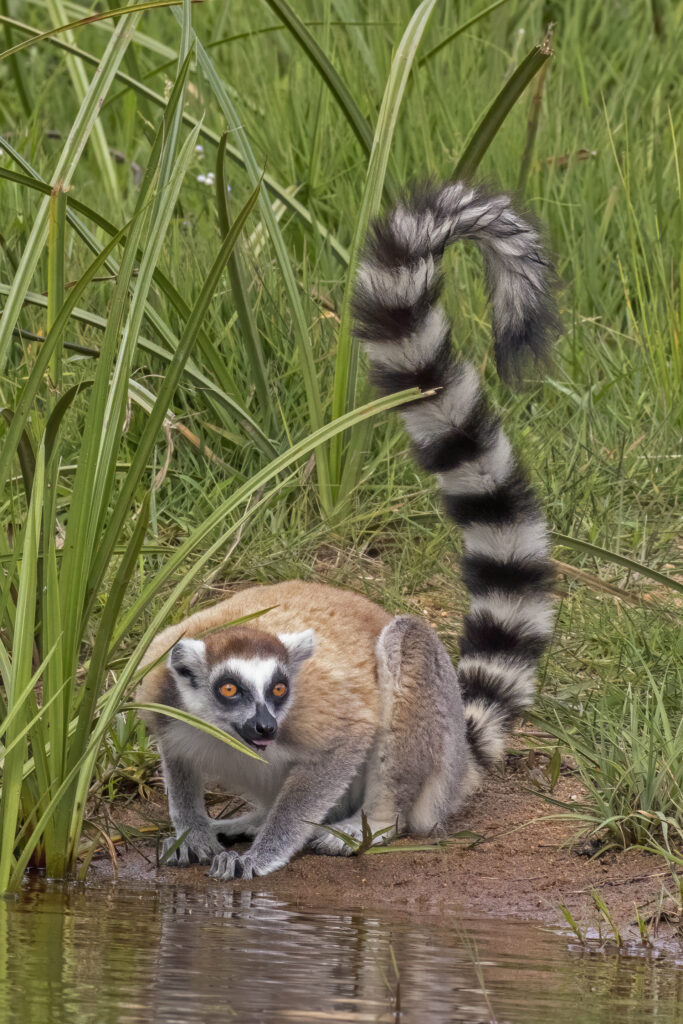
During the breeding season, male ring-tailed lemurs hold ‘stink fights’, rubbing scent onto their tails and waving them at rivals.
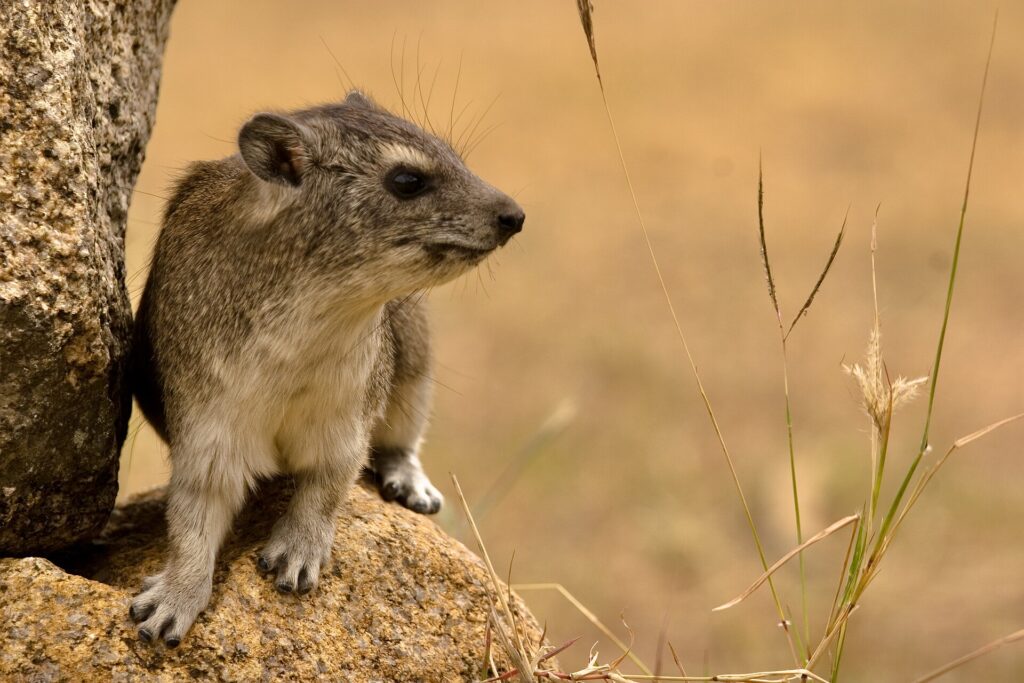
Although it looks like a large guinea pig, the rock hyrax’s closest living relatives are elephants and manatees.
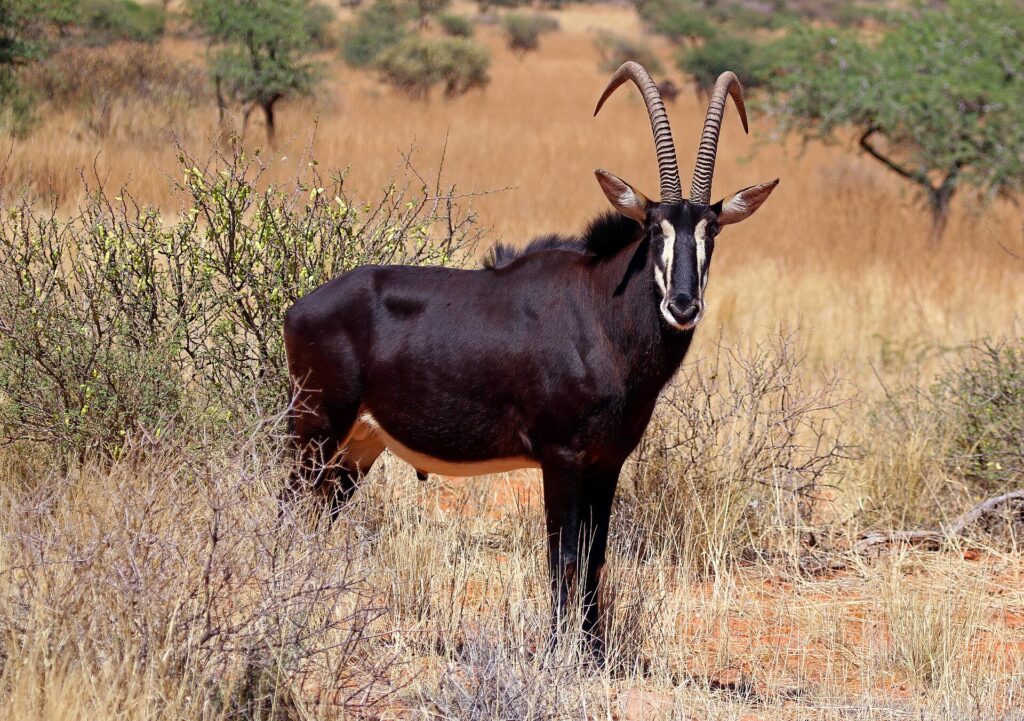
The giant sable of Angola was feared extinct after decades of civil war, until camera traps rediscovered a small herd in 2004.
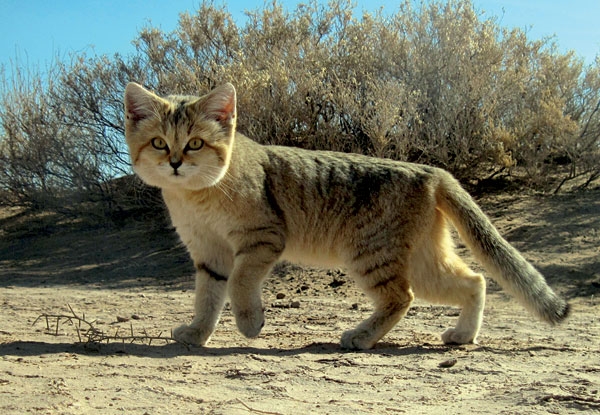
The sand cat can survive without drinking water, getting all the moisture it needs from its prey.
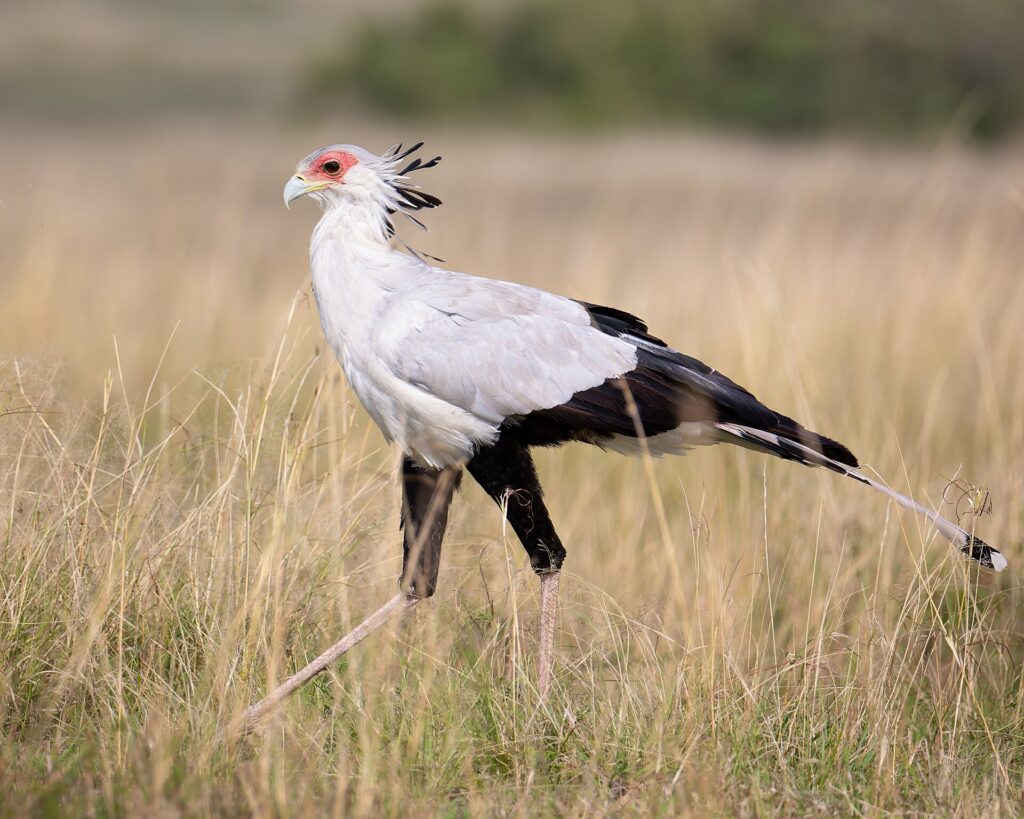
The secretary bird kills snakes by stamping on them with a kick that delivers about five times its own body weight in a fraction of a second.
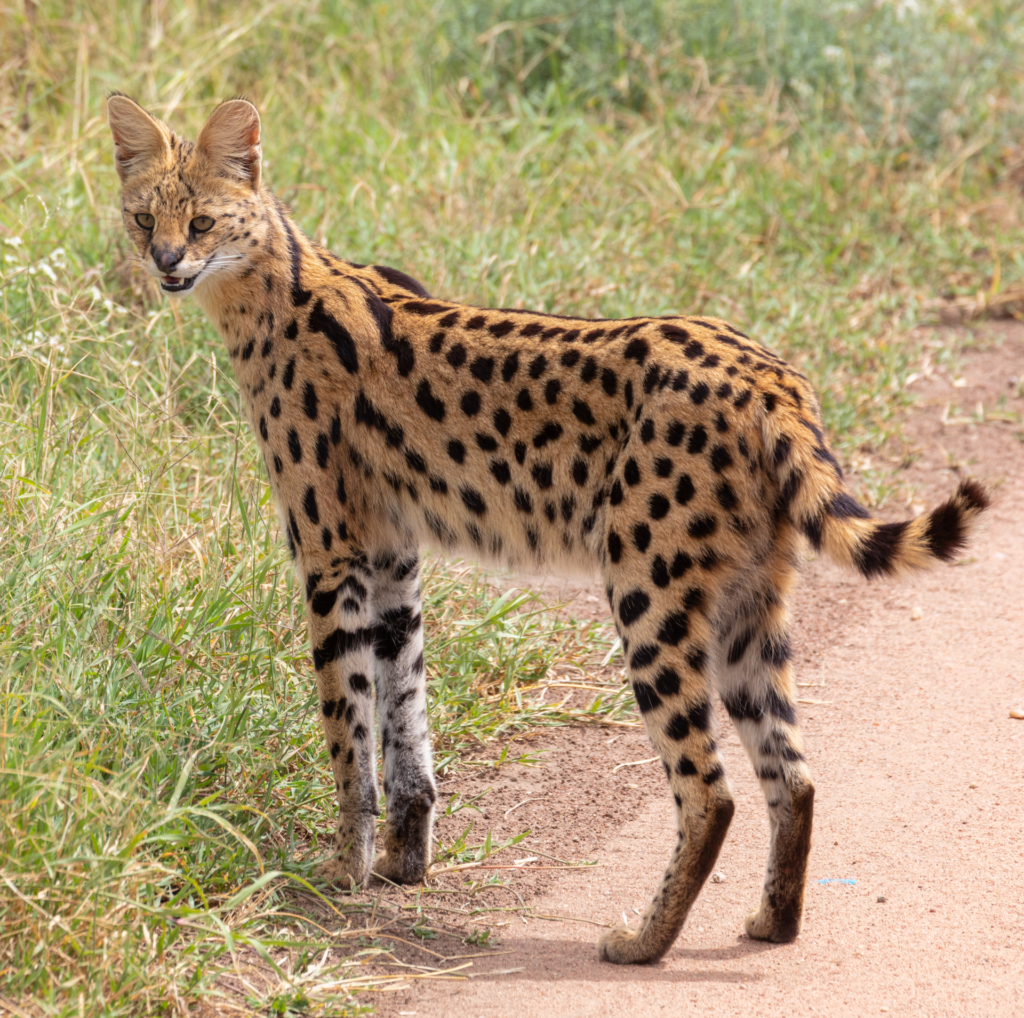
The serval is one of the most successful hunters among cats: in some studies, around half of its pounces end in a catch.
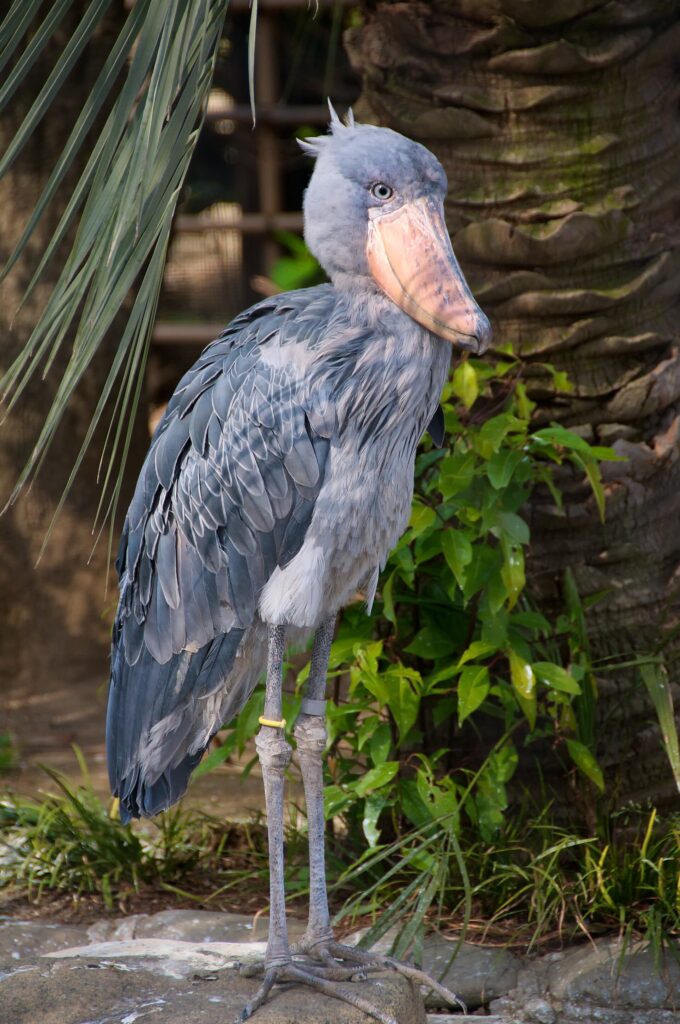
A shoebill can stand motionless for hours, then collapse forward onto its prey in a lunge called a ‘collapse’.
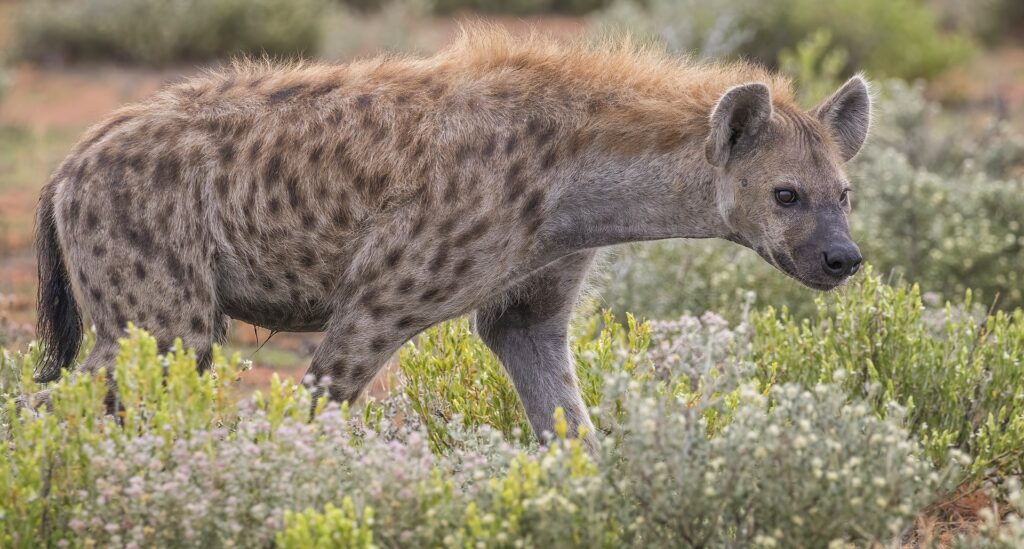
Spotted hyenas can crush and digest bone, and in many areas they kill most of their own food rather than scavenging.
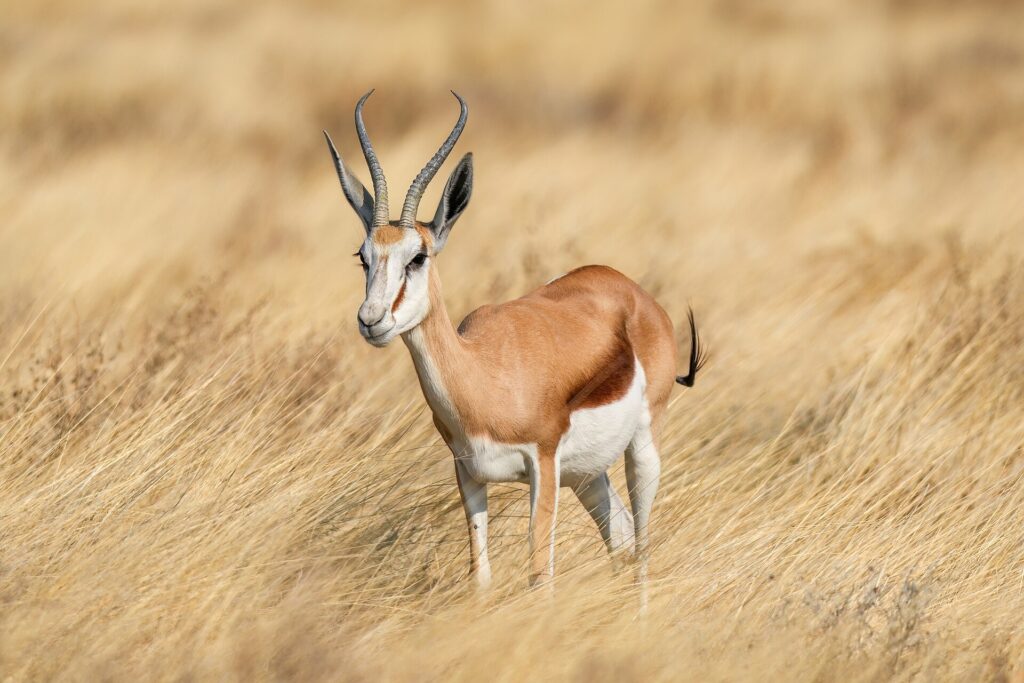
Springbok ‘pronk’, leaping high into the air with stiff legs and an arched back while flashing a crest of white hair along their spine.
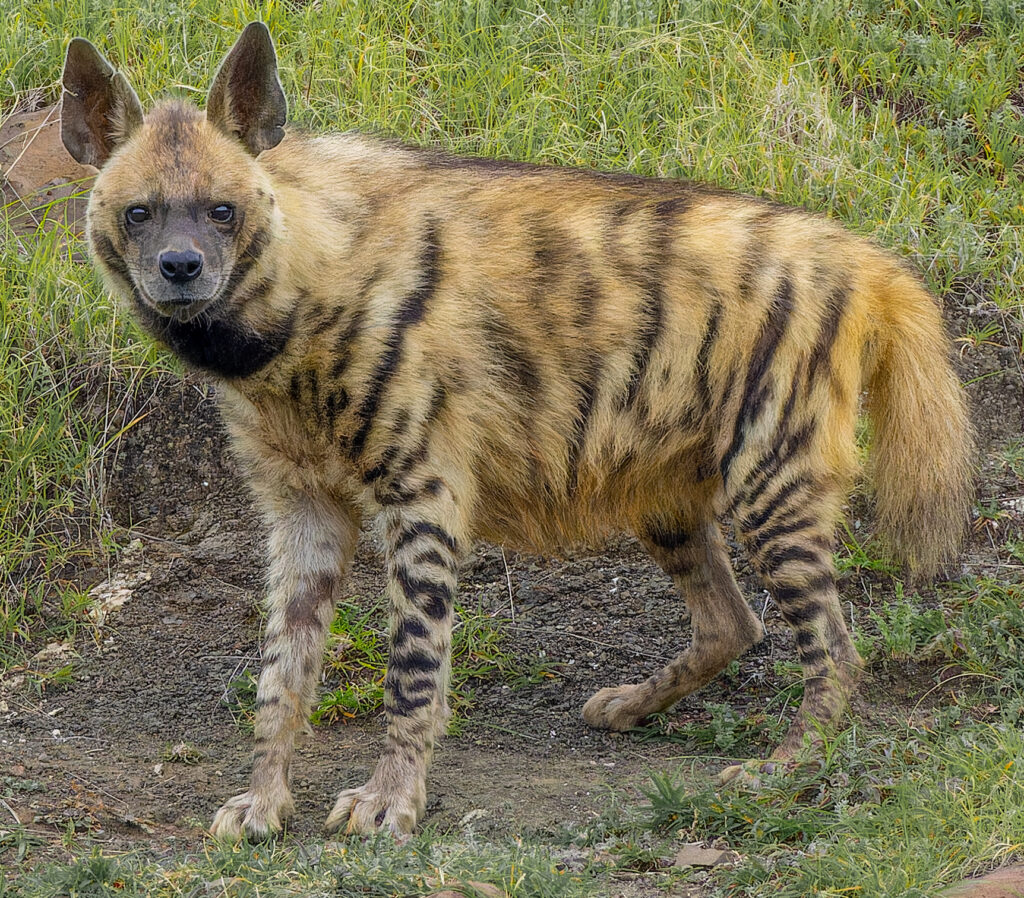
When threatened, the striped hyena raises a long mane along its back, making itself look much bigger.
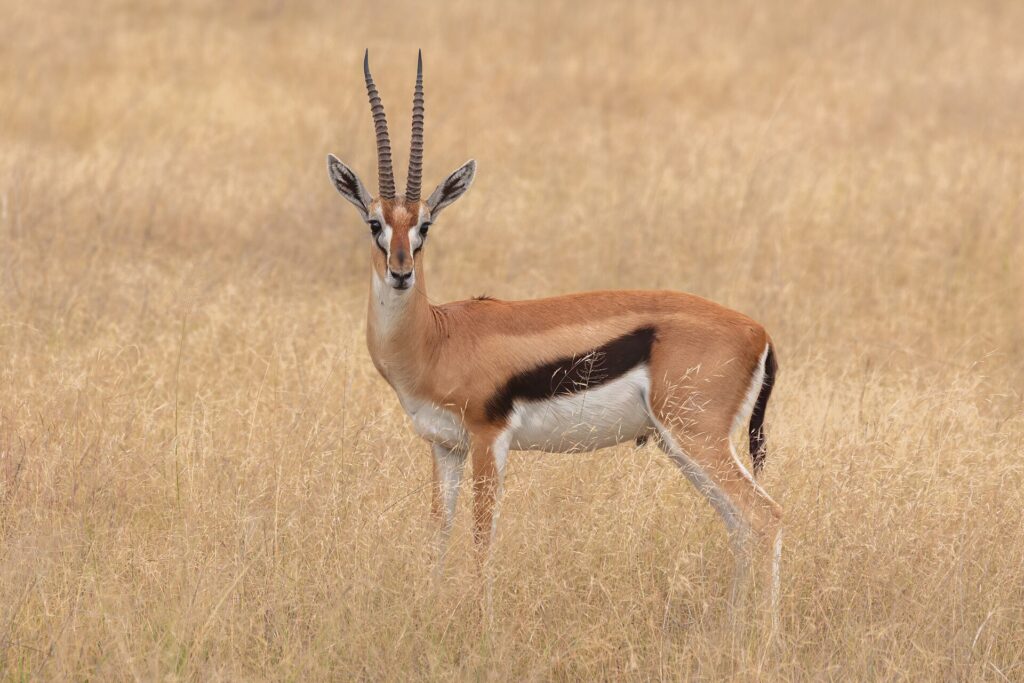
Thomson’s gazelles are the cheetah’s favourite prey, and they can change direction so sharply that cheetahs often lose the chase.
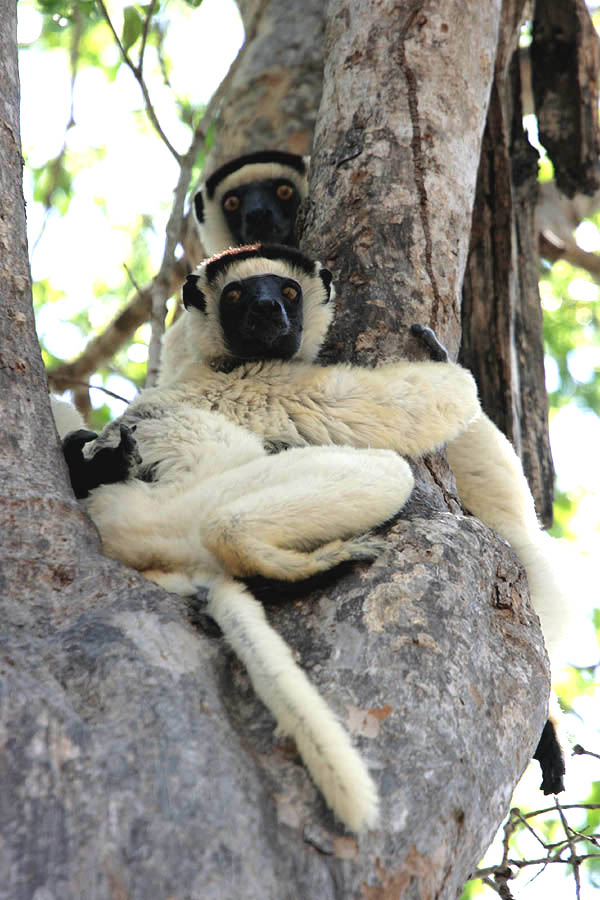
On the ground, Verreaux’s sifakas ‘dance’, bounding sideways on their hind legs with their arms raised for balance.
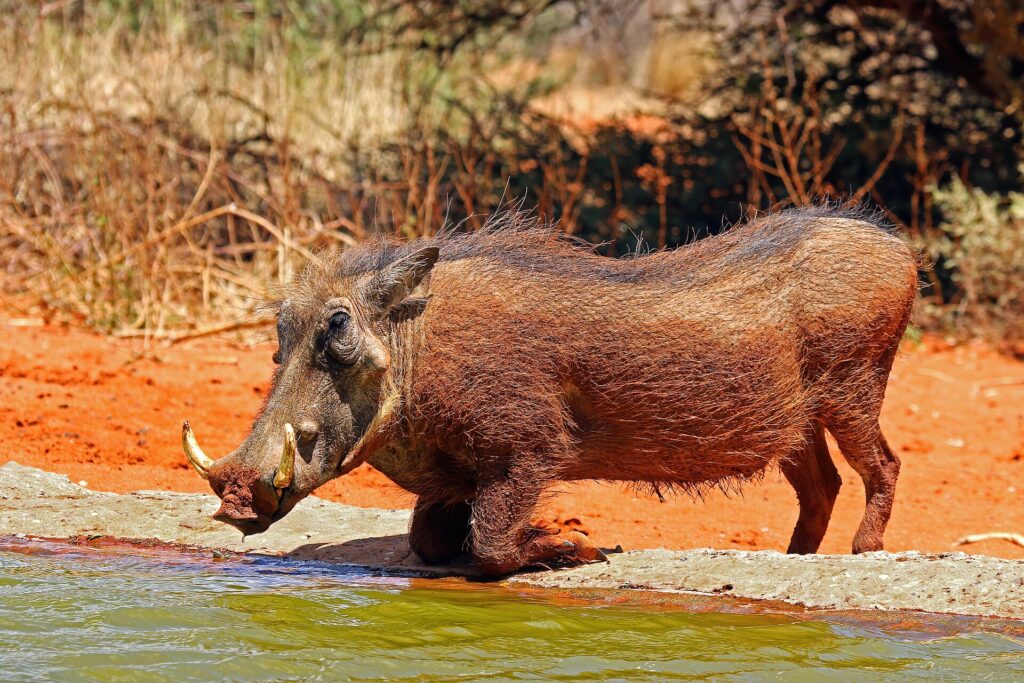
Warthogs back into their burrows so that they face outwards, ready to charge out with their tusks at any intruder.
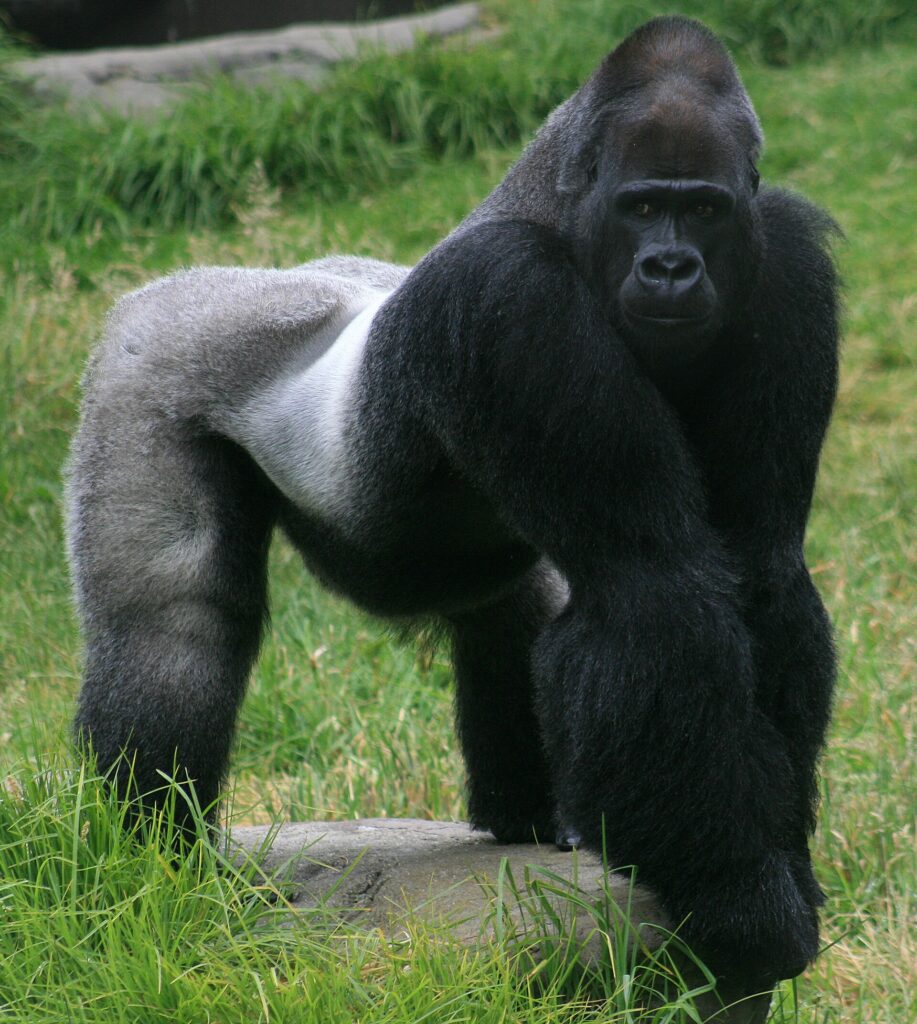
Western lowland gorillas are by far the most numerous gorillas, yet they are still Critically Endangered because their numbers are falling by several percent every year.
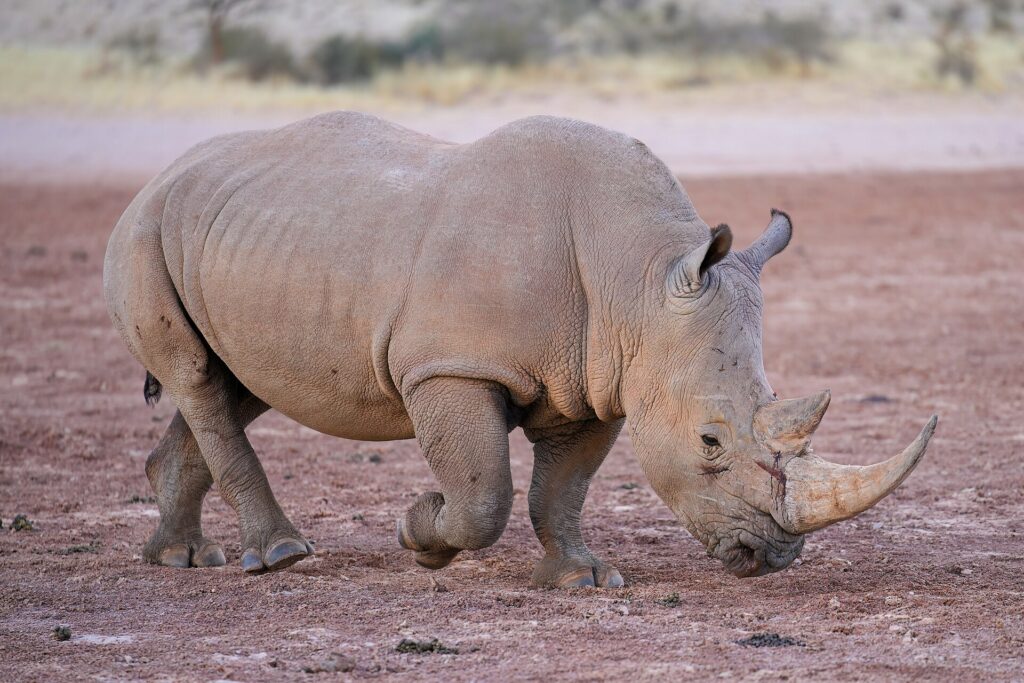
The southern white rhino was brought back from fewer than 100 animals around 1900 to more than 16,000, one of conservation’s greatest recoveries.
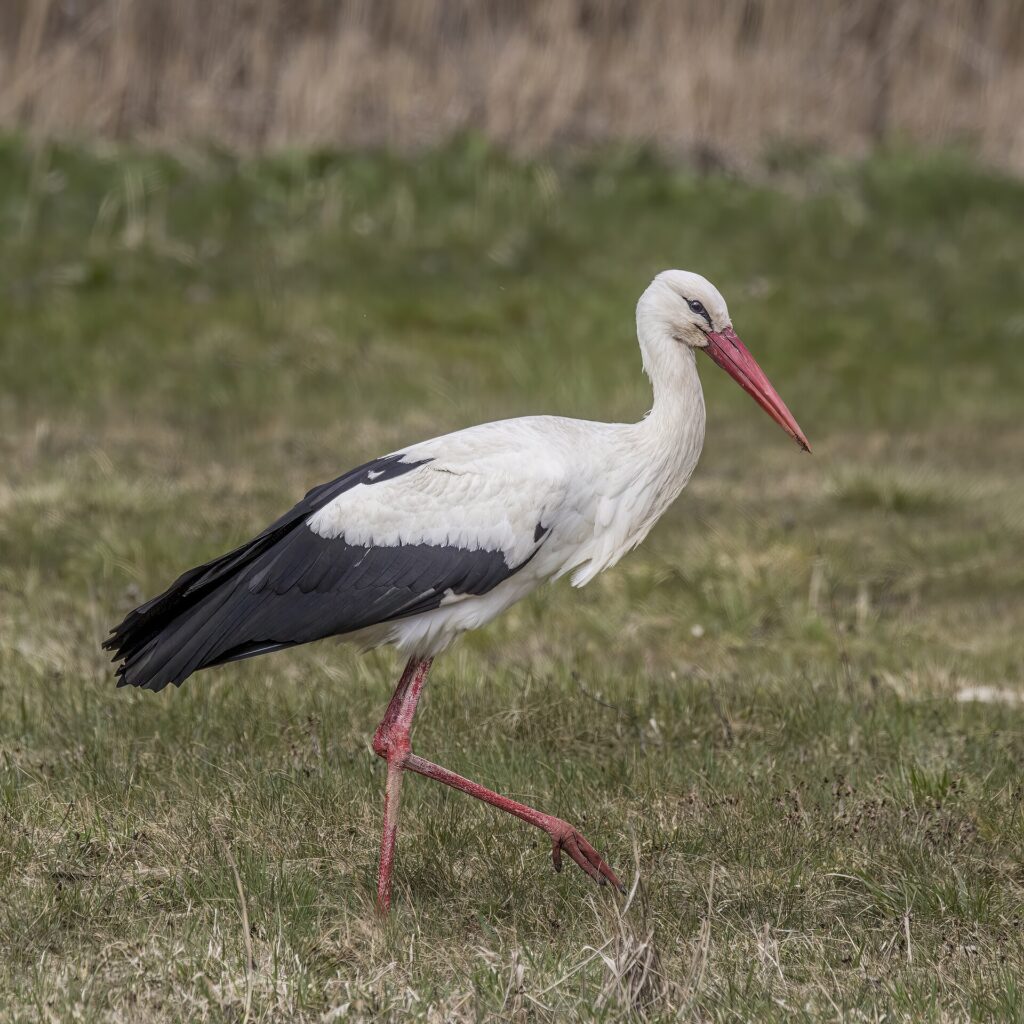
White storks avoid long sea crossings on migration, funnelling over the Strait of Gibraltar and the Bosphorus in huge flocks that ride warm air currents.
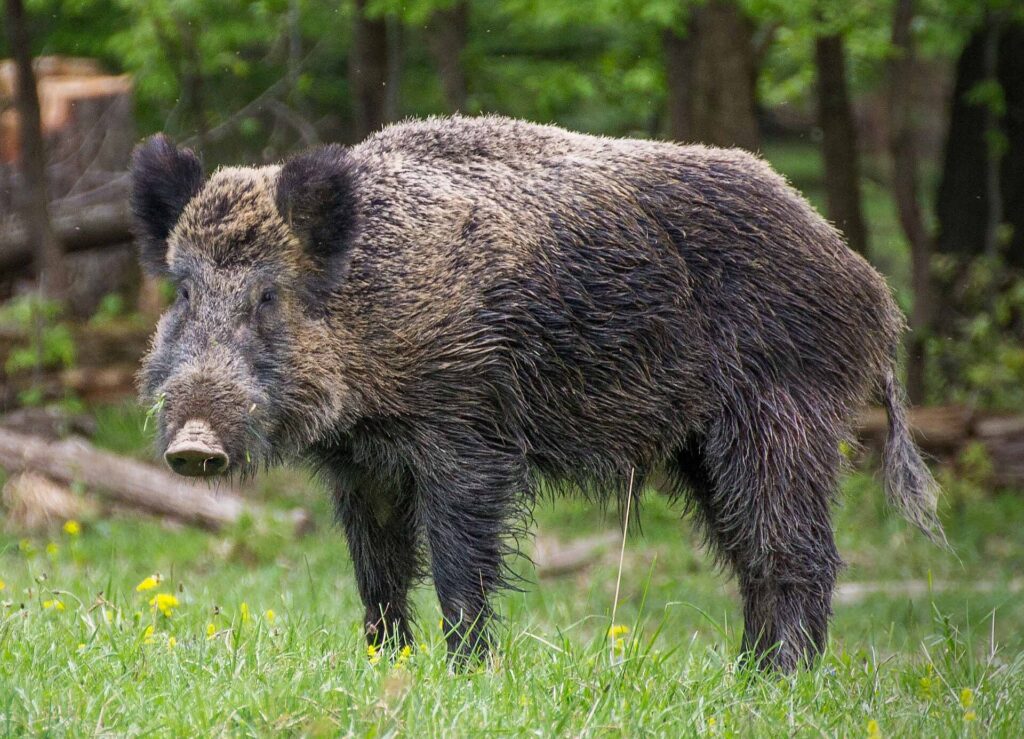
The wild boar is one of the most widespread mammals on Earth and the wild ancestor of all domestic pigs.