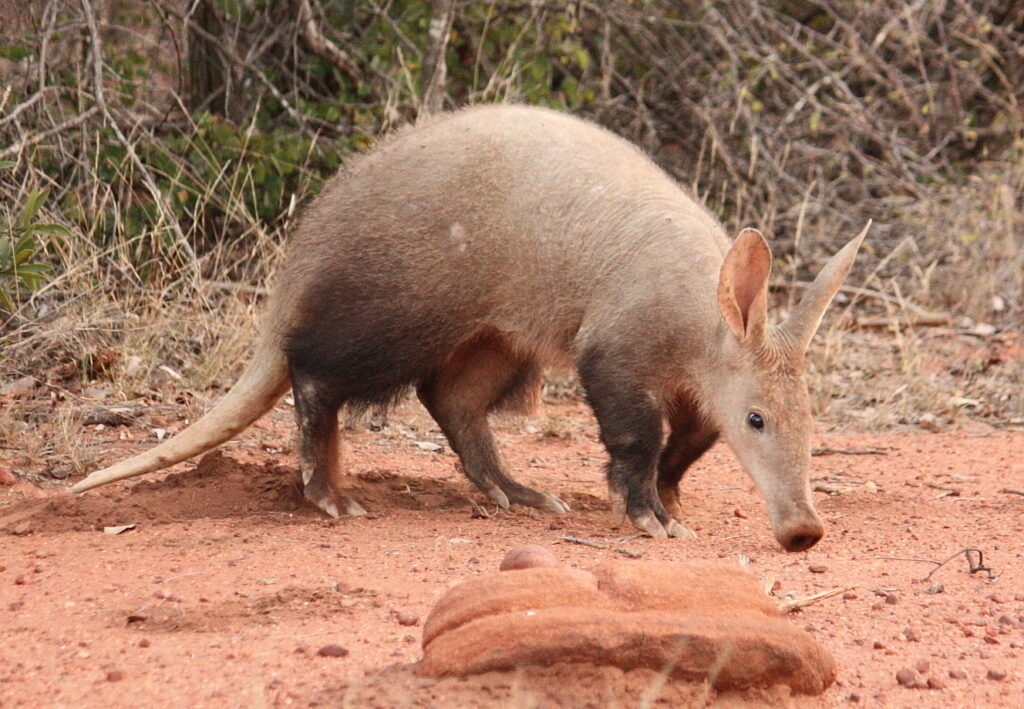
Aardvark
The aardvark is the only living member of its entire mammal order, Tubulidentata, making it one of the most unique mammals on Earth.
The aardvark is the only living member of its entire mammal order, Tubulidentata, making it one of the most unique mammals on Earth.
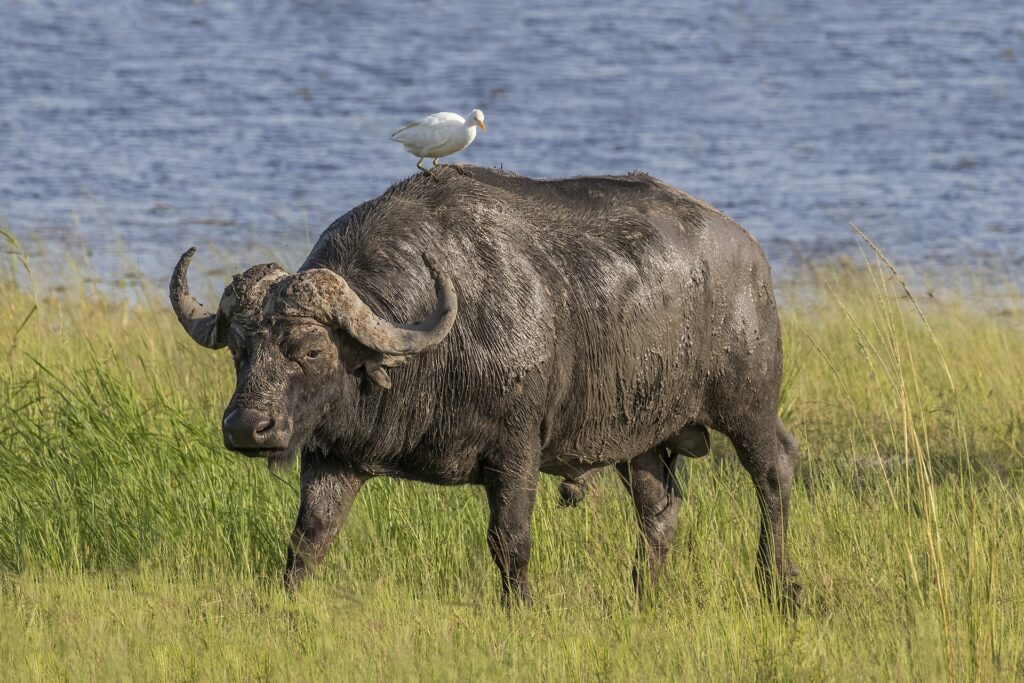
Scientists have found that buffalo herds ‘vote’ on where to go: resting females stand up and gaze in their preferred direction, and the herd follows the majority.
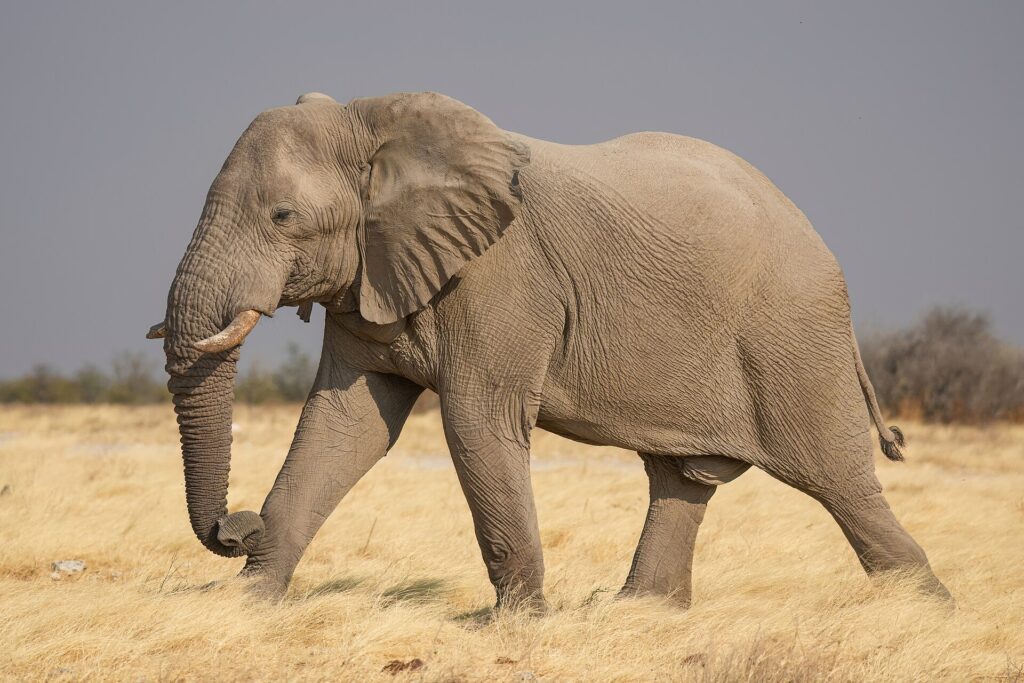
Elephants can communicate using low-frequency rumbles that travel several kilometres through the air and the ground, and they may detect them through their feet.
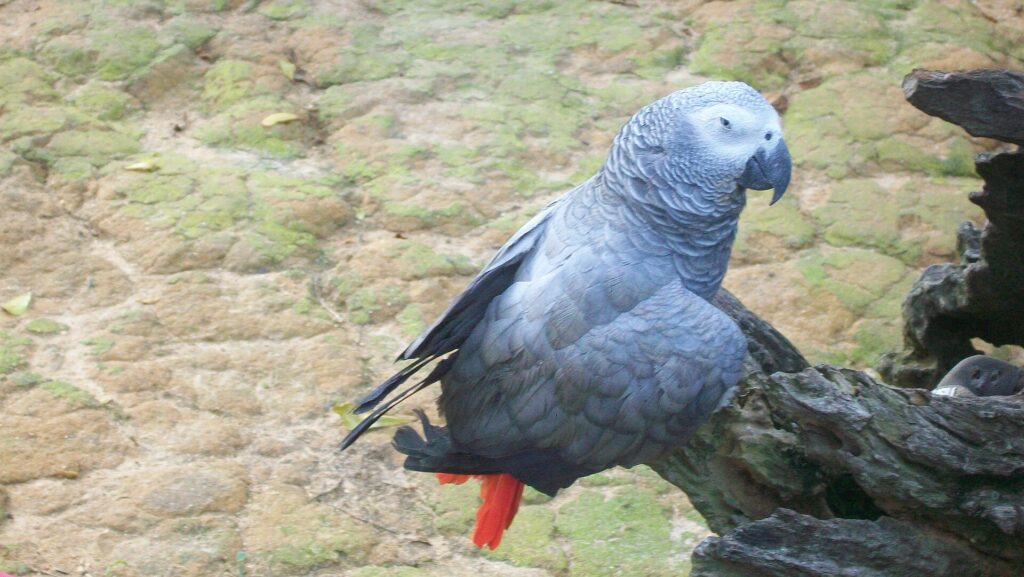
An African grey parrot named Alex, studied for 30 years, learned over 100 words and could identify colours, shapes and numbers.
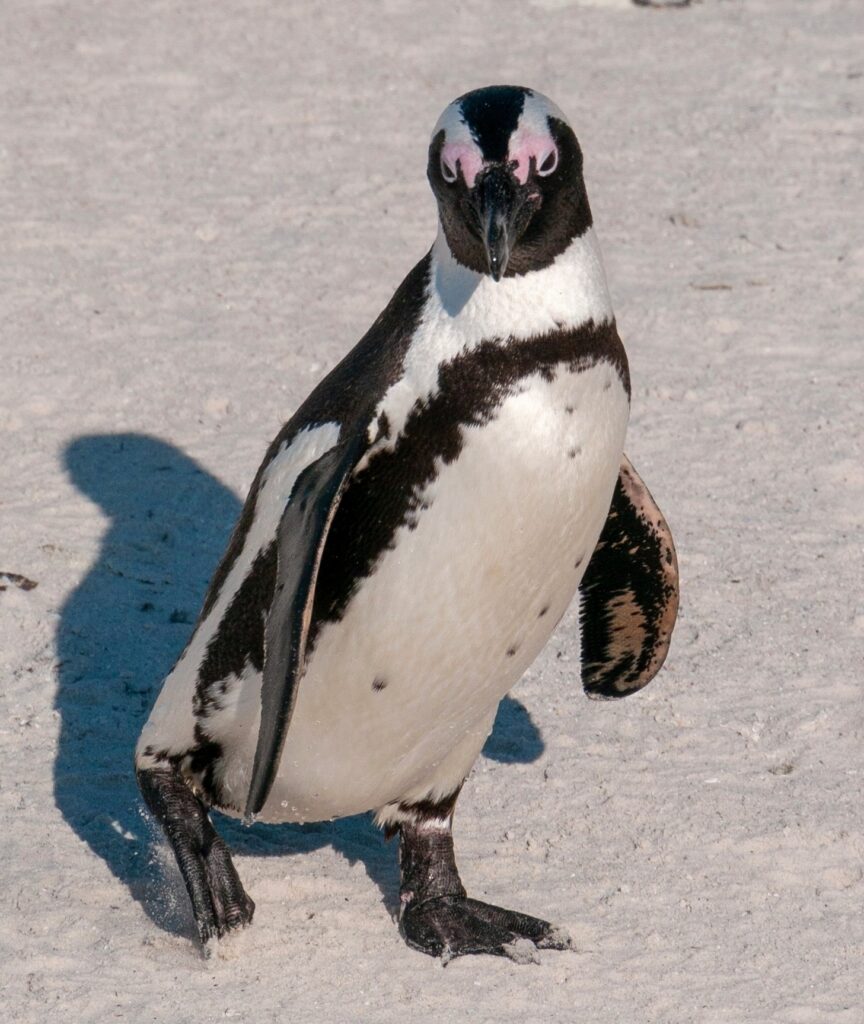
In 2024, the African penguin became the first penguin species to be listed as Critically Endangered, after its numbers fell below 10,000 breeding pairs.
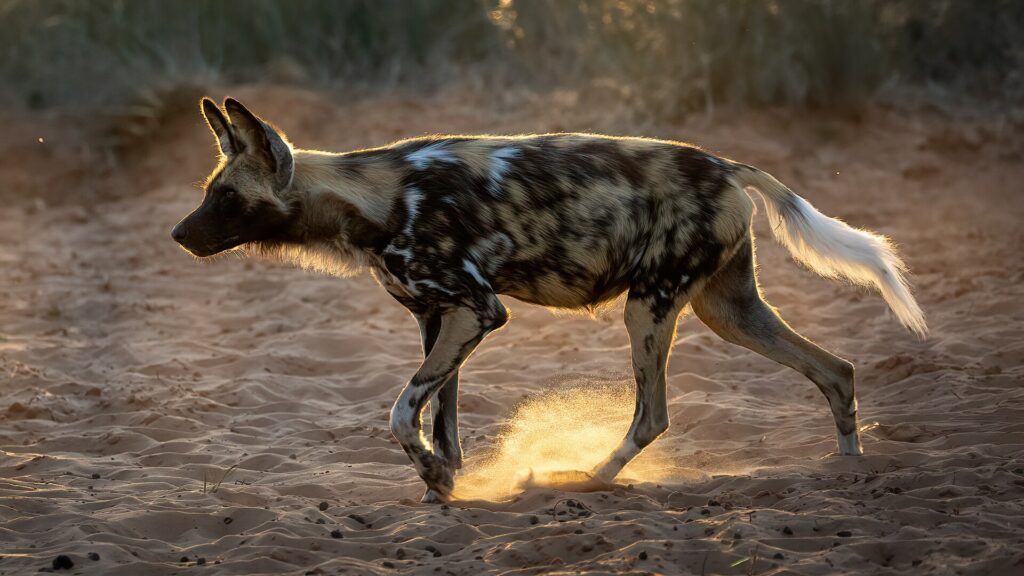
African wild dogs are among the most successful hunters in Africa; packs catch prey in a large majority of chases, far more often than lions.
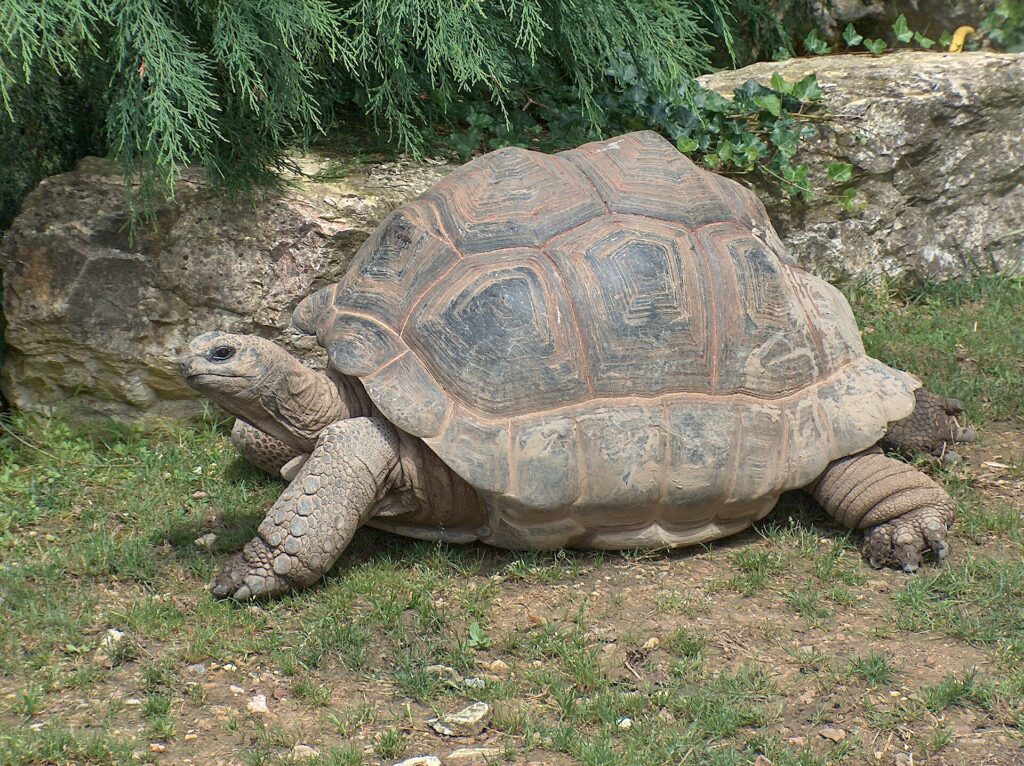
Aldabra Atoll is home to about 100,000 giant tortoises, the largest population of giant tortoises in the world.
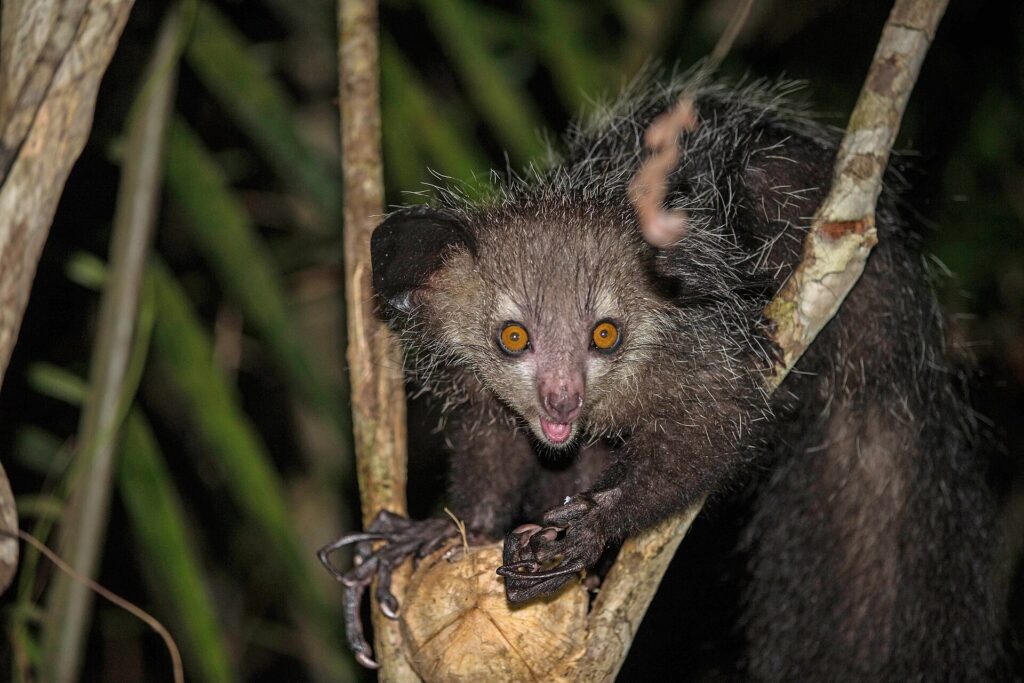
The aye-aye taps on wood with a long, skeletal middle finger and listens for hollow tunnels made by grubs, then gnaws a hole and hooks the larva out.
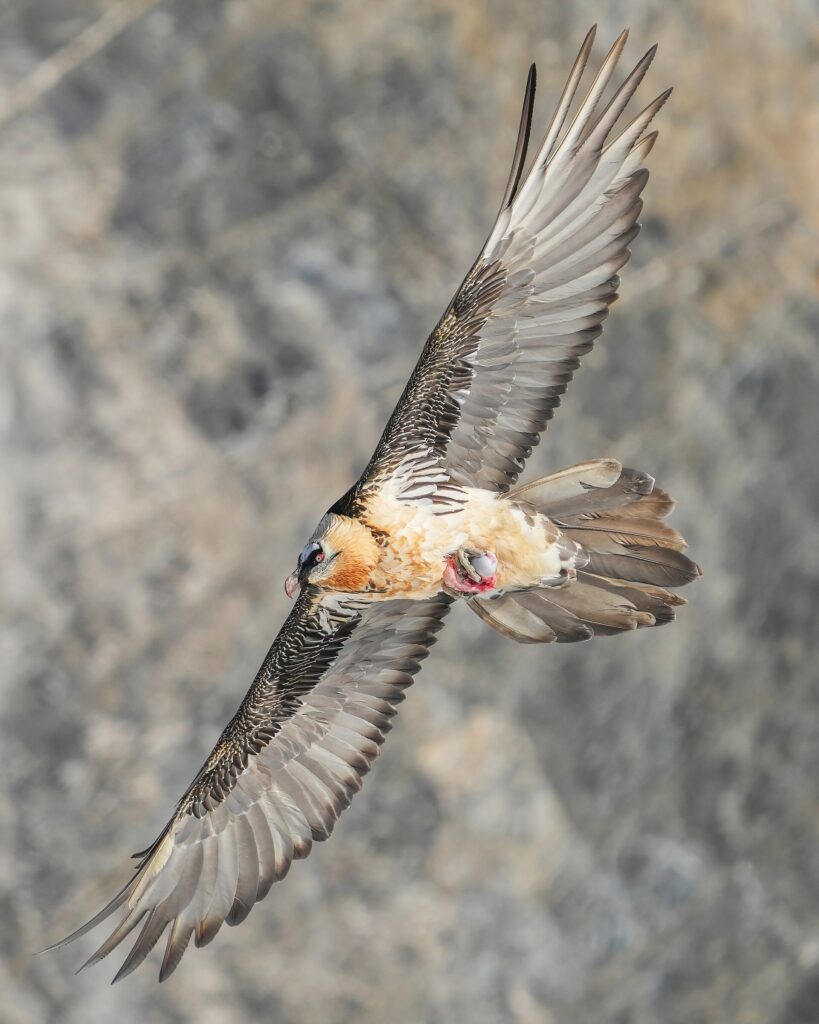
The bearded vulture lives mainly on bones: it drops large bones onto rocks from a height to smash them, then swallows the pieces.
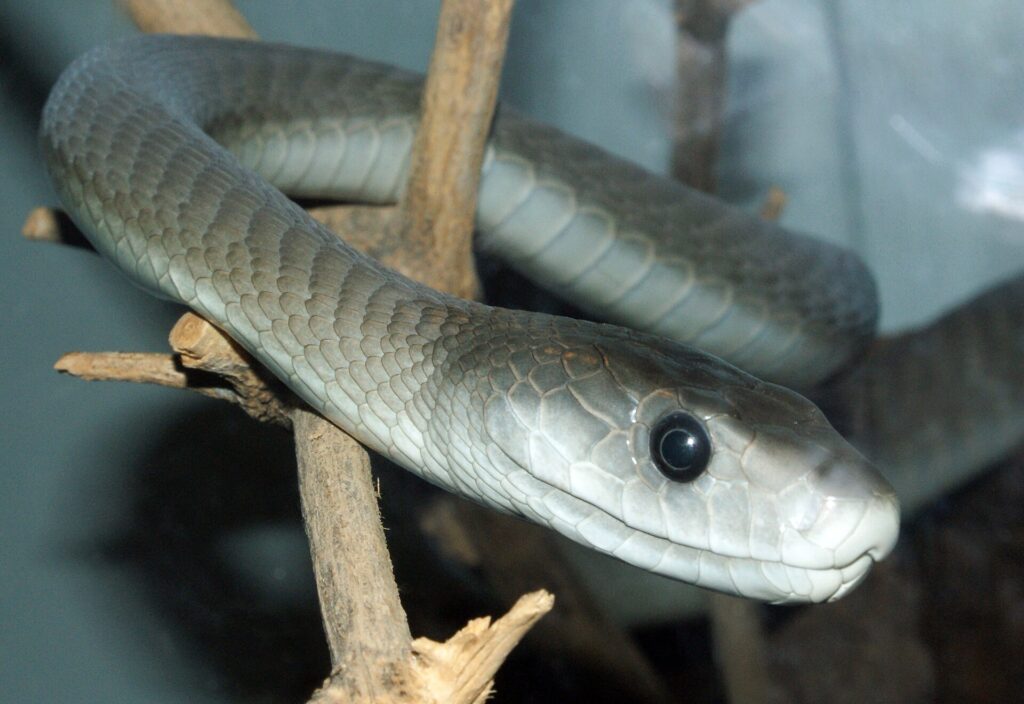
The black mamba is named not for its olive-grey body but for the inky black inside of its mouth, which it shows when threatened.
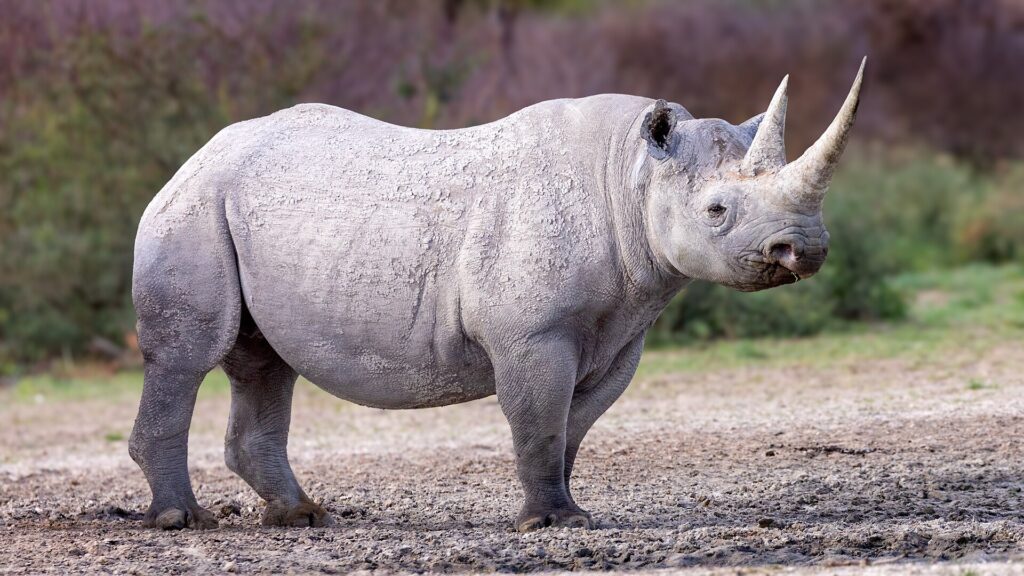
Black rhinos fell by about 98 percent between 1960 and 1995, to around 2,400 animals, and have since more than doubled thanks to intensive protection.
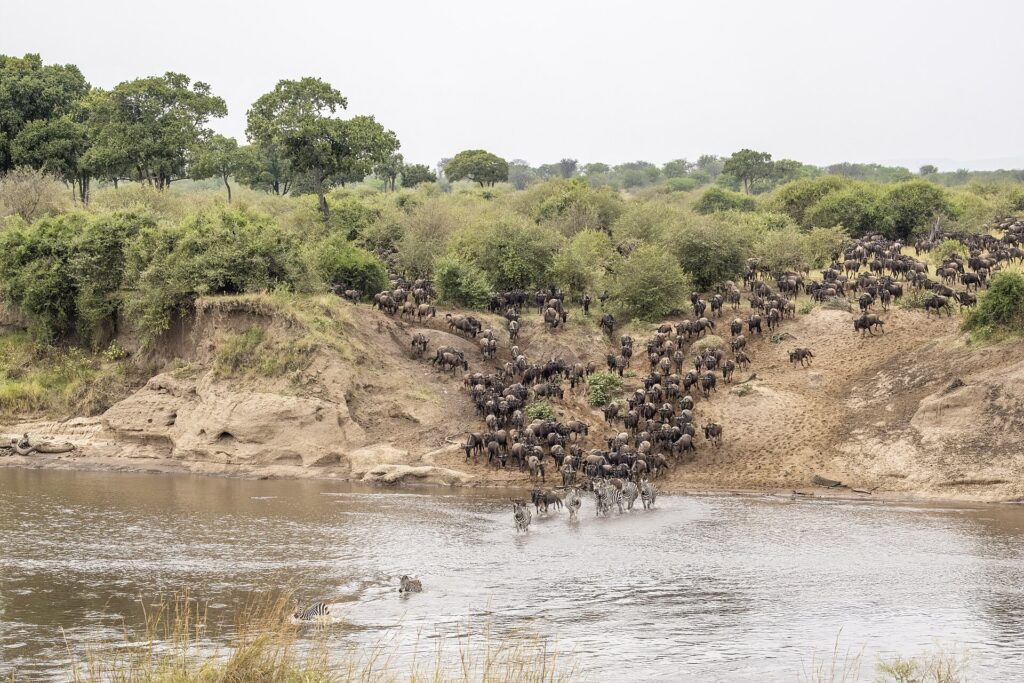
In the southern Serengeti, around half a million wildebeest calves are born within a few weeks each February, overwhelming predators with sheer numbers.
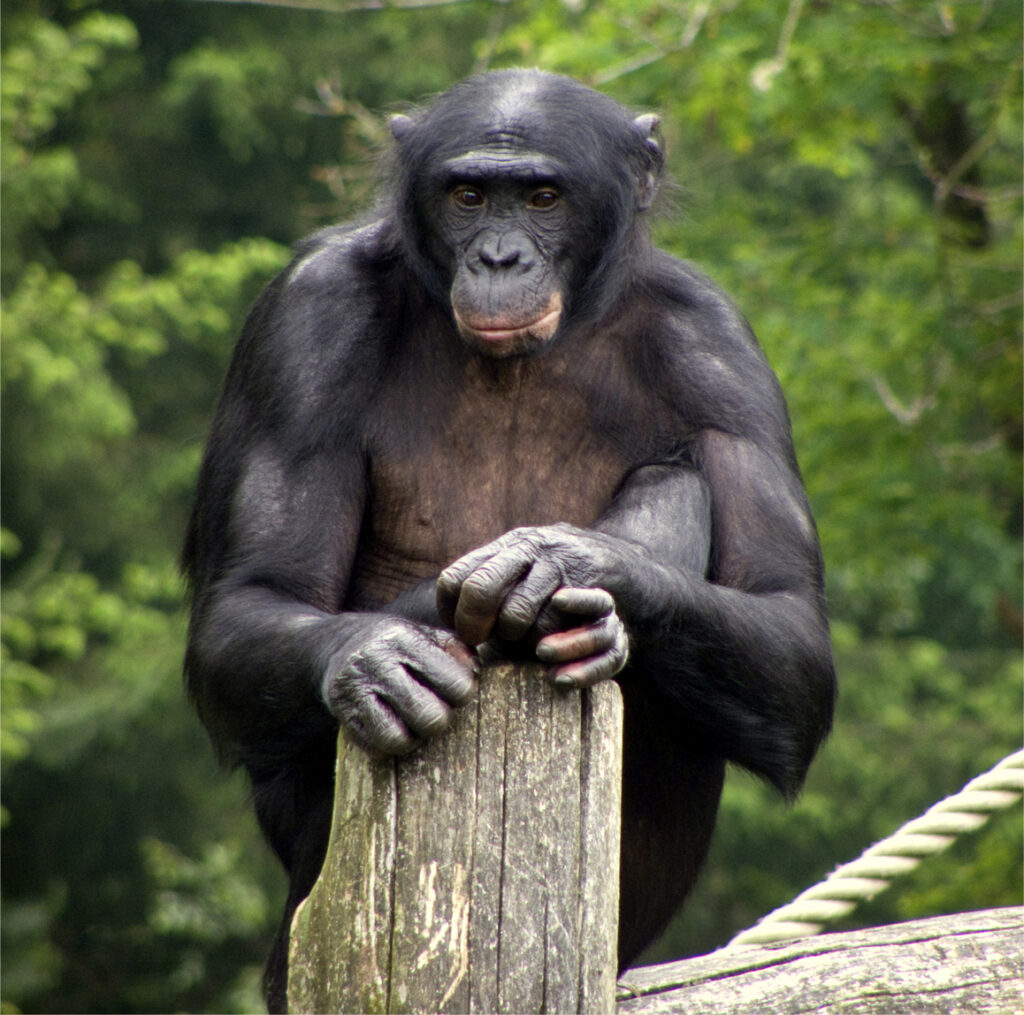
Bonobo societies are led by females, and conflicts are often defused with social bonding, grooming and sex rather than violence.
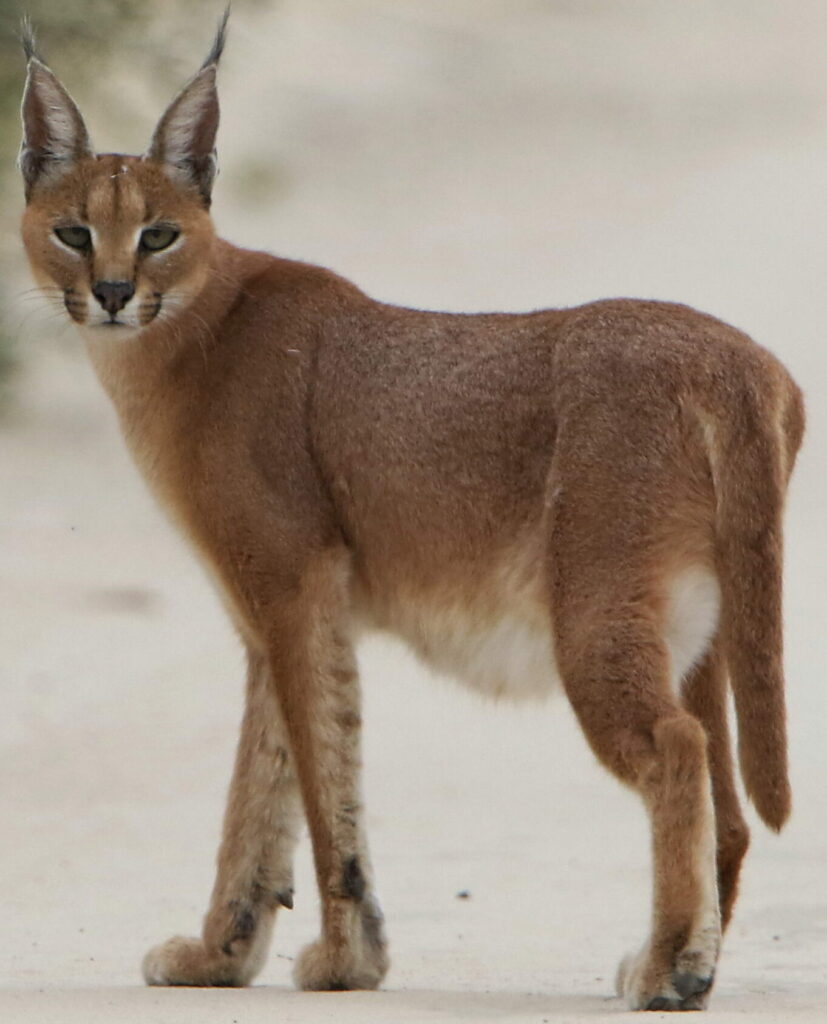
A caracal can leap about 3 metres into the air and knock flying birds out of the sky with its paws.
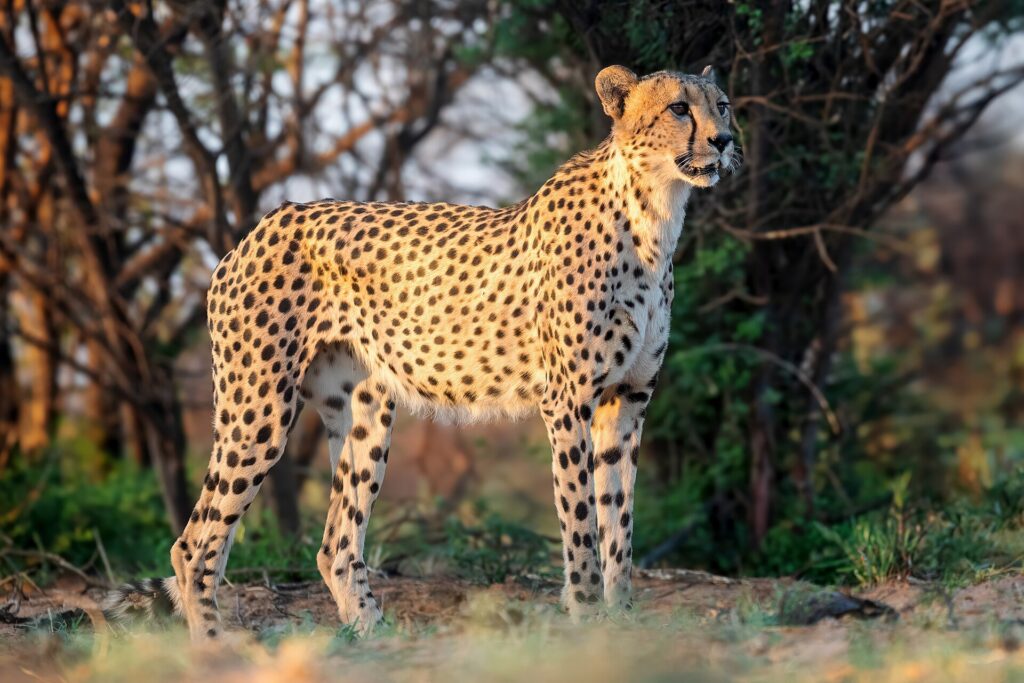
A cheetah can accelerate from 0 to about 100 km/h in around three seconds, faster than most sports cars.
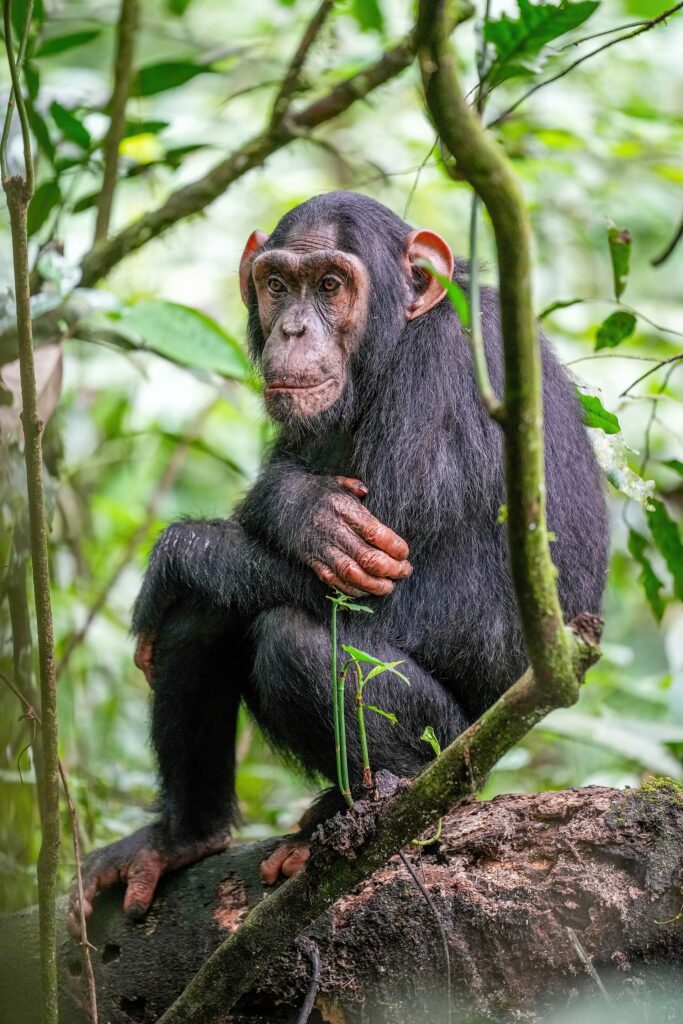
Chimpanzees share about 98–99 percent of their DNA with humans and make tools, including sticks shaped to fish termites out of mounds.
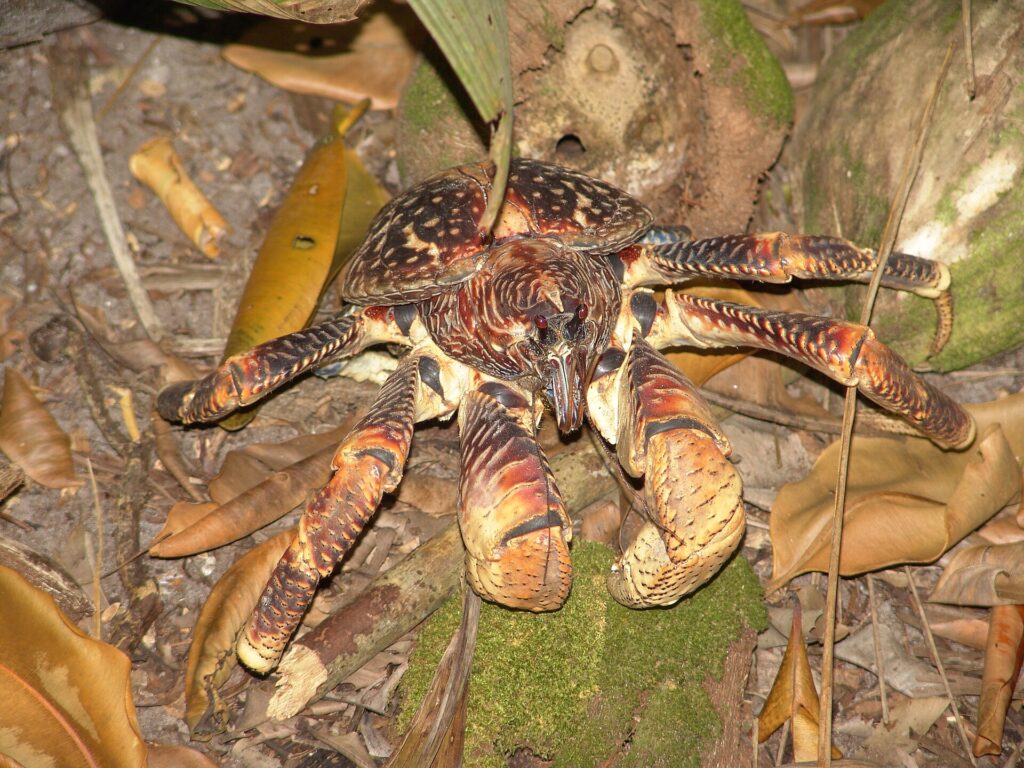
The coconut crab is the largest land-living invertebrate, and its claws can exert a pinching force greater than that of most other animals.
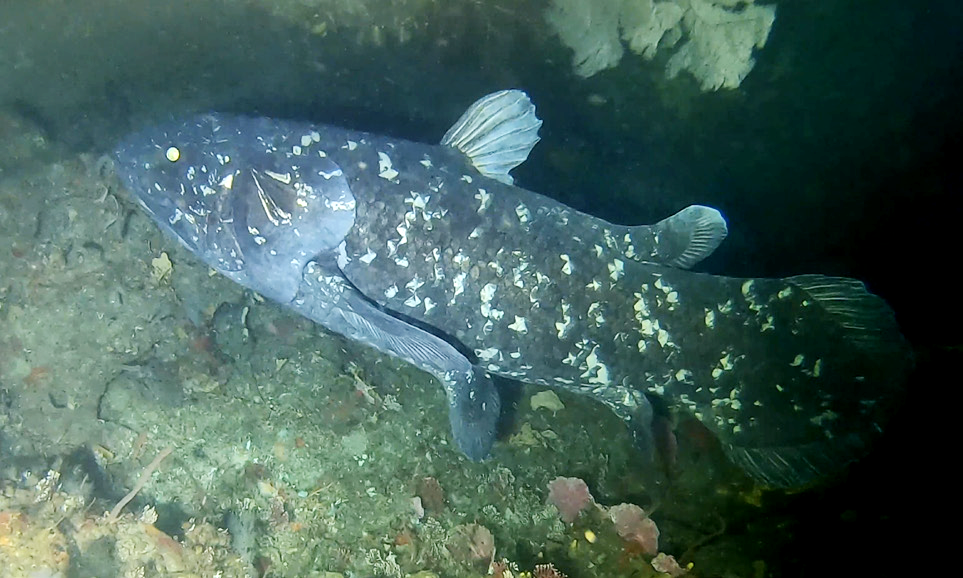
Coelacanths were known only from fossils and thought extinct for about 66 million years until one was caught off South Africa in 1938.
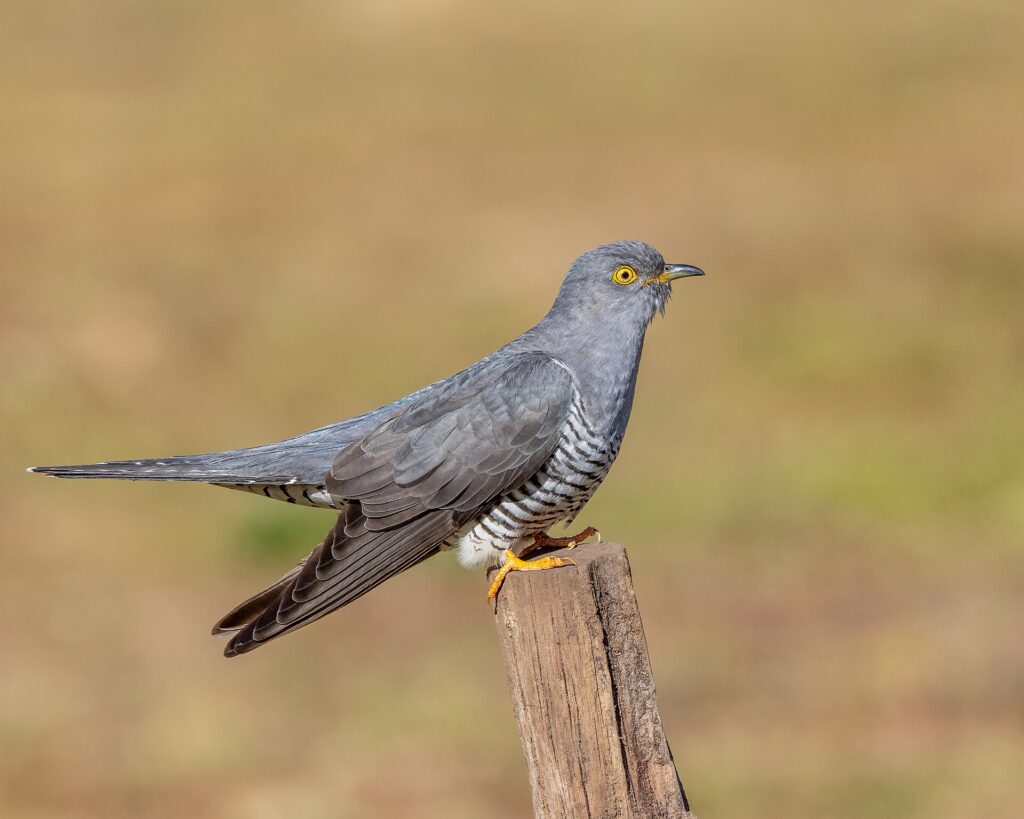
The cuckoo lays its eggs in other birds’ nests, and within hours of hatching, the cuckoo chick pushes the host’s eggs out of the nest.
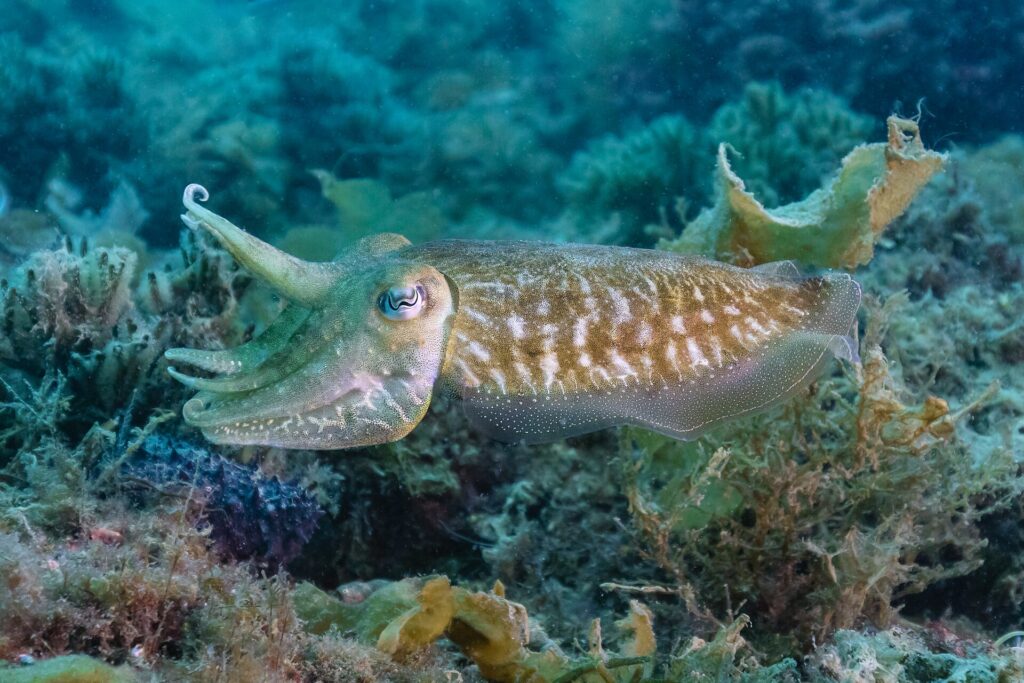
Cuttlefish can change colour and skin texture in under a second, yet they are thought to be colourblind.
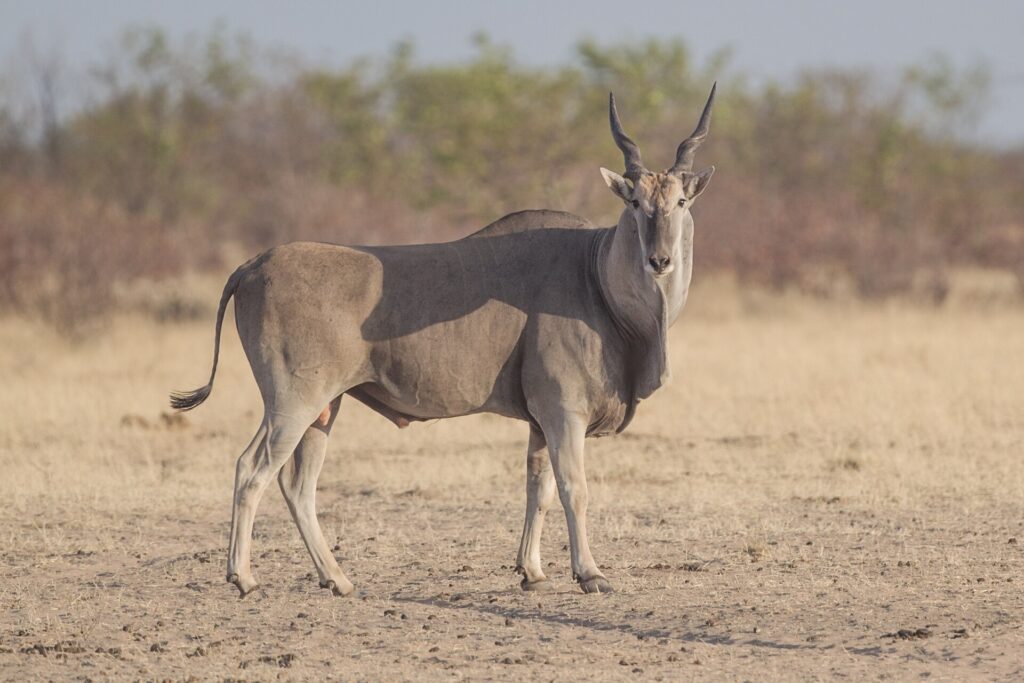
Despite weighing up to almost a tonne, an eland can jump about 2.5 metres from a standing start.
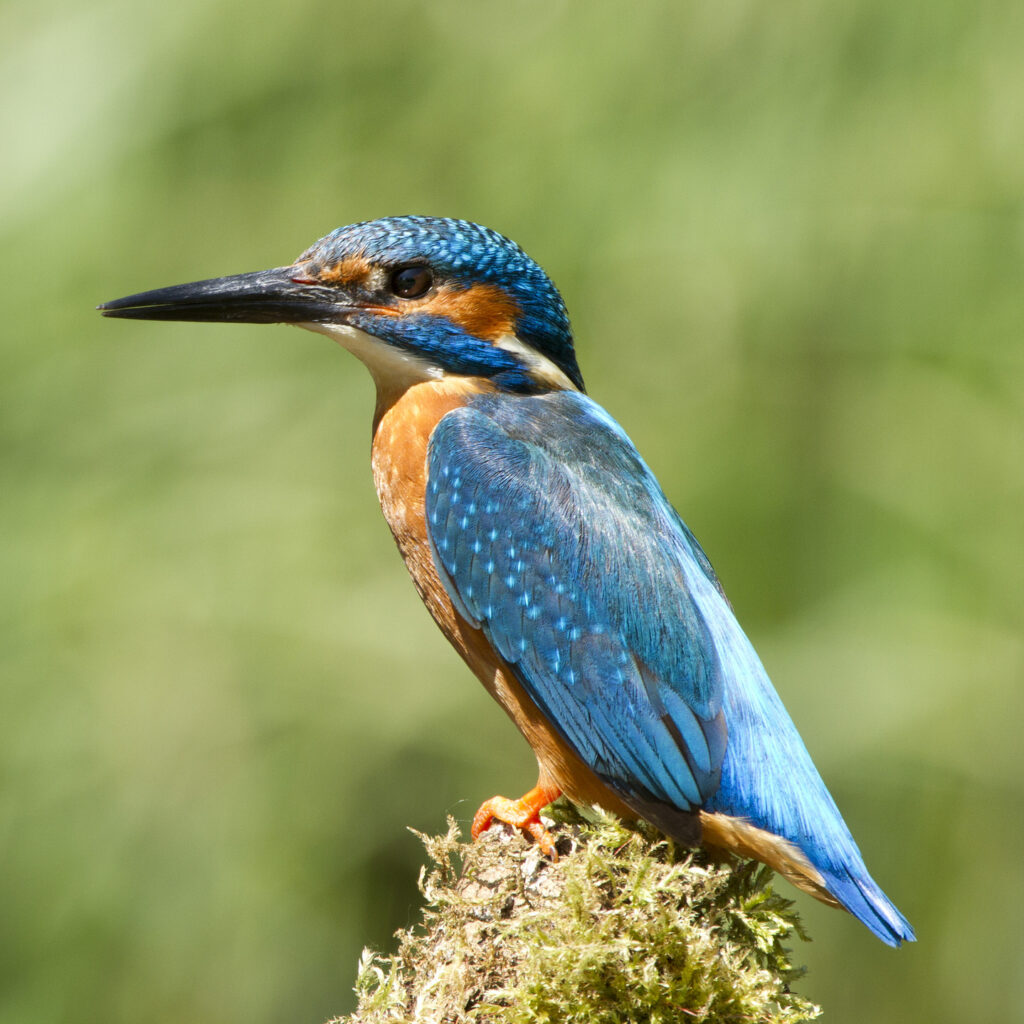
The kingfisher’s streamlined beak inspired engineers who redesigned the nose of Japan’s bullet train to reduce the noise it made leaving tunnels.
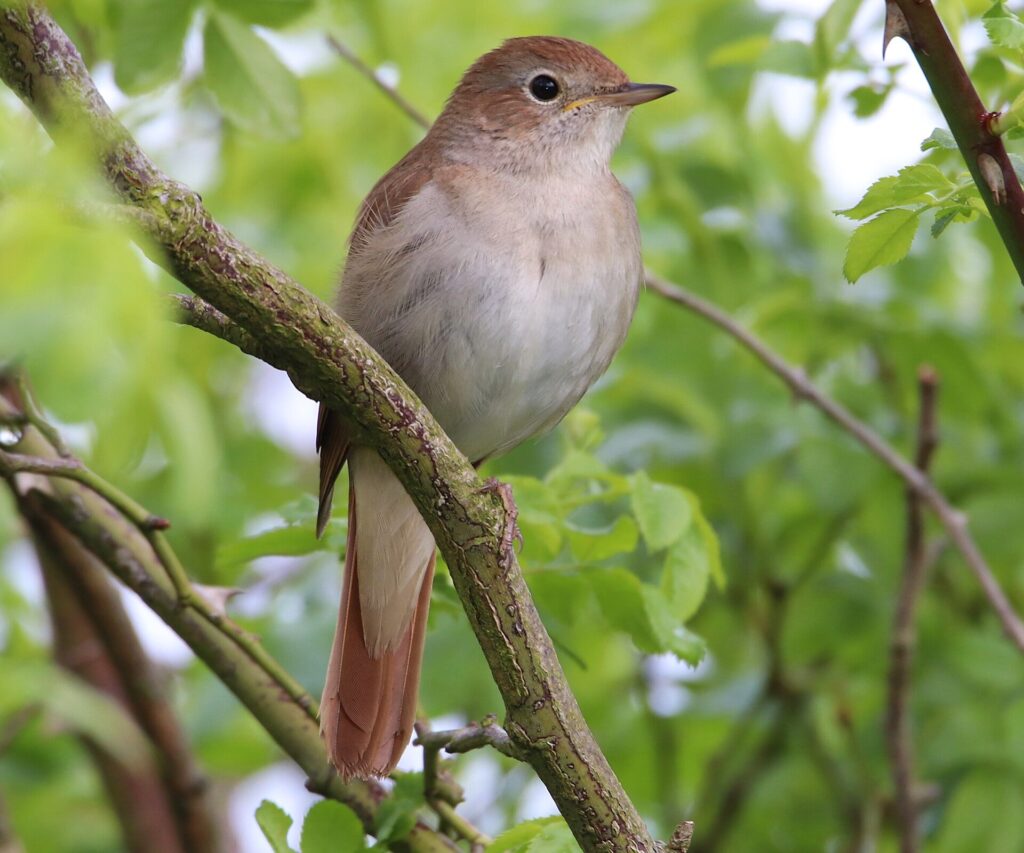
A male nightingale can sing around 200 different song phrases, and unpaired males sing through the night to attract females arriving from Africa.
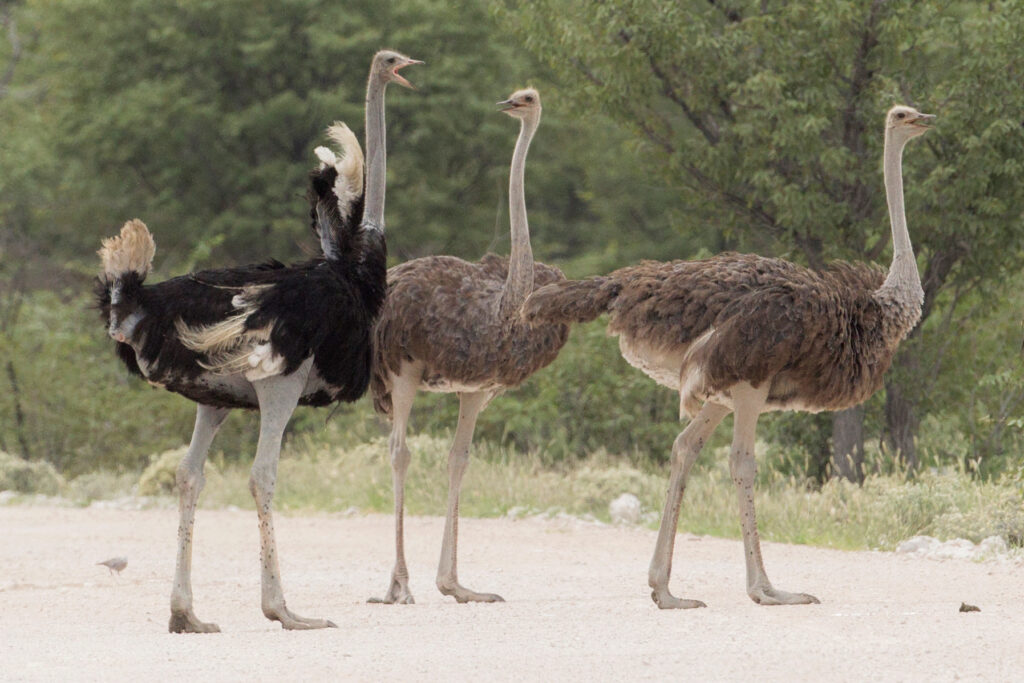
The ostrich lays the largest egg of any living bird, weighing about 1.4 kg, equivalent to around two dozen chicken eggs.