The lion is Africa’s largest predator and one of the most recognisable animals on Earth. It once ranged from southern Europe through the Middle East to India and across almost all of Africa. Today most wild lions live in a few strongholds in East and southern Africa, with a separate population of Asiatic lions in India.
Interesting facts
- Lions are the only truly social cats, living in prides of related females, their cubs and a coalition of one or more males.
- Females do most of the hunting, often working as a team to ambush prey.
- Lions can sleep or rest for up to 20 hours a day.
- A male’s mane signals health and strength; darker, fuller manes attract females and intimidate rivals.
- Lions have disappeared from over 90 percent of their historical range.
- The Asiatic lion survives only in and around Gir National Park in Gujarat, India, where numbers have risen to over 600.
Behaviour
Prides typically hold 3 to 20 or more animals and defend territories that can range from about 20 to over 400 km² depending on prey density. Lions hunt mostly at night and at dawn and dusk. Coalitions of males take over prides by driving out resident males, and new males often kill young cubs so that females come back into breeding condition sooner.
Breeding and young
Females give birth to 1 to 4 cubs after a gestation of about 110 days, often synchronising births so that cubs can be nursed communally. Cubs are dependent for about two years, and young males leave the pride at 2 to 4 years old.
Threats and conservation
Habitat loss, conflict with livestock owners, poaching for body parts, snaring for bushmeat and loss of prey. The wild population is estimated at roughly 20,000 to 25,000.
Where to see it
- Maasai Mara, Kenya
- Serengeti, Tanzania
- Okavango Delta, Botswana
- Kruger National Park, South Africa
- Gir National Park, India (Asiatic lion)
Status source: IUCN Red List. Profile last reviewed September 2026.
Where to see the lion
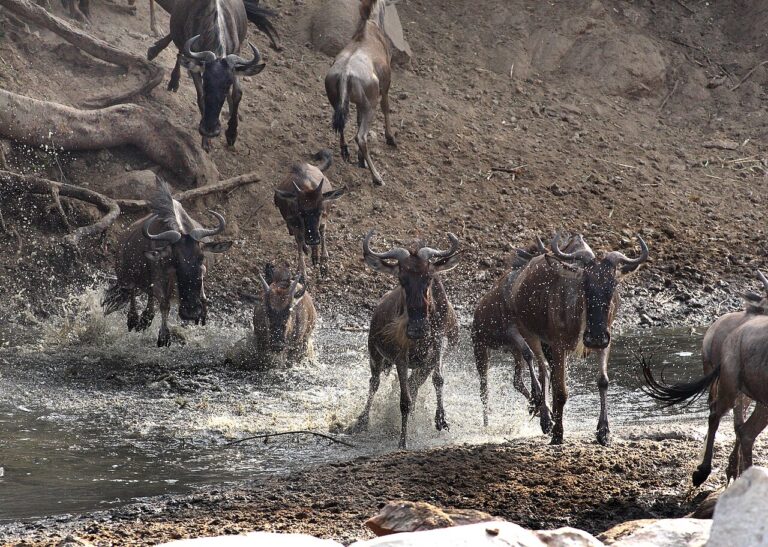 Serengeti Great Migration: A Month-by-Month GuideWhere the wildebeest are in every month of the year, when to see calving and river crossings, where…
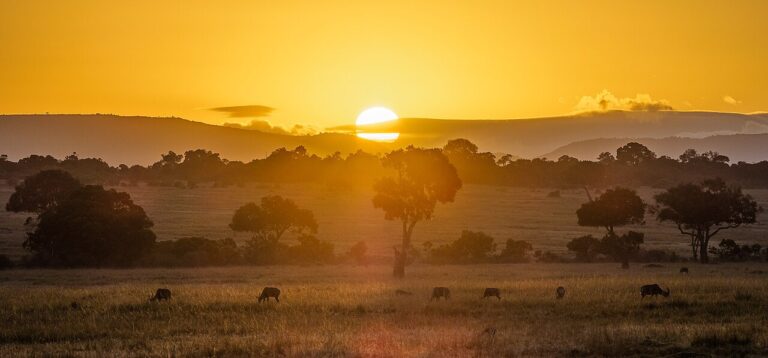 Maasai Mara Safari Guide: Conservancies, Crossings and CostsKenya's most famous reserve offers big cats all year and the Great Migration from July to October. How…
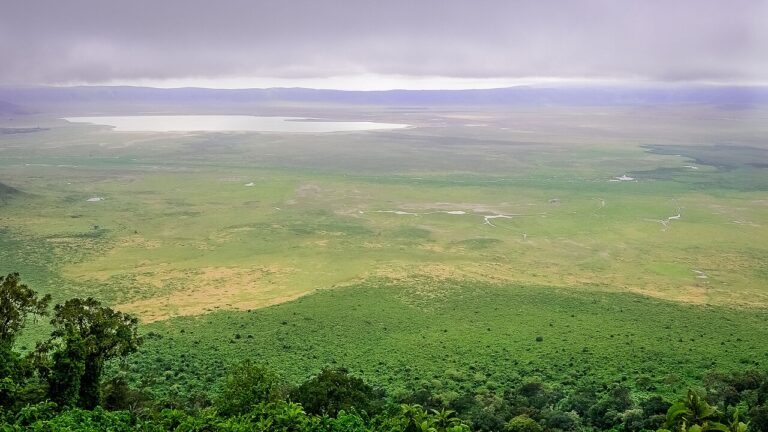 Ngorongoro Crater Guide: Africa’s Garden of EdenA collapsed volcano packed with lions, rhinos, elephants and flamingos. How to plan the perfect crater day and…