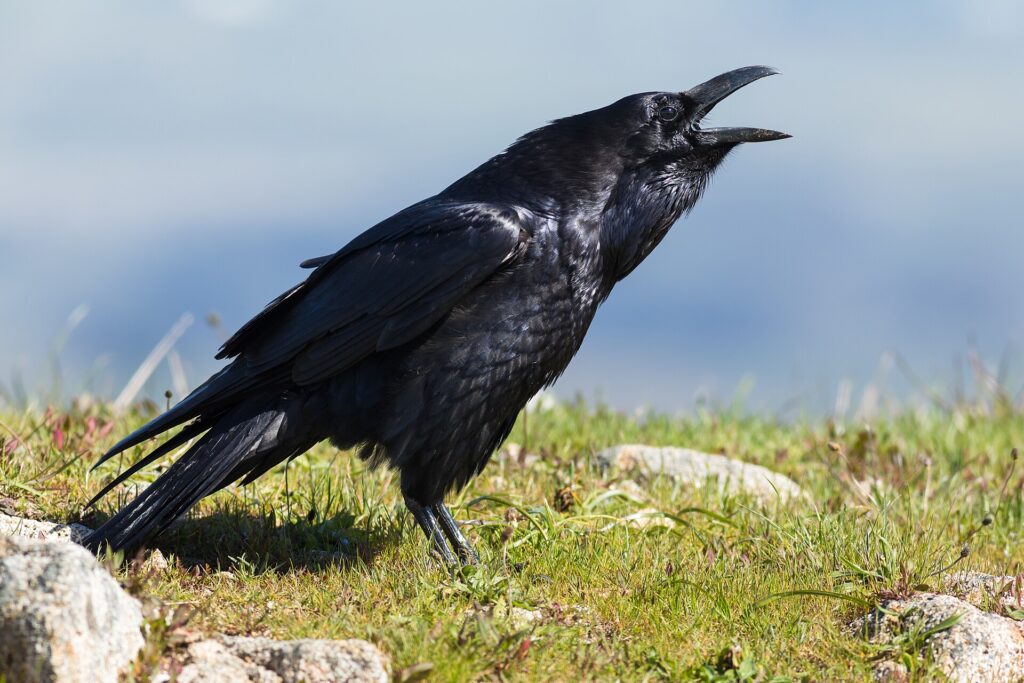
Common Raven
In experiments, ravens planned for the future as well as great apes, saving tools and tokens they would need later.
In experiments, ravens planned for the future as well as great apes, saving tools and tokens they would need later.
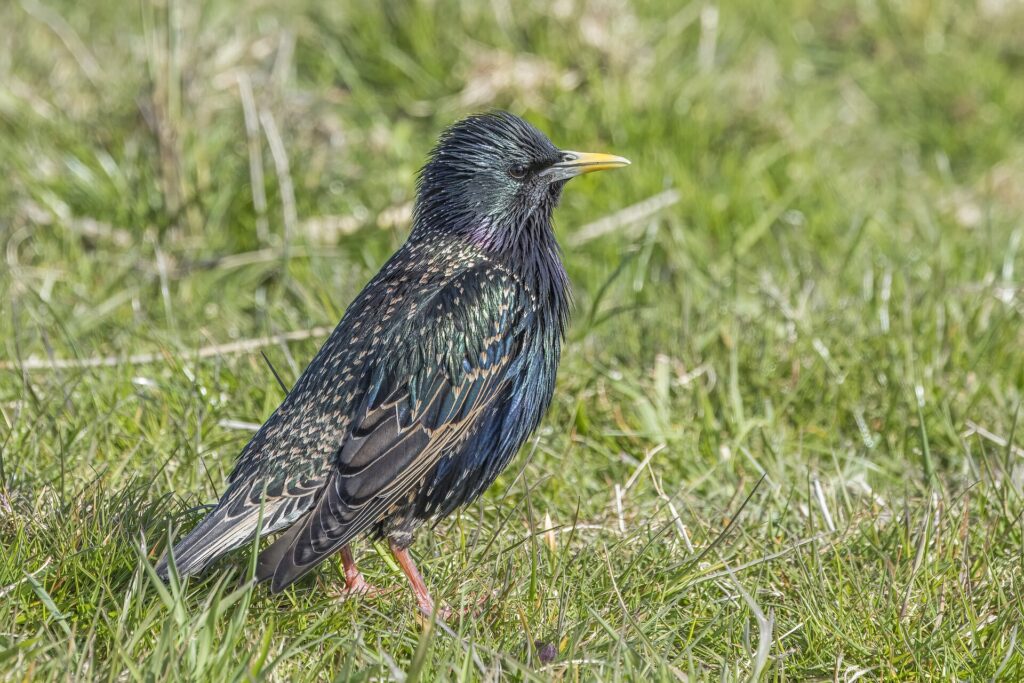
On winter evenings, starlings gather in murmurations of tens of thousands, or even over a million birds, swirling in perfectly coordinated shapes before settling to roost.
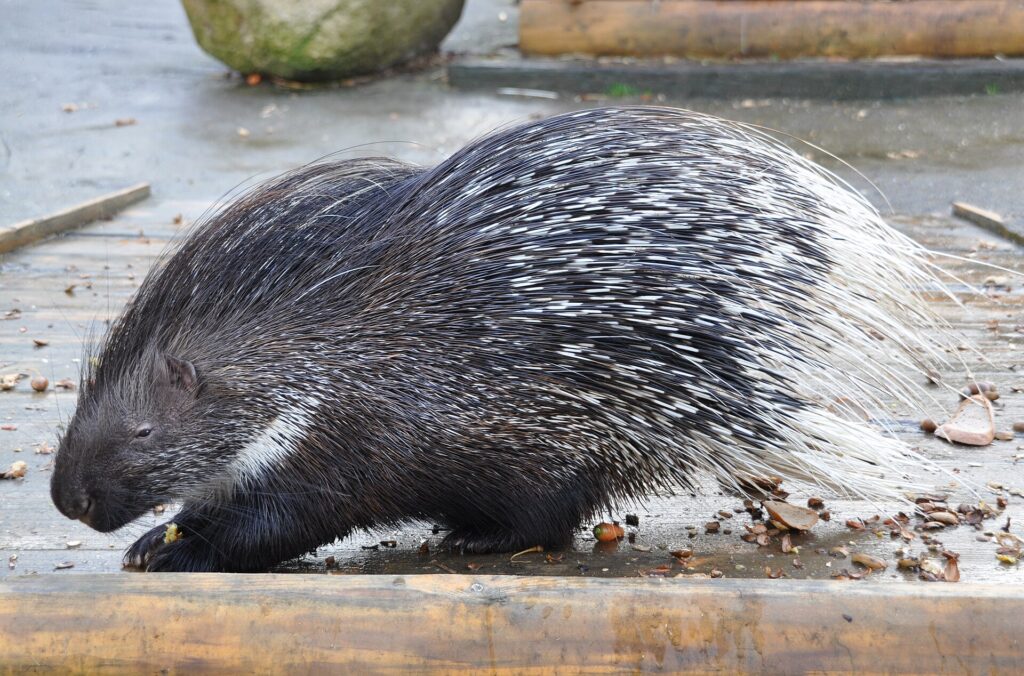
Porcupines cannot shoot their quills, but they charge backwards into attackers, and quills lodged in lions and leopards can cause serious injuries.
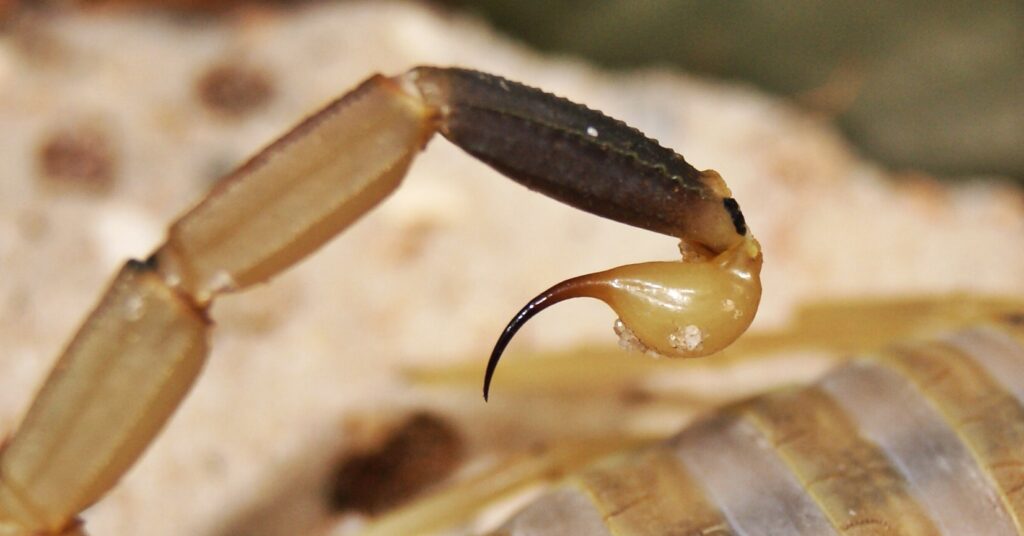
A molecule from deathstalker venom, called chlorotoxin, has been developed into a ‘tumour paint’ that makes brain tumours glow so surgeons can remove them more precisely.
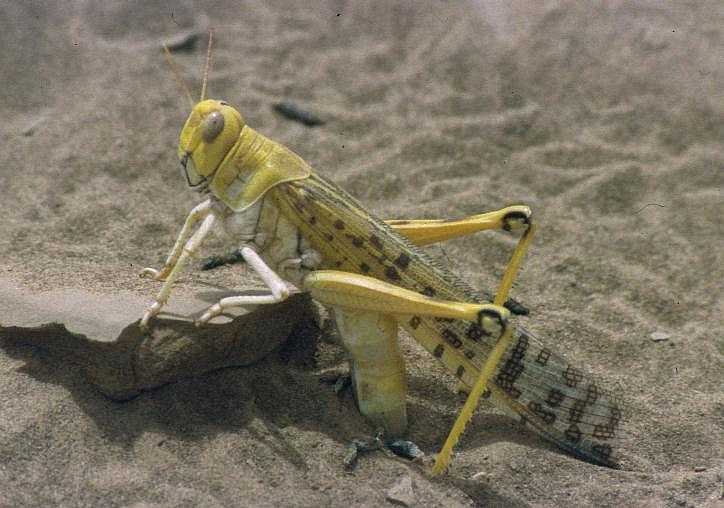
A desert locust swarm covering one square kilometre can eat as much food in a day as about 35,000 people.
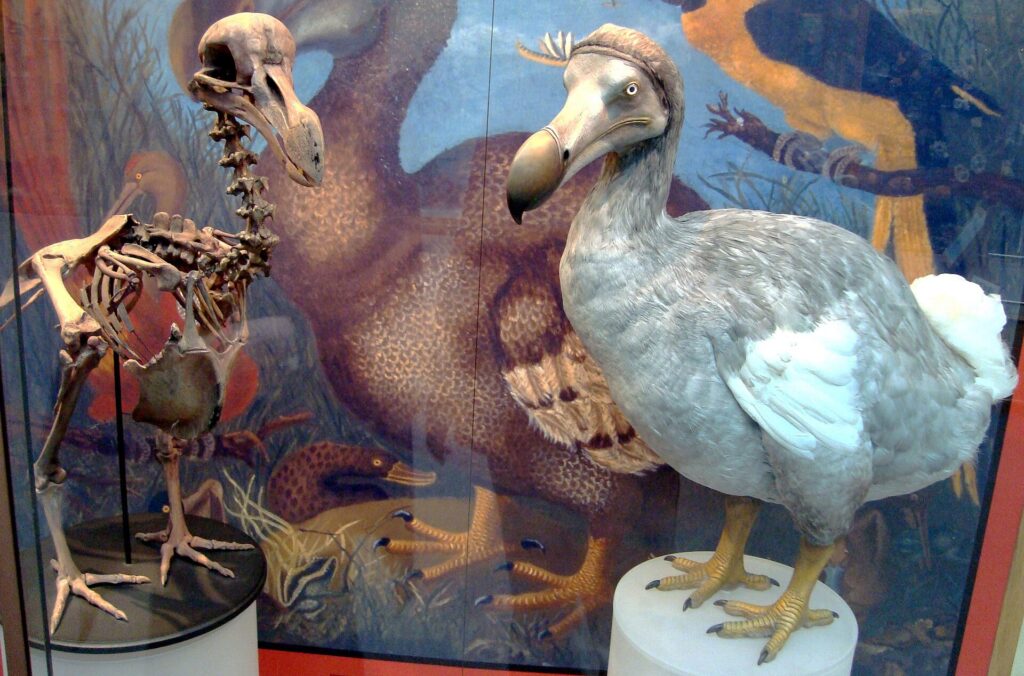
The dodo was a giant, flightless pigeon: its closest living relative is the colourful Nicobar pigeon of Southeast Asia.
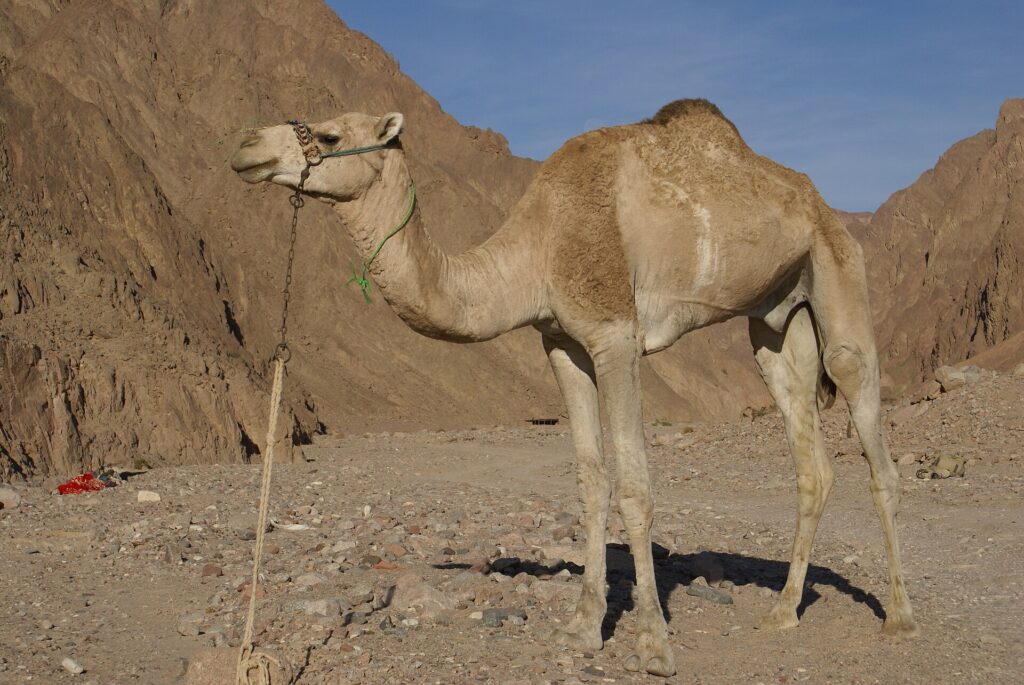
A thirsty dromedary can drink over 100 litres of water in about 10 minutes, and can survive losing about a quarter of its body weight in water.
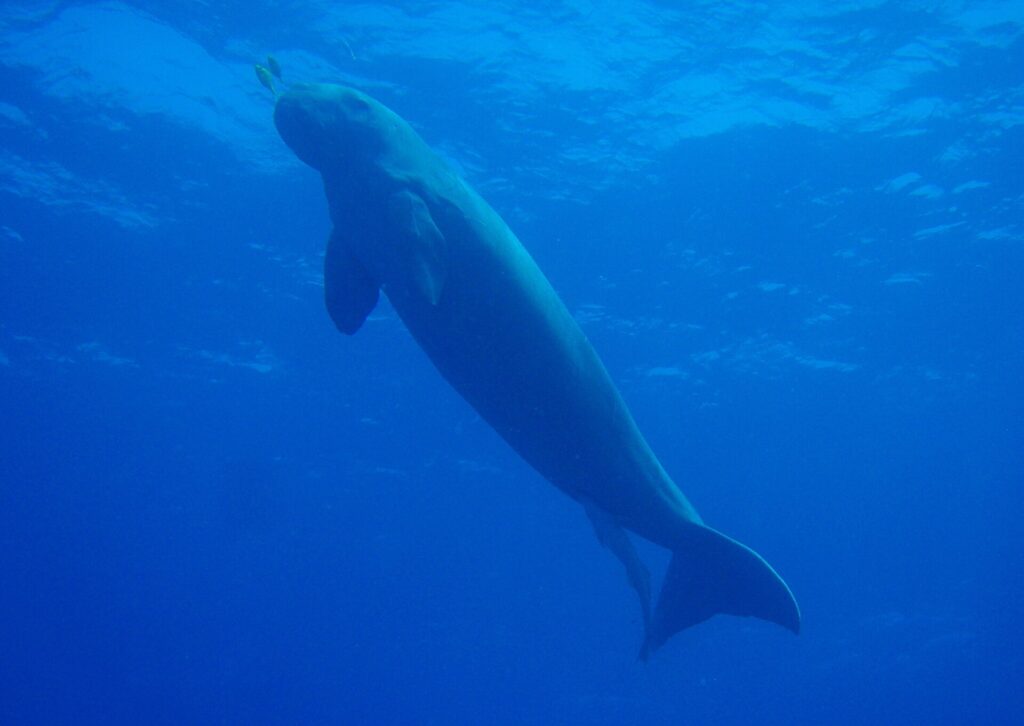
The dugong is the only strictly marine plant-eating mammal, leaving tell-tale trails through seagrass meadows as it grazes.
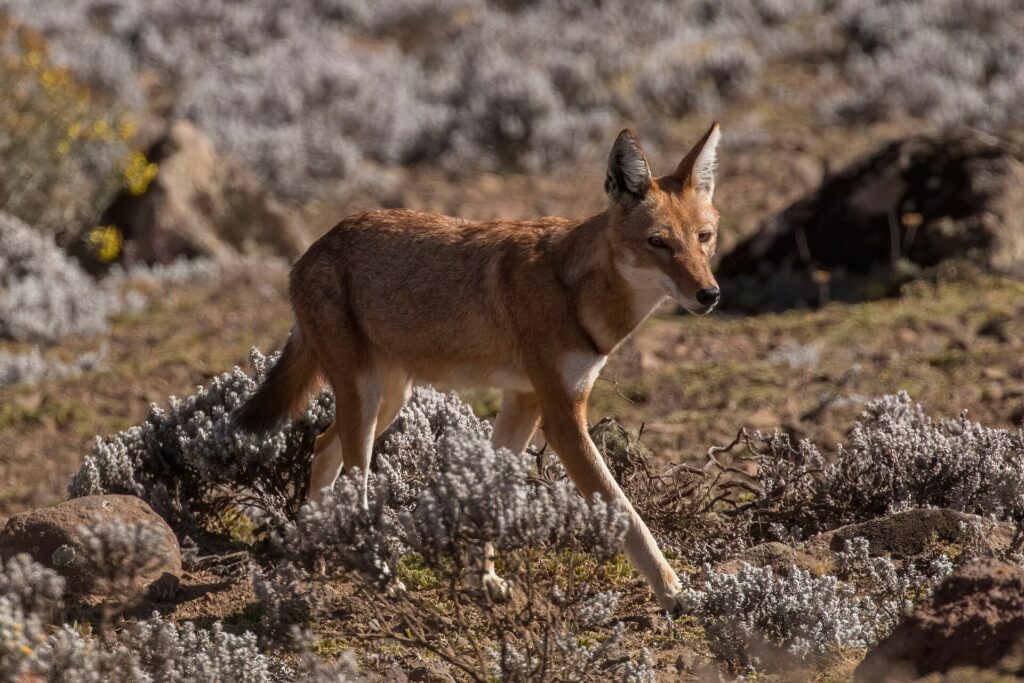
The Ethiopian wolf is the rarest wild dog in the world, with only about 500 adults left.
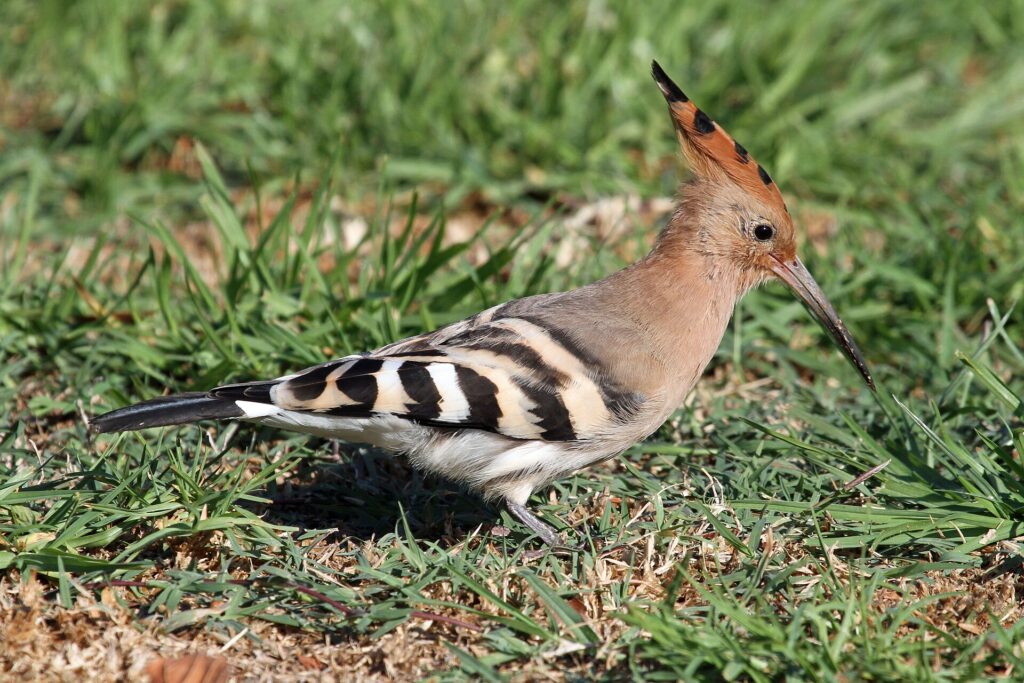
To defend themselves, hoopoe chicks squirt foul-smelling droppings at intruders, and nesting females produce a smelly secretion containing bacteria that help protect the eggs.
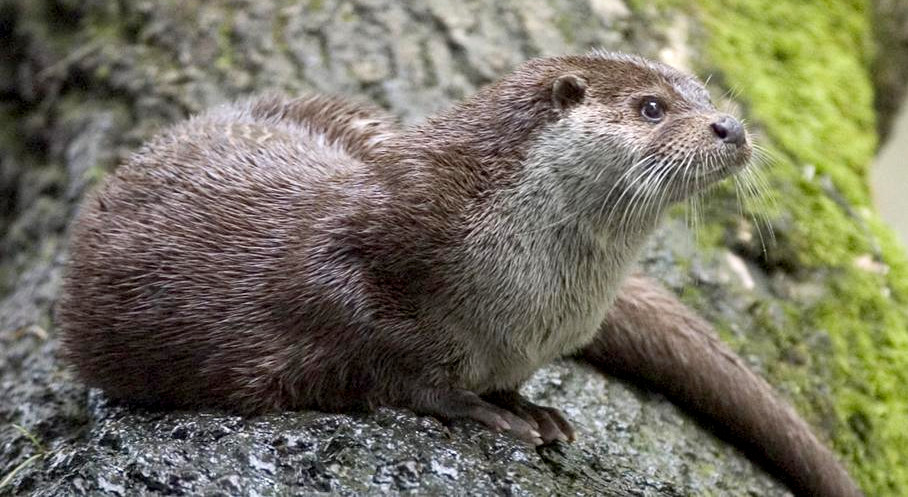
Otters mark their territories with droppings called spraints, which smell sweet, often compared to jasmine tea.
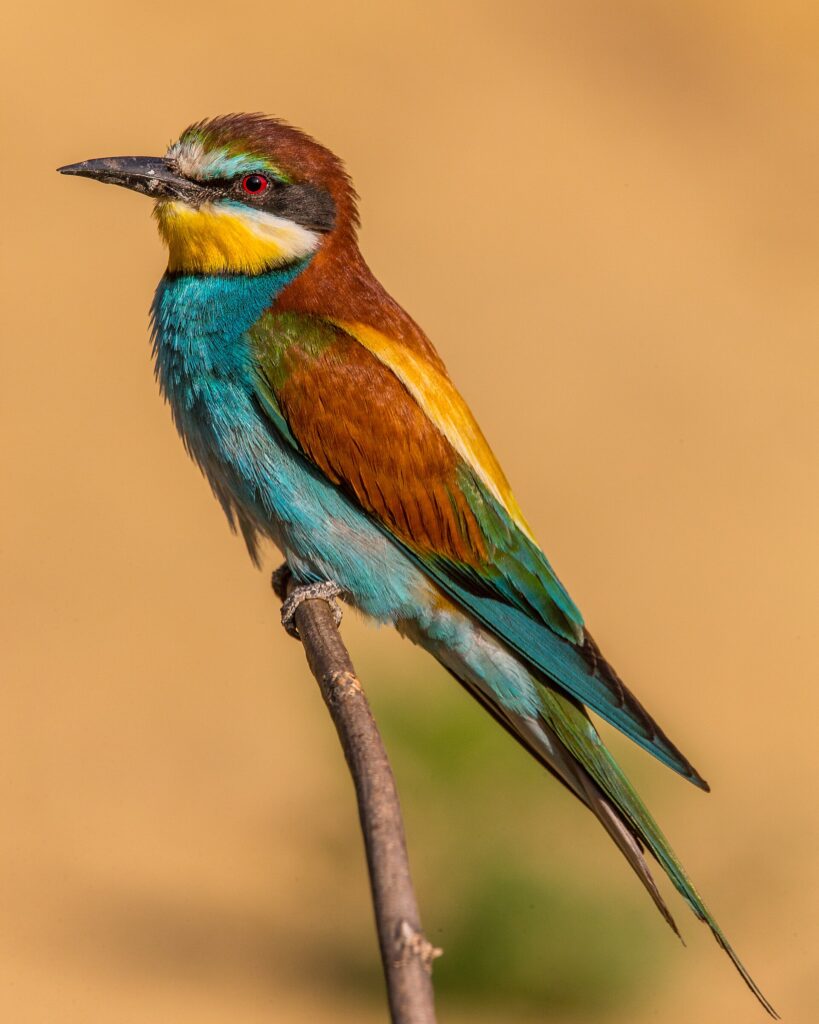
Bee-eaters catch bees and wasps in flight, then beat them against a branch and rub off the stinger before swallowing them.
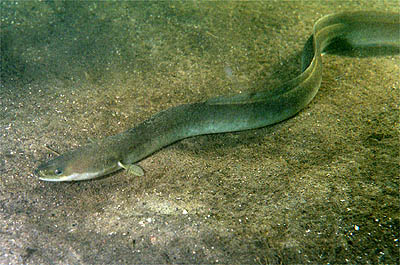
European eels swim about 5,000–6,000 km across the Atlantic to breed in the Sargasso Sea, yet no one has ever seen them spawning.
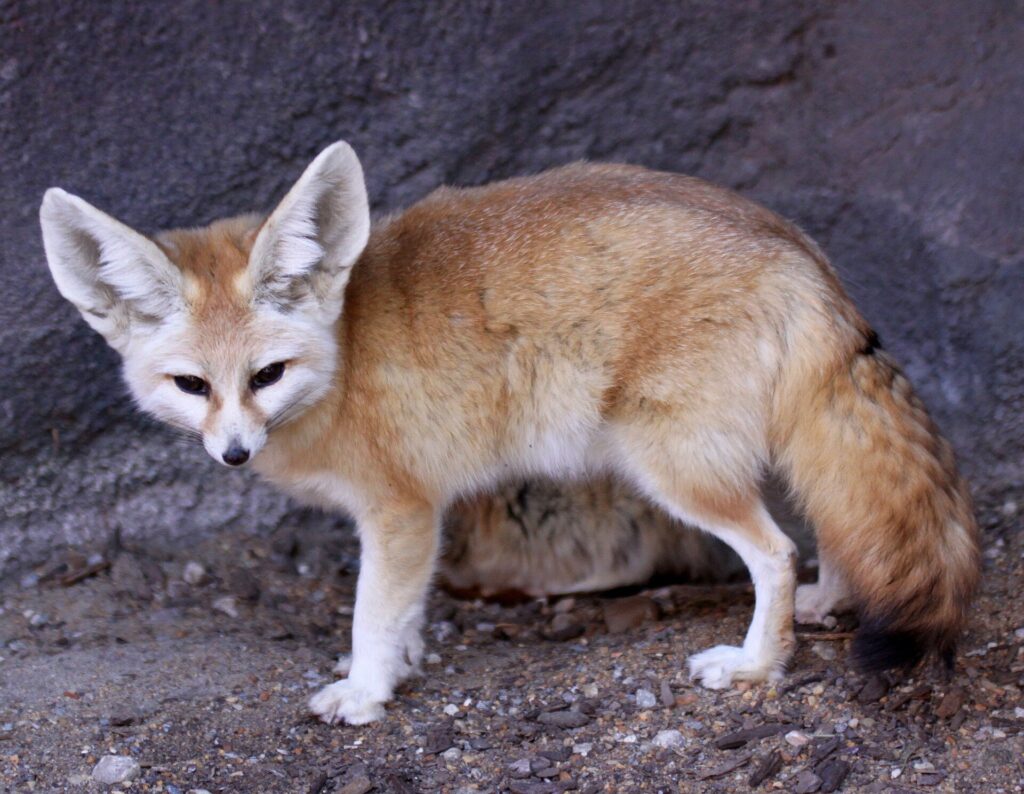
The fennec fox has the largest ears relative to body size of any member of the dog family, used both to shed heat and to hear prey moving underground.
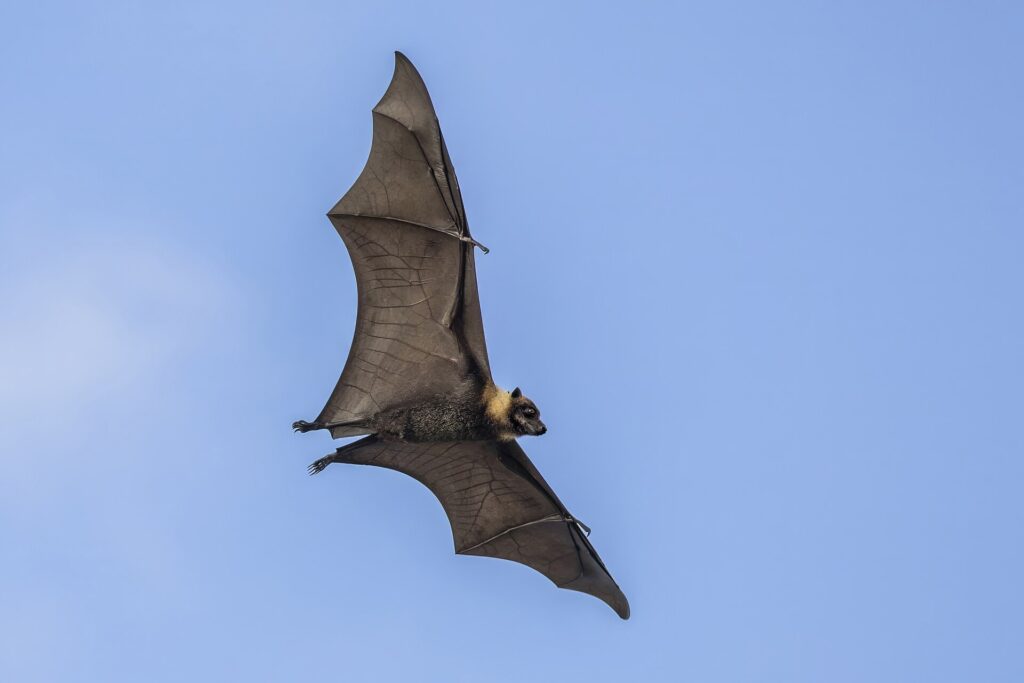
Flying foxes are among the world’s most important pollinators and seed dispersers, flying up to 50 km or more in a night and spreading seeds across whole landscapes.
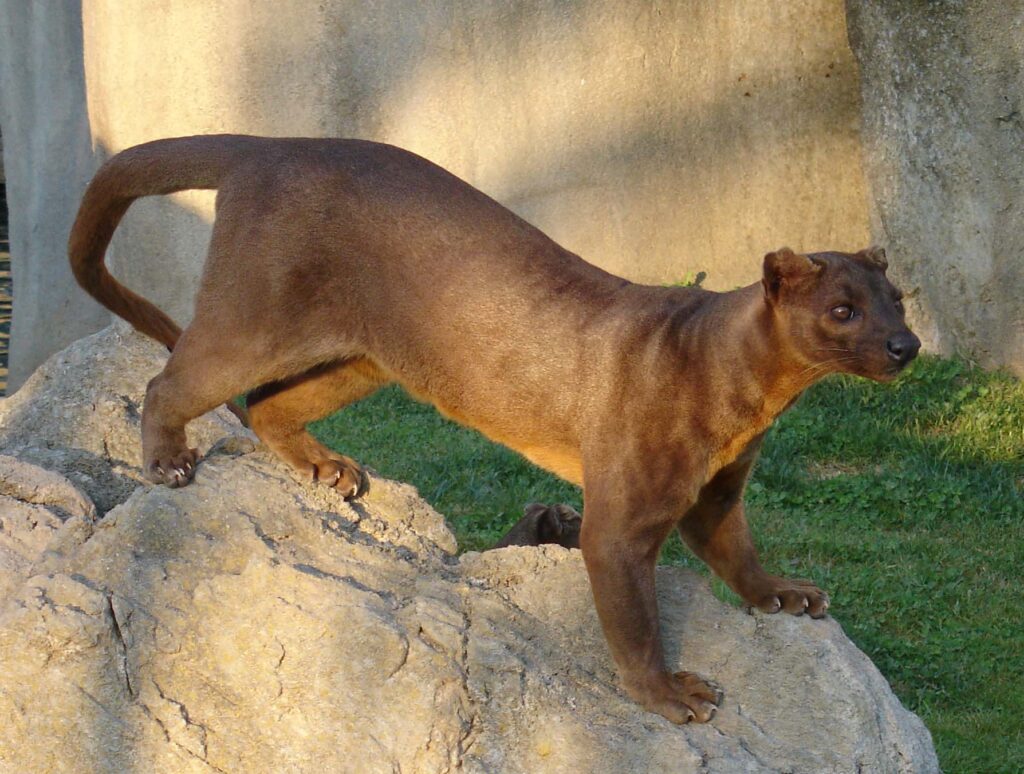
The fossa is Madagascar’s largest predator, and it can run down trees headfirst to chase lemurs through the canopy.
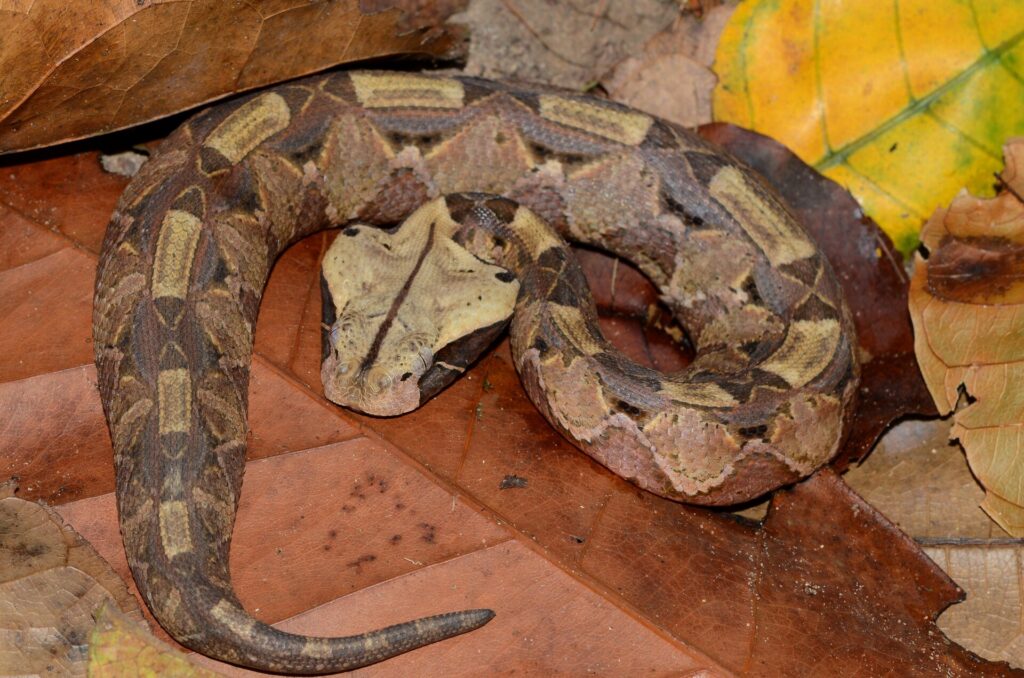
The Gaboon viper has the longest fangs of any snake, up to about 5 cm, and produces more venom per bite than any other snake.
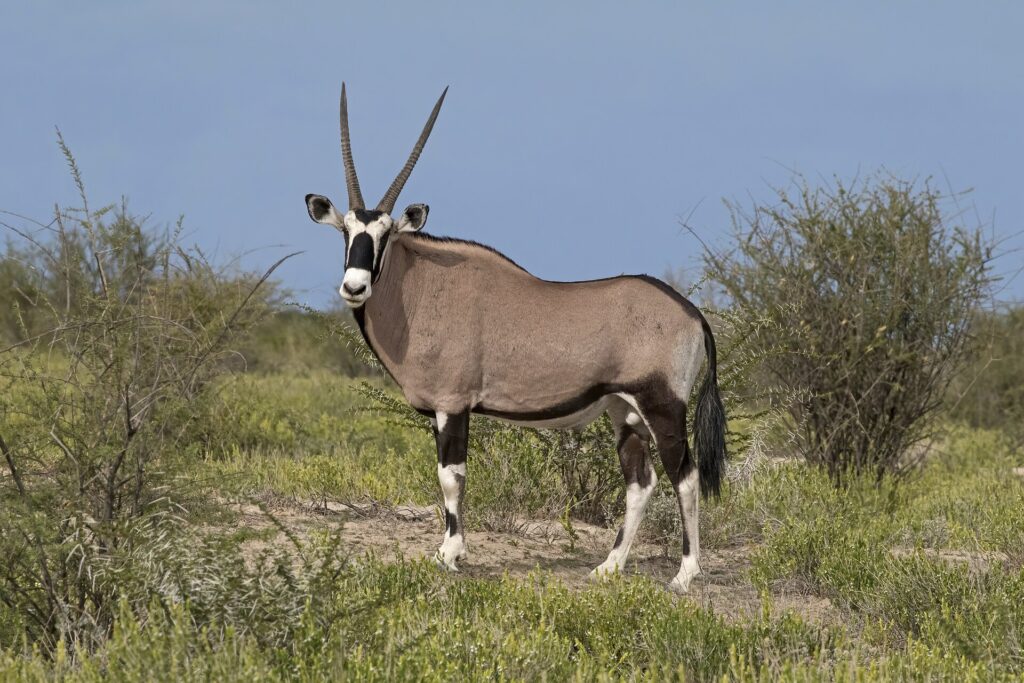
Gemsbok survive desert heat by letting their body temperature rise to about 45 °C, while a network of blood vessels keeps their brain cooler.
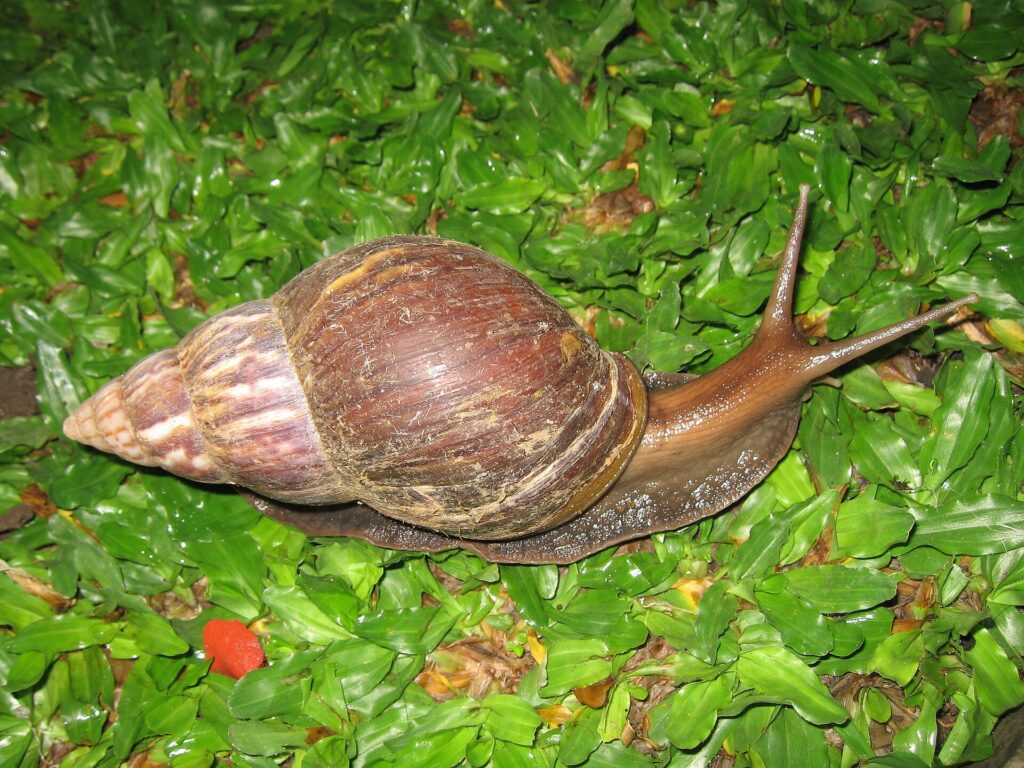
Giant African land snails were eradicated from Florida in the 1970s, returned in 2011, and took ten years and over 160,000 snails removed to eradicate again.
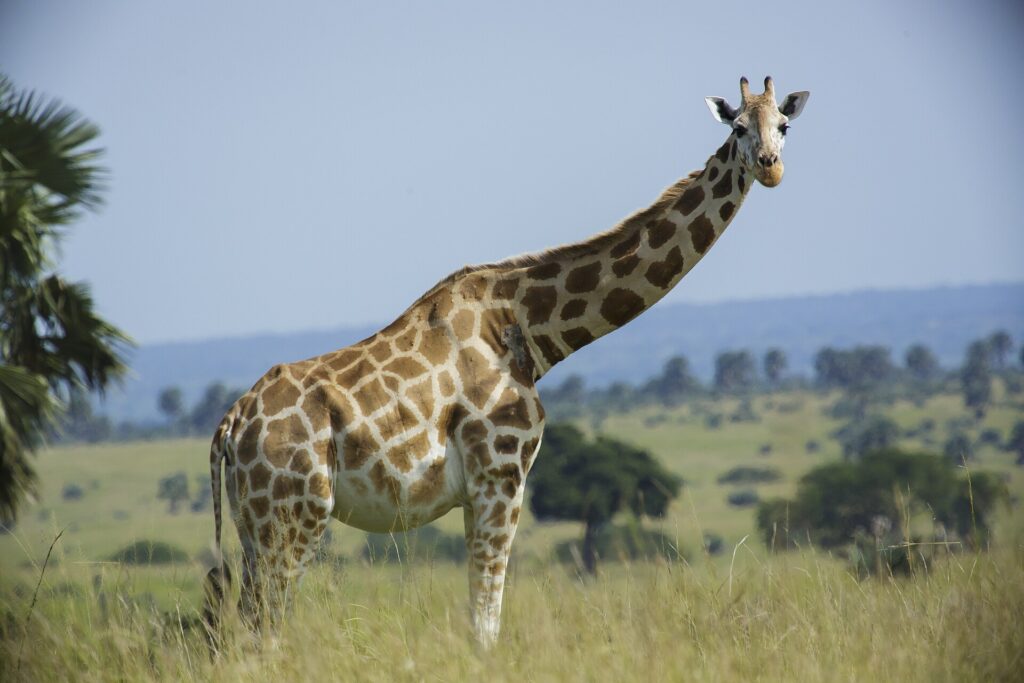
A giraffe’s neck is up to about 2 m long but contains the same number of vertebrae as a human’s: seven.
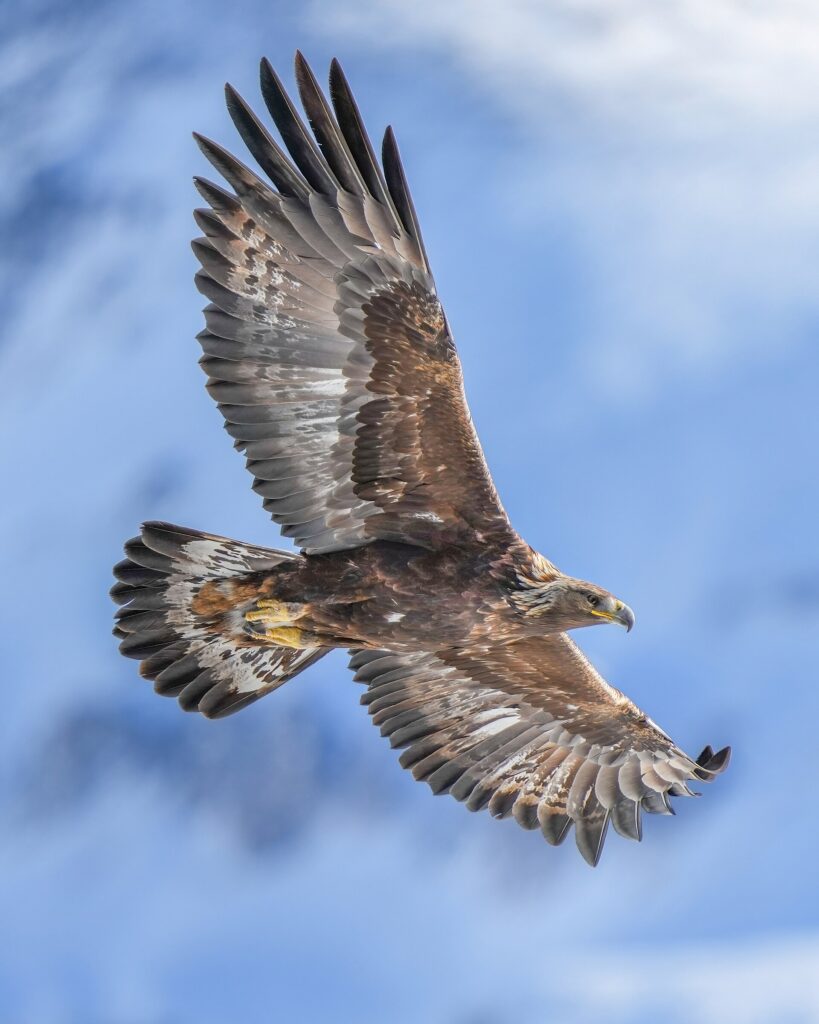
In the mountains of Mongolia and Kazakhstan, eagle hunters have trained golden eagles for centuries to hunt foxes and even wolves.
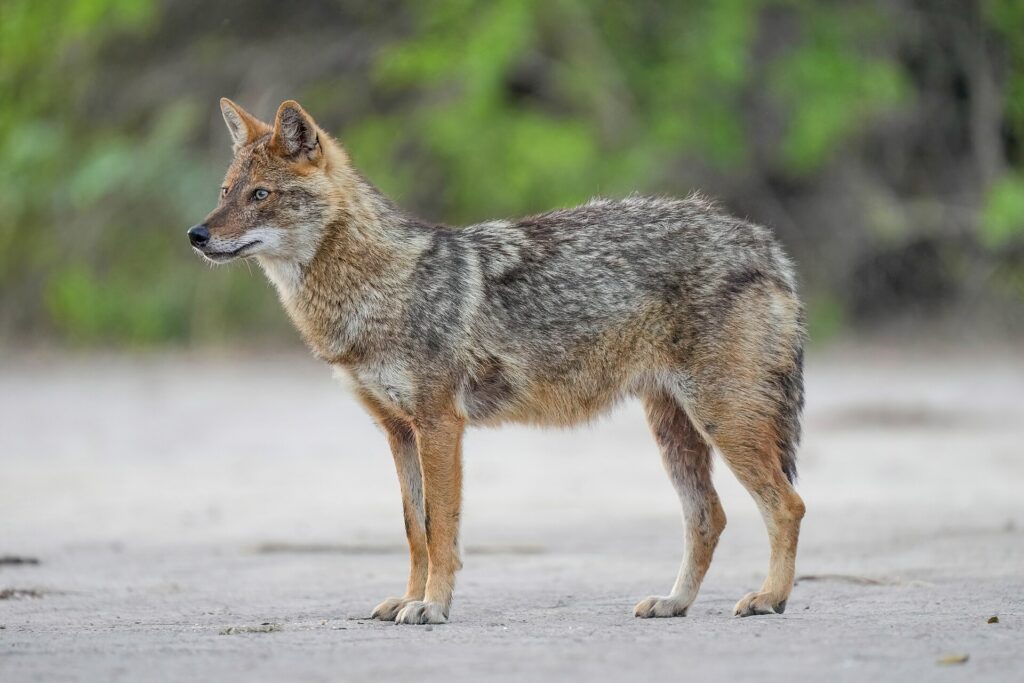
Golden jackals are spreading rapidly across Europe and have reached as far as the Netherlands, Denmark and the Baltic states.
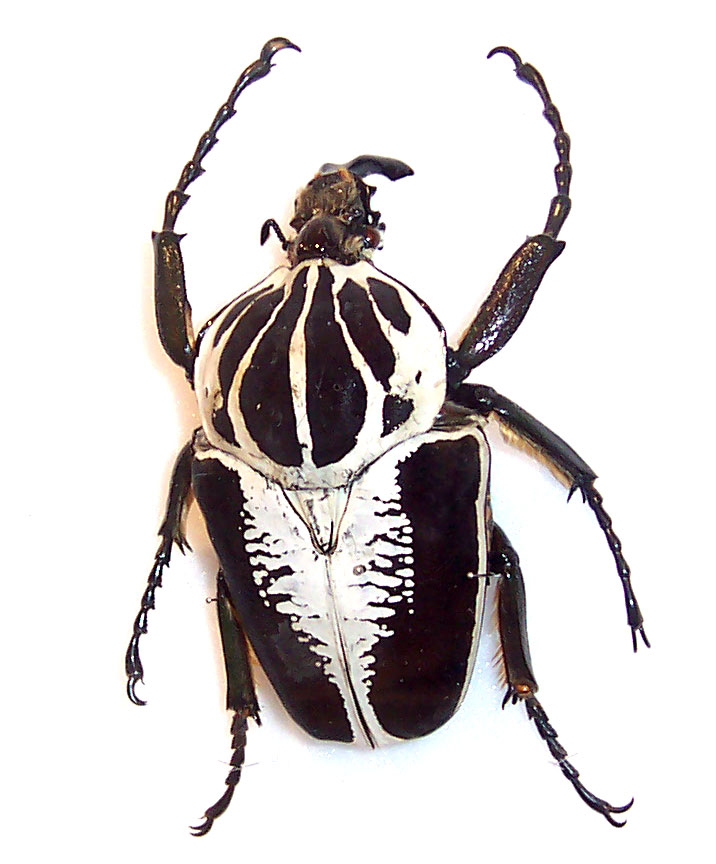
Goliath beetle larvae can weigh up to about 100 g, making them among the heaviest insects on Earth.
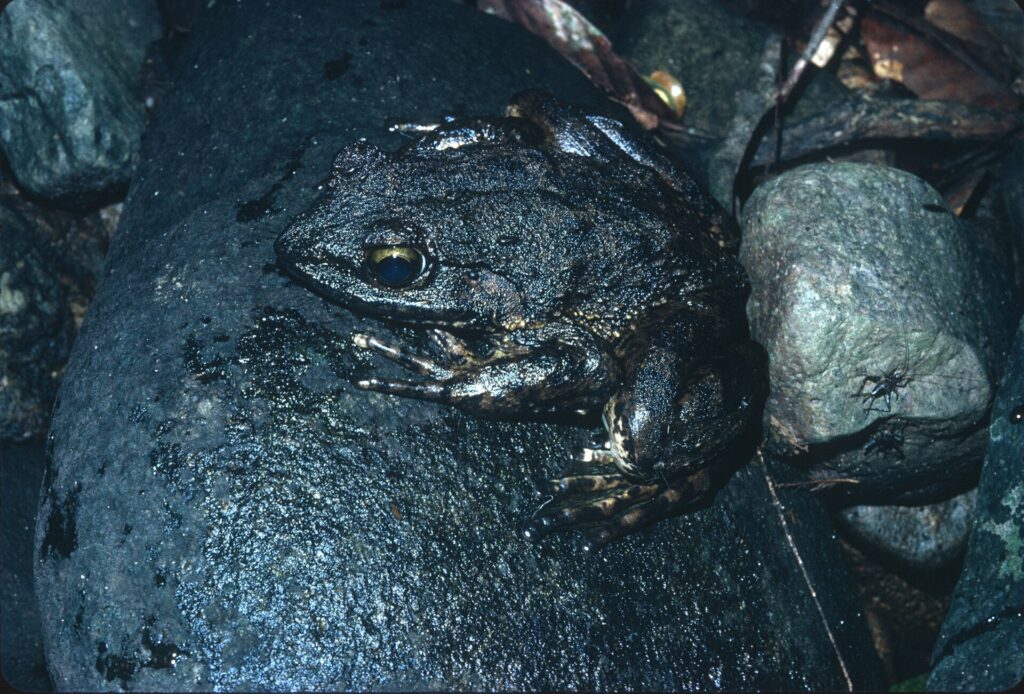
The goliath frog is the largest frog in the world, and males build their own ponds by moving rocks weighing up to about 2 kg.