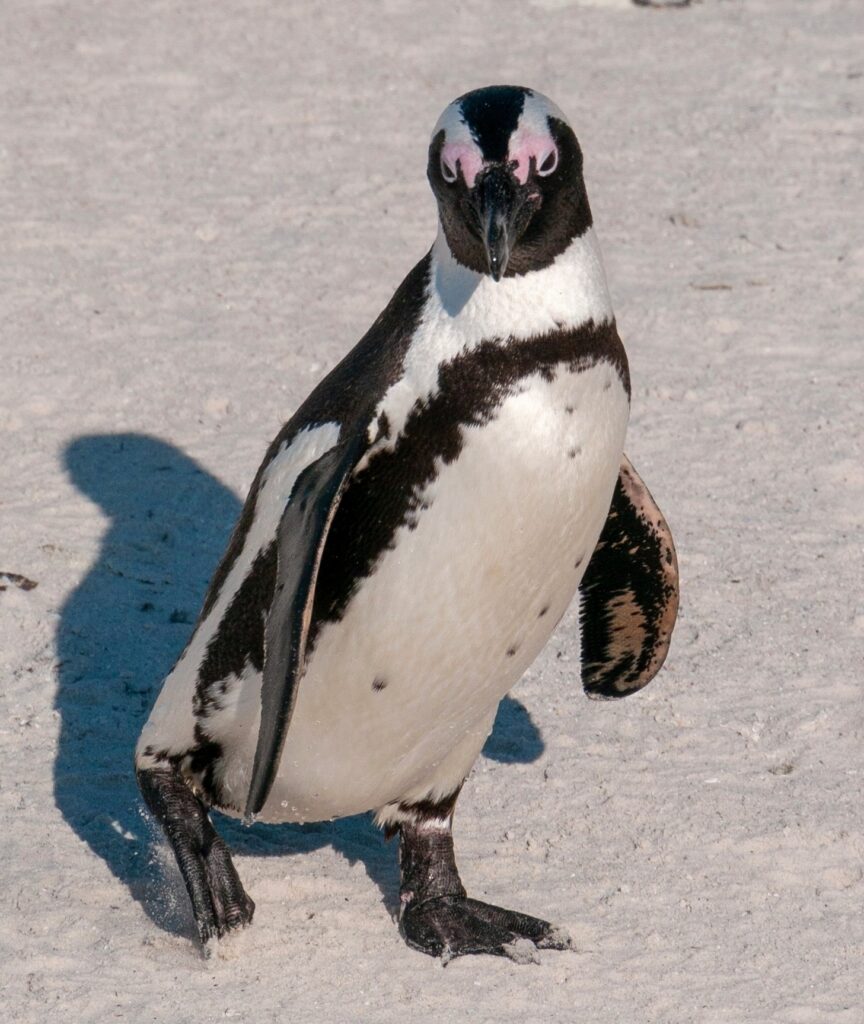
African Penguin
In 2024, the African penguin became the first penguin species to be listed as Critically Endangered, after its numbers fell below 10,000 breeding pairs.
In 2024, the African penguin became the first penguin species to be listed as Critically Endangered, after its numbers fell below 10,000 breeding pairs.
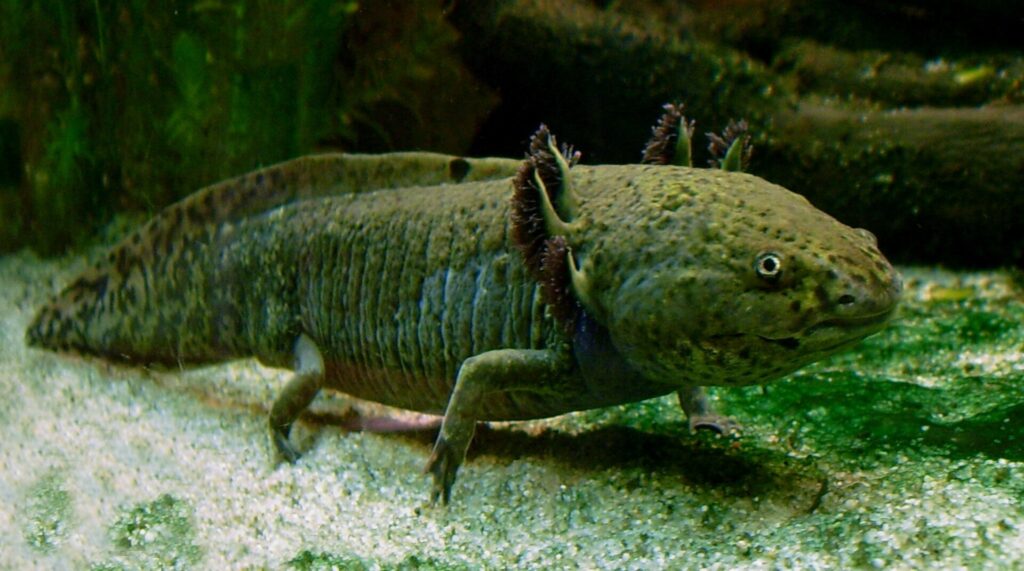
Axolotls can regrow lost limbs, parts of their spinal cord, heart and even parts of their brain without scarring.
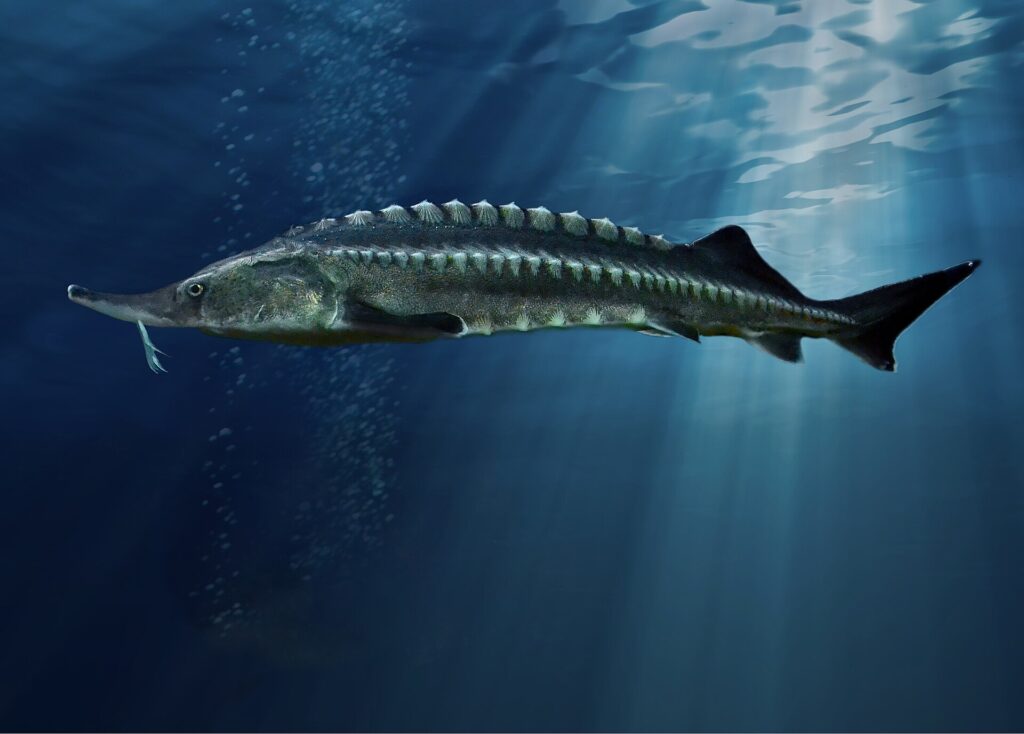
The beluga sturgeon is one of the largest bony fish ever recorded; a female caught in the Volga in 1827 was reported at over 7 metres and about 1.5 tonnes.
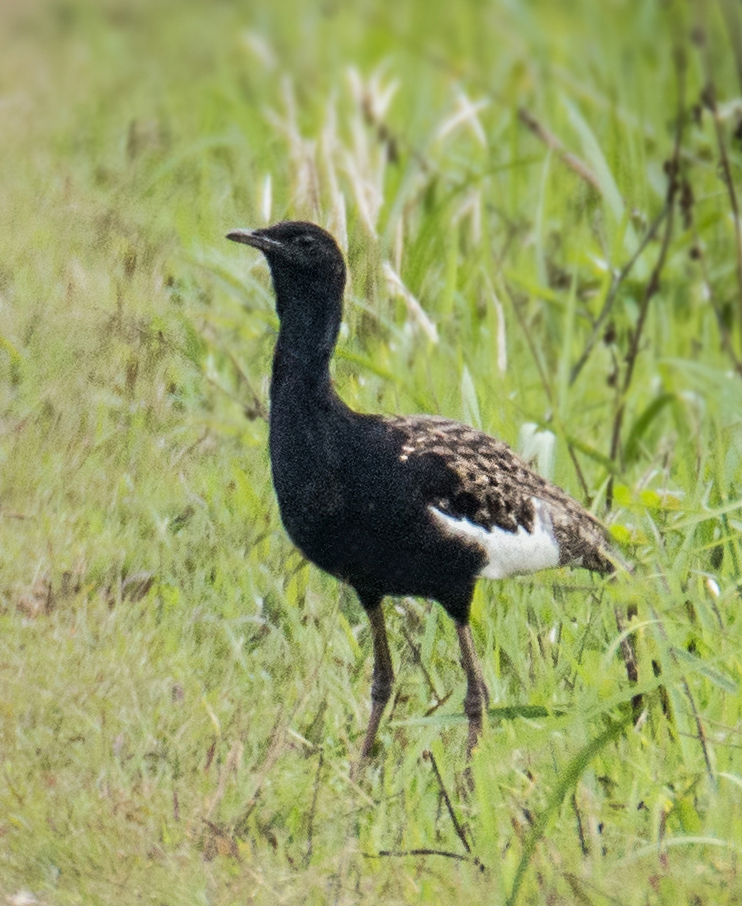
In the breeding season, male Bengal floricans leap high above the grass in spectacular display flights, flashing their white wings against their black bodies.
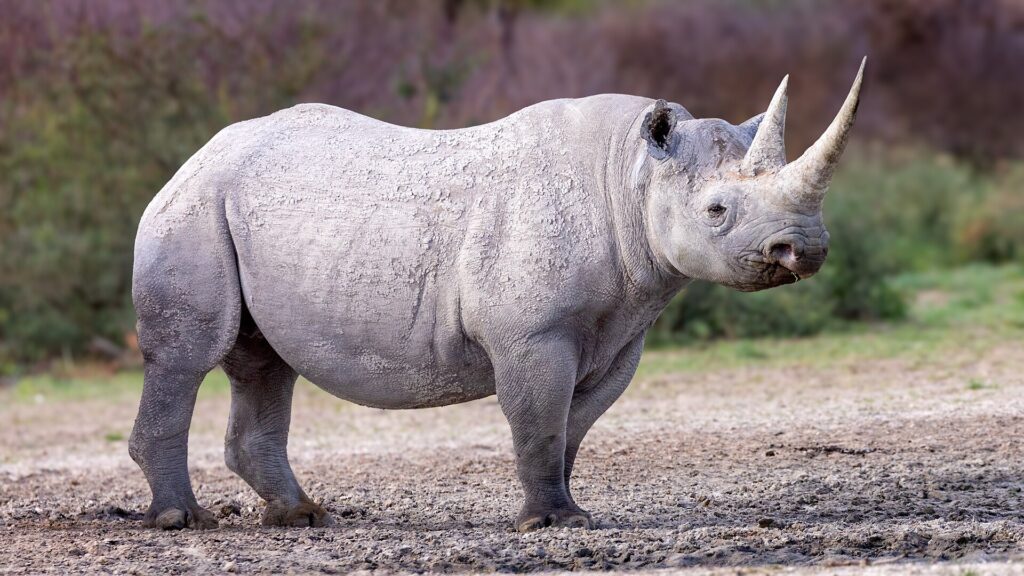
Black rhinos fell by about 98 percent between 1960 and 1995, to around 2,400 animals, and have since more than doubled thanks to intensive protection.
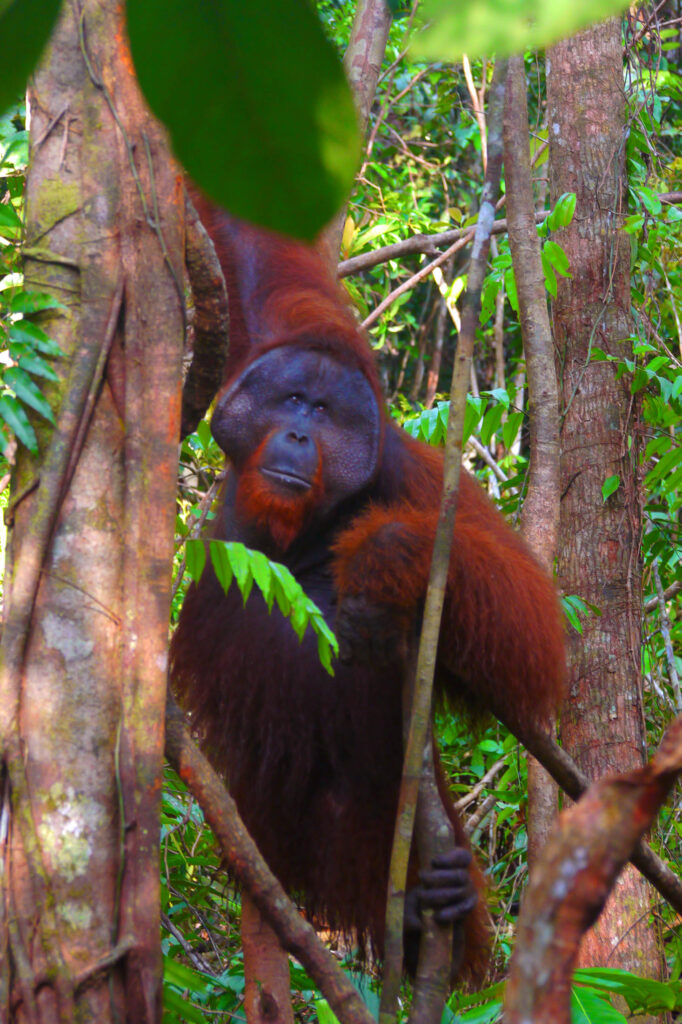
Orangutan mothers raise each infant for about seven to eight years, one of the longest childhoods of any animal apart from humans.
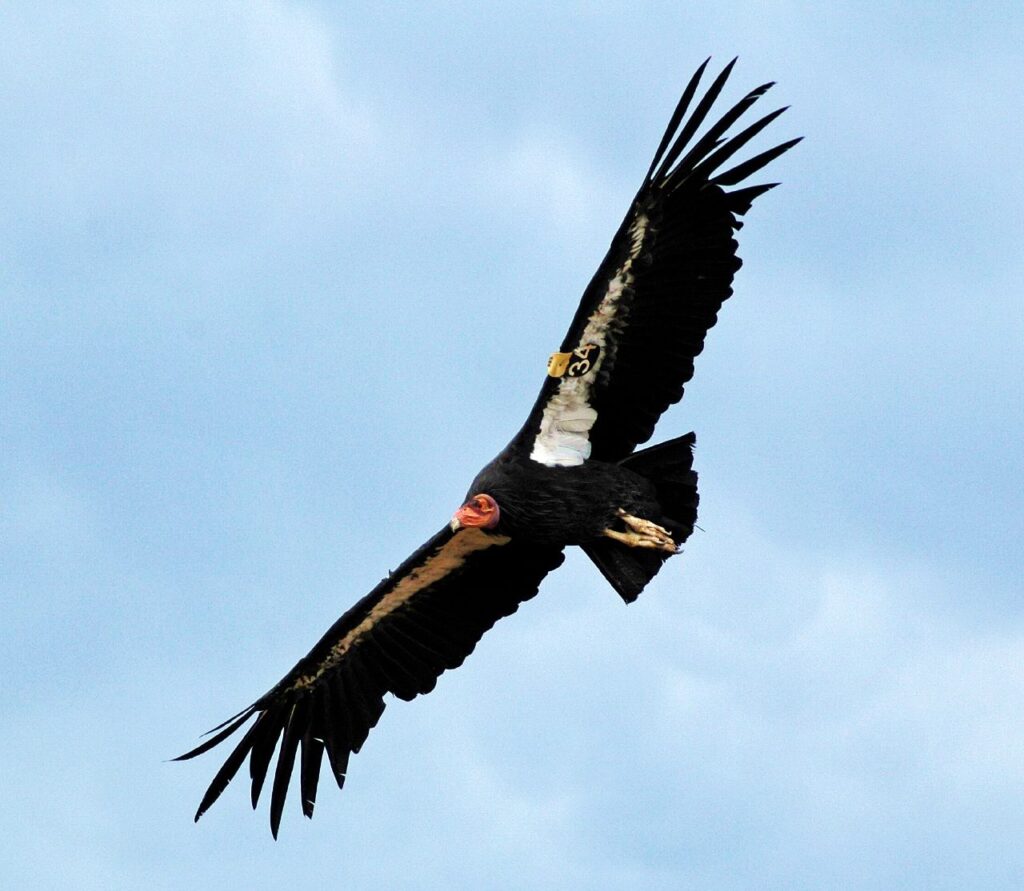
In 1987, the last 27 California condors were captured for captive breeding. Today there are more than 500, over half flying free.
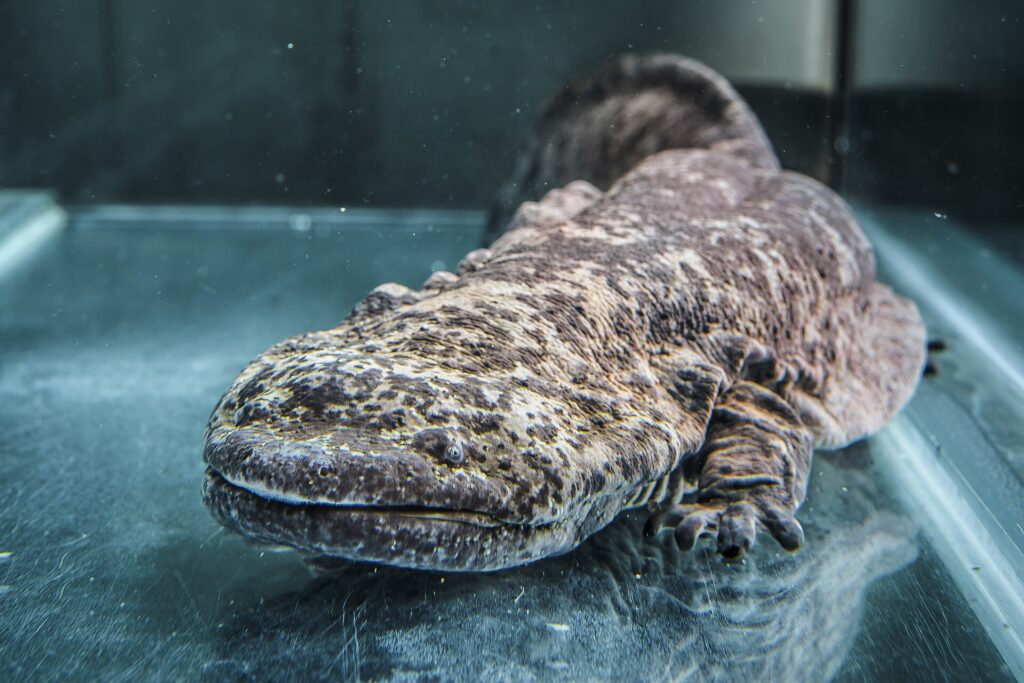
The Chinese giant salamander is the largest amphibian in the world, and genetic studies suggest it is actually several distinct species.
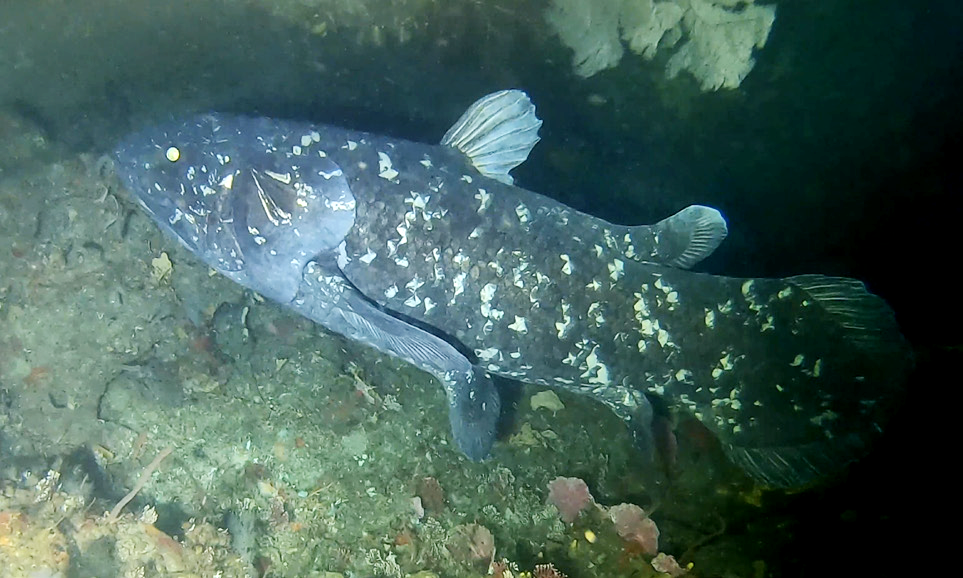
Coelacanths were known only from fossils and thought extinct for about 66 million years until one was caught off South Africa in 1938.
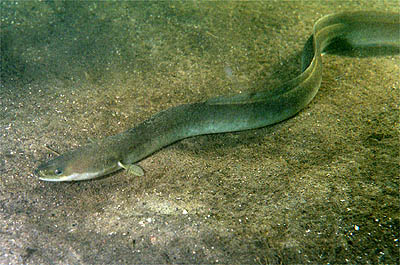
European eels swim about 5,000–6,000 km across the Atlantic to breed in the Sargasso Sea, yet no one has ever seen them spawning.
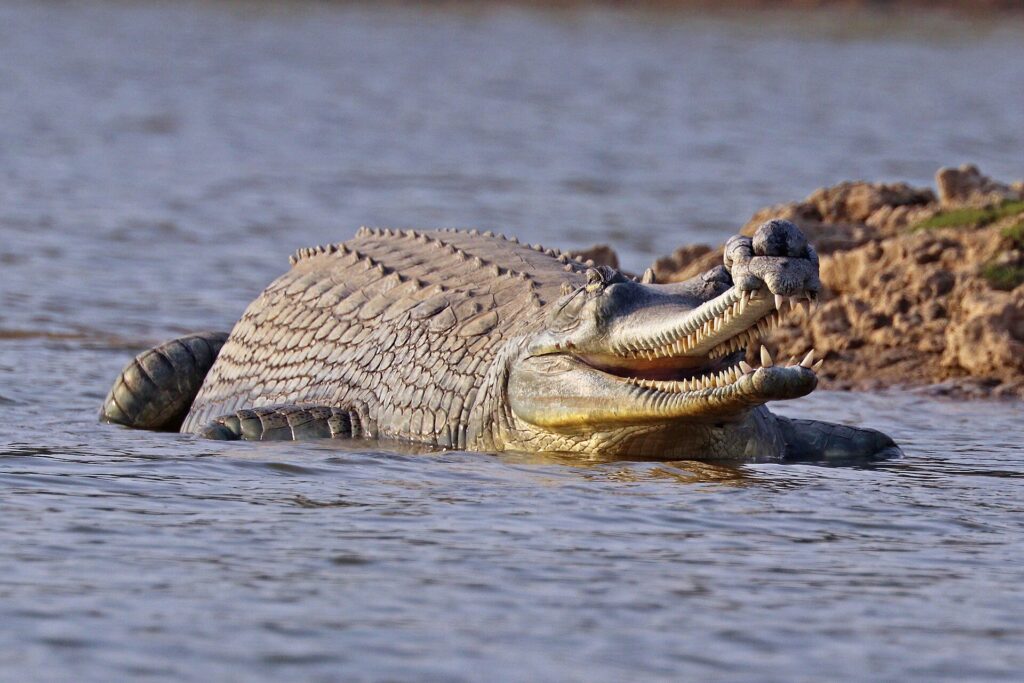
Adult male gharials grow a bulbous knob on the tip of the snout, called a ghara after an Indian clay pot, which they use to make buzzing sounds.
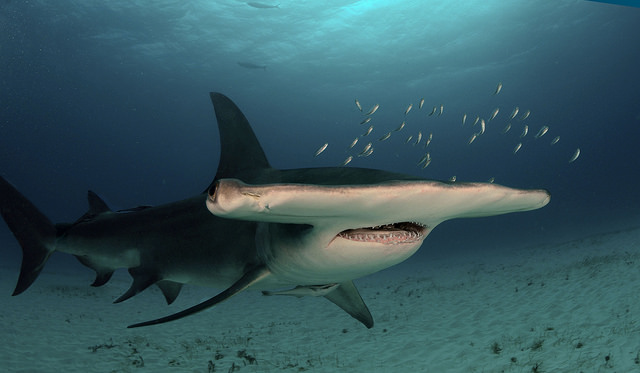
A hammerhead’s wide head, called a cephalofoil, spreads out its electrical sensors, helping it find stingrays buried in sand.
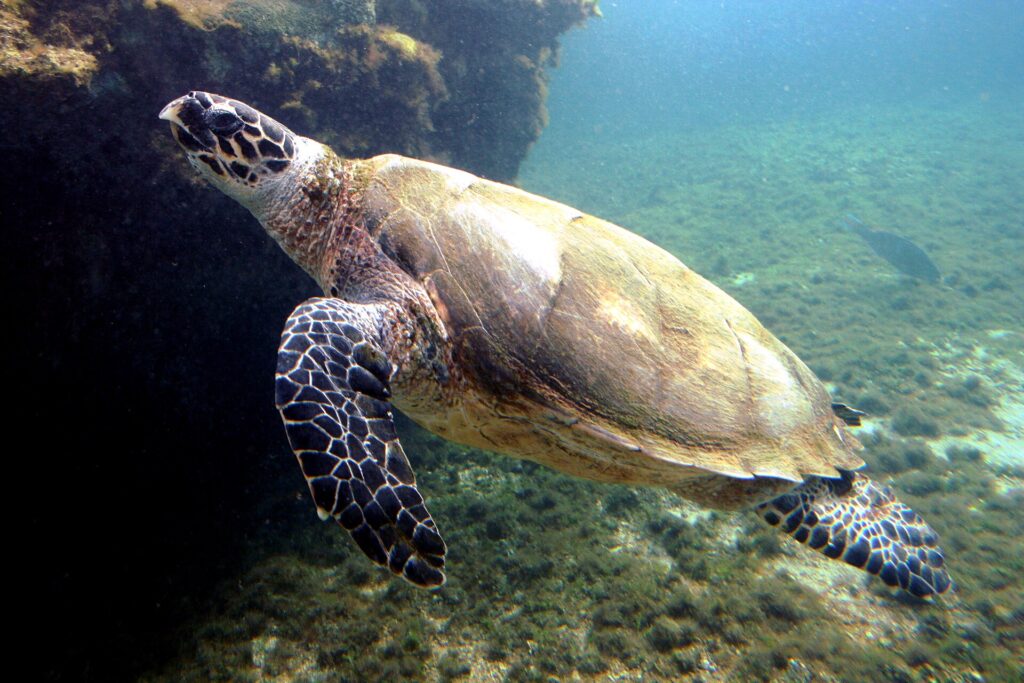
Hawksbills eat sponges full of glass-like spikes that would harm most animals, and by doing so they help keep coral reefs healthy.
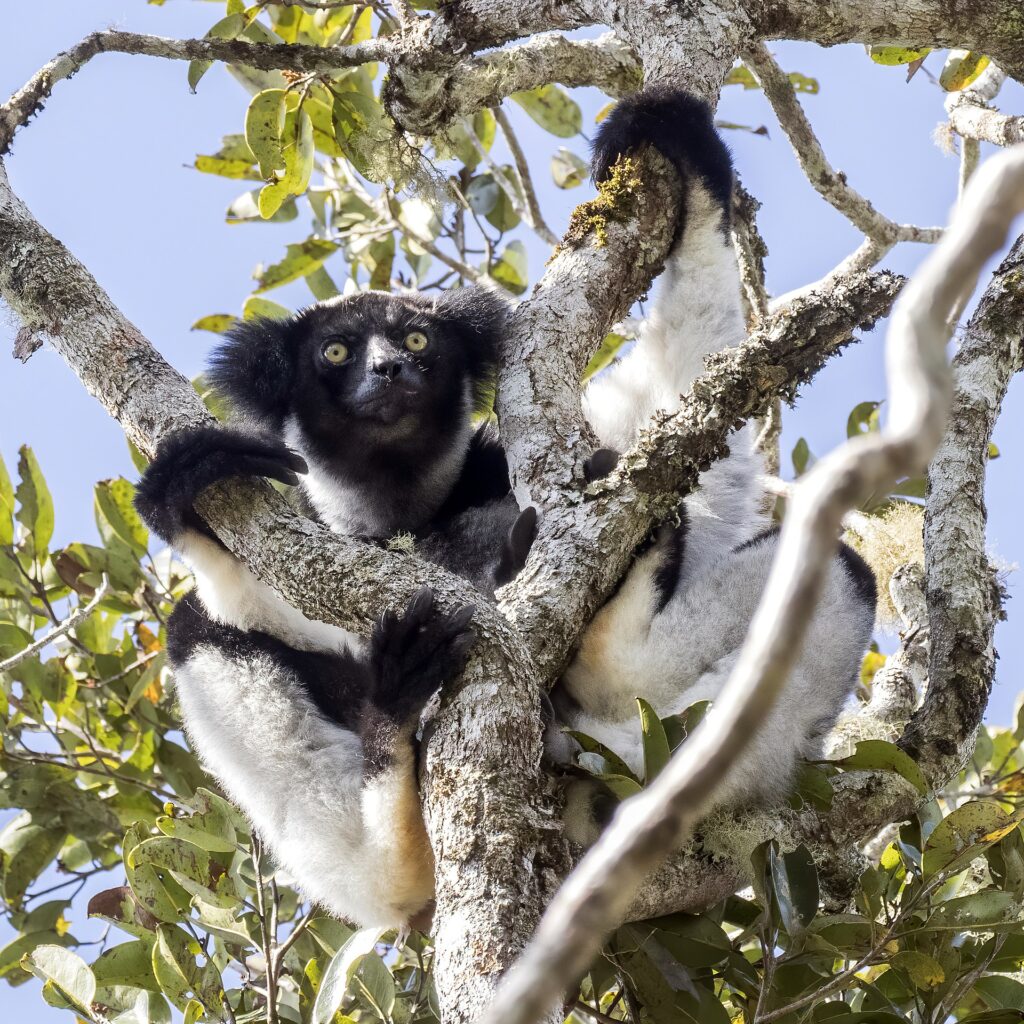
Indri families sing haunting songs that carry over 2 km, and scientists found their songs share rhythms with human music.
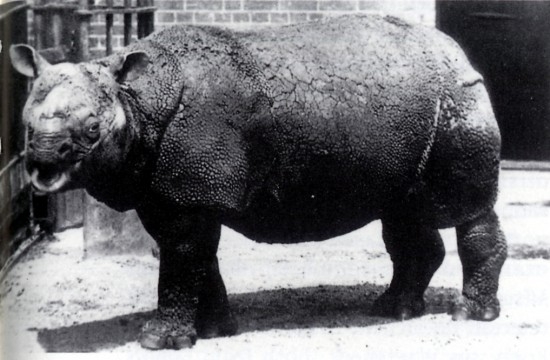
All the world’s Javan rhinos live in a single national park; the last one in Vietnam was killed by poachers in 2010.
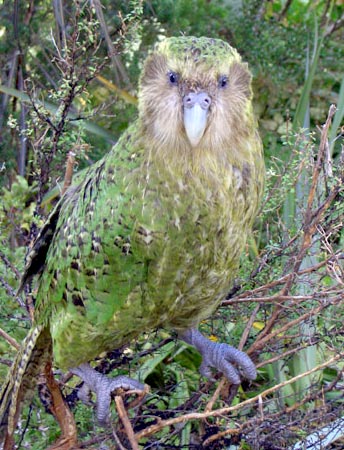
The kākāpō is the world’s only flightless parrot, and every surviving bird is individually named and monitored.
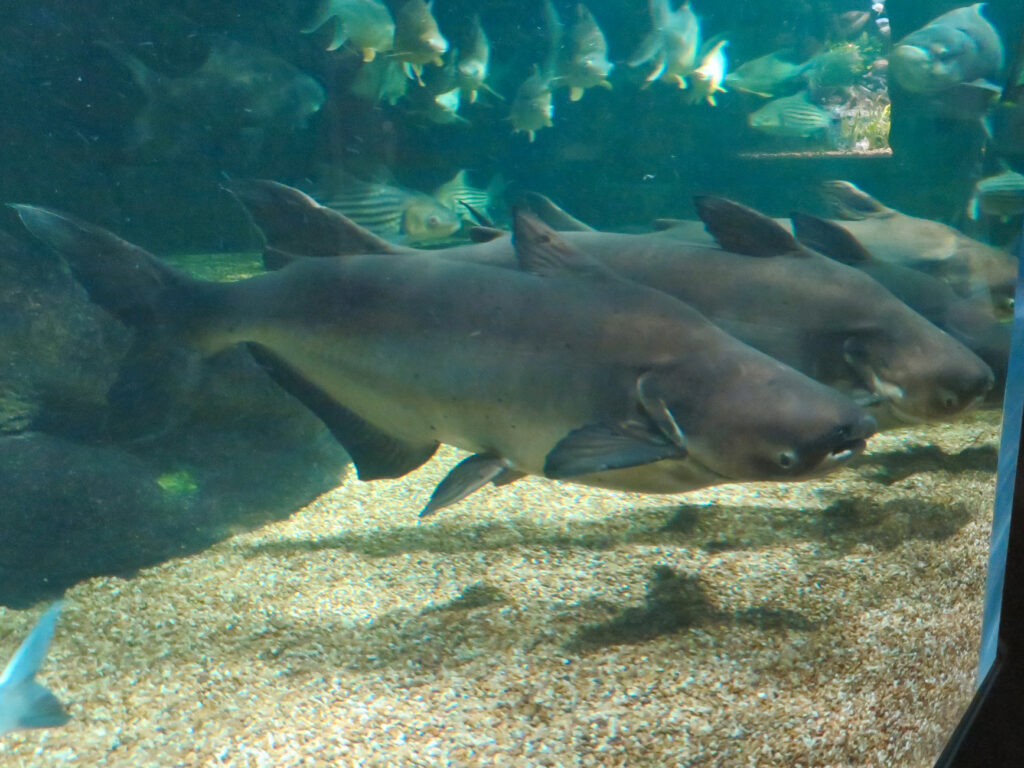
The Mekong giant catfish is one of the largest freshwater fish on Earth, and it can grow to 150–200 kg in just six years.
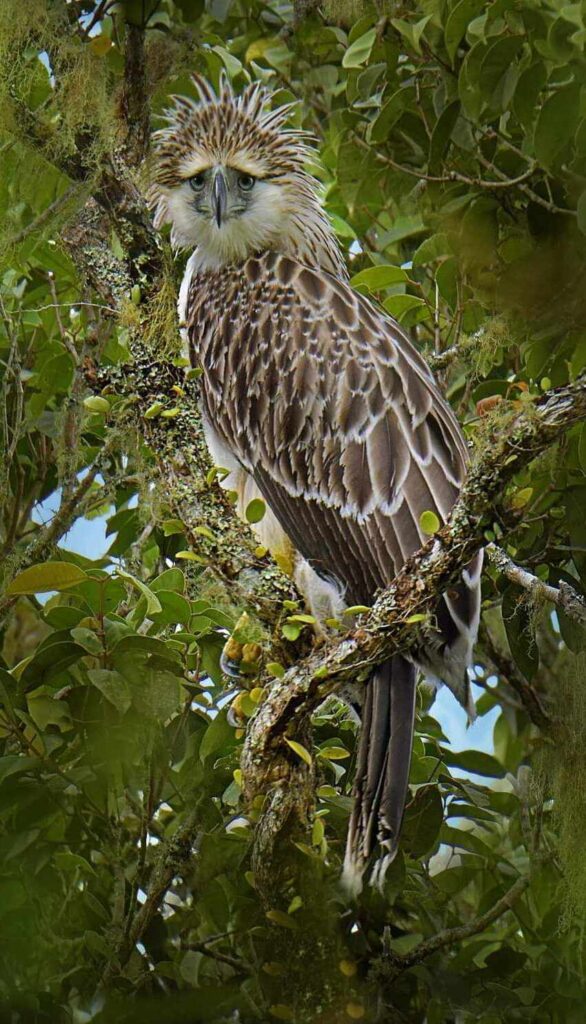
The Philippine eagle is one of the largest and most powerful eagles on Earth, and killing one in the Philippines can bring up to 12 years in prison.
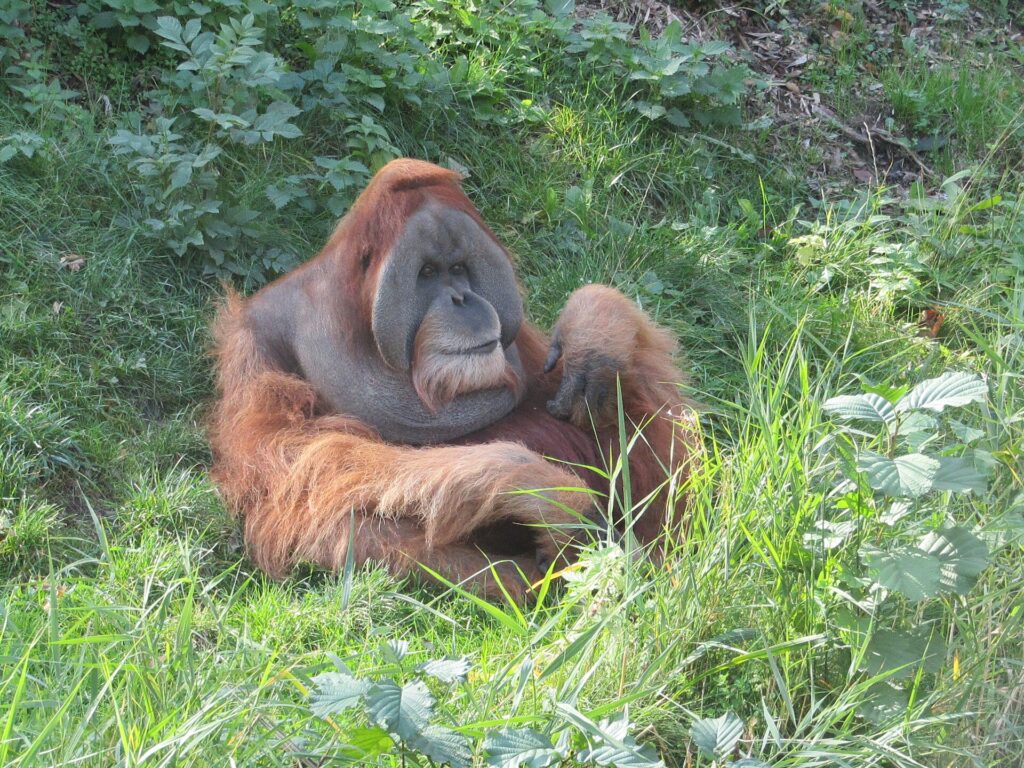
Sumatran orangutan mothers give birth only about once every eight or nine years, the longest gap between births of any mammal.
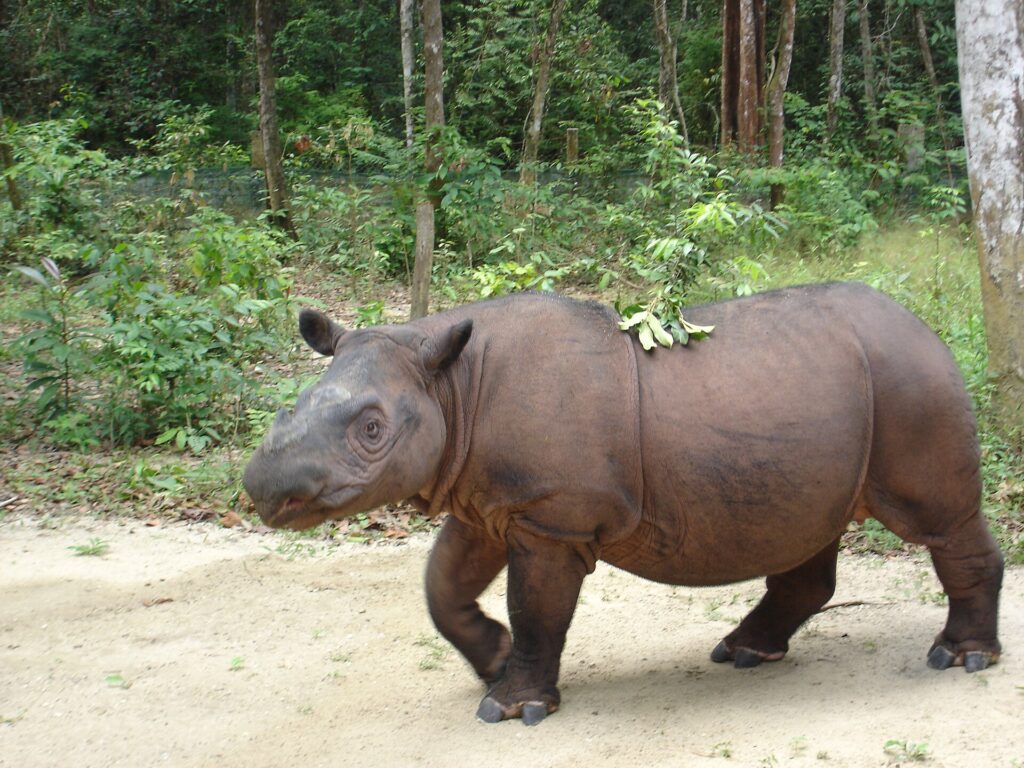
The Sumatran rhino is the hairiest rhino and the closest living relative of the extinct woolly rhinoceros.
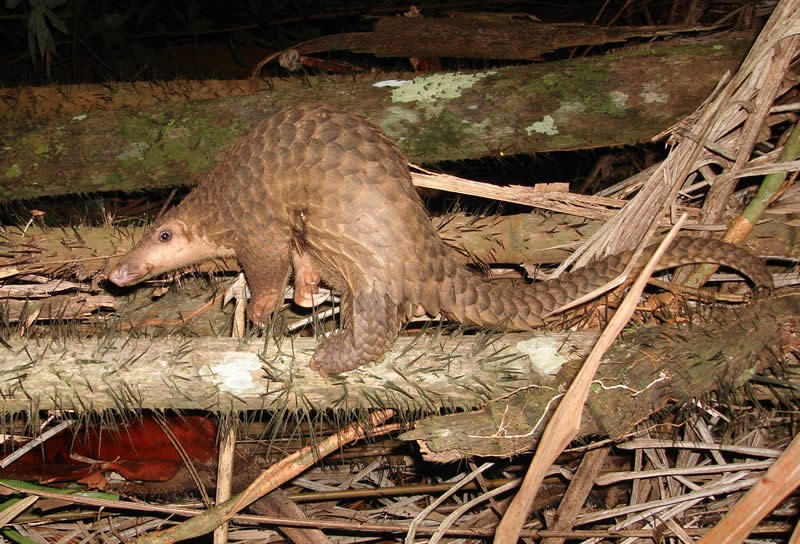
Pangolins are the only mammals covered in scales, which are made of keratin, the same material as human fingernails.
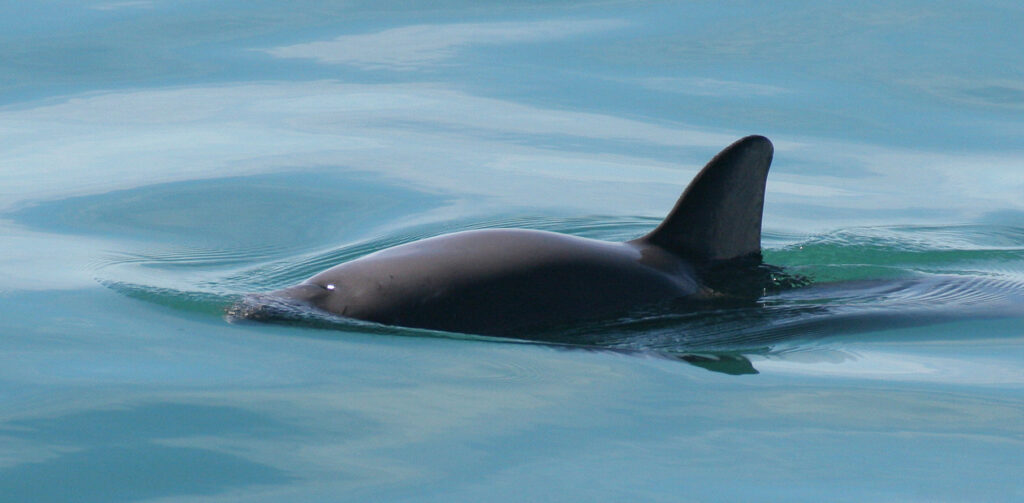
The vaquita is the world’s rarest marine mammal: recent surveys have estimated only around ten individuals left.
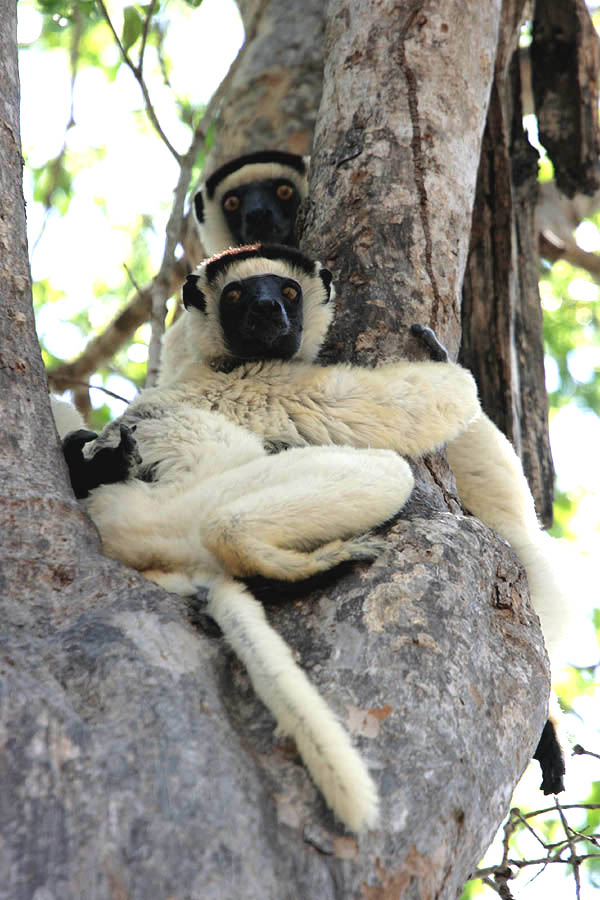
On the ground, Verreaux’s sifakas ‘dance’, bounding sideways on their hind legs with their arms raised for balance.
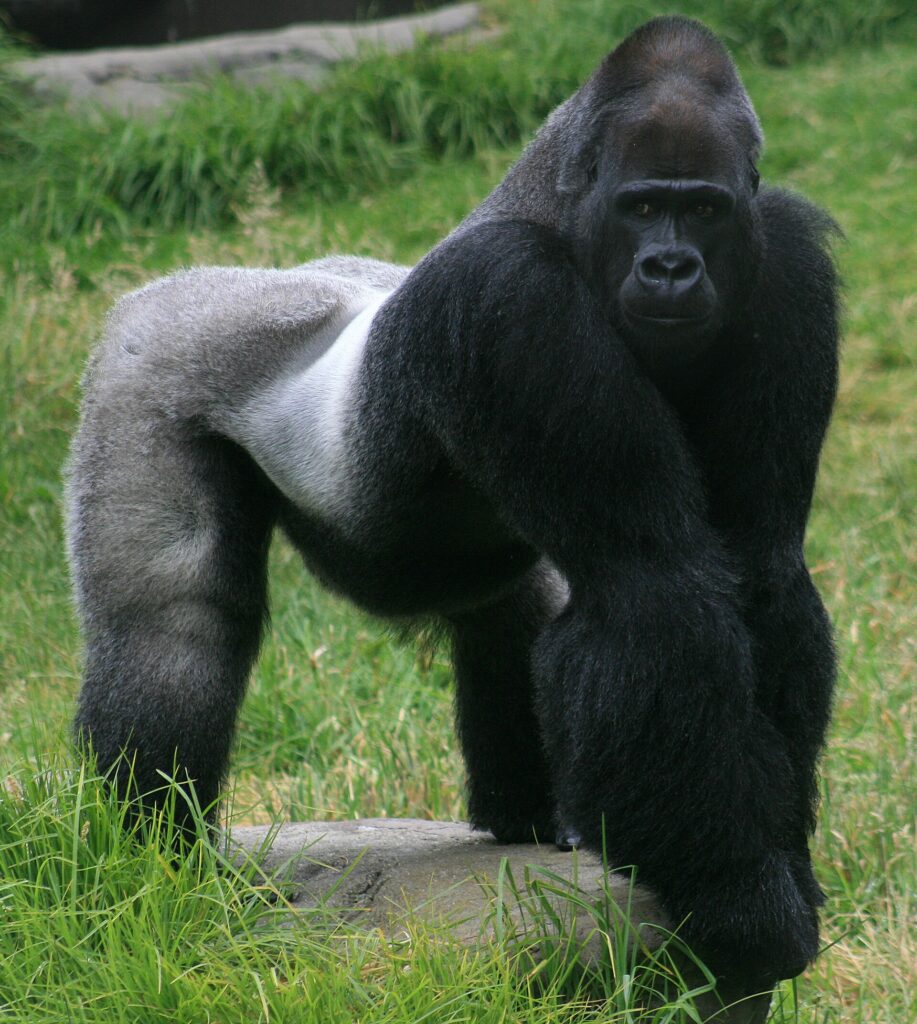
Western lowland gorillas are by far the most numerous gorillas, yet they are still Critically Endangered because their numbers are falling by several percent every year.