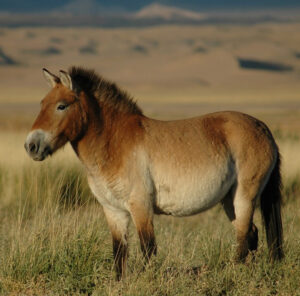
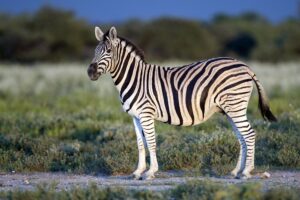
Grevy’s zebra is a large, finely striped zebra of the dry grasslands of northern Kenya and Ethiopia. It is more closely related to wild asses than to plains zebras and is one of the most endangered large mammals in Africa.
Interesting facts
- Only about 3,000 remain, mostly in northern Kenya.
- Numbers have fallen from about 15,000 in the 1970s.
- It is named after Jules Grévy, a French president who was given one by the emperor of Abyssinia in the 1880s.
- Adults can go about five days without drinking.
- Every zebra’s stripe pattern is unique.
- Local ‘Grevy’s Zebra Scouts’ help monitor and protect the population.
Behaviour
Grevy’s zebras have a looser social system than plains zebras. Stallions defend large territories around water, and females move between territories with their foals.
Breeding and young
After a gestation of about 13 months, a single foal is born. It can stand within an hour and run with its mother soon afterwards.
Threats and conservation
Competition with livestock for grass and water, habitat degradation, drought, hunting and disease.
Where to see it
- Samburu and Buffalo Springs national reserves, Kenya
- Lewa Wildlife Conservancy, Kenya
- Laikipia plateau, Kenya
- Accredited zoos with breeding programmes
Status source: IUCN Red List. Profile last reviewed September 2026.
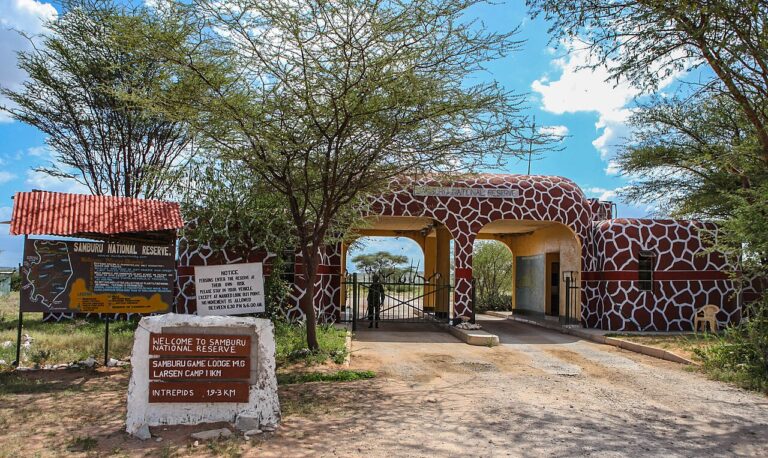 Samburu National Reserve and the Samburu Special Five