Aardvark
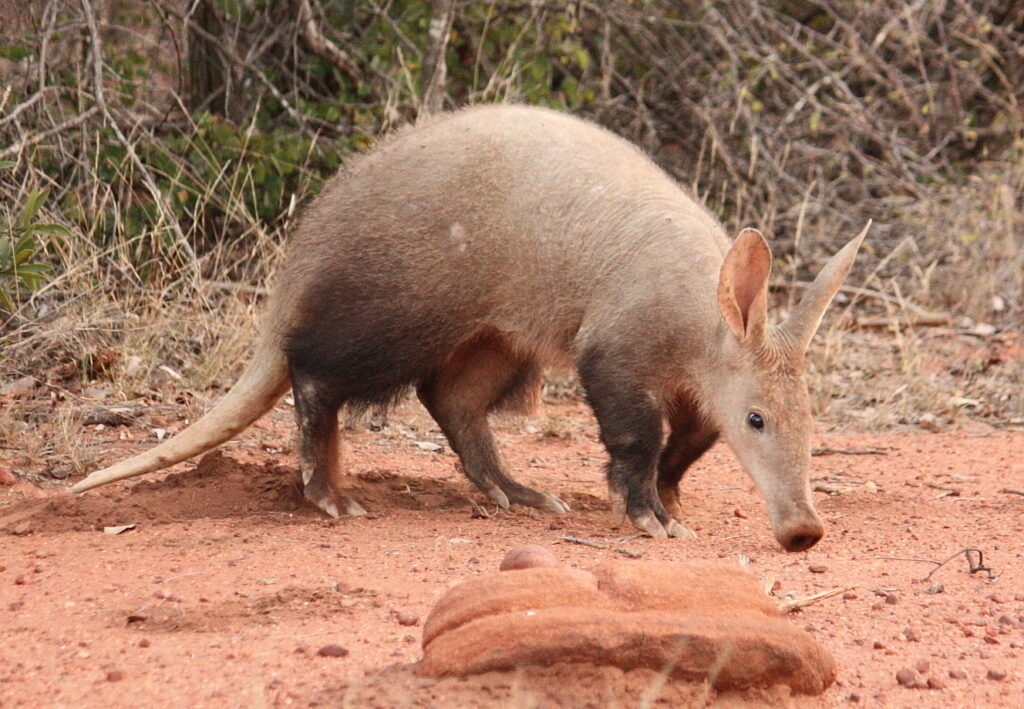
The aardvark is the only living member of its entire mammal order, Tubulidentata, making it one of the most unique mammals on Earth.
The aardvark is the only living member of its entire mammal order, Tubulidentata, making it one of the most unique mammals on Earth.
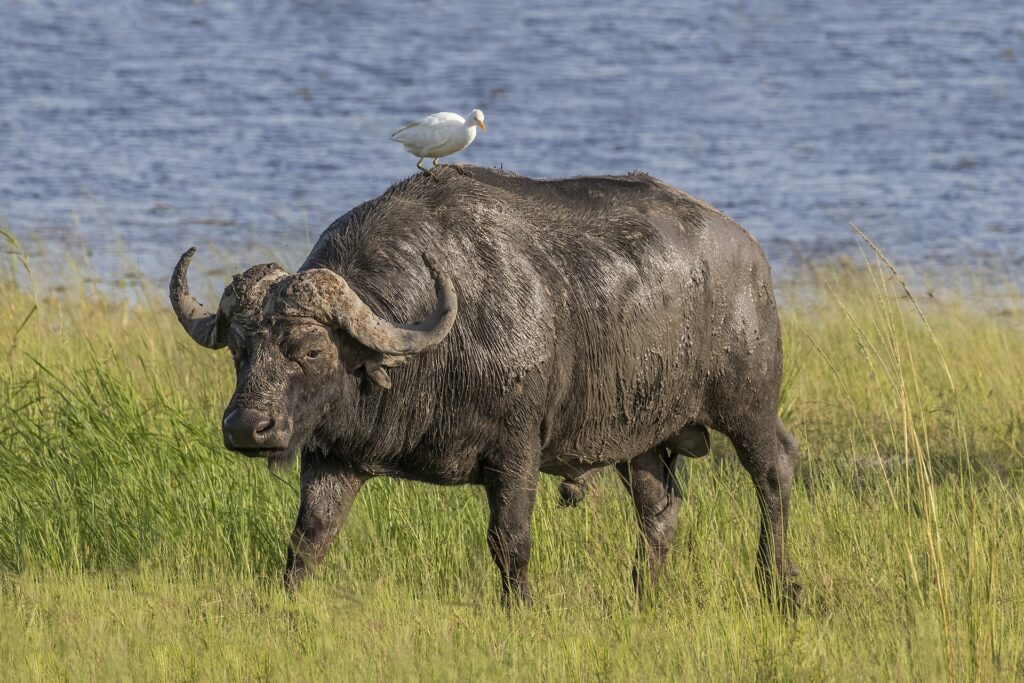
Scientists have found that buffalo herds ‘vote’ on where to go: resting females stand up and gaze in their preferred direction, and the herd follows the majority.
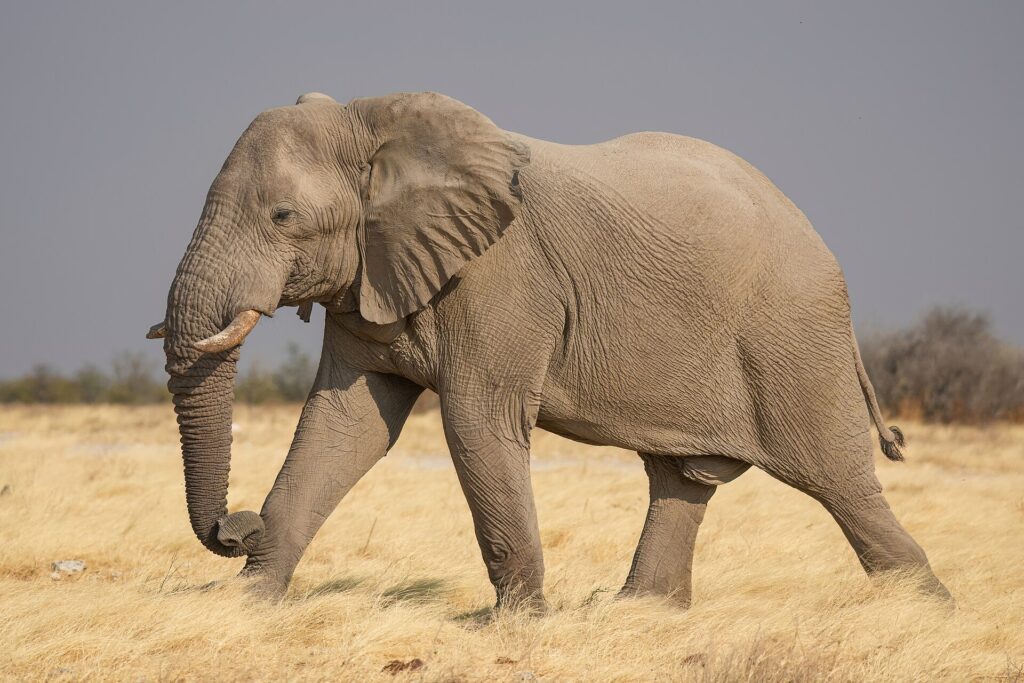
Elephants can communicate using low-frequency rumbles that travel several kilometres through the air and the ground, and they may detect them through their feet.
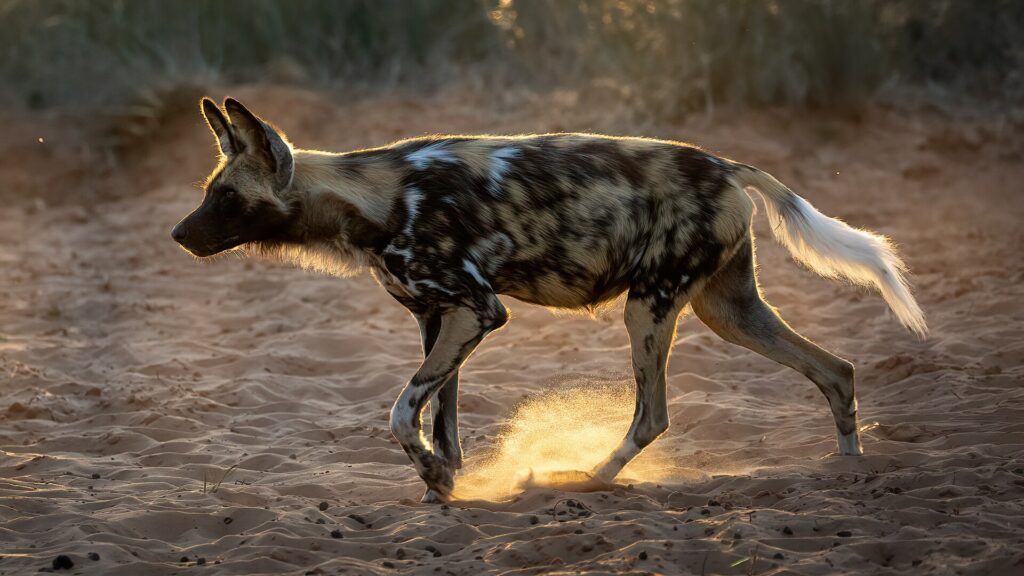
African wild dogs are among the most successful hunters in Africa; packs catch prey in a large majority of chases, far more often than lions.
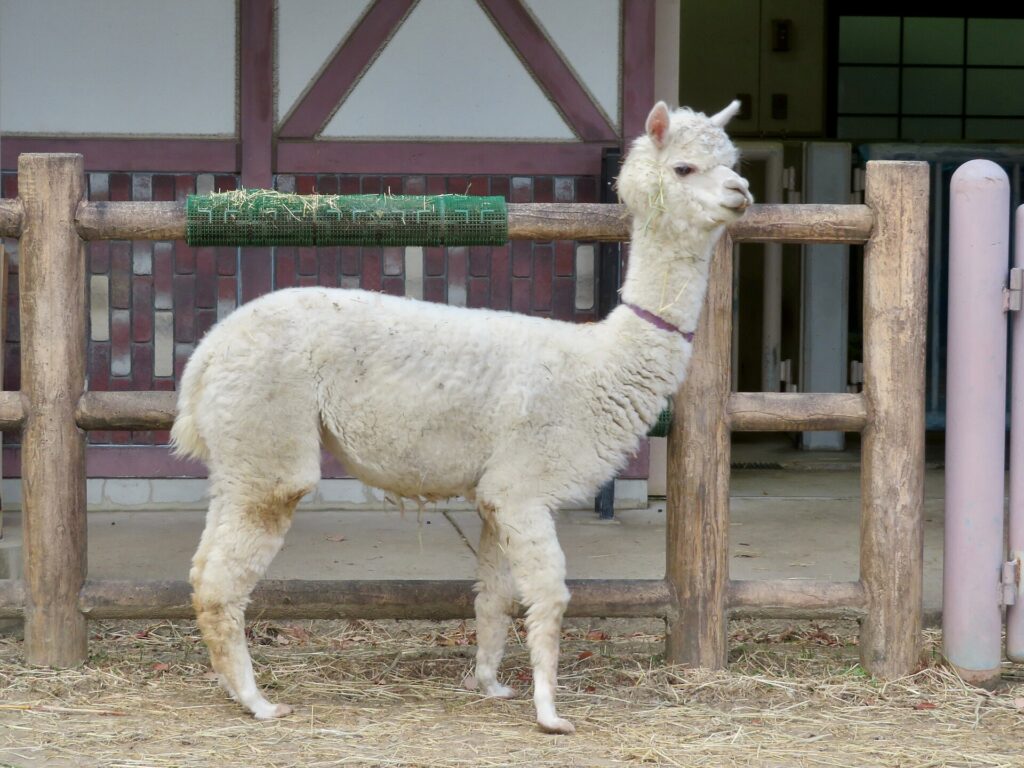
Alpaca fibre is warmer than sheep’s wool and contains no lanolin, so it is naturally hypoallergenic for many people.
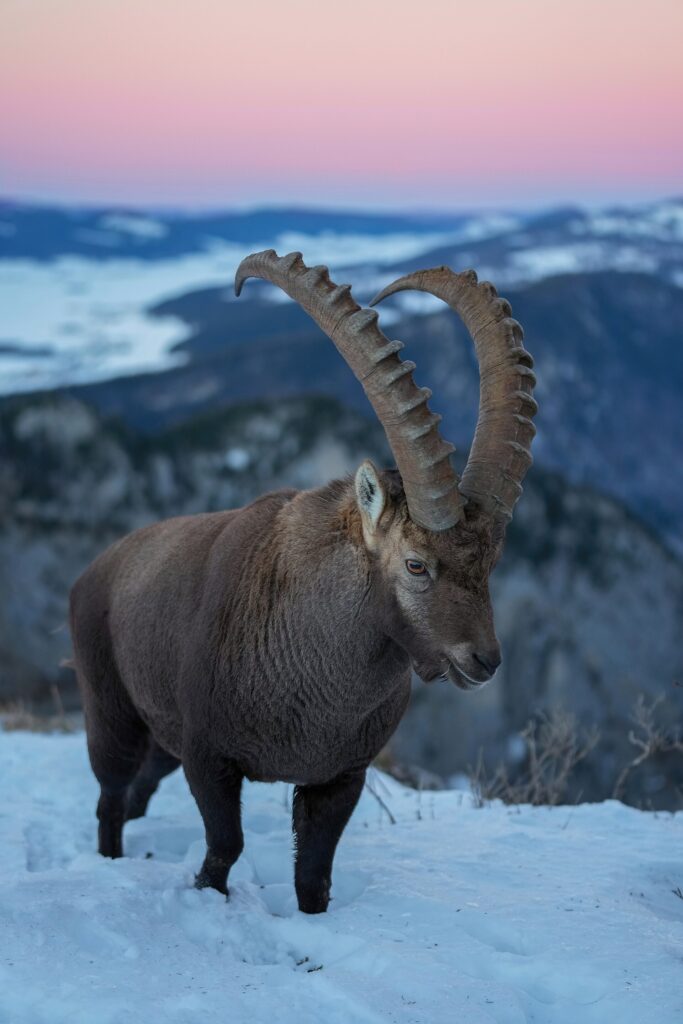
Alpine ibex have been photographed climbing an almost vertical dam wall in Italy to lick minerals from the stone.
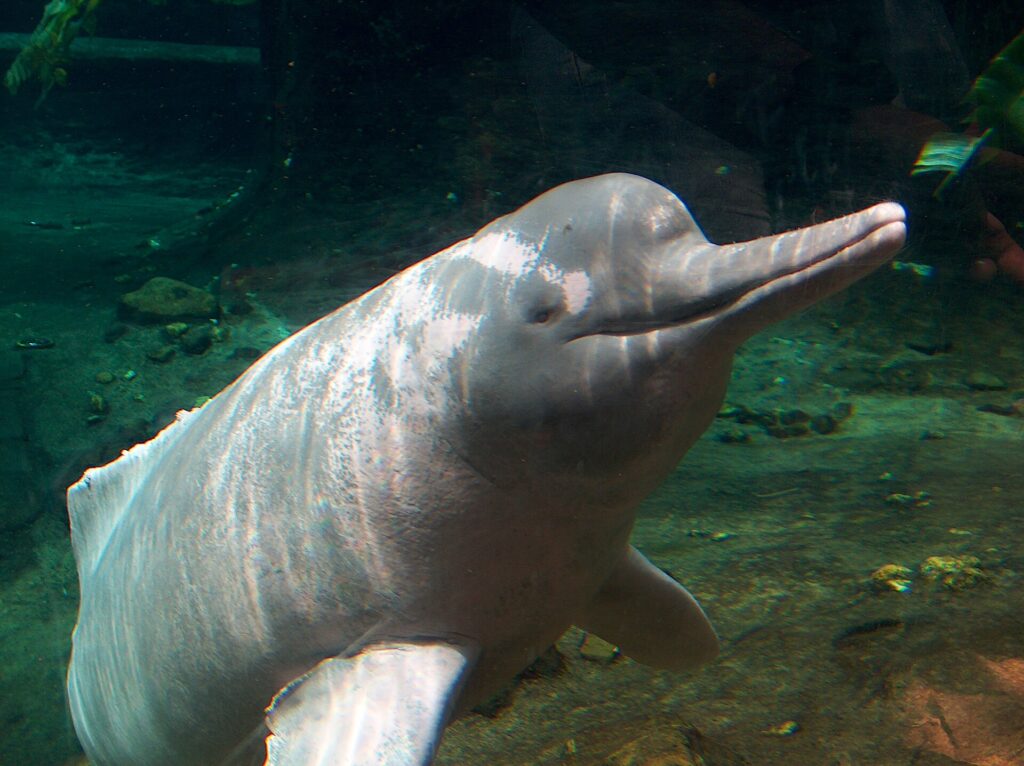
Amazon river dolphins turn pink as they age, and in the flood season they swim between the trunks of submerged rainforest trees.
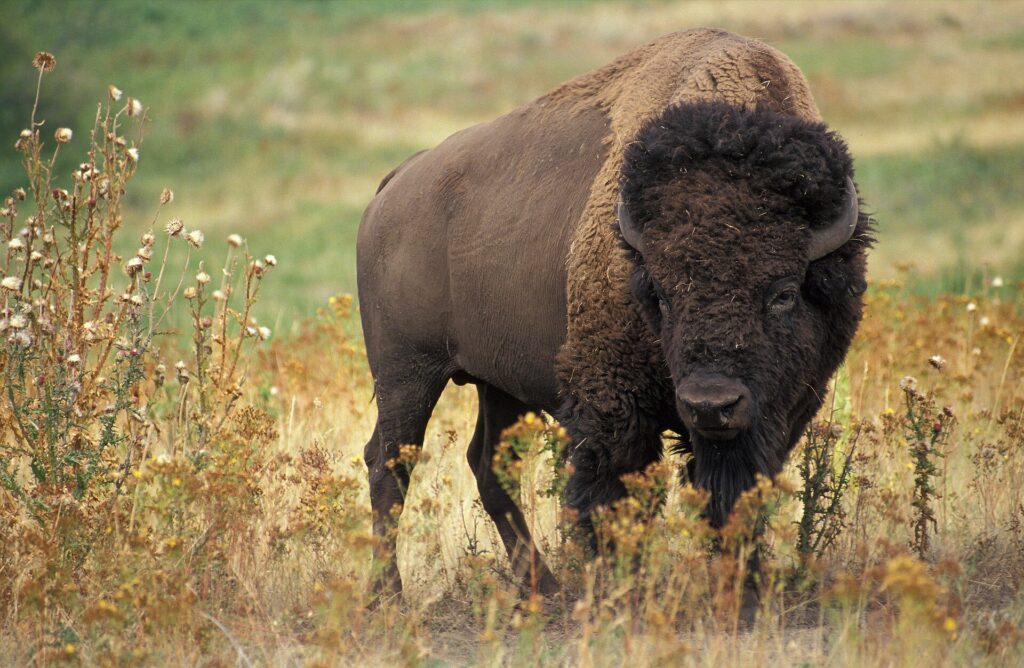
Around 30 to 60 million bison once roamed North America; by 1889 fewer than 1,000 were left.
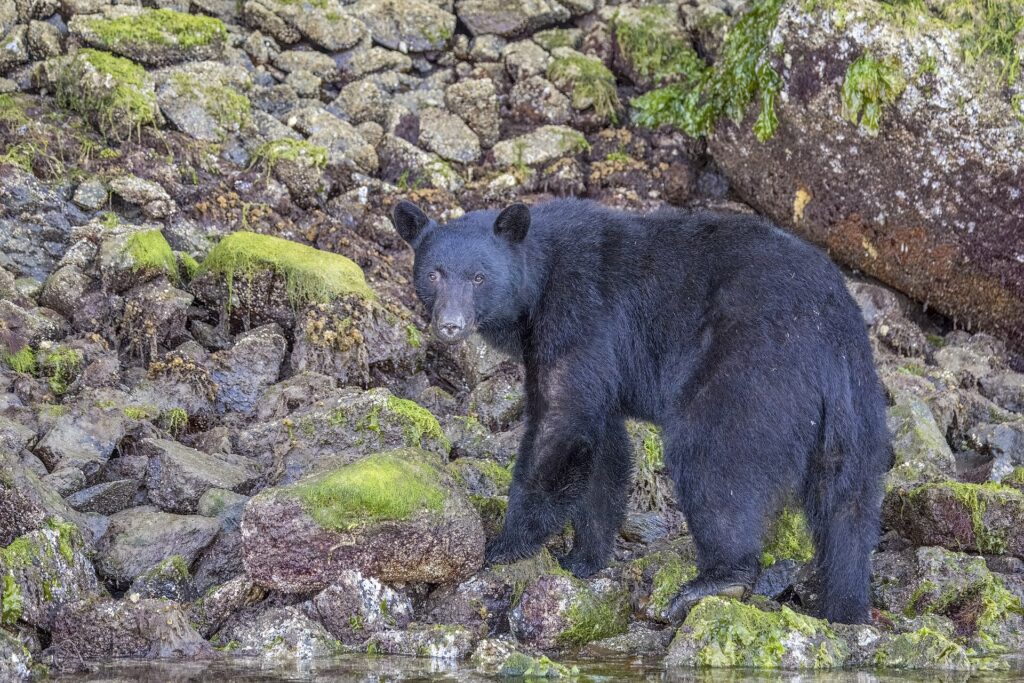
Not all black bears are black: they can be brown, cinnamon, blond, blue-grey or even white, like the rare ‘spirit bears’ of British Columbia.
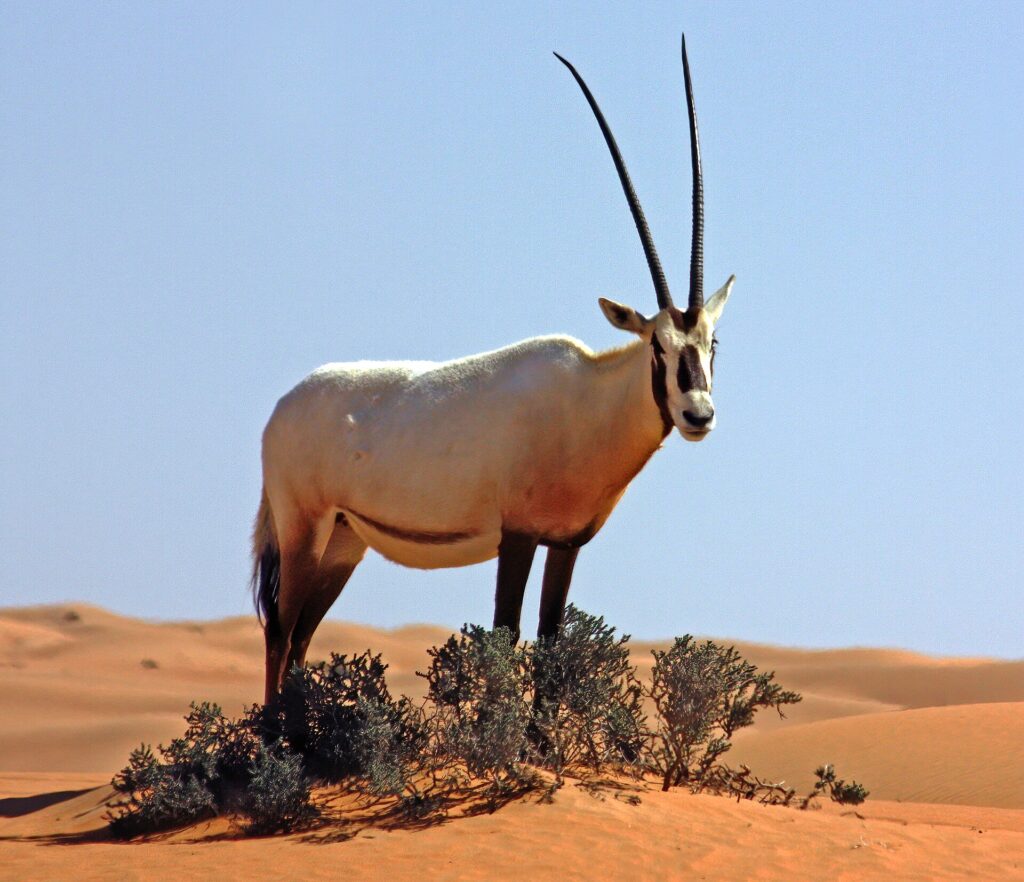
The Arabian oryx was the first animal to be moved from ‘Extinct in the Wild’ back to ‘Vulnerable’ on the IUCN Red List, thanks to captive breeding and reintroduction.
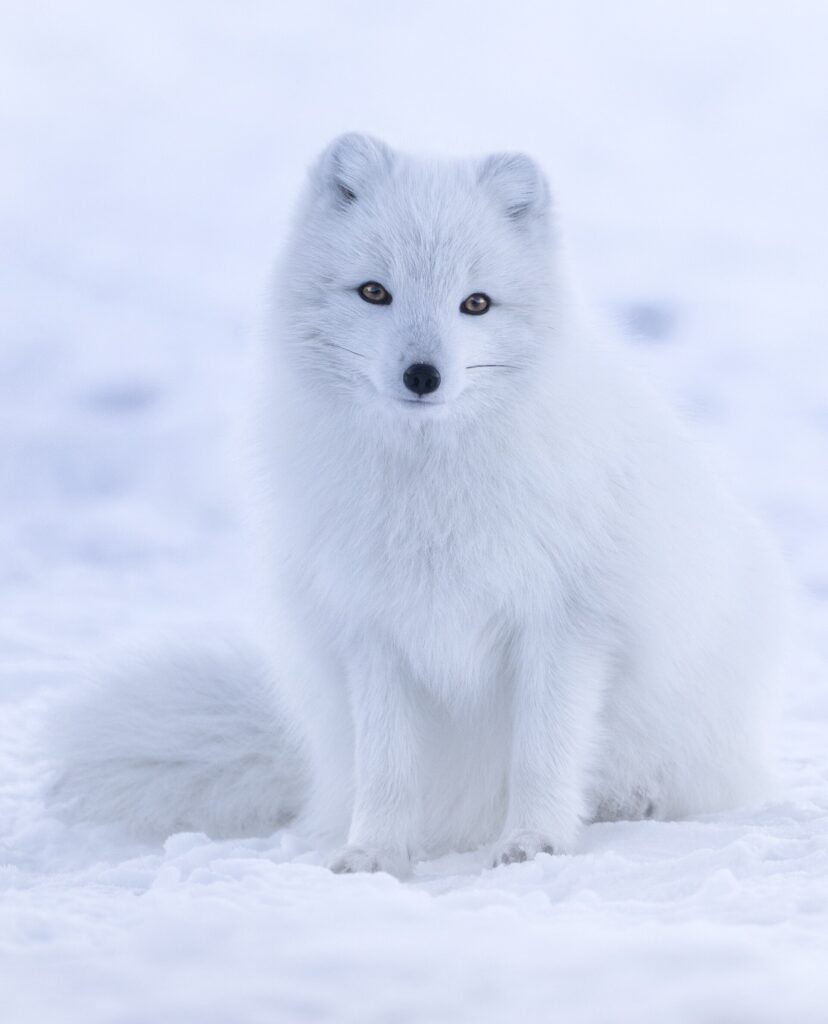
A young female Arctic fox walked 3,506 km across sea ice from Svalbard to Greenland in just 76 days, one of the longest journeys ever recorded for the species.
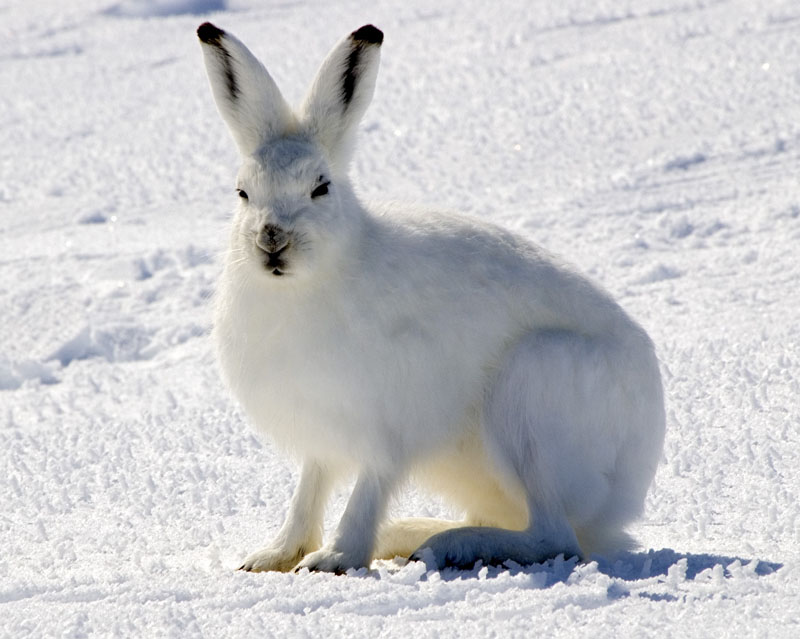
Arctic hares can hop on their hind legs like kangaroos, and in the far north they sometimes gather in groups of hundreds.
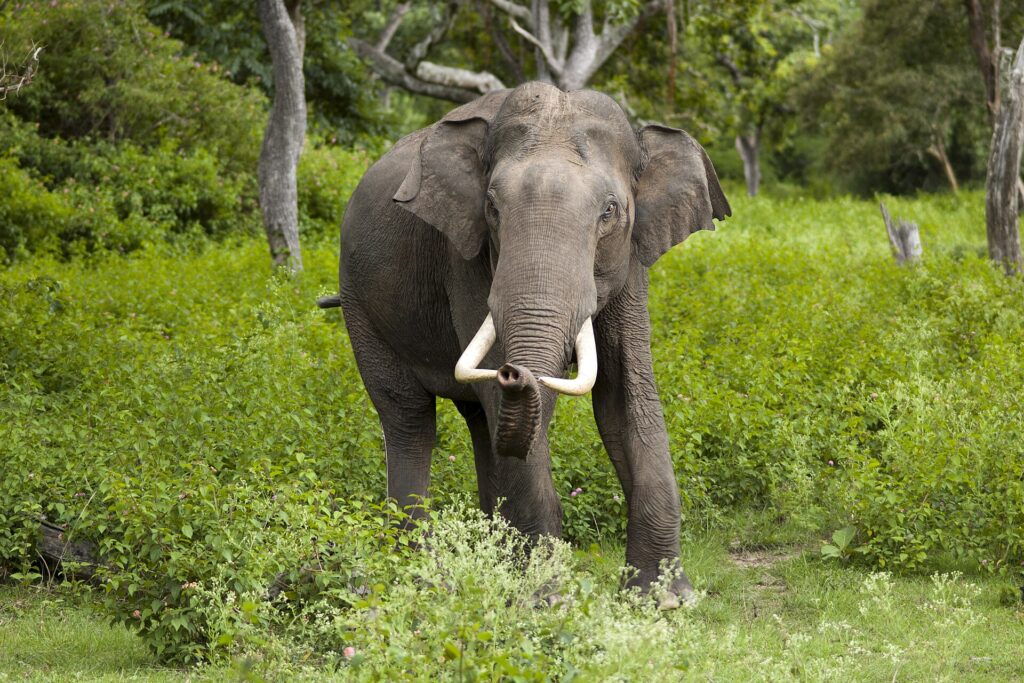
Asian elephants have shown self-recognition in mirror tests, a sign of self-awareness found in very few animals.
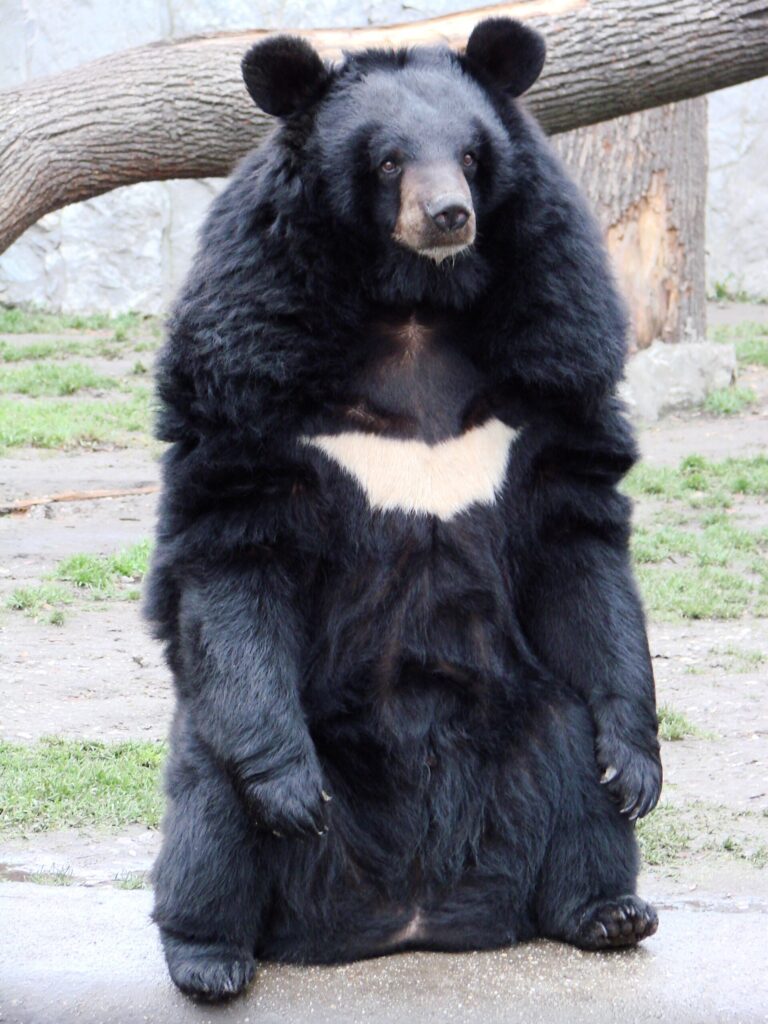
The Asiatic black bear is known as the ‘moon bear’ for the pale, crescent-shaped patch on its chest.
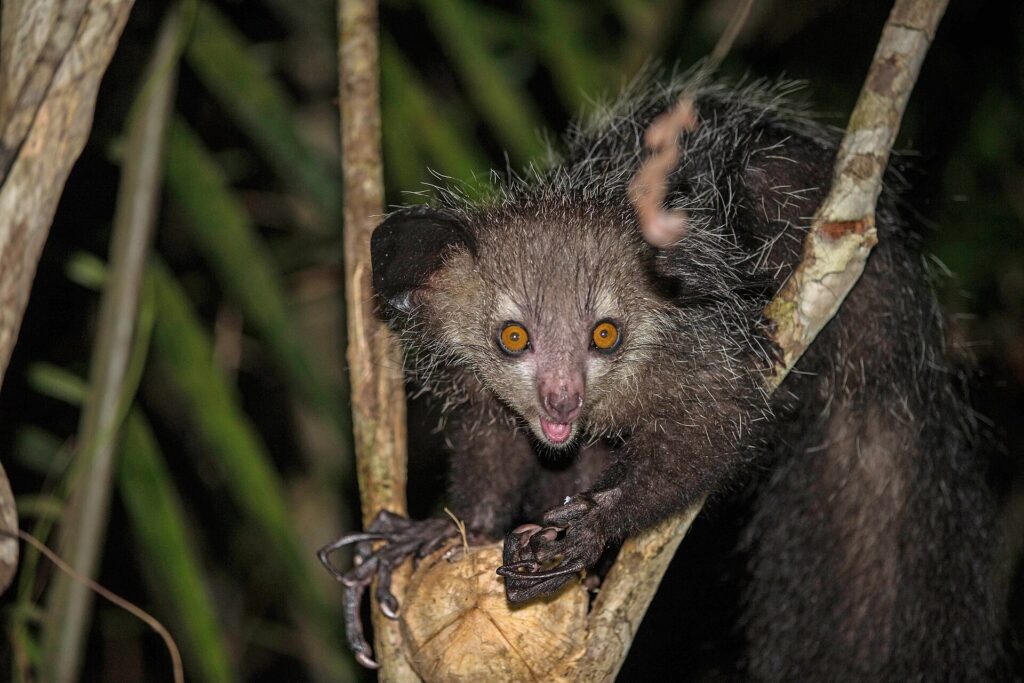
The aye-aye taps on wood with a long, skeletal middle finger and listens for hollow tunnels made by grubs, then gnaws a hole and hooks the larva out.
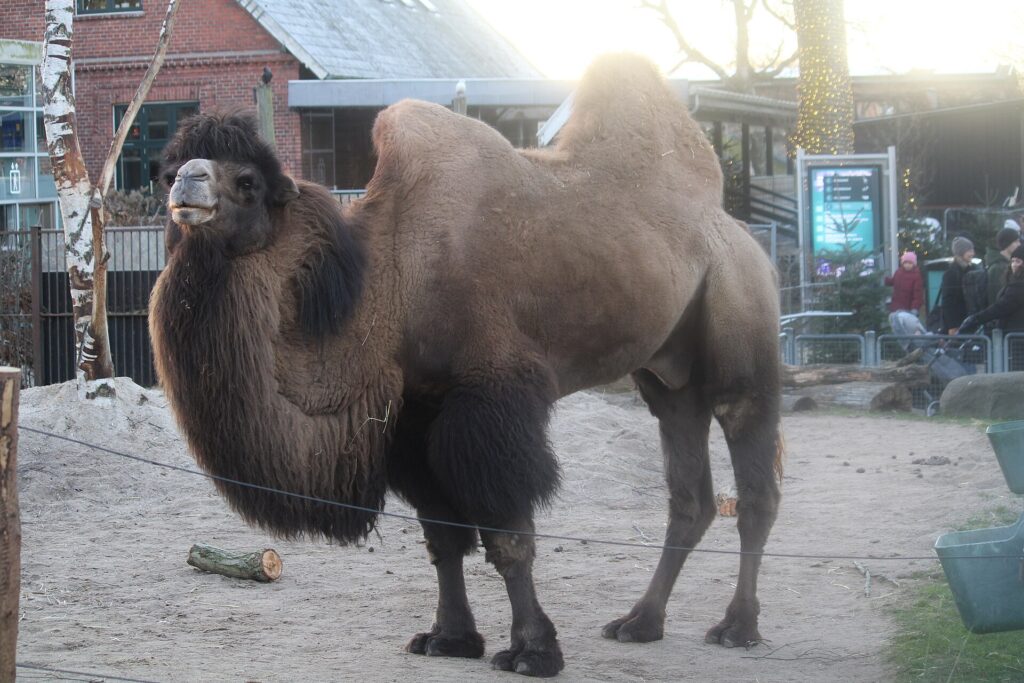
Bactrian camels survive temperatures from about −40 °C in winter to over 40 °C in summer, and eat snow when there is no water.
In Kanha National Park, the hard-ground barasingha was brought back from just 66 animals in 1970 to hundreds today.
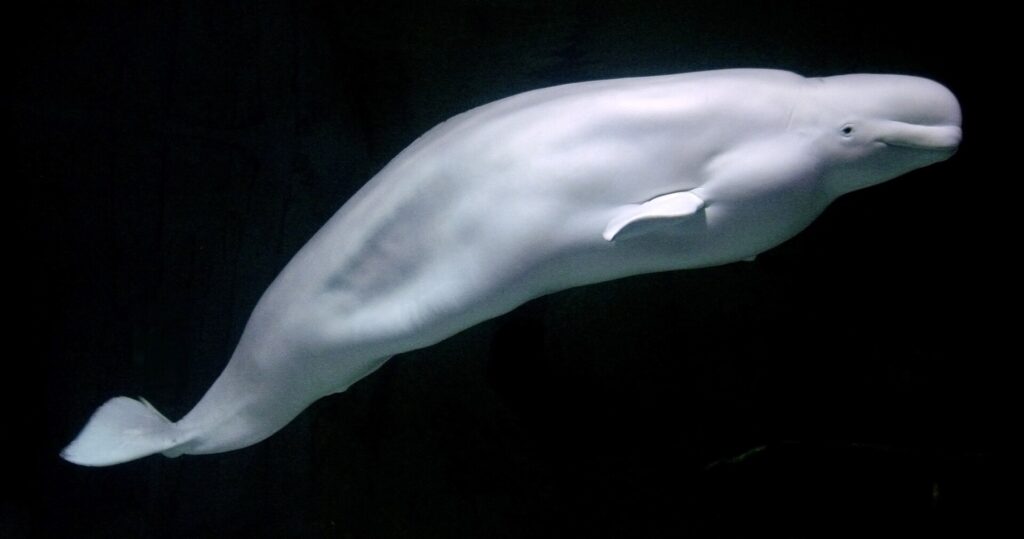
Belugas are nicknamed ‘canaries of the sea’ because they produce a huge variety of whistles, chirps, clicks and squeals.
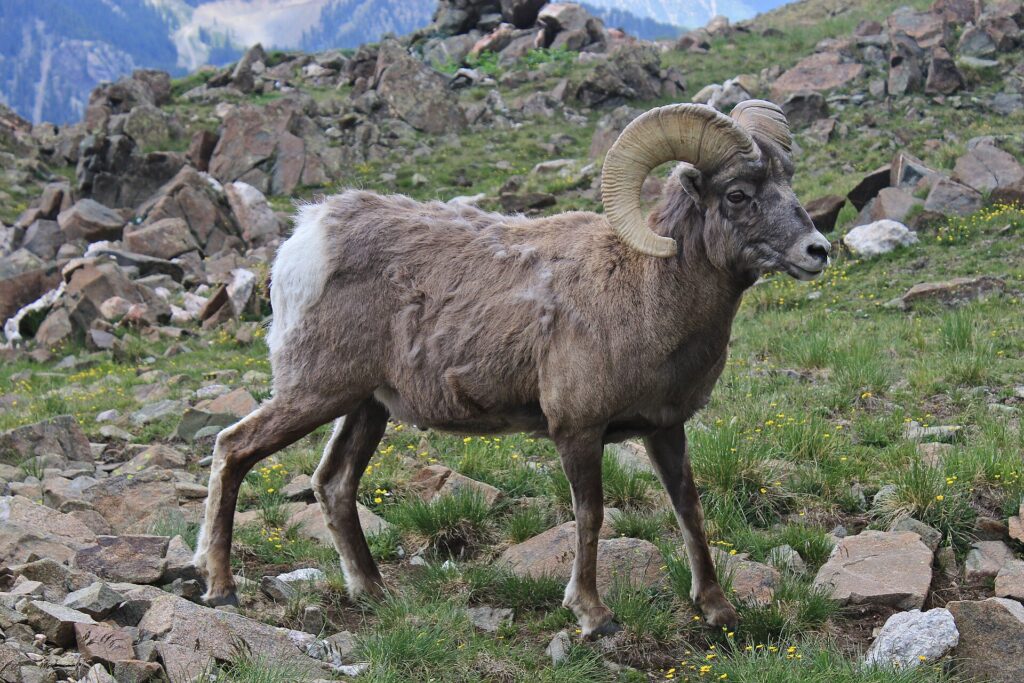
A bighorn ram’s curled horns can weigh up to about 14 kg, and rams clash heads so hard that the crack can be heard over a kilometre away.
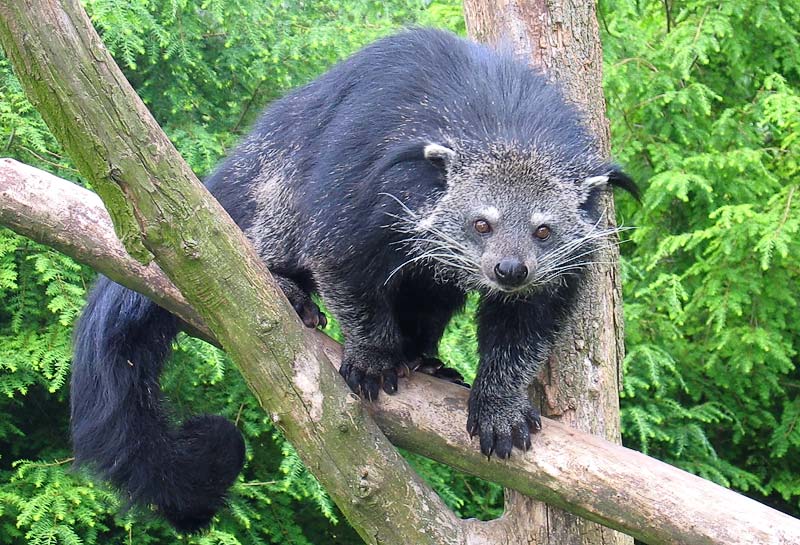
Binturongs smell like buttered popcorn, because their urine contains the same chemical that gives popcorn its aroma.
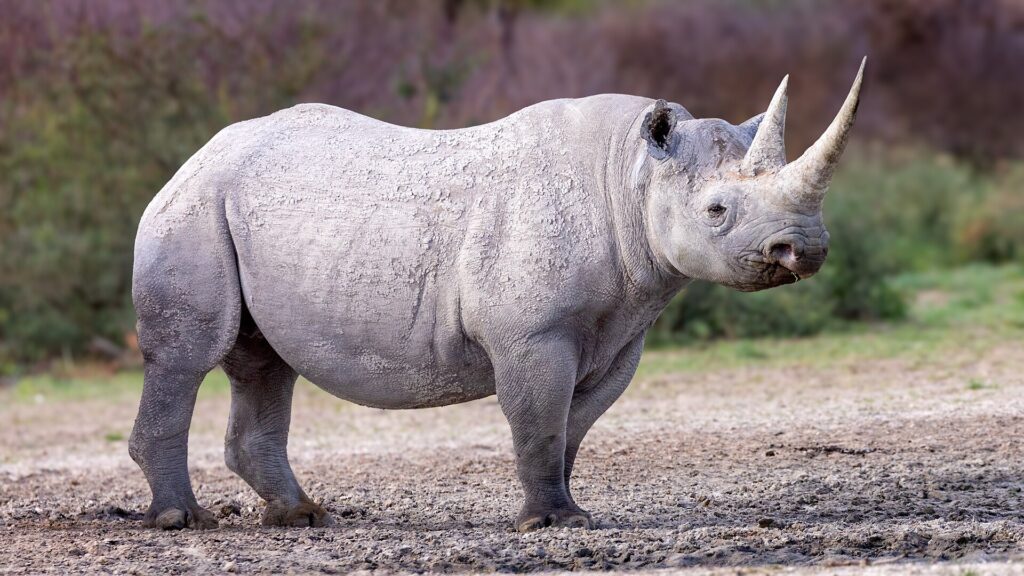
Black rhinos fell by about 98 percent between 1960 and 1995, to around 2,400 animals, and have since more than doubled thanks to intensive protection.
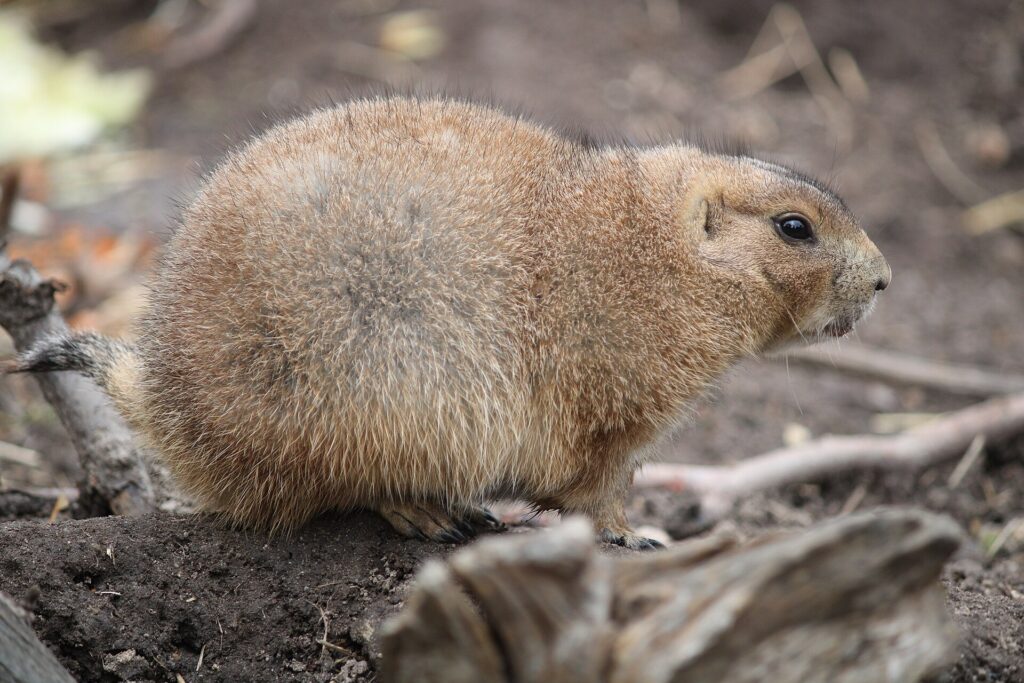
Prairie dog alarm calls are so detailed that they appear to describe a predator’s type, size and even colour.
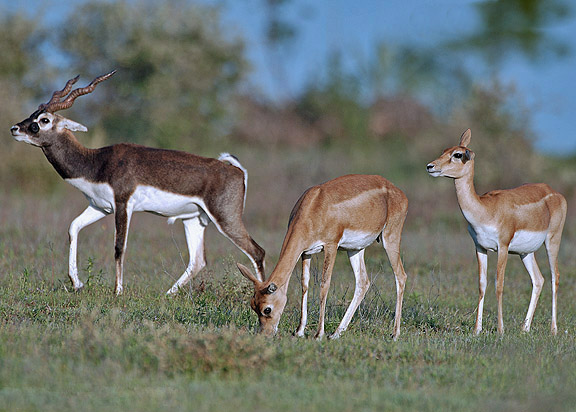
Blackbuck have long been protected by the Bishnoi community of Rajasthan, whose faith forbids harming animals and trees.