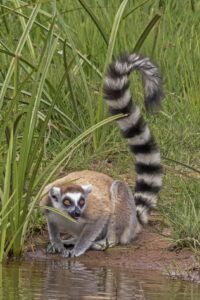
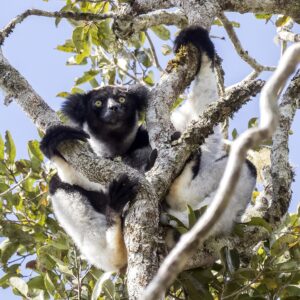
Africa is the last place on Earth where great herds of large mammals still move across open landscapes much as they did before humans spread across the planet. More than a million wildebeest circle the Serengeti and Maasai Mara each year. Elephants still walk ancient routes between rivers. Lions, leopards, cheetahs, hyenas and wild dogs hunt the same plains, and the forests of the Congo Basin shelter gorillas, chimpanzees and forest elephants. Off the southeast coast, Madagascar has evolved a world of its own, where lemurs, chameleons and baobabs found almost nowhere else fill the island.
This page is a complete introduction to African wildlife for travellers, students and researchers: the habitats, the animals that define them, the great wildlife events and when they happen, the best parks, and the conservation challenges that will decide what survives.
Africa at a glance
| Area | About 30.4 million km², the second-largest continent |
| Countries | 54 |
| Major biomes | Savanna, tropical rainforest, desert, montane forest and moorland, Mediterranean fynbos, wetlands, mangroves and coral reefs |
| Biodiversity hotspots | 8, including Madagascar, the Cape Floristic Region, the Eastern Afromontane and the Guinean Forests of West Africa |
| Signature animals | African savanna elephant, lion, leopard, cheetah, giraffe, hippopotamus, mountain gorilla, black and white rhinoceros, lemurs |
| Best-known wildlife event | The Great Migration of wildebeest and zebra (Serengeti–Mara) |
Habitats and the wildlife they support
Savannas and grasslands
Savanna covers nearly half of Africa: grassland dotted with acacia, baobab and mopane trees, shaped by fire, rainfall and the grazing and browsing of large animals. It supports the highest diversity of large hoofed mammals on Earth. Grazers such as wildebeest, zebra, buffalo and hartebeest mow the grass, while browsers such as giraffe, kudu, gerenuk and black rhino feed on trees and shrubs. That abundance of prey feeds a full guild of large carnivores: lion, leopard, cheetah, spotted hyena and African wild dog.
The Serengeti ecosystem of Tanzania and Kenya, the Kruger landscape of South Africa, and the Zambezi and Luangwa valleys are the best-known savanna systems. Each works in a similar way. Rain falls seasonally, grass flushes green, herds follow the new growth, and predators follow the herds.
Tropical rainforests
The Congo Basin holds the second-largest tropical rainforest in the world after the Amazon, spread across six countries. Its wildlife is harder to see but no less remarkable: western lowland gorillas, chimpanzees and bonobos (found only south of the Congo River), forest elephants, okapi, bongo, forest buffalo, giant pangolins and hundreds of bird species. Smaller rainforest blocks survive in West Africa (the Upper Guinean forests of Liberia, Sierra Leone, Côte d’Ivoire and Ghana) and in East Africa’s mountains.
Mountains and montane forests
Africa’s high mountains are islands of cool, wet habitat surrounded by lowland savanna. The Virunga Volcanoes and Bwindi Impenetrable Forest, on the borders of Uganda, Rwanda and the Democratic Republic of Congo, hold every mountain gorilla in existence. The Ethiopian Highlands, sometimes called the Roof of Africa, are home to the gelada, the Walia ibex and the Ethiopian wolf, Africa’s most threatened carnivore. Kilimanjaro, Mount Kenya and the Rwenzori Mountains rise through forest, bamboo and giant-heather zones into moorland of giant lobelias and groundsels.
Deserts and semi-deserts
The Sahara, the Namib and the Kalahari look empty but are full of specialists. Fennec foxes use their enormous ears to shed heat and to hear prey under the sand. Gemsbok (oryx) let their body temperature rise during the day to save water. Namib fog-basking beetles collect droplets from morning fog on their backs. Desert-adapted elephants and black rhinos in Namibia’s Kunene region survive where rain may not fall for years. In the Kalahari, meerkat groups post sentinels to watch for eagles and jackals.
Wetlands, rivers and lakes
The Okavango Delta in Botswana is one of the world’s largest inland deltas: a river that never reaches the sea but spreads into a maze of channels, lagoons and islands. Floodwaters from the Angolan highlands arrive in the dry season, peaking around June to August, drawing elephants, buffalo, lechwe, hippos and predators into a green oasis. The Sudd in South Sudan, the Bangweulu Swamps in Zambia (home to shoebills and black lechwe) and the Nile, Zambezi and Niger river systems are other vital wetlands.
Africa’s Great Rift Valley lakes are famous for two very different reasons. The soda lakes of Kenya and Tanzania, including Lake Natron, Bogoria and Nakuru, can hold hundreds of thousands to over a million lesser flamingos feeding on algae. The deep freshwater lakes Malawi, Tanganyika and Victoria each evolved hundreds of species of cichlid fish, one of the most striking examples of rapid evolution known.
Coasts, coral reefs and oceans
The Red Sea and the East African coast support coral reefs, dugongs, sea turtles and whale sharks. Southern Africa’s cold, nutrient-rich Benguela Current feeds Cape fur seals, African penguins and great white sharks, while the warm Agulhas Current brings the winter sardine run along South Africa’s east coast. Southern right whales calve in sheltered bays near Hermanus from about June to November.
Madagascar: a continent in miniature
Madagascar split from Africa around 160 million years ago and from India around 88 million years ago. Isolation turned it into an evolutionary laboratory. Roughly 90 percent of its wildlife is found nowhere else, including more than 100 species of lemur, around half of the world’s chameleon species, the fossa (a cat-like predator related to mongooses), tenrecs, and six of the world’s eight baobab species. It is also one of the most threatened places on Earth, with much of its original forest already lost.
Iconic mammals
The Big Five
The term “Big Five” came from hunters, who ranked these animals as the most dangerous to pursue on foot. Today it is a checklist for photographers.
| Animal | Scientific name | IUCN status | Where to see it |
|---|---|---|---|
| African savanna elephant | Loxodonta africana | Endangered | Chobe, Amboseli, Kruger, Hwange, South Luangwa |
| Lion | Panthera leo | Vulnerable | Serengeti, Maasai Mara, Okavango, Kruger |
| Leopard | Panthera pardus | Vulnerable | South Luangwa, Sabi Sands (Kruger), Samburu |
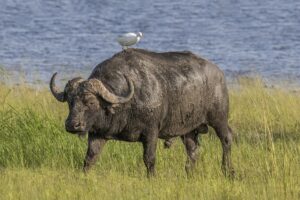
| African buffalo | Syncerus caffer | Near Threatened | Most large savanna parks |
| Rhinoceros (black and white) | Diceros bicornis, Ceratotherium simum | Critically Endangered (black), Near Threatened (white) | Etosha, Hluhluwe-iMfolozi, Ol Pejeta, Lewa |
The African savanna elephant is the largest land animal alive; bulls can weigh over 6 tonnes. In 2021 the IUCN assessed Africa’s two elephant species separately for the first time, listing the savanna elephant as Endangered and the smaller African forest elephant as Critically Endangered after steep declines driven by ivory poaching and habitat loss.
Lions have disappeared from over 90 percent of their historical range. Most of the remaining 20,000 to 25,000 wild lions live in a handful of strongholds in East and southern Africa. Leopards are the most adaptable of the big cats and still range across much of sub-Saharan Africa, but they are shy, mostly nocturnal and hard to see outside a few parks.
Africa’s two rhinos have very different stories. The southern white rhino recovered from fewer than 100 animals around 1900 to roughly 16,000 to 17,000 today, although poaching has pushed numbers back down since 2012. The northern white rhino is functionally extinct, with only two females left, both in Kenya’s Ol Pejeta Conservancy; scientists are attempting to save it with IVF using stored embryos. The black rhino fell by about 98 percent between 1960 and 1995 and has since recovered to around 6,000 animals.
Other great mammals
- Giraffe (Giraffa spp.), Vulnerable. The tallest animal, up to about 5.5 m. Genetic studies suggest there may be four distinct giraffe species.
- Hippopotamus (Hippopotamus amphibius), Vulnerable. Spends the day in water and grazes on land at night; responsible for many human deaths each year.
- Cheetah (Acinonyx jubatus), Vulnerable. The fastest land animal, reaching roughly 100–110 km/h in short bursts. Fewer than 7,000 adults remain.
- Spotted hyena (Crocuta crocuta), Least Concern. A skilled hunter, not just a scavenger, living in large female-led clans.
- African wild dog (Lycaon pictus), Endangered. One of the most successful hunters in Africa, with kill rates far higher than lions. Roughly 6,600 remain.
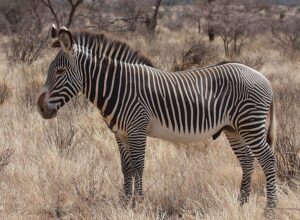
- Common wildebeest (Connochaetes taurinus) and plains zebra (Equus quagga), the engines of the Great Migration.
- Mountain gorilla (Gorilla beringei beringei). A subspecies of the Critically Endangered eastern gorilla. Numbers have risen to just over 1,000 thanks to strict protection and gorilla tourism.
- Chimpanzee (Pan troglodytes) and bonobo (Pan paniscus), both Endangered, our closest living relatives.
- Okapi (Okapia johnstoni), Endangered. A forest relative of the giraffe, found only in the Democratic Republic of Congo.
- Ethiopian wolf (Canis simensis), Endangered. Fewer than 500 adults, living above 3,000 m in the Ethiopian Highlands.
- Aardvark, pangolins, bat-eared fox, honey badger, meerkat and caracal are among the smaller animals many visitors hope to see.
Birds
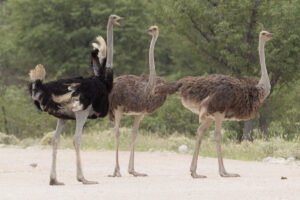
Africa has well over 2,000 bird species, from the ostrich, the world’s largest bird, to tiny sunbirds that fill the role hummingbirds play in the Americas. Highlights include:
- Shoebill (Balaeniceps rex), Vulnerable. A prehistoric-looking wetland giant with a clog-shaped bill, best seen in Uganda’s Mabamba Swamp and Zambia’s Bangweulu Swamps.
- Secretary bird (Sagittarius serpentarius), Endangered. A long-legged raptor that kills snakes by stamping on them.
- Grey crowned crane (Balearica regulorum), Endangered, Uganda’s national bird.
- Lesser flamingo, Near Threatened, which breeds mainly at Lake Natron.
- African fish eagle, whose ringing call is one of the defining sounds of African rivers.
- Lilac-breasted roller, carmine bee-eaters, hornbills, turacos and weavers, colourful favourites on any safari.
- Vultures. Africa’s vultures have crashed, and most of its vulture species are now Endangered or Critically Endangered, mainly because of poisoning.
Every year, billions of migratory birds from Europe and Asia spend the northern winter in Africa, including storks, swallows, bee-eaters and birds of prey.
Reptiles and amphibians
- Nile crocodile, one of the largest crocodilians, famous for ambushing wildebeest at Mara River crossings.
- Black mamba, Africa’s longest venomous snake, and the Gaboon viper, which has the longest fangs of any snake.
- Chameleons. Madagascar and mainland Africa together hold nearly all of the world’s chameleons, from the tiny Brookesia leaf chameleons to Parson’s chameleon.
- Leopard tortoise, African spurred tortoise and several threatened Madagascan tortoises such as the radiated tortoise and ploughshare tortoise.
- Goliath frog, Endangered, the world’s largest frog, found in Cameroon and Equatorial Guinea.
Marine and freshwater life
- Great white sharks off South Africa’s Western Cape, and whale sharks off Mozambique’s Tofo, Tanzania’s Mafia Island and Djibouti.
- Humpback and southern right whales, which migrate along southern African coasts in the southern winter.
- The coelacanth, a lobe-finned fish once thought extinct for 66 million years, discovered off South Africa in 1938 and later found around the Comoros.
- Cichlid fish of the Rift Valley lakes, including hundreds of species in Lake Malawi alone.
- African penguins, now Critically Endangered after steep declines linked to food shortages; best seen at Boulders Beach near Cape Town.
Insects and other invertebrates
Africa’s invertebrates run its ecosystems. Termites build mounds that create fertile islands of vegetation on the savanna. Dung beetles bury huge amounts of dung, recycling nutrients and controlling parasites; some navigate using the Milky Way. Swarms of desert locusts can cover hundreds of square kilometres. The Goliath beetle of Central Africa is among the heaviest insects in the world.
Great wildlife spectacles and when to see them
| Event | Where | When |
|---|---|---|
| Wildebeest calving season | Southern Serengeti and Ndutu, Tanzania | January to March |
| Mara River crossings | Northern Serengeti and Maasai Mara | About July to October |
| Okavango flood peak | Okavango Delta, Botswana | June to August |
| Zambia’s fruit bat migration (about 10 million straw-coloured fruit bats) | Kasanka National Park, Zambia | Late October to December |
| Sardine run | Eastern Cape and KwaZulu-Natal, South Africa | June to July |
| Southern right whale season | Hermanus and the Western Cape | June to November |
| Lesser flamingo gatherings | Lake Bogoria and Lake Nakuru, Kenya; Lake Natron, Tanzania | Varies with water levels |
| Lemur breeding and baby season | Madagascar’s eastern rainforests | September to November |
Top wildlife destinations
| Park or reserve | Country | Best for | Best time |
|---|---|---|---|
| Serengeti National Park | Tanzania | Great Migration, big cats | Year-round; calving Jan–Mar, crossings Jul–Oct |
| Maasai Mara National Reserve and conservancies | Kenya | Big cats, river crossings | July to October |
| Ngorongoro Crater | Tanzania | Dense wildlife in a volcanic caldera, black rhino | June to October |
| Kruger National Park and Sabi Sands | South Africa | Big Five, self-drive and luxury lodges | May to September |
| Okavango Delta and Moremi | Botswana | Mokoro trips, wild dogs, water-based safaris | June to October |
| Chobe National Park | Botswana | Huge elephant herds | May to October |
| South Luangwa National Park | Zambia | Walking safaris, leopards | June to October |
| Etosha National Park | Namibia | Waterhole viewing, black rhino | June to October |
| Bwindi Impenetrable National Park | Uganda | Mountain gorilla trekking | June to September, December to February |
| Volcanoes National Park | Rwanda | Mountain gorillas, golden monkeys | June to September, December to February |
| Amboseli National Park | Kenya | Elephants in front of Kilimanjaro | June to October, January to February |
| Andasibe-Mantadia and Ranomafana | Madagascar | Indri and other lemurs | September to November |
| Simien and Bale Mountains | Ethiopia | Geladas, Ethiopian wolves | October to March |
For practical advice on choosing a safari, budgets, vaccinations and packing, see our Safari & Travel guides.
Conservation: threats and successes
The main threats
- Habitat loss and fragmentation. Farmland, settlements, roads and fences are cutting wildlife corridors. Africa’s human population is expected to roughly double by 2050, which will increase pressure on wild land.
- Poaching and wildlife trade. Ivory, rhino horn and pangolin scales feed illegal markets, mostly in Asia. Pangolins are thought to be the most trafficked wild mammals in the world.
- Bushmeat hunting. Snaring for meat is a major threat in Central and West African forests and increasingly in savannas.
- Human–wildlife conflict. Elephants raid crops and lions and hyenas kill livestock, which leads to retaliatory killing.
- Poisoning. Carcasses laced with pesticides, often targeting lions or hyenas, kill vultures in large numbers.
- Climate change. Changing rainfall is altering vegetation, water supply and migration timing.
Successes worth knowing
- Mountain gorillas have increased from around 250 in the early 1980s to just over 1,000, one of conservation’s great recoveries.
- Southern white rhinos were brought back from the edge of extinction and now live across southern and eastern Africa.
- Namibia’s communal conservancies give rural communities rights over wildlife and tourism income. Wildlife numbers, including desert-adapted lions and black rhinos, have risen in many conservancy areas.
- Rwanda’s Akagera National Park has reintroduced lions (2015) and black rhinos (2017), restoring the Big Five.
- Gorongosa National Park in Mozambique, badly damaged by civil war, has seen large mammal numbers rebuild since restoration began in the 2000s.
For researchers
Key long-term research sites and data sources for African wildlife include:
- Serengeti Lion Project and the long-term ecological research of the Serengeti ecosystem.
- Mpala Research Centre, Laikipia, Kenya, a hub for savanna ecology research.
- Dian Fossey Gorilla Fund’s Karisoke Research Center, Rwanda, running since 1967.
- Gorongosa Restoration Project, Mozambique, including its E.O. Wilson Biodiversity Laboratory.
- Global databases: the IUCN Red List (status assessments), GBIF (occurrence records), Movebank (animal tracking data) and the African Bird Atlas Project.
Test yourself
How well do you know the wildlife of Africa? Take the quick quiz.
Frequently asked questions
What animals are only found in Africa? Many, including giraffes, zebras, hippos, gorillas, chimpanzees, bonobos, okapis, aardvarks, meerkats, shoebills, secretary birds and, on Madagascar, all lemurs and the fossa.
When is the best time for an African safari? For most of East and southern Africa, the dry season from about June to October is best, because vegetation thins and animals gather at water. The Serengeti calving season (January to March) and Madagascar’s spring (September to November) are also excellent.
Where can I see the Big Five? Kruger and the Sabi Sands in South Africa, the Ngorongoro Crater in Tanzania, the Maasai Mara conservancies in Kenya and Etosha in Namibia offer good chances of seeing all five.
What is Africa’s most endangered large mammal? Among large mammals, the northern white rhino is the closest to extinction, with just two females left. The black rhino, African forest elephant and mountain gorilla subspecies are also Critically Endangered.
How many elephants are left in Africa? The most recent continental estimate, from 2016, is about 415,000 African elephants of both species, down sharply from the 1970s.
Explore more
- Animal profiles: African Savanna Elephant, Lion, Cheetah, Mountain Gorilla, Giraffe
- Travel: Serengeti Great Migration month-by-month guide, First African safari planning guide
- Learn: Energy flow and food webs, Biomes of the world