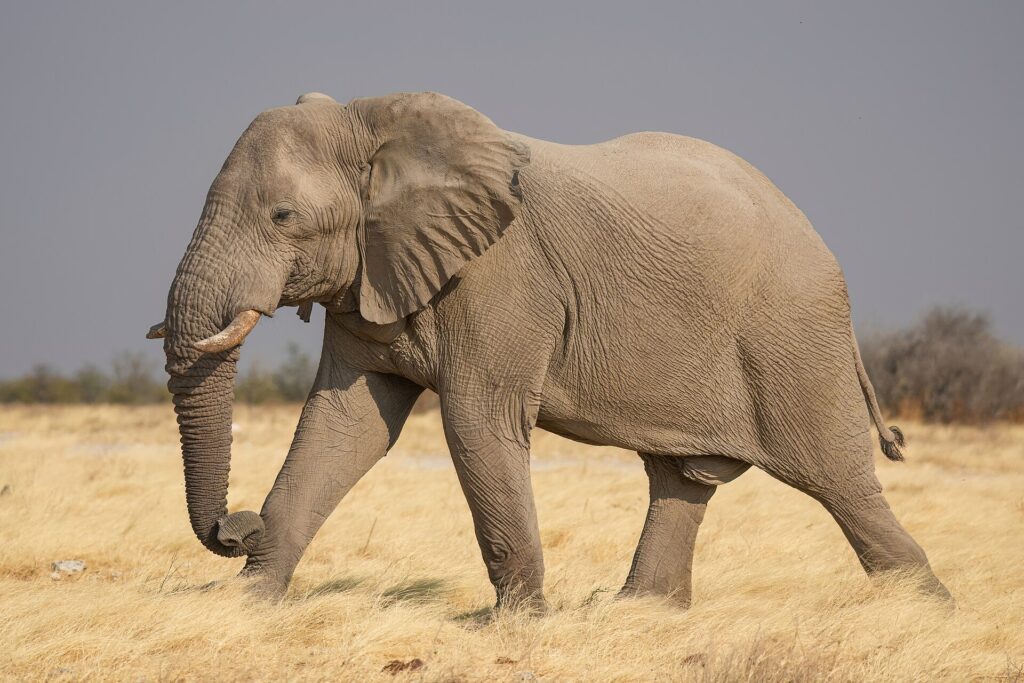
African Elephant
Elephants can communicate using low-frequency rumbles that travel several kilometres through the air and the ground, and they may detect them through their feet.
Elephants can communicate using low-frequency rumbles that travel several kilometres through the air and the ground, and they may detect them through their feet.
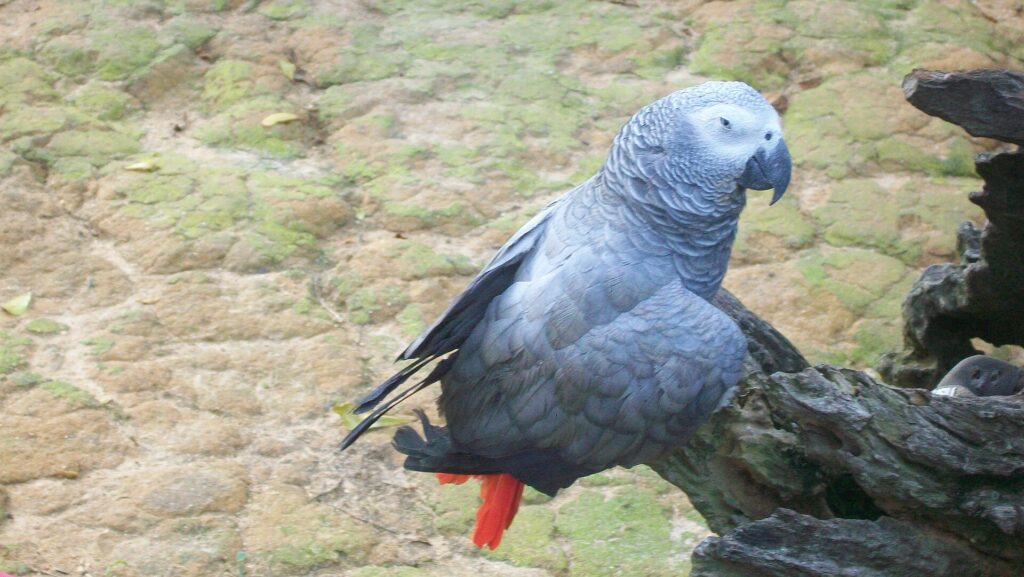
An African grey parrot named Alex, studied for 30 years, learned over 100 words and could identify colours, shapes and numbers.
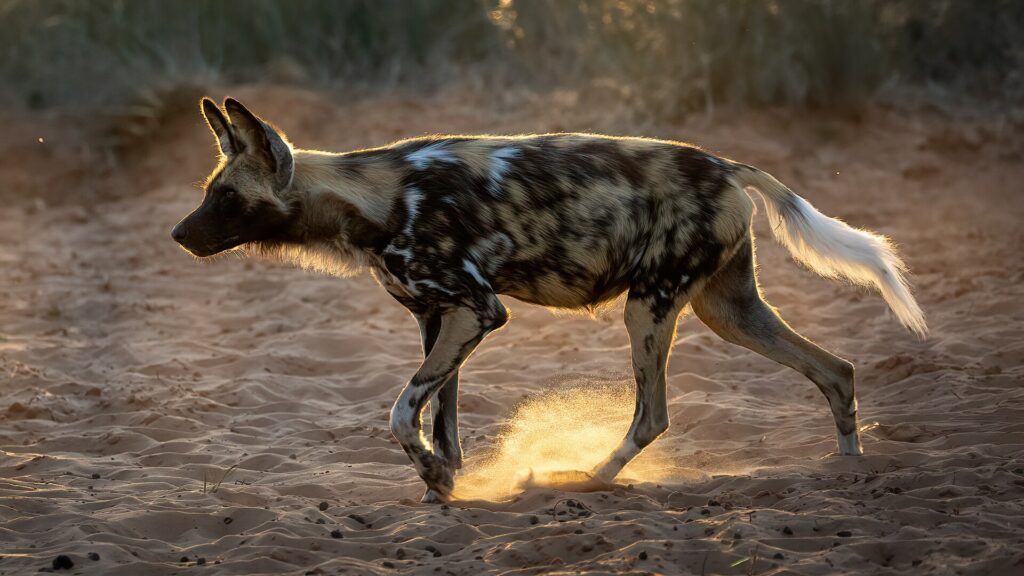
African wild dogs are among the most successful hunters in Africa; packs catch prey in a large majority of chases, far more often than lions.
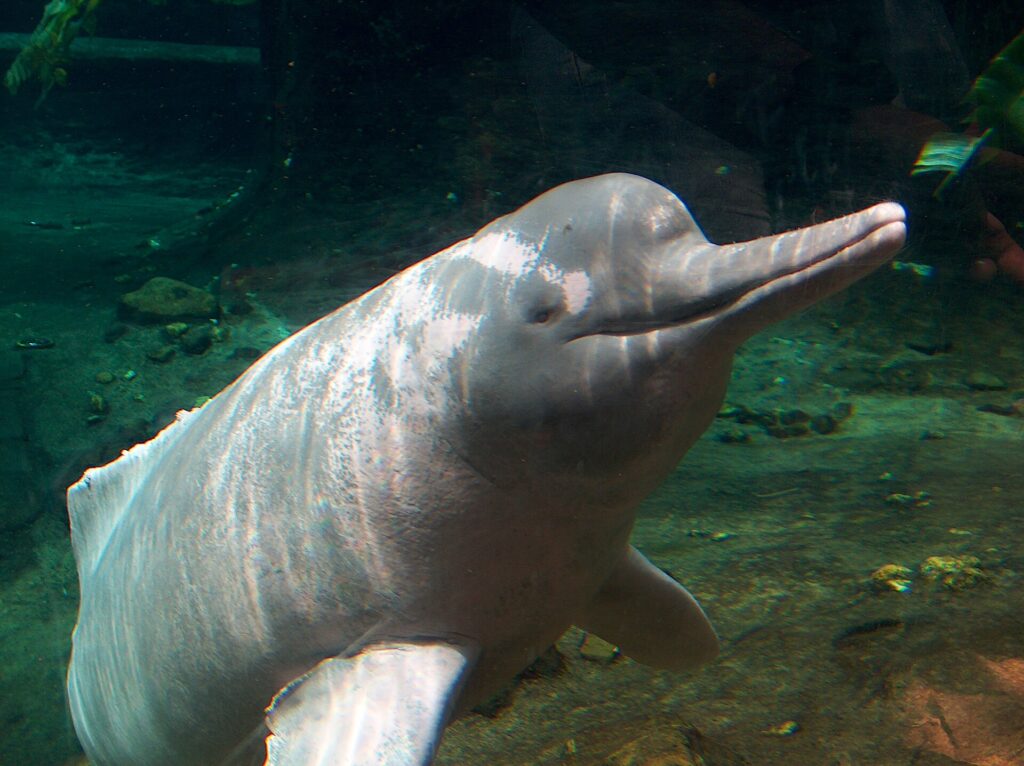
Amazon river dolphins turn pink as they age, and in the flood season they swim between the trunks of submerged rainforest trees.
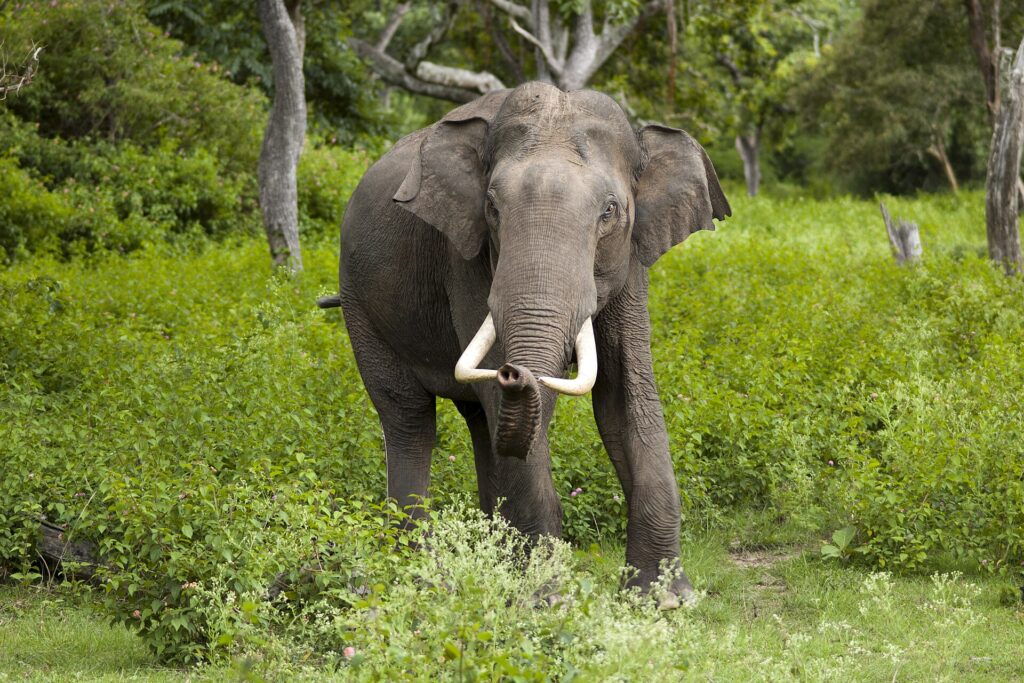
Asian elephants have shown self-recognition in mirror tests, a sign of self-awareness found in very few animals.
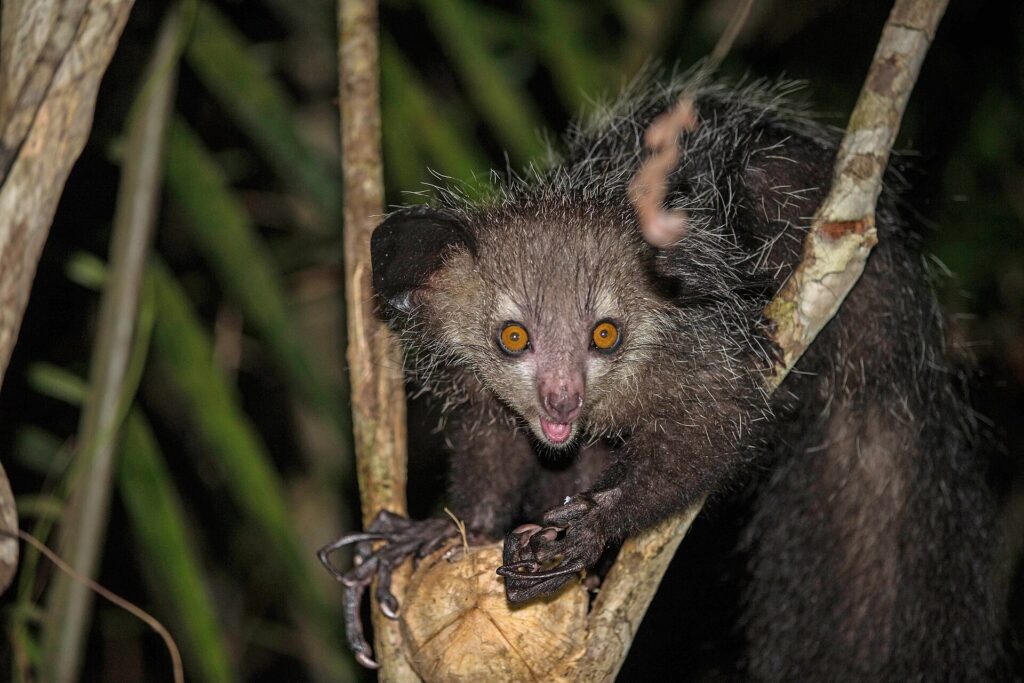
The aye-aye taps on wood with a long, skeletal middle finger and listens for hollow tunnels made by grubs, then gnaws a hole and hooks the larva out.
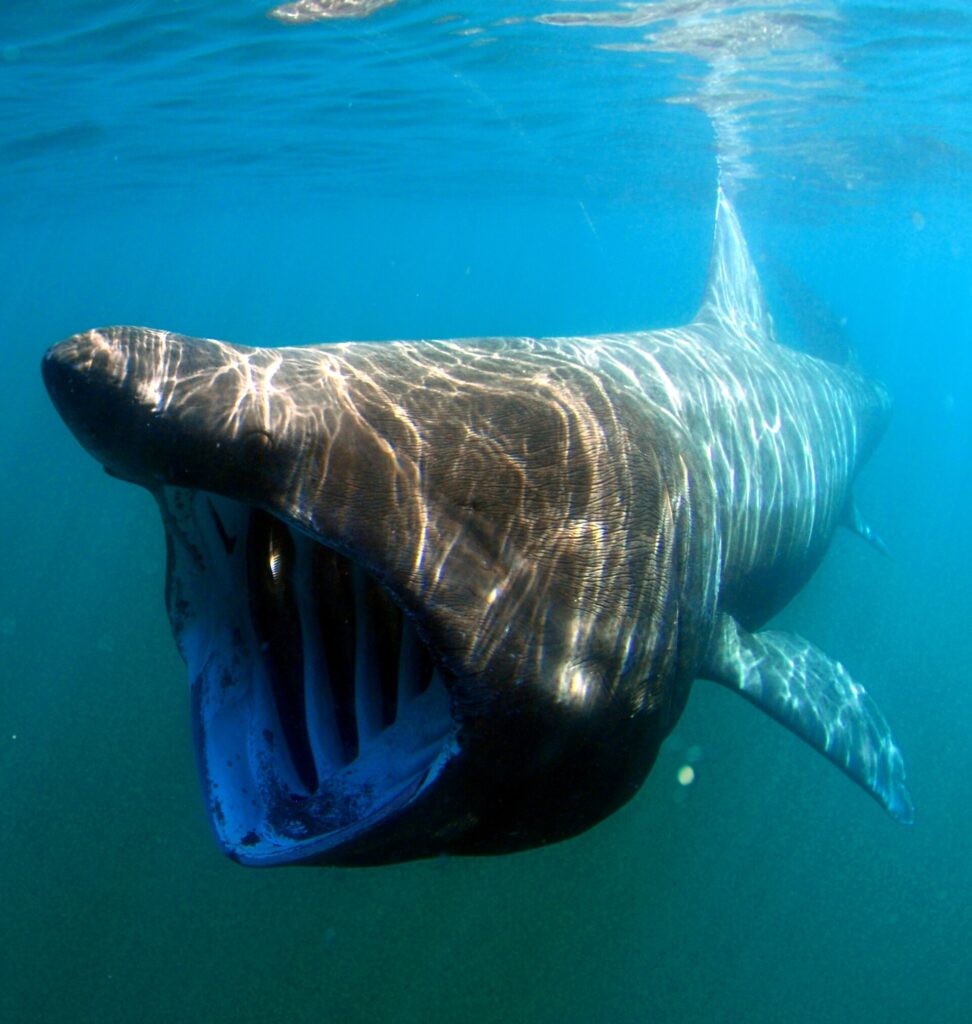
The basking shark is the second-largest fish in the world, and it filters up to about 2,000 tonnes of water an hour through its huge open mouth.
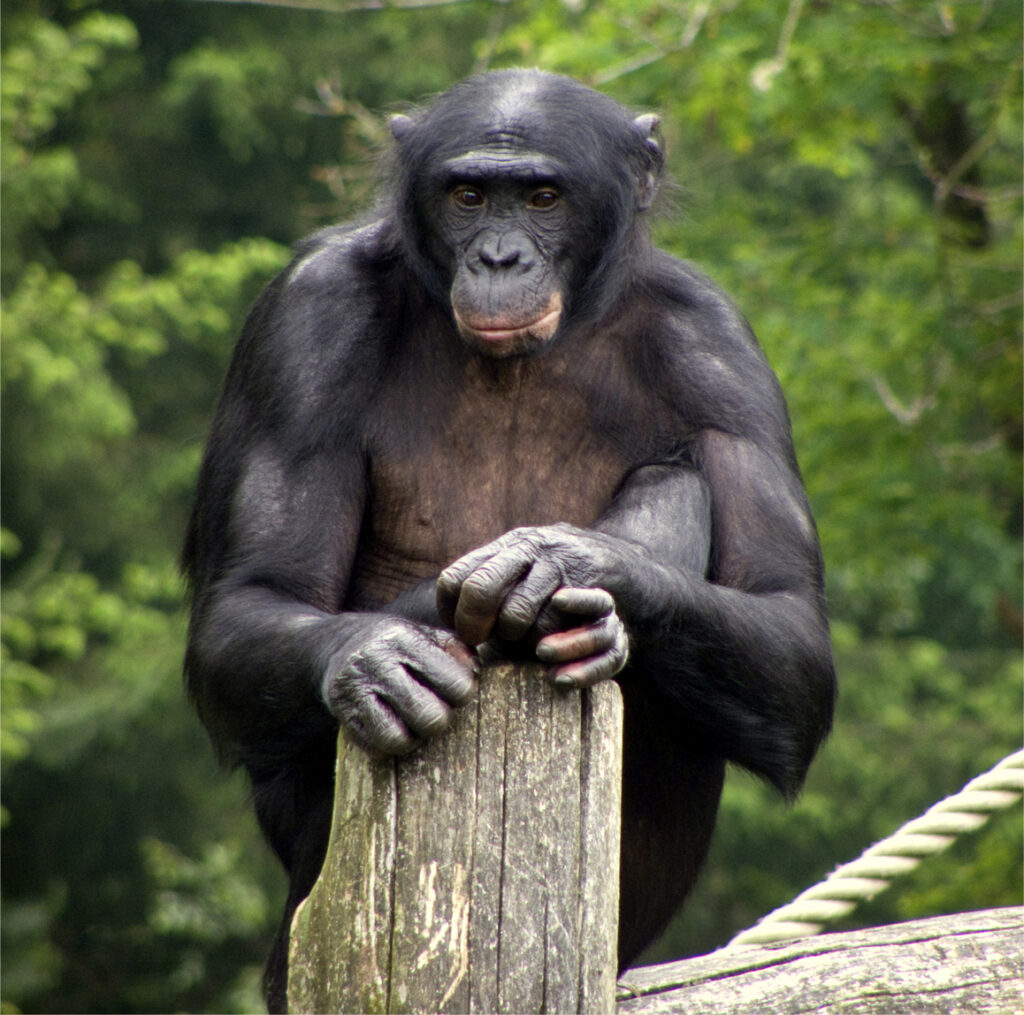
Bonobo societies are led by females, and conflicts are often defused with social bonding, grooming and sex rather than violence.
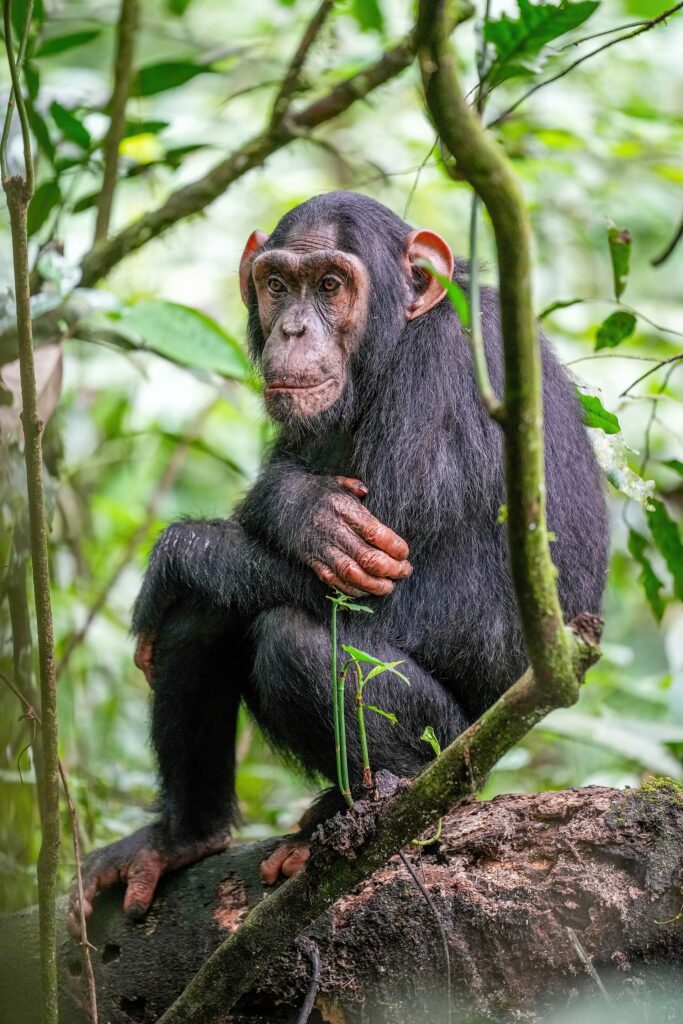
Chimpanzees share about 98–99 percent of their DNA with humans and make tools, including sticks shaped to fish termites out of mounds.
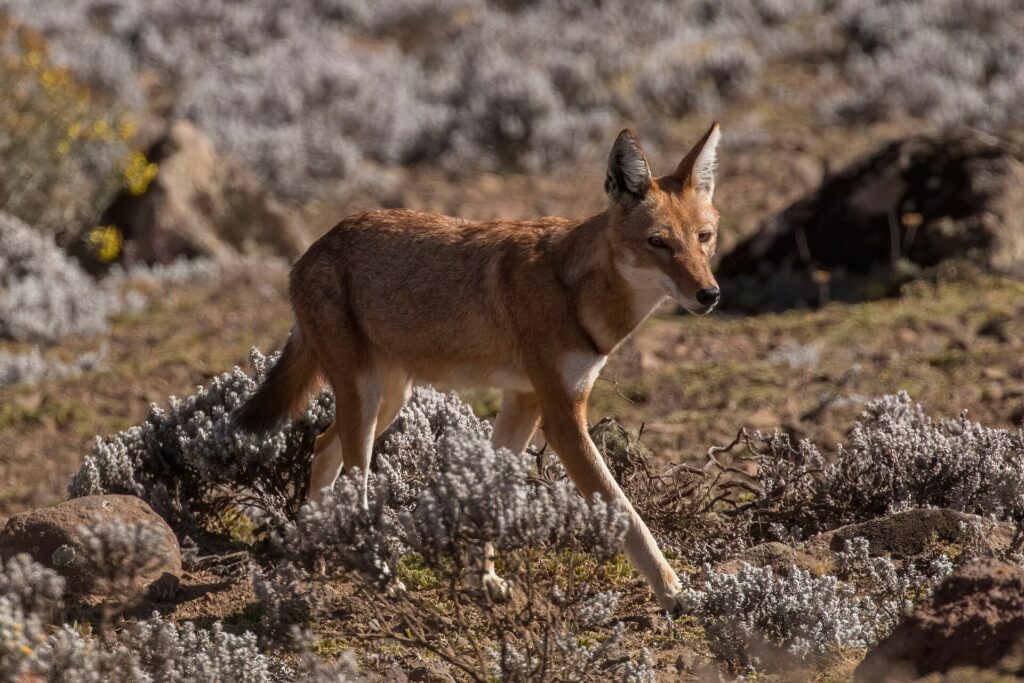
The Ethiopian wolf is the rarest wild dog in the world, with only about 500 adults left.
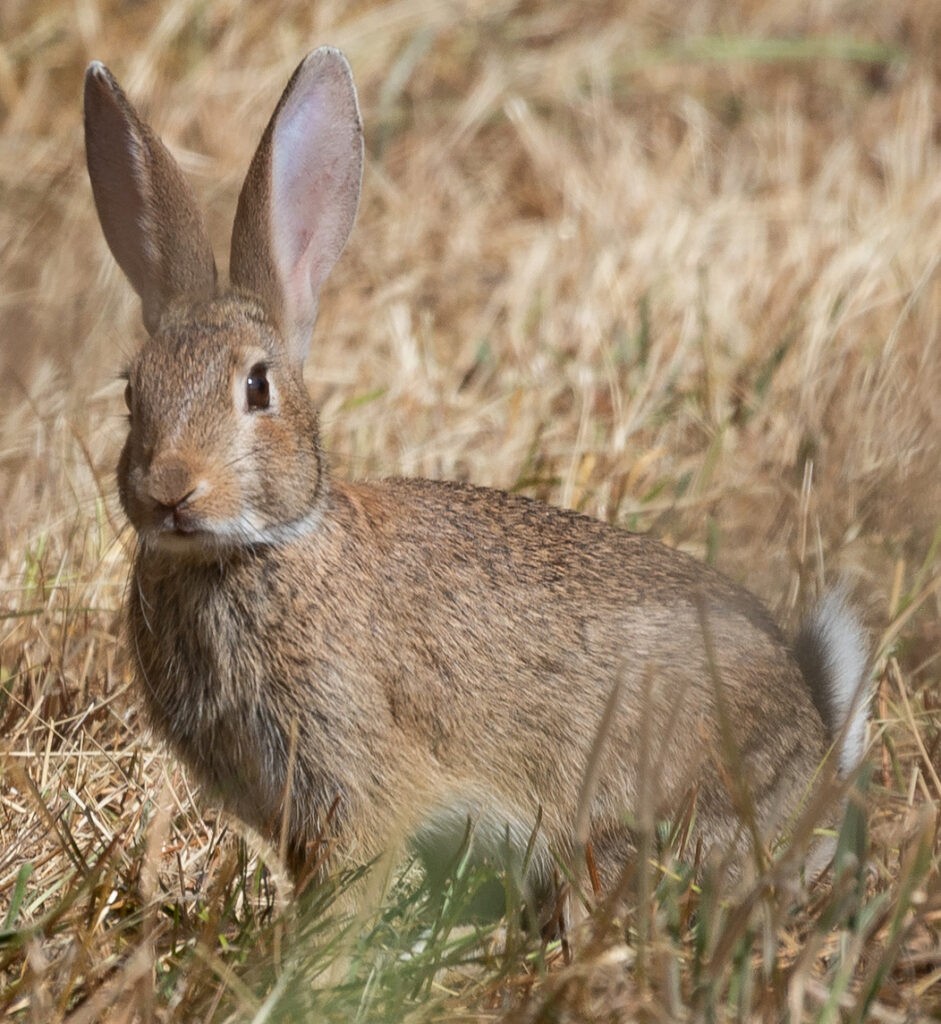
The European rabbit is a pest across much of the world, yet it is Endangered in its native Spain and Portugal, where diseases have wiped out most of the population.
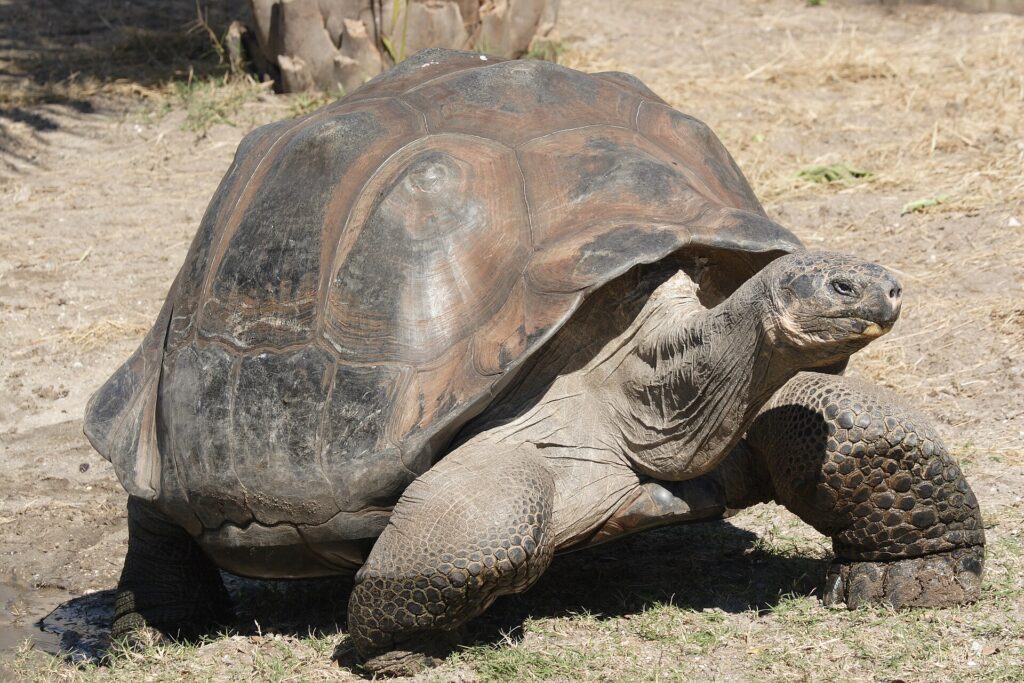
Giant tortoises can survive for up to a year without eating or drinking, which is why passing sailors once took them on board as living food stores.
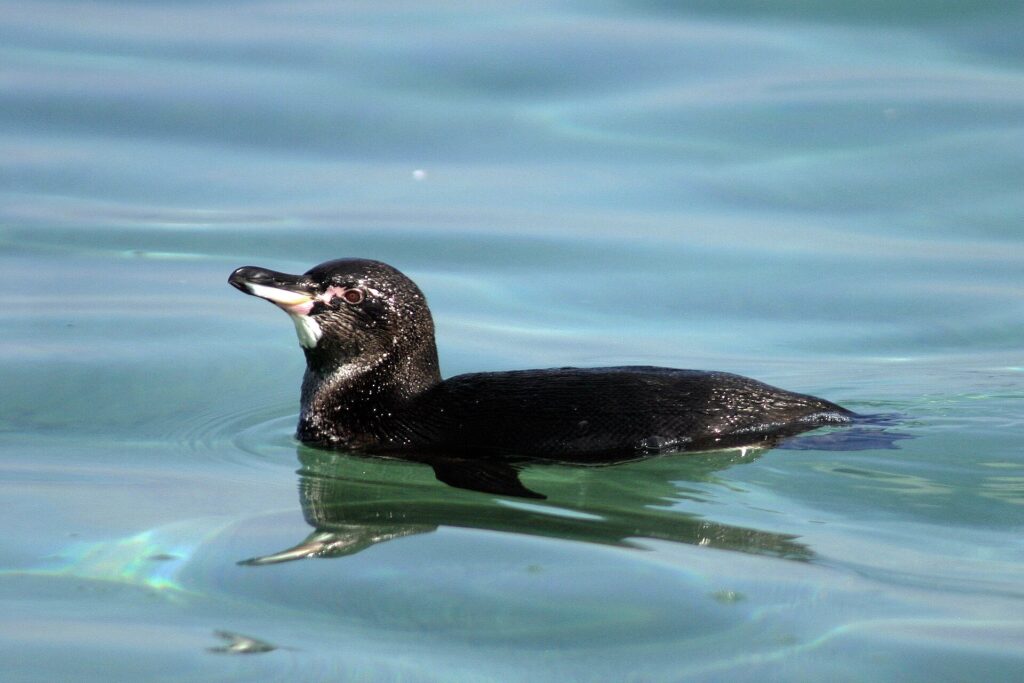
The Galápagos penguin is the only penguin that lives on the equator, and a few even cross into the Northern Hemisphere.
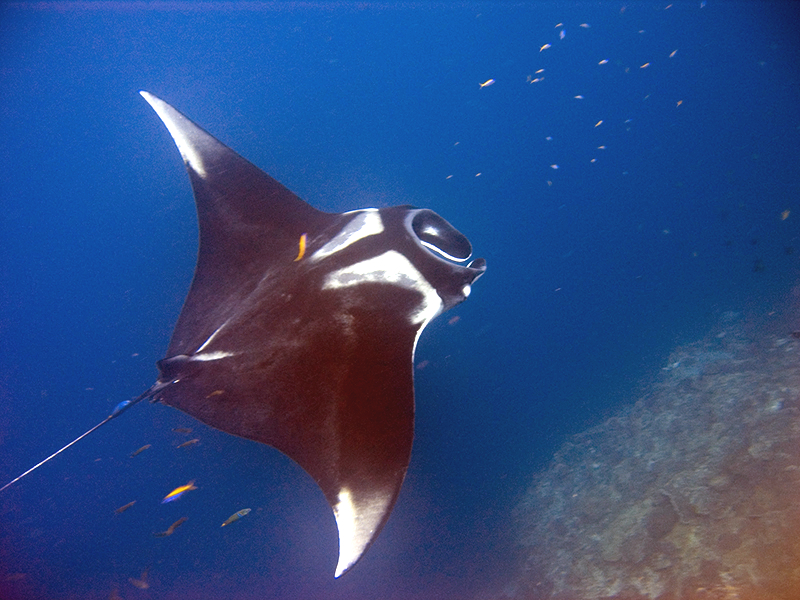
Manta rays have one of the largest brains relative to body size of any fish, and they appear to recognise themselves in mirrors in experiments.
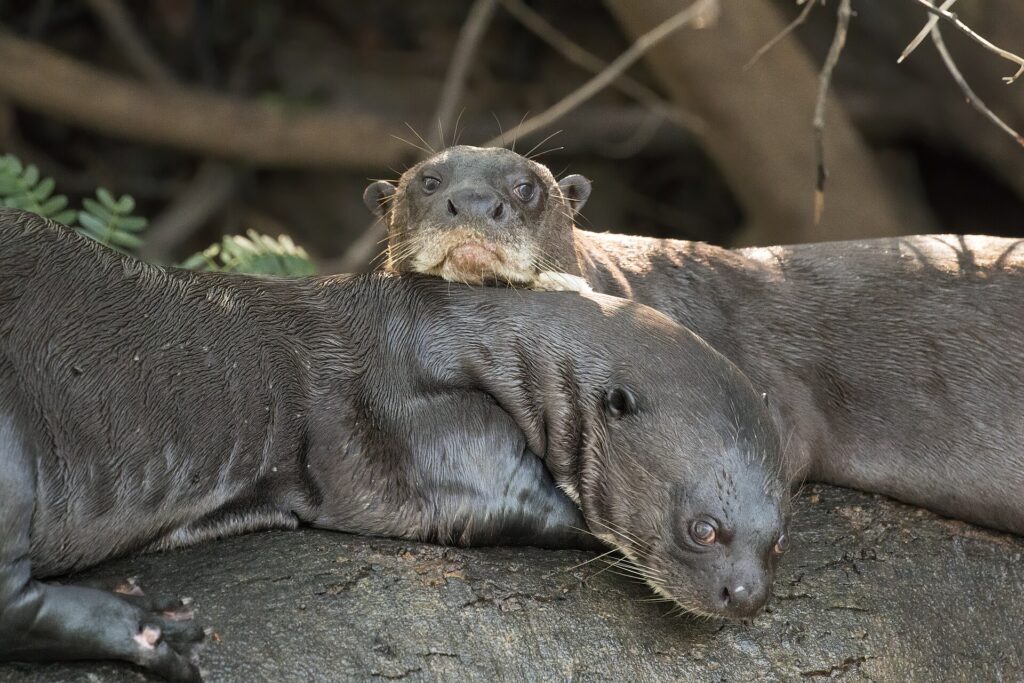
Each giant otter has a unique cream-coloured throat pattern, which researchers use to identify individuals.
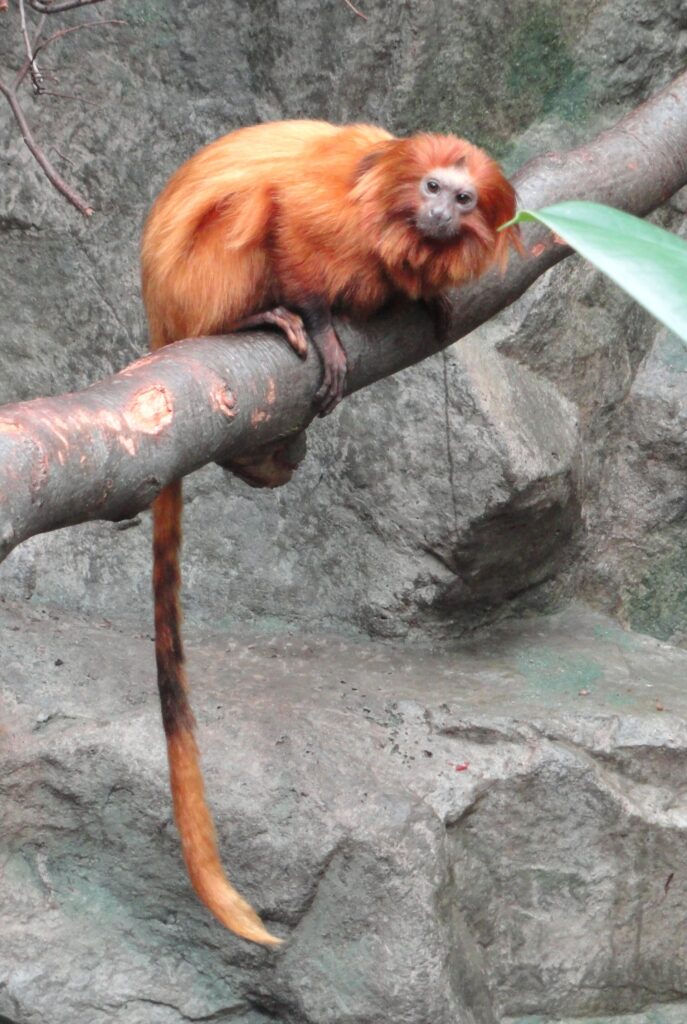
Golden lion tamarins fell to about 200 in the wild in the 1970s; thanks to reintroduction and forest restoration, there are now several thousand.
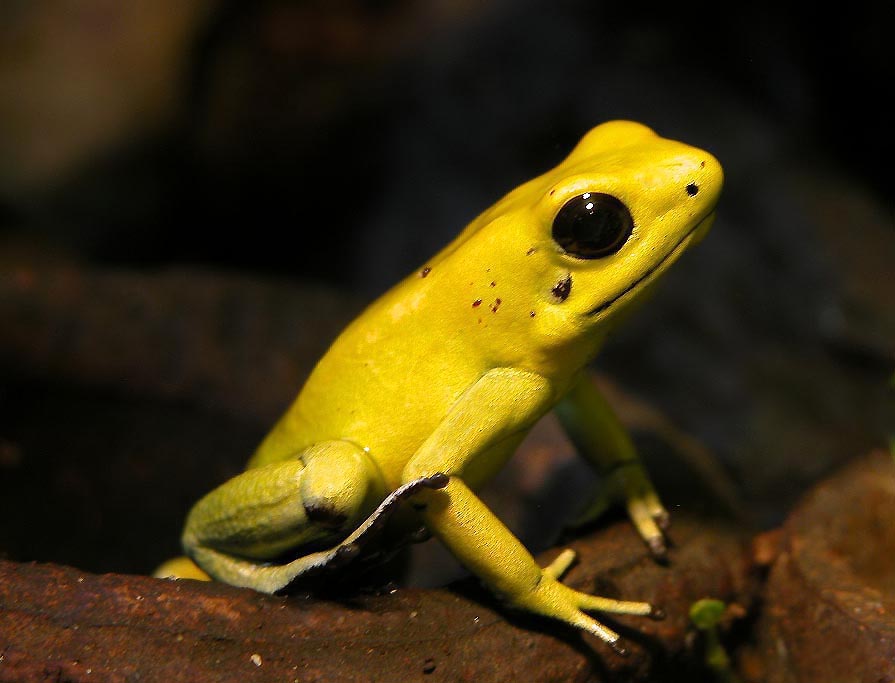
A single wild golden poison frog carries enough batrachotoxin to kill several people; its toxins come from its insect diet, so captive-raised frogs are harmless.
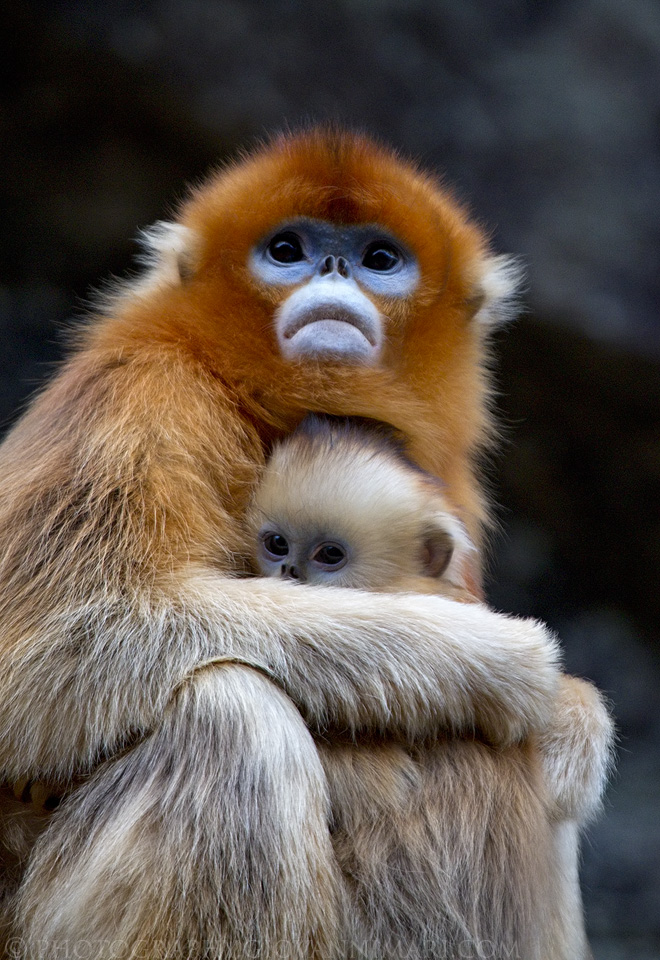
Golden snub-nosed monkeys live in snowy mountain forests and survive winter mainly by eating lichens.
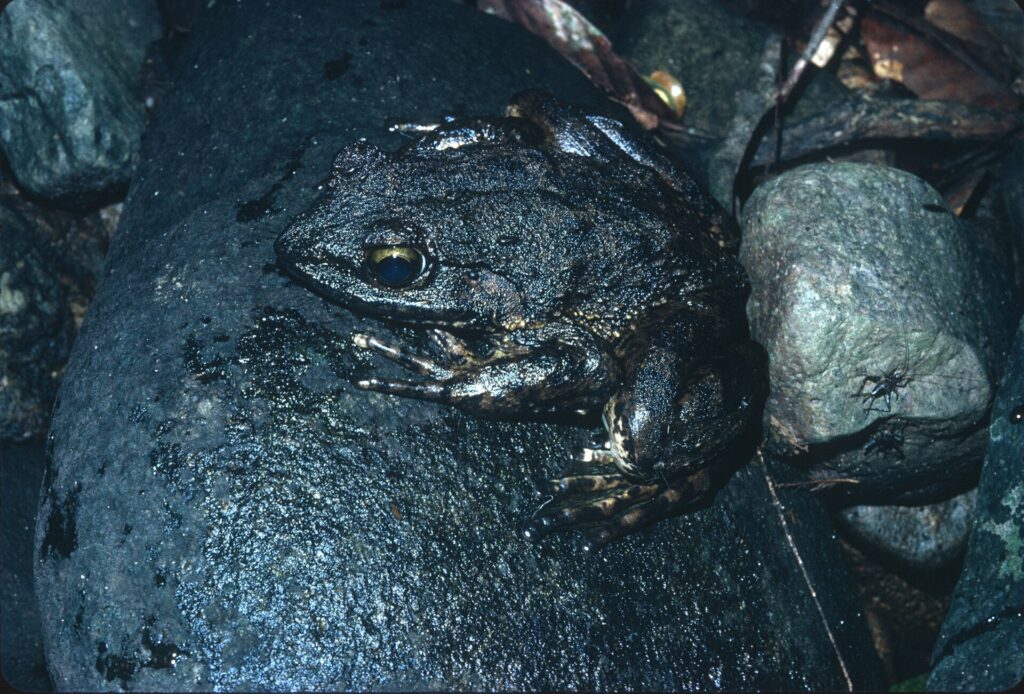
The goliath frog is the largest frog in the world, and males build their own ponds by moving rocks weighing up to about 2 kg.
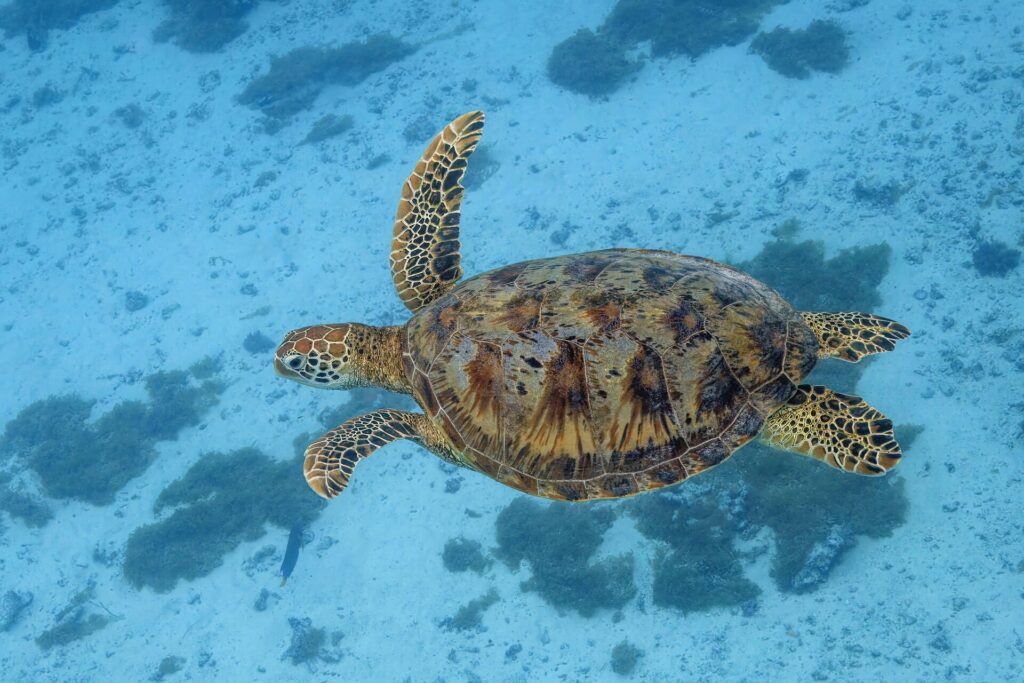
Female green turtles return to the same beach where they hatched, sometimes after travelling thousands of kilometres, navigating partly by Earth’s magnetic field.
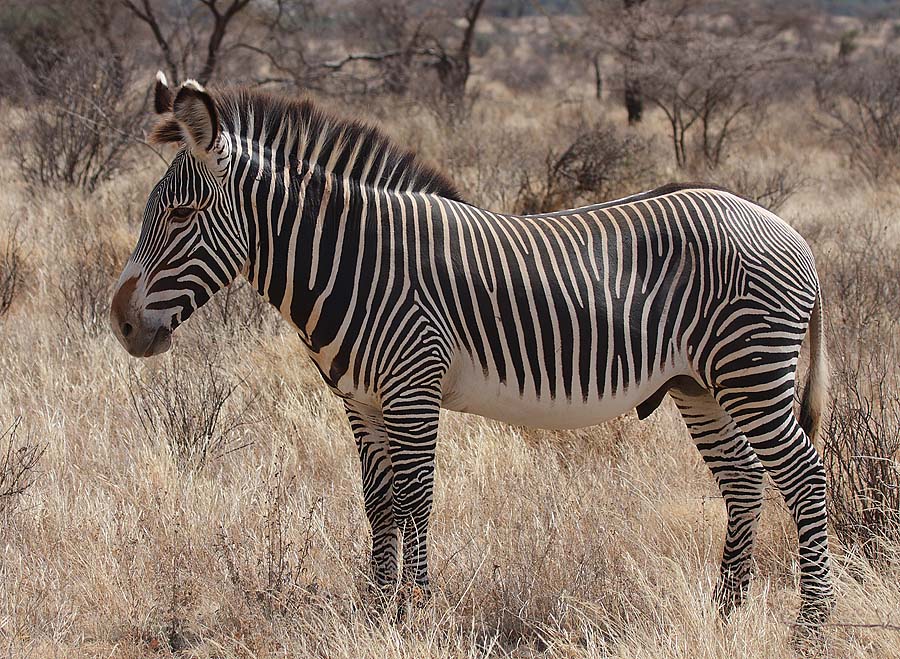
Grevy’s zebra is the largest wild horse in the world, with narrower stripes, a white belly and big, round ears.
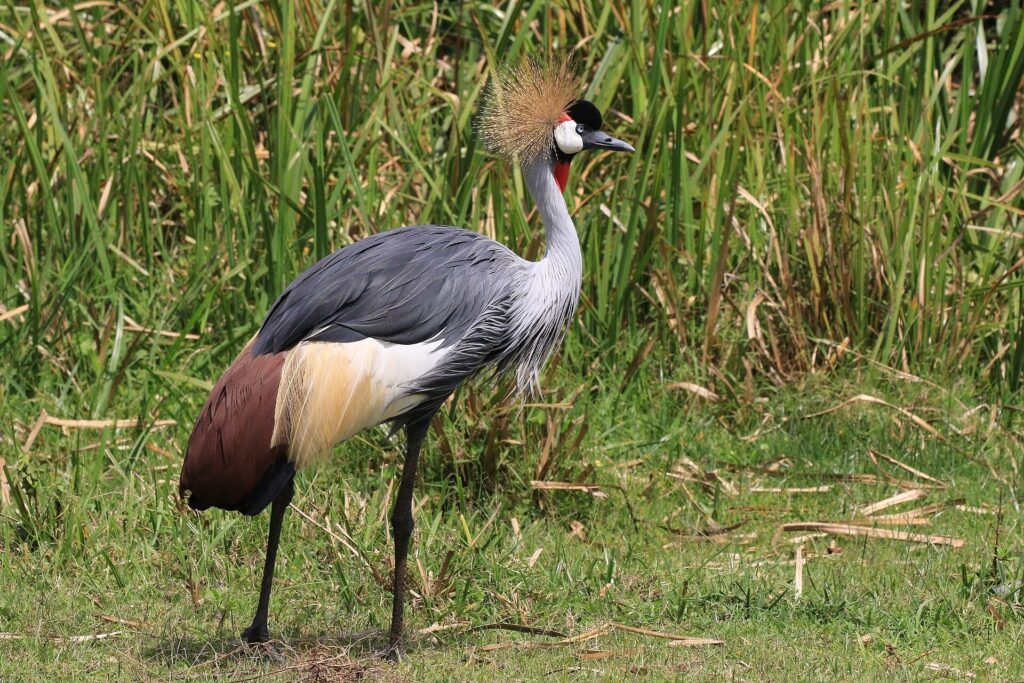
The grey crowned crane is one of only two crane species that can perch in trees, thanks to a long hind toe that grips branches.