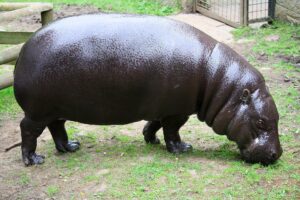
The hippopotamus is the third-largest land mammal after elephants and white rhinos. It spends the day in water to stay cool and emerges at night to graze, walking several kilometres along regular paths.
Interesting facts
- Despite spending most of the day in water, hippos cannot really swim; they walk or bounce along the bottom.
- They can hold their breath for about five minutes.
- Hippos are among the most dangerous large animals to people in Africa.
- Their closest living relatives are whales and dolphins.
- A hippo can open its mouth to about 150 degrees, showing tusks up to 50 cm long.
- Hippo dung fertilises rivers and lakes, feeding fish and other aquatic life.
Behaviour
Hippos live in groups of 10 to 30 or more, led by a dominant male who defends a stretch of river or lake. Males display by yawning and spraying dung with their tails. They are aggressive towards boats and people who get between them and water.
Breeding and young
A single calf is born, often underwater, after about eight months. Calves suckle underwater and stay close to their mothers for several years.
Threats and conservation
Habitat loss, conflict with farmers over crops, and poaching for meat and ivory teeth.
Where to see it
- South Luangwa, Zambia
- Okavango Delta, Botswana
- Queen Elizabeth National Park, Uganda (Kazinga Channel)
- Maasai Mara, Kenya
Status source: IUCN Red List. Profile last reviewed September 2026.
Where to see the hippopotamus
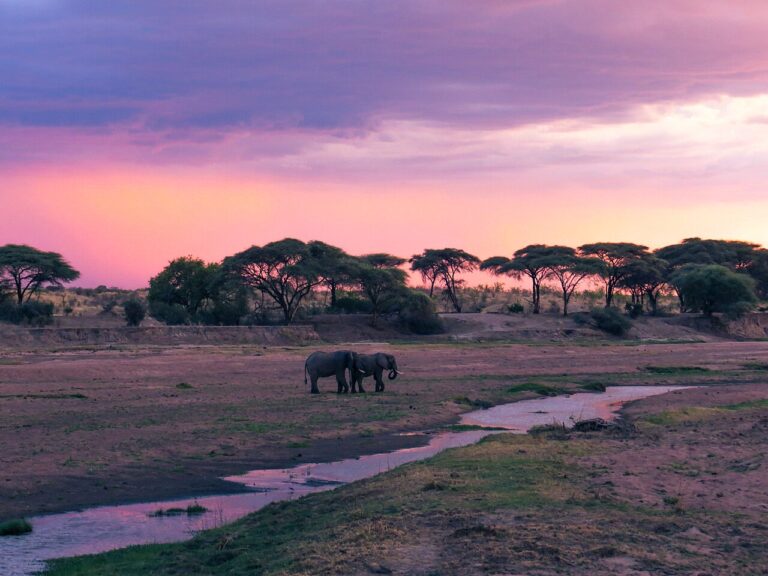 Ruaha and Nyerere (Selous): Tanzania’s Wild SouthTanzania's southern parks are vast, wild and far quieter than the north. How Ruaha and Nyerere compare, what…
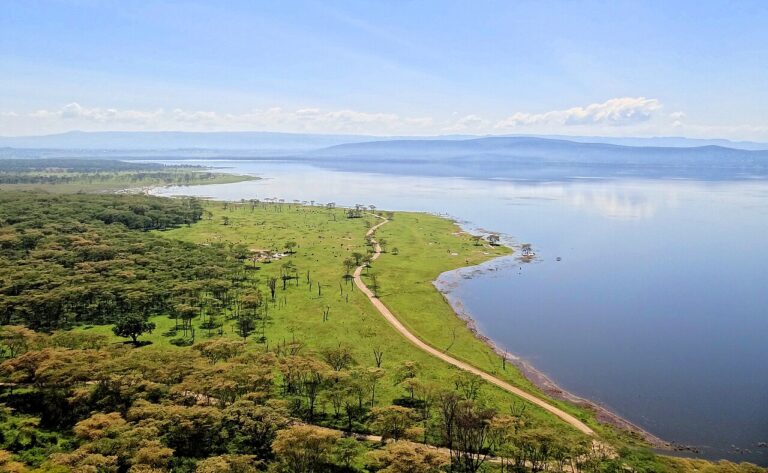 Lake Nakuru and the Rift Valley Lakes: Flamingos and RhinosKenya's Rift Valley lakes offer rhinos, flamingos, hippos and some of Africa's best birding within a few hours…
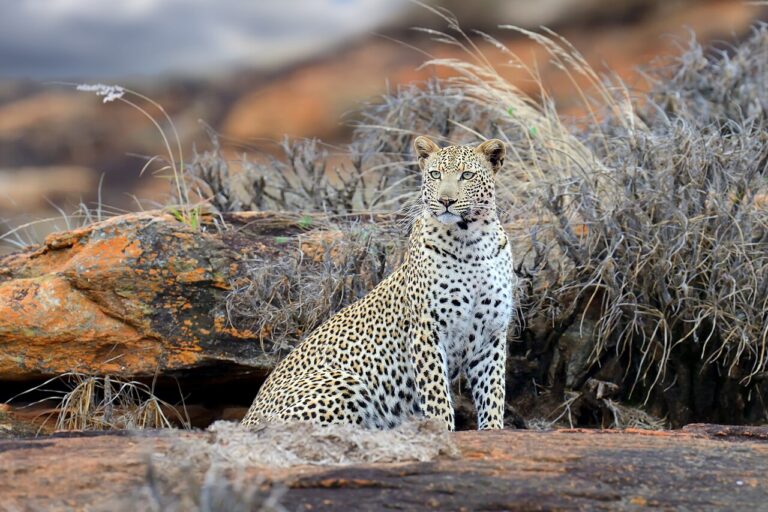 Tsavo East and West Safari GuideTogether, Tsavo East and West form one of Africa's largest protected areas, home to Kenya's biggest elephant population.…