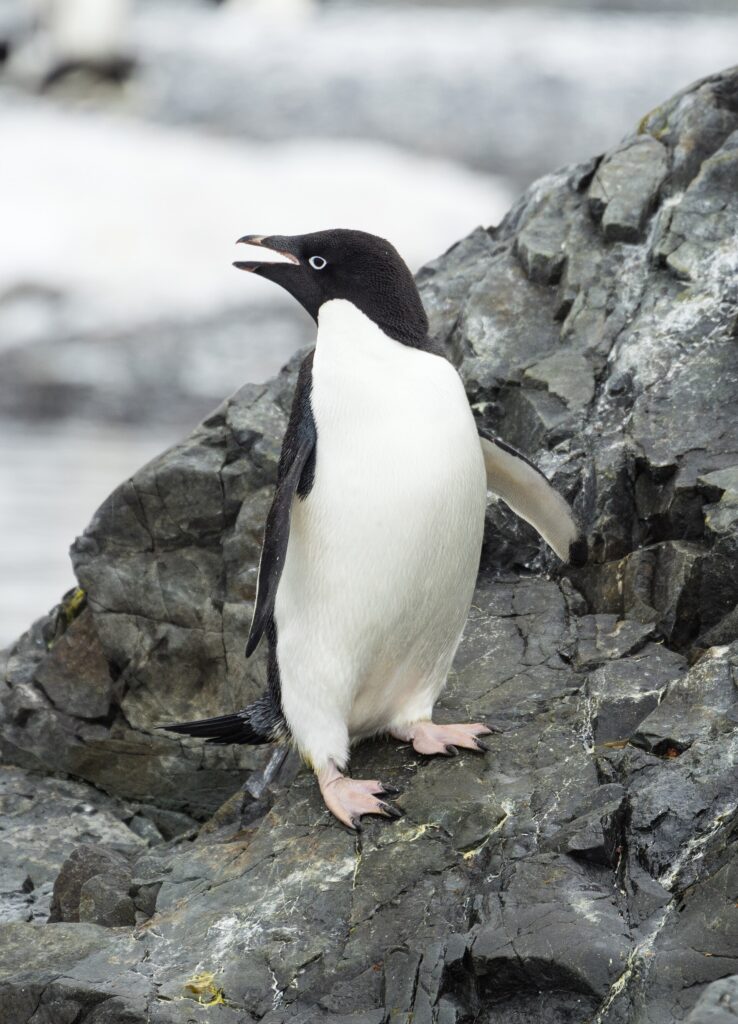
Adélie Penguin
In 2018, satellite images of guano stains revealed a hidden ‘supercolony’ of about 1.5 million Adélie penguins in Antarctica’s remote Danger Islands.
In 2018, satellite images of guano stains revealed a hidden ‘supercolony’ of about 1.5 million Adélie penguins in Antarctica’s remote Danger Islands.
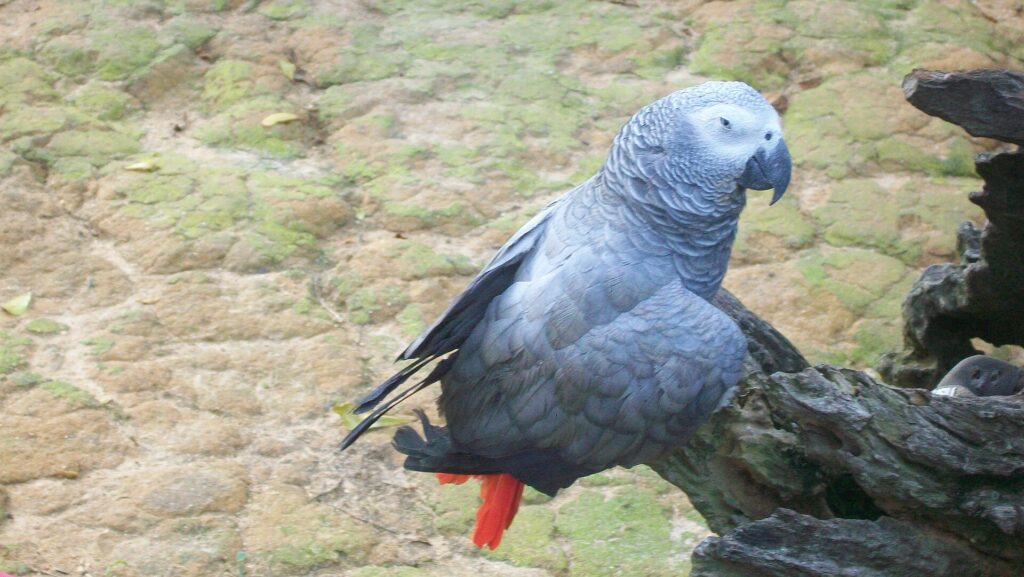
An African grey parrot named Alex, studied for 30 years, learned over 100 words and could identify colours, shapes and numbers.
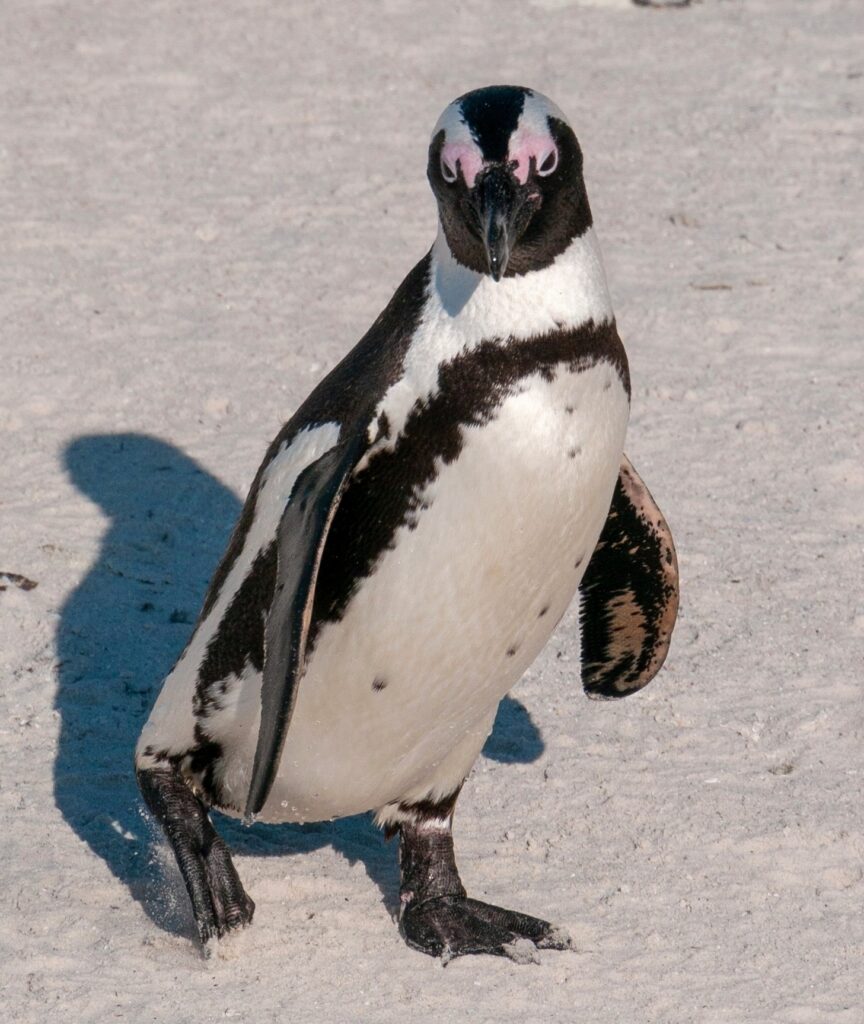
In 2024, the African penguin became the first penguin species to be listed as Critically Endangered, after its numbers fell below 10,000 breeding pairs.
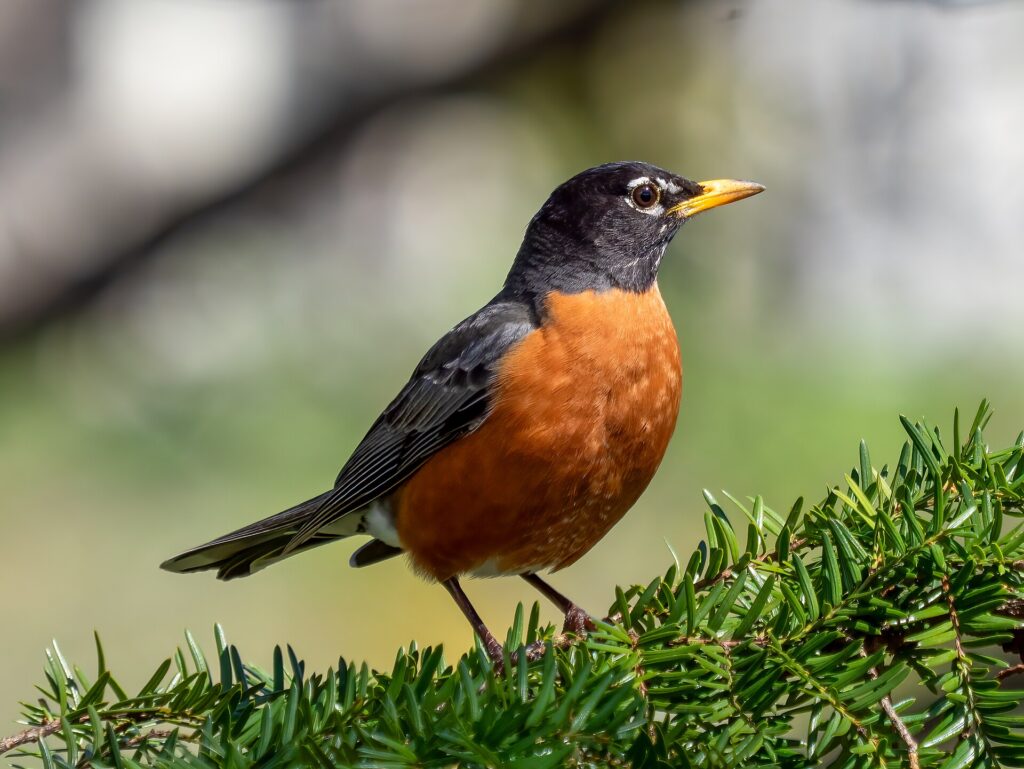
American robins find earthworms by sight, tilting their heads to spot tiny movements in the soil.
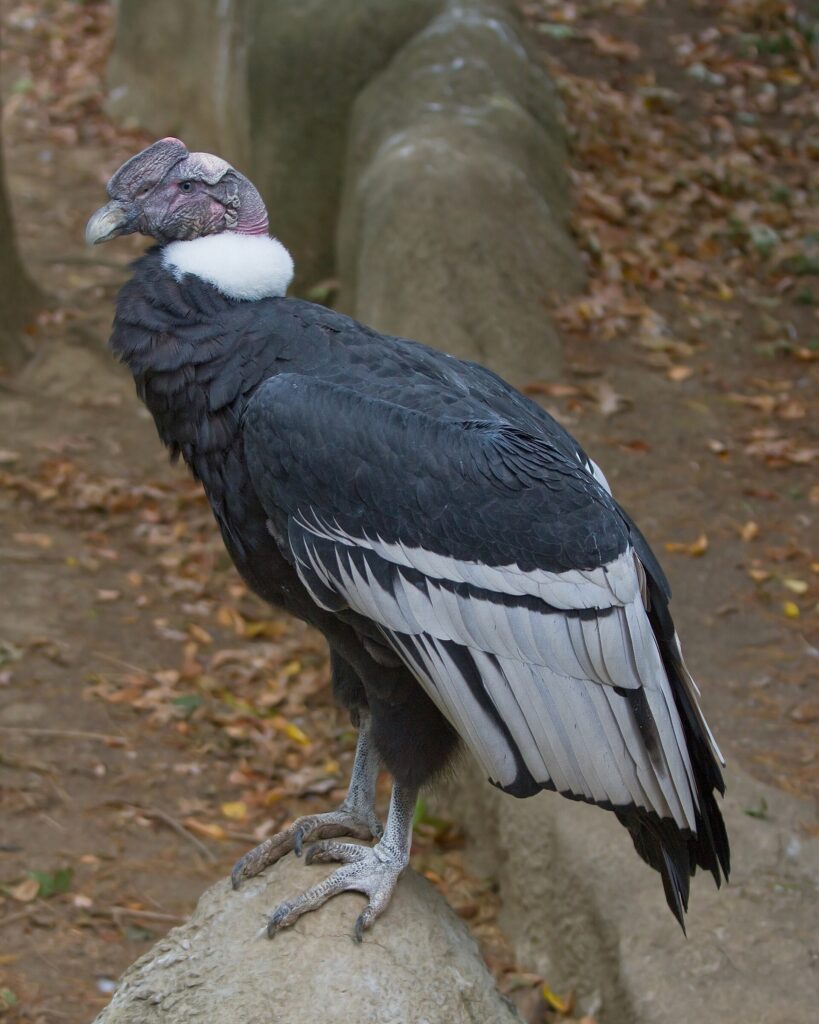
A study that fitted Andean condors with flight recorders found that one bird flew for more than five hours and covered about 170 km without flapping its wings.
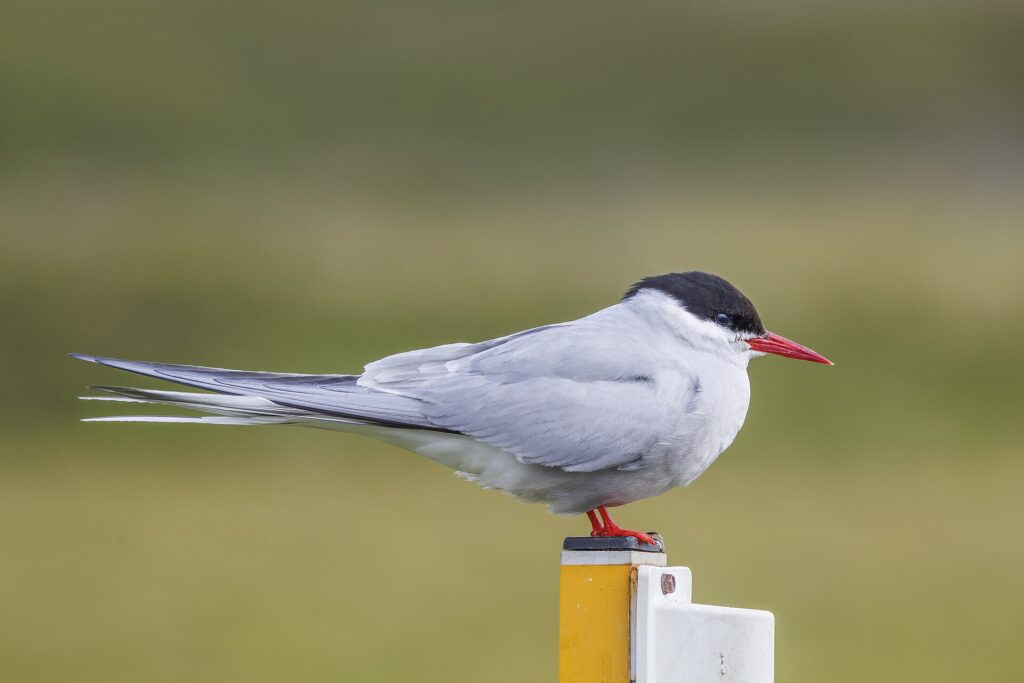
Arctic terns make the longest known migration of any animal; tracked birds have flown around 70,000–90,000 km in a year, following winding routes between the Arctic and Antarctic.
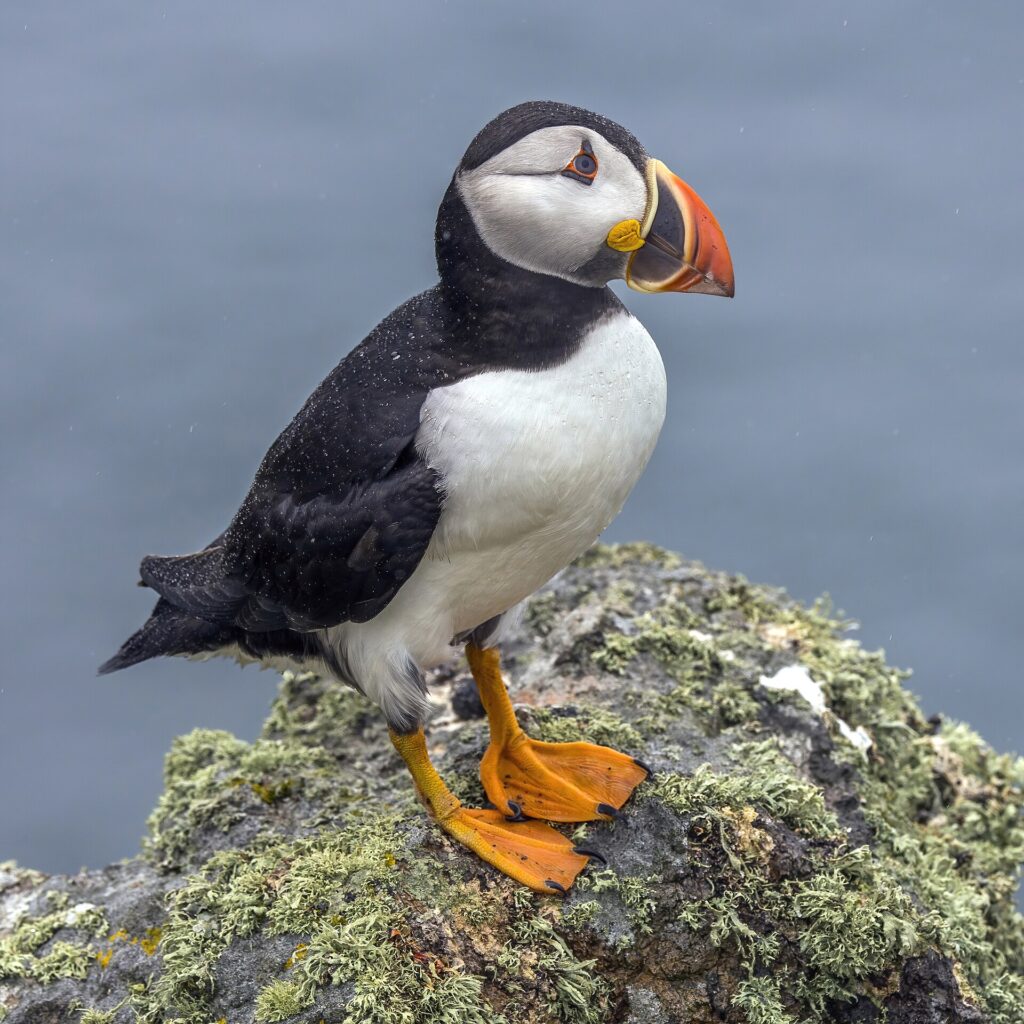
A puffin can carry a dozen or more small fish crosswise in its bill at once, holding them in place with a spiny tongue.
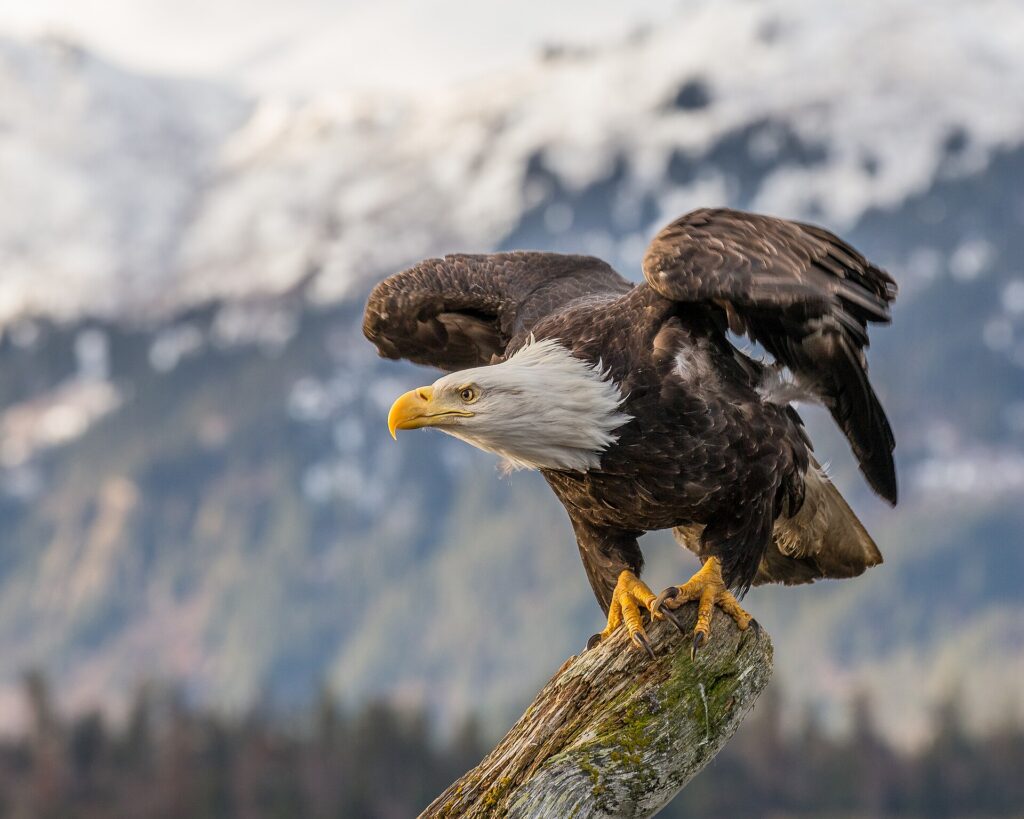
Bald eagles build the largest nests of any North American bird; one famous nest in Florida was about 6 m deep and weighed around 2 tonnes.
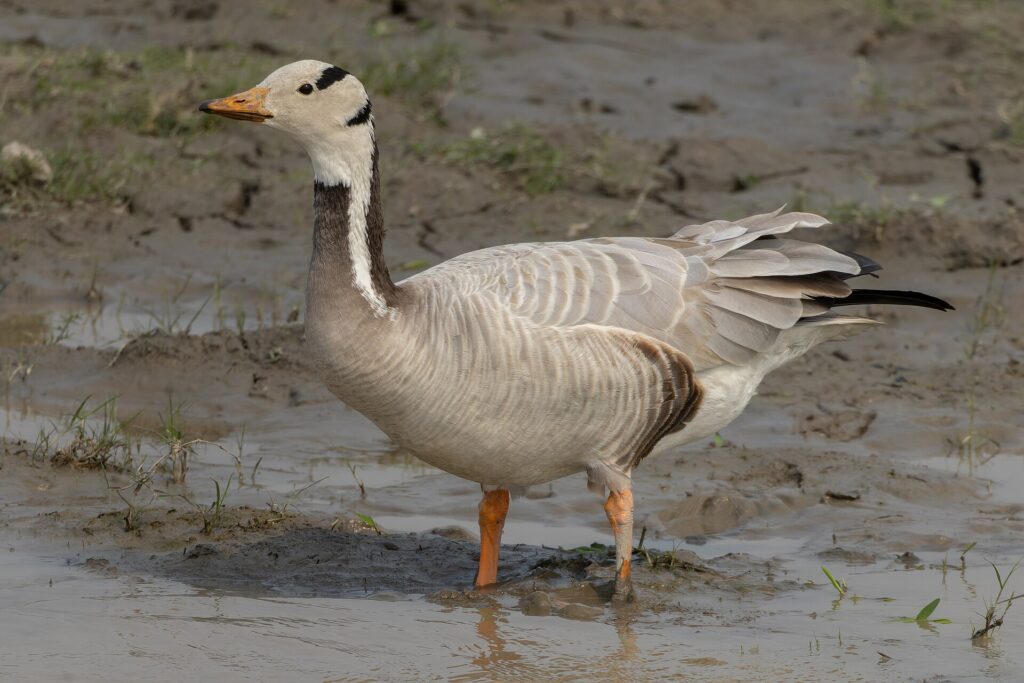
Bar-headed geese migrate across the Himalaya, and tracked birds have reached altitudes of over 7,000 metres, where the air holds less than half the oxygen found at sea level.
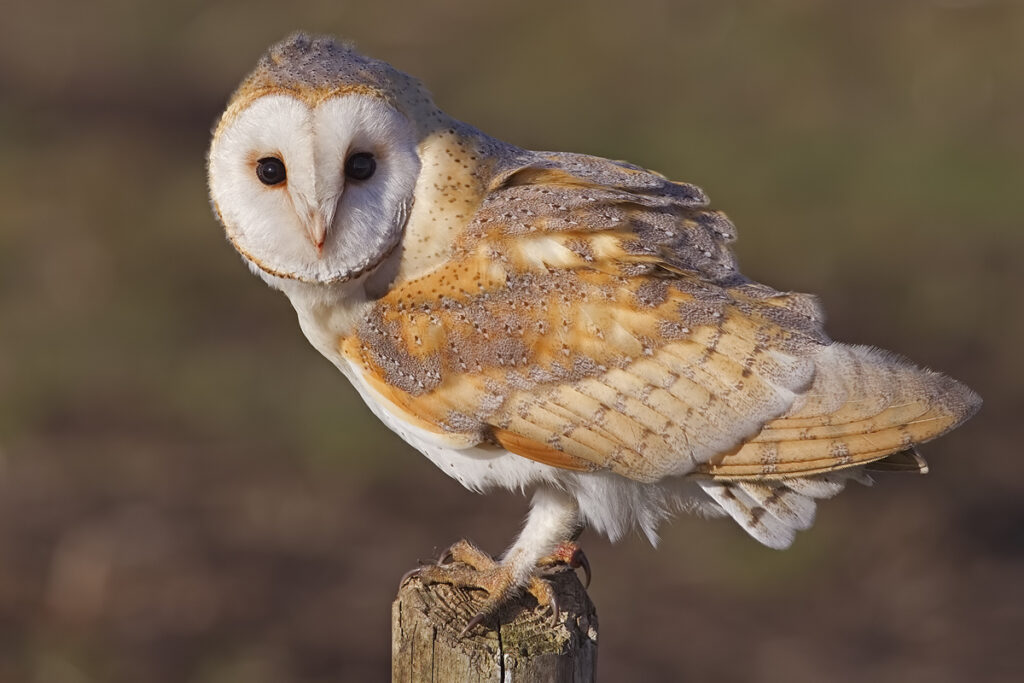
A barn owl can catch prey in complete darkness using hearing alone, thanks to ears set at different heights on its head.
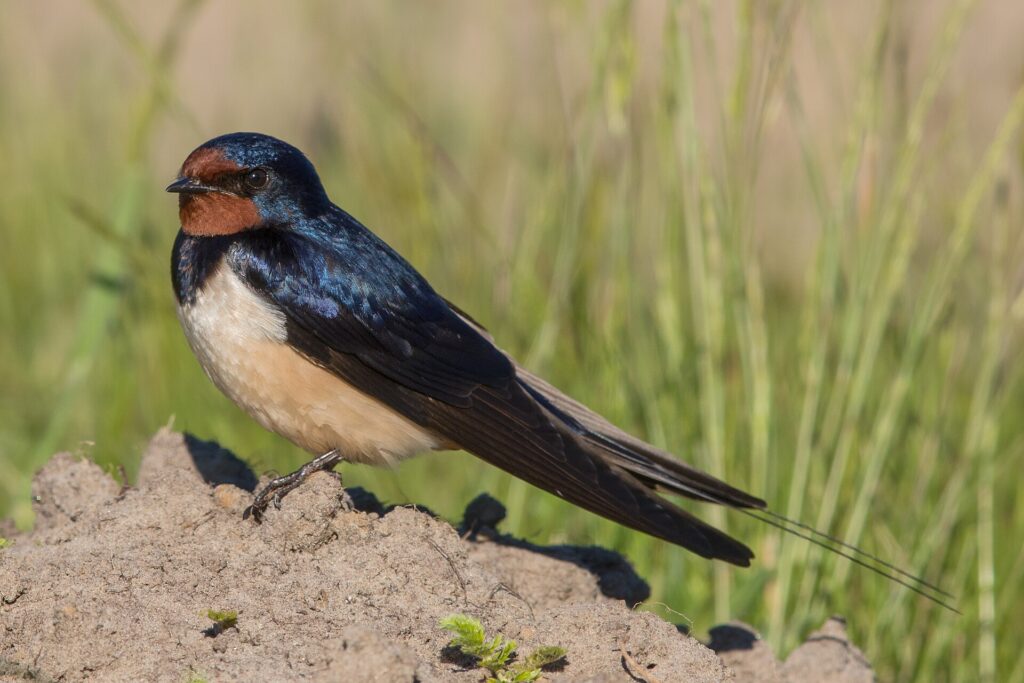
Barn swallows breeding in Britain spend the winter in South Africa, flying about 10,000 km each way.
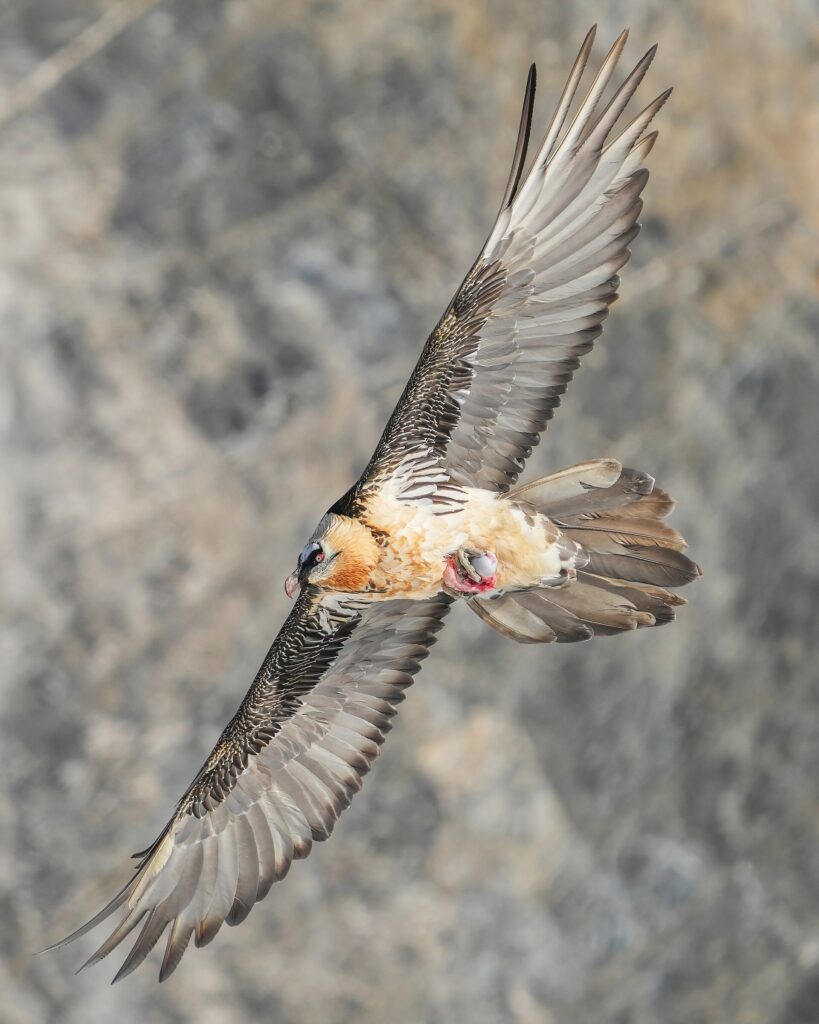
The bearded vulture lives mainly on bones: it drops large bones onto rocks from a height to smash them, then swallows the pieces.
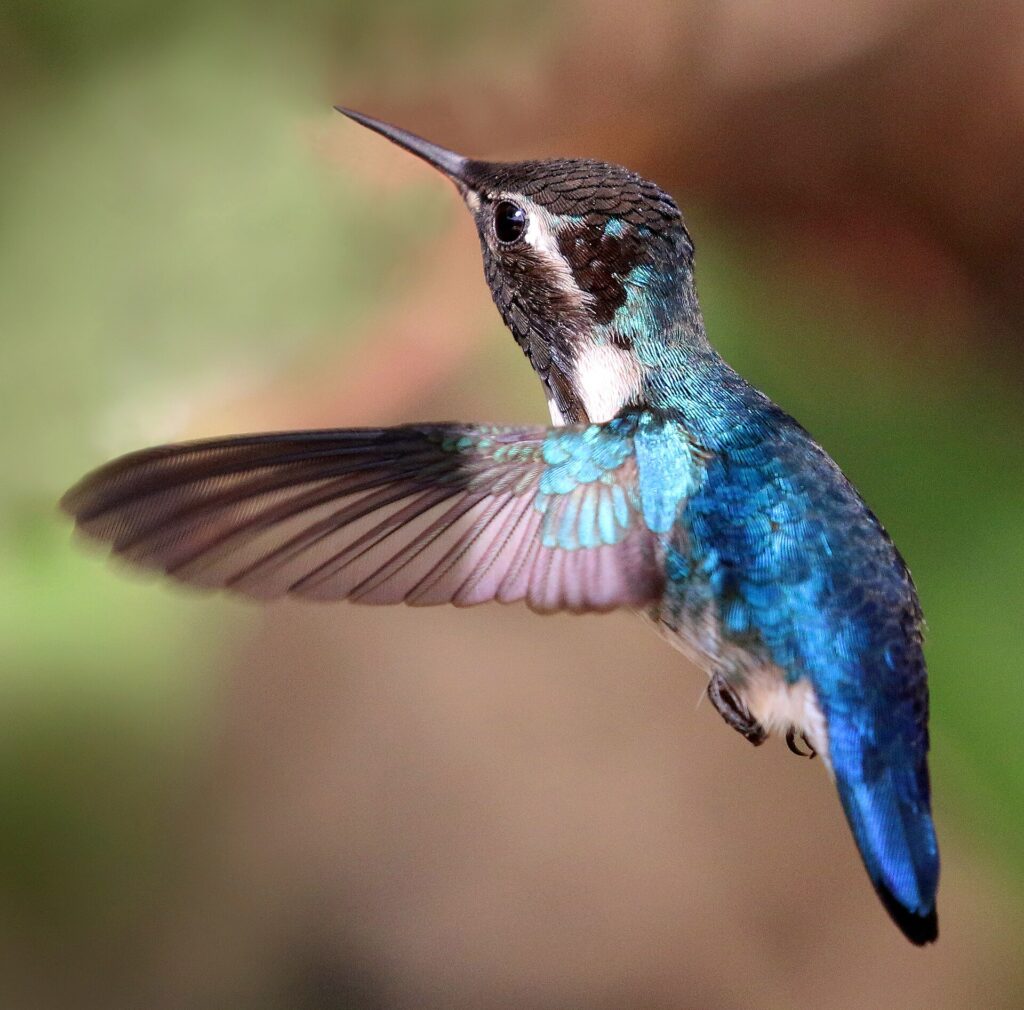
The bee hummingbird is the smallest bird in the world, weighing less than a small coin.
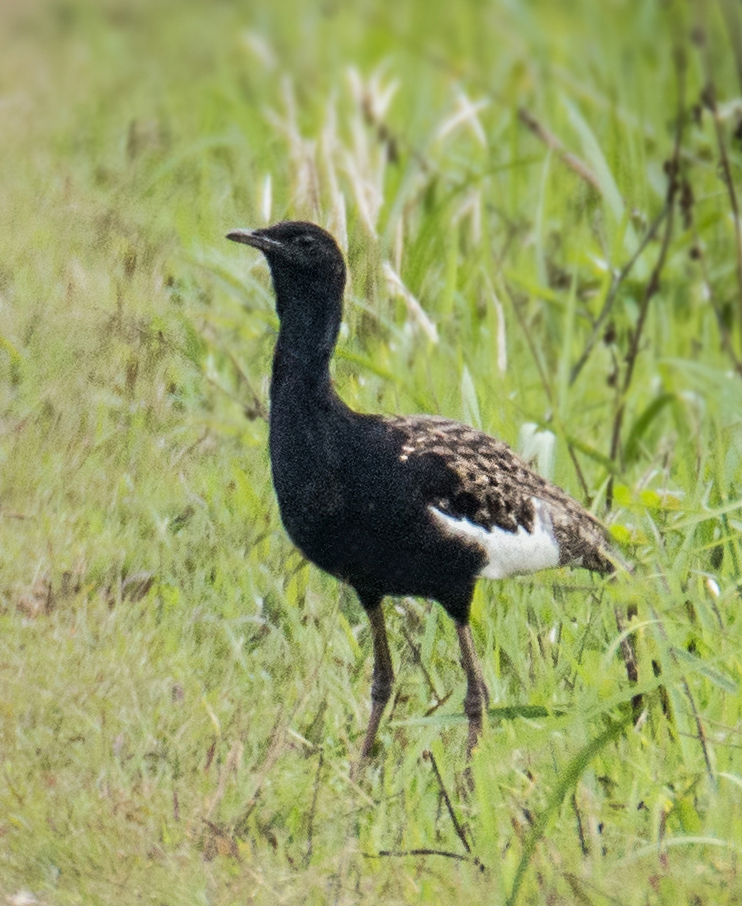
In the breeding season, male Bengal floricans leap high above the grass in spectacular display flights, flashing their white wings against their black bodies.
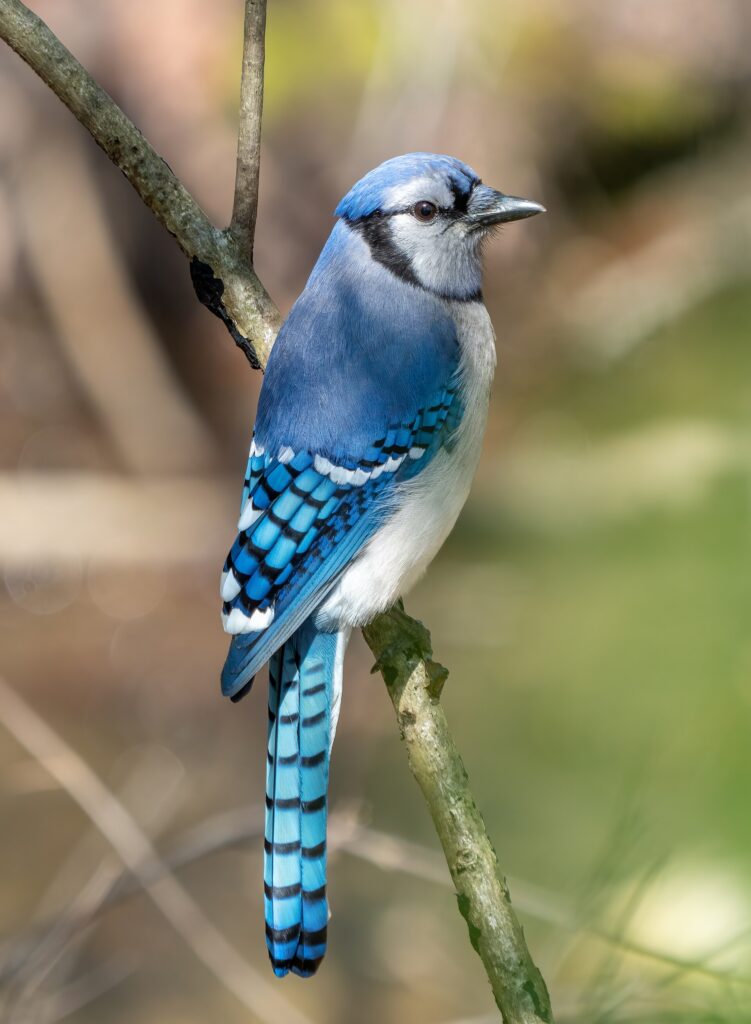
By burying thousands of acorns and forgetting some, blue jays may have helped oak forests spread north after the last Ice Age.
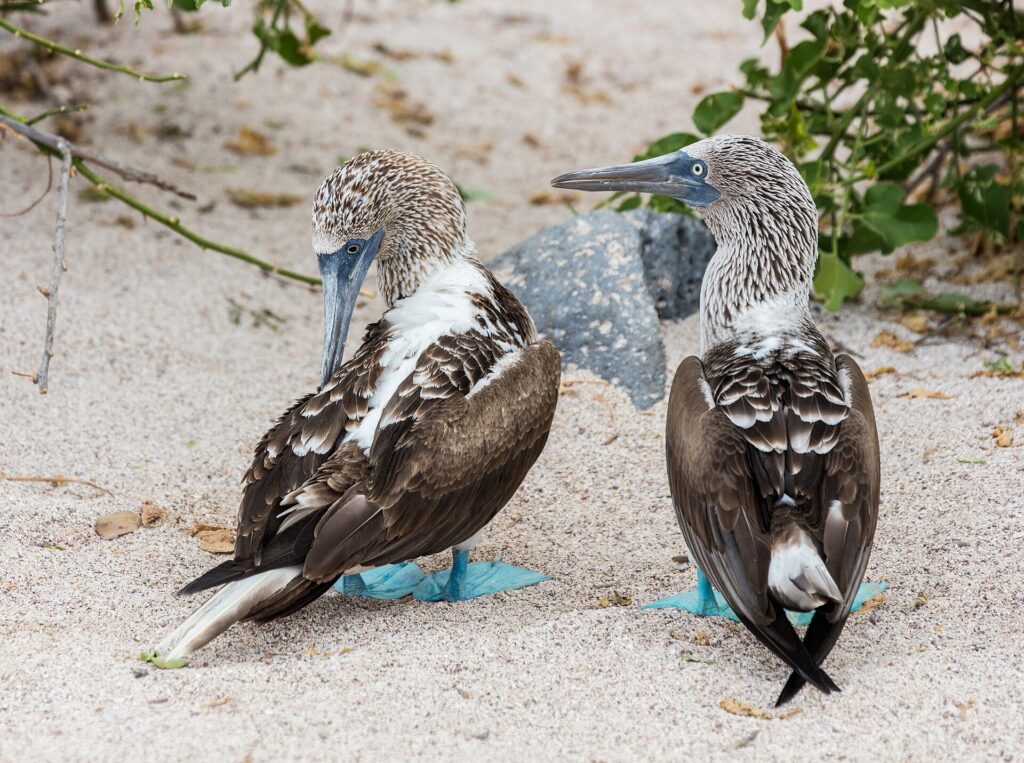
The bright blue of a booby’s feet comes from pigments in fresh fish, so brighter feet signal a healthier, better-fed partner.
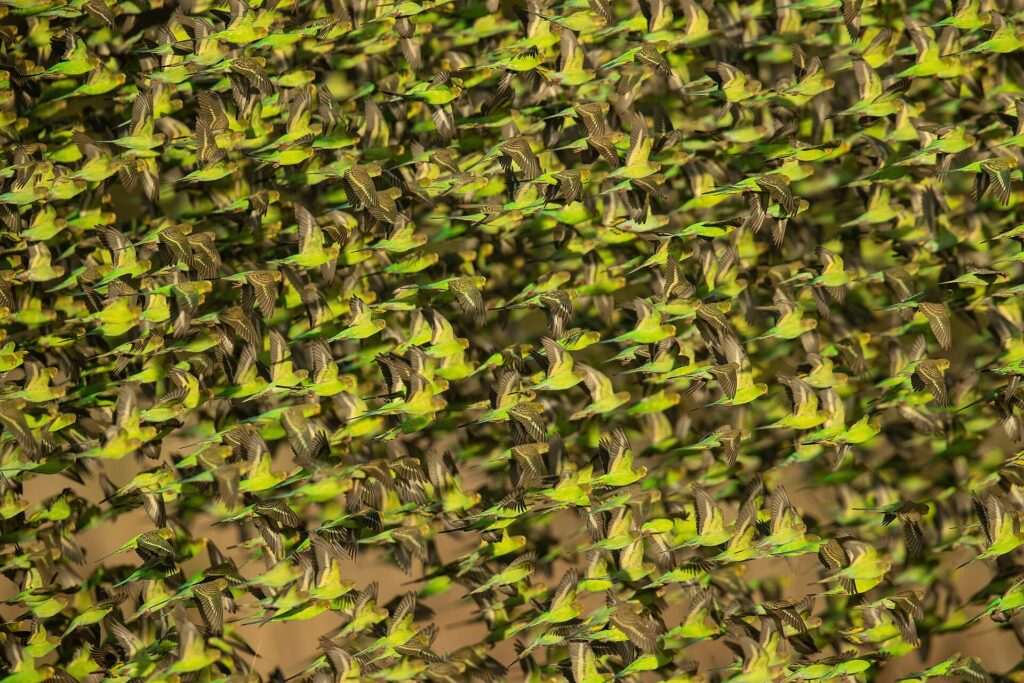
After rains in inland Australia, wild budgerigars can gather in flocks of thousands, swirling through the sky like starling murmurations.
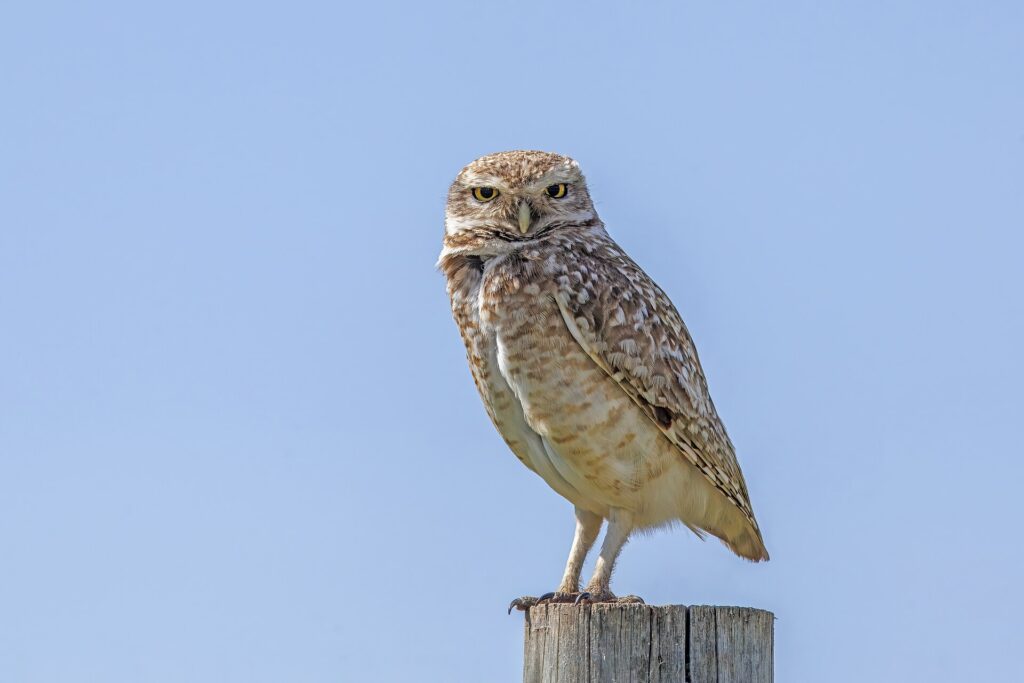
When threatened in their burrow, young burrowing owls make a hissing call that sounds remarkably like a rattlesnake.
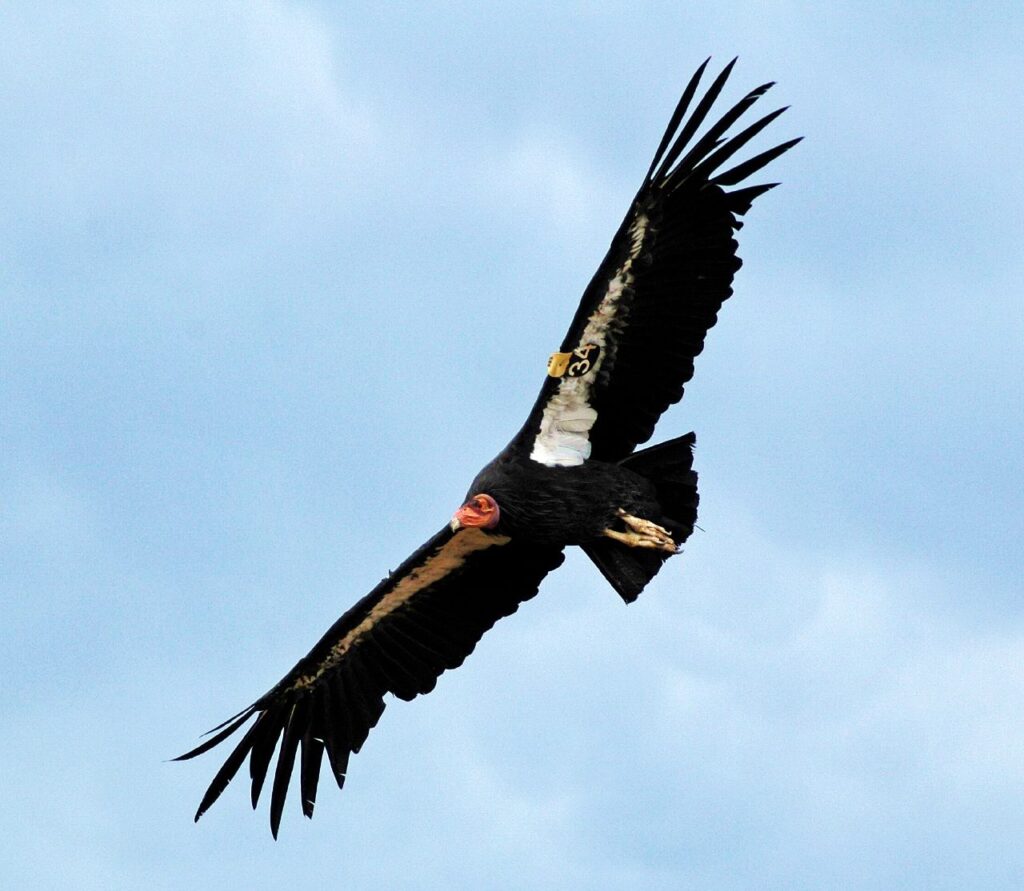
In 1987, the last 27 California condors were captured for captive breeding. Today there are more than 500, over half flying free.
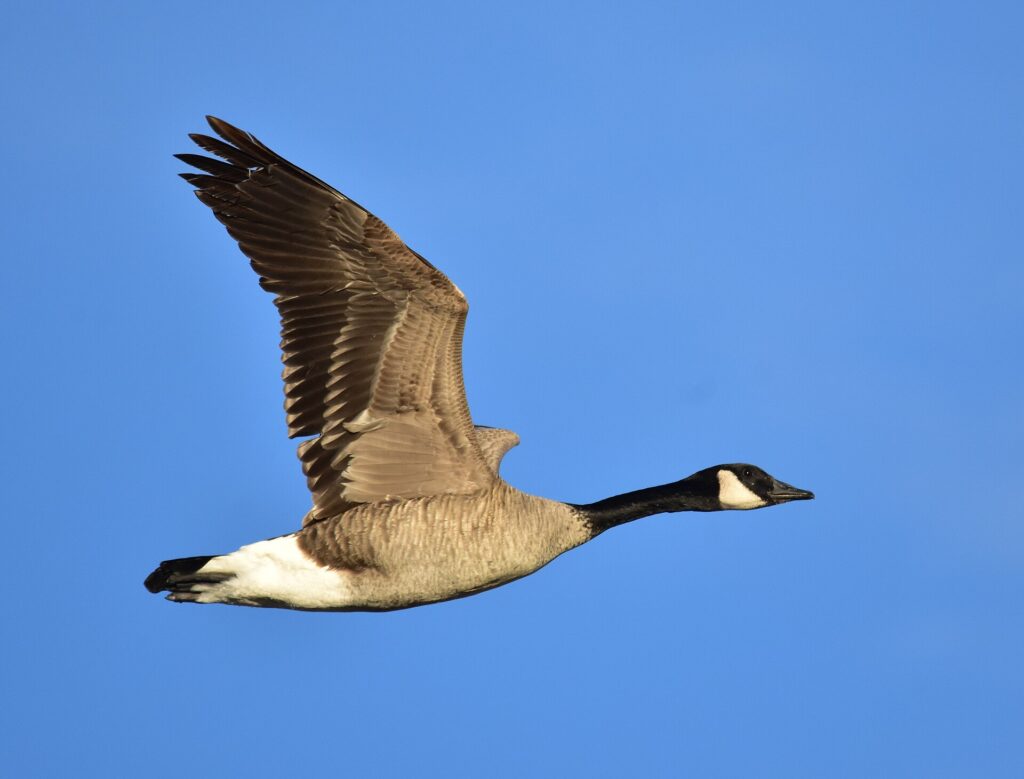
Flying in a V-formation saves energy, as each goose rides the rising air from the wingtips of the bird ahead.
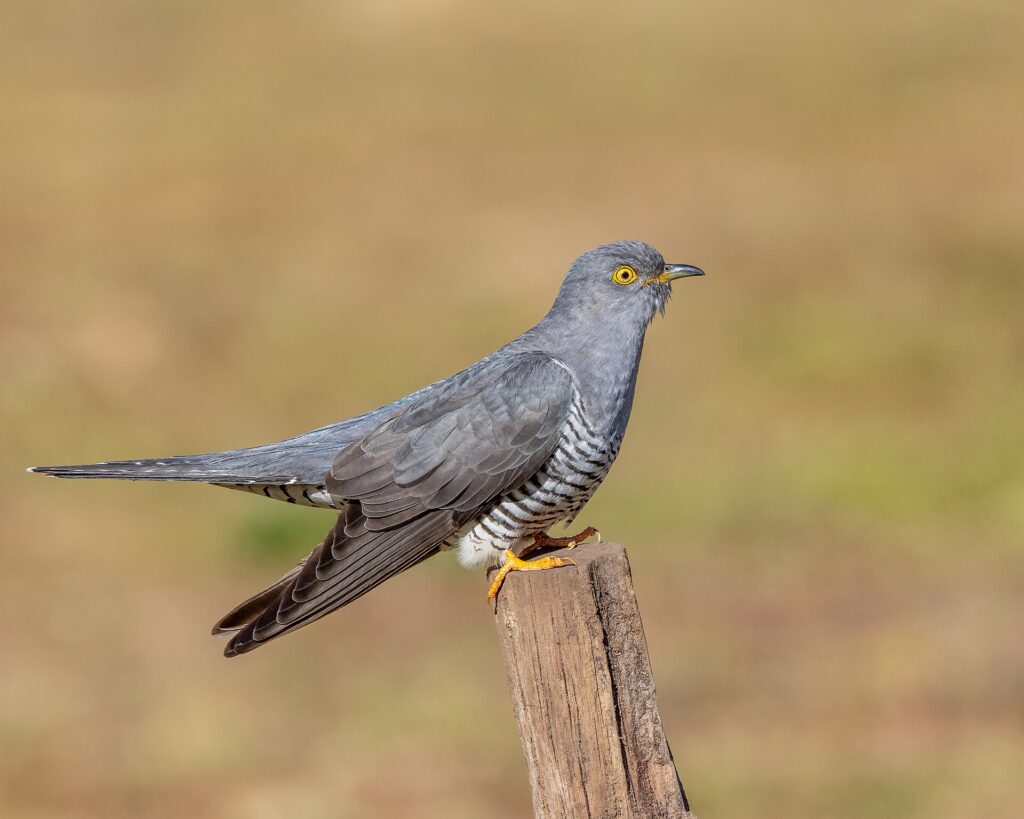
The cuckoo lays its eggs in other birds’ nests, and within hours of hatching, the cuckoo chick pushes the host’s eggs out of the nest.
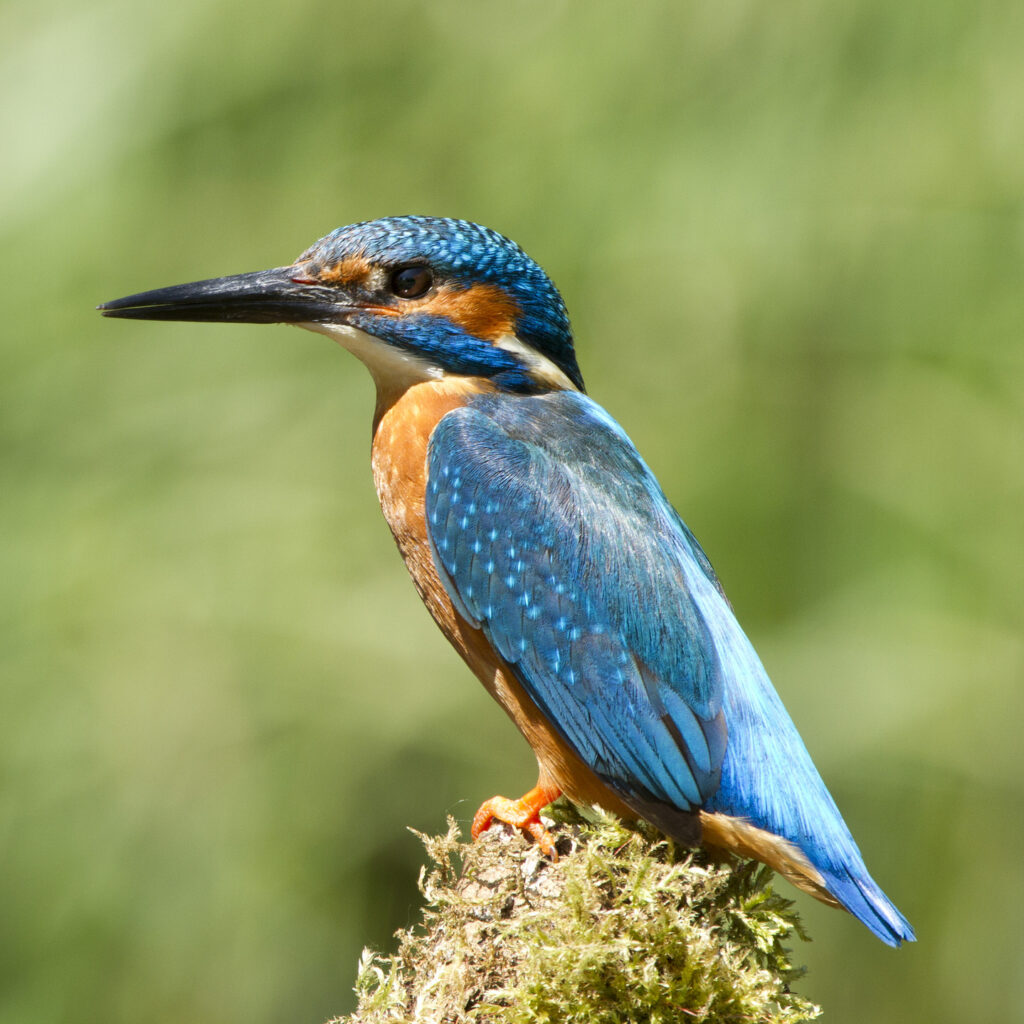
The kingfisher’s streamlined beak inspired engineers who redesigned the nose of Japan’s bullet train to reduce the noise it made leaving tunnels.
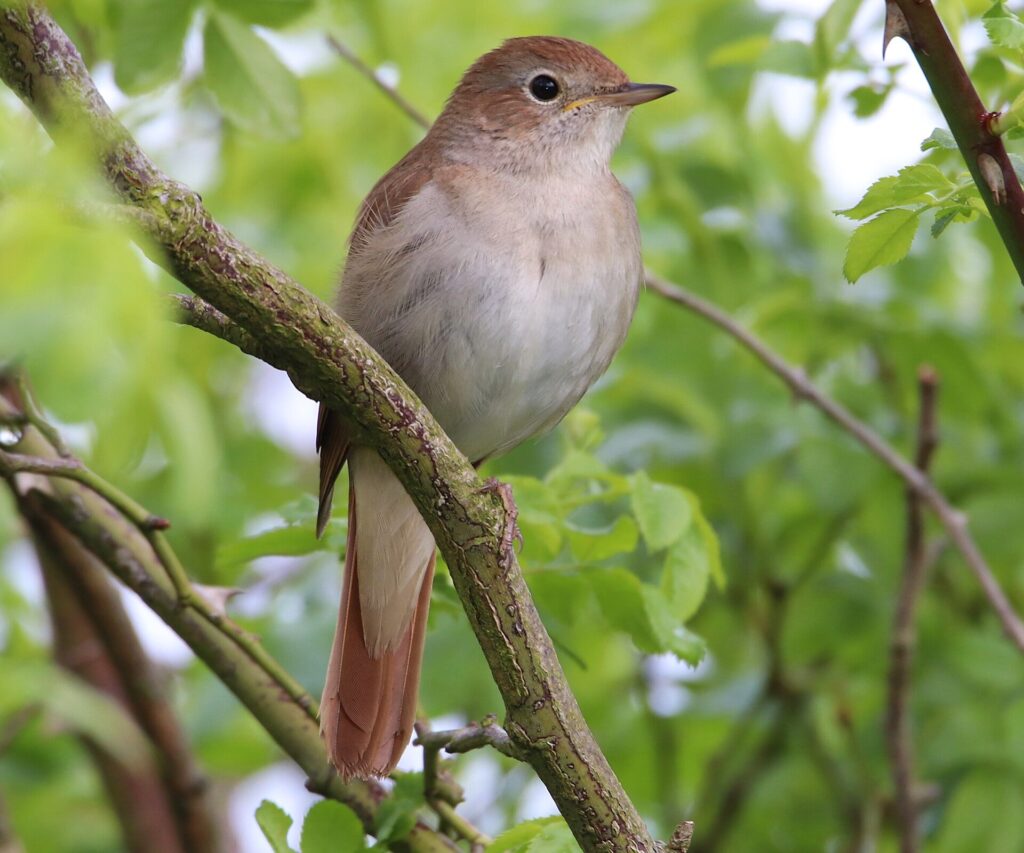
A male nightingale can sing around 200 different song phrases, and unpaired males sing through the night to attract females arriving from Africa.
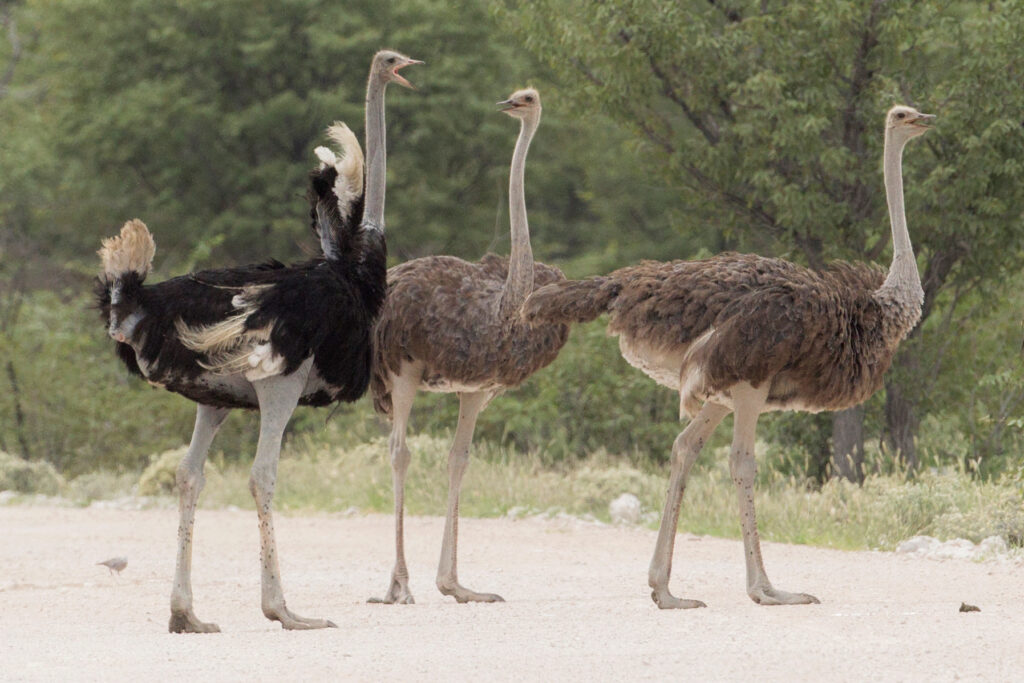
The ostrich lays the largest egg of any living bird, weighing about 1.4 kg, equivalent to around two dozen chicken eggs.