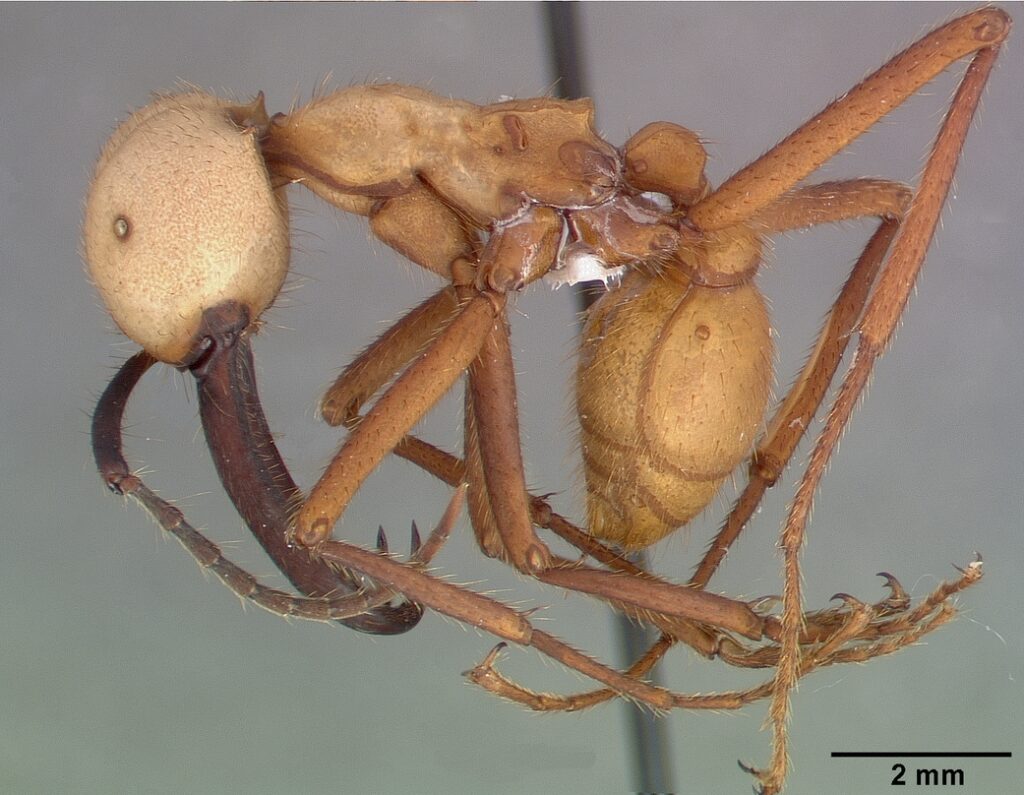
Army Ant
Army ants have no permanent nest: they link their bodies together to build a living nest, called a bivouac, that can hold hundreds of thousands of ants.
Army ants have no permanent nest: they link their bodies together to build a living nest, called a bivouac, that can hold hundreds of thousands of ants.
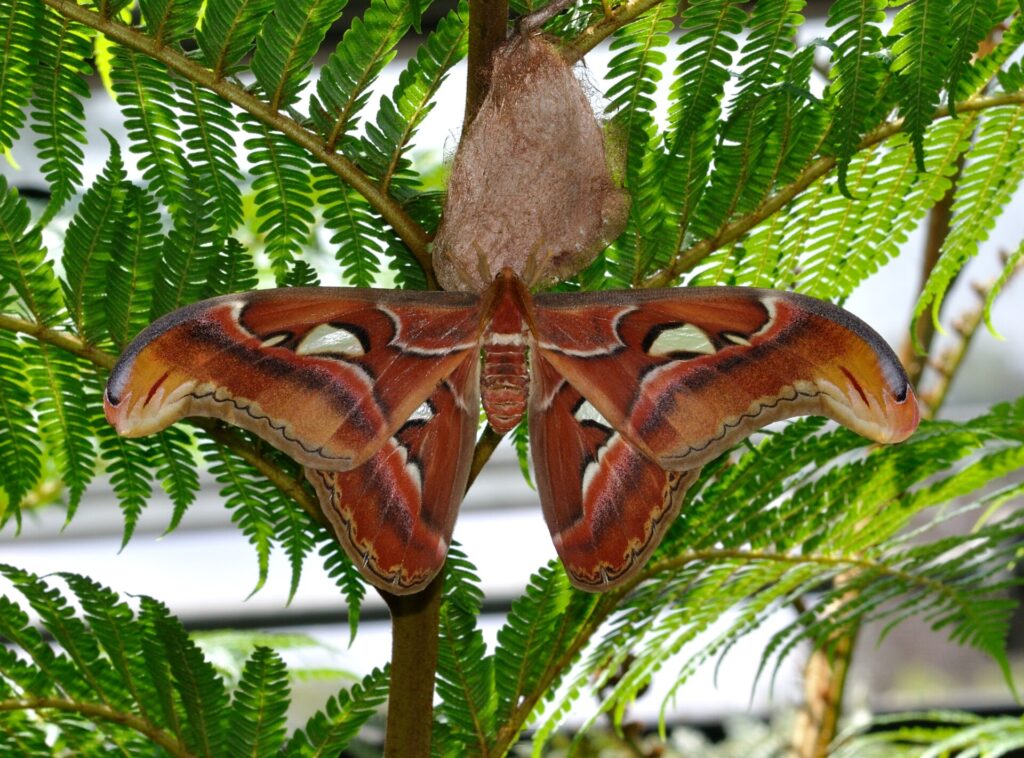
Adult atlas moths have no working mouths and never eat; they live for only a week or two on fat stored as caterpillars.
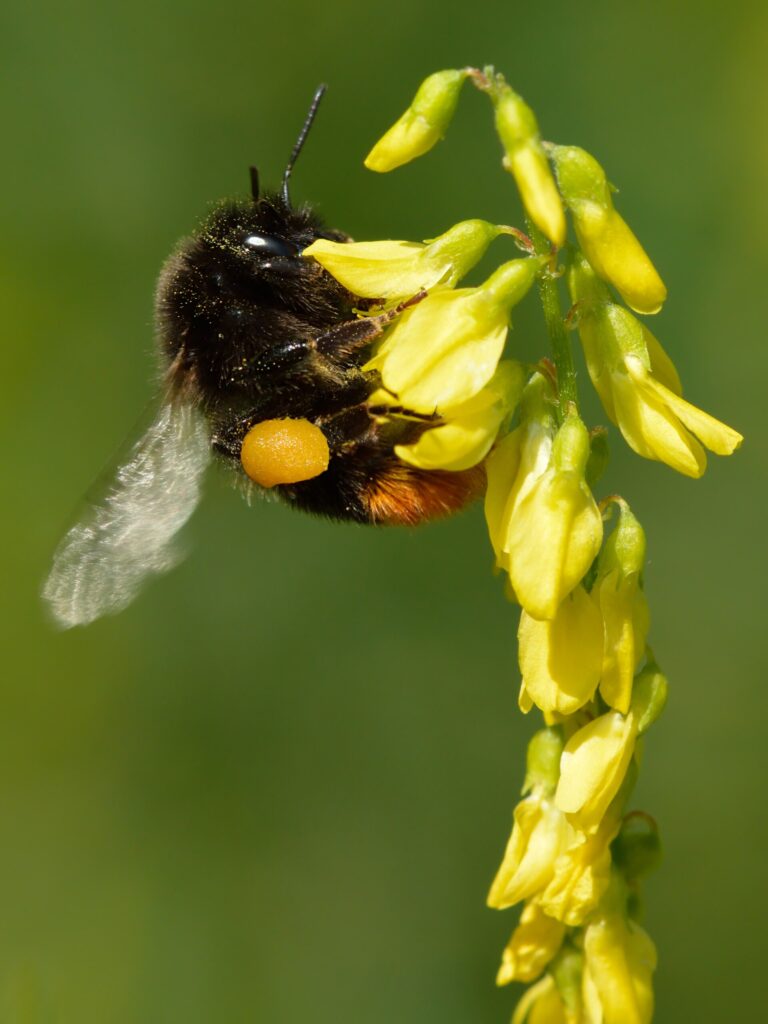
Bumblebees can ‘buzz pollinate’, vibrating their flight muscles to shake pollen out of flowers such as tomatoes and blueberries.
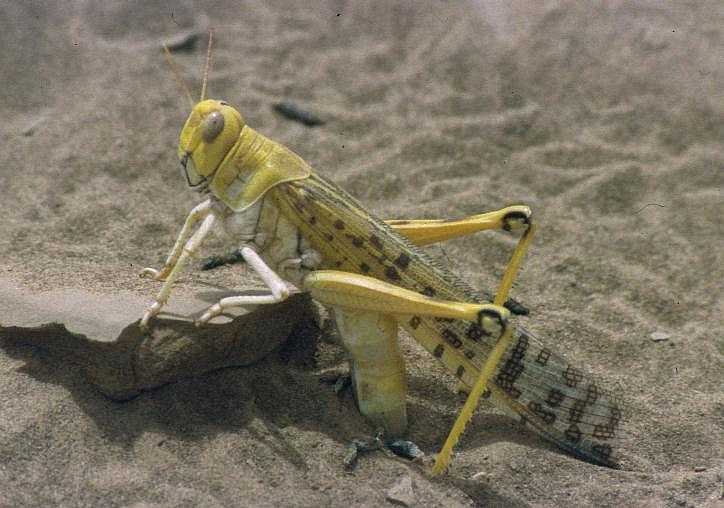
A desert locust swarm covering one square kilometre can eat as much food in a day as about 35,000 people.
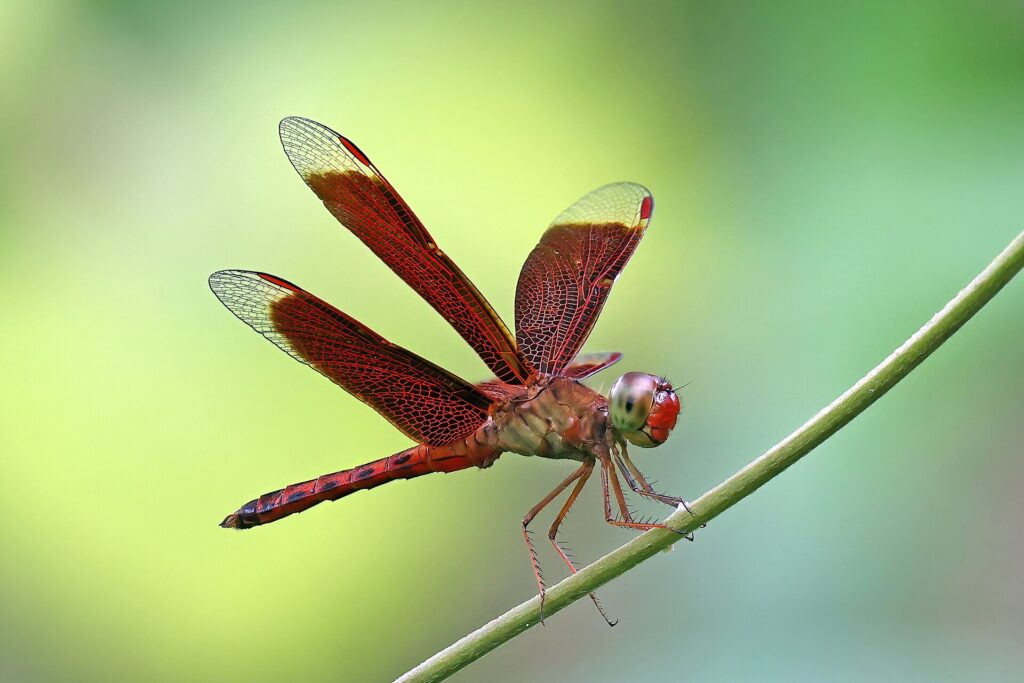
Dragonflies are among the most successful hunters on Earth, catching their prey in flight in up to about 95 percent of attempts.
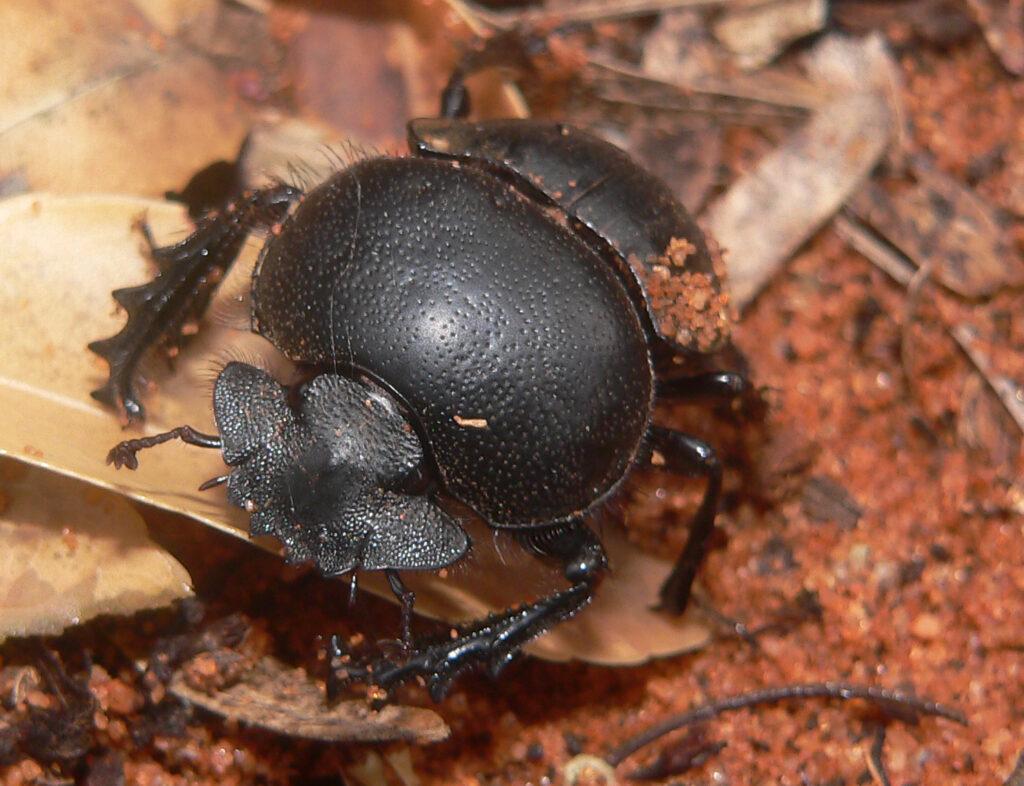
Some African dung beetles use the Milky Way to navigate at night, the first animals known to orient by our galaxy.
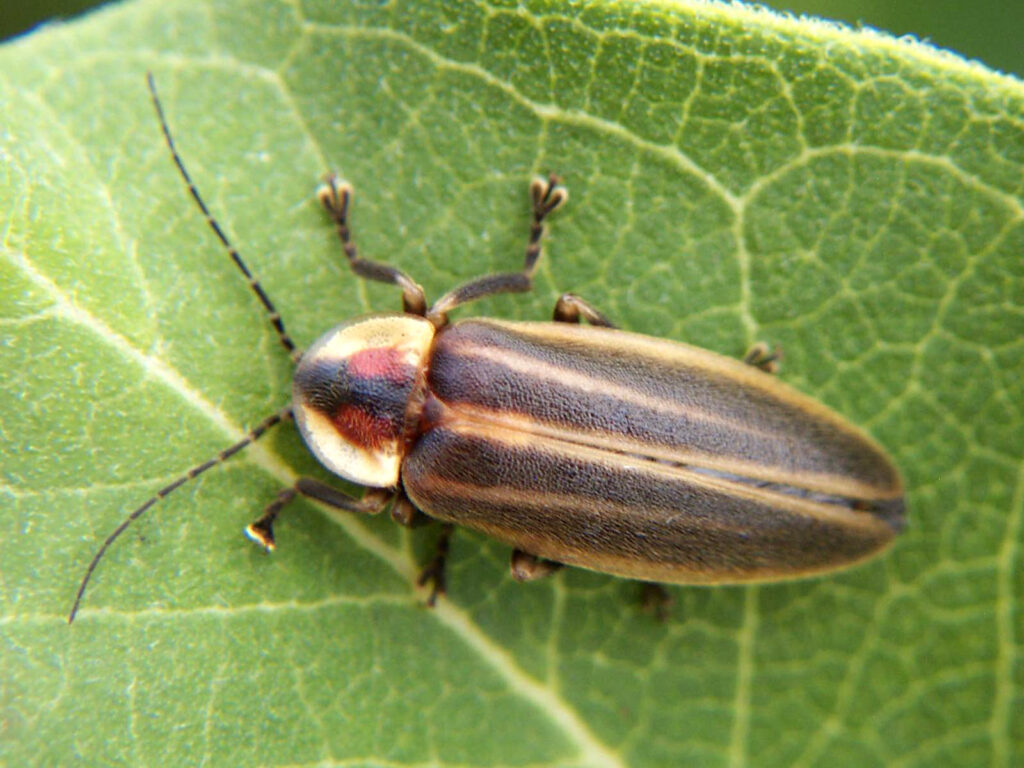
In the Great Smoky Mountains, thousands of fireflies of one species flash in unison for a few weeks each summer, so popular that viewing is managed by a lottery.
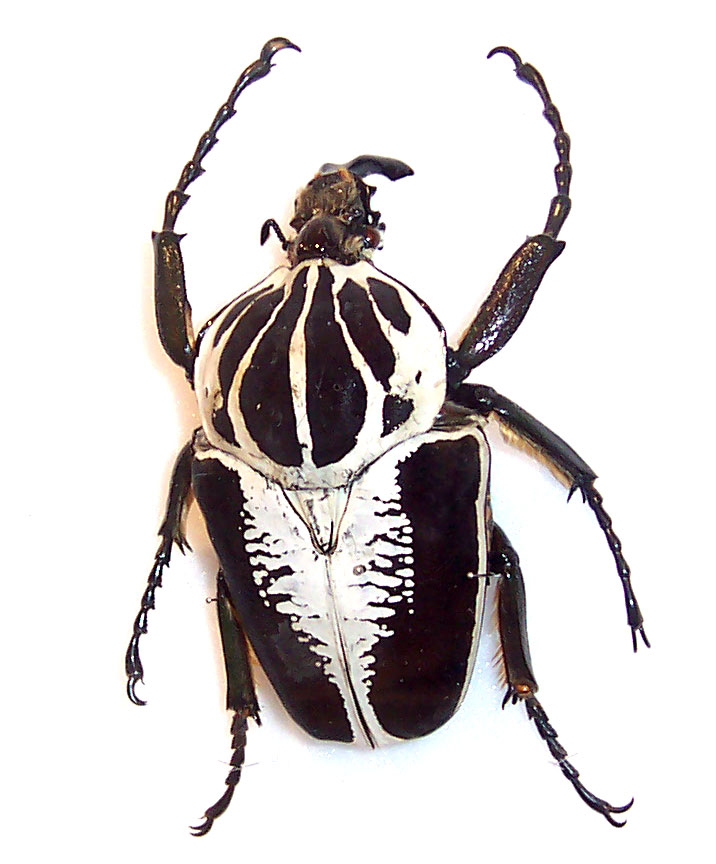
Goliath beetle larvae can weigh up to about 100 g, making them among the heaviest insects on Earth.
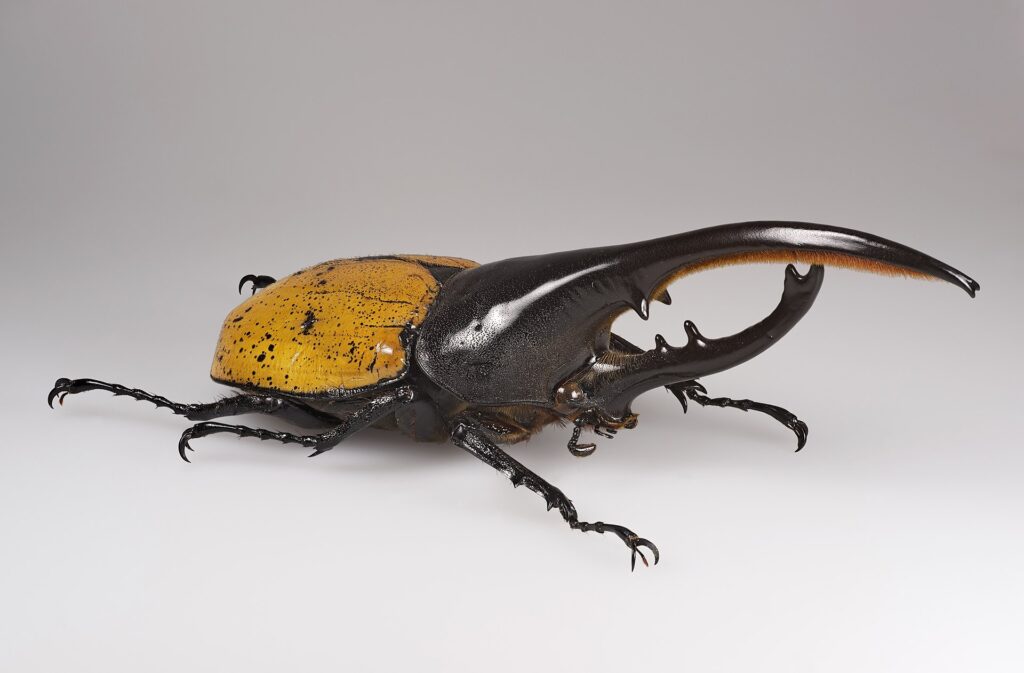
The Hercules beetle is one of the longest beetles in the world, and the male’s huge horn can be longer than its body.
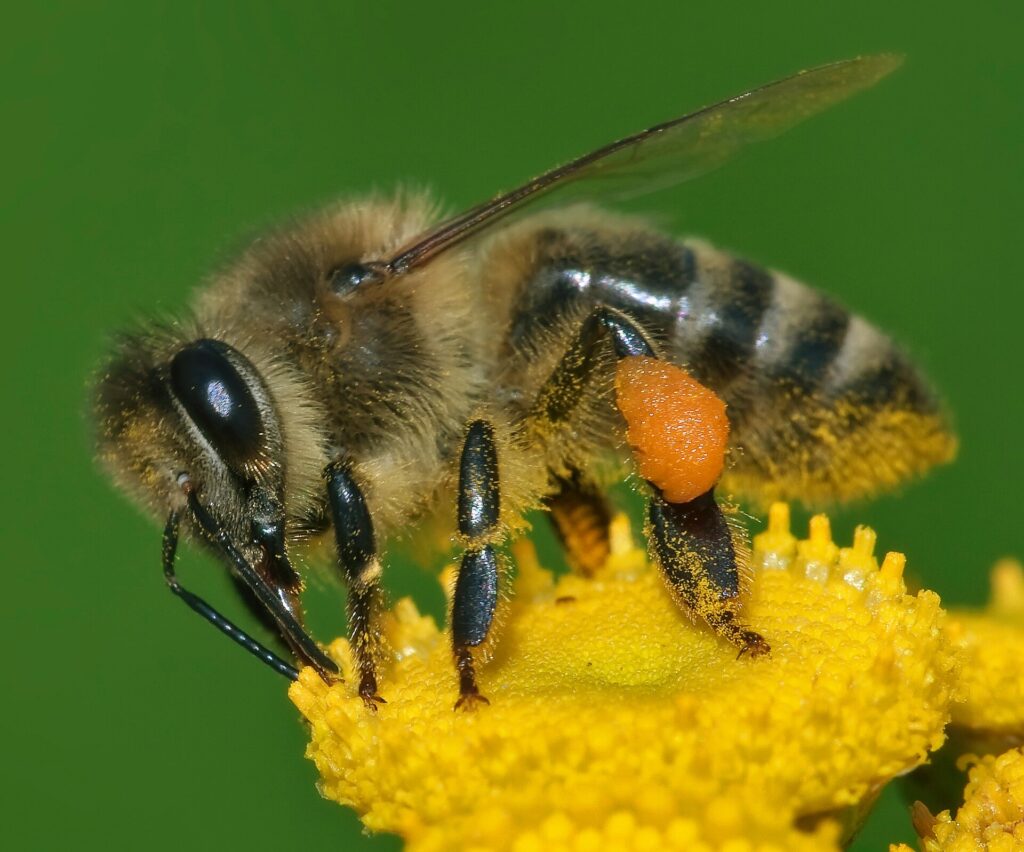
A honey bee tells its nest-mates where to find flowers by performing a ‘waggle dance’ that encodes the direction and distance of the food.
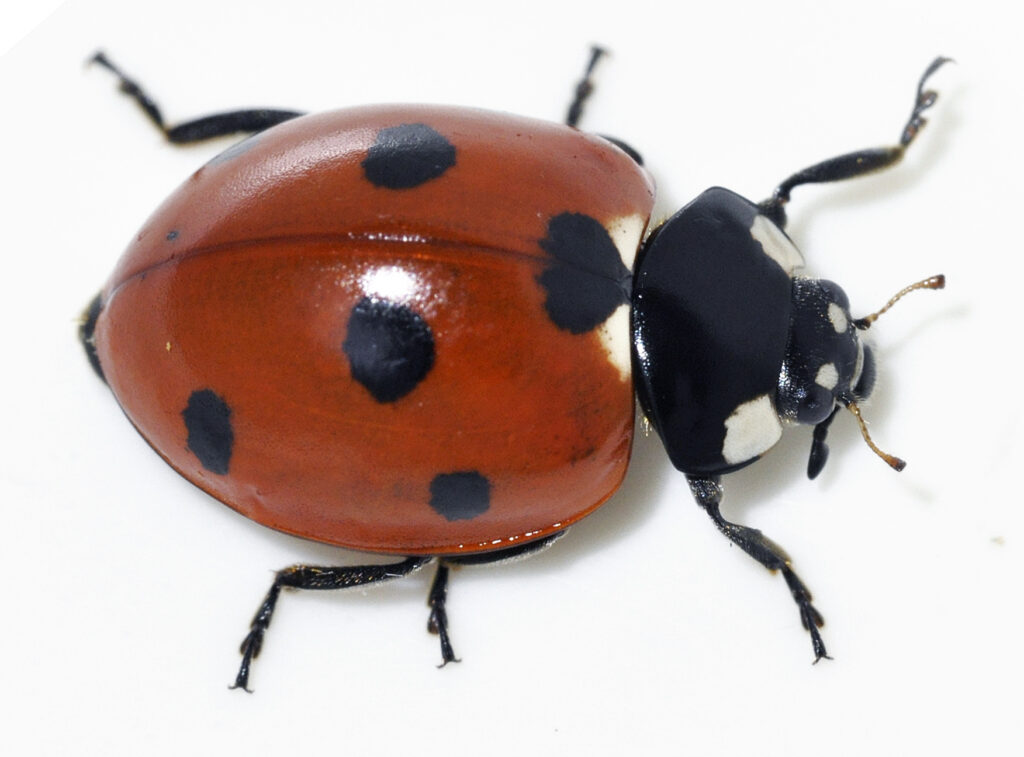
A single ladybird can eat several thousand aphids in its lifetime, making it a gardener’s best friend.
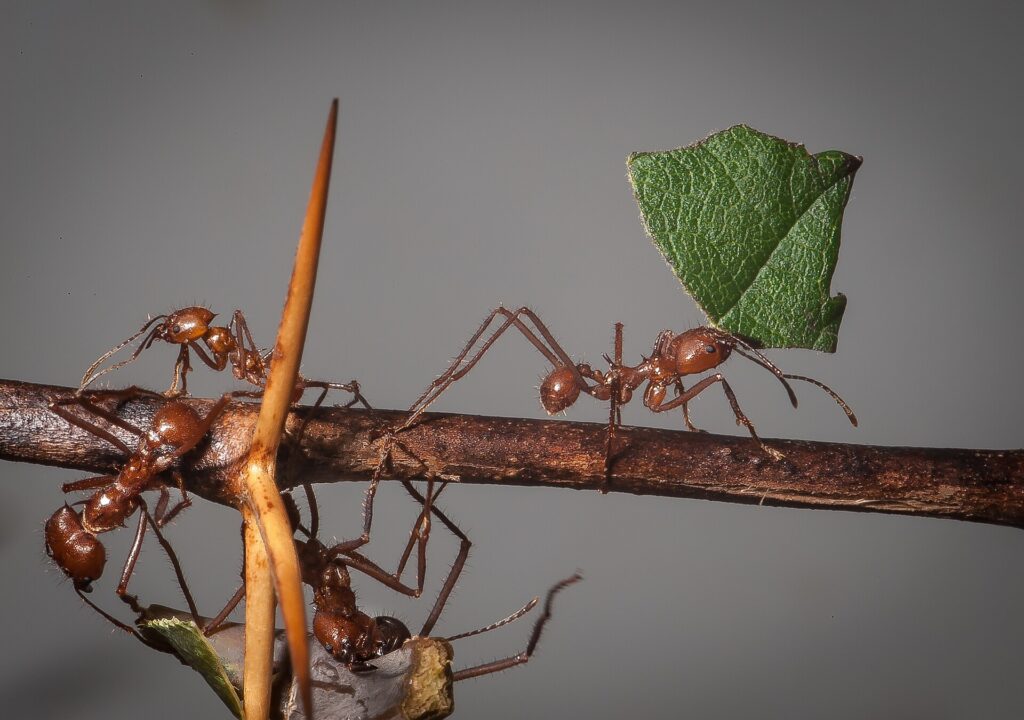
Leafcutter ants do not eat the leaves they cut: they use them to grow a fungus garden, a form of farming that ants invented tens of millions of years before humans.
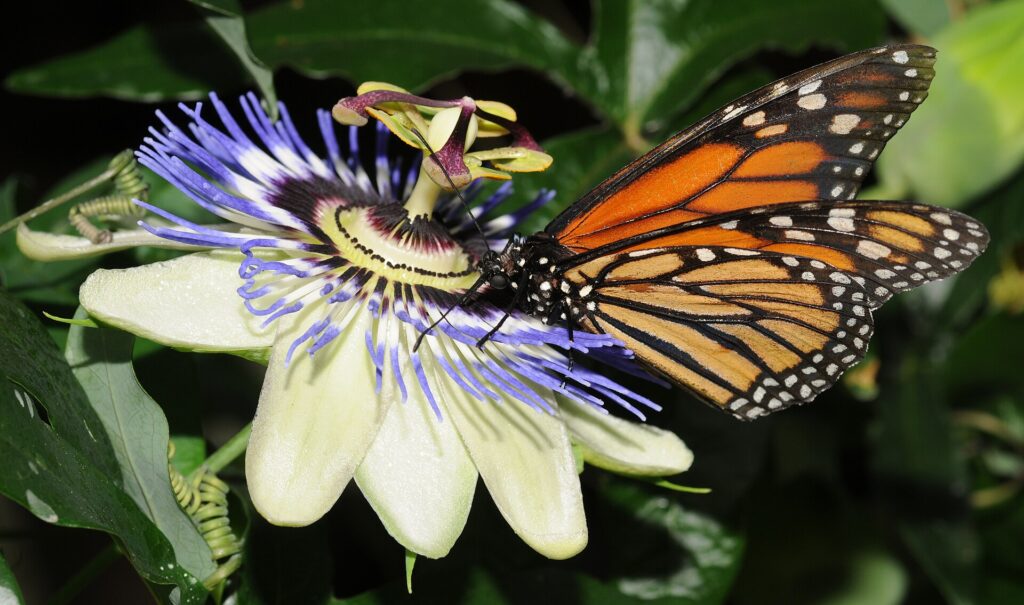
Eastern monarchs fly up to around 4,000 km or more to a few mountain forests in central Mexico, a place none of them has ever seen before.
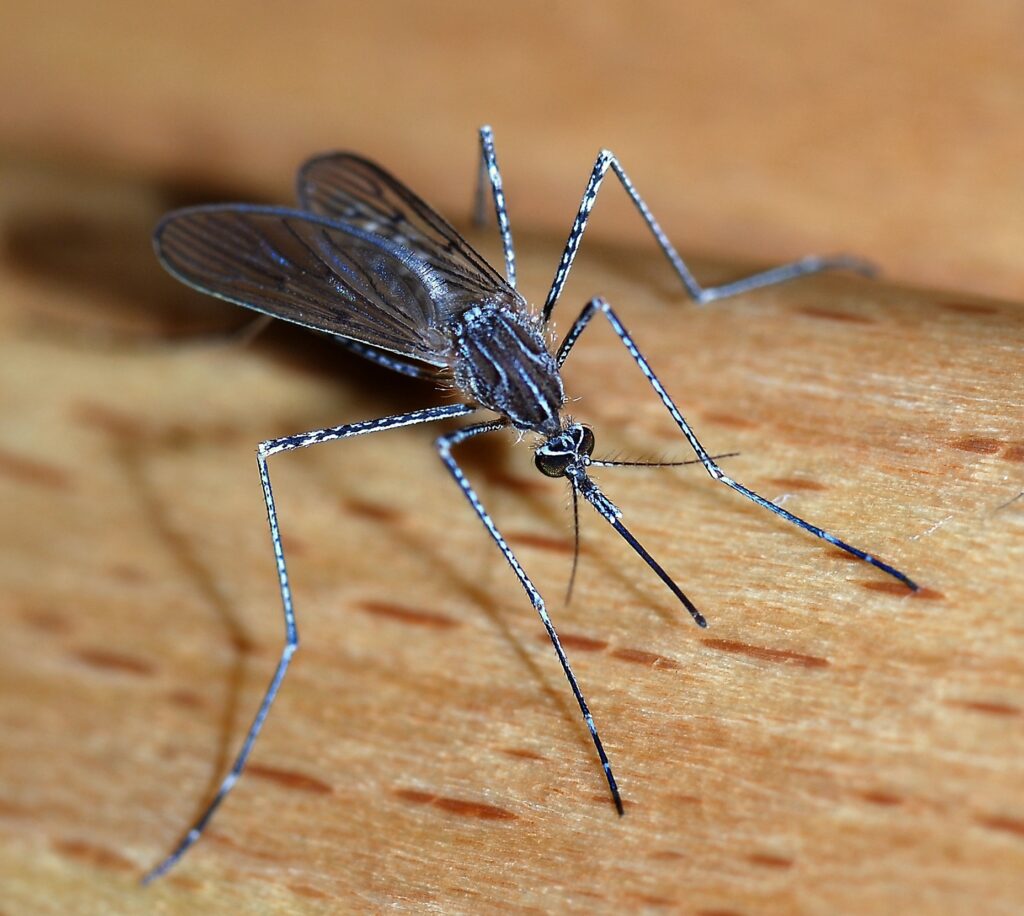
Mosquitoes are the deadliest animals to humans, because they spread diseases such as malaria, which kills around 600,000 people a year.
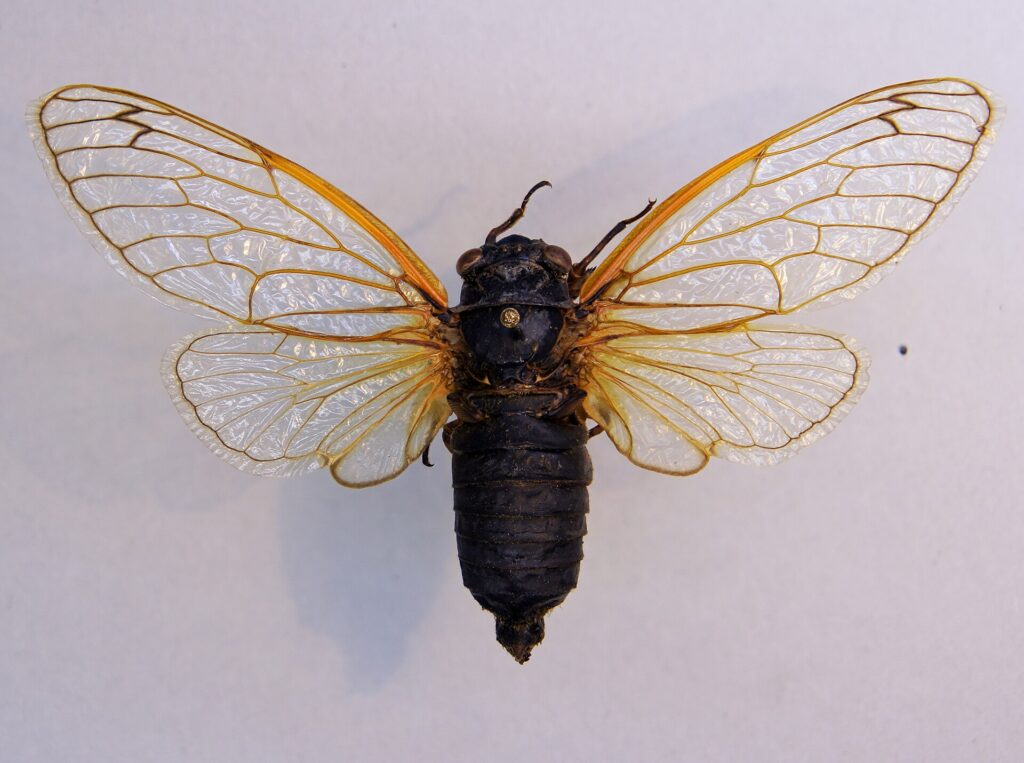
Periodical cicadas spend 13 or 17 years underground, then emerge together in their millions within a few days.
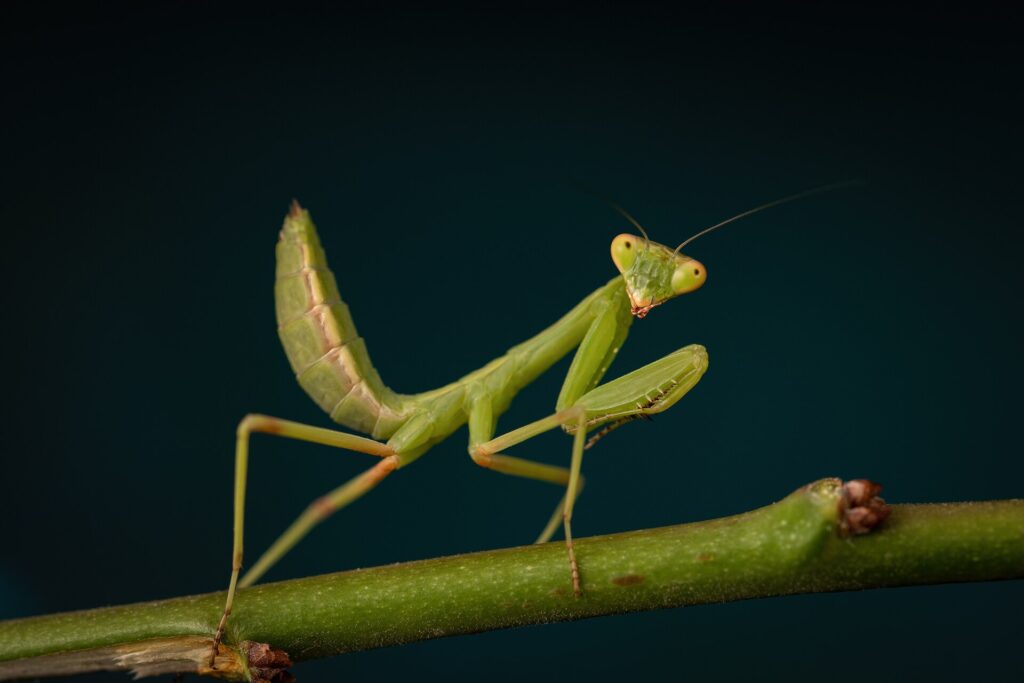
Praying mantises are the only insects proven to have 3D vision: scientists tested this by fitting them with tiny 3D glasses.
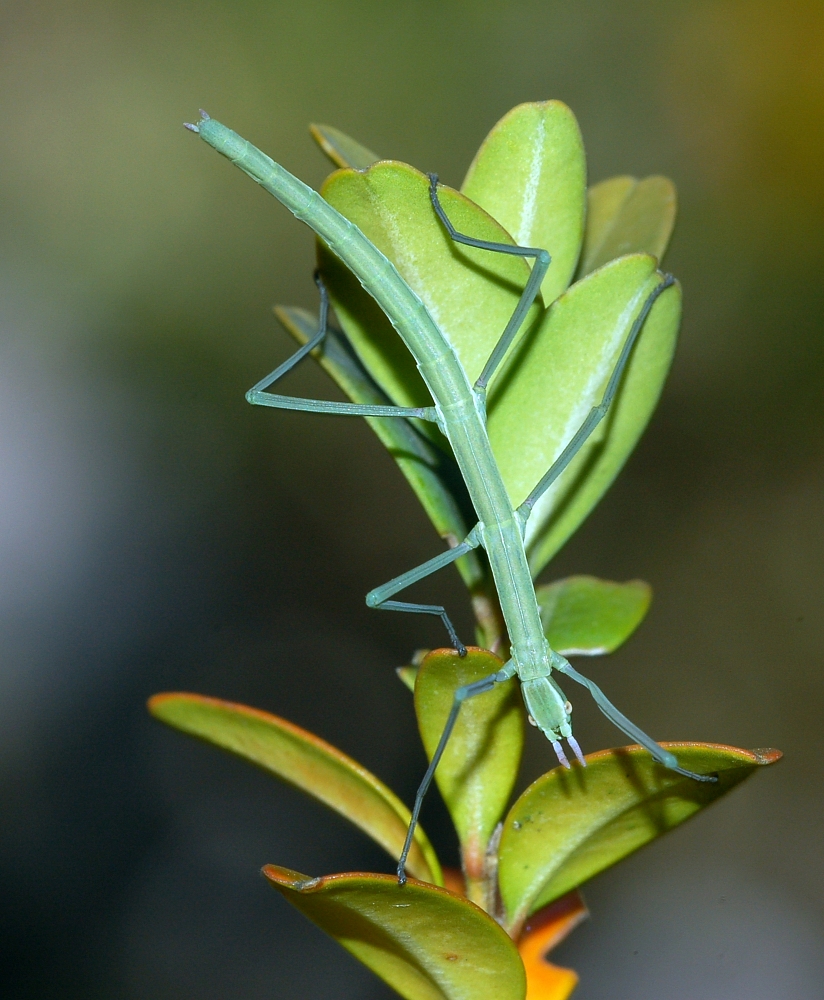
The longest insect ever recorded is a Chinese stick insect about 62 cm long, including its outstretched legs.
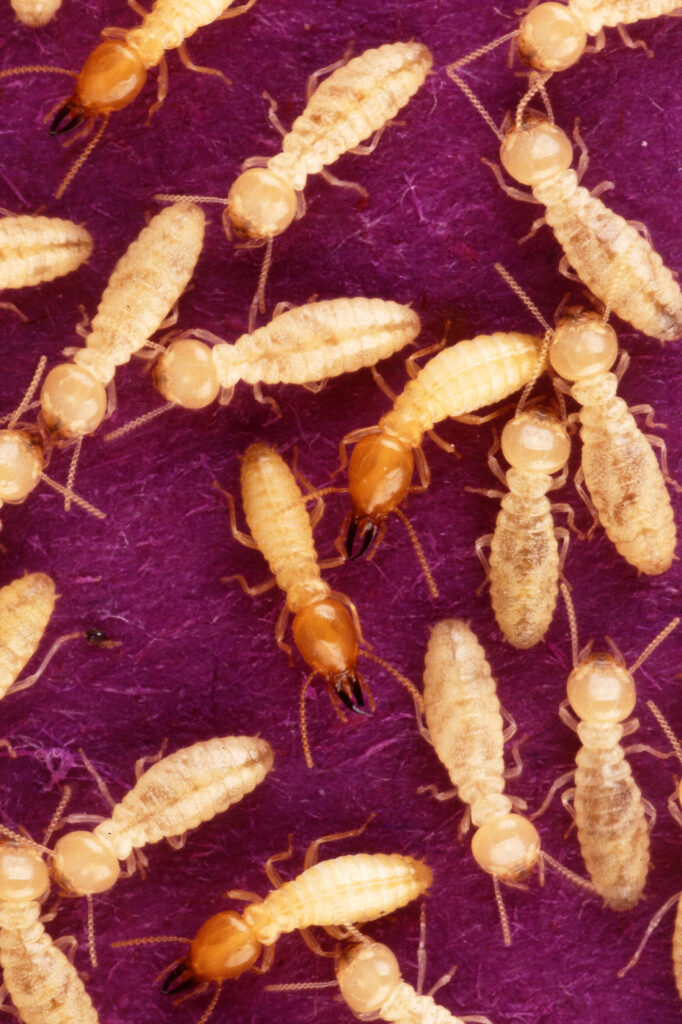
Some termite mounds are so well ventilated that engineers copied their design to cool a building in Zimbabwe without conventional air conditioning.