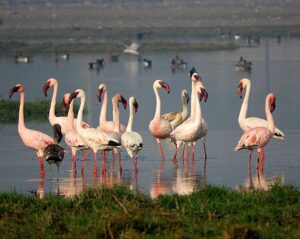
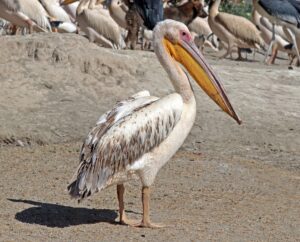
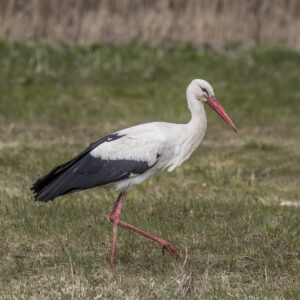
The greater flamingo is the tallest flamingo and a spectacular sight in wetlands from the Camargue in France to Lake Nakuru in Kenya and the Rann of Kutch in India. It depends on shallow, salty or alkaline waters that few other animals can use.
Interesting facts
- The greater flamingo is the largest and most widespread flamingo species.
- Flamingos feed with their heads upside down, filtering food through comb-like structures in their bills.
- They often stand on one leg, which may help save energy.
- Groups perform synchronised displays of head-flagging and marching.
- Both parents feed the chick with ‘crop milk’ produced in their throats.
- Large colonies can contain tens of thousands of pairs.
Behaviour
Flamingos are highly social and live and breed in large colonies. They fly between wetlands at night, sometimes over hundreds of kilometres.
Breeding and young
Pairs build mud mounds and lay a single egg. Chicks gather into large crèches watched over by a few adults while the parents feed.
Threats and conservation
Loss and disturbance of breeding wetlands, water extraction, pollution and changes in water levels.
Where to see it
- Camargue, France
- Doñana, Spain
- Lake Nakuru and Lake Bogoria, Kenya
- Rann of Kutch, India
- Walvis Bay, Namibia
Status source: IUCN Red List. Profile last reviewed September 2026.
Where to see the greater flamingo
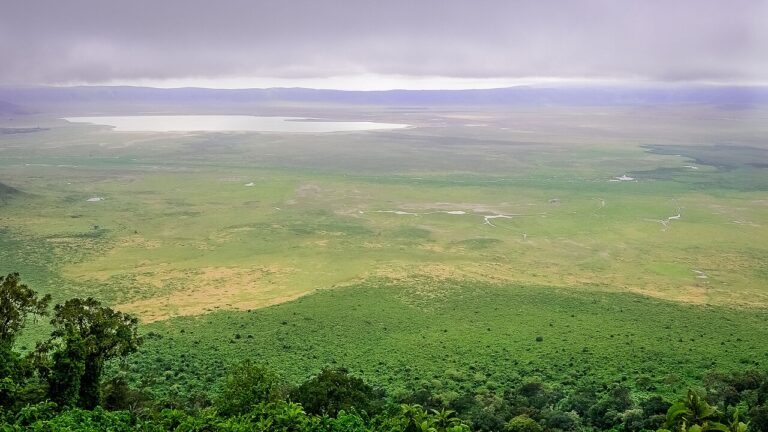 Ngorongoro Crater Guide: Africa’s Garden of EdenA collapsed volcano packed with lions, rhinos, elephants and flamingos. How to plan the perfect crater day and…
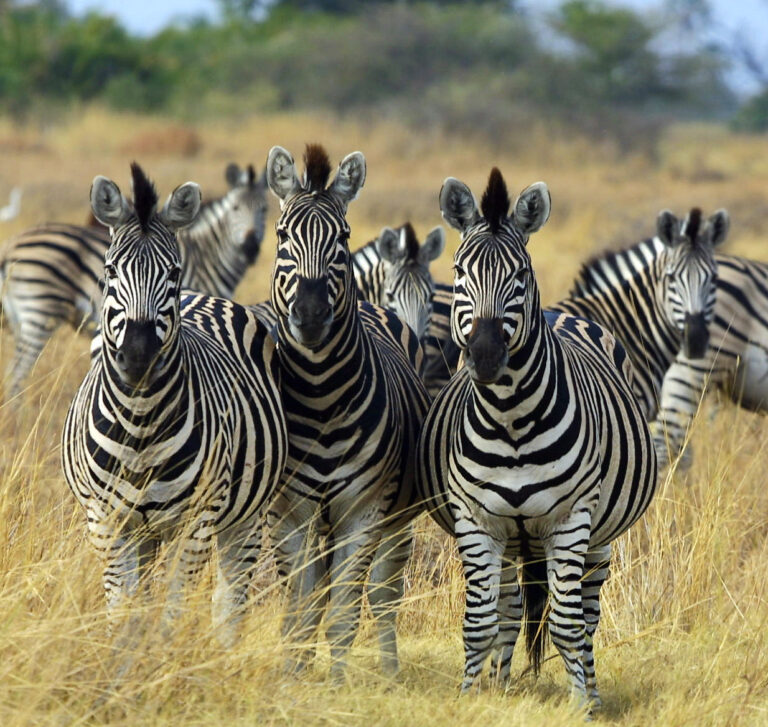 Makgadikgadi Pans and the Zebra MigrationBotswana's vast salt pans host one of Africa's great zebra migrations, habituated meerkats and nights under the stars.…
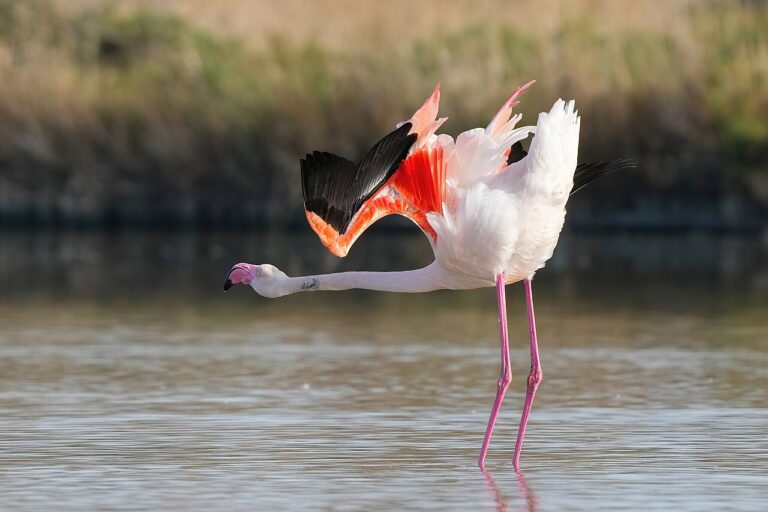 The Camargue: Flamingos, White Horses and WetlandsThe Rhône delta is home to France's only breeding flamingos, white horses and black bulls. A guide to…