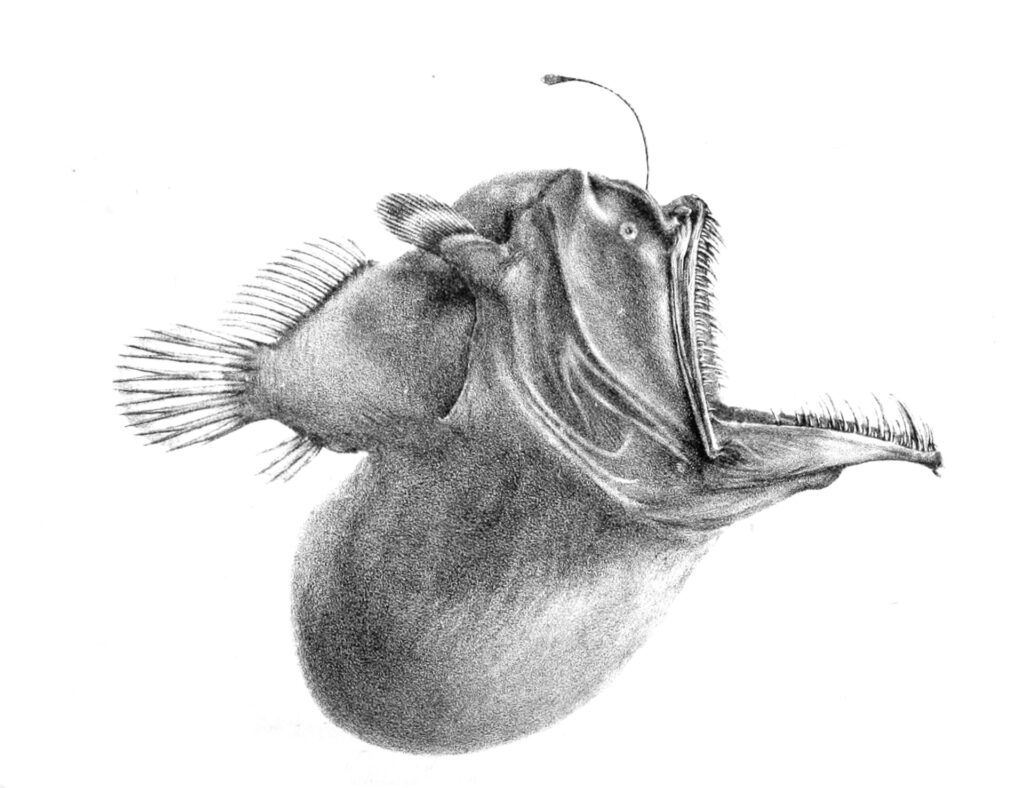
Anglerfish
In some deep-sea anglerfish, tiny males fuse permanently to much larger females, sharing their blood supply for the rest of their lives.
In some deep-sea anglerfish, tiny males fuse permanently to much larger females, sharing their blood supply for the rest of their lives.
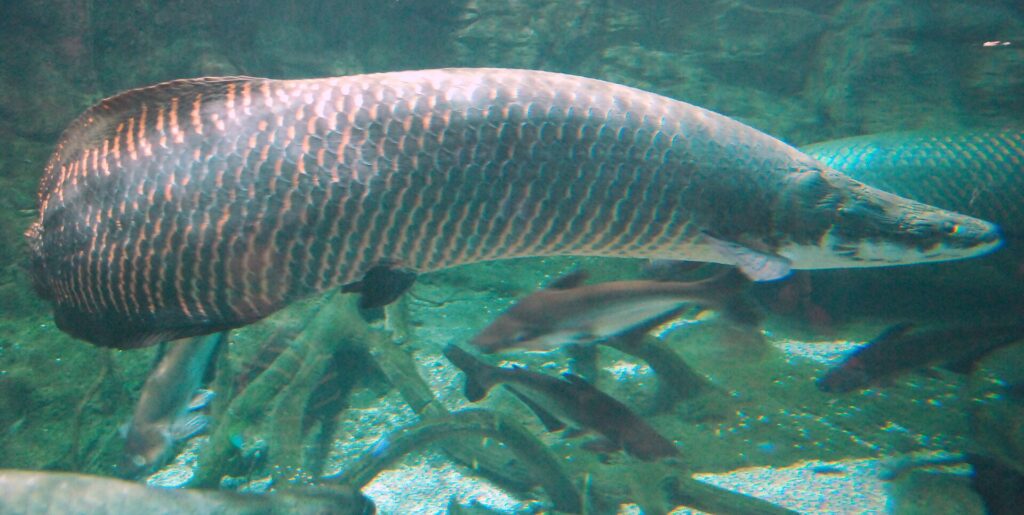
The arapaima must rise to the surface to gulp air every 5 to 20 minutes, because it gets most of its oxygen by breathing air.
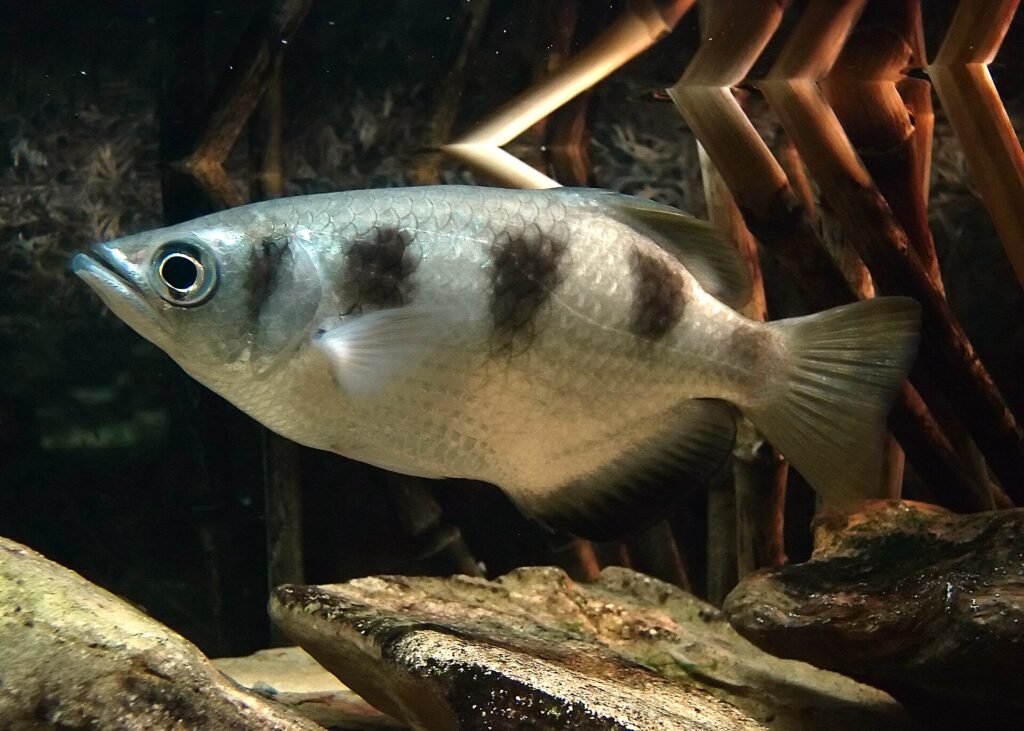
Archerfish shoot jets of water up to about 3 metres to knock insects off leaves, correcting for the way light bends at the water’s surface.
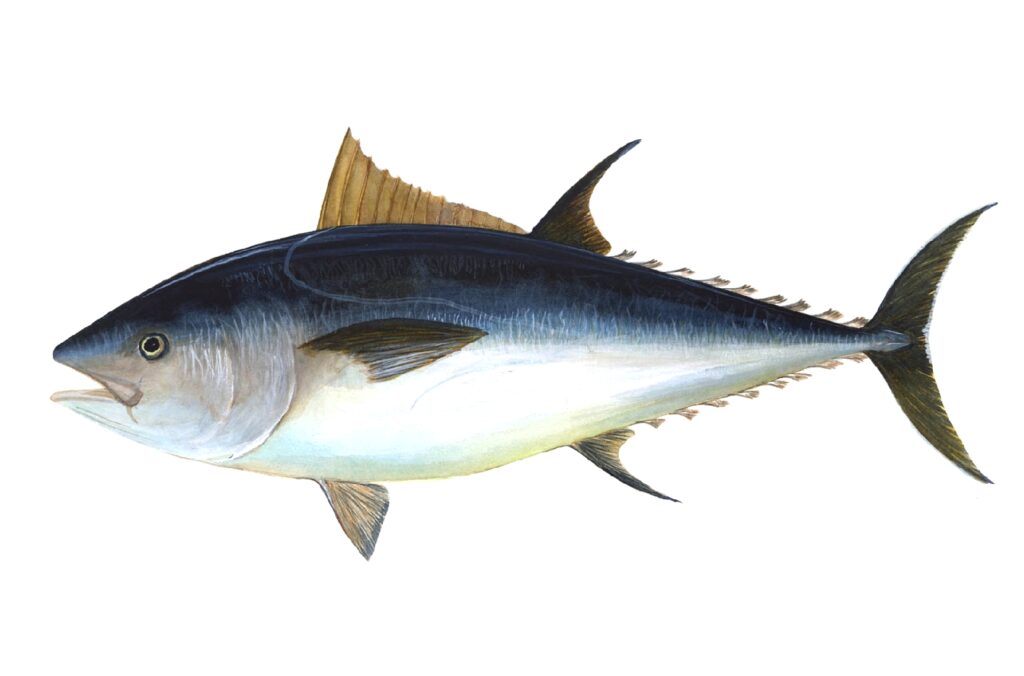
Bluefin tuna are warm-blooded fish: a heat exchange system in their blood vessels keeps their muscles much warmer than the surrounding water.
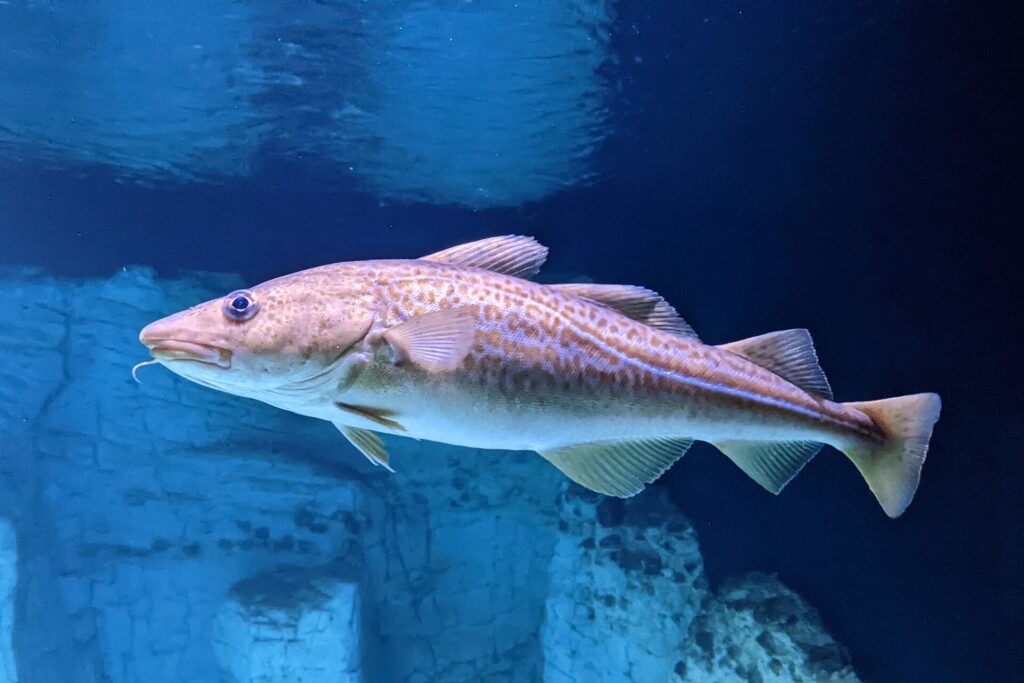
The collapse of the cod stocks off Newfoundland in 1992 put about 40,000 people out of work and became a global warning about overfishing.
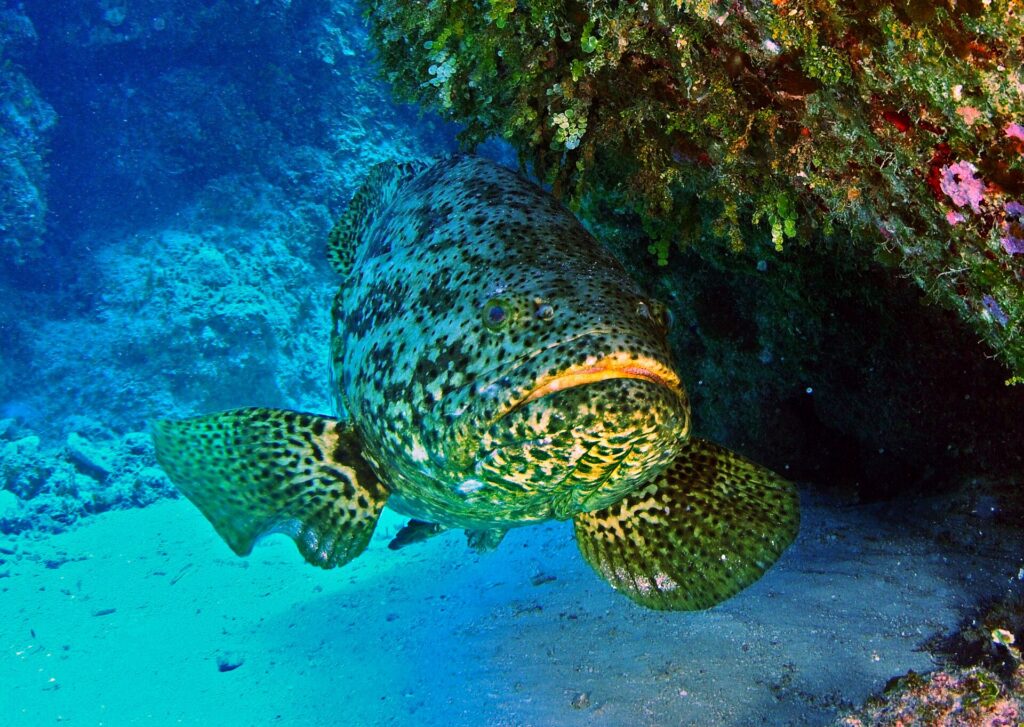
Goliath groupers can make loud, booming sounds with their swim bladders that divers can feel as well as hear.
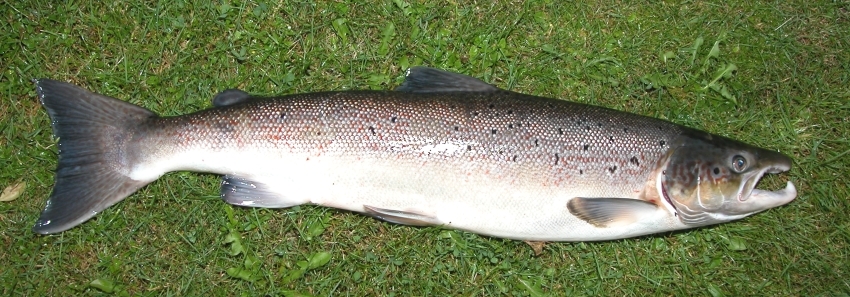
Atlantic salmon find their way back to the exact river where they hatched, years later, largely by recognising its smell.
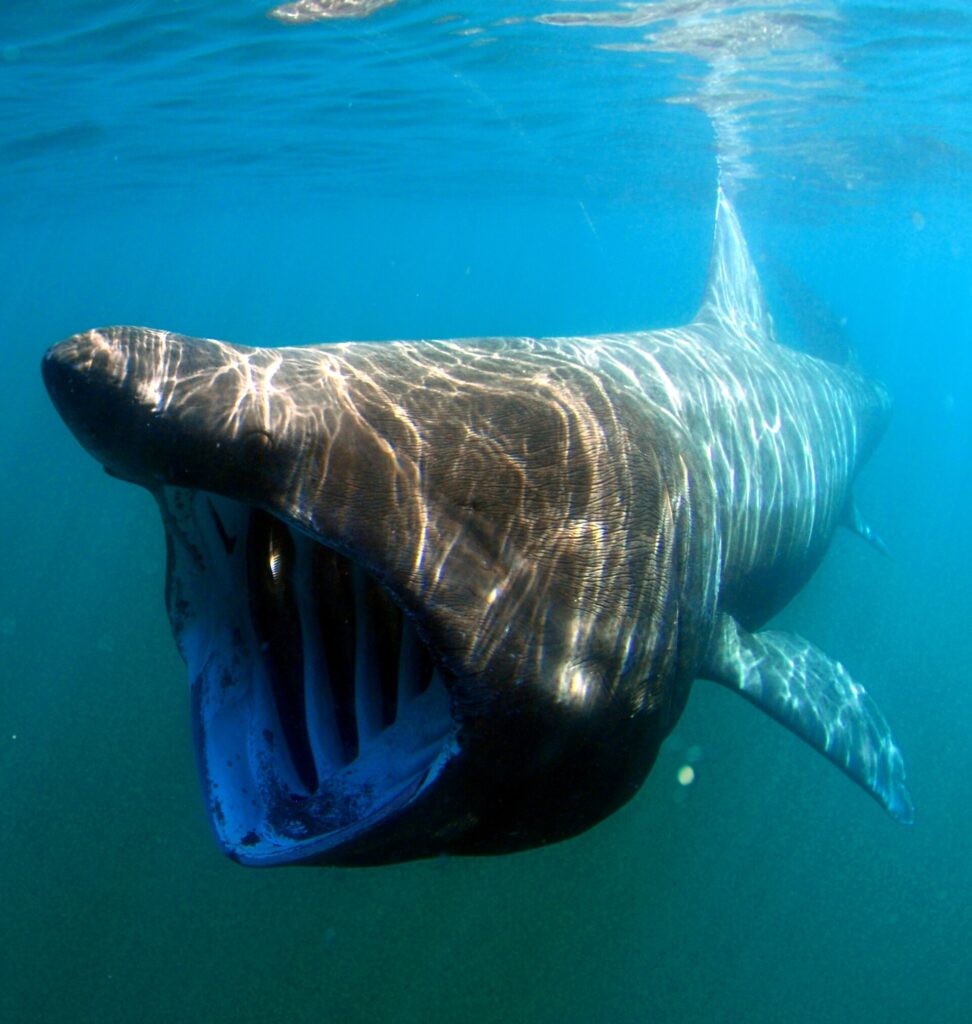
The basking shark is the second-largest fish in the world, and it filters up to about 2,000 tonnes of water an hour through its huge open mouth.
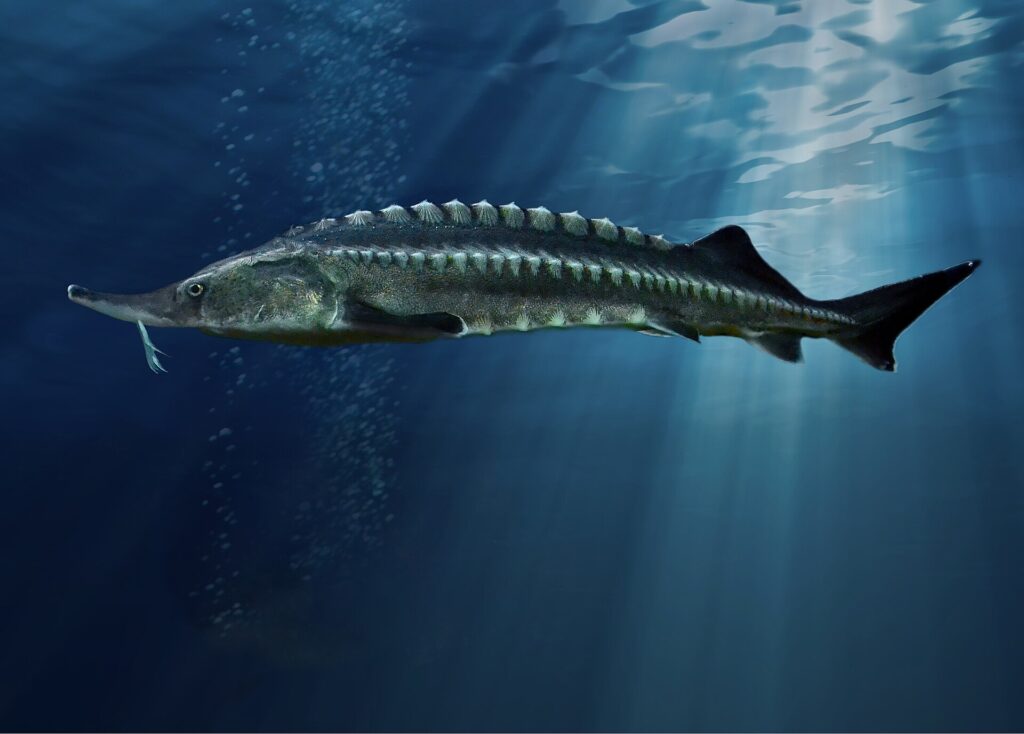
The beluga sturgeon is one of the largest bony fish ever recorded; a female caught in the Volga in 1827 was reported at over 7 metres and about 1.5 tonnes.
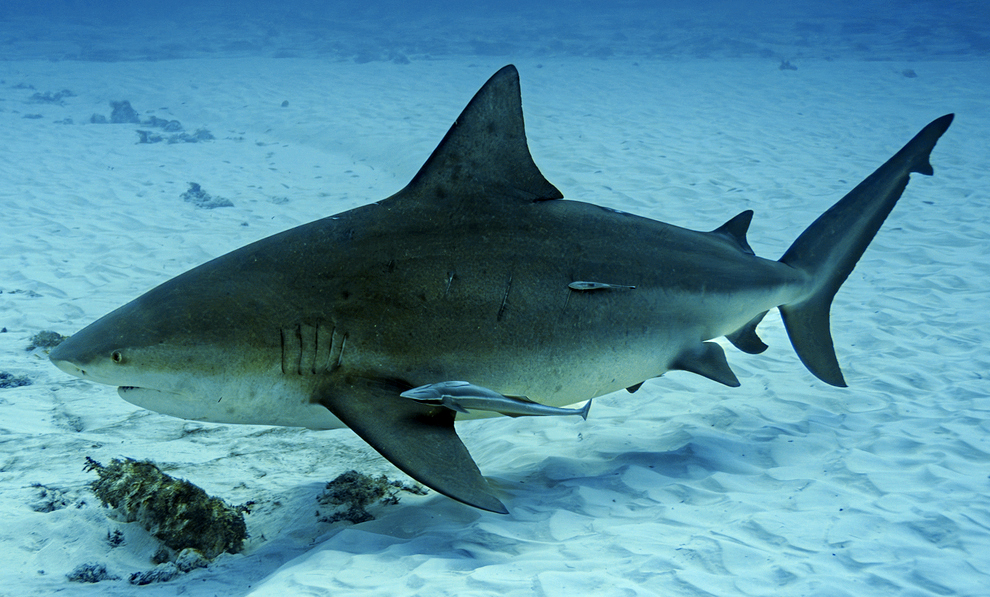
Bull sharks can live in fresh water and have been found thousands of kilometres up the Amazon River and far up the Mississippi.
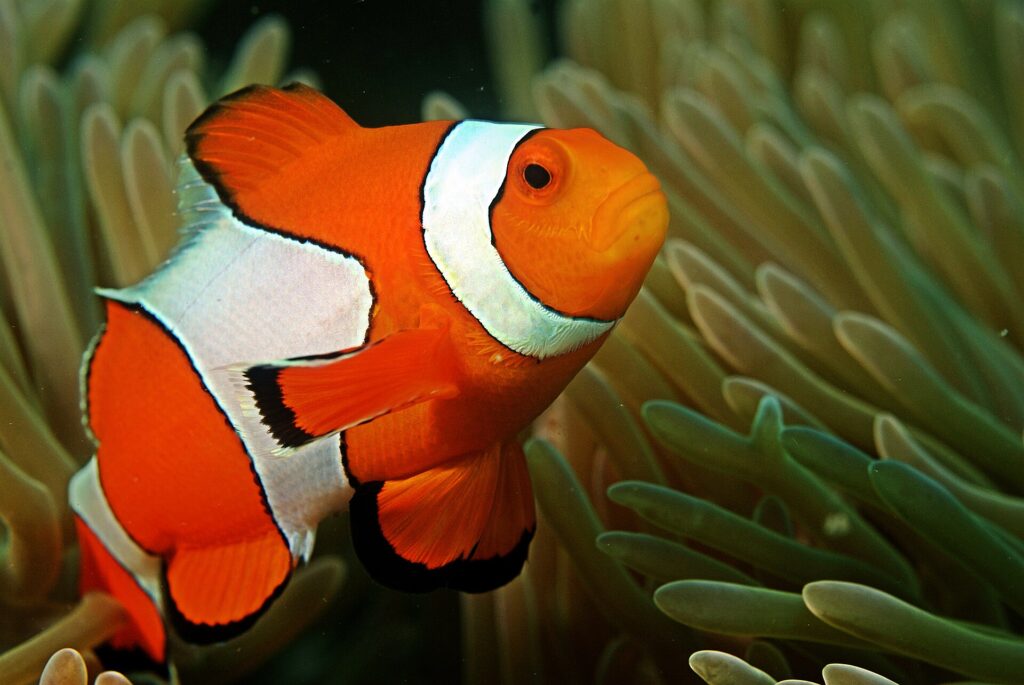
All clownfish are born male; when the dominant female of a group dies, the largest male changes sex and becomes the new female.
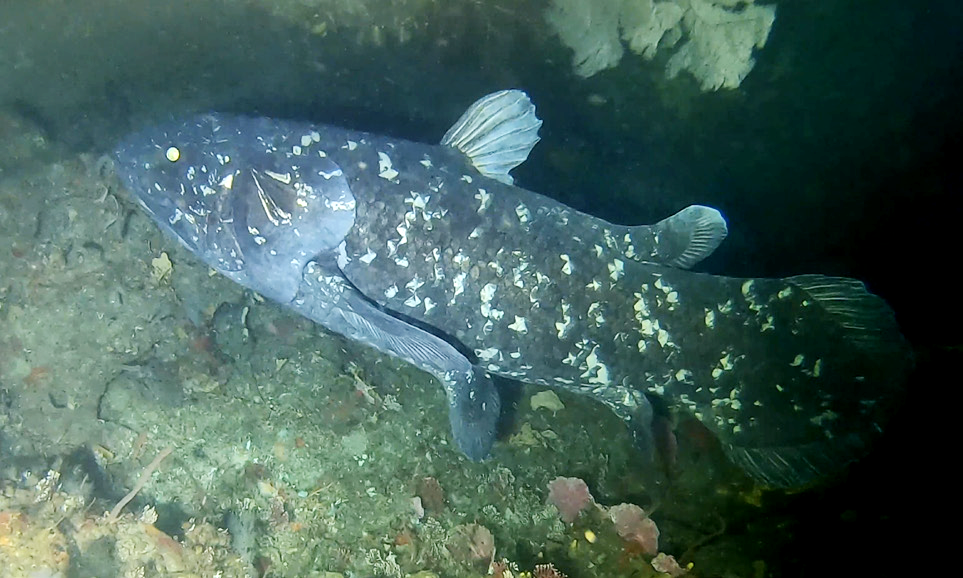
Coelacanths were known only from fossils and thought extinct for about 66 million years until one was caught off South Africa in 1938.
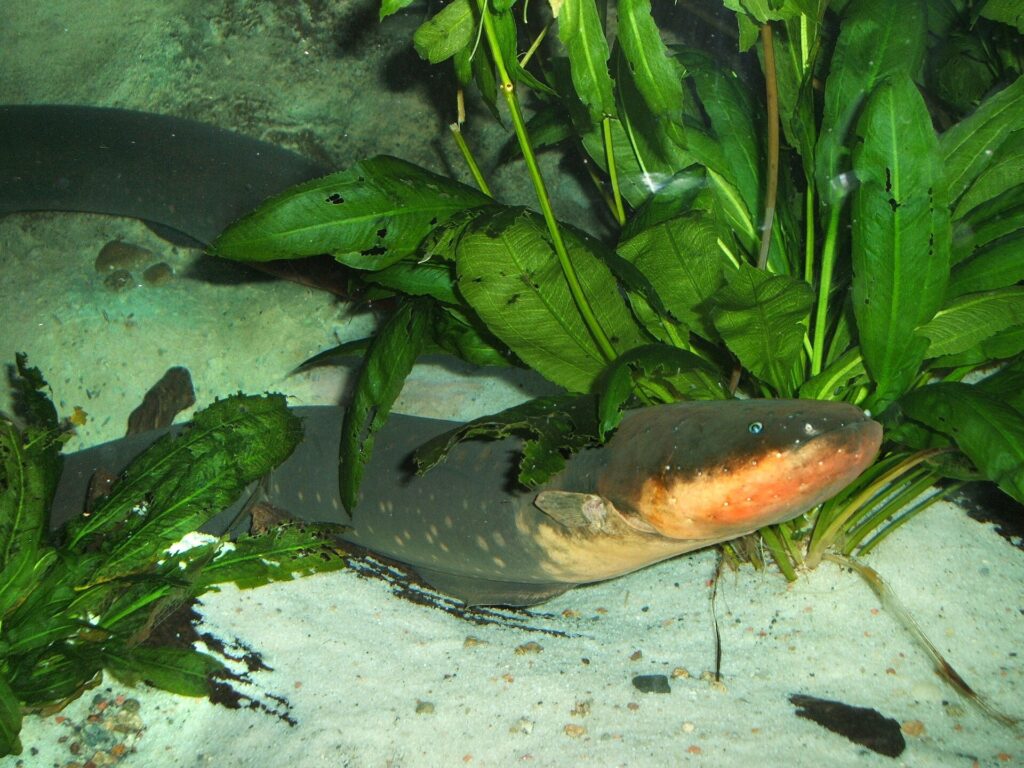
One species of electric eel, described in 2019, can produce shocks of up to about 860 volts, the strongest electric discharge known from any animal.
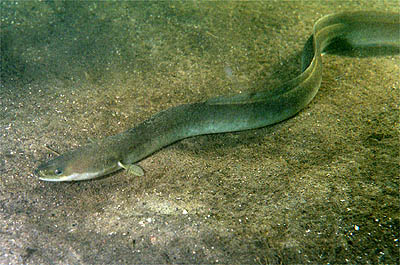
European eels swim about 5,000–6,000 km across the Atlantic to breed in the Sargasso Sea, yet no one has ever seen them spawning.
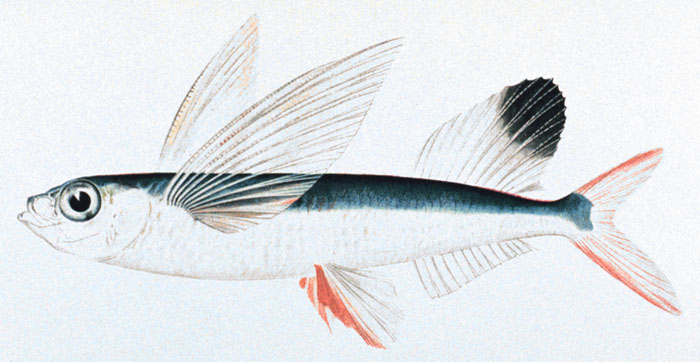
A flying fish can glide for about 50 metres or more, and one was filmed staying airborne for about 45 seconds by touching the water with its tail to keep going.
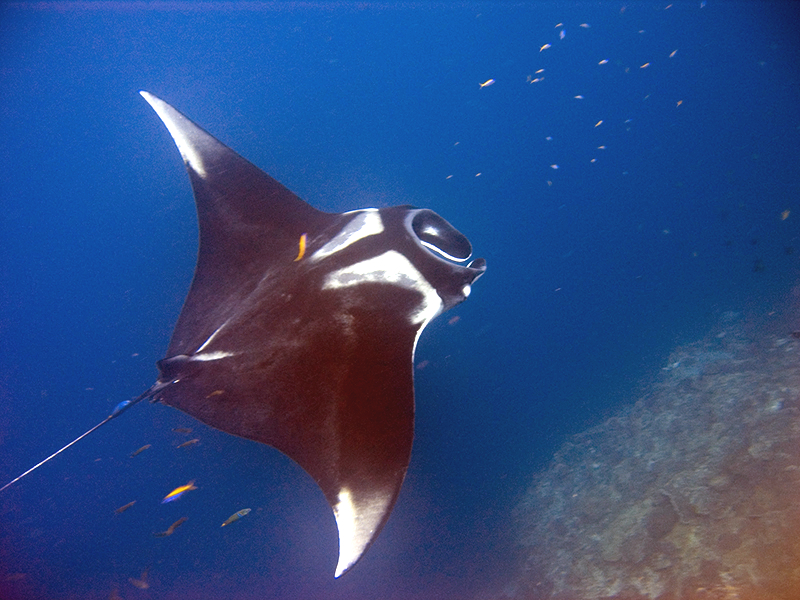
Manta rays have one of the largest brains relative to body size of any fish, and they appear to recognise themselves in mirrors in experiments.
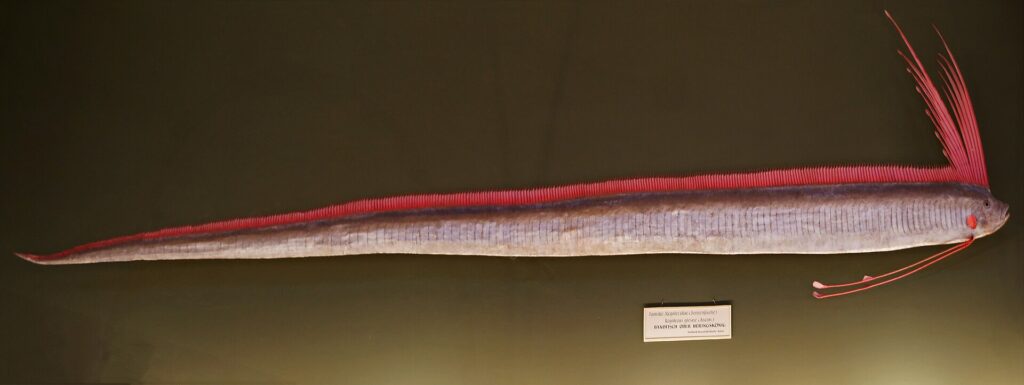
The giant oarfish is the longest bony fish in the world and is thought to be behind many legends of sea serpents.
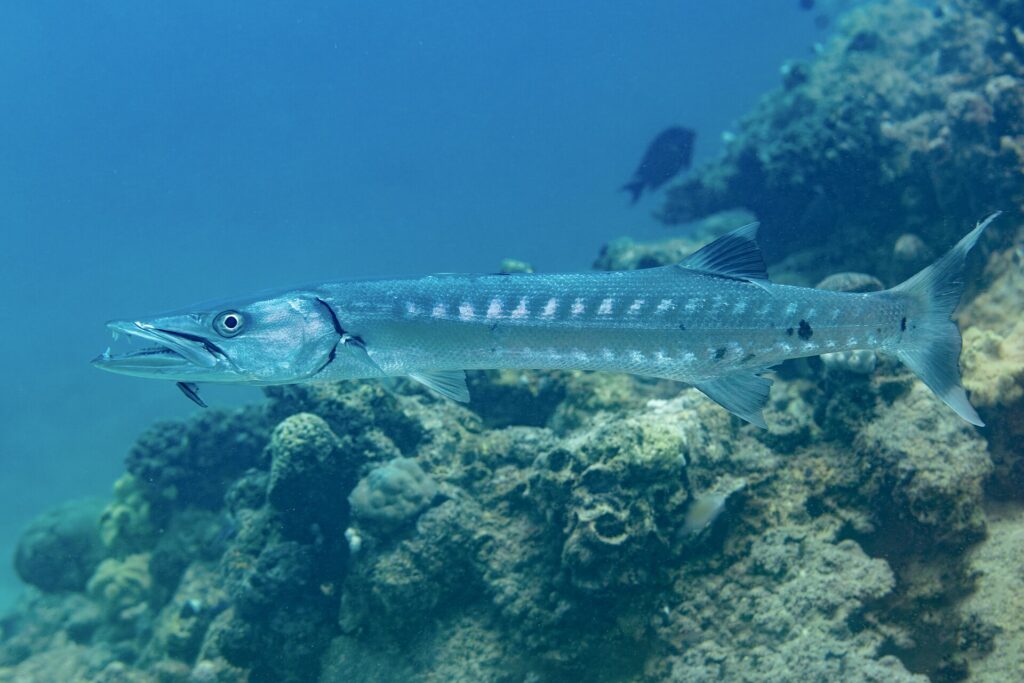
Great barracudas often follow snorkellers out of curiosity, watching them with their fang-filled jaws slightly open.
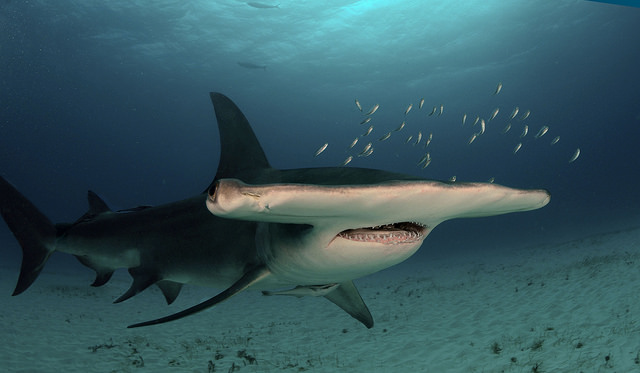
A hammerhead’s wide head, called a cephalofoil, spreads out its electrical sensors, helping it find stingrays buried in sand.
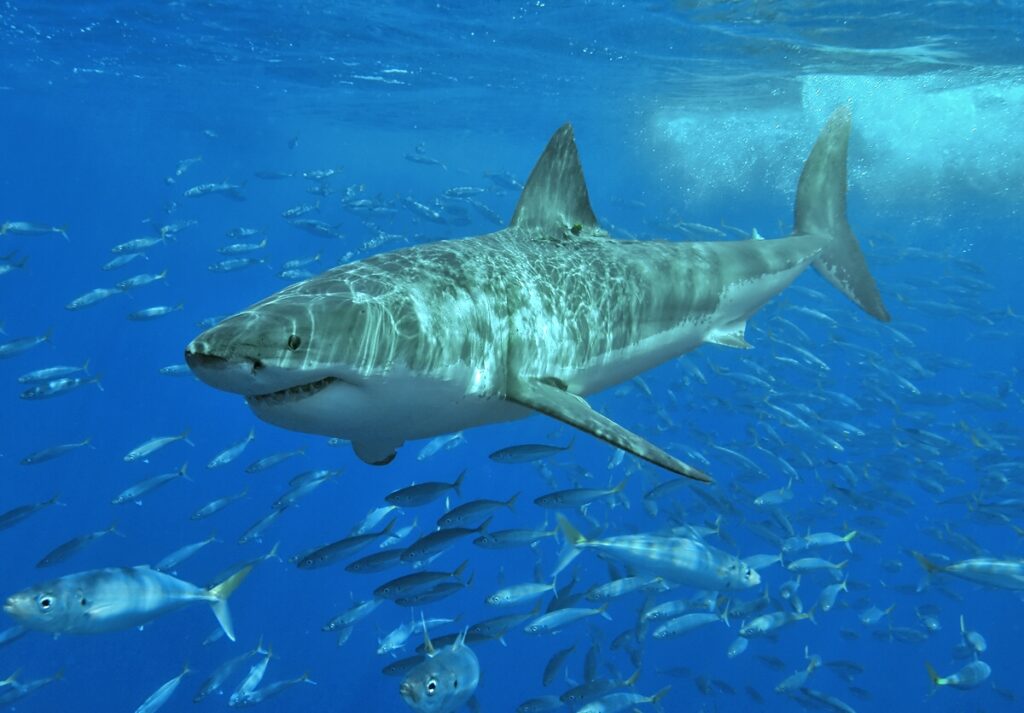
Great white sharks can detect tiny electrical fields from living animals using sensory pores on their snouts called ampullae of Lorenzini.
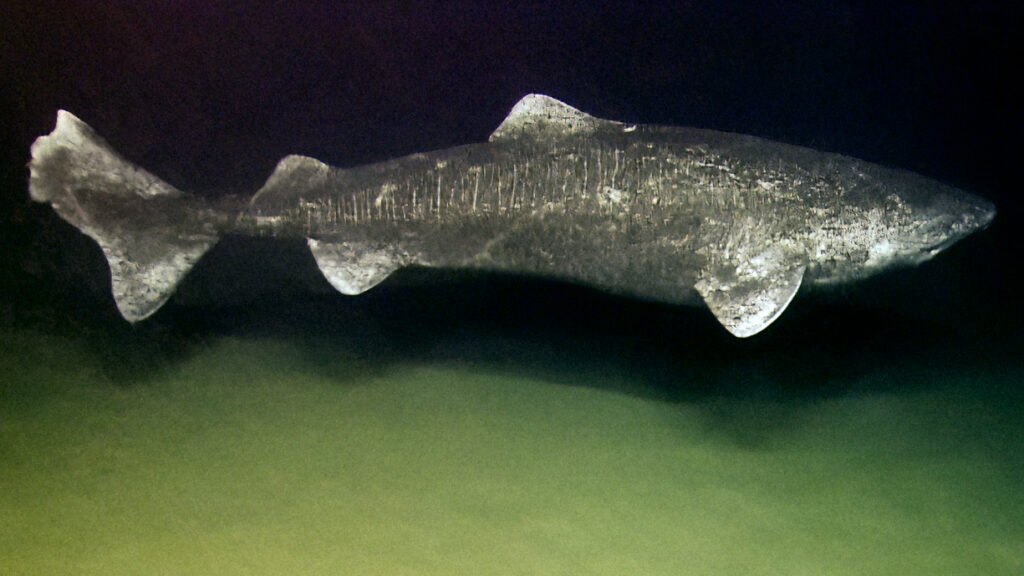
The Greenland shark is the longest-lived vertebrate known: scientists estimated one individual to be around 400 years old.
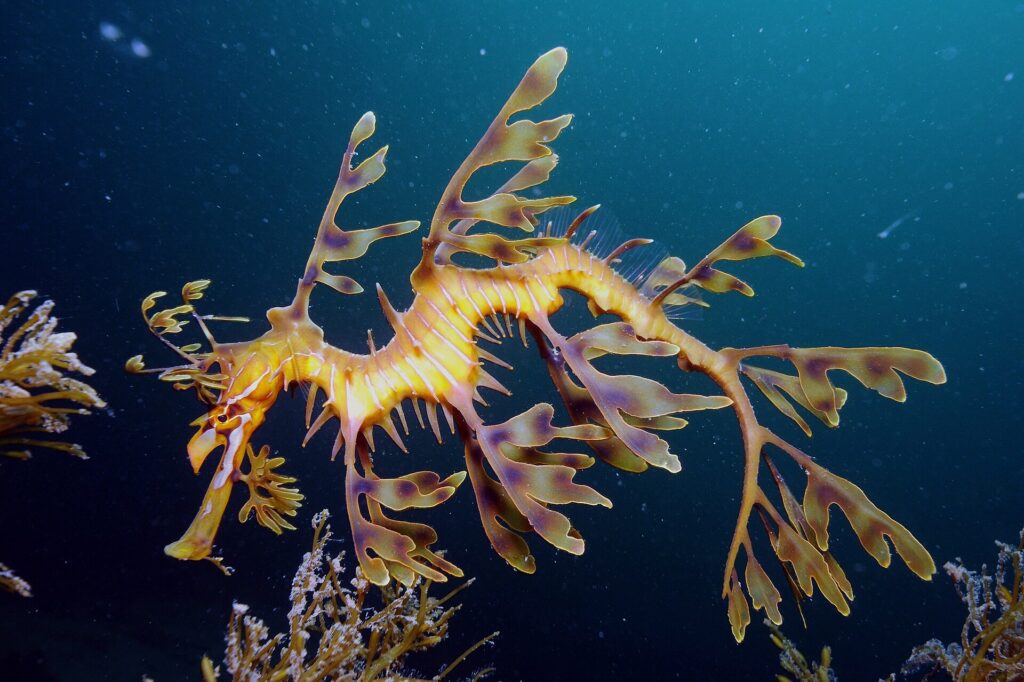
The leafy seadragon is covered in leaf-shaped growths that make it look like drifting seaweed, one of the most remarkable camouflages in the sea.
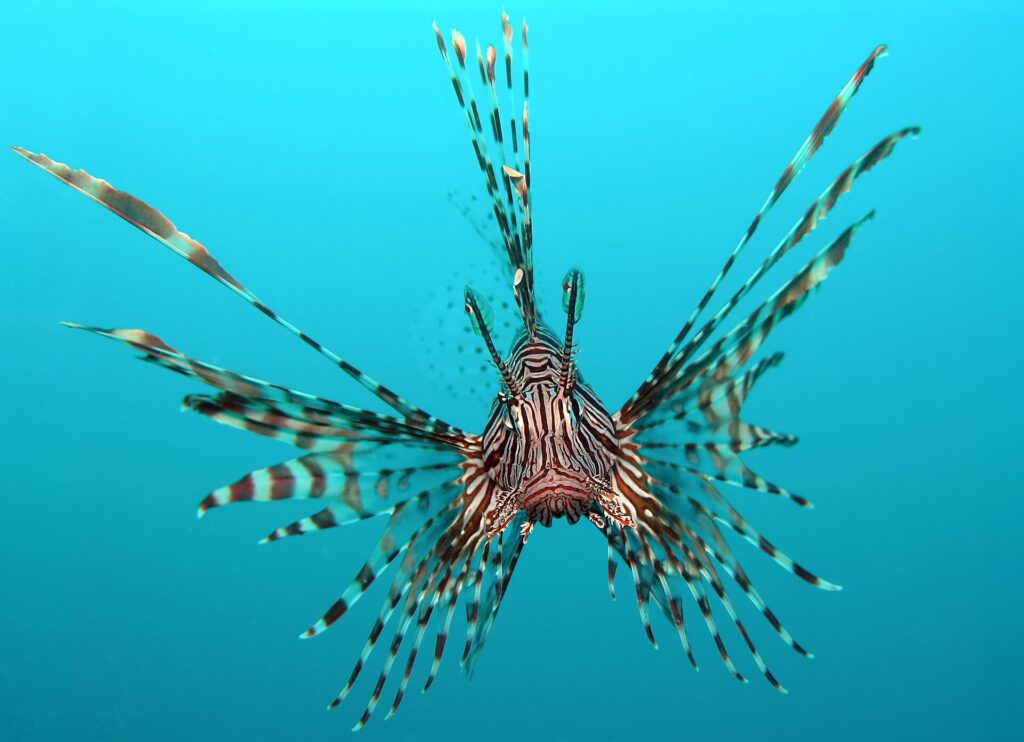
Lionfish released from aquariums in Florida have spread across the Caribbean, where a single lionfish can cut the number of young native fish on a reef by almost 80 percent in a few weeks.