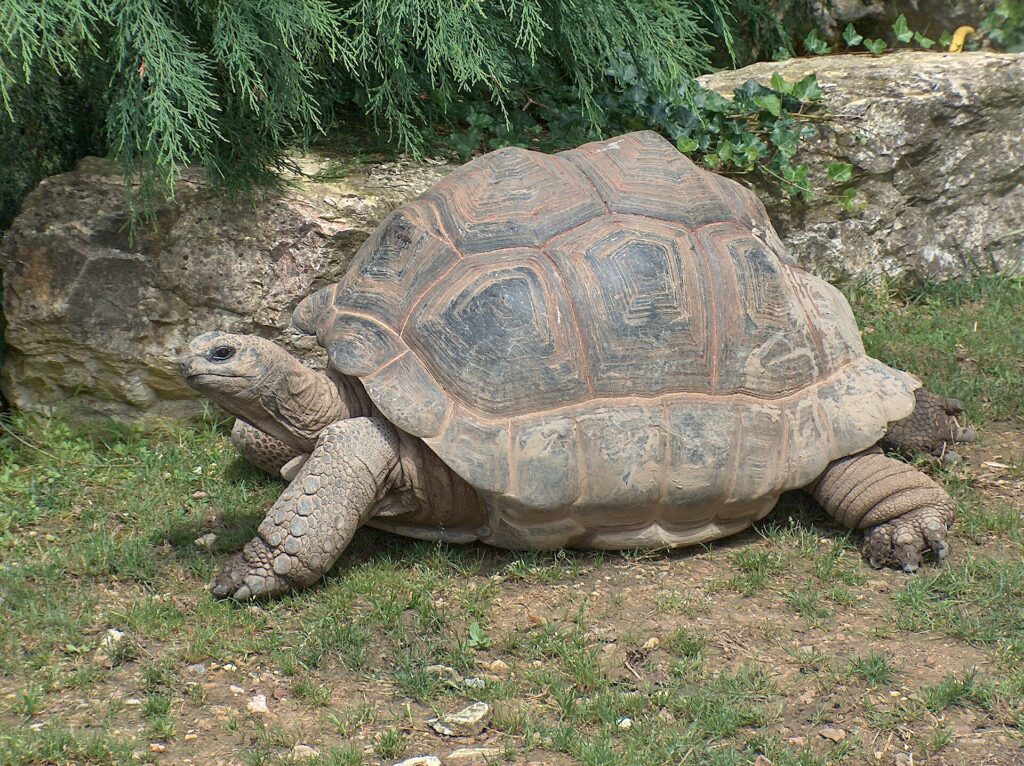
Aldabra Giant Tortoise
Aldabra Atoll is home to about 100,000 giant tortoises, the largest population of giant tortoises in the world.
Aldabra Atoll is home to about 100,000 giant tortoises, the largest population of giant tortoises in the world.
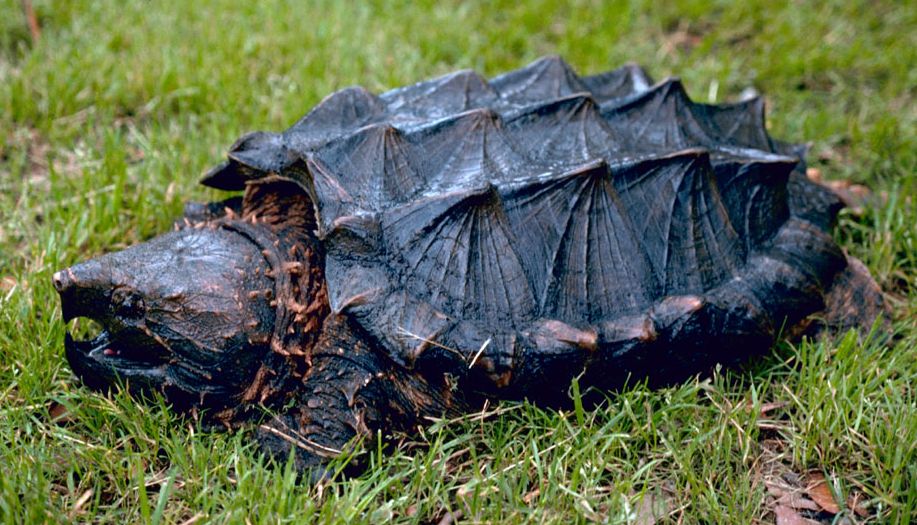
The alligator snapping turtle lies motionless on the riverbed with its mouth open, wiggling a pink, worm-like lure on its tongue to attract fish.
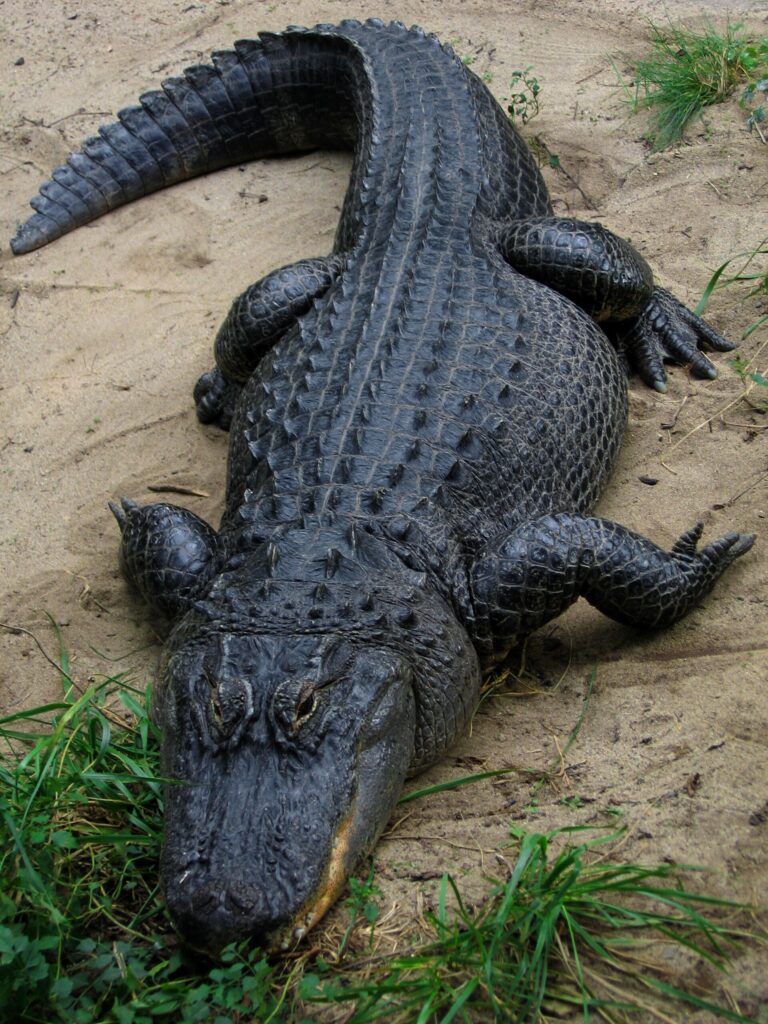
Alligators dig ‘gator holes’ that hold water through droughts, creating refuges for fish, turtles and birds, which makes them ecosystem engineers.
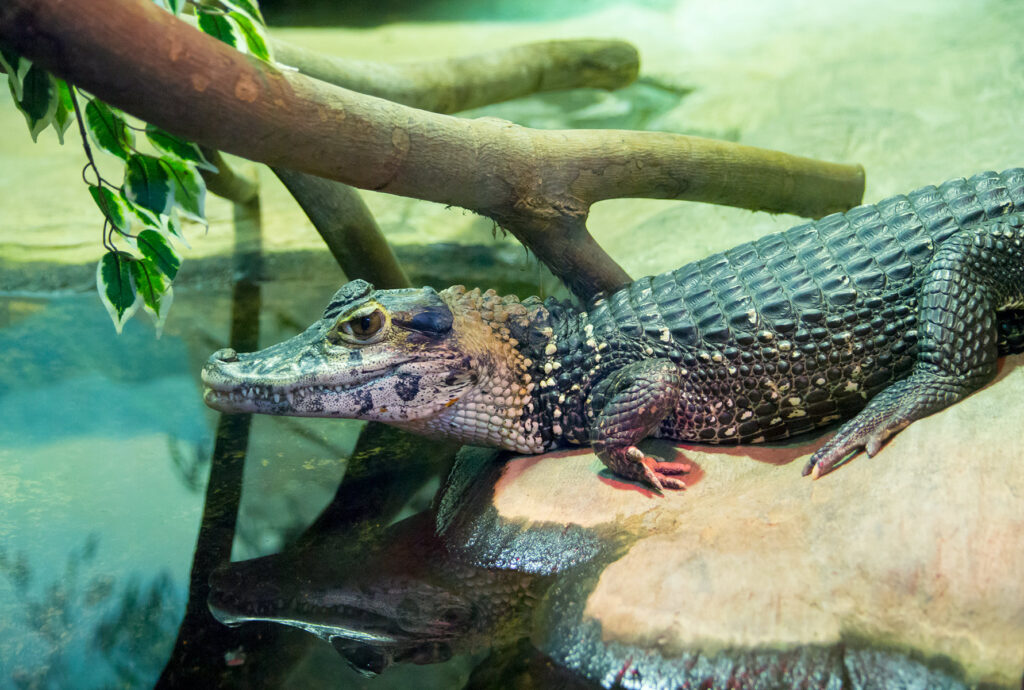
The black caiman is the largest predator in the Amazon and the biggest member of the alligator family.
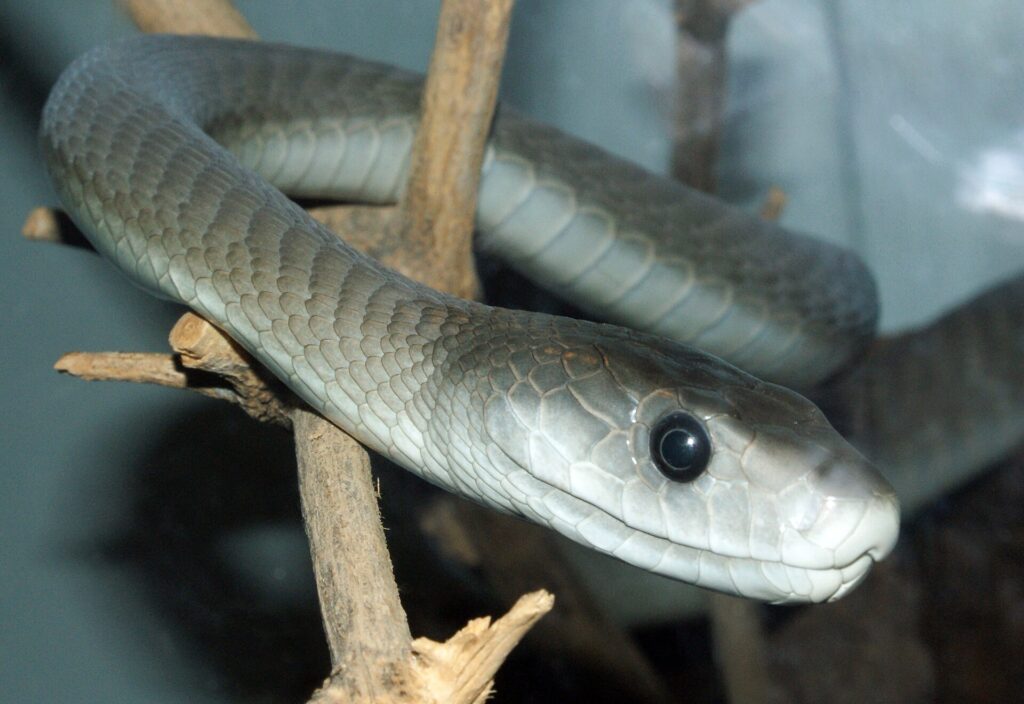
The black mamba is named not for its olive-grey body but for the inky black inside of its mouth, which it shows when threatened.
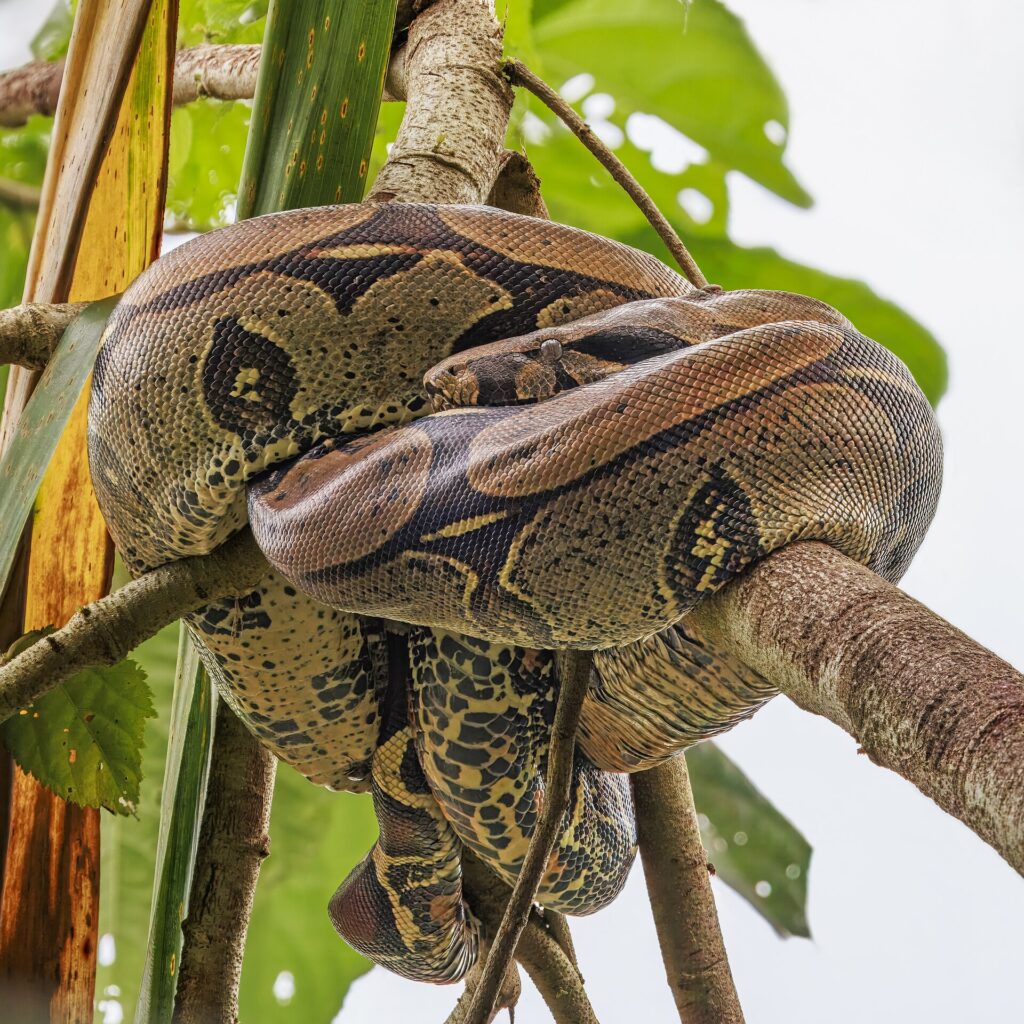
A boa constrictor kills its prey by stopping its blood flow as it squeezes, not by suffocation as people long believed.
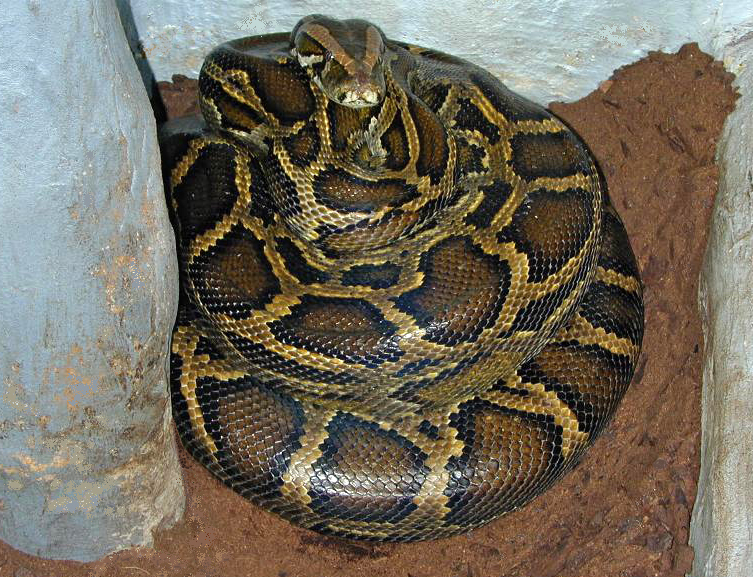
After a big meal, a Burmese python’s heart can grow by about 40 percent and its other organs expand to digest its huge meal.
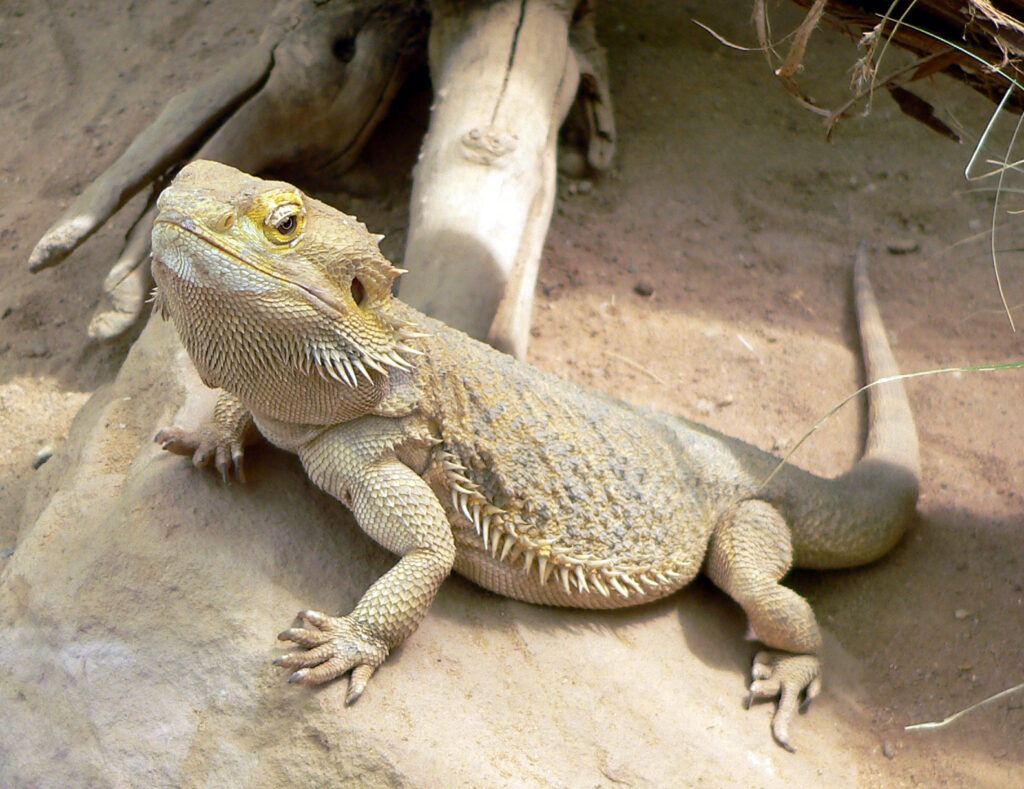
In bearded dragons, high nest temperatures can turn genetically male embryos into females, a discovery confirmed in wild populations.
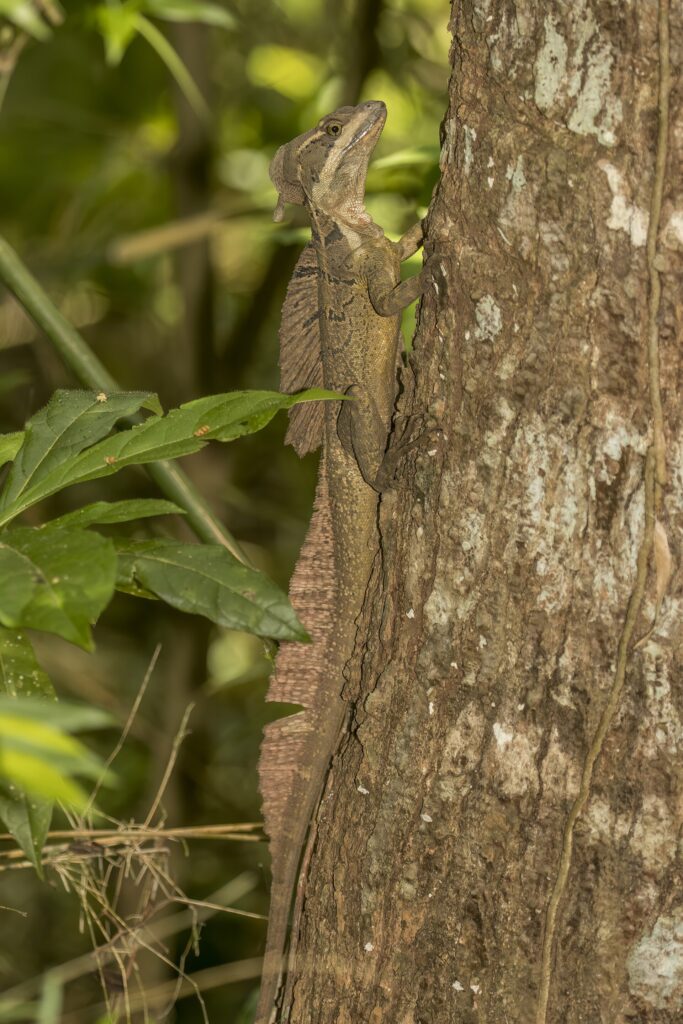
The basilisk can run across the surface of water on its hind legs, earning it the nickname ‘Jesus Christ lizard’.
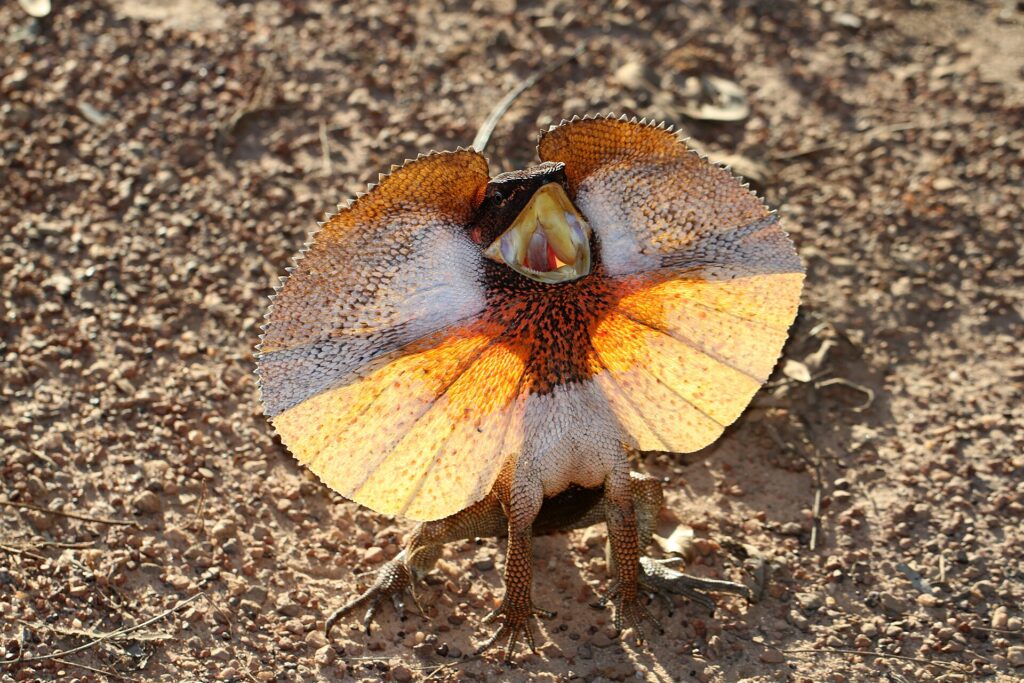
When threatened, the frilled lizard opens a huge frill of skin around its neck, hisses and gapes its bright mouth to scare off predators.
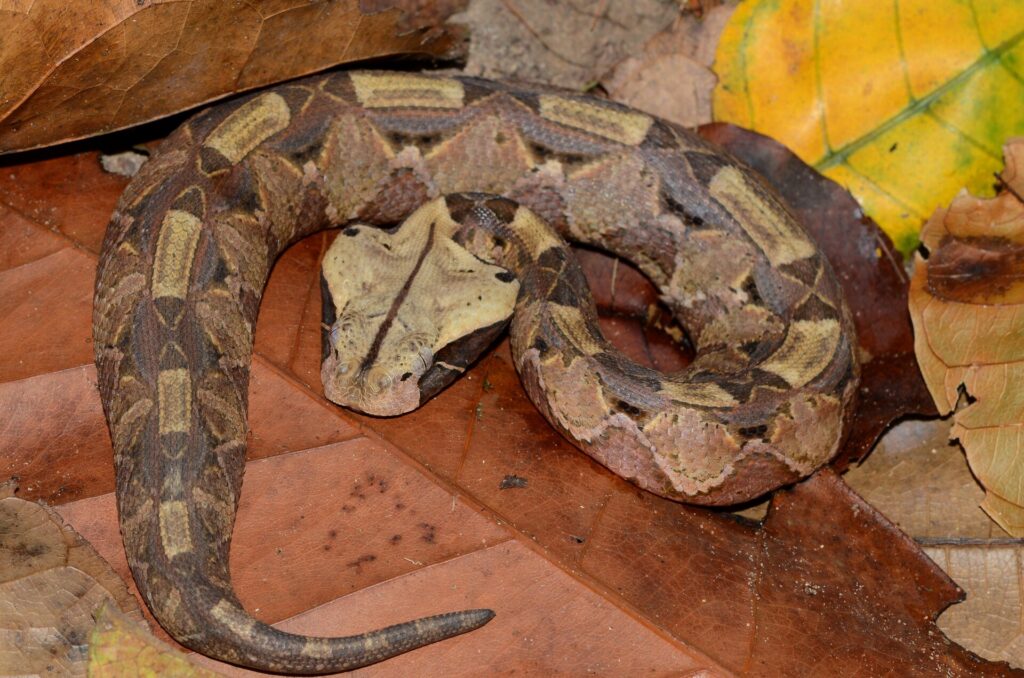
The Gaboon viper has the longest fangs of any snake, up to about 5 cm, and produces more venom per bite than any other snake.
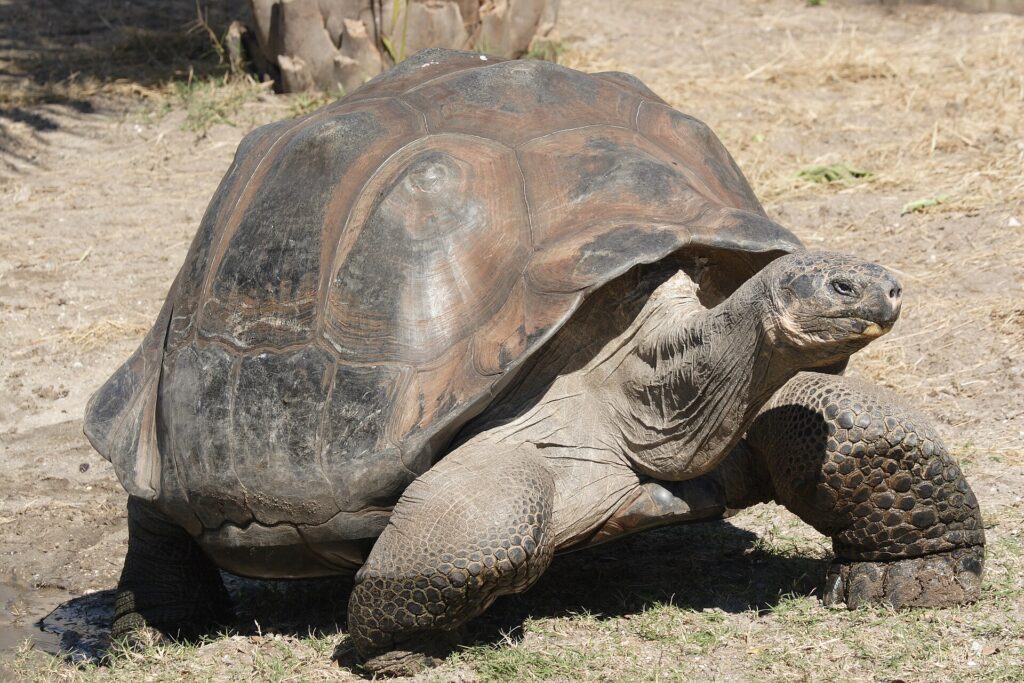
Giant tortoises can survive for up to a year without eating or drinking, which is why passing sailors once took them on board as living food stores.
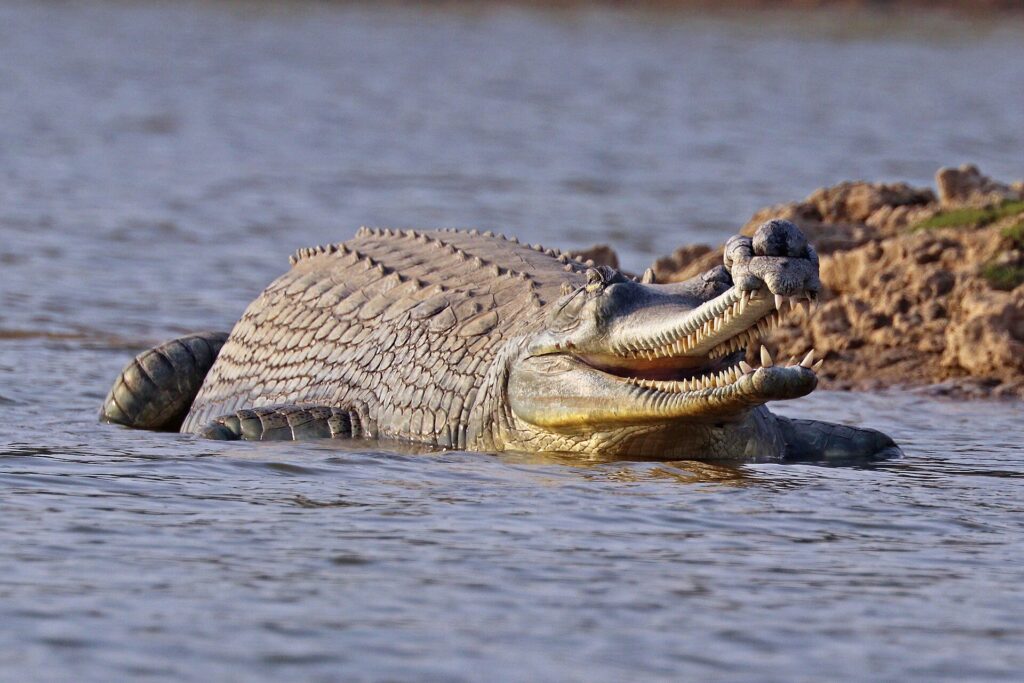
Adult male gharials grow a bulbous knob on the tip of the snout, called a ghara after an Indian clay pot, which they use to make buzzing sounds.
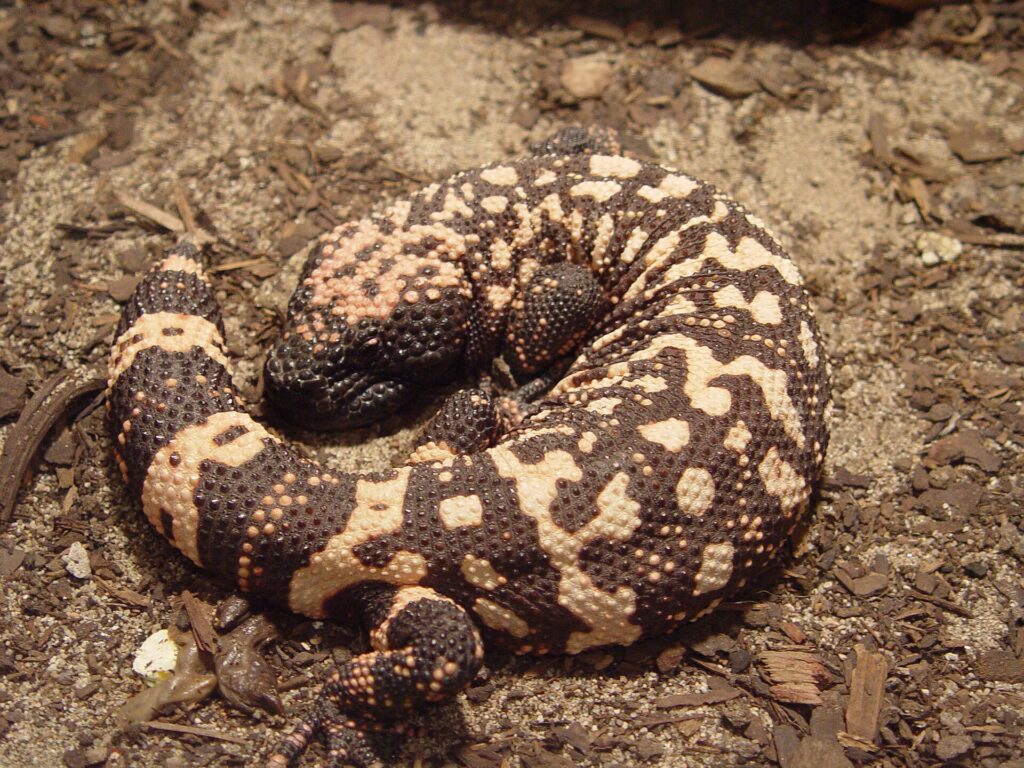
A hormone found in Gila monster saliva led to exenatide, the first of a group of modern diabetes drugs known as GLP-1 medicines.
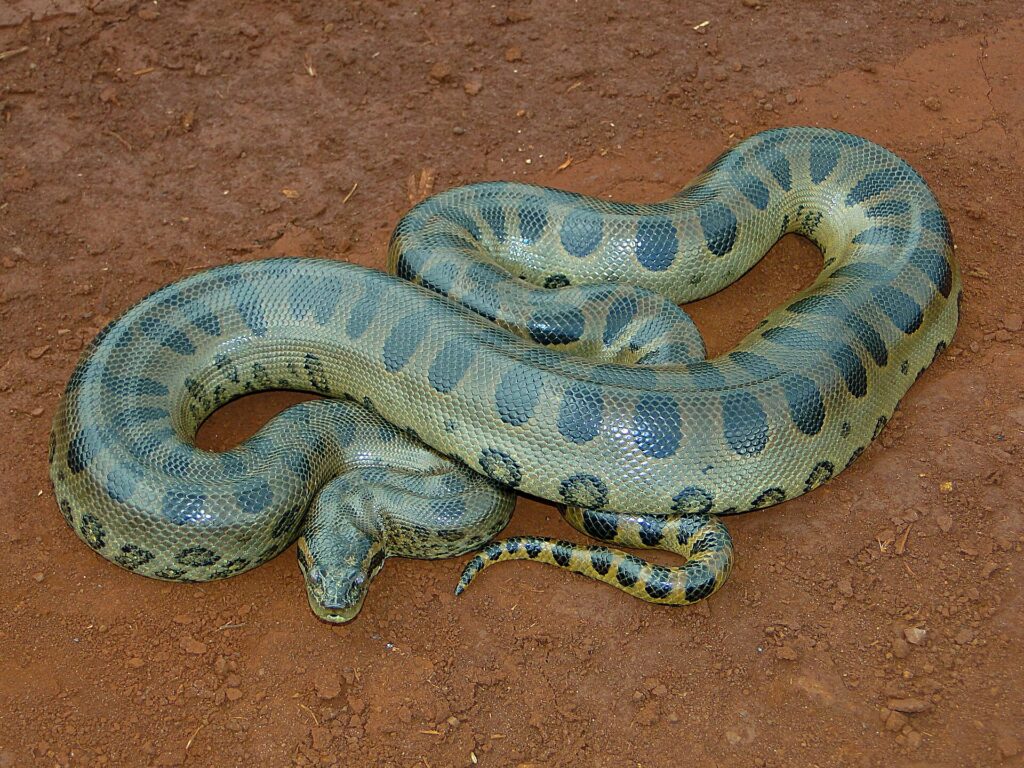
The green anaconda is the heaviest snake in the world, and females can be several times heavier than males.
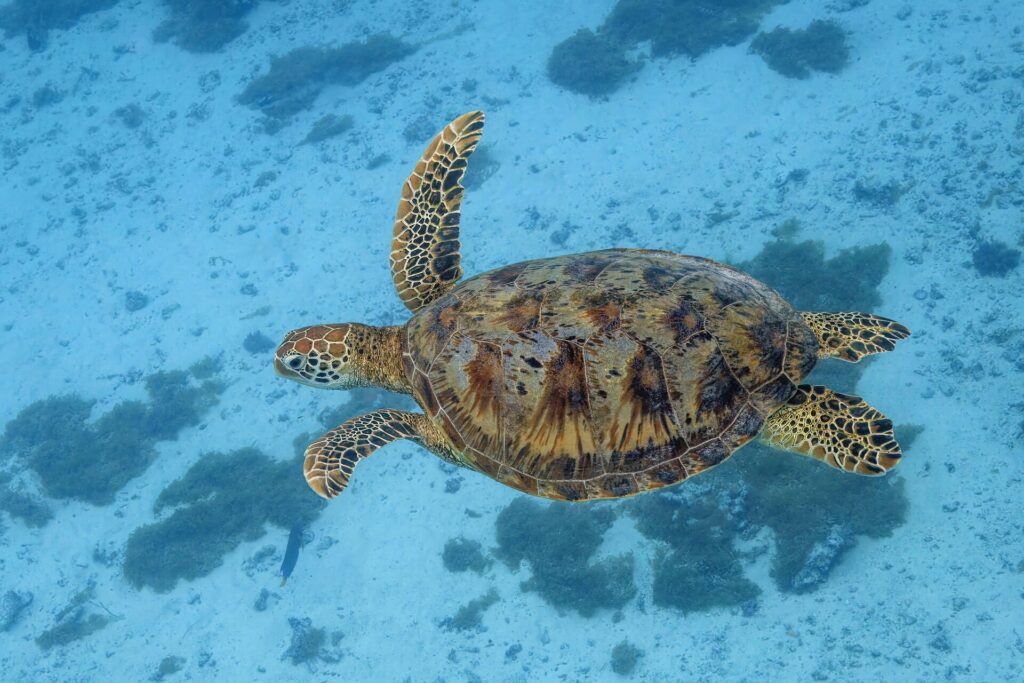
Female green turtles return to the same beach where they hatched, sometimes after travelling thousands of kilometres, navigating partly by Earth’s magnetic field.
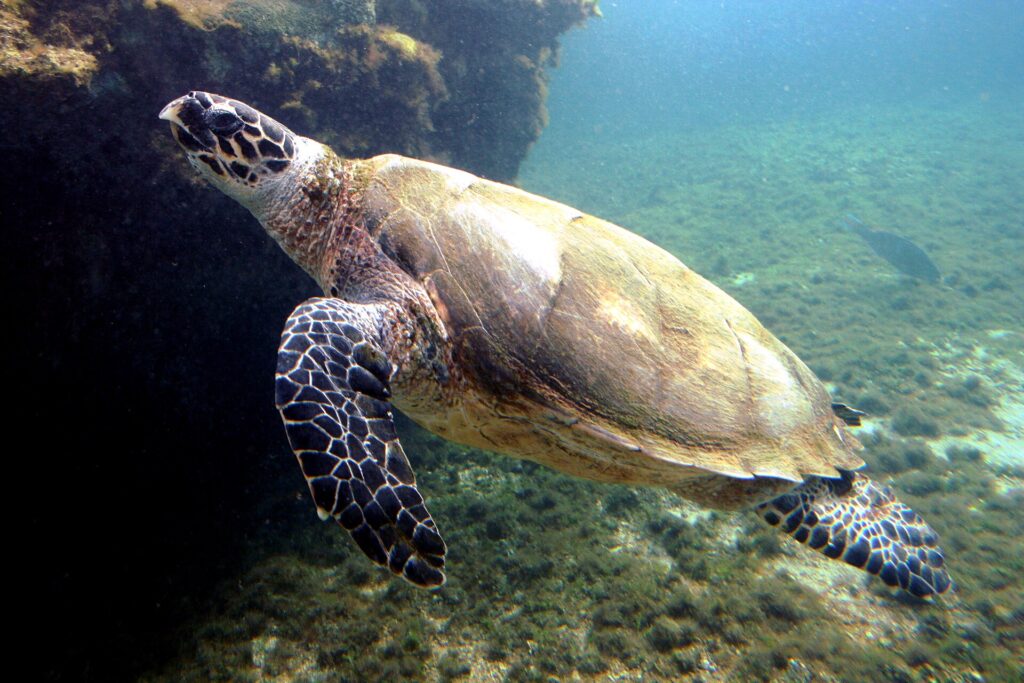
Hawksbills eat sponges full of glass-like spikes that would harm most animals, and by doing so they help keep coral reefs healthy.
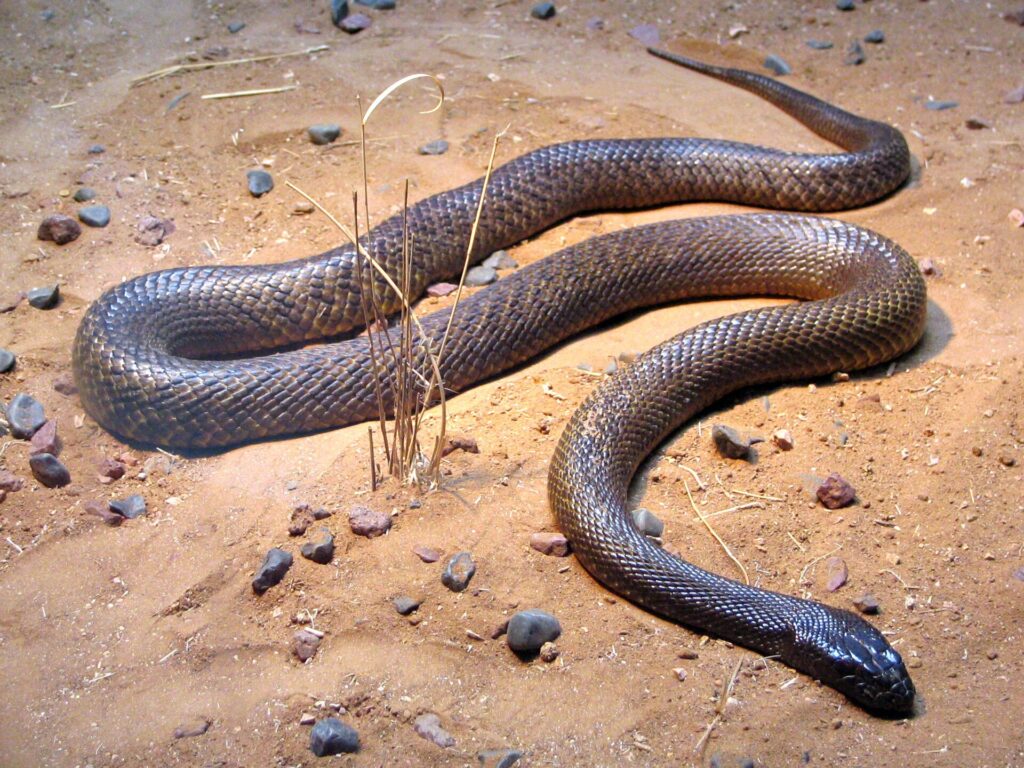
The inland taipan has the most toxic venom of any land snake, yet there is no record of it killing a person.
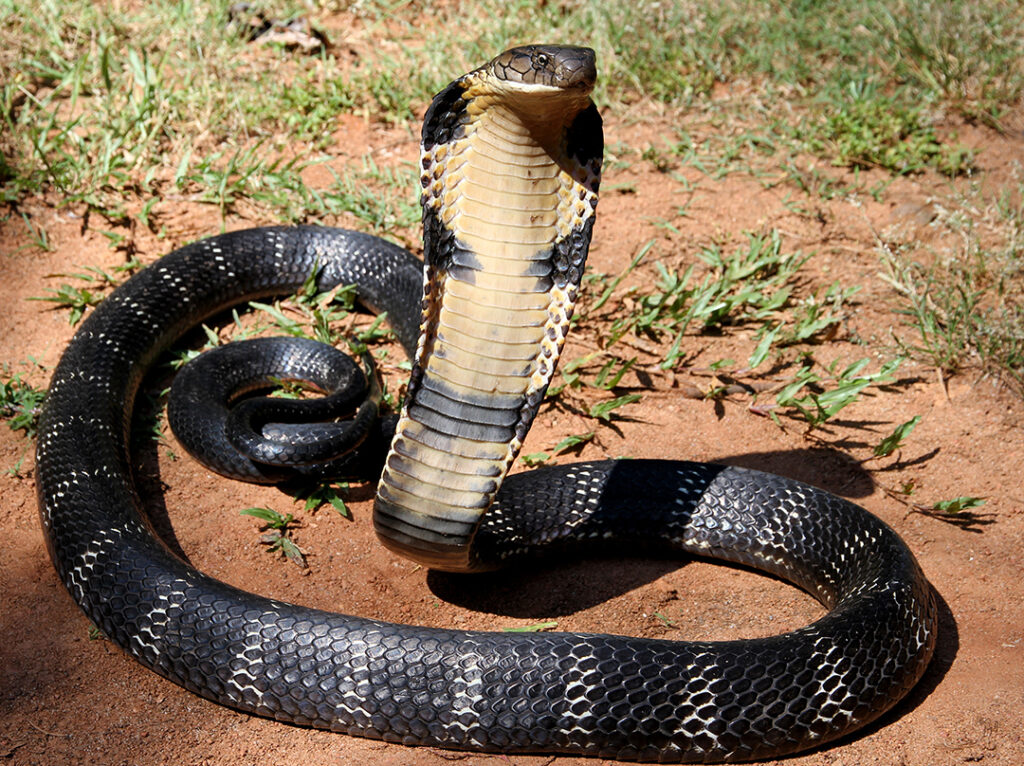
The king cobra is the only snake known to build a nest for its eggs, gathering leaves into a mound and guarding it.
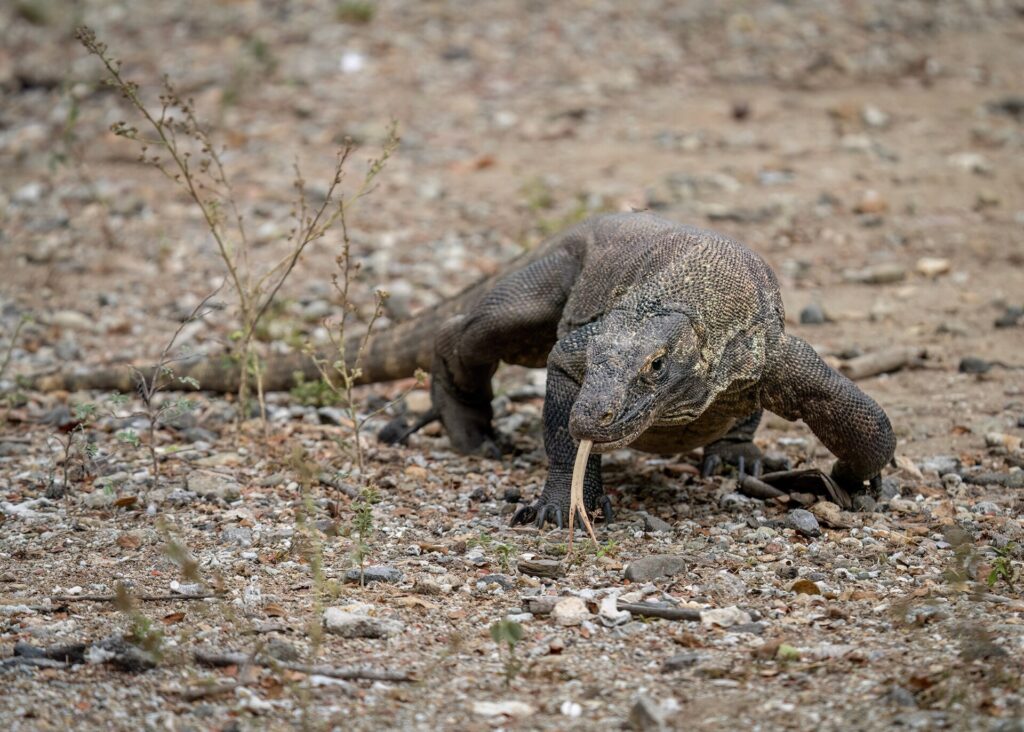
Komodo dragons have venom glands in their lower jaws; the venom causes bleeding and shock, helping to bring down large prey.
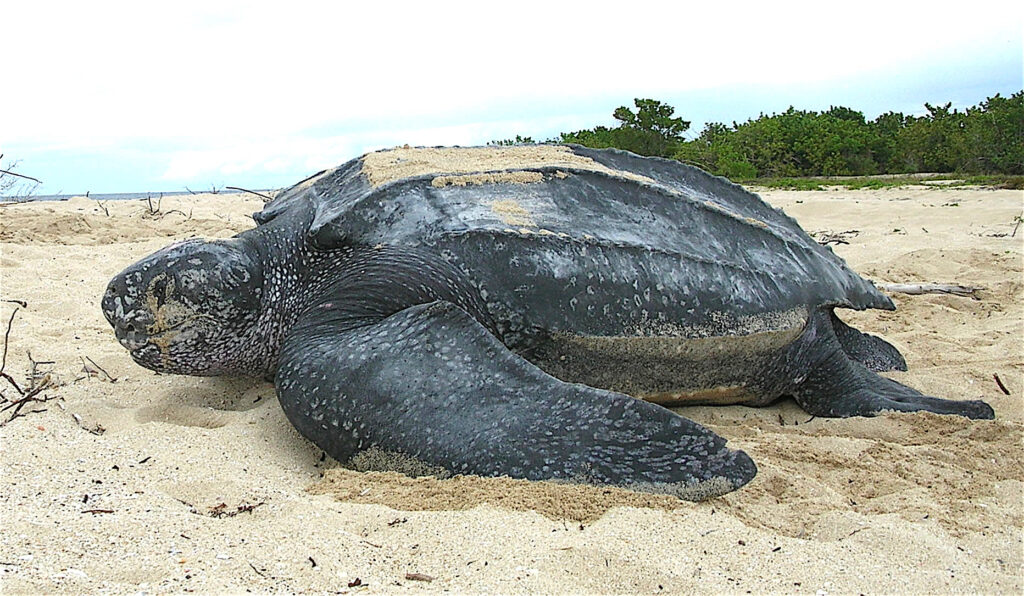
The leatherback is the largest turtle on Earth and can dive deeper than 1,200 metres, deeper than any other reptile.
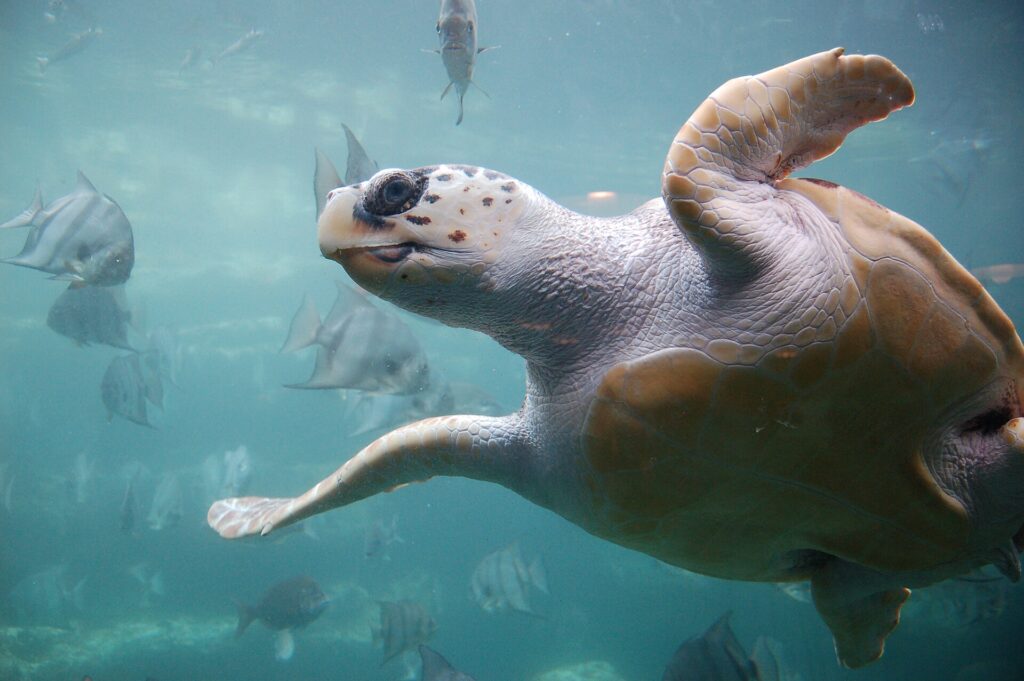
Loggerhead hatchlings use Earth’s magnetic field like a built-in map to navigate across entire ocean basins.
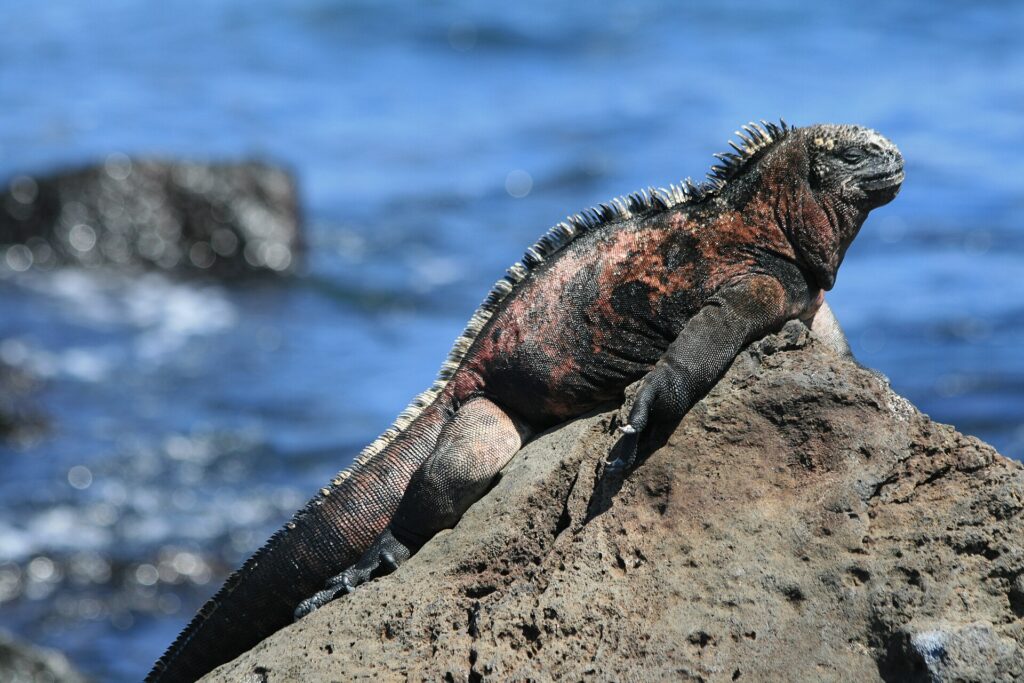
The marine iguana is the only lizard in the world that feeds in the sea, and it sneezes out excess salt through special glands.