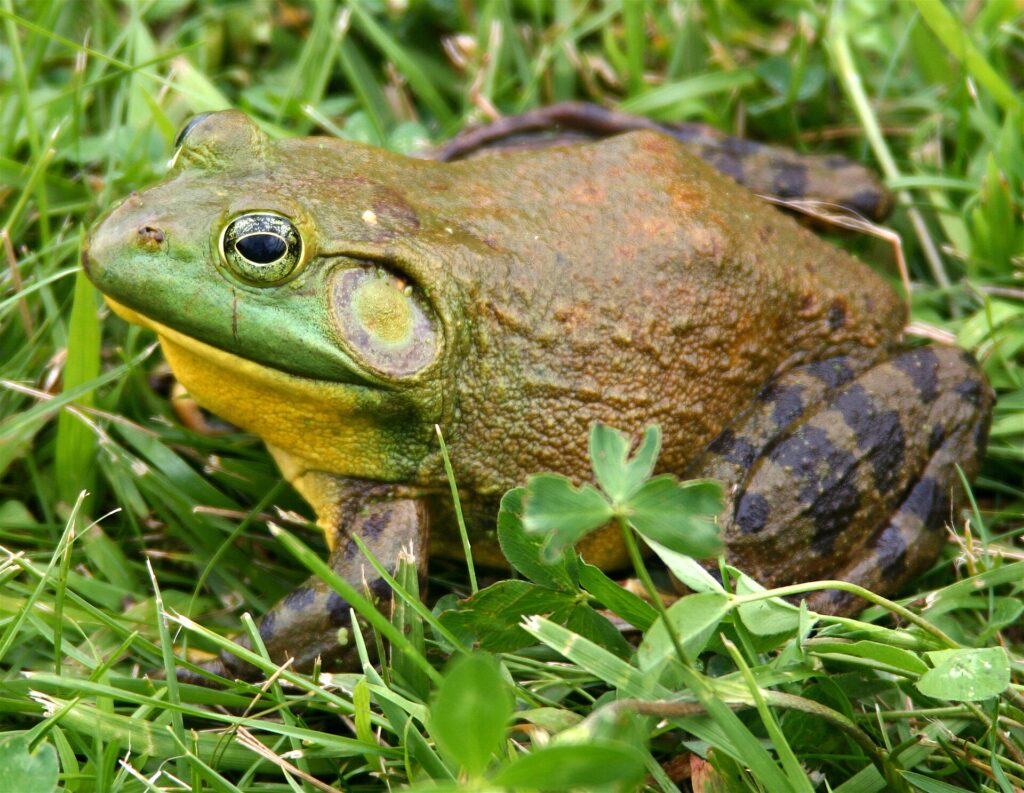
American Bullfrog
The American bullfrog will eat almost anything it can fit in its mouth, including snakes, birds, bats and other frogs.
The American bullfrog will eat almost anything it can fit in its mouth, including snakes, birds, bats and other frogs.
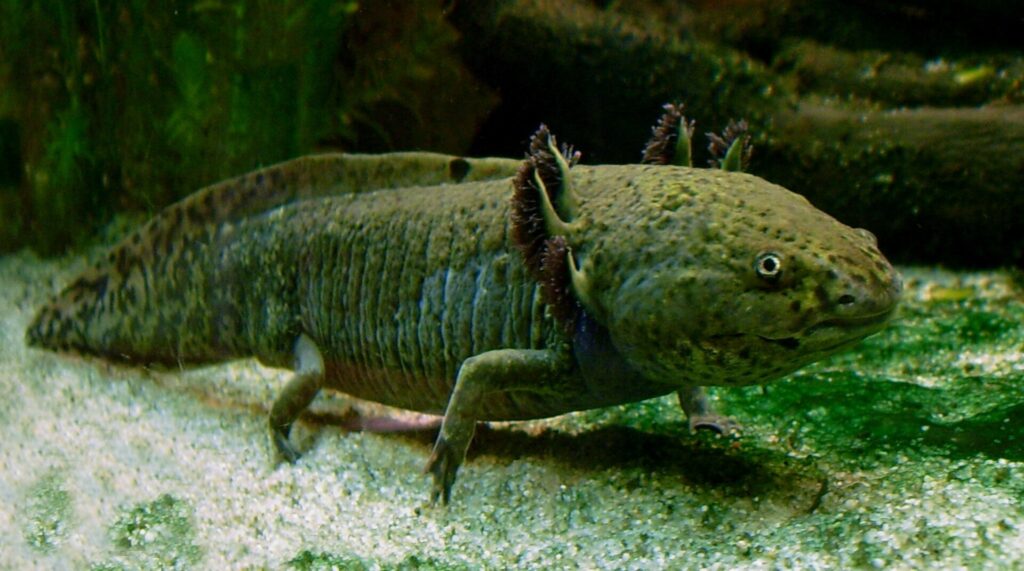
Axolotls can regrow lost limbs, parts of their spinal cord, heart and even parts of their brain without scarring.
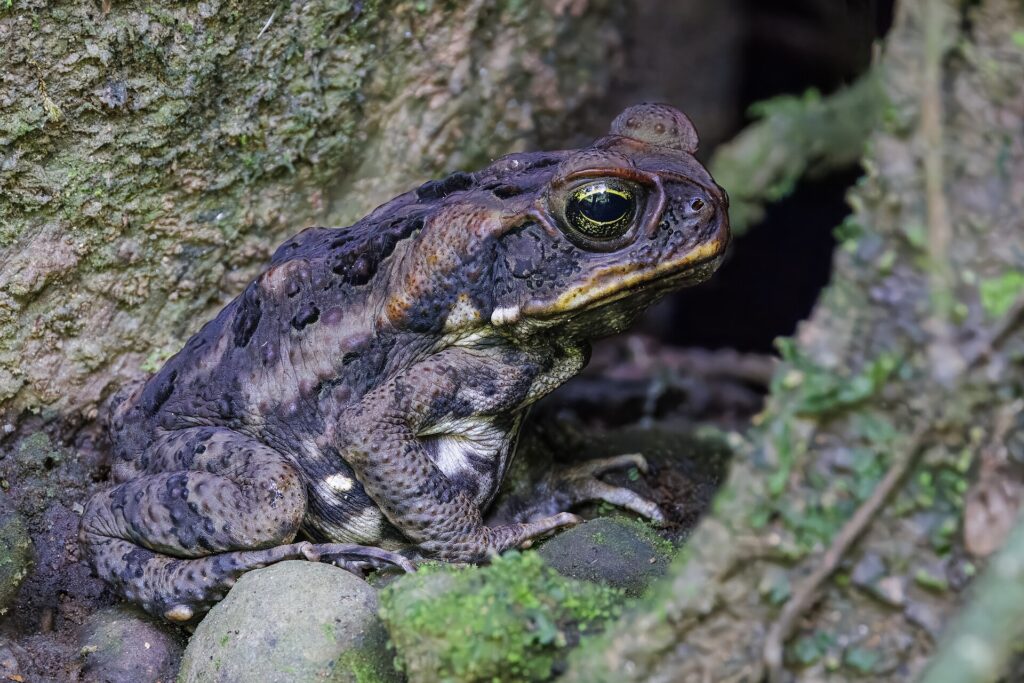
About 100 cane toads released in Queensland in 1935 to control beetles have multiplied into an estimated 200 million, spreading across northern Australia.
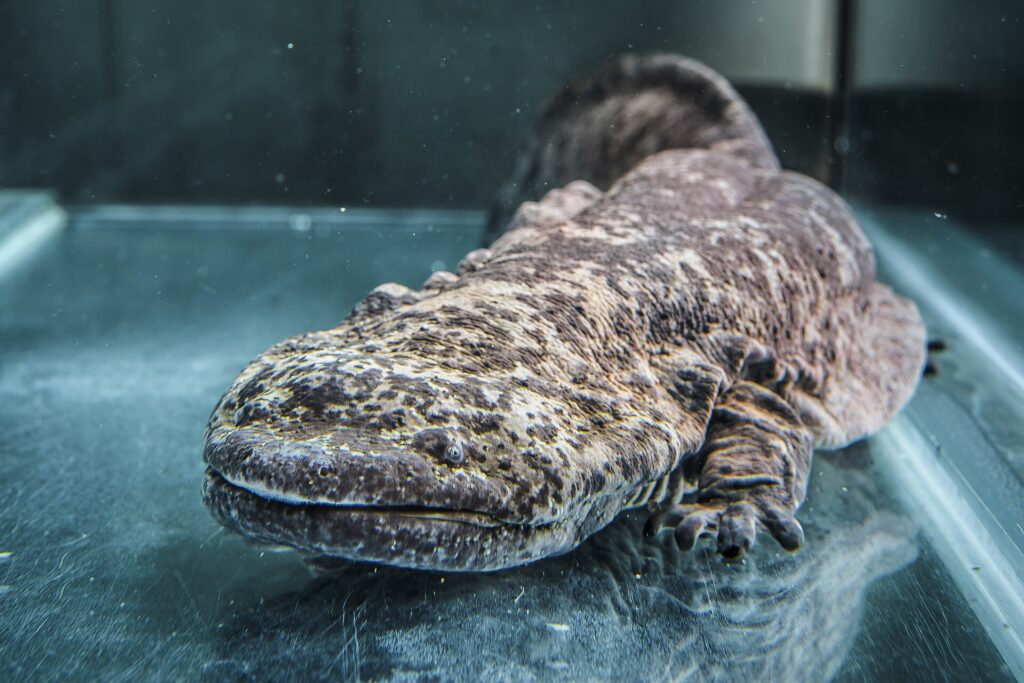
The Chinese giant salamander is the largest amphibian in the world, and genetic studies suggest it is actually several distinct species.
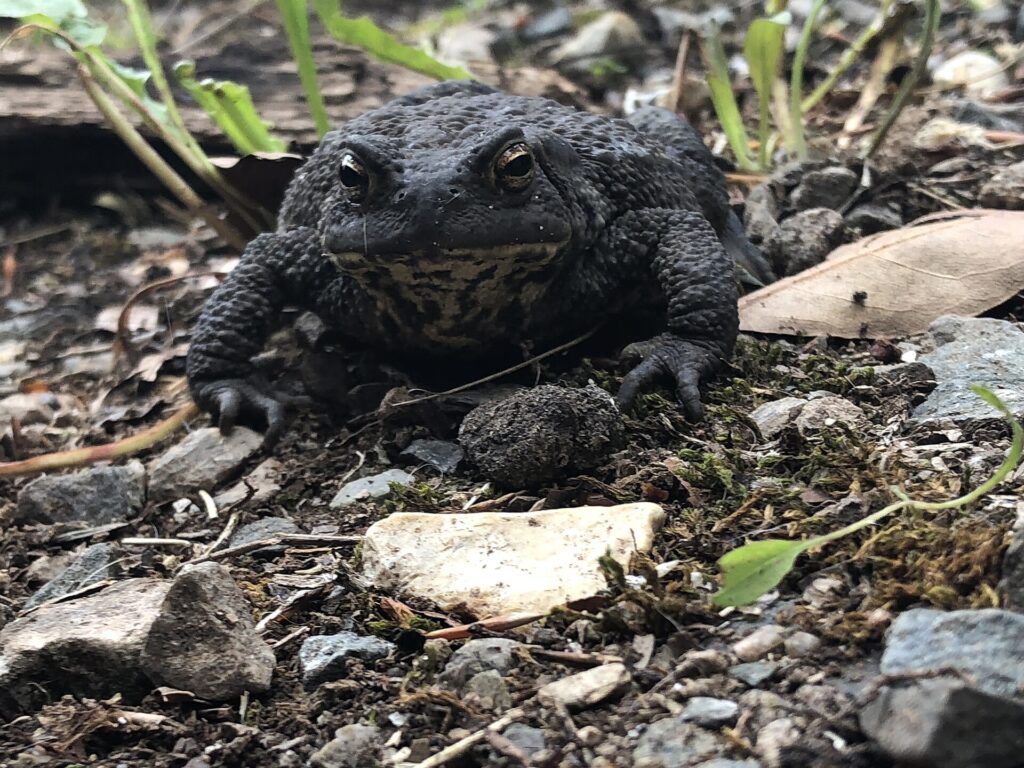
Common toads return year after year to the pond where they were born, crossing roads in their thousands on spring nights, where volunteers help them across.
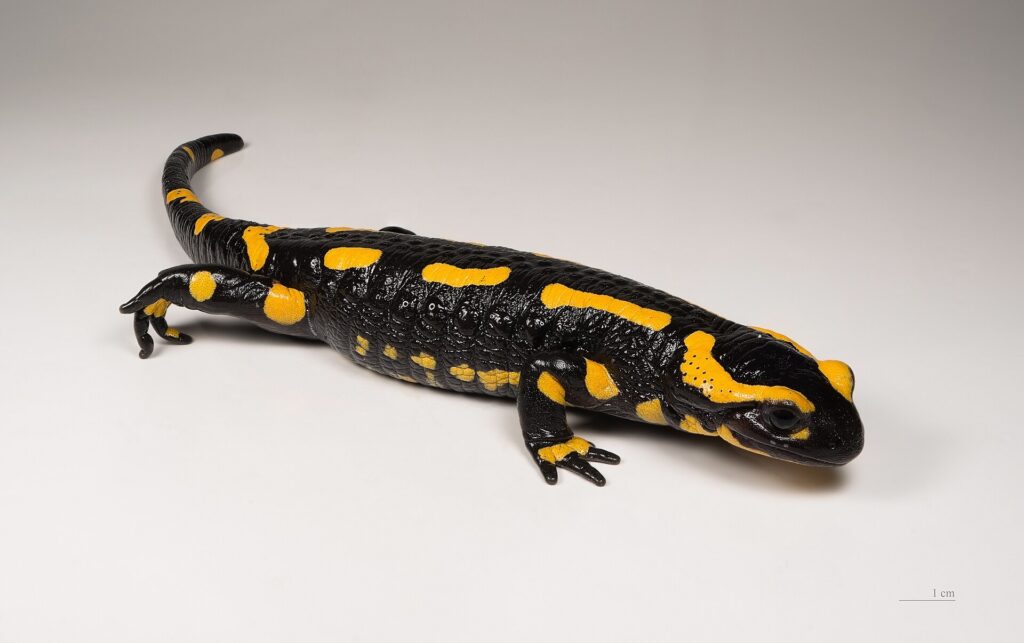
Legend held that fire salamanders were born from flames, because they crawled out of logs thrown onto fires.
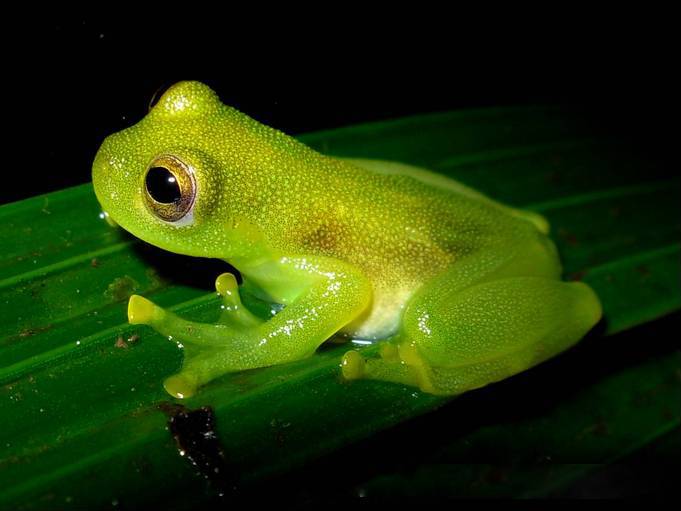
While sleeping, glass frogs hide most of their red blood cells in their liver, which makes their bodies up to about twice as transparent.
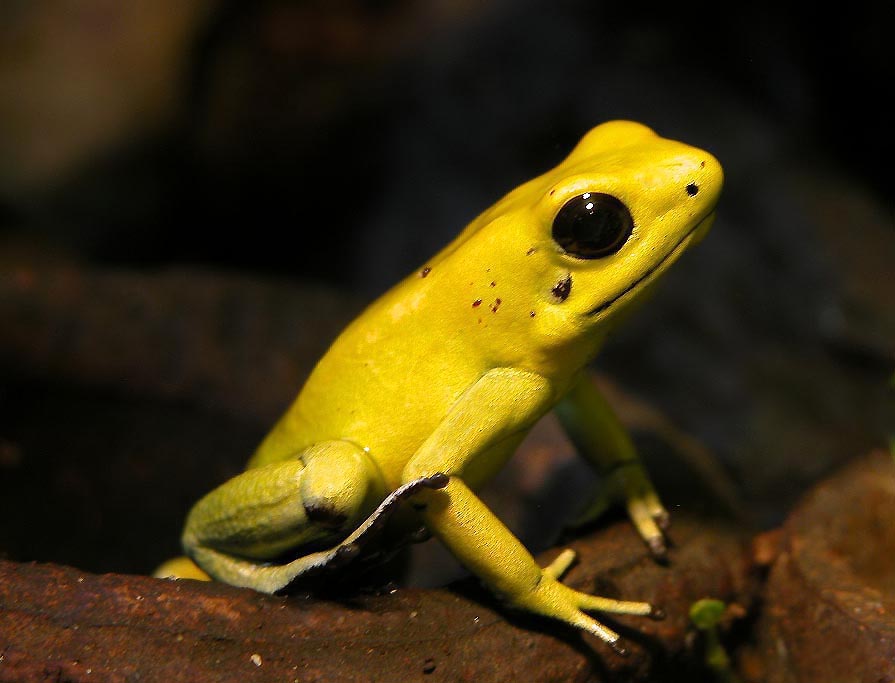
A single wild golden poison frog carries enough batrachotoxin to kill several people; its toxins come from its insect diet, so captive-raised frogs are harmless.
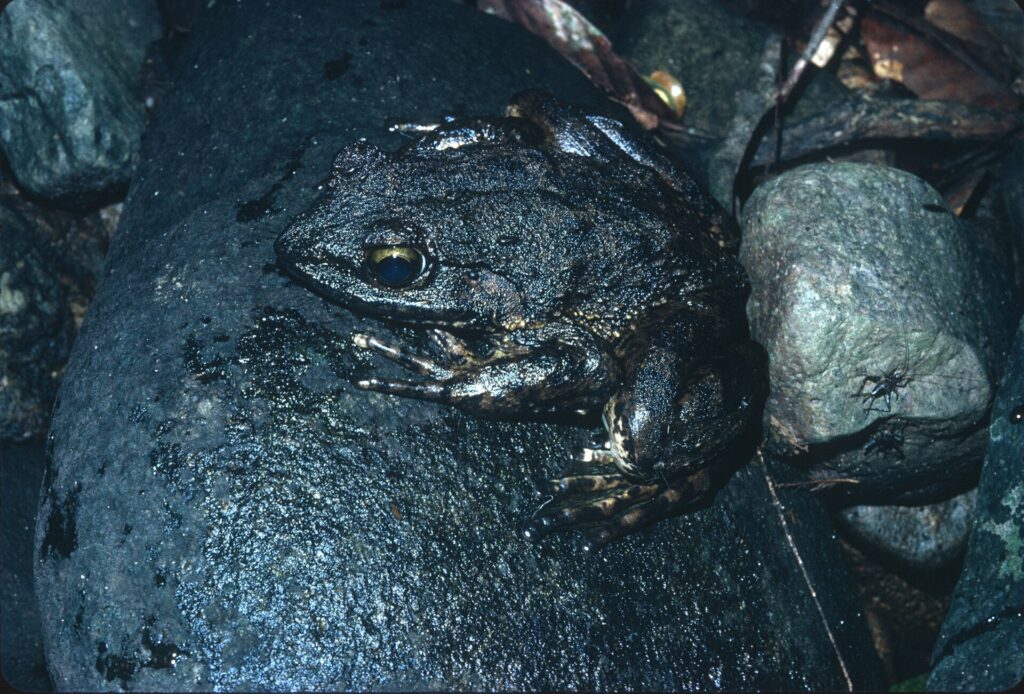
The goliath frog is the largest frog in the world, and males build their own ponds by moving rocks weighing up to about 2 kg.
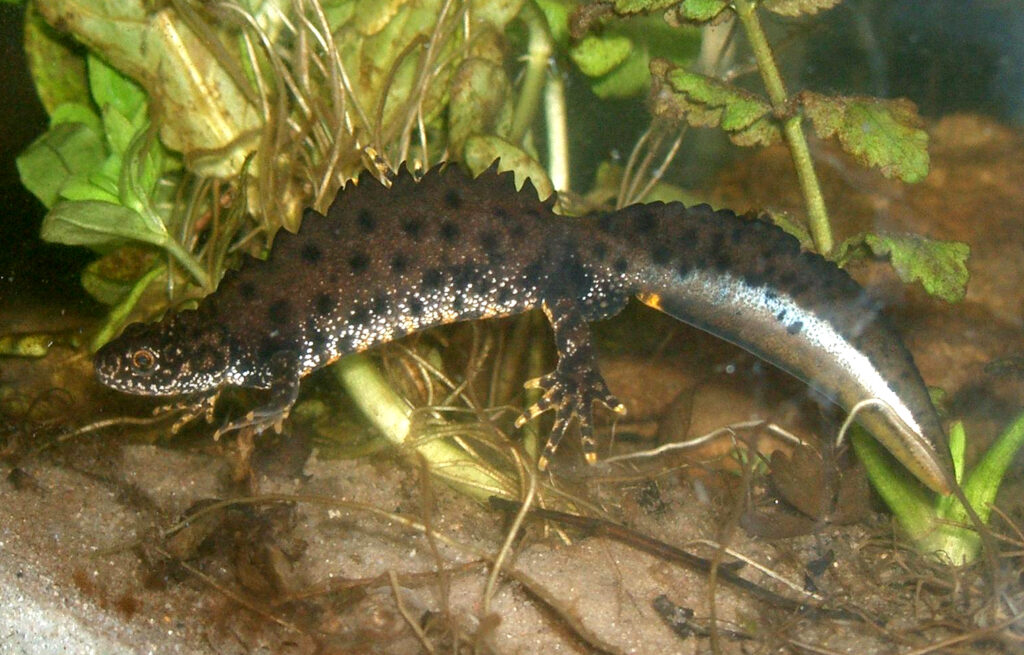
Each great crested newt has a unique pattern of black spots on its bright orange belly, like a fingerprint, which scientists use to identify individuals.
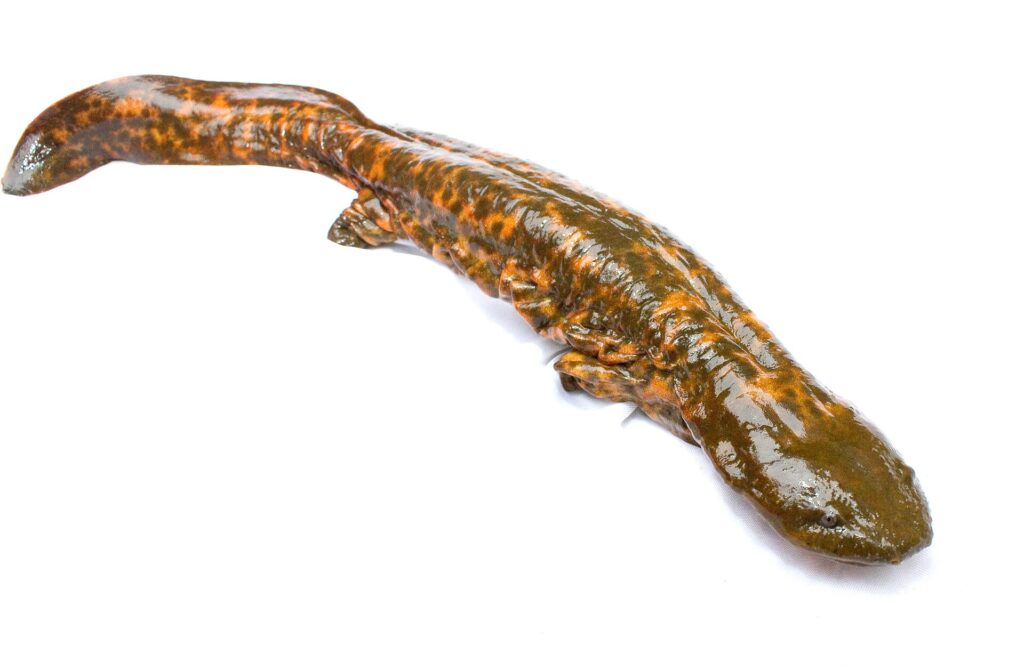
The hellbender breathes mostly through its skin, and its baggy, wrinkly folds increase the surface area for absorbing oxygen from the water.
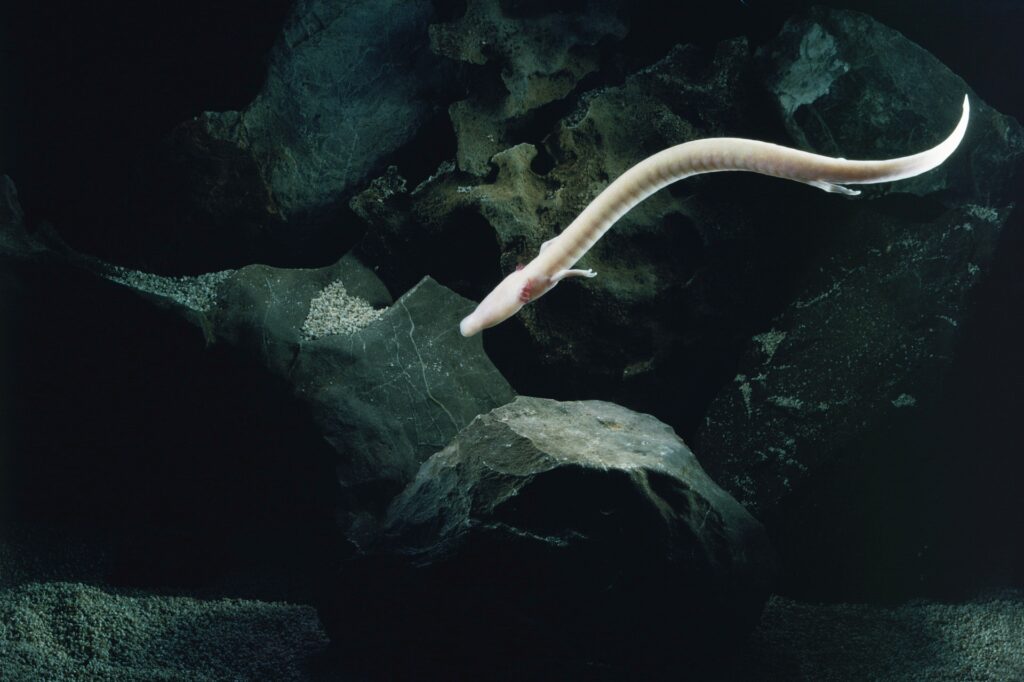
The olm can live for about a century, and scientists recorded one that did not move from the same spot for over seven years.
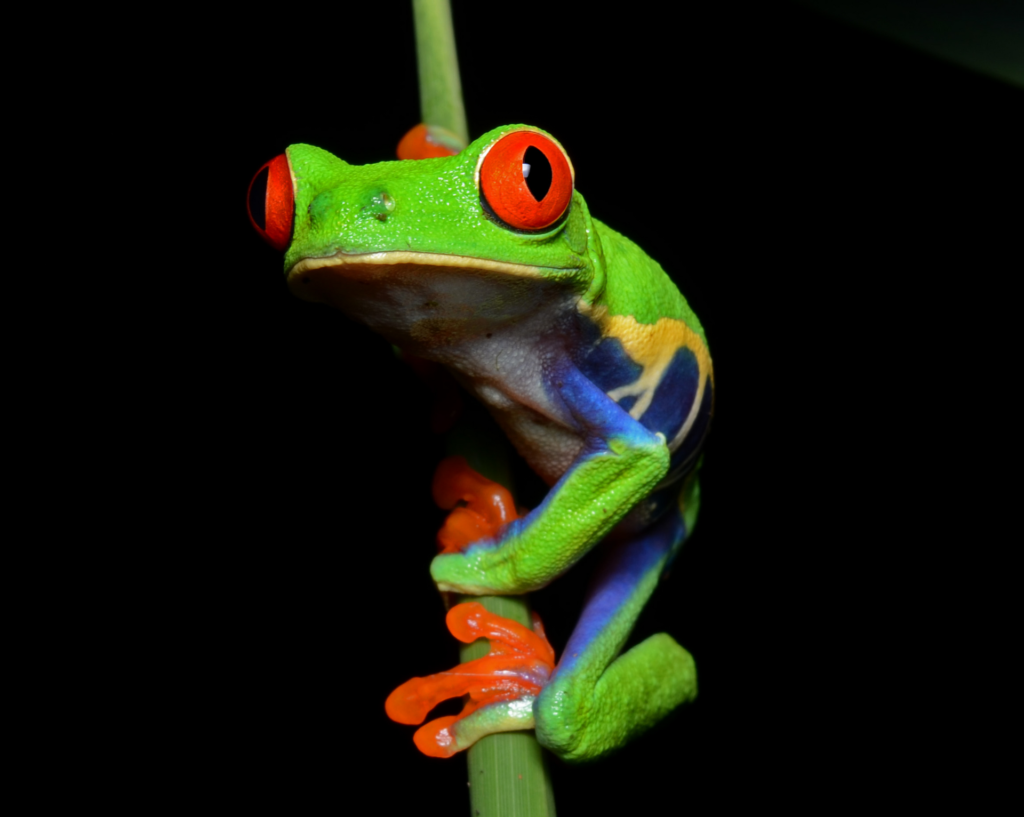
Red-eyed tree frog embryos can hatch early, within seconds, if they sense the vibrations of a snake attacking their egg clutch.
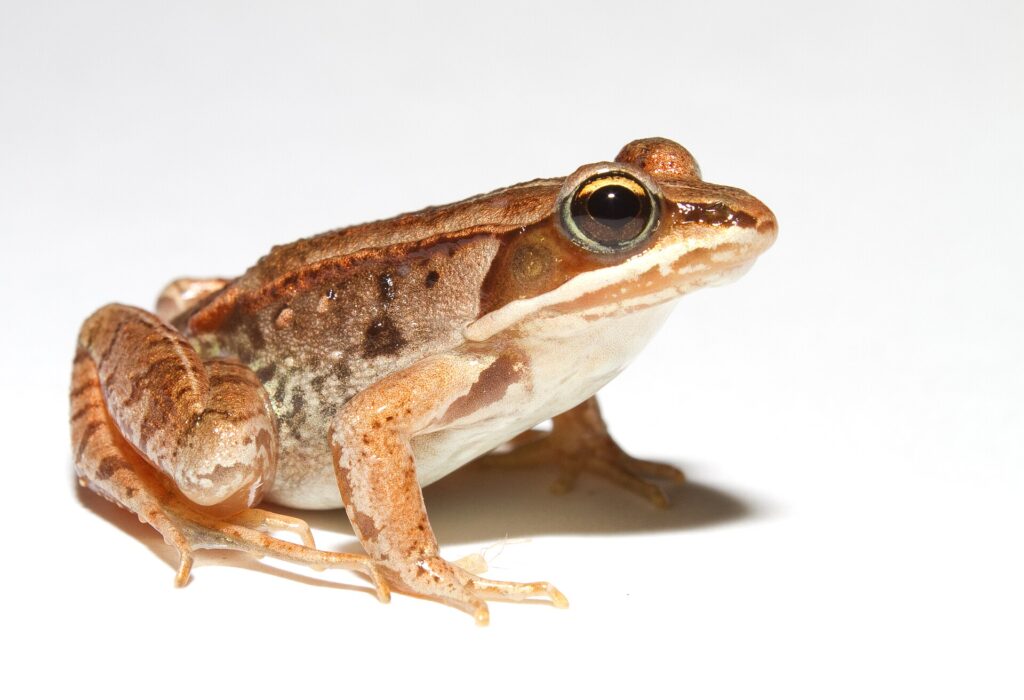
The wood frog freezes solid in winter: its heart stops and up to about two-thirds of its body water turns to ice, yet it thaws and hops away in spring.