Giraffes browse high in the trees where few other animals can reach. Their numbers fell by about 40 percent over three decades, leading the IUCN to list the species as Vulnerable in 2016. More recent estimates of about 117,000 suggest some populations are now recovering.
Interesting facts
- The giraffe is the tallest animal on Earth.
- Its tongue can be about 45–50 cm long and is dark, probably to protect it from sunburn.
- A giraffe’s heart weighs around 11 kg and generates very high blood pressure to push blood up to the brain.
- Each giraffe’s coat pattern is unique, like a fingerprint.
- Giraffes need only a few hours of sleep a day, often in short naps.
- Genetic research suggests there may be four separate giraffe species.
Behaviour
Giraffes live in loose, open herds whose members change often. Males compete for females by ‘necking’, swinging their heads and necks against each other. Their height lets them spot predators such as lions from a long way off.
Breeding and young
Females give birth standing up after about 15 months, and the calf drops about 2 m to the ground. Calves can stand within an hour but are vulnerable to lions and hyenas in their first months.
Threats and conservation
Habitat loss and fragmentation, poaching for meat and hides, and civil unrest in parts of their range.
Where to see it
- Maasai Mara and Samburu, Kenya
- Serengeti and Tarangire, Tanzania
- Etosha, Namibia
- Murchison Falls, Uganda
- Kruger, South Africa
Status source: IUCN Red List. Profile last reviewed September 2026.
Where to see the giraffe
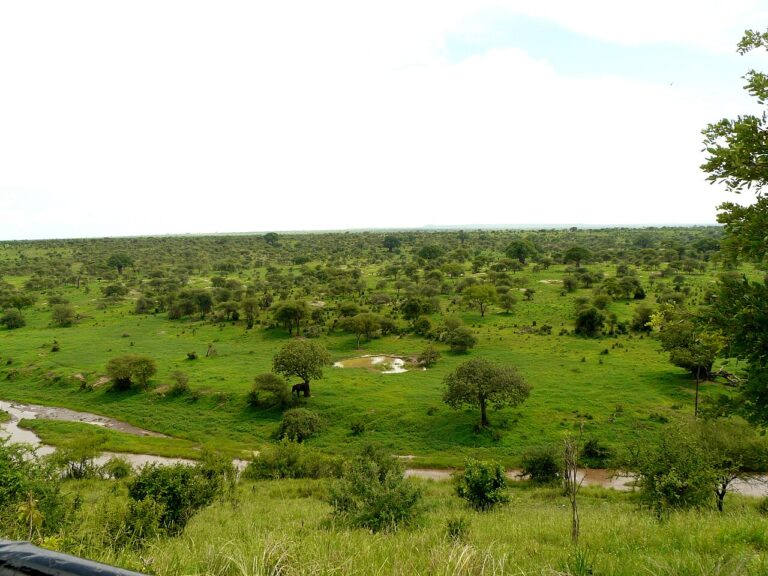 Tarangire National Park: Elephants, Baobabs and When to GoIn the dry season Tarangire holds some of the densest elephant herds in Tanzania, set among ancient baobabs.…
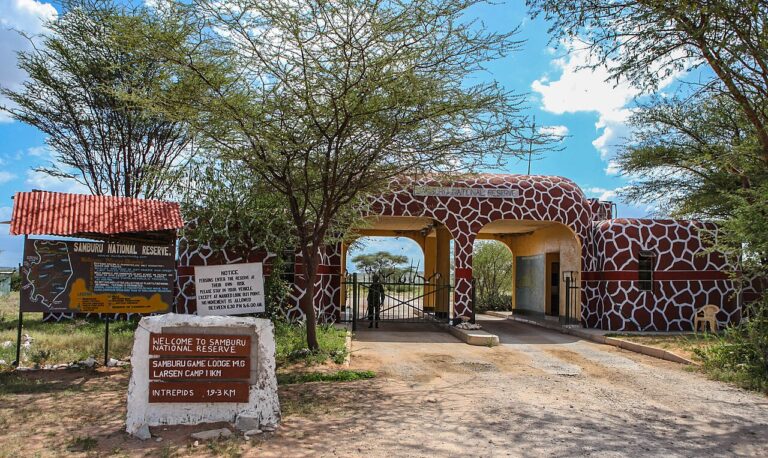 Samburu National Reserve and the Samburu Special FiveNorthern Kenya's Samburu is home to five animals you will not see in the Maasai Mara, plus excellent…
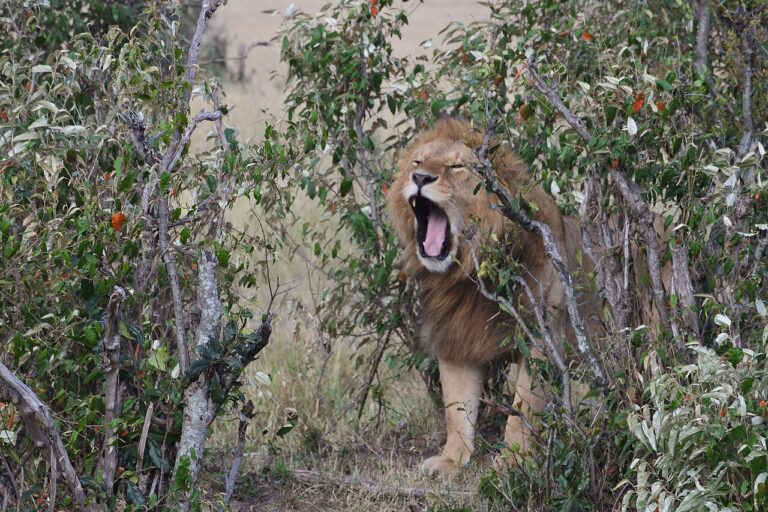 Nairobi National Park: A Safari on the City’s EdgeWhere else can you watch rhinos and lions with skyscrapers on the horizon? How to make the most…