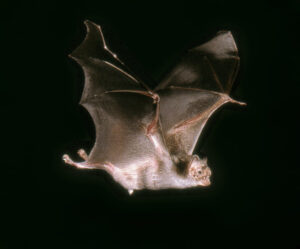
Flying foxes are large fruit bats with fox-like faces, found from Madagascar to Australia and the Pacific. They are vital to tropical forests, pollinating flowers and carrying seeds far from parent trees, helping forests regenerate.
Interesting facts
- Flying foxes include the largest bats in the world.
- Unlike most bats, they do not use echolocation; they find food with excellent eyesight and smell.
- They roost in noisy colonies called camps, sometimes of tens of thousands of bats.
- In 2018, an extreme heatwave killed about a third of Australia’s spectacled flying foxes in two days.
- They help pollinate trees such as eucalyptus and durian.
- There are about 60 species of Pteropus.
Behaviour
Flying foxes roost by day in large, noisy colonies in trees, wrapping themselves in their wings. At dusk, they fly out to feed on fruit and flowers, returning at dawn. They communicate with many calls and scent marks.
Breeding and young
Females usually give birth to a single pup a year after about six months. The pup clings to its mother for the first weeks, then is left in the roost while she feeds.
Threats and conservation
Hunting for meat, loss of forest roosts and feeding areas, culling to protect fruit crops, extreme heat events and electrocution on power lines.
Where to see it
- Yarra Bend Park, Melbourne, and other camps in eastern Australia
- Kalong Island, Komodo National Park, Indonesia, at sunset
- Peradeniya Royal Botanic Gardens, Sri Lanka
- Garden roosts in Kathmandu and across South Asia
Status source: IUCN Red List. Profile last reviewed September 2026.
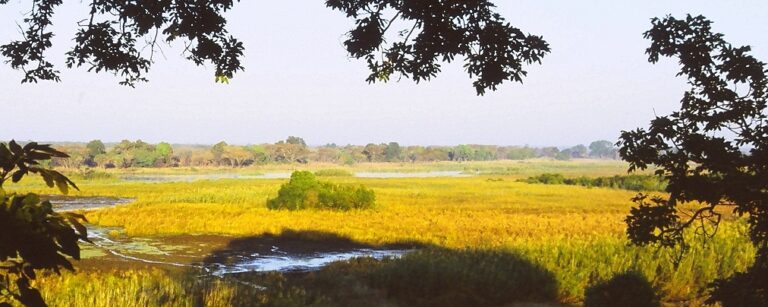 Kasanka Bat Migration: Ten Million Fruit Bats