The European bee-eater is a slim, brightly coloured bird that catches flying insects on the wing. It migrates between Europe and Africa and is a highlight of summer in southern Europe.
Interesting facts
- It is one of Europe’s most colourful birds, with chestnut, yellow, turquoise and green plumage.
- Bee-eaters nest in colonies, digging tunnels in sandy banks.
- Their liquid, bubbling calls often reveal flocks passing overhead.
- The species is spreading north with climate change and has bred several times in Britain.
- Colonies sometimes have helpers that assist parents in feeding chicks.
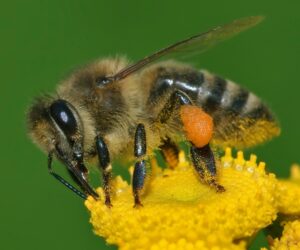
- A bee-eater can eat around 250 bees a day.
Behaviour
Bee-eaters hunt from perches such as wires and dead branches, sallying out to catch insects. They are highly social and often perch in rows.
Breeding and young
Pairs dig tunnels up to about a metre or more long in sandy banks and lay four to seven eggs in a chamber at the end.
Threats and conservation
The species is widespread. Beekeepers sometimes kill bee-eaters, and pesticides reduce their insect prey.
Where to see it
- Extremadura, Spain
- Camargue, France
- Hortobágy, Hungary, and the Danube Delta, Romania
- Southern Africa in the northern winter
Status source: IUCN Red List. Profile last reviewed September 2026.
 Danube Delta Birding Guide
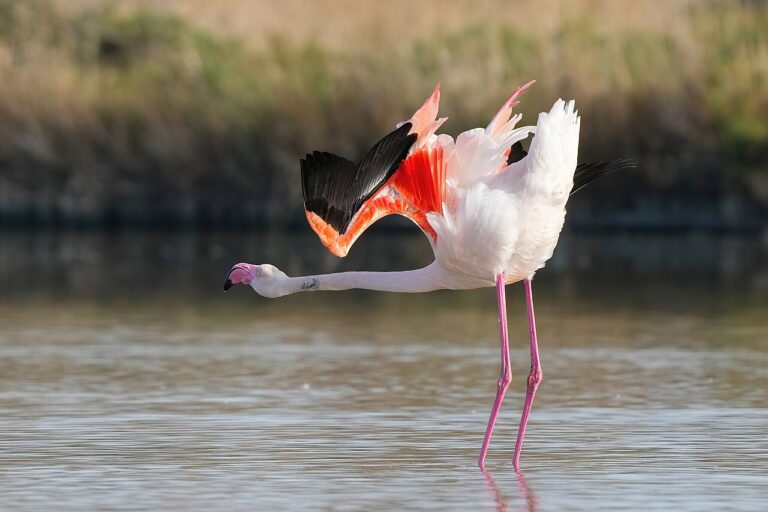 The Camargue: Flamingos, White Horses and Wetlands