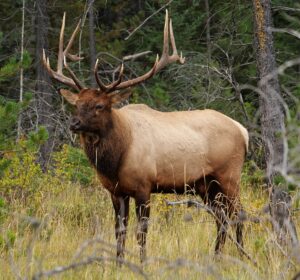
The red deer is one of Europe’s most iconic mammals and the continent’s largest wild land mammal in many countries. Without large predators, red deer numbers can grow high enough to prevent forests from regenerating, which is part of the debate around rewilding.
Interesting facts
- Red deer stags roar during the autumn rut to attract hinds and challenge rivals.
- Antlers are shed every year in late winter and regrow covered in velvety skin.
- The red deer is one of the largest deer species.
- Scotland holds one of Europe’s largest red deer populations.
- A long-term study on the Isle of Rum has followed individual red deer since the 1970s.
- Coats are reddish-brown in summer and turn greyish-brown in winter.
Behaviour
Outside the rut, males and females live in separate groups. In September and October, stags compete for harems of hinds with roaring, parallel walks and antler clashes.
Breeding and young
Hinds give birth to a single spotted calf in late spring after about eight months. Calves hide in vegetation for their first days while the mother feeds nearby.
Threats and conservation
Widespread and abundant. Local issues include hunting pressure, hybridisation with introduced sika deer, and fragmentation.
Where to see it
- Scottish Highlands, UK
- Richmond Park, London
- Dyrehaven, Denmark
- Monfragüe, Spain
- Białowieża, Poland
Status source: IUCN Red List. Profile last reviewed September 2026.
Where to see the red deer
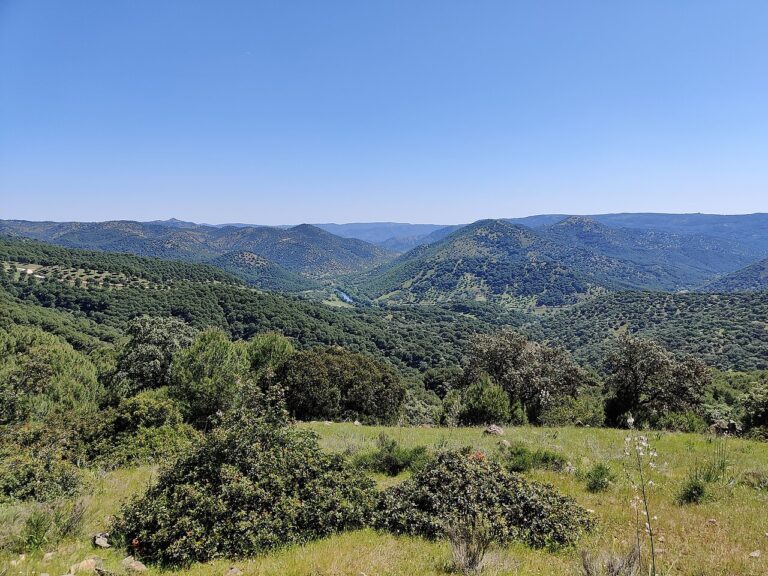 Iberian Lynx Watching in Sierra de AndújarIn 2002, fewer than 100 Iberian lynx survived. Today there are more than 2,000, and Andújar is the…
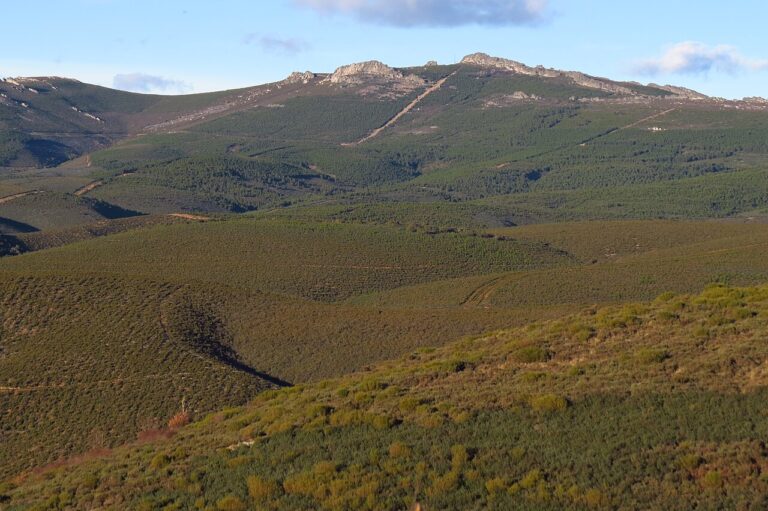 Wolf Watching in Spain’s Sierra de la CulebraSierra de la Culebra, in north-west Spain, is one of the best places in Europe to watch wild…
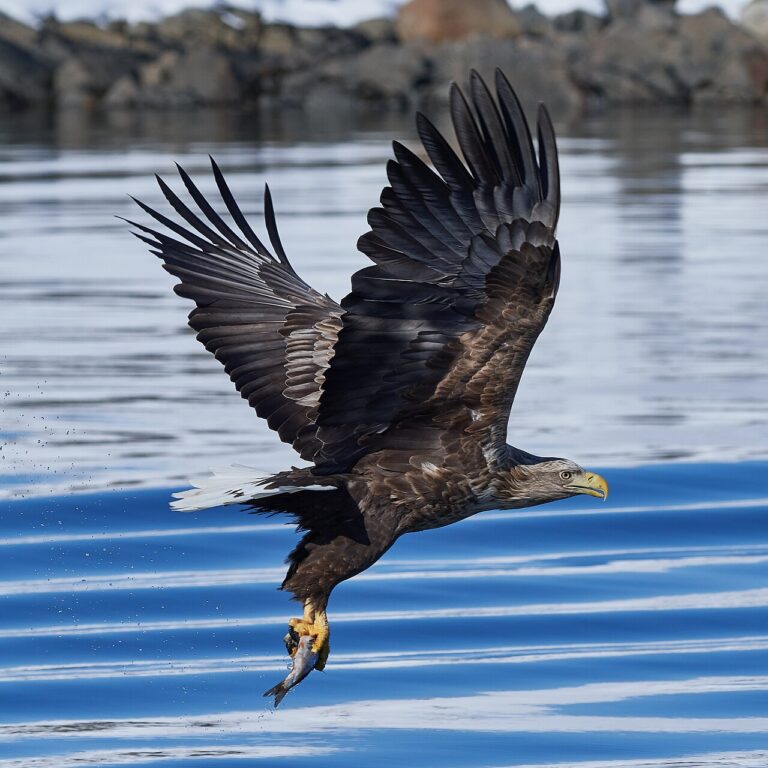 Scotland Wildlife Guide: Red Deer, Otters, Eagles and PuffinsFrom sea eagles on Mull to dolphins in the Moray Firth, Scotland offers some of Europe's best wildlife…