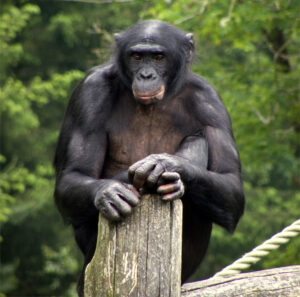
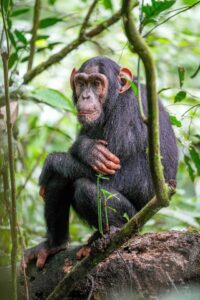
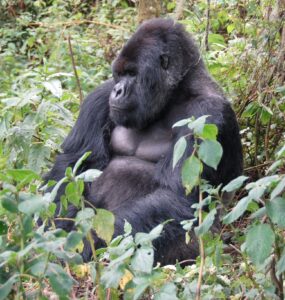
The western gorilla is the most widespread gorilla, living in the rainforests of west-central Africa. It is slightly smaller and browner than its eastern relatives. A 2018 study estimated more than 360,000 western lowland gorillas, but populations are declining steadily.
Interesting facts
- There are two subspecies: the western lowland gorilla and the Cross River gorilla, of which only about 250–300 remain.
- Almost all gorillas in zoos are western lowland gorillas.
- Western gorillas eat much more fruit than mountain gorillas and travel further each day to find it.
- Adult males develop a silver saddle of hair on their backs and are called silverbacks.
- Outbreaks of Ebola virus have killed thousands of gorillas.
- Gorillas gather at forest clearings called bais to feed on nutrient-rich plants in swampy ground.
Behaviour
Western gorillas live in family groups of up to about 20, led by a silverback that protects the group and settles disputes. Groups travel through the forest looking for fruiting trees and build new nests for sleeping each night.
Breeding and young
Females give birth to a single infant about every four to six years after a gestation of about eight and a half months. Infants are carried by their mothers for the first years and nurse until they are three or four.
Threats and conservation
Poaching for bushmeat, disease (especially Ebola), habitat loss from logging, mining and agriculture, and climate change. Slow reproduction means populations take a long time to recover.
Where to see it
- Odzala-Kokoua National Park, Republic of the Congo
- Dzanga-Sangha Special Reserve, Central African Republic
- Loango National Park, Gabon
- Accredited zoos with breeding programmes
Status source: IUCN Red List. Profile last reviewed September 2026.
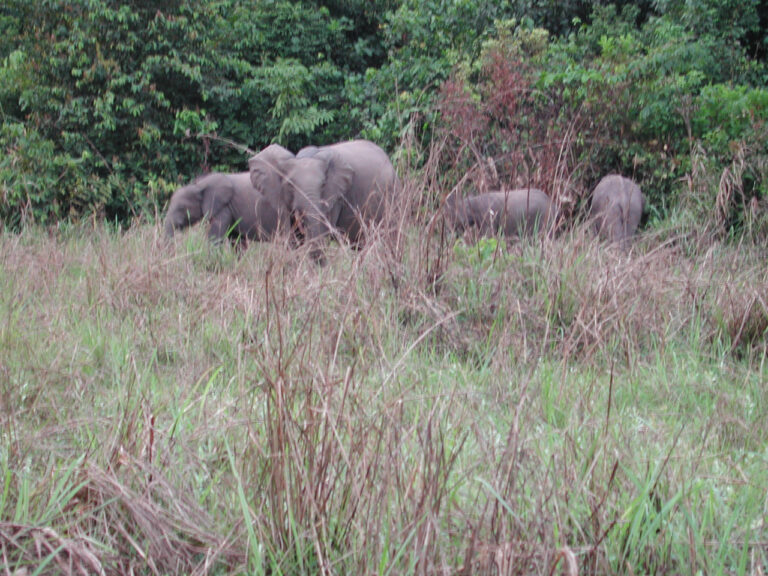 Odzala-Kokoua: Western Lowland Gorillas in the Congo Basin