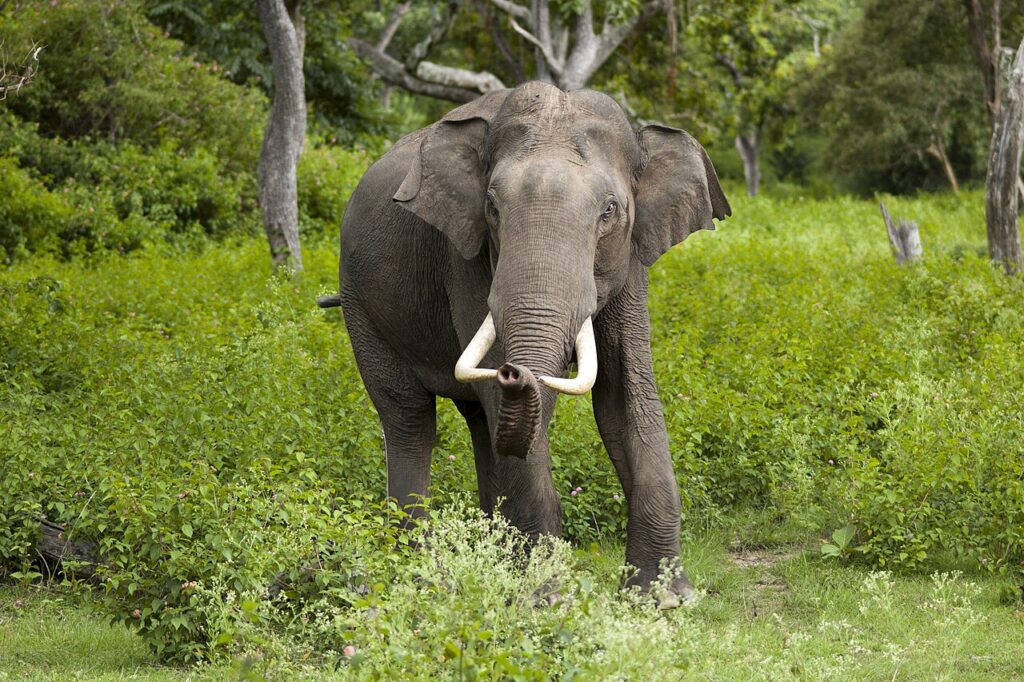
Asian elephants are among the most loved animals in the world, and seeing them is a highlight for many travellers in Thailand, Sri Lanka, India, Laos and beyond. But thousands of elephants in Asia live in captivity, many working in tourism. Some venues offer genuine care; others use the word “sanctuary” for experiences that still harm elephants. Here is how to choose well. See our Asian elephant profile.
Why riding and close contact are harmful
- Training: many captive elephants have been “broken” as calves through harsh methods to make them obedient to people.
- Riding: elephants’ spines are not built to carry heavy loads, and long hours of riding cause injuries.
- Bathing and feeding sessions: often marketed as ethical, these still require elephants to be controlled with hooks or food rewards and to interact with crowds.
- Performances: painting, dancing and circus tricks rely on punishment-based training.
What makes a genuine sanctuary?
- No riding, no bathing with tourists and no performances.
- Observation from a distance: visitors watch elephants behave naturally, often from platforms or walking trails.
- Space and social life: elephants roam large areas and live in groups.
- Transparency: the organisation explains where its elephants came from and how they are cared for, and has veterinary staff.
- No breeding for tourism and no buying of elephants from the trade.
- Limited visitor numbers.
Red flags
- Mahouts carrying bullhooks (ankus) or sharp sticks.
- Elephants chained for long periods or swaying repetitively (a sign of stress).
- Baby elephants used as attractions.
- “Hands-on” packages with bathing, feeding and selfies included.
Where to watch wild Asian elephants instead
- Sri Lanka: the Gathering at Minneriya and Kaudulla, Udawalawe National Park and Yala.
- India: Corbett, Kaziranga, Nagarhole and Periyar.
- Nepal: Bardiya and Chitwan.
- Thailand: Khao Yai and Kui Buri national parks.
- Borneo: pygmy elephants along the Kinabatangan River.
Questions to ask before you book
- Can visitors ride, bathe or touch the elephants? (The answer should be no.)
- Where did the elephants come from, and do they breed?
- How many hours a day are they chained or confined?
- How many visitors are allowed each day?
- Is there an on-site veterinarian?
Frequently asked questions
Is it cruel to ride elephants? Yes. Riding causes physical harm, and preparing elephants to be ridden often involves cruel training.
Is bathing with elephants ethical? Most animal welfare experts say no, as it requires close control of the elephants and prevents natural behaviour.
Are there any ethical elephant sanctuaries? Yes. Look for no-contact, observation-based sanctuaries that are transparent about their elephants’ origins and care.
Where can I see wild elephants in Asia? Sri Lanka, India, Nepal, Thailand and Borneo all have parks where wild elephants are regularly seen.
Related guides
- Wildlife tourism to avoid
- How to choose a responsible wildlife tour operator
- The elephant gathering at Minneriya
- Animal profile: Asian elephant
Cover photo: Yathin S Krishnappa, CC BY-SA 3.0, via Wikimedia Commons