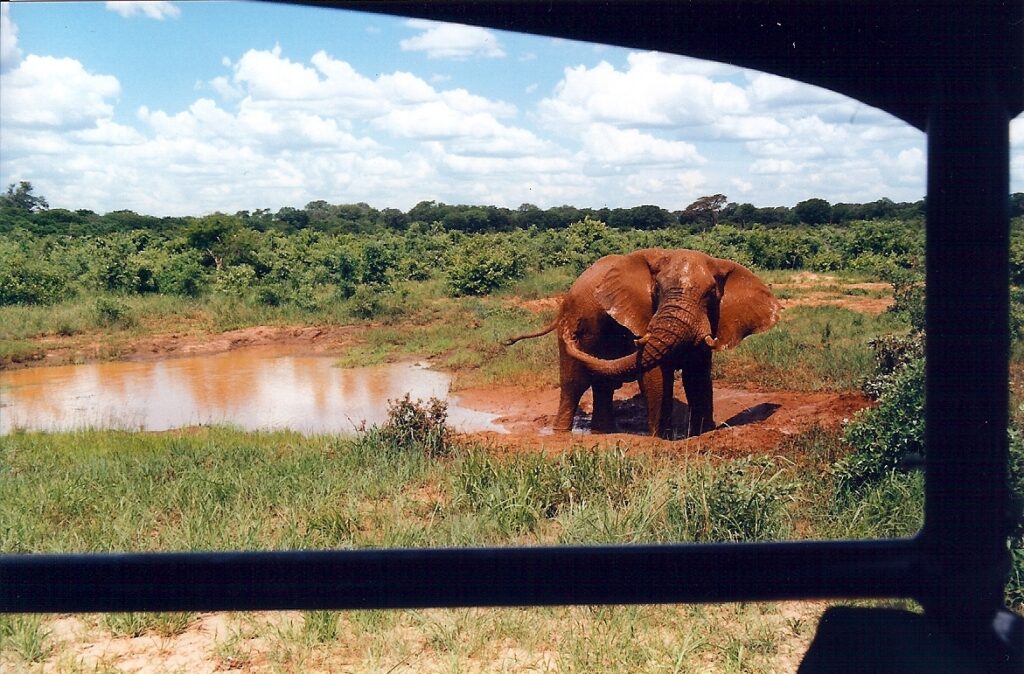
Millions of people seek close encounters with animals on holiday, and many don’t realise that some attractions involve cruelty, the illegal wildlife trade or damage to conservation. The good news: for almost every harmful experience, there is a better alternative. Use this guide to choose well.
Experiences to avoid
Riding elephants and bathing sessions
Captive elephants used for rides, shows or tourist bathing are often trained through harsh methods and kept chained for long periods. See our ethical elephant guide.
Lion cub petting and walking with lions
In southern Africa, cubs used for petting are often bred in captivity, taken from their mothers, and later used in “walking with lions” experiences or sold to canned hunting facilities or the lion bone trade. They are not released into the wild. South Africa has announced plans to end captive lion breeding for commercial purposes.
Tiger temples and tiger selfies
Tigers kept for photos are often sedated, declawed or bred for profit, and some venues have been linked to the illegal trade. See our tiger profile.
Wildlife selfies with sloths, monkeys and other animals
Animals used as photo props, such as sloths in the Amazon, slow lorises in Asia or snakes and monkeys in city squares, are usually taken from the wild and suffer stress and poor care. See our slow loris profile.
Captive dolphin shows and swim-with-dolphin pools
Dolphins in small pools cannot behave naturally. Watch wild dolphins with responsible operators instead.
Feeding wild animals for photos
Feeding changes behaviour, spreads disease and can make animals aggressive. Examples include feeding whale sharks at Oslob in the Philippines. See our Philippines whale shark guide.
Snake charmers, dancing bears and bear parks
These rely on cruel capture and training. Dancing bears have largely disappeared from India and Nepal thanks to rescue programmes, but similar practices continue elsewhere.
Wildlife products
Never buy ivory, turtle shell, coral, shells, pangolin products, big cat skins or traditional medicines containing wildlife. Many are illegal to import.
Red flags
- You can touch, hold, ride or bathe with the animals.
- Babies are always available for photos.
- Animals perform tricks.
- Animals are chained, in small cages or show repetitive behaviours.
- “Sanctuaries” breed animals or buy them from the trade.
- The venue is vague about where animals come from.
Better alternatives
| Instead of | Try |
|---|---|
| Elephant rides | Watching wild elephants in Minneriya or a no-contact sanctuary |
| Cub petting | A safari to see wild lions in their prides |
| Tiger selfies | A tiger safari in India or Nepal |
| Dolphin pools | Responsible wild dolphin watching |
| Sloth selfies | Guided walks to see wild sloths |
Frequently asked questions
Is it ever ethical to touch wild animals? Very rarely. Genuine sanctuaries and rehabilitation centres minimise contact so animals can return to the wild or live naturally.
How can I tell if a sanctuary is genuine? No riding, touching or performances; no breeding for tourism; transparency about animals’ origins; and a focus on welfare and rehabilitation.
Are all zoos bad? No. Accredited zoos and aquariums can support conservation, research and education. Choose members of recognised accreditation bodies.
What should I do if I see animal cruelty? Leave, don’t pay, and report it to local authorities or animal welfare organisations, and write honest reviews.
Related guides
- How to choose a responsible wildlife tour operator
- Asian elephants: choosing an ethical experience
- Safari etiquette
- Animal profiles: Asian elephant, Lion, Sunda pangolin
Cover photo: JackyR, CC BY-SA 3.0, via Wikimedia Commons