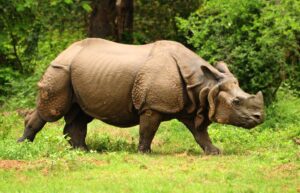
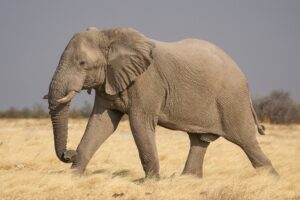
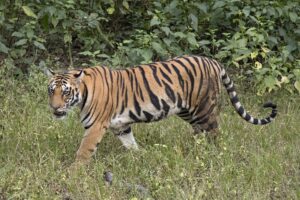
The Asian elephant is the largest land animal in Asia and has been part of human culture, religion and work for thousands of years. It has lost most of its historical range, and the remaining populations are increasingly fragmented by farms, roads and settlements.
Interesting facts
- Asian elephants are smaller than African elephants, with smaller, rounded ears and a twin-domed head.
- Only some males have tusks; males without tusks are called makhnas.
- The tip of the trunk has one finger-like projection; African elephants have two.
- Fewer than 50,000 remain in the wild.
- India holds more than half of the world’s wild Asian elephants.
- Elephants in Sri Lanka’s Minneriya gather in hundreds in the dry season.
Behaviour
Herds are led by an older female and made up of related females and young. Adult males live alone or in loose bachelor groups and enter musth, a period of high testosterone and aggression. Elephants travel long distances along traditional routes between feeding and water areas.
Breeding and young
After a gestation of about 22 months, a single calf of around 100 kg is born. Calves are cared for by the whole family and nurse for several years.
Threats and conservation
Habitat loss and fragmentation, human–elephant conflict, poaching for ivory and skin, capture for captivity, and collisions with trains and vehicles.
Where to see it
- Minneriya and Kaudulla, Sri Lanka
- Jim Corbett and Kaziranga, India
- Chitwan and Bardiya, Nepal
- Kui Buri, Thailand
- Kinabatangan River, Borneo (Bornean elephants)
Status source: IUCN Red List. Profile last reviewed September 2026.
Where to see the asian elephant
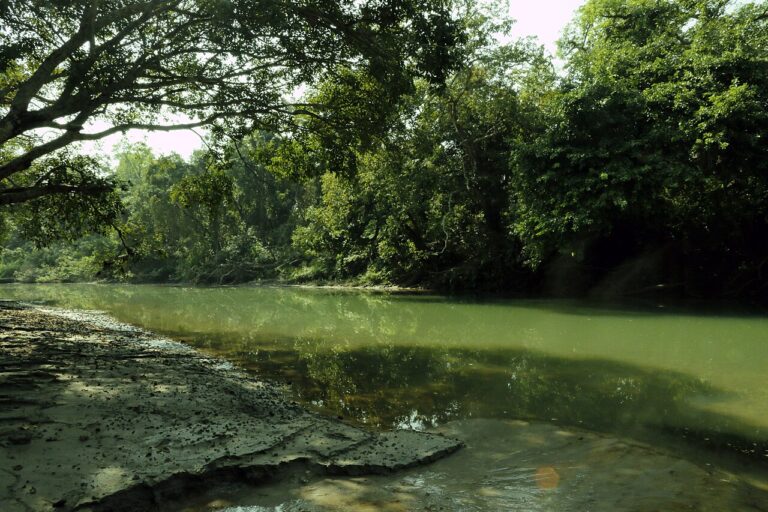 Bardiya National Park: Nepal’s Wild West Tiger CountryRemote, quiet and wild, Bardiya has the most tigers of any park in Nepal. How to plan a…
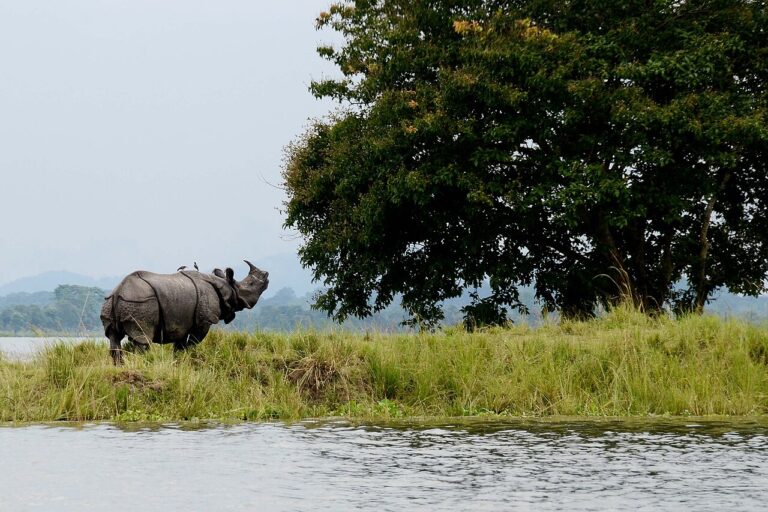 Kaziranga National Park Guide: One-Horned Rhinos, Tigers and ElephantsKaziranga's tall grasslands hold the world's largest population of greater one-horned rhinos, plus tigers, wild buffalo and elephants.…
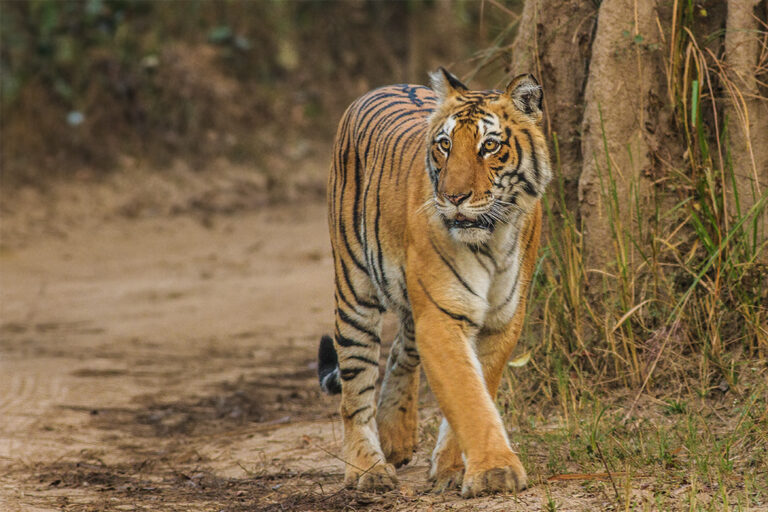 Jim Corbett National Park GuideIndia's first national park combines tigers, big elephant herds, a river valley in the Himalayan foothills and superb…