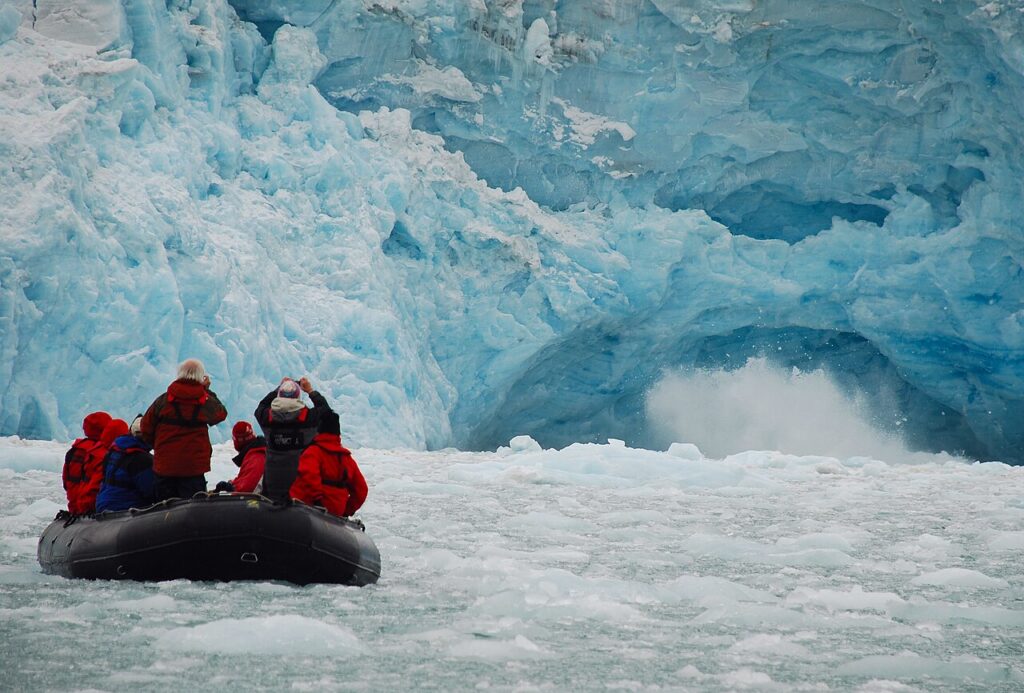
Wildlife tourism is a powerful force. Done well, it funds national parks, anti-poaching patrols and local jobs, and it gives communities a reason to protect wildlife. Done badly, it causes suffering, drives illegal trade and disturbs animals in the wild. Many travellers take part in harmful activities without realising it. This guide explains how to spot the difference.
The simple rule
If you can ride, hold, hug, feed or take a selfie with a wild animal, it is almost certainly not good for that animal. Genuine wildlife experiences let animals behave naturally, on their terms, while people watch from a respectful distance.
Activities to avoid
- Elephant rides and shows: elephants used for riding or tricks are usually trained with harsh methods, often from a young age.
- Cub petting and “walking with lions”: in South Africa, many cubs used in these activities come from captive breeding facilities linked to canned hunting and the lion bone trade. South Africa’s government has announced plans to phase out captive lion breeding.
- Tiger selfies and “tiger temples”: tigers are often kept in poor conditions and may be sedated or declawed.
- Swimming with captive dolphins and marine shows.
- Photo props: slow lorises, monkeys, snakes, sloths, parrots or iguanas used as photo props on streets and beaches.
- Snake charming and dancing monkeys.
- Civet coffee (kopi luwak) from caged civets.
- Turtle “hatcheries” that keep hatchlings in tanks for tourists to handle or release on demand.
- Bear bile farms and any attraction with animals in small cages.
How to recognise a genuine sanctuary
A true sanctuary or rescue centre:
- Does not allow riding, handling, bathing or performances.
- Does not breed animals unless part of a recognised conservation programme.
- Rescues animals from harmful situations and gives lifelong care, or rehabilitates them for release.
- Is transparent about where its animals come from and how funds are used.
- Is accredited by organisations such as the Global Federation of Animal Sanctuaries (GFAS) or supported by reputable conservation groups.
- Puts animal welfare before visitor experience. For example, animals can retreat out of sight.
Viewing wildlife in the wild
- Keep your distance. Follow park rules, such as 100 yards from bears and wolves in US national parks, 7 metres from mountain gorillas, and 5 metres from penguins in Antarctica.
- Never feed wildlife. It changes behaviour, spreads disease and can lead to animals being killed.
- Stay in vehicles unless you are with a qualified guide.
- Stay quiet and limit time at sightings, especially with sensitive species.
- Do not pressure guides to drive off-road or approach animals too closely.
- Avoid drones where they are banned or where they might disturb wildlife.
- Choose responsible boat operators for whale and dolphin watching, who follow national guidelines on distance and speed.
Wildlife products to avoid buying
Many souvenirs are made from threatened species, and buying or importing them may be illegal under CITES and national laws. Avoid:
- Ivory, rhino horn and products from pangolins
- Turtle shell (tortoiseshell) jewellery
- Coral, seashells and starfish
- Reptile skins and exotic leather
- Traditional medicines containing wild animal parts
- Live animals and plants, including orchids and cacti
Support local people
- Stay in community-owned lodges and conservancies, such as the community conservancies of Kenya and Namibia.
- Hire local guides and pay fair rates.
- Buy local crafts from co-operatives, and make sure no wildlife products are involved.
- Respect local cultures: ask before photographing people, dress appropriately and learn a few words of the local language.
Reduce your environmental footprint
- Travel slowly: fewer flights and longer stays.
- Choose lodges with good environmental practices, such as solar power, water saving and waste management.
- Avoid single-use plastics; carry a reusable water bottle.
- Stay on paths and follow “Leave No Trace” principles.
- Consider supporting a verified conservation project to offset part of your impact.
Give back
- Donate to reputable conservation organisations working where you travel.
- Record your sightings on citizen science platforms such as iNaturalist and eBird.
- Share responsible travel tips and avoid posting photos that promote harmful activities.
- Report animal cruelty to local authorities and to groups such as World Animal Protection.
Frequently asked questions
How can I tell if an animal sanctuary is ethical? An ethical sanctuary does not allow riding, handling, performances or breeding for profit, rescues animals in need, is transparent about its work, and ideally holds accreditation such as from the Global Federation of Animal Sanctuaries.
Is it wrong to ride elephants? Most animal welfare organisations advise against it, because elephants used for riding are usually trained with harsh methods and kept in poor conditions.
Is cub petting harmful? Yes. Cubs are often taken from their mothers early, and many petting facilities are linked to captive breeding for trophy hunting and the lion bone trade.
How can my trip help conservation? Choose operators and lodges that support local communities and protected areas, pay fair park fees, hire local guides and avoid wildlife products.
Related guides
- Where to see orangutans in Borneo
- Gorilla trekking: Uganda vs Rwanda
- Wildlife photography for beginners
- Safari packing list
Cover photo: Woodwalker, CC BY-SA 3.0, via Wikimedia Commons