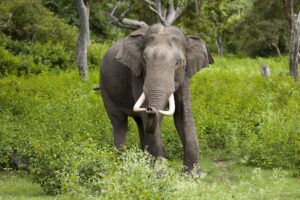
The African savanna elephant is a keystone species that shapes entire landscapes by knocking down trees, digging for water and dispersing seeds. About 415,000 African elephants of both species were estimated in 2016, down sharply from the 1970s because of ivory poaching and habitat loss.
Interesting facts
- The African savanna elephant is the largest land animal on Earth.
- An elephant’s trunk contains tens of thousands of muscle units and can pick up a single peanut or uproot a tree.
- Elephant ears act as radiators; flapping them cools the blood.
- Herds are led by the oldest female, the matriarch, whose memory of water sources can save the herd in droughts.
- Elephants appear to show grief, returning to and touching the bones of dead relatives.
- Since 2021 the IUCN has recognised two African species: the savanna elephant (Endangered) and the smaller forest elephant (Critically Endangered).
Behaviour
Family groups of related females and their young, led by a matriarch, often join into larger herds. Adult males leave at adolescence and live alone or in bachelor groups. Males periodically enter musth, a state of heightened testosterone and aggression.
Breeding and young
Gestation lasts about 22 months, the longest of any mammal. A single calf weighing around 100 to 120 kg is born and cared for by the whole family. Females usually give birth every four to five years.
Threats and conservation
Ivory poaching, habitat loss and fragmentation, and conflict with farmers as human settlements expand into elephant range.
Where to see it
- Chobe National Park, Botswana
- Amboseli, Kenya
- Hwange, Zimbabwe
- Kruger, South Africa
- Tarangire, Tanzania
Status source: IUCN Red List. Profile last reviewed September 2026.
Where to see the african elephant
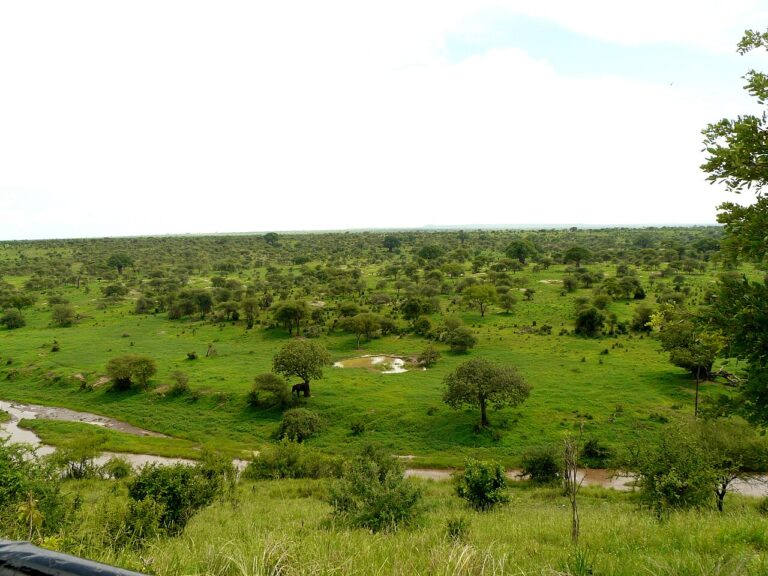 Tarangire National Park: Elephants, Baobabs and When to GoIn the dry season Tarangire holds some of the densest elephant herds in Tanzania, set among ancient baobabs.…
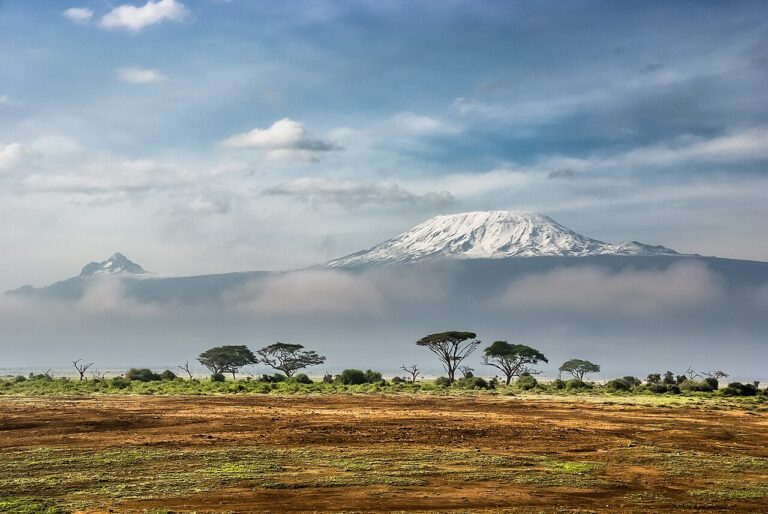 Amboseli National Park Guide: Elephants Under KilimanjaroAmboseli's elephants are among the best studied in the world, and its view of Kilimanjaro is Africa's most…
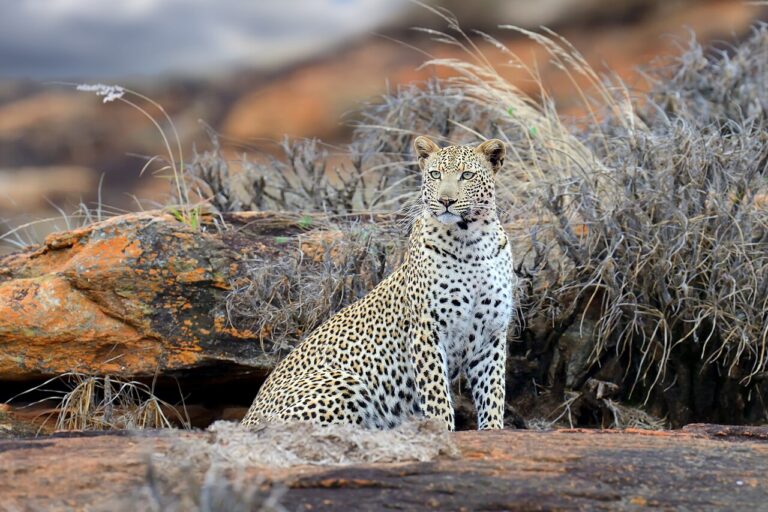 Tsavo East and West Safari GuideTogether, Tsavo East and West form one of Africa's largest protected areas, home to Kenya's biggest elephant population.…