The chimpanzee is a highly intelligent great ape living in communities across equatorial Africa. Its complex social life, tool use and culture have made it central to understanding human evolution.
Interesting facts
- Chimpanzees and bonobos are humans’ closest living relatives.
- Different chimpanzee communities have different tool traditions, a form of culture.
- Chimpanzees hunt cooperatively, most often for red colobus monkeys.
- They build a new sleeping nest in the trees almost every night.
- Jane Goodall’s research at Gombe, Tanzania, began in 1960 and transformed our understanding of chimpanzees.
- Chimpanzees can recognise themselves in a mirror.
Behaviour
Chimpanzees live in communities of up to about 150 that split into smaller, changing groups (fission-fusion). Males are usually dominant and patrol territory borders, and conflicts between communities can be lethal.
Breeding and young
Females give birth to a single infant about every five to six years after an eight-month gestation. Young are dependent for several years and learn skills by watching their mothers.
Threats and conservation
Habitat loss, hunting for bushmeat, capture for the pet trade, and diseases, some caught from humans.
Where to see it
- Kibale National Park, Uganda
- Mahale Mountains and Gombe, Tanzania
- Nyungwe, Rwanda
- Budongo Forest, Uganda
Status source: IUCN Red List. Profile last reviewed September 2026.
Where to see the chimpanzee
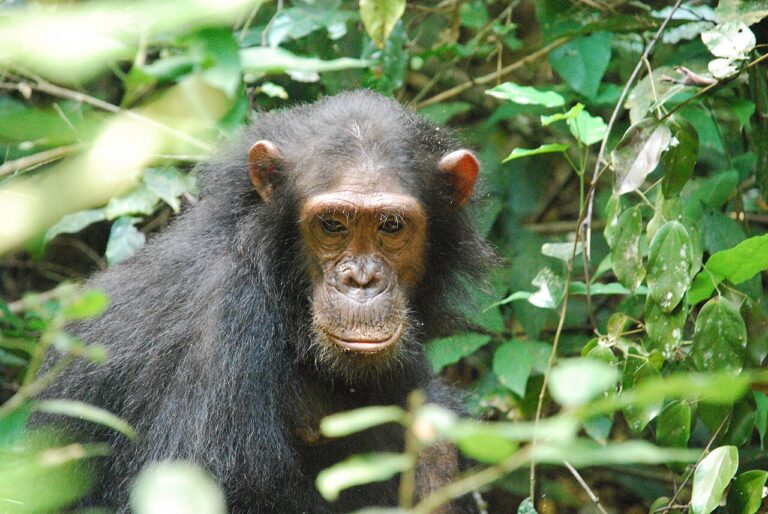 Mahale and Gombe: Chimpanzee Trekking in TanzaniaTwo remote parks on the shores of Lake Tanganyika offer some of Africa's finest chimpanzee encounters. How Mahale…
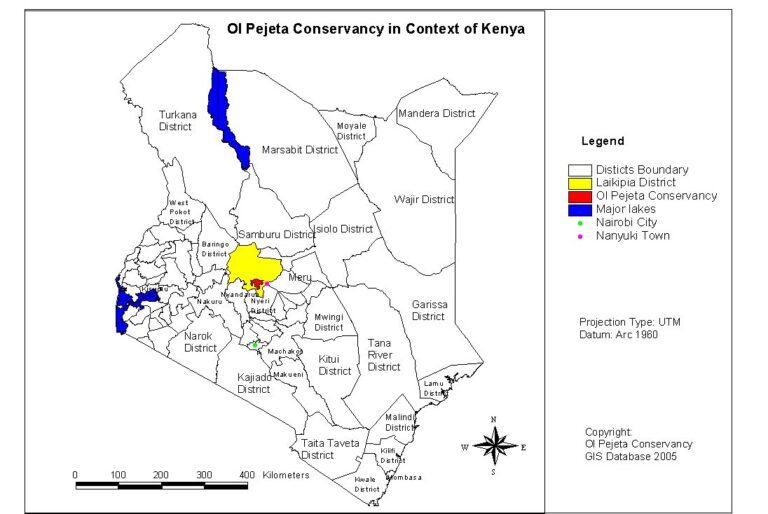 Laikipia and Ol Pejeta: Rhinos, Wild Dogs and Walking SafarisKenya's Laikipia Plateau is a patchwork of private and community conservancies with rhinos, wild dogs, night drives and…
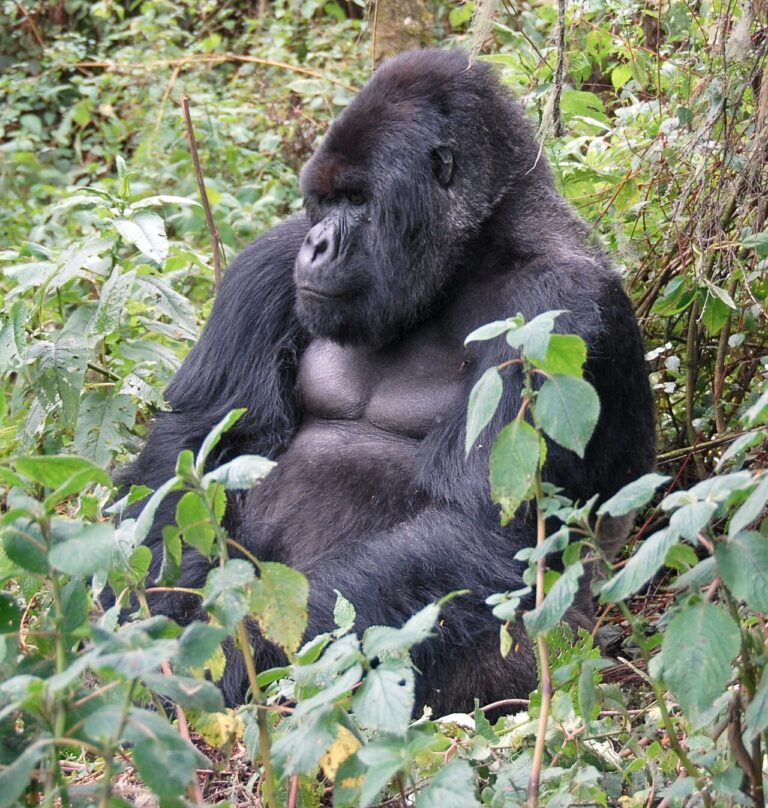 Gorilla Trekking in Uganda vs Rwanda: Permits, Costs and TipsUganda or Rwanda for mountain gorillas? A clear comparison of permits, parks, difficulty, logistics and costs, plus what…