The African wild dog, or painted wolf, lives in close-knit packs that range over huge areas. It has disappeared from much of its former range and now survives mainly in a few large wilderness areas of southern and East Africa.
Interesting facts
- Each dog has a unique coat pattern of black, yellow and white patches.
- Their scientific name means ‘painted wolf-like animal’.
- Packs vote on when to set off hunting, partly by sneezing.
- They regurgitate food for pups and for sick or injured pack members.
- Wild dogs have four toes on each foot, unlike most dogs, which have five on the front feet.
- Only around 6,600 remain in the wild.
Behaviour
Packs usually number 6 to 20 and are led by a dominant breeding pair. They hunt cooperatively, mostly at dawn and dusk, running prey down over long distances. Pack members greet each other with twittering calls and elaborate rituals.
Breeding and young
Usually only the dominant female breeds, giving birth to large litters of up to about 10 or more pups in a den. The whole pack helps feed and guard them.
Threats and conservation
Habitat fragmentation, conflict with livestock farmers, road accidents, snares and diseases such as rabies and canine distemper caught from domestic dogs.
Where to see it
- Okavango Delta and Moremi, Botswana
- Hwange and Mana Pools, Zimbabwe
- Nyerere (Selous) and Ruaha, Tanzania
- Kruger, South Africa
- Laikipia, Kenya
Status source: IUCN Red List. Profile last reviewed September 2026.
Where to see the african wild dog
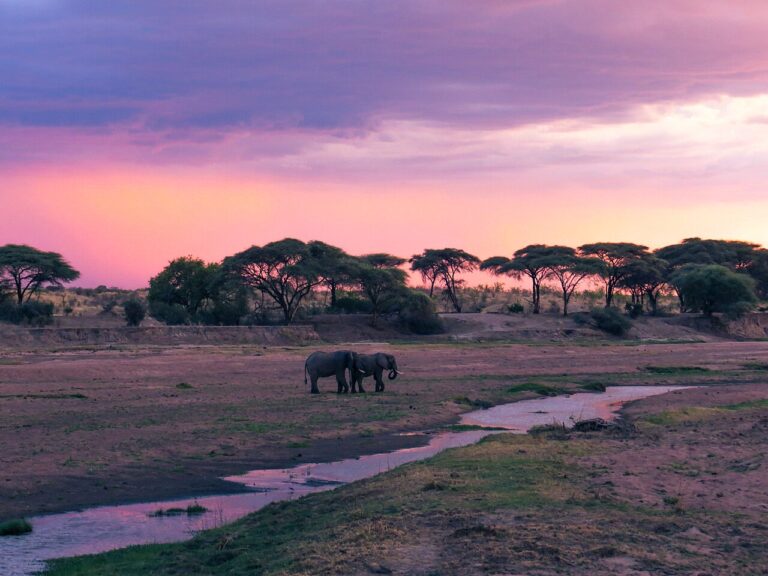 Ruaha and Nyerere (Selous): Tanzania’s Wild SouthTanzania's southern parks are vast, wild and far quieter than the north. How Ruaha and Nyerere compare, what…
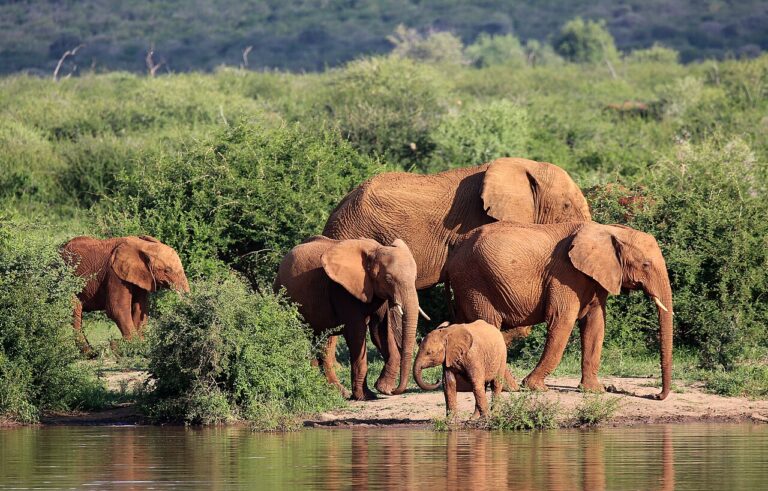 Madikwe and Pilanesberg: Malaria-free Safaris in South AfricaYou can see the Big Five without taking malaria tablets. The best malaria-free reserves in South Africa, and…
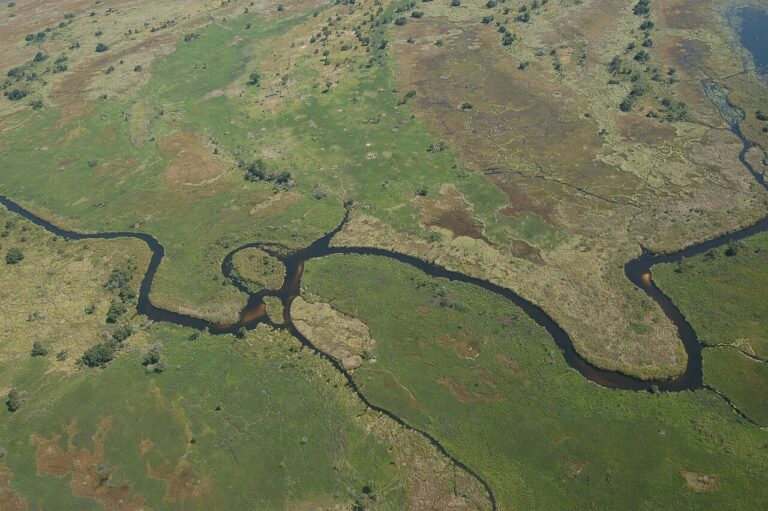 Okavango Delta Safari Guide: Mokoros, Camps and SeasonsA river that never reaches the sea spreads into one of Africa's greatest wildlife wetlands. How the flood…