The aardvark is a nocturnal, pig-sized burrowing mammal with a long snout, rabbit-like ears and a thick tail. It is a specialist ant and termite eater and a key ecosystem engineer, because its burrows provide homes for many other animals.
Interesting facts
- ‘Aardvark’ means ‘earth pig’ in Afrikaans.
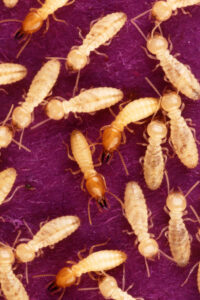
- Aardvarks can eat tens of thousands of ants and termites in a single night.
- They are extremely fast diggers, using powerful, spade-like claws.
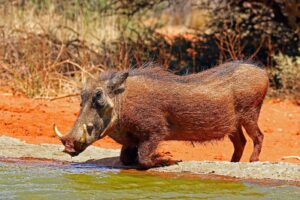
- Abandoned aardvark burrows shelter warthogs, porcupines, hyenas, pythons and many other animals.
- The aardvark cucumber grows underground, and aardvarks eat it and spread its seeds.
- Prolonged droughts in the Kalahari have been linked to aardvark deaths from starvation.
Behaviour
Aardvarks are solitary and nocturnal, travelling several kilometres each night between termite mounds and ant nests. They use their sense of smell to find prey, break into nests with their claws and lap up insects with a long, sticky tongue.
Breeding and young
After a gestation of about seven months, a single young is born in a burrow. It starts to forage with its mother after a few weeks and digs its own burrow at about six months.
Threats and conservation
Aardvarks are widespread but rarely seen. Threats include habitat loss, hunting for meat and traditional medicine, and increasingly, droughts linked to climate change.
Where to see it
- Tswalu Kalahari Reserve, South Africa
- Kgalagadi Transfrontier Park, South Africa and Botswana, on night drives
- Kruger National Park, South Africa (rare)
- Serengeti, Tanzania (rare)
Status source: IUCN Red List. Profile last reviewed September 2026.