The cheetah is built for speed, with a light frame, long legs, a flexible spine and semi-retractable claws that grip like running spikes. It is the only living member of its genus. Cheetahs have vanished from about 90 percent of their historical range, and most now live outside protected areas, on farmland.
Interesting facts
- The cheetah is the fastest land animal, but it can only sprint for about 20 to 30 seconds.
- Its long tail works like a rudder to steer during high-speed turns.
- Cheetahs cannot roar; they chirp, purr and yelp.
- The black ‘tear lines’ running from the eyes may reduce glare from the sun.
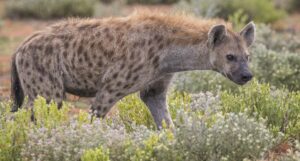
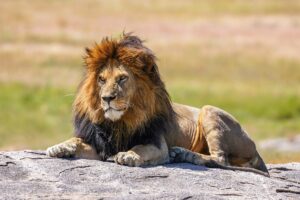
- Cheetahs often lose their kills to lions and hyenas.
- Fewer than 7,000 adult cheetahs remain in the wild.
Behaviour
Unlike other big cats, cheetahs hunt mainly during the day, avoiding competition with lions and hyenas. Females live alone with their cubs, while males often form lifelong coalitions, usually of brothers, that hold territories together.
Breeding and young
Litters of 3 to 5 cubs are born after about 93 days. Cub mortality is very high on open plains, where many are killed by lions and hyenas. Surviving cubs stay with their mother for about 18 months.
Threats and conservation
Habitat loss and fragmentation, conflict with farmers, loss of prey, and illegal trade in cubs as pets, especially to the Middle East. Low genetic diversity may make cheetahs more vulnerable to disease.
Where to see it
- Maasai Mara and its conservancies, Kenya
- Serengeti, Tanzania
- Kgalagadi Transfrontier Park, South Africa and Botswana
- Namibia’s farmlands and reserves
Status source: IUCN Red List. Profile last reviewed September 2026.
Where to see the cheetah
 Serengeti Great Migration: A Month-by-Month GuideWhere the wildebeest are in every month of the year, when to see calving and river crossings, where…
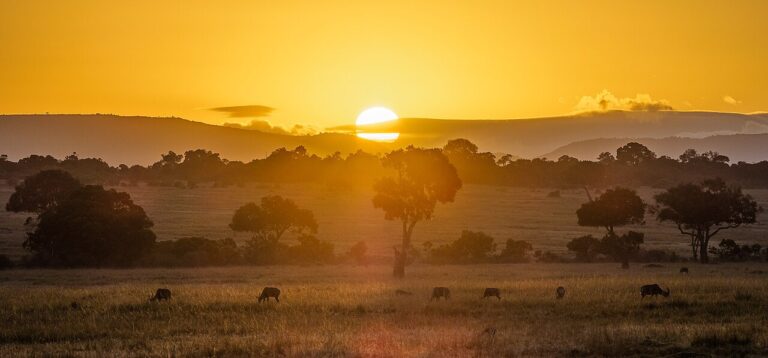 Maasai Mara Safari Guide: Conservancies, Crossings and CostsKenya's most famous reserve offers big cats all year and the Great Migration from July to October. How…
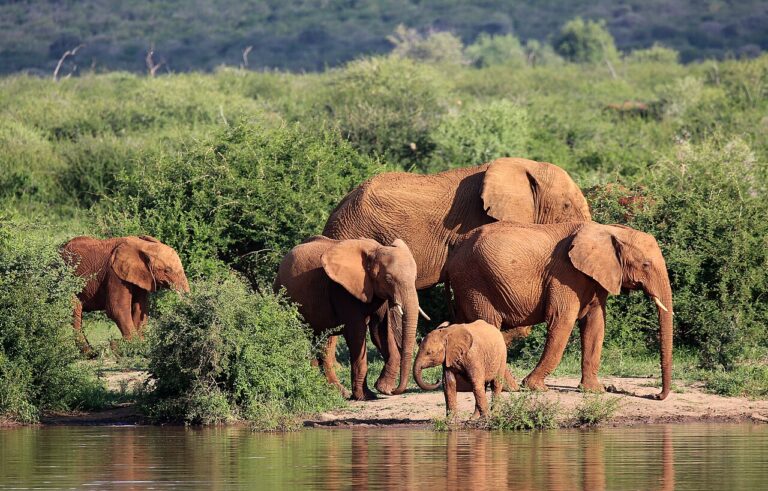 Madikwe and Pilanesberg: Malaria-free Safaris in South AfricaYou can see the Big Five without taking malaria tablets. The best malaria-free reserves in South Africa, and…