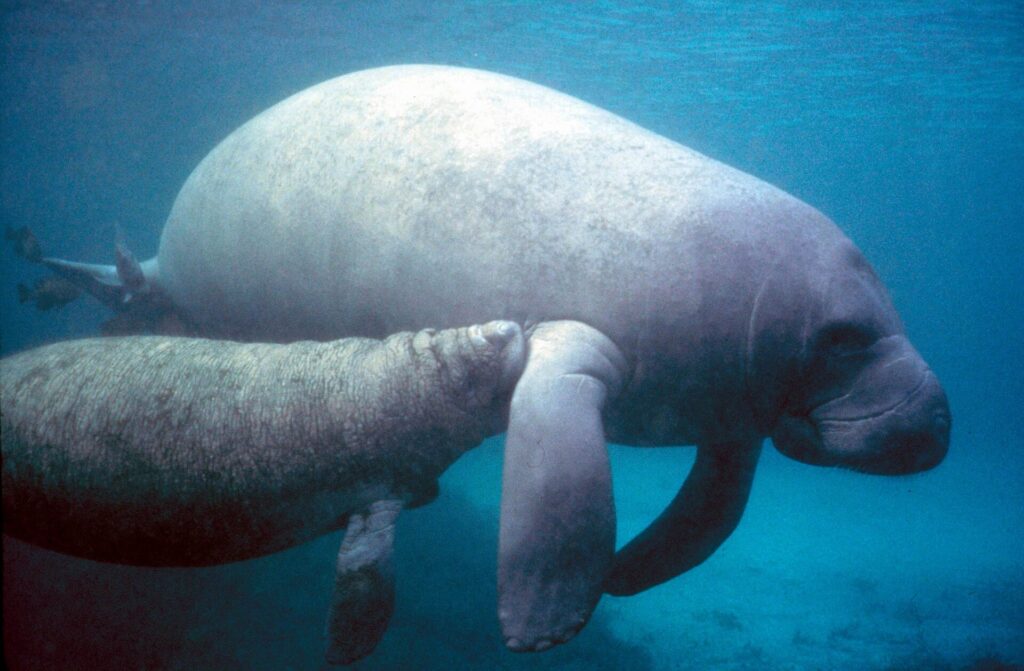
West Indian Manatee
A manatee eats about a tenth of its body weight in plants every day, and its teeth are constantly replaced from the back of the jaw as they wear down.
A manatee eats about a tenth of its body weight in plants every day, and its teeth are constantly replaced from the back of the jaw as they wear down.
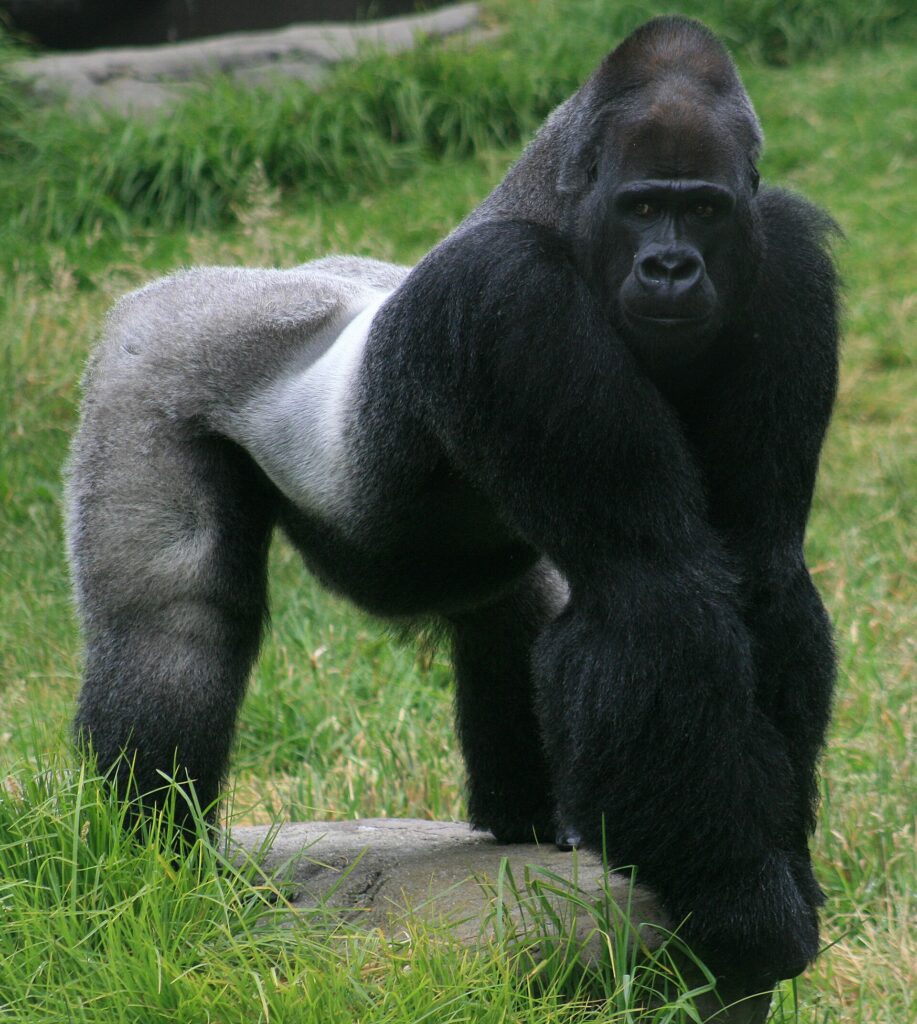
Western lowland gorillas are by far the most numerous gorillas, yet they are still Critically Endangered because their numbers are falling by several percent every year.
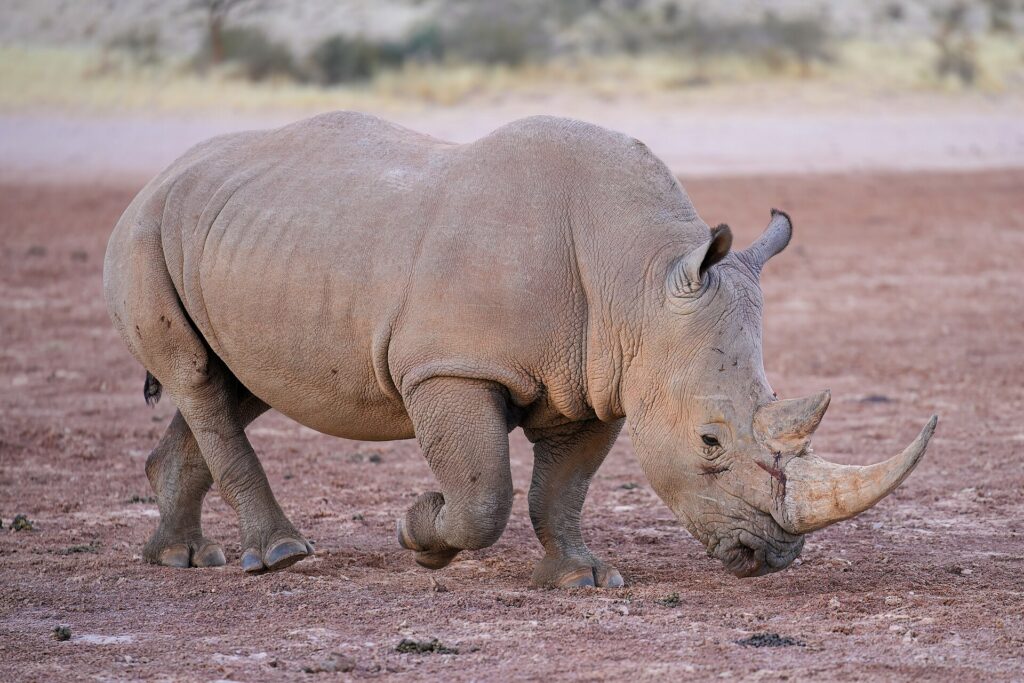
The southern white rhino was brought back from fewer than 100 animals around 1900 to more than 16,000, one of conservation’s greatest recoveries.
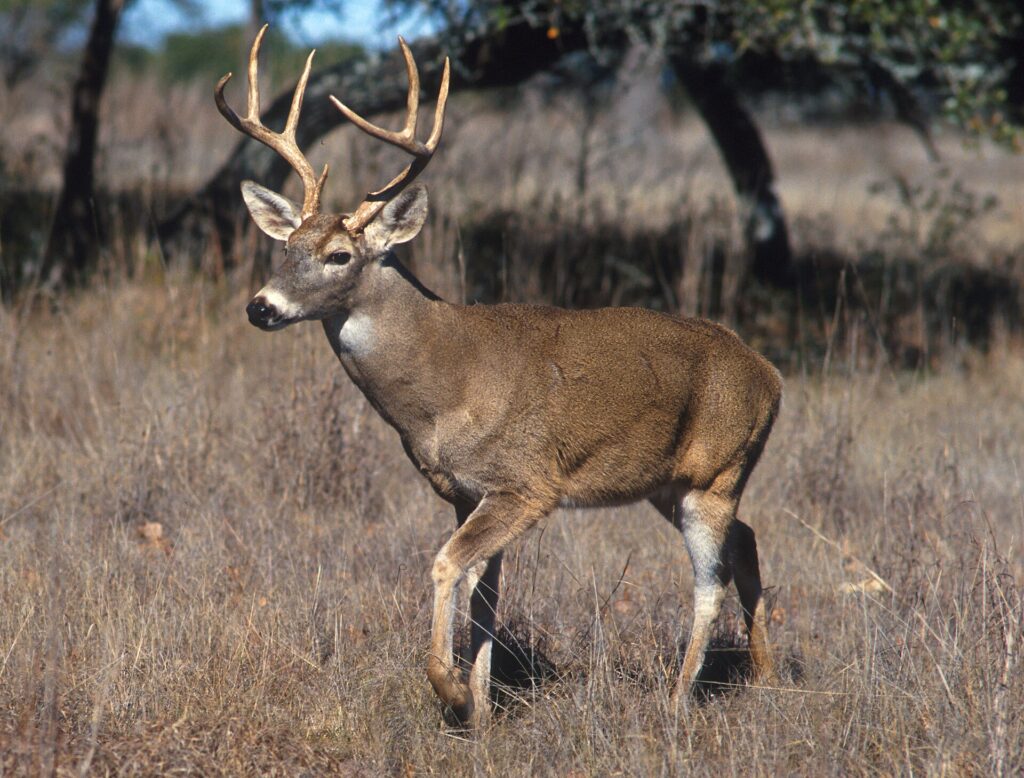
White-tailed deer were reduced to fewer than half a million in the United States around 1900; today there are around 30 million.
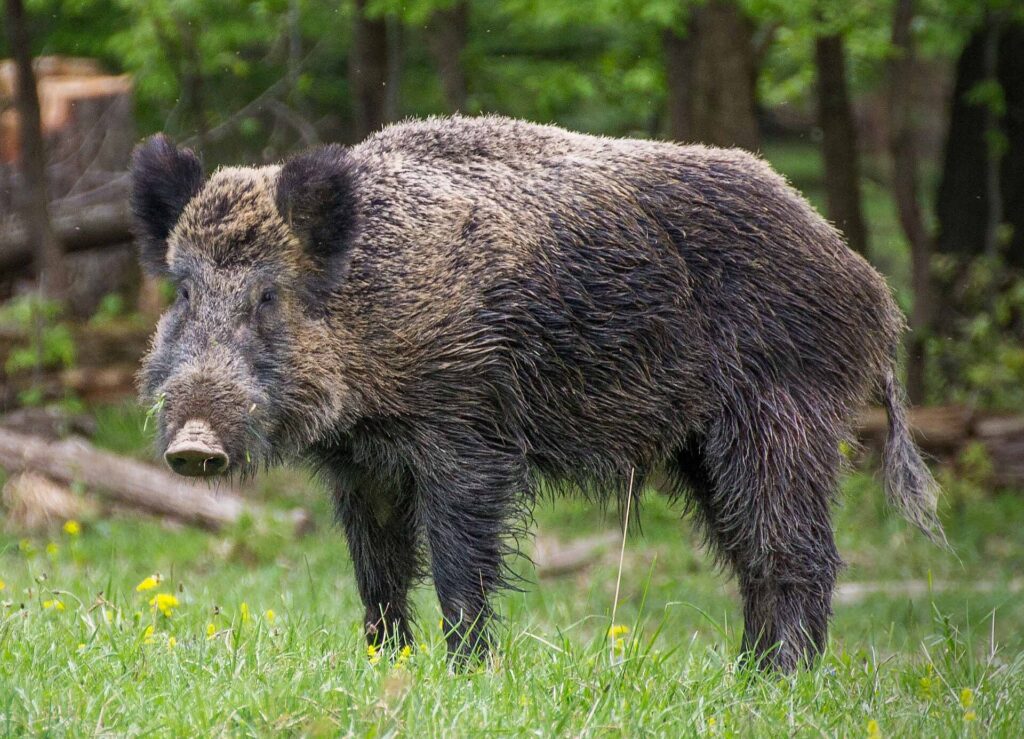
The wild boar is one of the most widespread mammals on Earth and the wild ancestor of all domestic pigs.
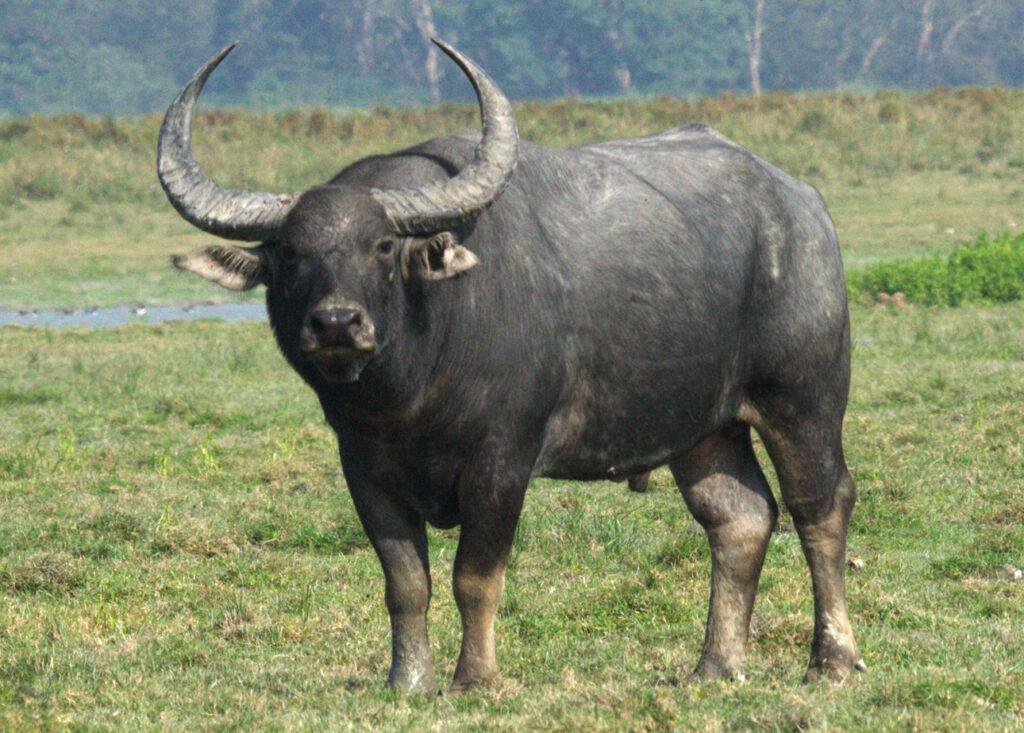
The wild water buffalo has the largest horns of any living bovid, spanning up to about 2 metres.
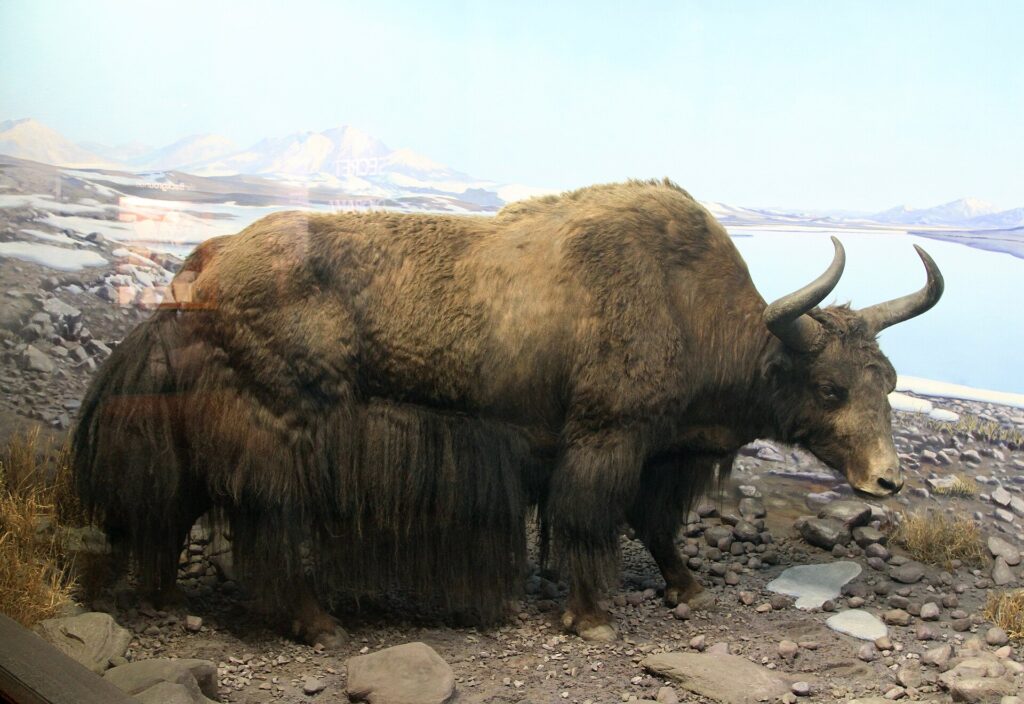
Wild yaks live higher than almost any other large mammal, grazing at altitudes above 5,000 metres where temperatures drop below −40 °C.
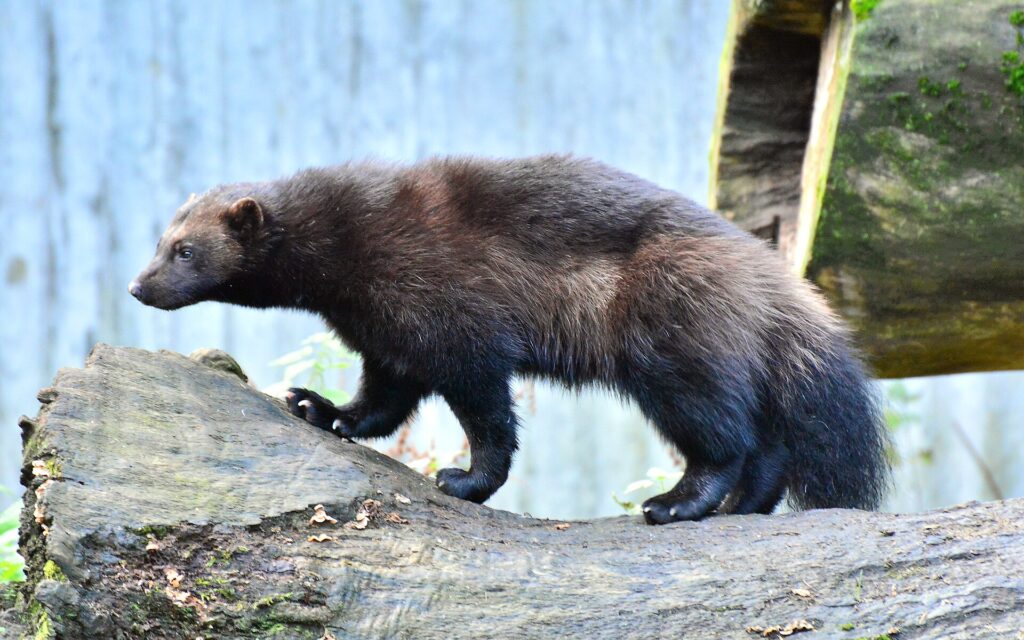
Wolverines can travel huge distances: one young male walked more than 800 km from Wyoming to Colorado.