Blue Wildebeest
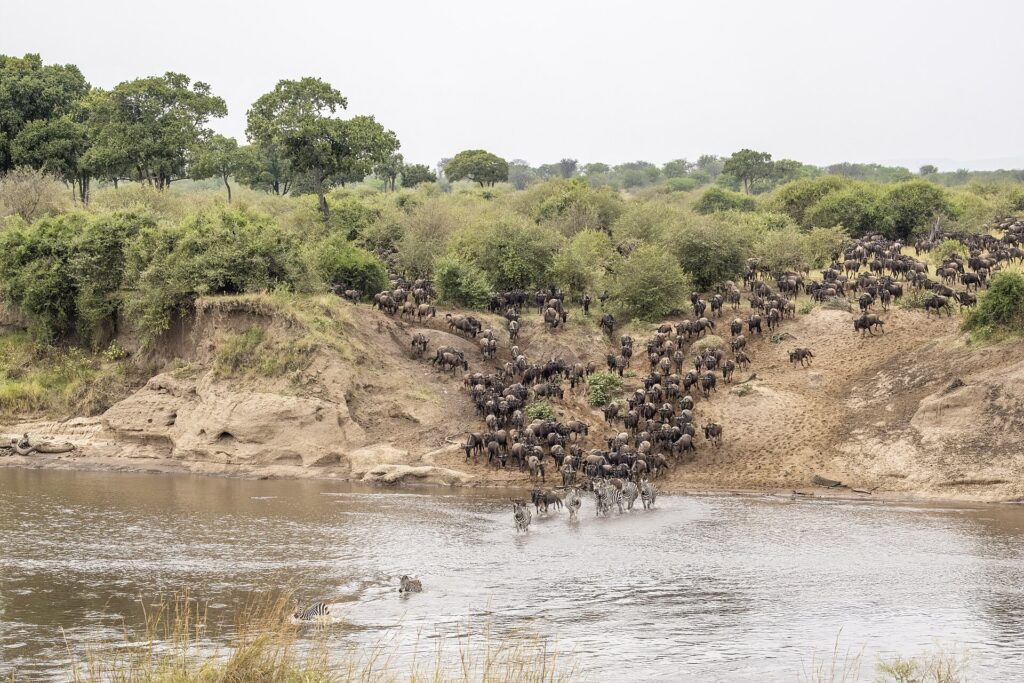
In the southern Serengeti, around half a million wildebeest calves are born within a few weeks each February, overwhelming predators with sheer numbers.
In the southern Serengeti, around half a million wildebeest calves are born within a few weeks each February, overwhelming predators with sheer numbers.
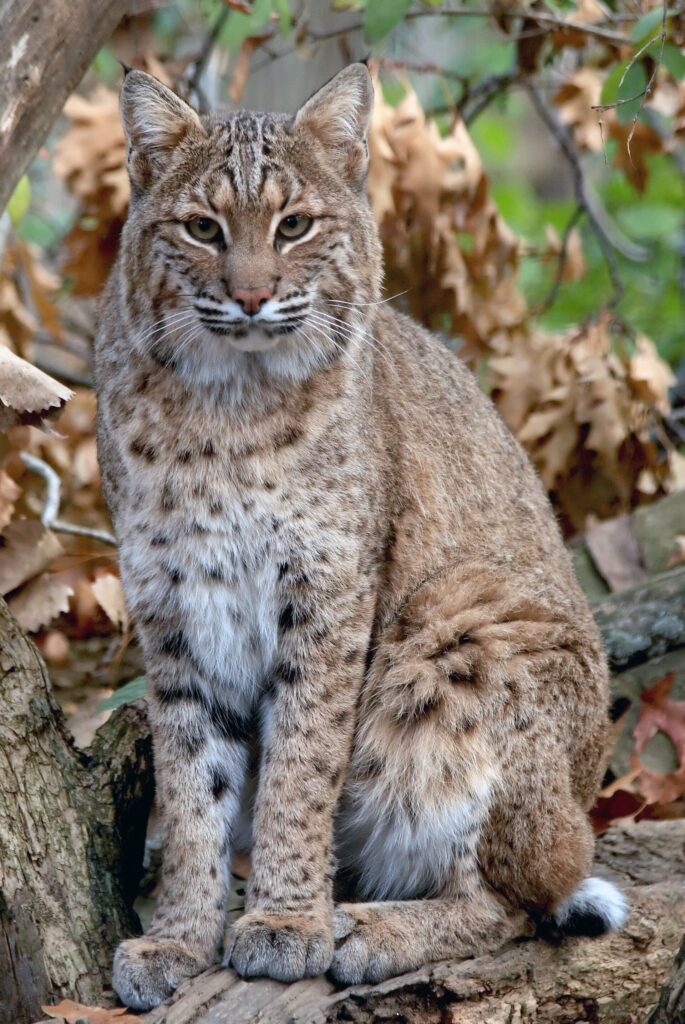
The bobcat is the most common wild cat in North America, with an estimated population of well over two million.
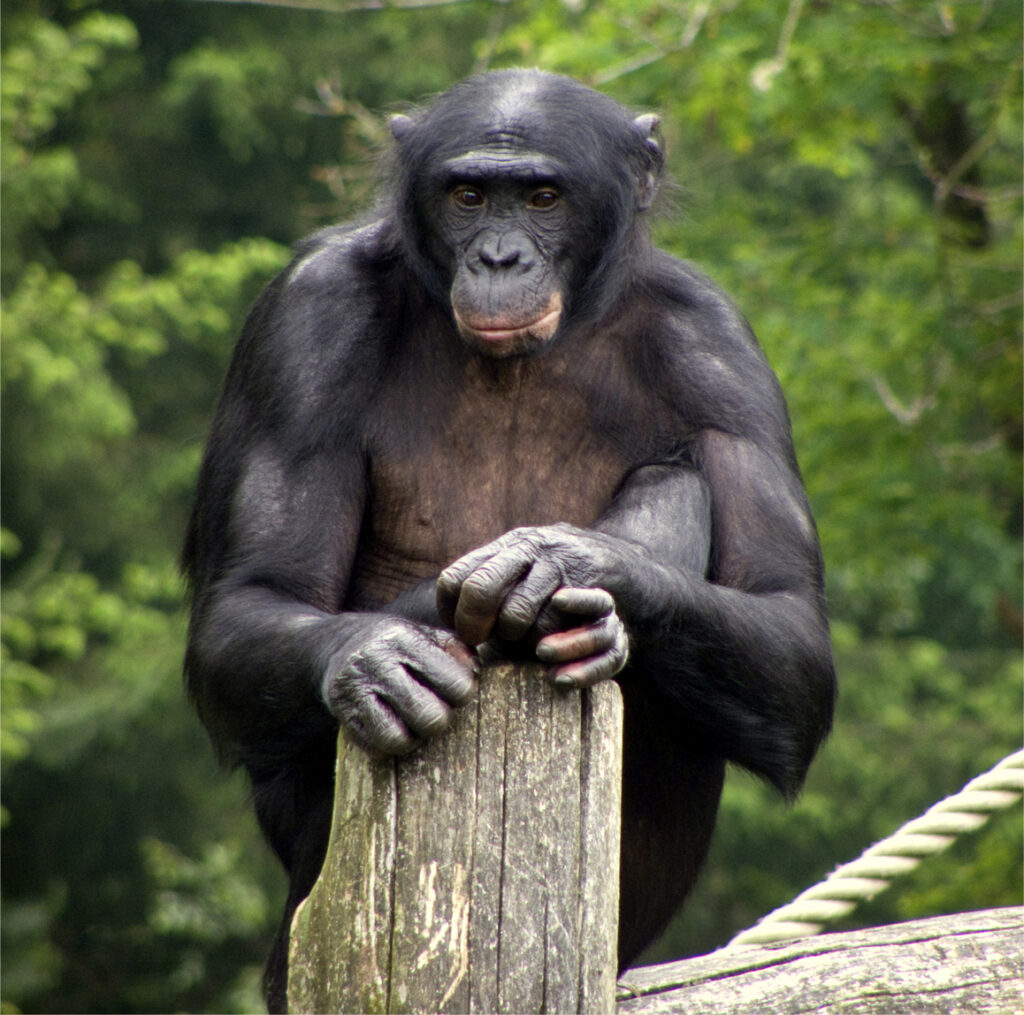
Bonobo societies are led by females, and conflicts are often defused with social bonding, grooming and sex rather than violence.
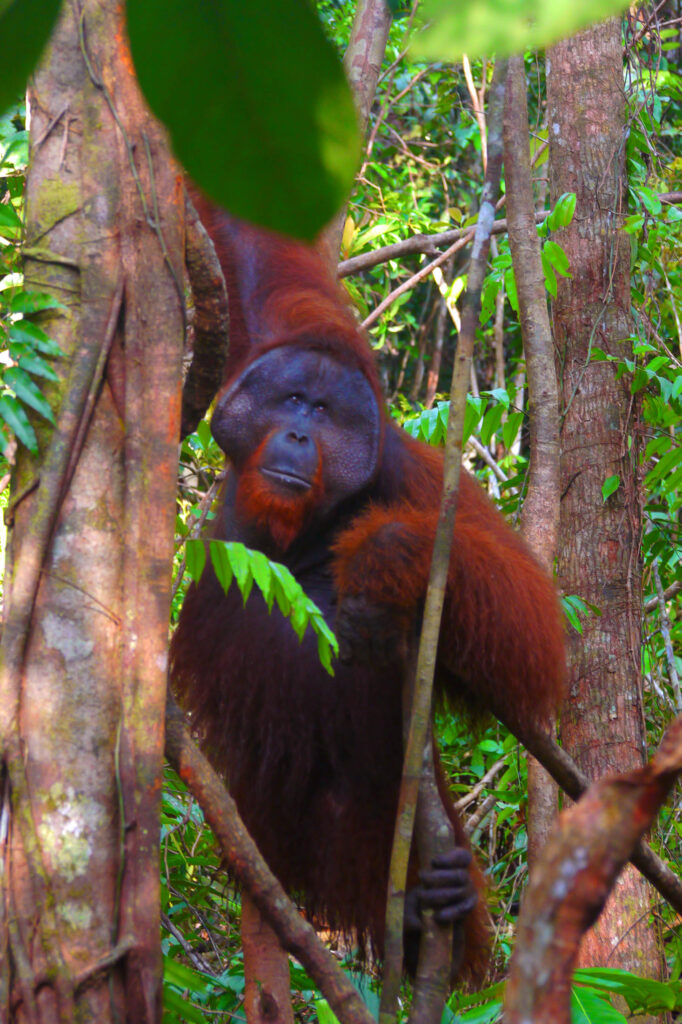
Orangutan mothers raise each infant for about seven to eight years, one of the longest childhoods of any animal apart from humans.
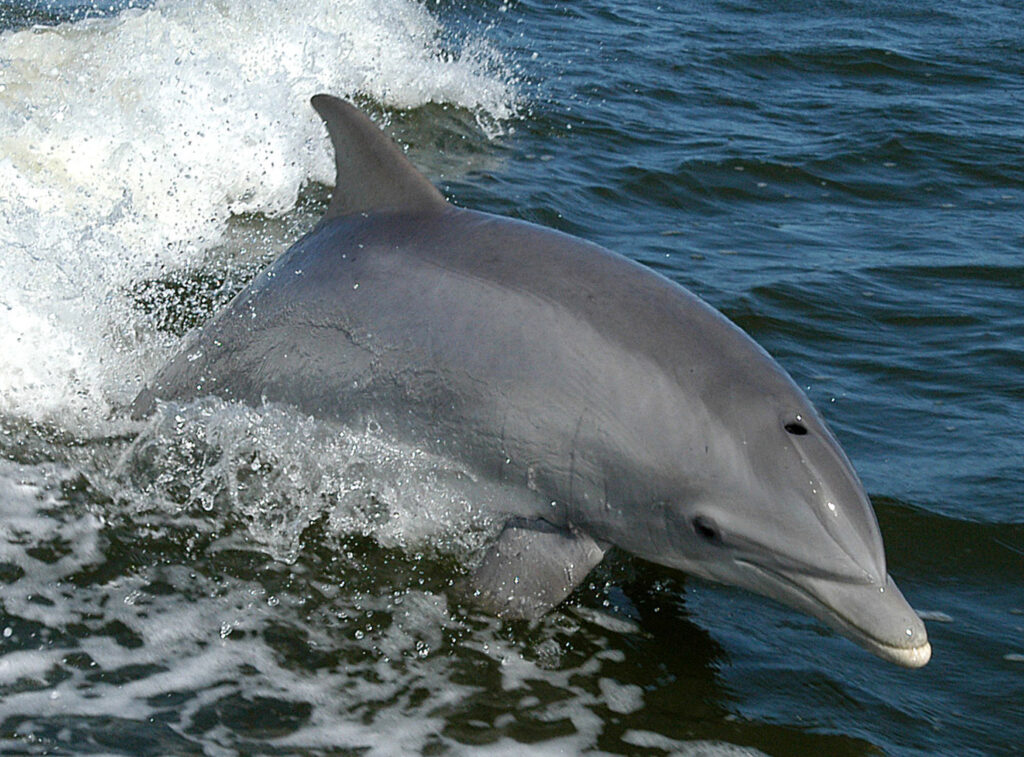
Each bottlenose dolphin develops its own signature whistle, which works like a name, and dolphins respond when they hear their own.
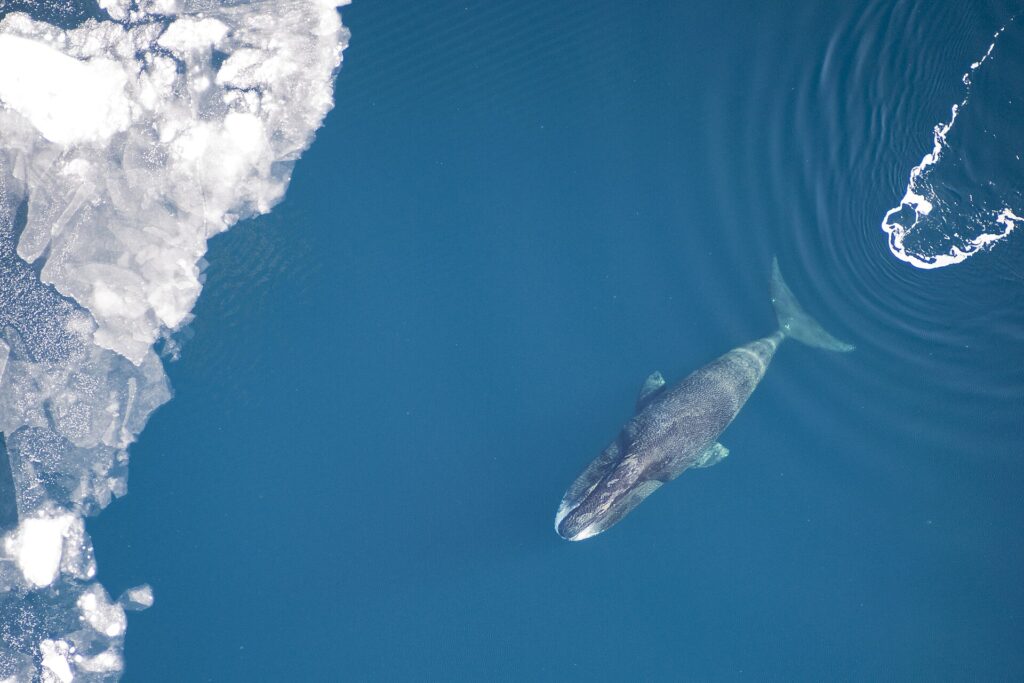
Bowhead whales can live for more than 200 years, making them the longest-lived mammals known.
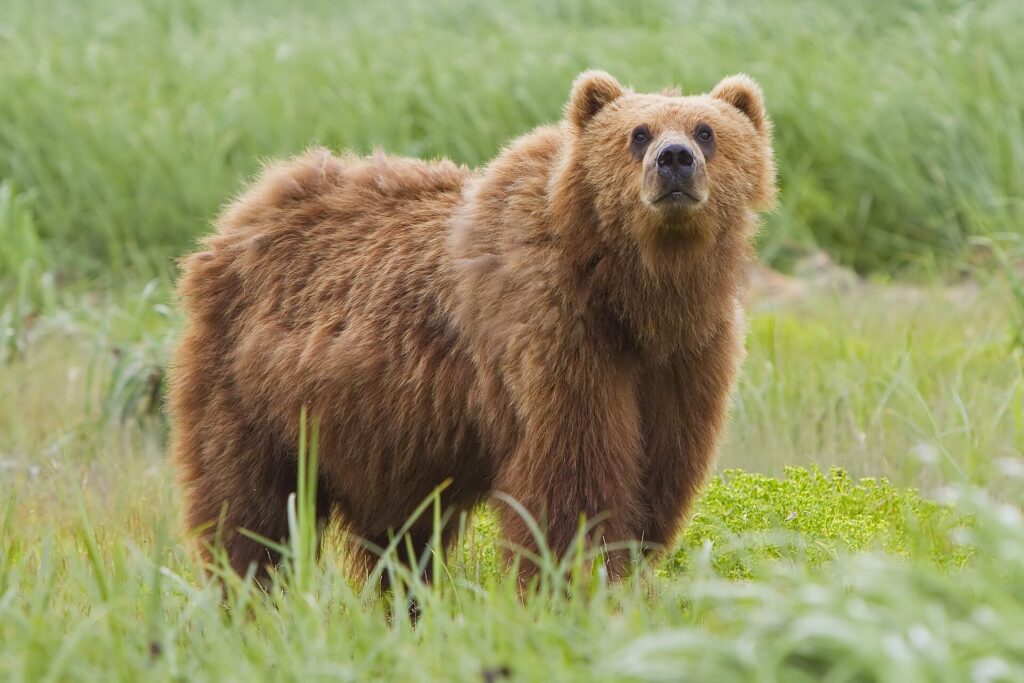
Before hibernating, a brown bear can gain more than a kilogram of fat a day, then survive for months without eating, drinking or passing waste.
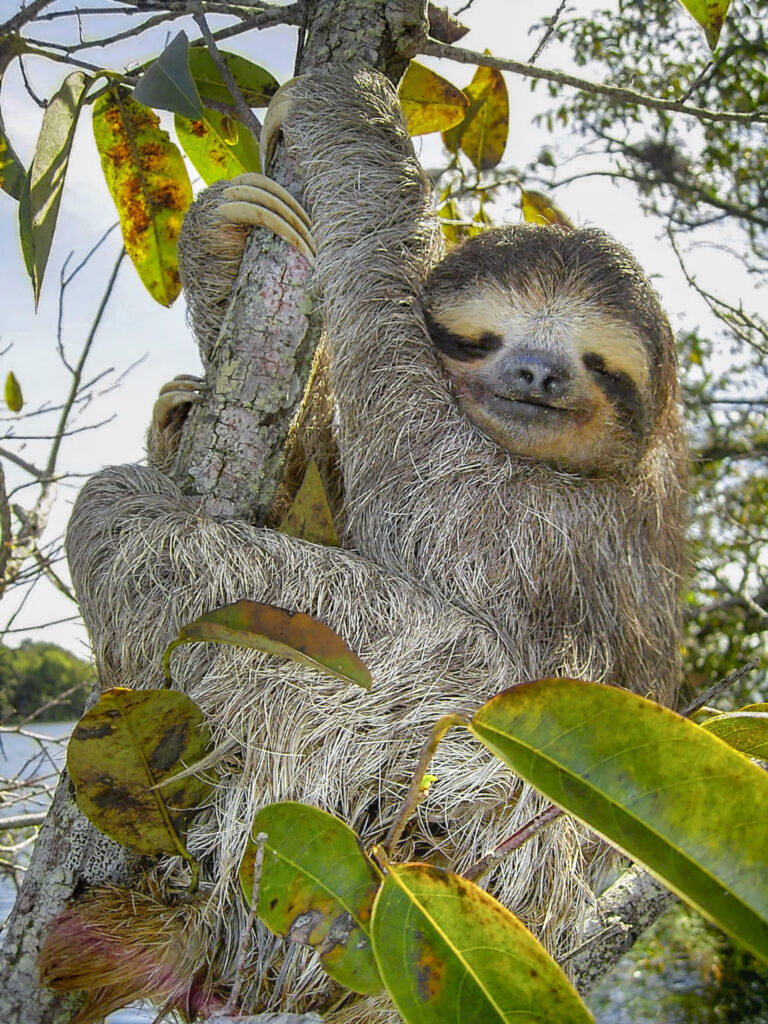
A sloth’s slow metabolism means a single leaf meal can take a month or more to digest completely.
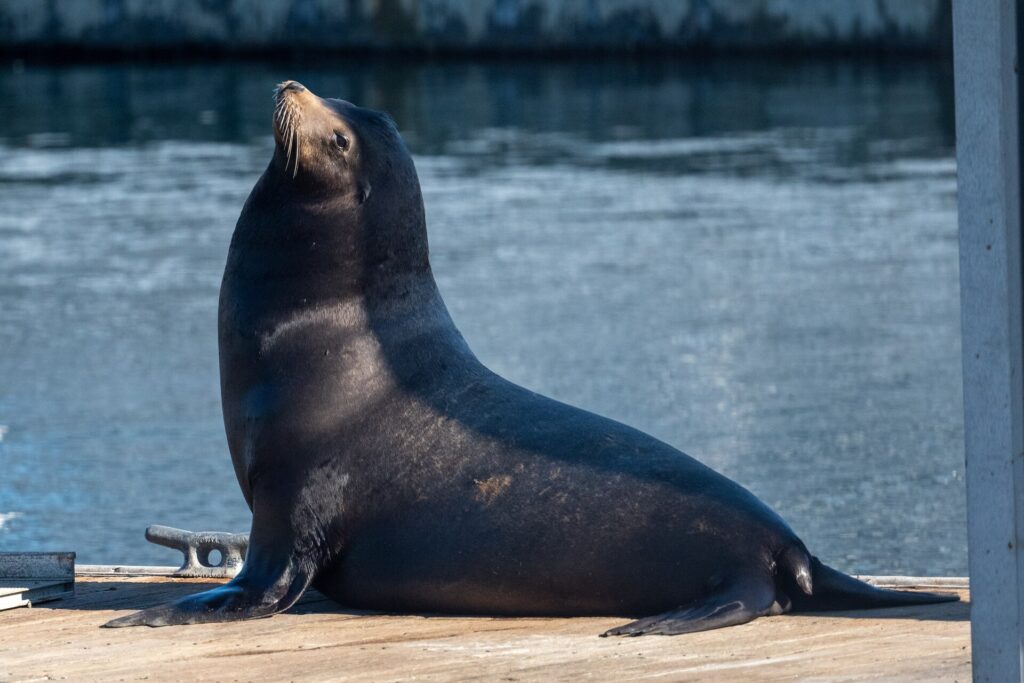
California sea lions are so intelligent and trainable that the US Navy has trained them to find and mark objects underwater.
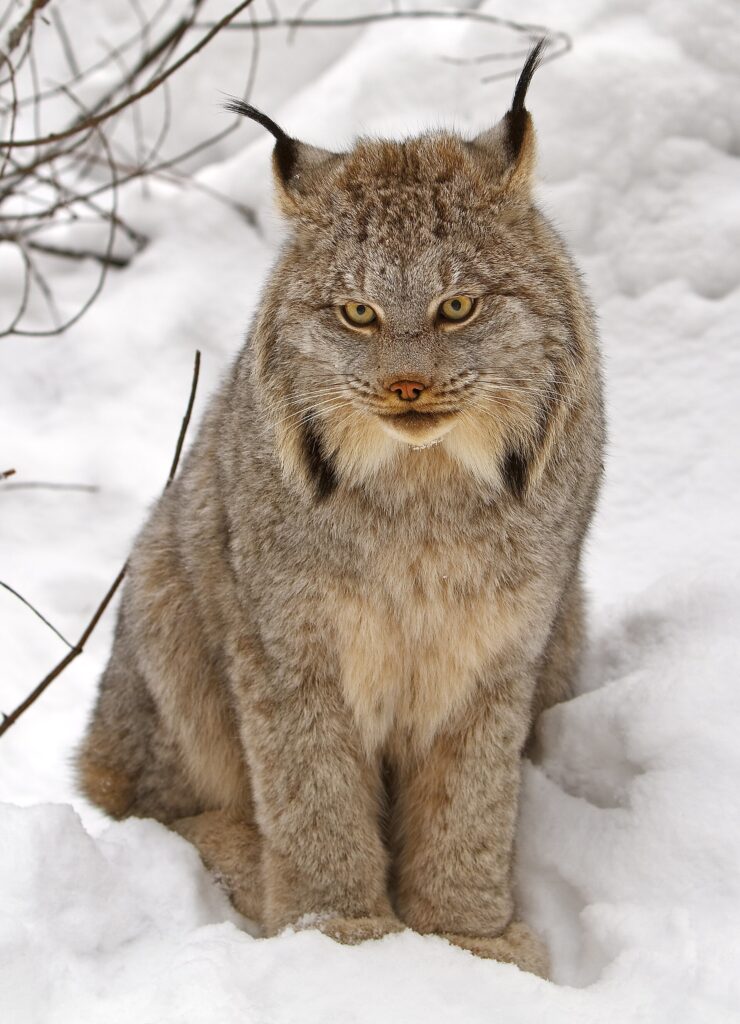
Canada lynx numbers rise and fall in a regular 10-year cycle that follows the boom and bust of snowshoe hare populations.
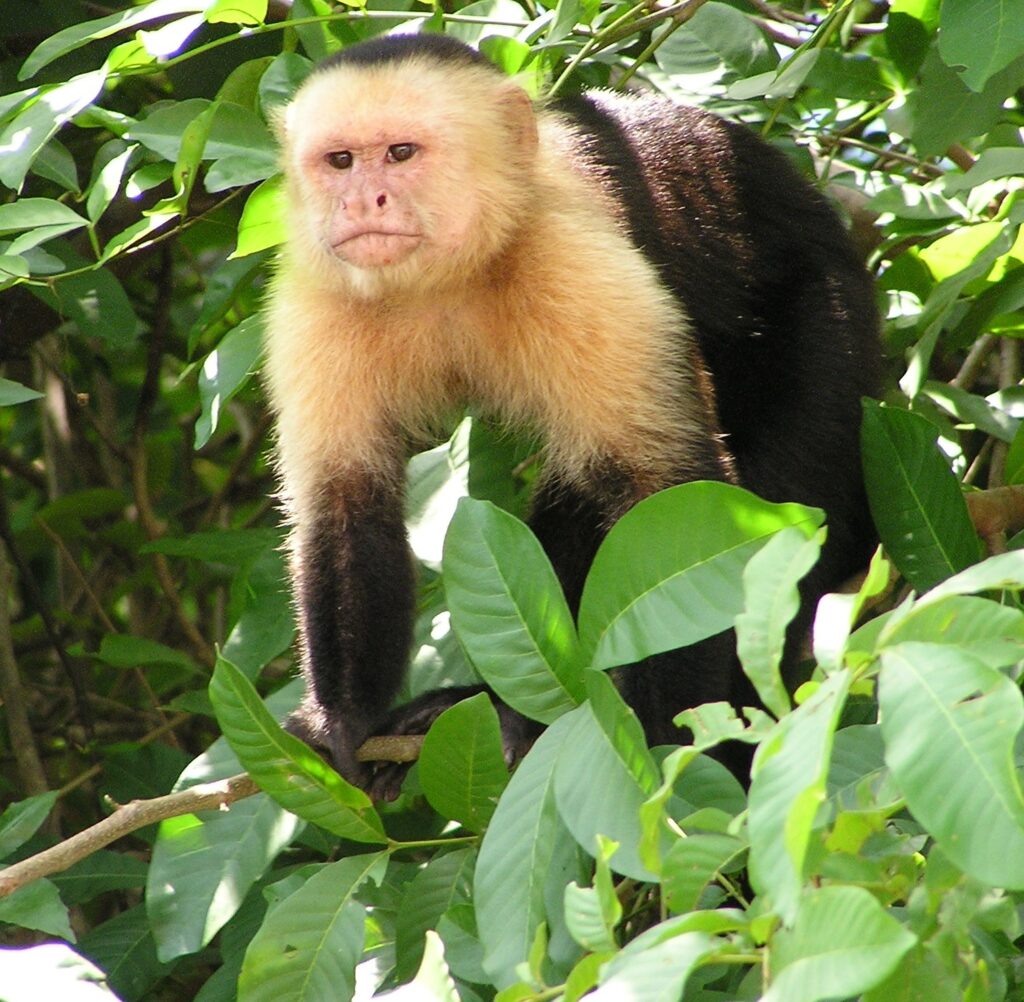
Bearded capuchins in Brazil crack nuts with stone hammers and anvils, and archaeologists have found evidence of this tool use going back about 3,000 years.
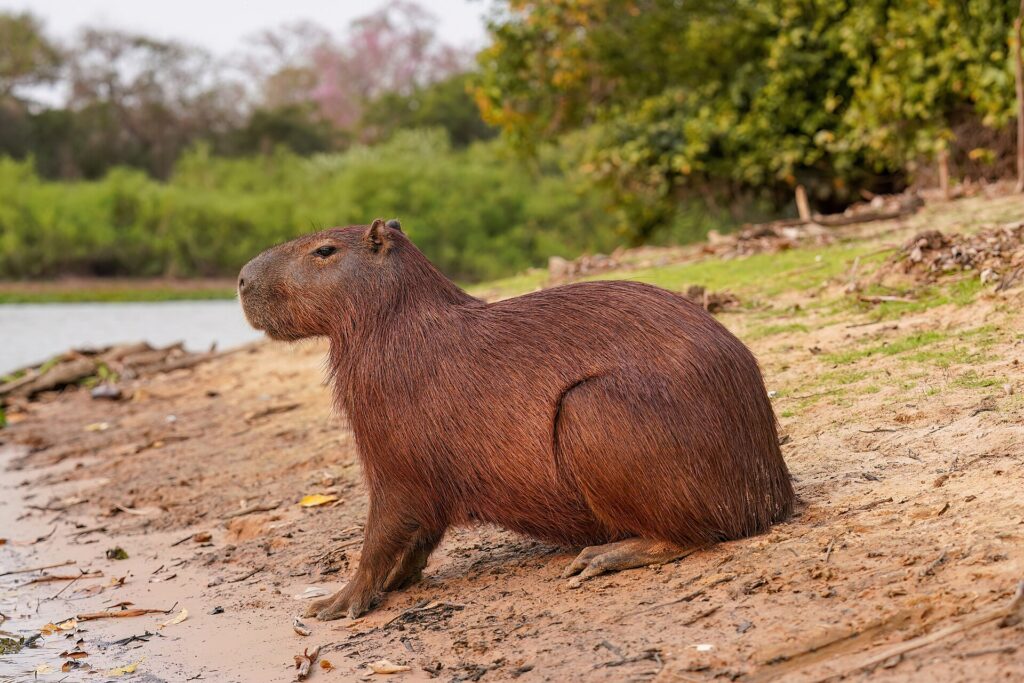
Capybaras can stay fully underwater for up to about five minutes, and they often sleep in the water with only their noses exposed.
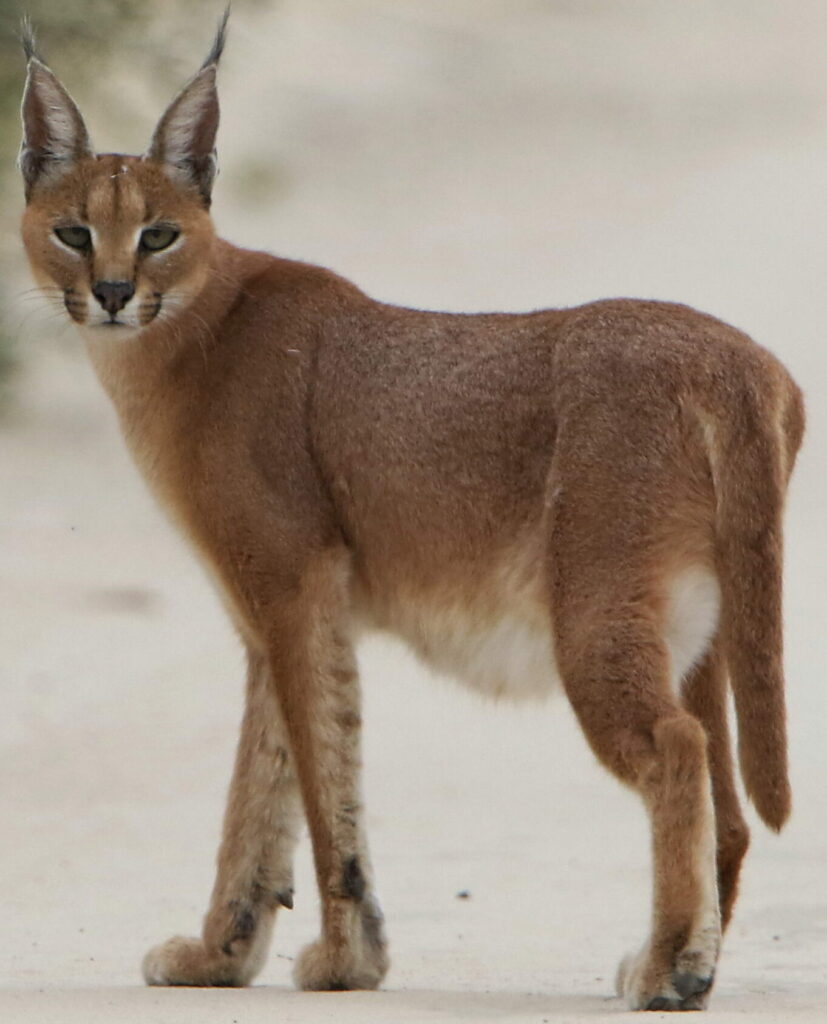
A caracal can leap about 3 metres into the air and knock flying birds out of the sky with its paws.
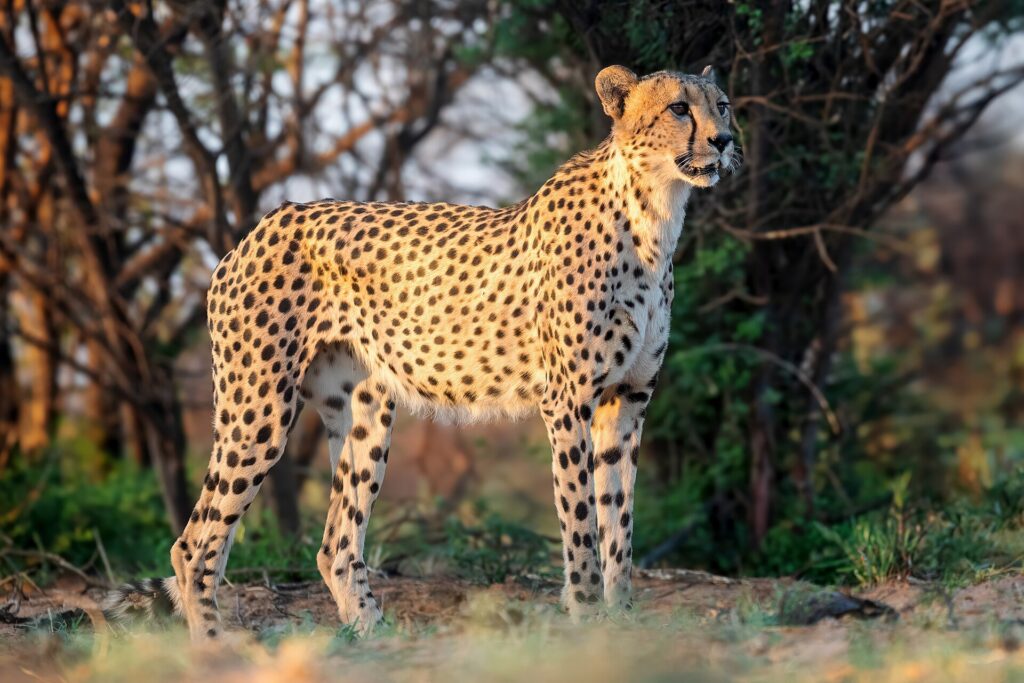
A cheetah can accelerate from 0 to about 100 km/h in around three seconds, faster than most sports cars.
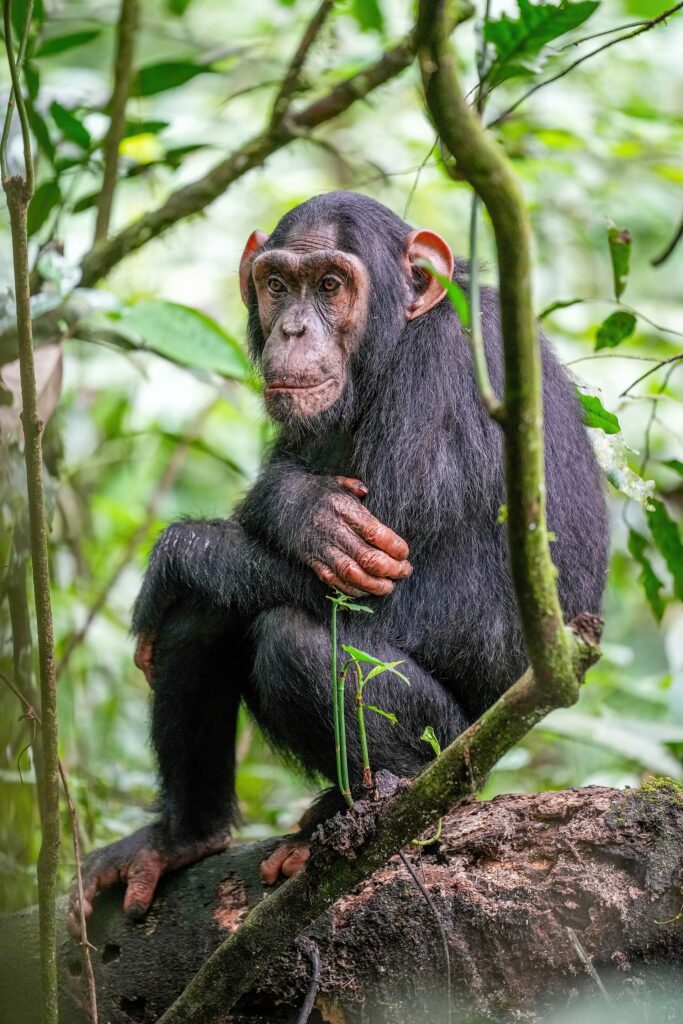
Chimpanzees share about 98–99 percent of their DNA with humans and make tools, including sticks shaped to fish termites out of mounds.
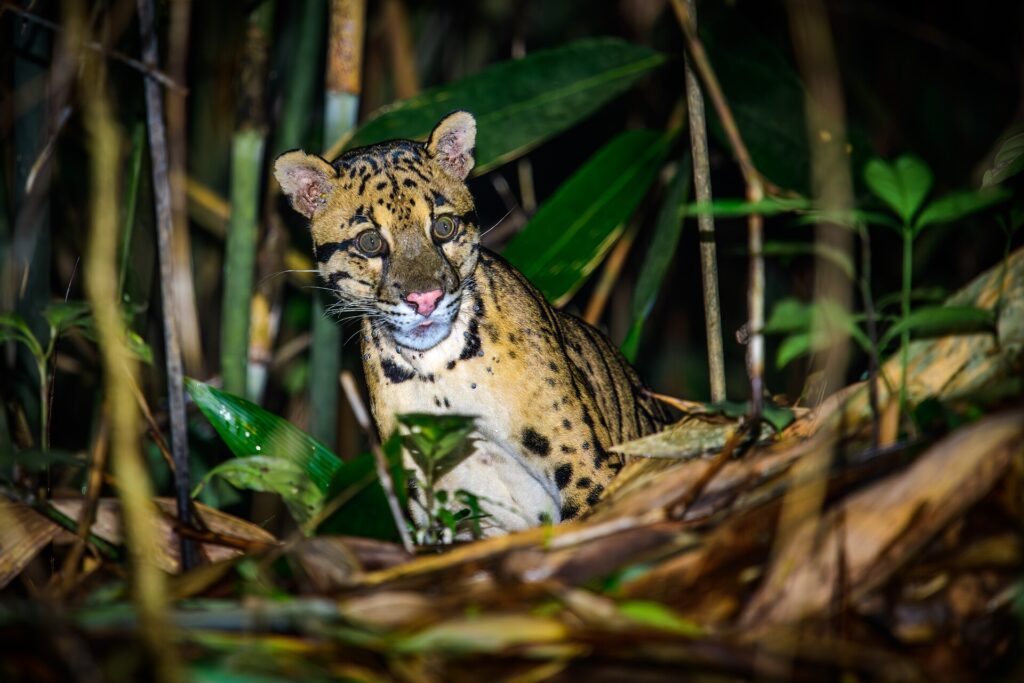
Relative to its skull size, the clouded leopard has the longest canine teeth of any living cat, often compared with those of extinct sabre-toothed cats.
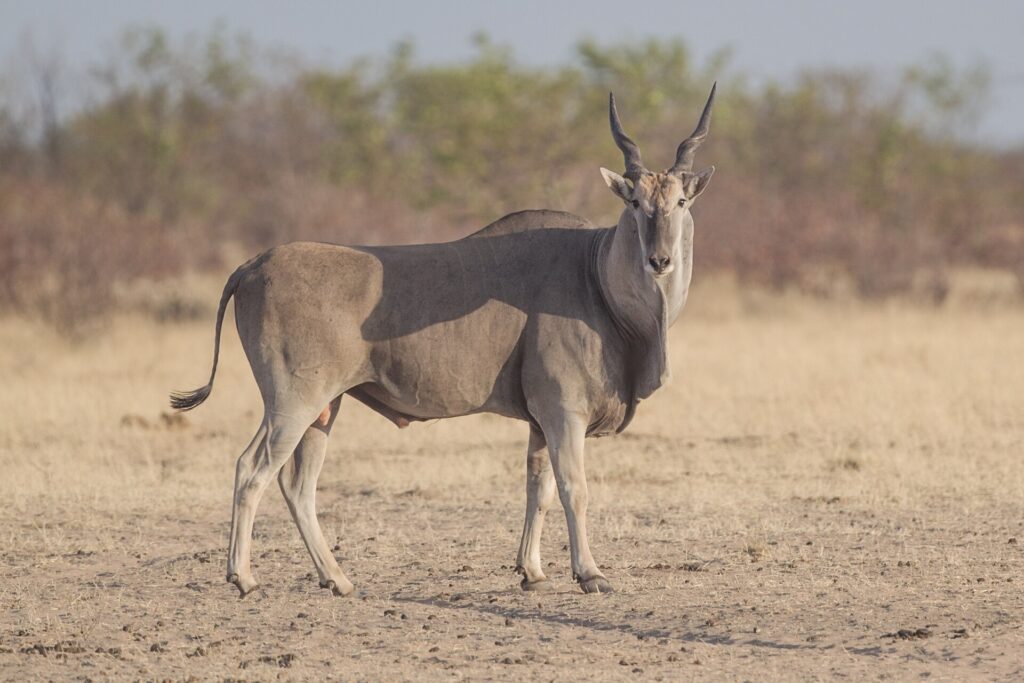
Despite weighing up to almost a tonne, an eland can jump about 2.5 metres from a standing start.
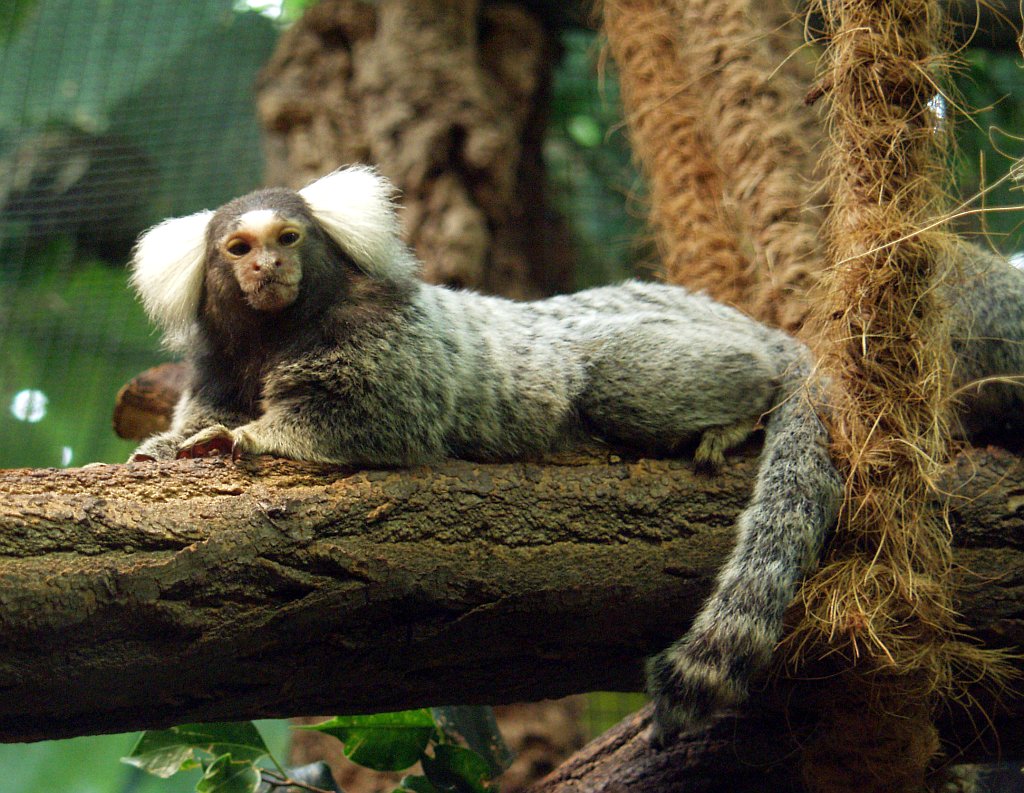
Common marmoset twins share cells with each other in the womb, so each twin can carry some of its sibling’s cells throughout its body.
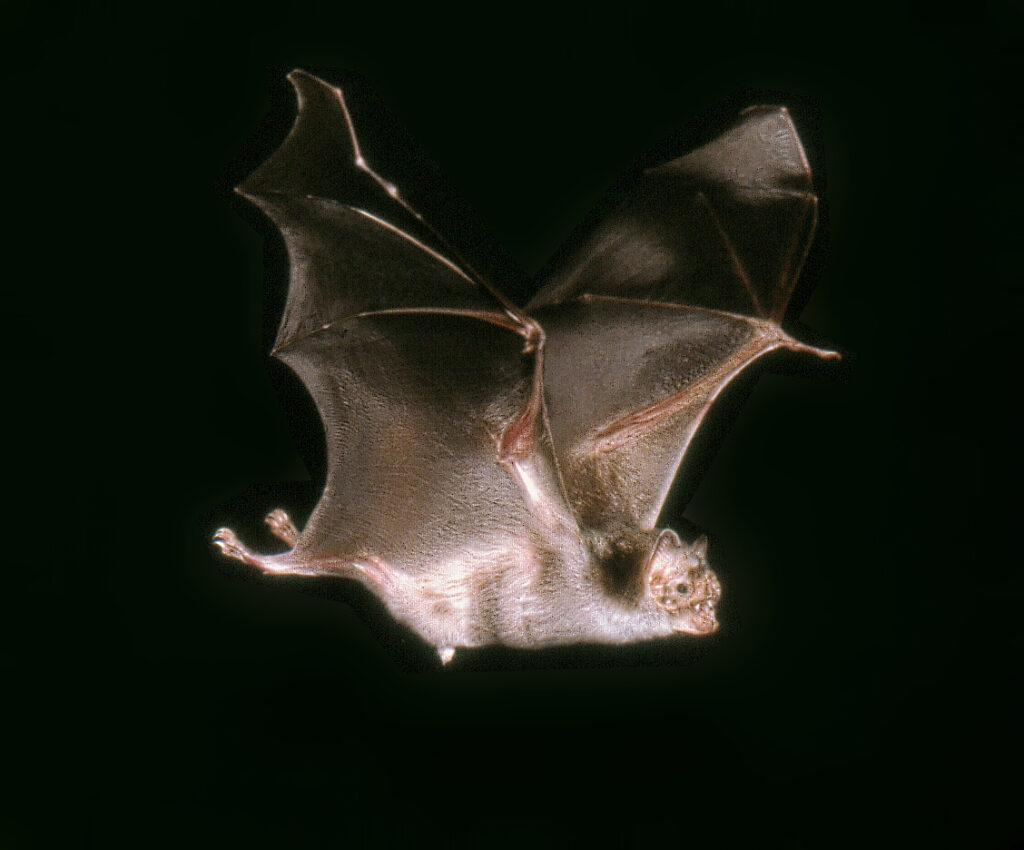
Vampire bats share blood with roost-mates that failed to feed, regurgitating meals for them, and they are more likely to help bats that helped them before.
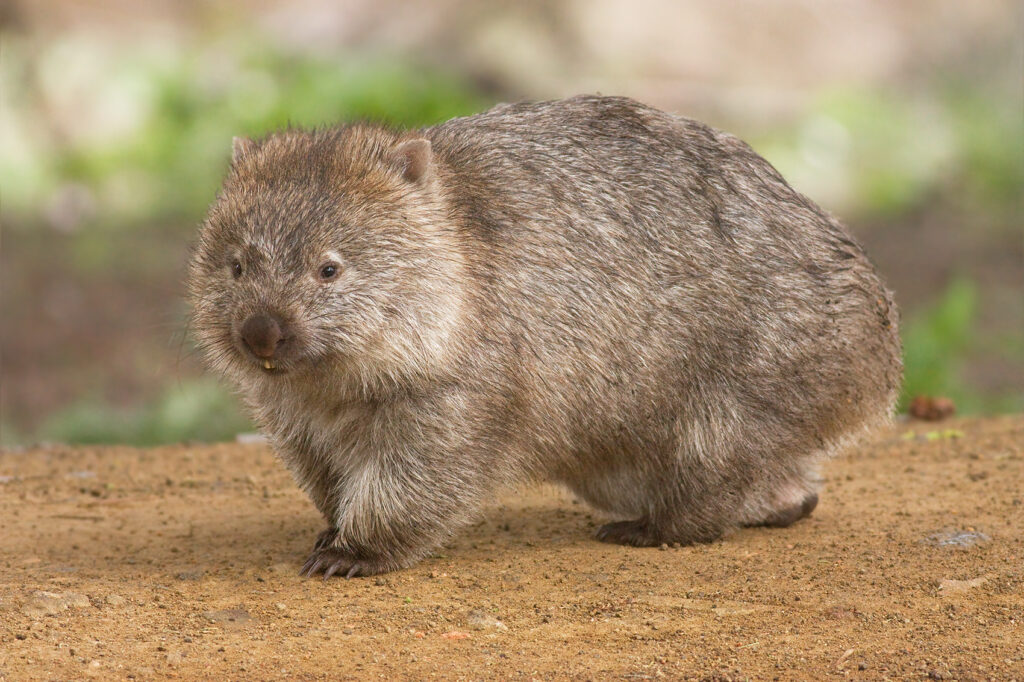
Wombats produce cube-shaped droppings, the only animal known to do so, and stack them on rocks and logs to mark their territory.
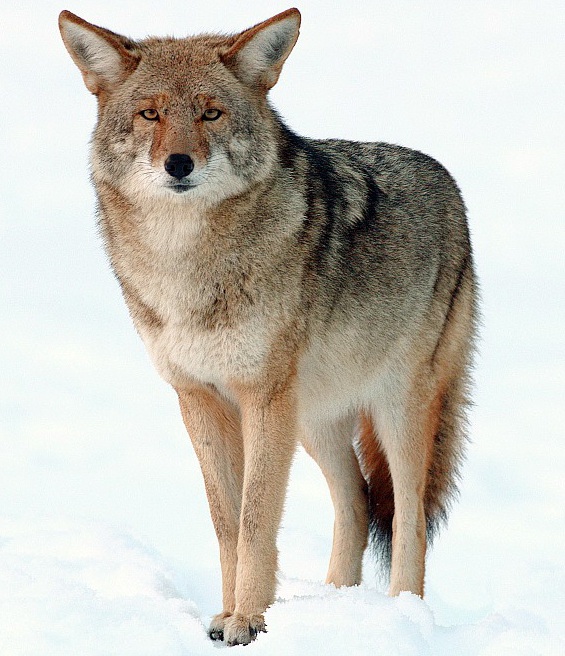
Coyotes have expanded their range enormously since 1900, spreading from the central plains to the Atlantic coast, Alaska and Panama.
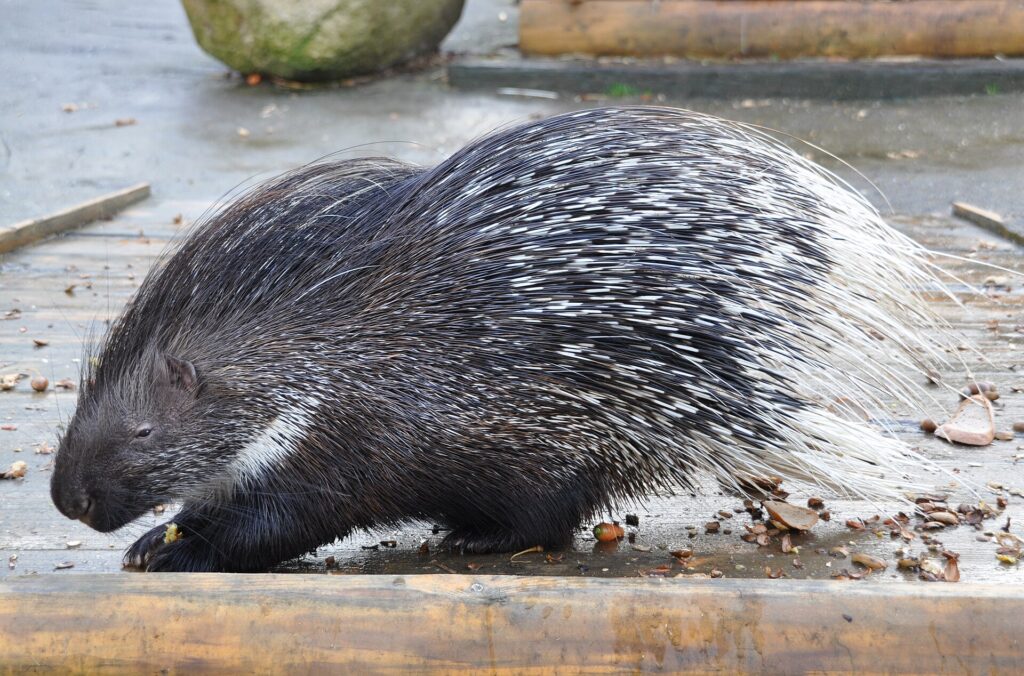
Porcupines cannot shoot their quills, but they charge backwards into attackers, and quills lodged in lions and leopards can cause serious injuries.
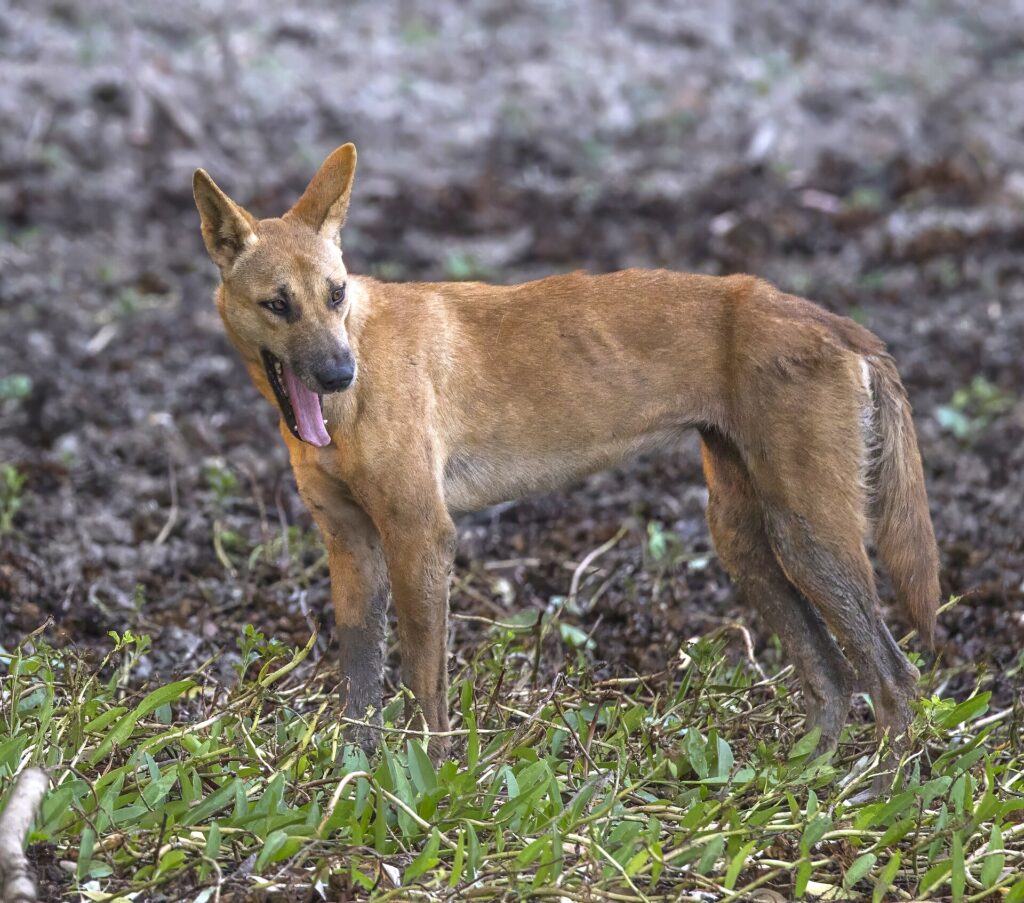
To keep dingoes out of southeastern sheep country, Australia built the Dingo Fence, which stretches over 5,000 km and is one of the longest fences in the world.