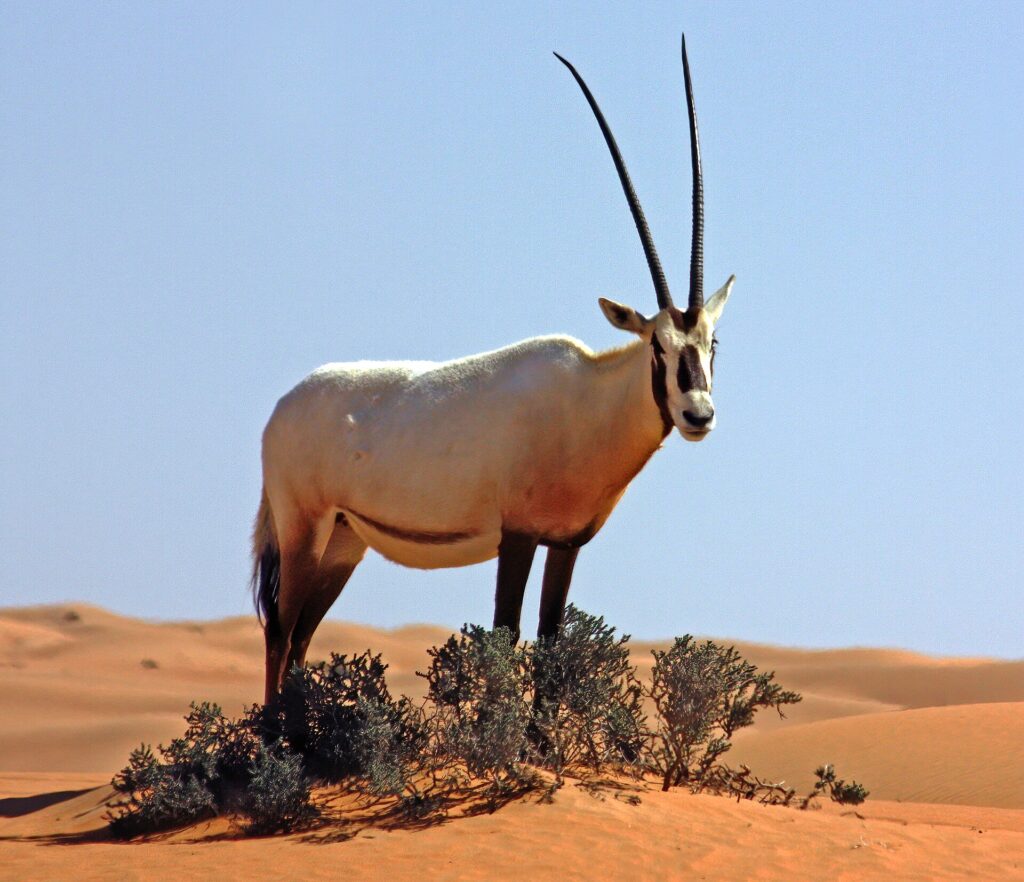
Arabian Oryx
The Arabian oryx was the first animal to be moved from ‘Extinct in the Wild’ back to ‘Vulnerable’ on the IUCN Red List, thanks to captive breeding and reintroduction.
The Arabian oryx was the first animal to be moved from ‘Extinct in the Wild’ back to ‘Vulnerable’ on the IUCN Red List, thanks to captive breeding and reintroduction.
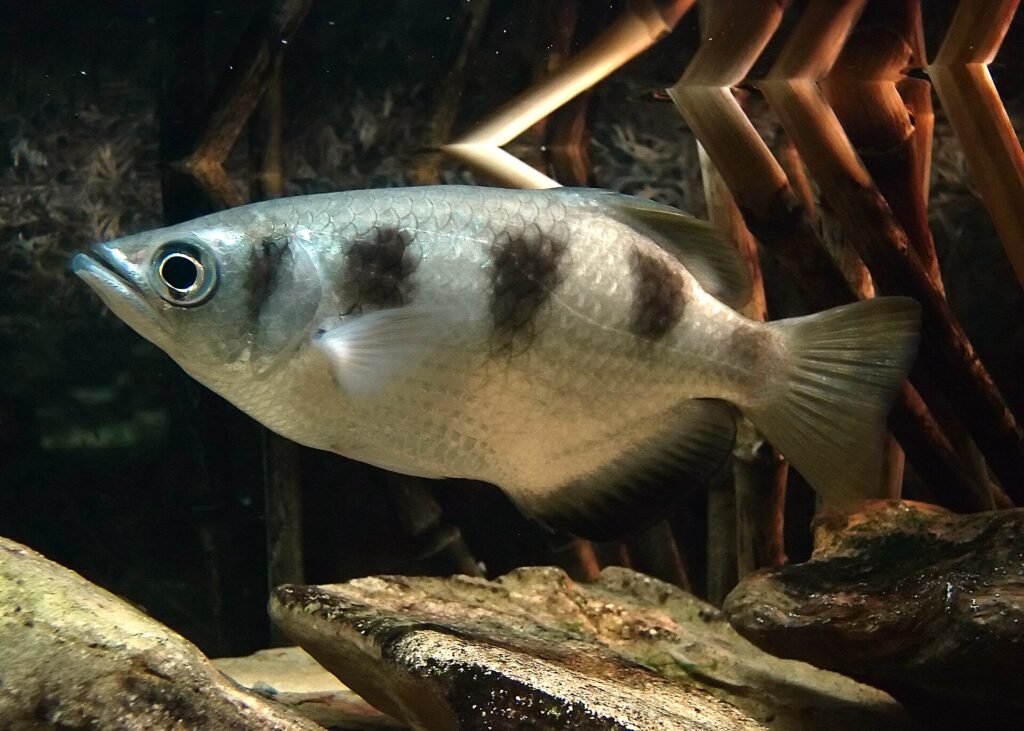
Archerfish shoot jets of water up to about 3 metres to knock insects off leaves, correcting for the way light bends at the water’s surface.
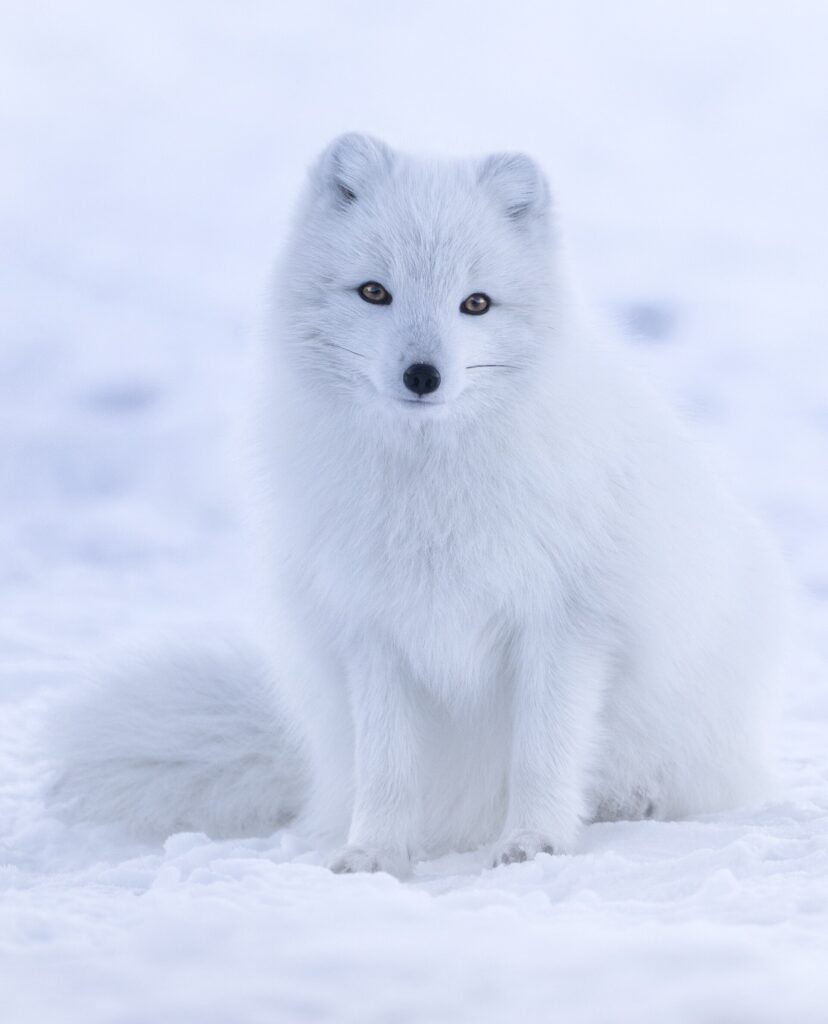
A young female Arctic fox walked 3,506 km across sea ice from Svalbard to Greenland in just 76 days, one of the longest journeys ever recorded for the species.
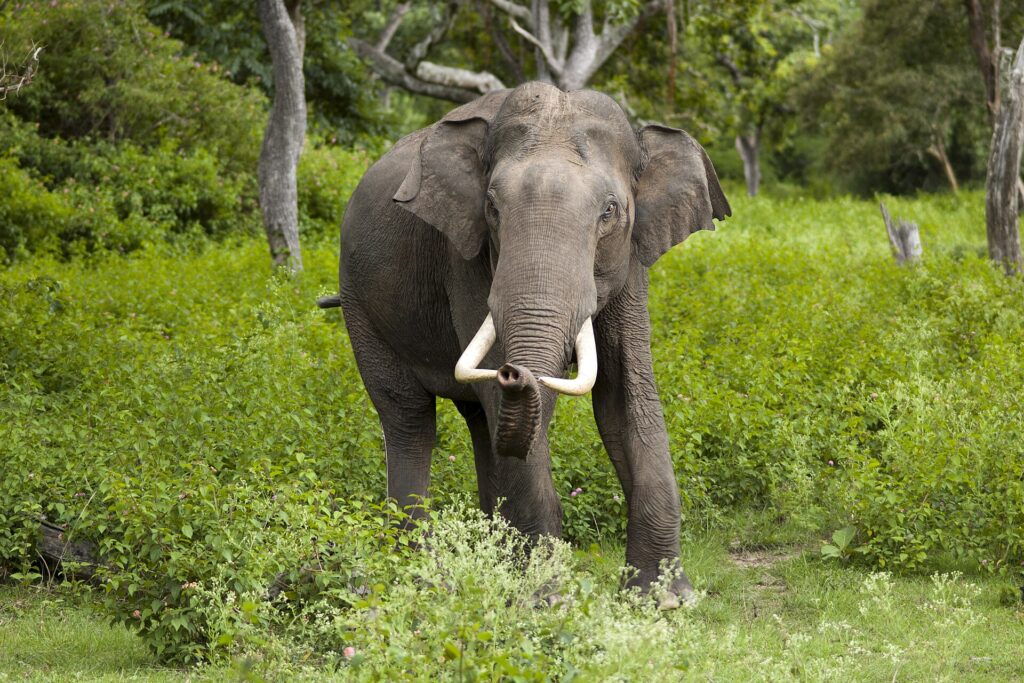
Asian elephants have shown self-recognition in mirror tests, a sign of self-awareness found in very few animals.
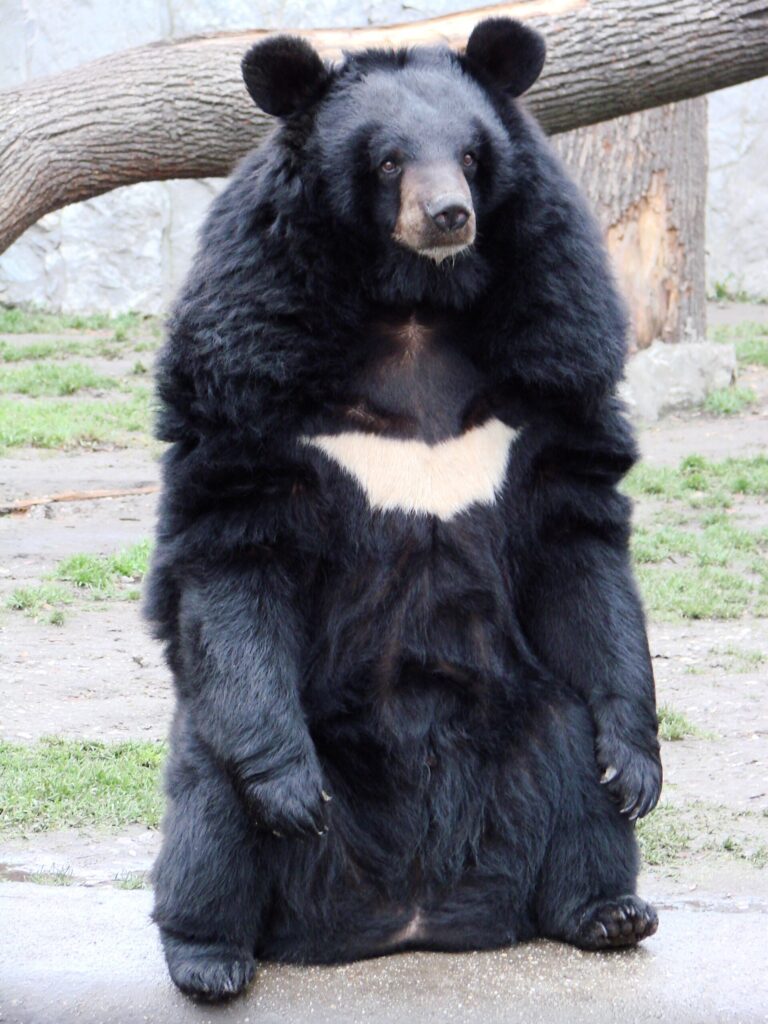
The Asiatic black bear is known as the ‘moon bear’ for the pale, crescent-shaped patch on its chest.
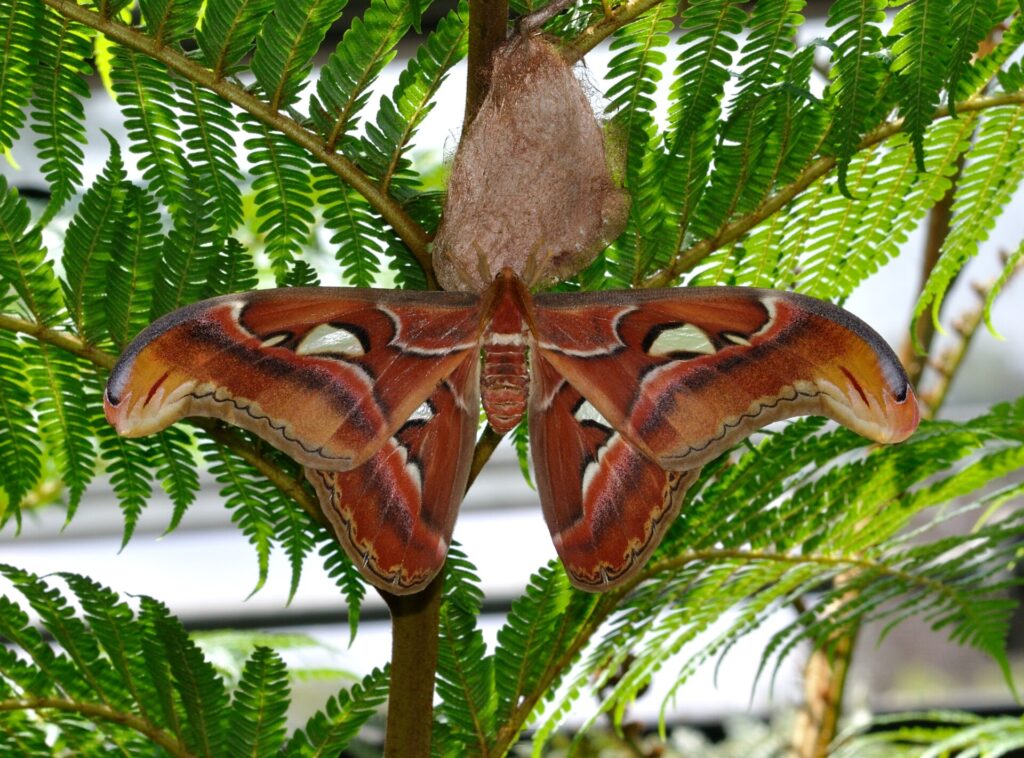
Adult atlas moths have no working mouths and never eat; they live for only a week or two on fat stored as caterpillars.
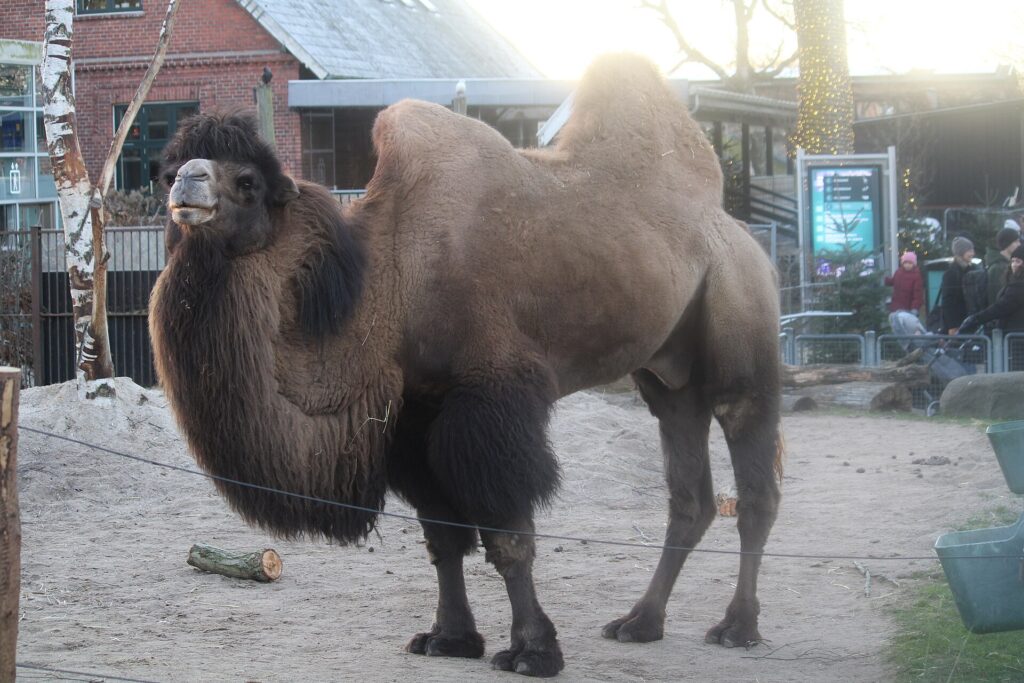
Bactrian camels survive temperatures from about −40 °C in winter to over 40 °C in summer, and eat snow when there is no water.
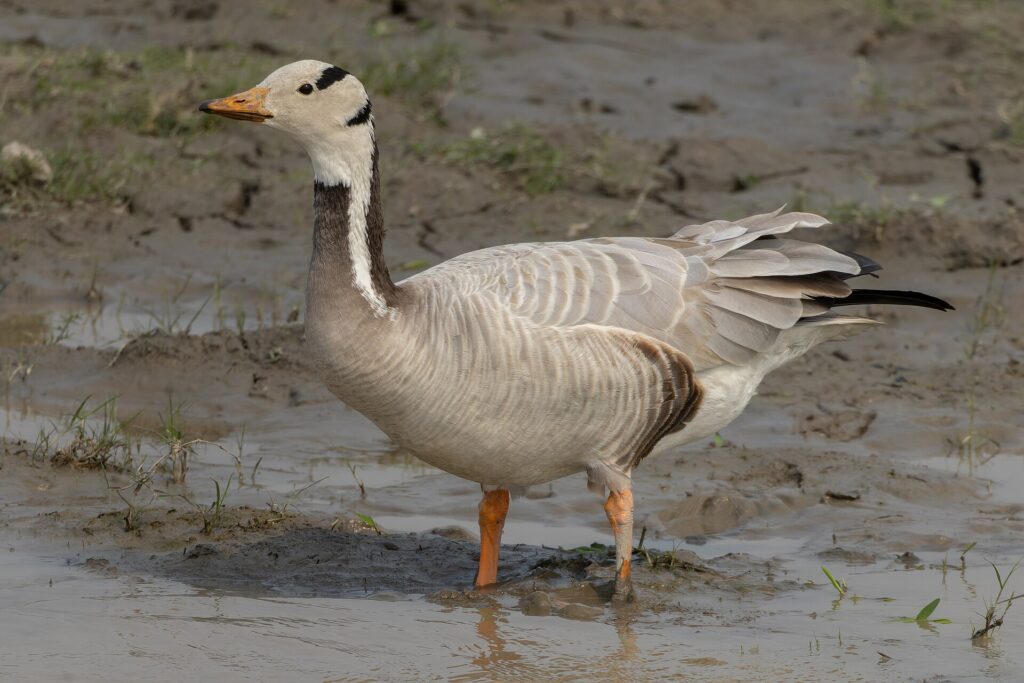
Bar-headed geese migrate across the Himalaya, and tracked birds have reached altitudes of over 7,000 metres, where the air holds less than half the oxygen found at sea level.
In Kanha National Park, the hard-ground barasingha was brought back from just 66 animals in 1970 to hundreds today.
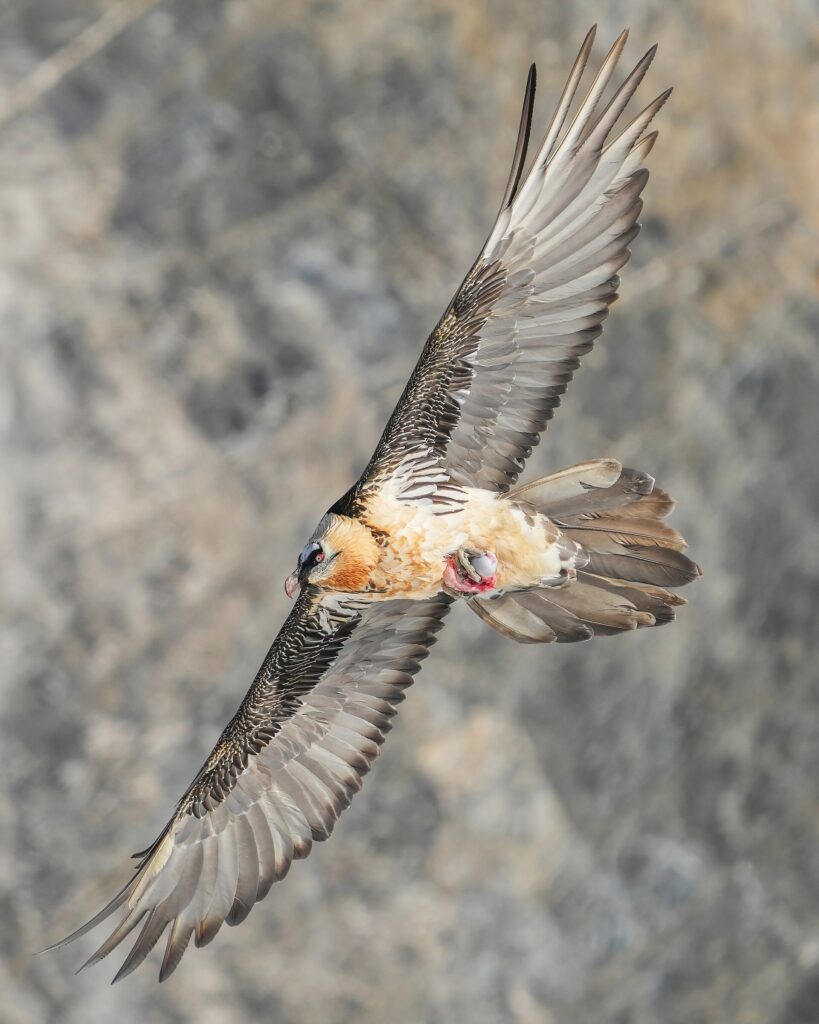
The bearded vulture lives mainly on bones: it drops large bones onto rocks from a height to smash them, then swallows the pieces.
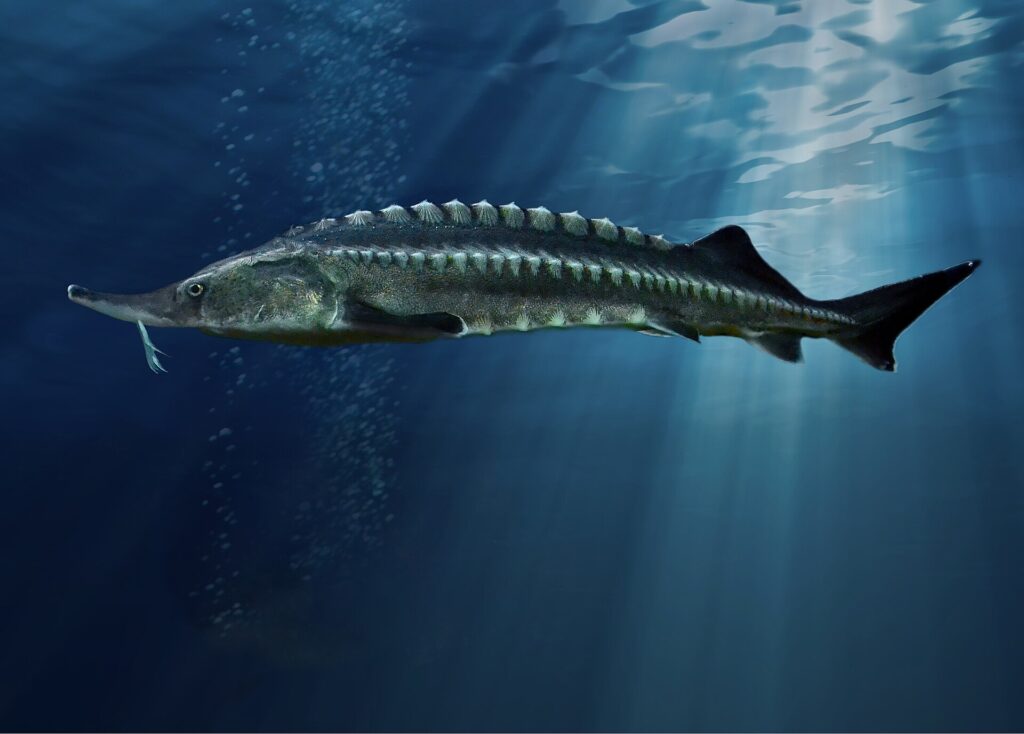
The beluga sturgeon is one of the largest bony fish ever recorded; a female caught in the Volga in 1827 was reported at over 7 metres and about 1.5 tonnes.
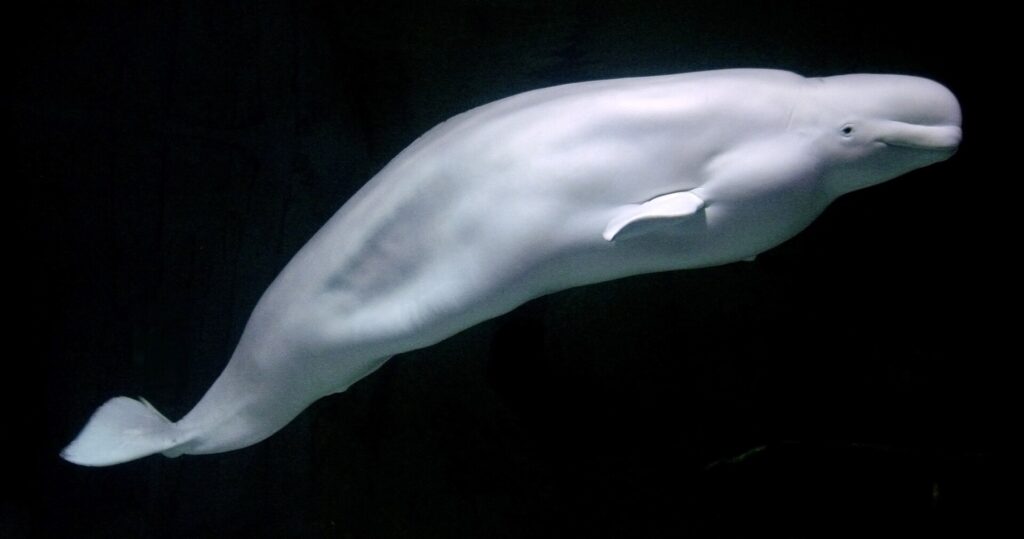
Belugas are nicknamed ‘canaries of the sea’ because they produce a huge variety of whistles, chirps, clicks and squeals.
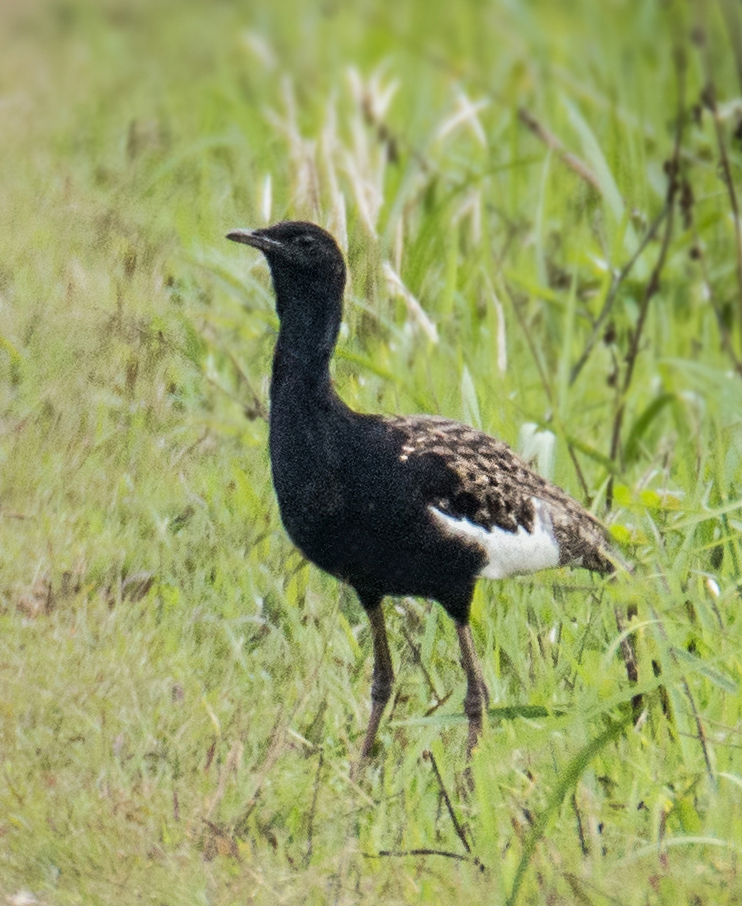
In the breeding season, male Bengal floricans leap high above the grass in spectacular display flights, flashing their white wings against their black bodies.
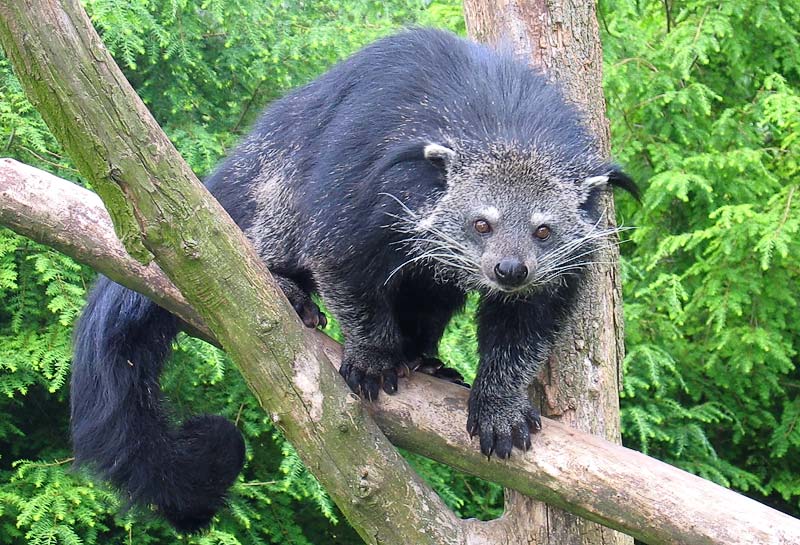
Binturongs smell like buttered popcorn, because their urine contains the same chemical that gives popcorn its aroma.
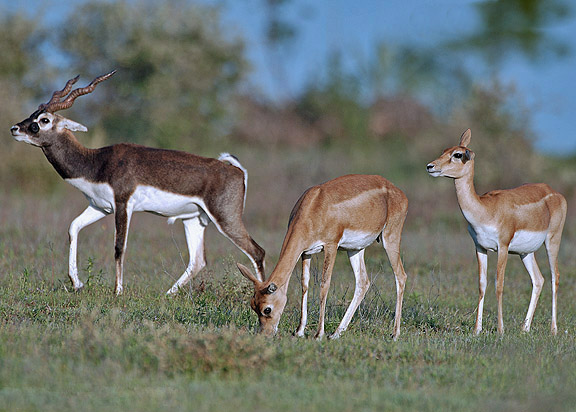
Blackbuck have long been protected by the Bishnoi community of Rajasthan, whose faith forbids harming animals and trees.
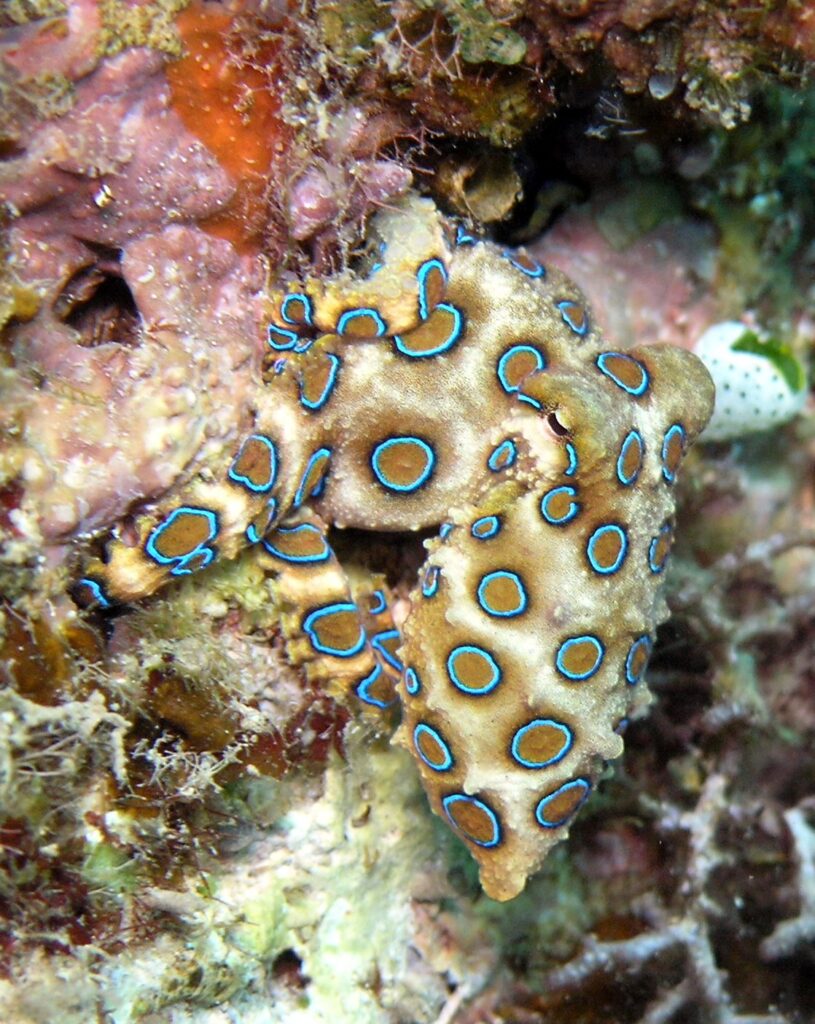
A tiny blue-ringed octopus carries enough venom to kill many adult people, and there is no antivenom.
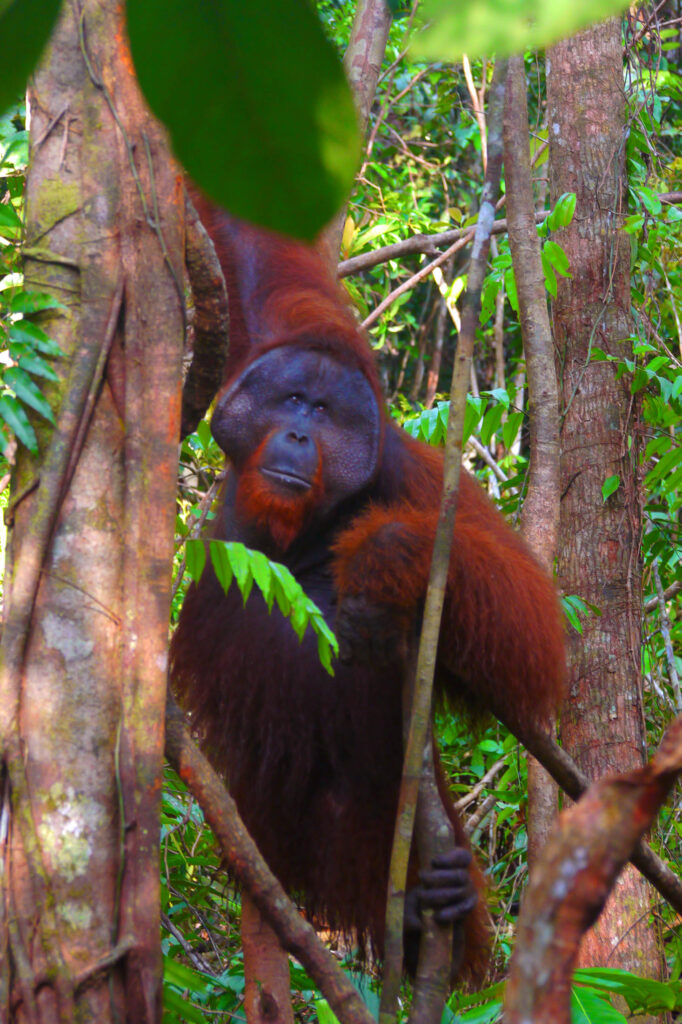
Orangutan mothers raise each infant for about seven to eight years, one of the longest childhoods of any animal apart from humans.
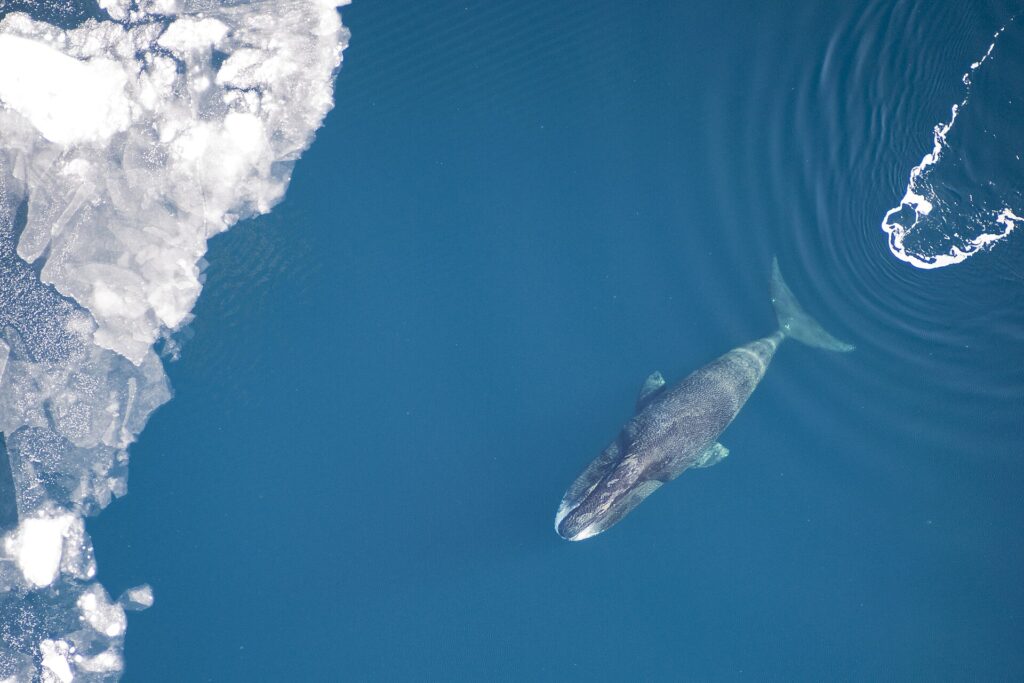
Bowhead whales can live for more than 200 years, making them the longest-lived mammals known.
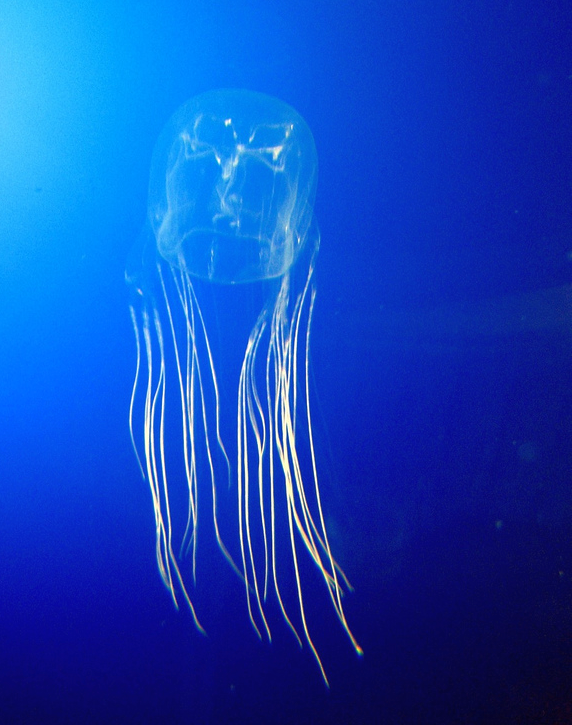
Box jellyfish have 24 eyes, including some with lenses, and actively swim and steer rather than simply drifting.
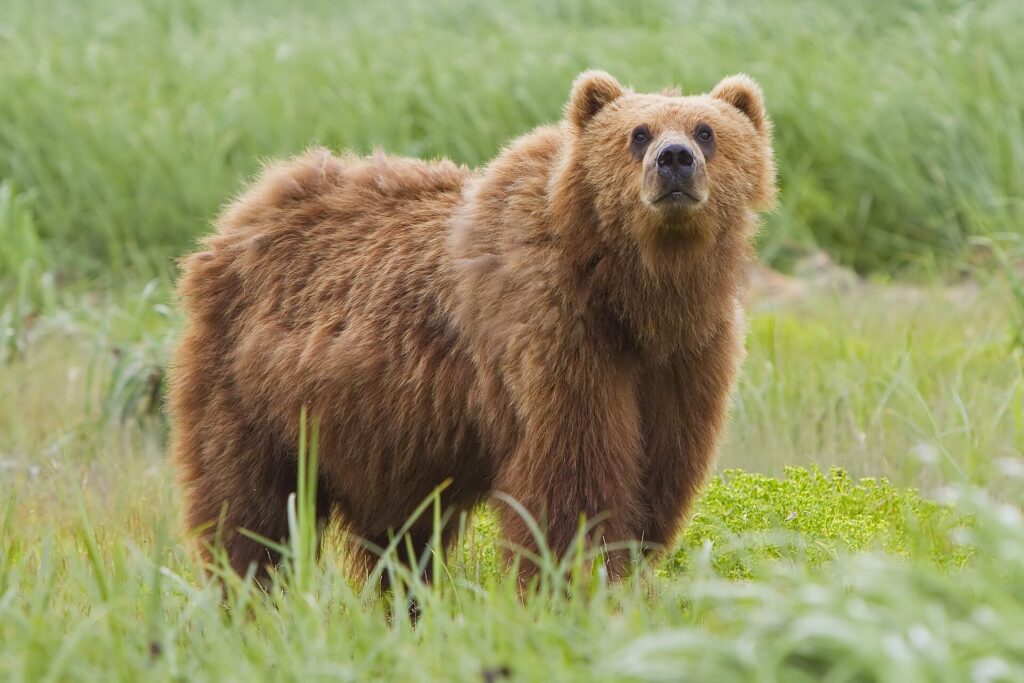
Before hibernating, a brown bear can gain more than a kilogram of fat a day, then survive for months without eating, drinking or passing waste.
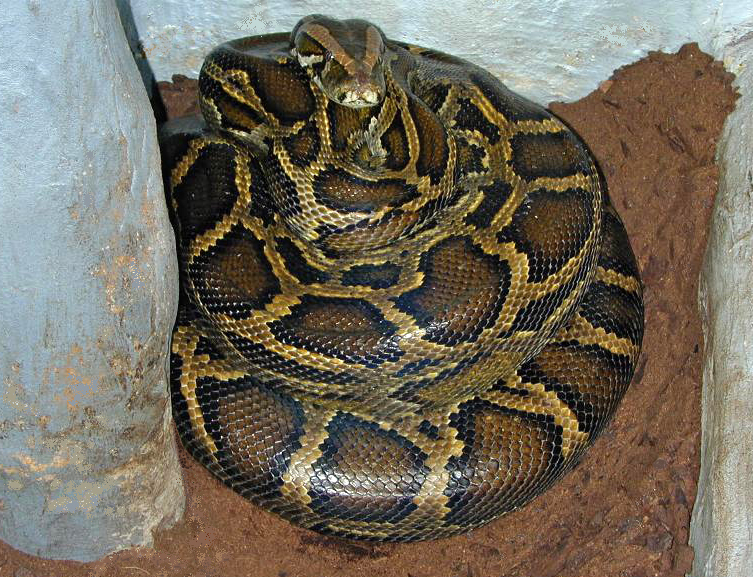
After a big meal, a Burmese python’s heart can grow by about 40 percent and its other organs expand to digest its huge meal.
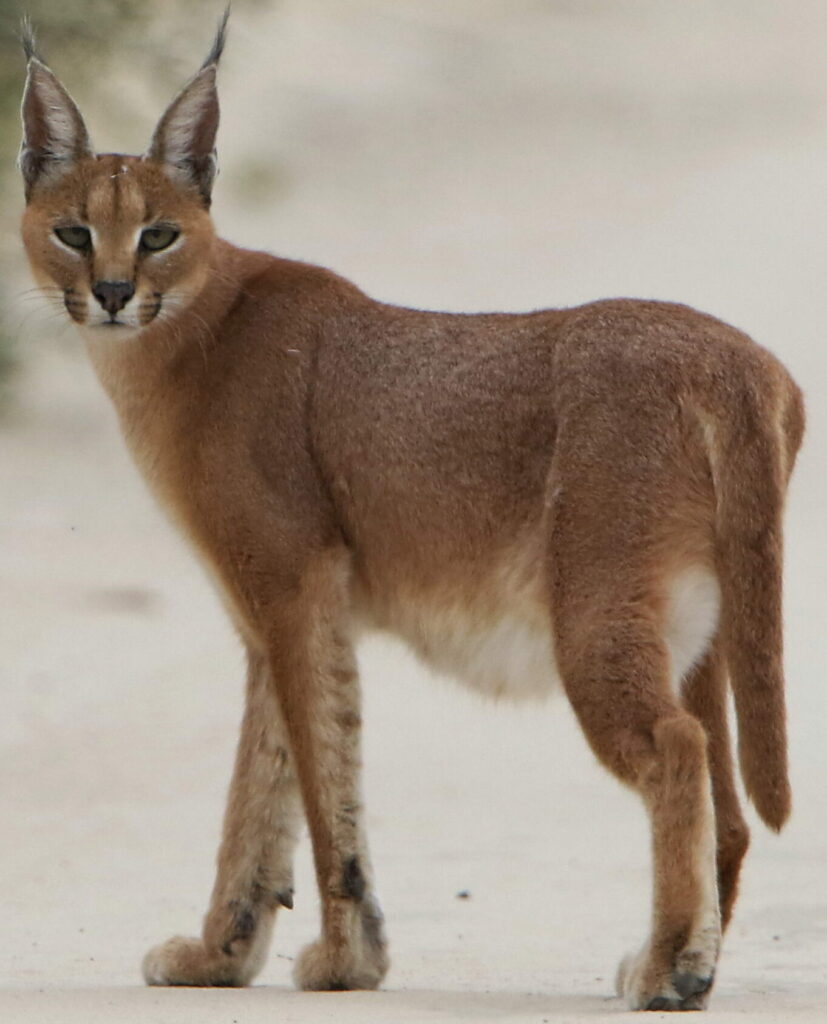
A caracal can leap about 3 metres into the air and knock flying birds out of the sky with its paws.
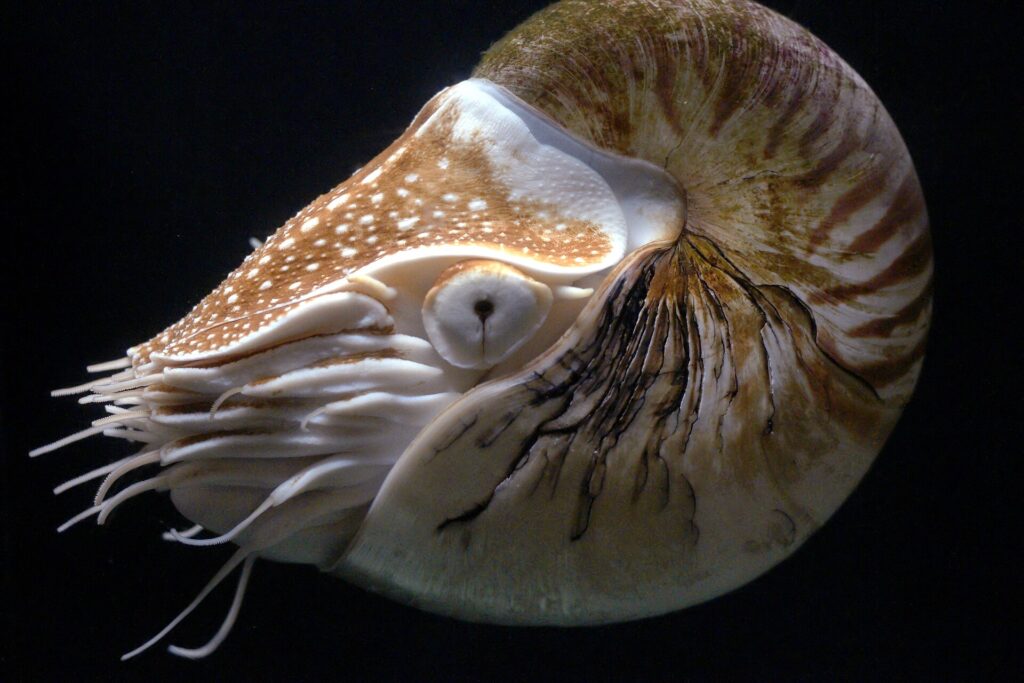
The nautilus belongs to a group of animals that has lived in the oceans for about 500 million years, long before the dinosaurs.
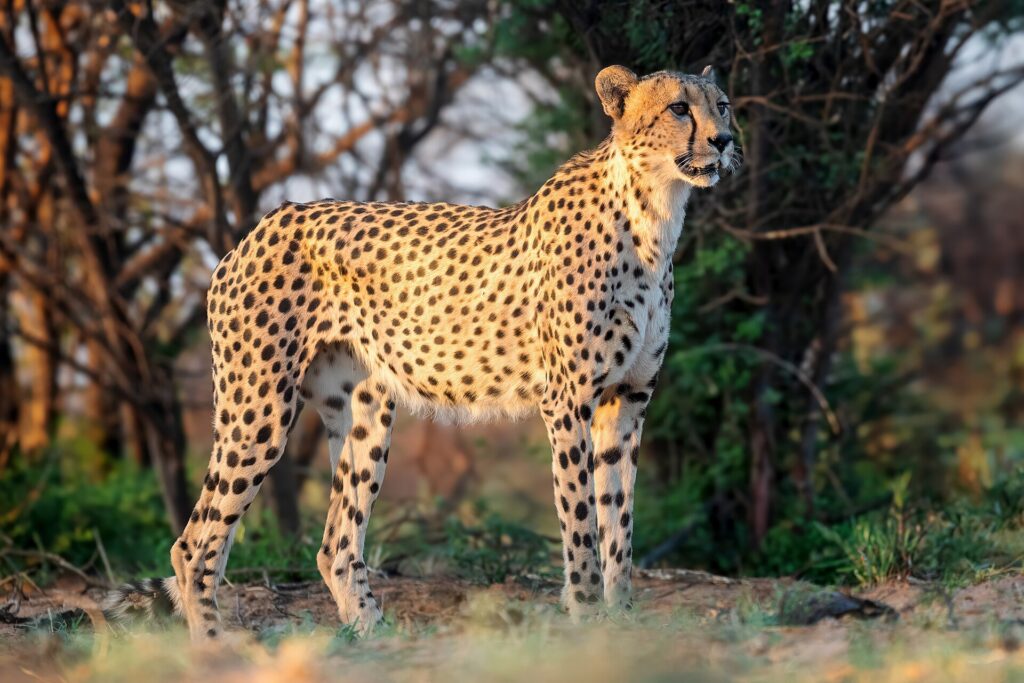
A cheetah can accelerate from 0 to about 100 km/h in around three seconds, faster than most sports cars.