The bar-headed goose is a pale grey goose with a white head marked by two black bars. It is famous for one of the highest migrations of any bird, crossing the Himalaya between its breeding lakes in Central Asia and its wintering grounds in South Asia.
Interesting facts
- They cross the Himalaya in a single day, flying for up to about eight hours without stopping.
- Their blood has a special form of haemoglobin that grabs oxygen more efficiently.
- They have larger lungs and more blood vessels in their flight muscles than other geese.
- Most crossings follow valleys and passes rather than flying over the highest peaks.
- The two black bars on the back of the head give the species its name.
- In 2005, an outbreak of bird flu killed thousands of bar-headed geese at Qinghai Lake, China.
Behaviour
Bar-headed geese live in flocks and feed mostly on land, grazing grass and crops. On migration, they fly in V-formations and often travel at night and in the early morning, when the air is cooler and denser.
Breeding and young
They nest in colonies on islands and shores of high lakes. Females lay three to eight eggs, which hatch after about four weeks. Goslings can swim and feed within a day.
Threats and conservation
The species is widespread and common. Threats include hunting, egg collecting, disturbance of breeding colonies, wetland loss and outbreaks of avian influenza.
Where to see it
- Tso Kar and Tso Moriri lakes, Ladakh, India, in summer
- Koshi Tappu Wildlife Reserve and Chitwan, Nepal, in winter
- Pong Dam Lake, Himachal Pradesh, India, in winter
- Qinghai Lake, China, in summer
Status source: IUCN Red List. Profile last reviewed September 2026.
Where to see the bar-headed goose
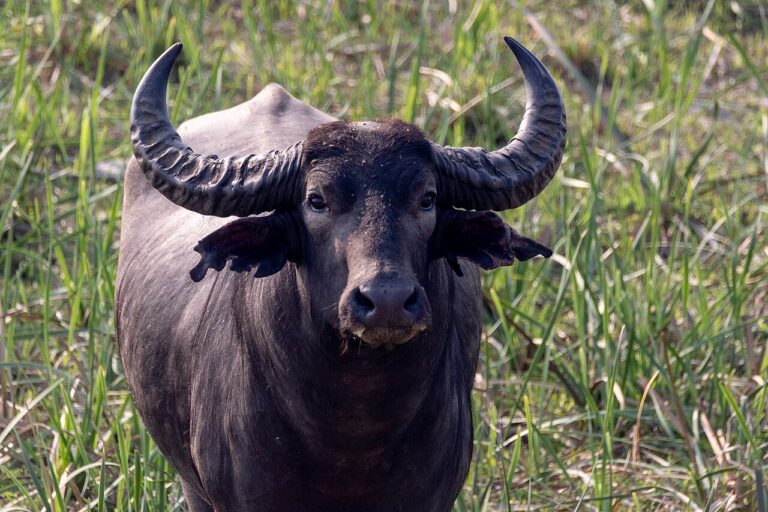 Koshi Tappu Birding GuideNepal's premier wetland reserve attracts huge numbers of wintering waterbirds and holds the country's last wild water buffalo.…
 Keoladeo (Bharatpur) Bird Sanctuary GuideA former duck-hunting reserve turned World Heritage wetland, Bharatpur is one of Asia's great birding sites and just…