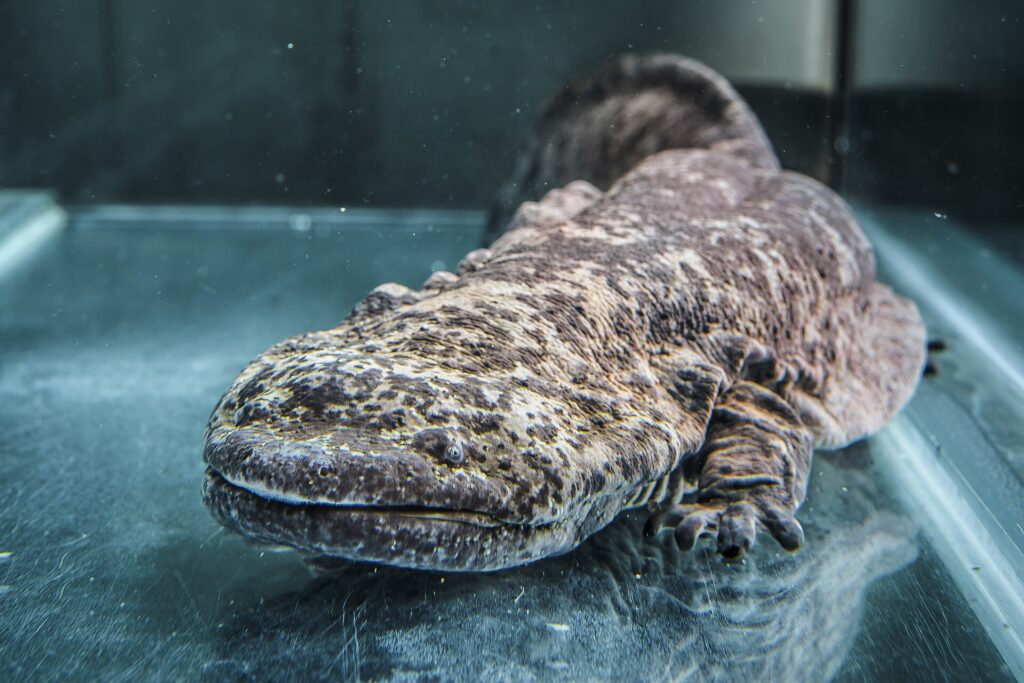
Chinese Giant Salamander
The Chinese giant salamander is the largest amphibian in the world, and genetic studies suggest it is actually several distinct species.
The Chinese giant salamander is the largest amphibian in the world, and genetic studies suggest it is actually several distinct species.
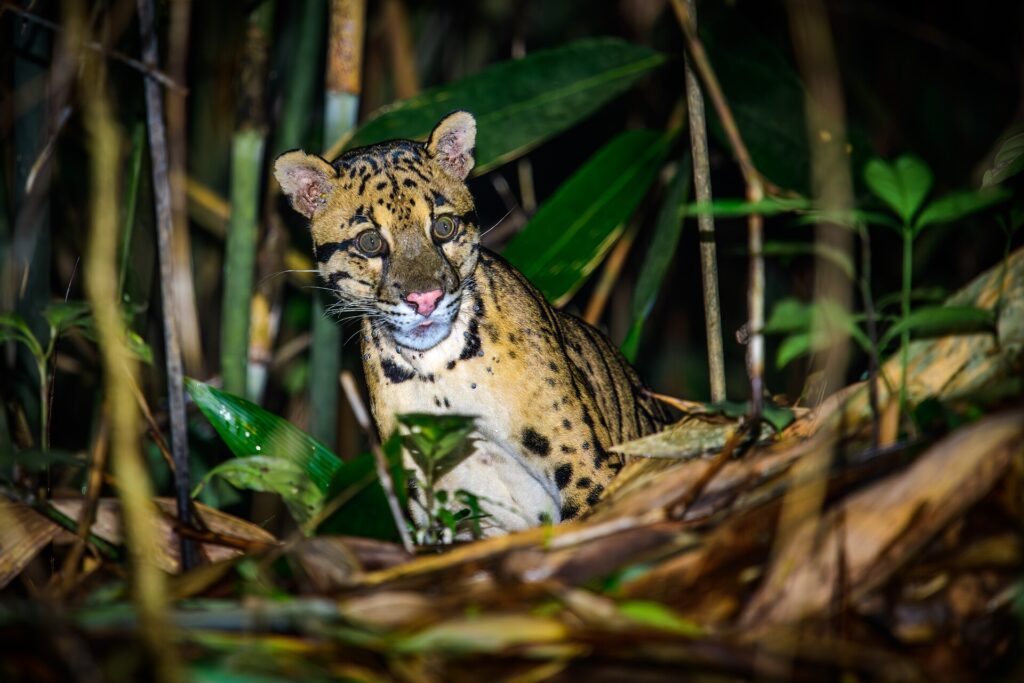
Relative to its skull size, the clouded leopard has the longest canine teeth of any living cat, often compared with those of extinct sabre-toothed cats.
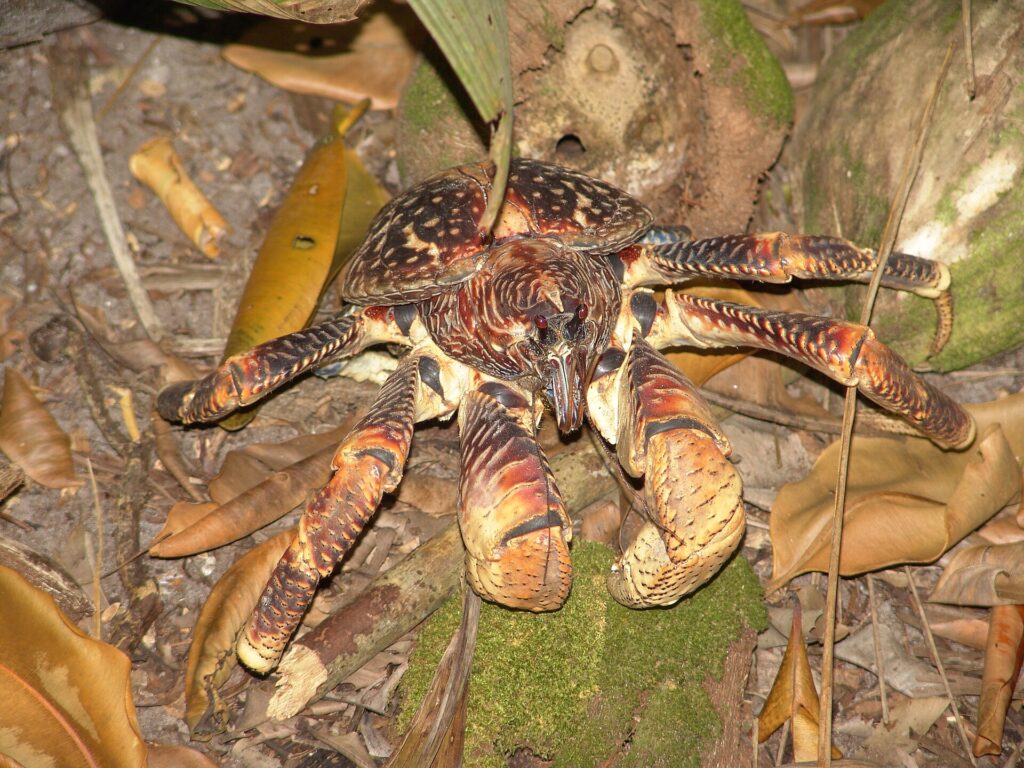
The coconut crab is the largest land-living invertebrate, and its claws can exert a pinching force greater than that of most other animals.
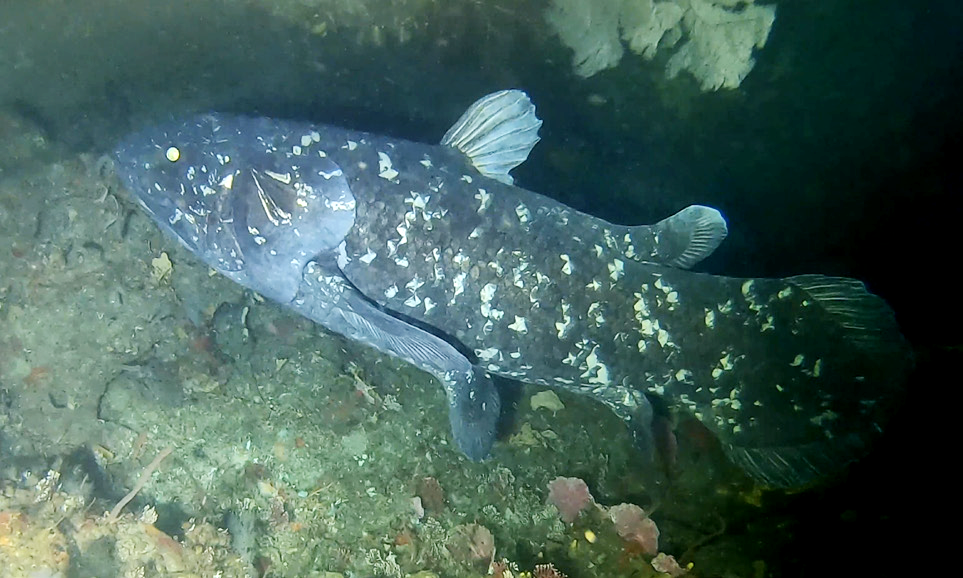
Coelacanths were known only from fossils and thought extinct for about 66 million years until one was caught off South Africa in 1938.
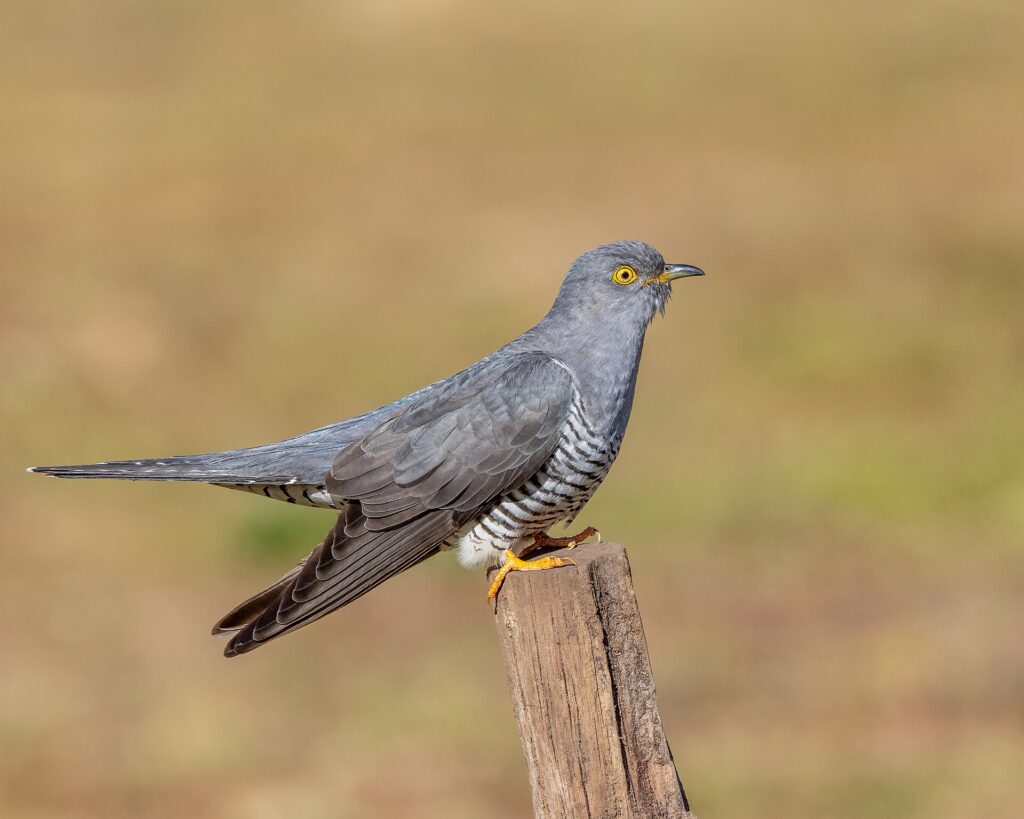
The cuckoo lays its eggs in other birds’ nests, and within hours of hatching, the cuckoo chick pushes the host’s eggs out of the nest.
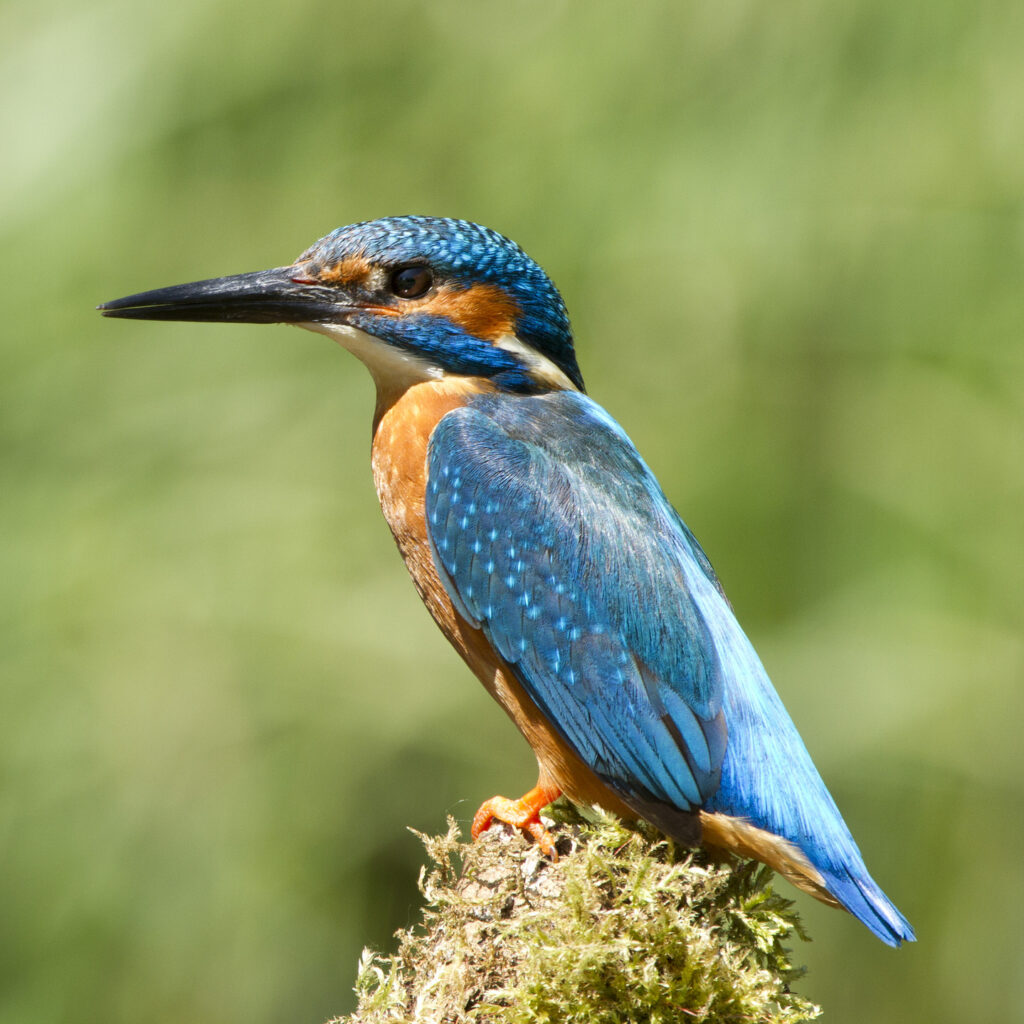
The kingfisher’s streamlined beak inspired engineers who redesigned the nose of Japan’s bullet train to reduce the noise it made leaving tunnels.
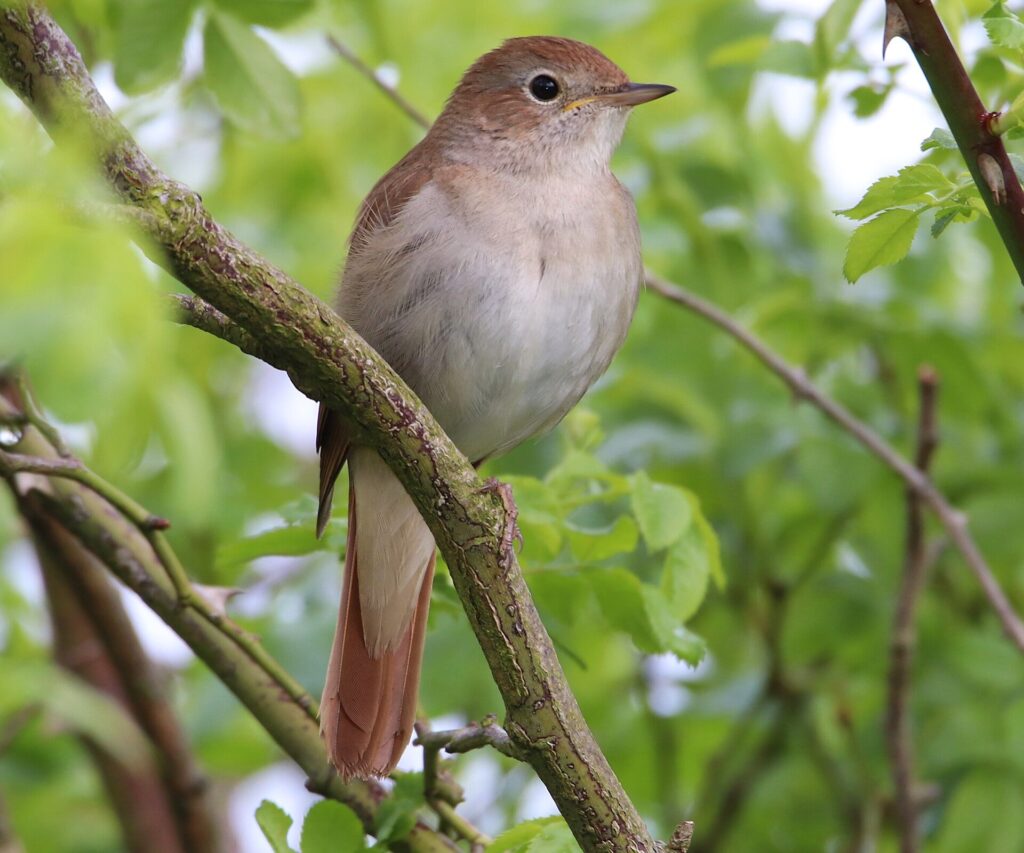
A male nightingale can sing around 200 different song phrases, and unpaired males sing through the night to attract females arriving from Africa.
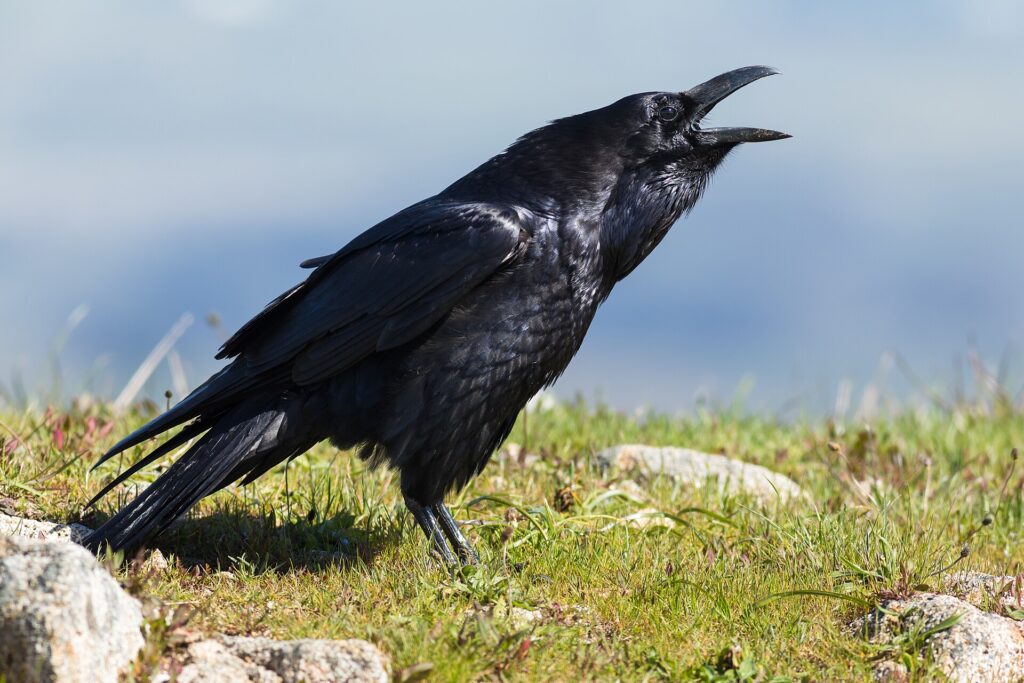
In experiments, ravens planned for the future as well as great apes, saving tools and tokens they would need later.
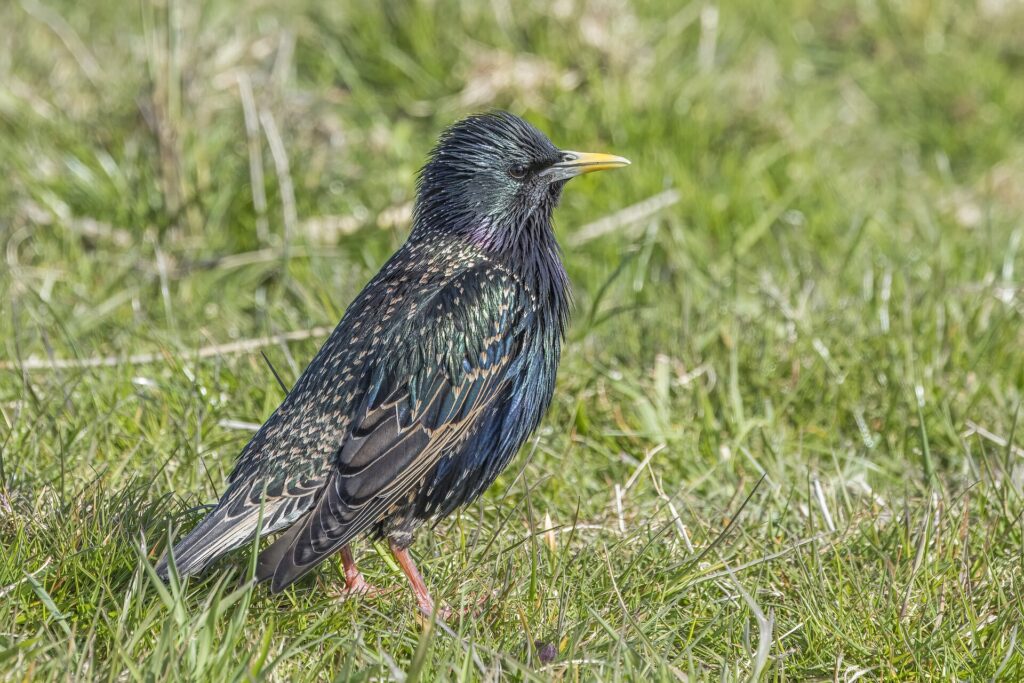
On winter evenings, starlings gather in murmurations of tens of thousands, or even over a million birds, swirling in perfectly coordinated shapes before settling to roost.
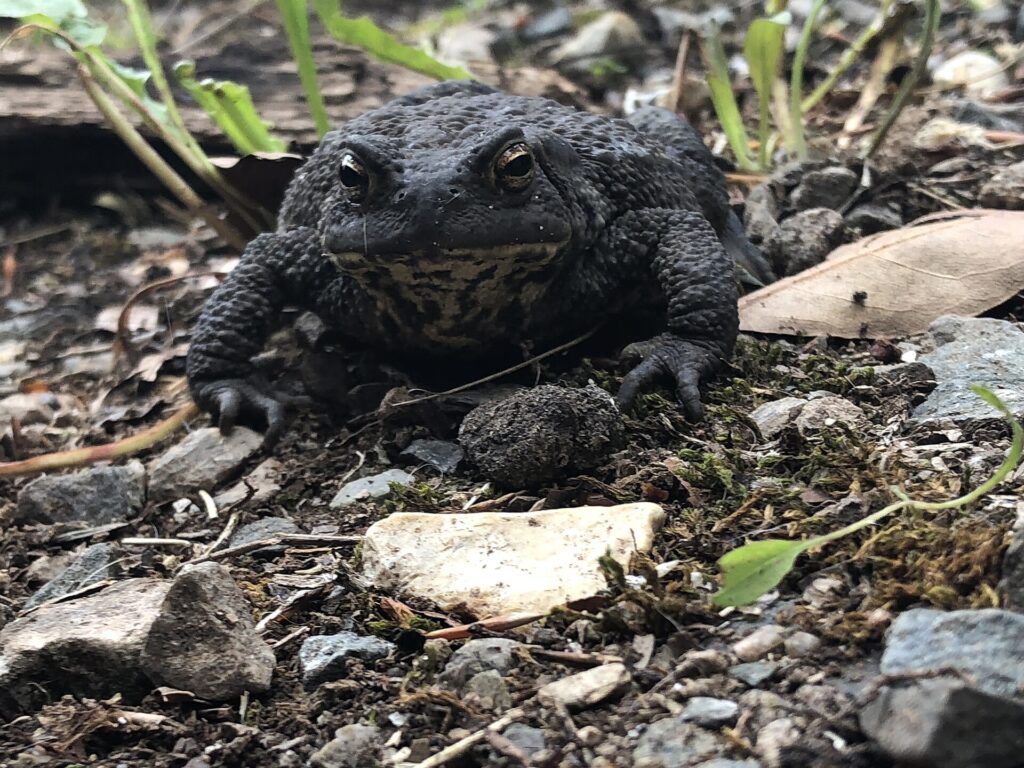
Common toads return year after year to the pond where they were born, crossing roads in their thousands on spring nights, where volunteers help them across.
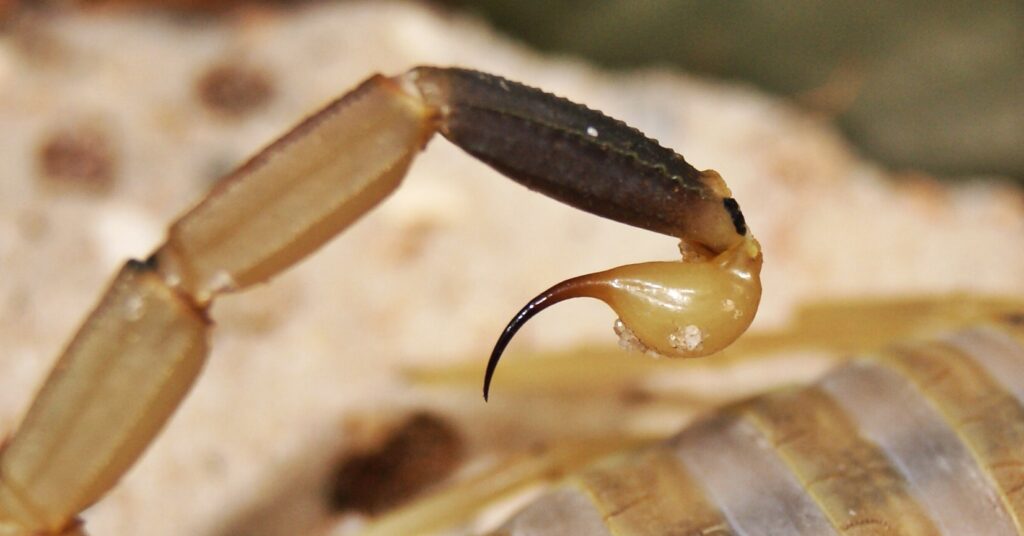
A molecule from deathstalker venom, called chlorotoxin, has been developed into a ‘tumour paint’ that makes brain tumours glow so surgeons can remove them more precisely.
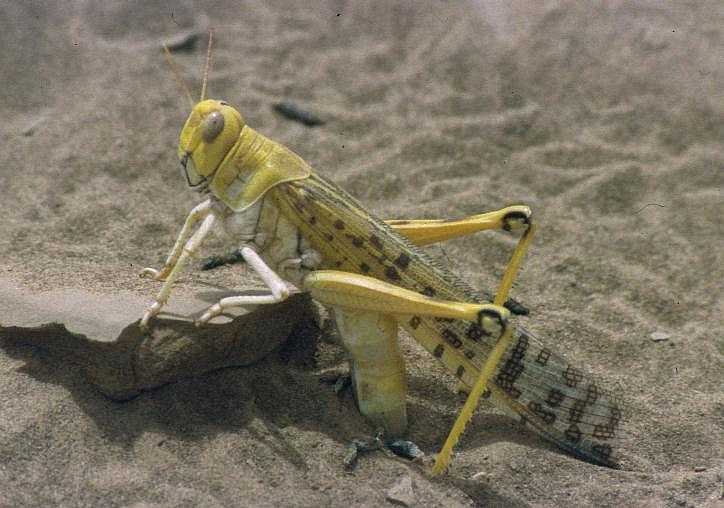
A desert locust swarm covering one square kilometre can eat as much food in a day as about 35,000 people.
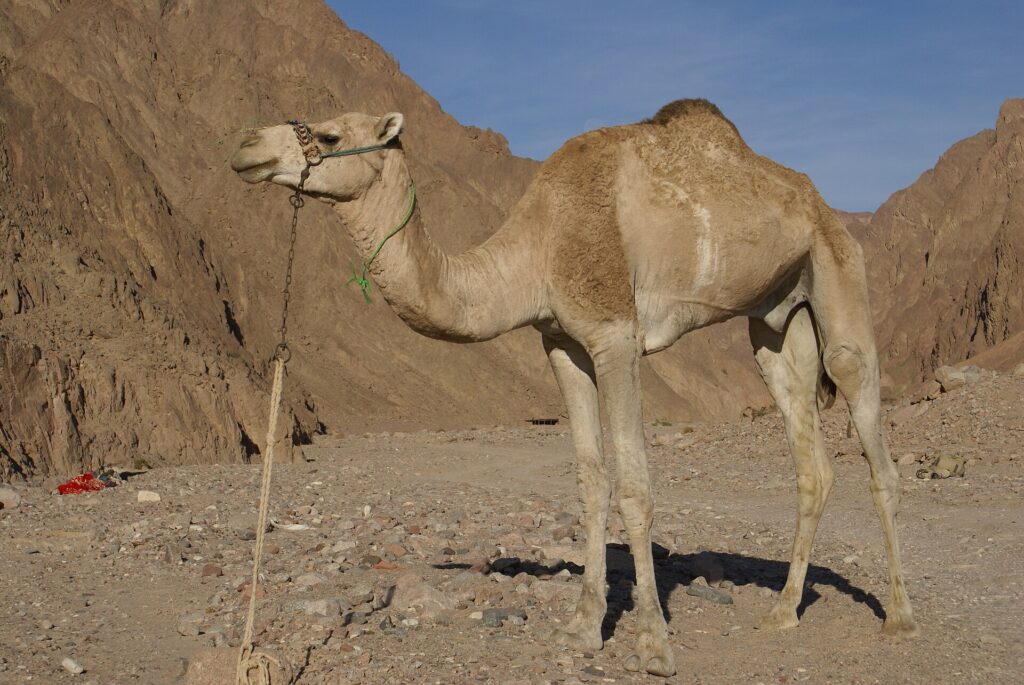
A thirsty dromedary can drink over 100 litres of water in about 10 minutes, and can survive losing about a quarter of its body weight in water.
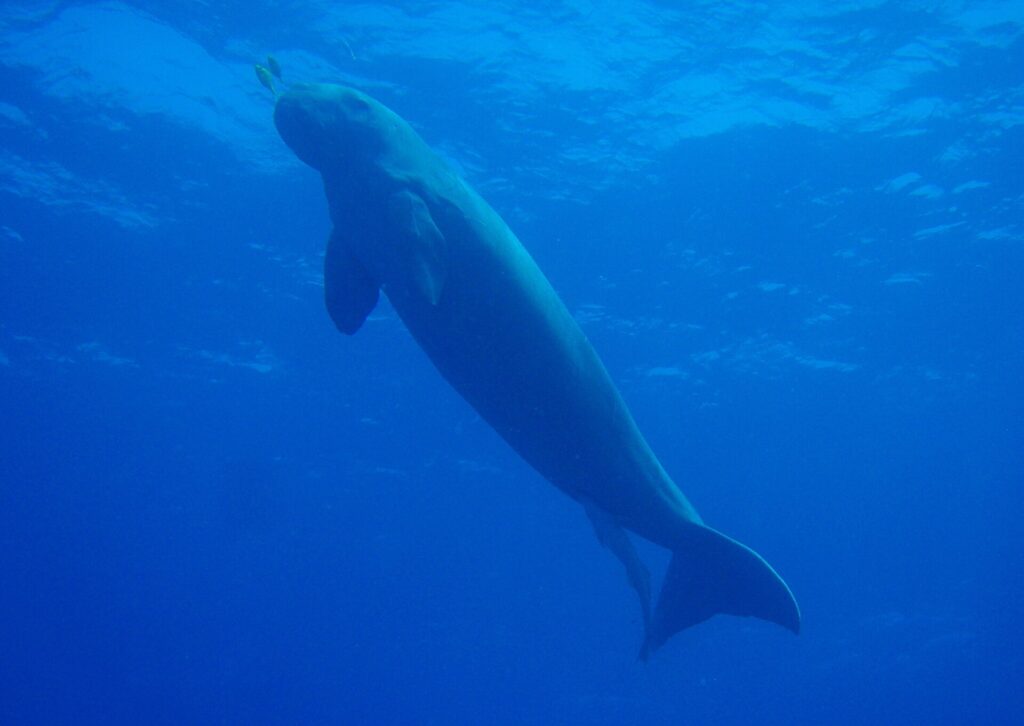
The dugong is the only strictly marine plant-eating mammal, leaving tell-tale trails through seagrass meadows as it grazes.
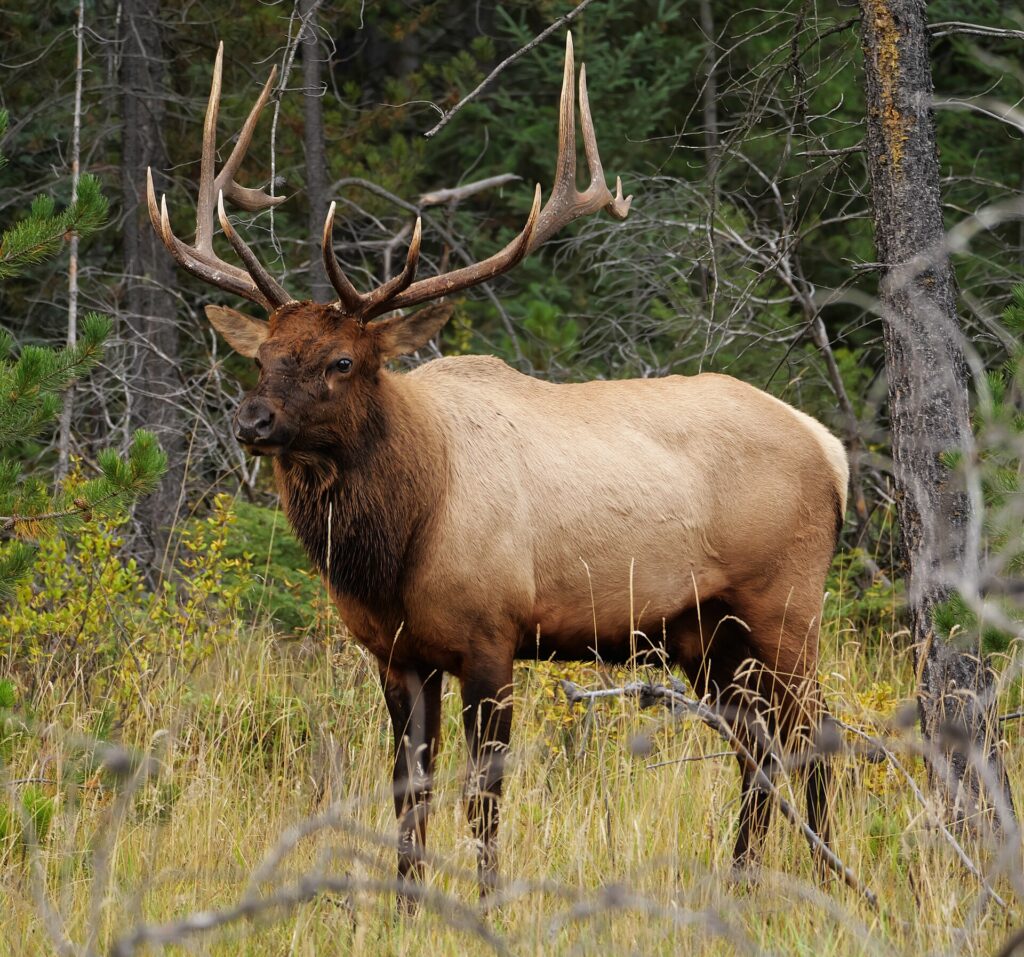
A bull elk’s antlers can grow up to about 2.5 cm a day in summer, making them among the fastest-growing animal tissues.
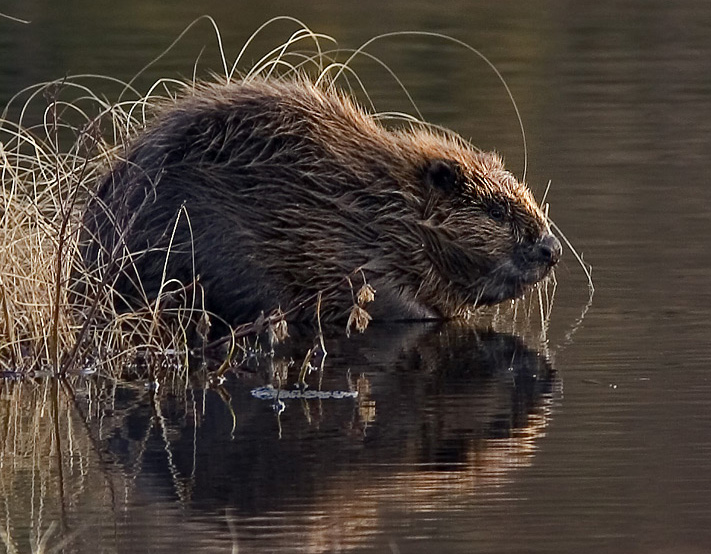
Eurasian beavers were hunted down to about 1,200 animals in the early 1900s; today there are well over a million across Europe and Asia.
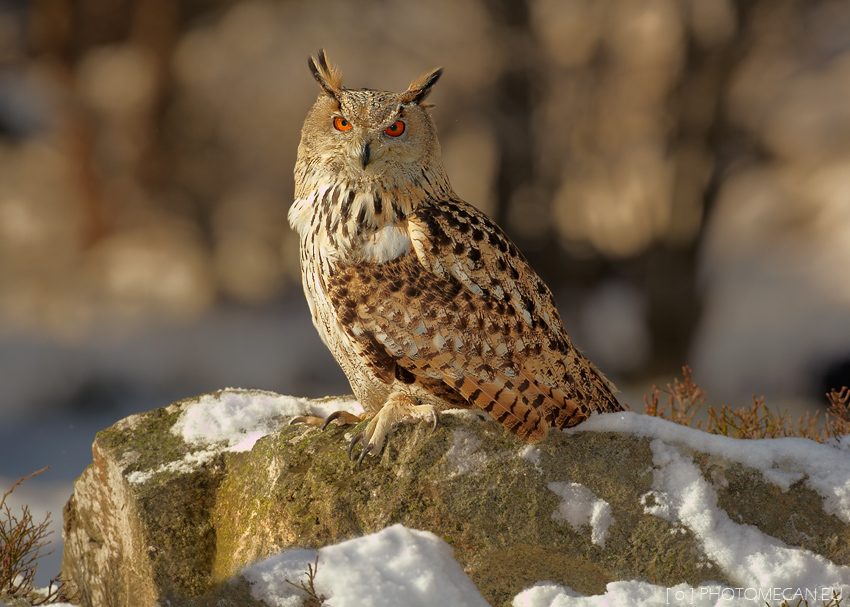
The Eurasian eagle-owl is one of the largest owls in the world, strong enough to catch prey as big as a fox.
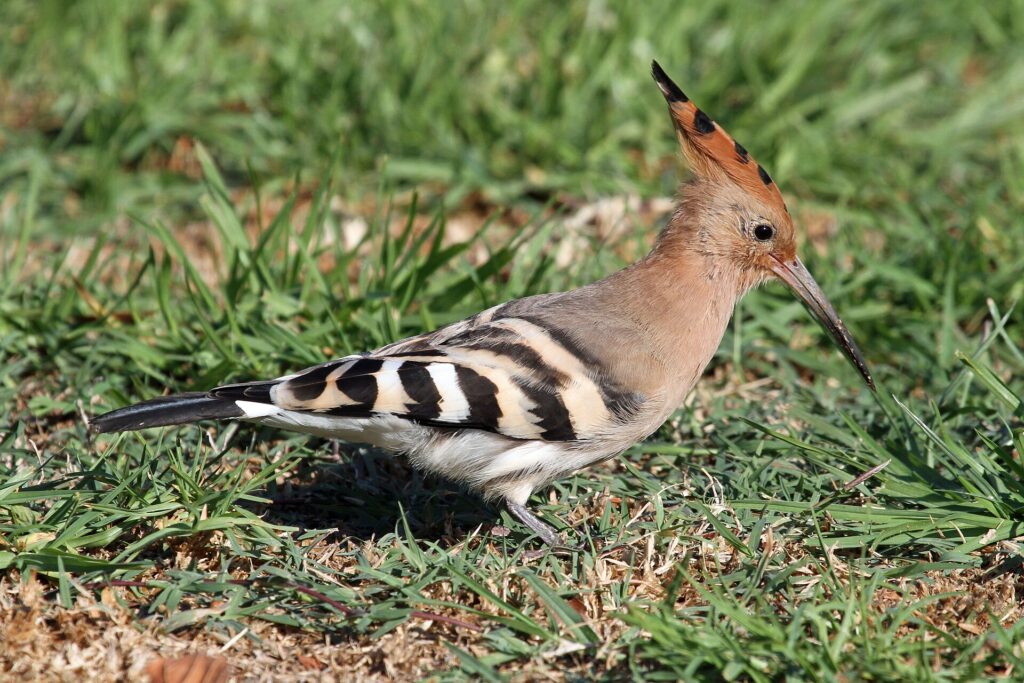
To defend themselves, hoopoe chicks squirt foul-smelling droppings at intruders, and nesting females produce a smelly secretion containing bacteria that help protect the eggs.
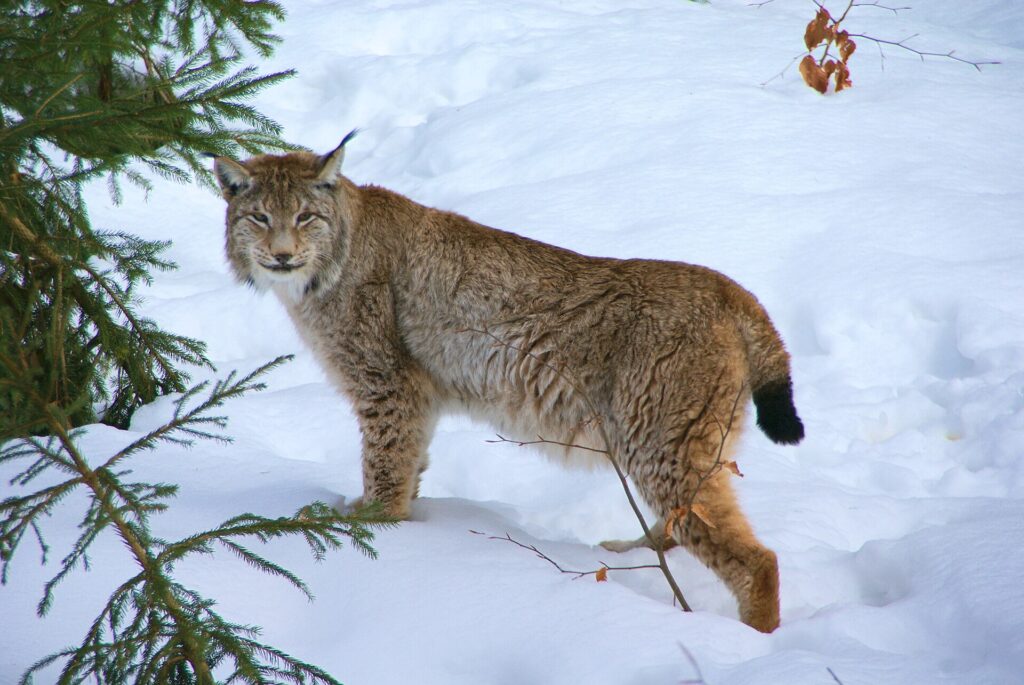
A Eurasian lynx can kill prey three to four times its own weight, such as an adult red deer or reindeer.
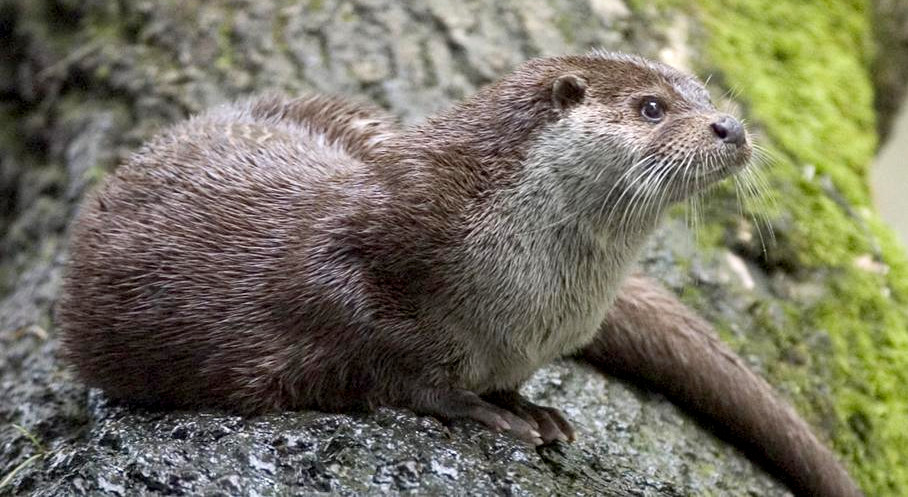
Otters mark their territories with droppings called spraints, which smell sweet, often compared to jasmine tea.
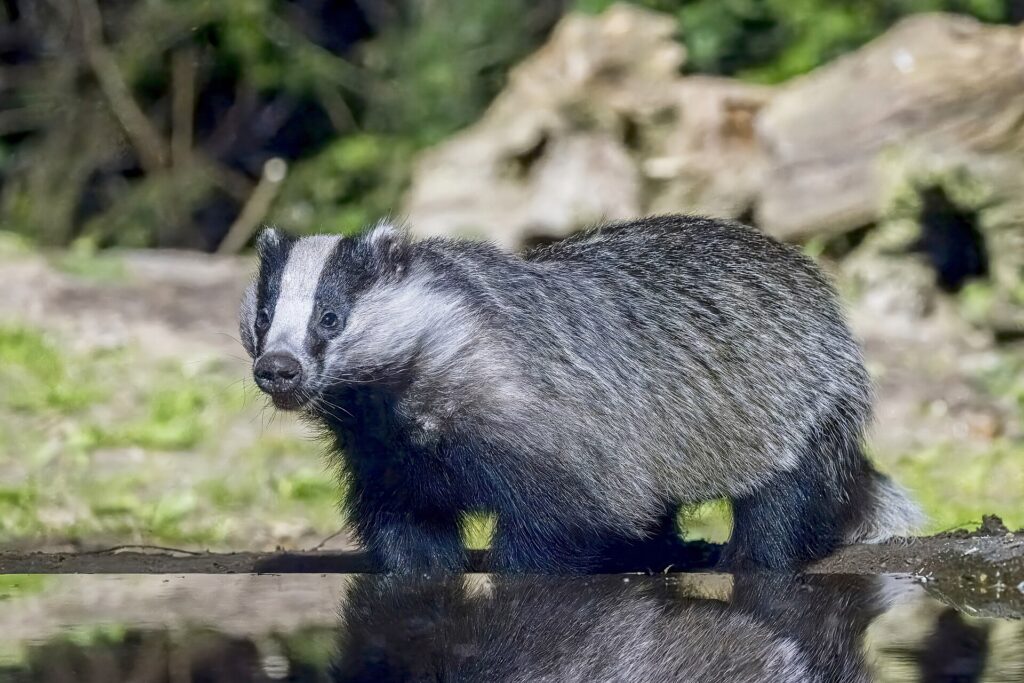
Badgers live in underground ‘setts’ that can be used by the same family for many generations, some with dozens of entrances and hundreds of metres of tunnels.
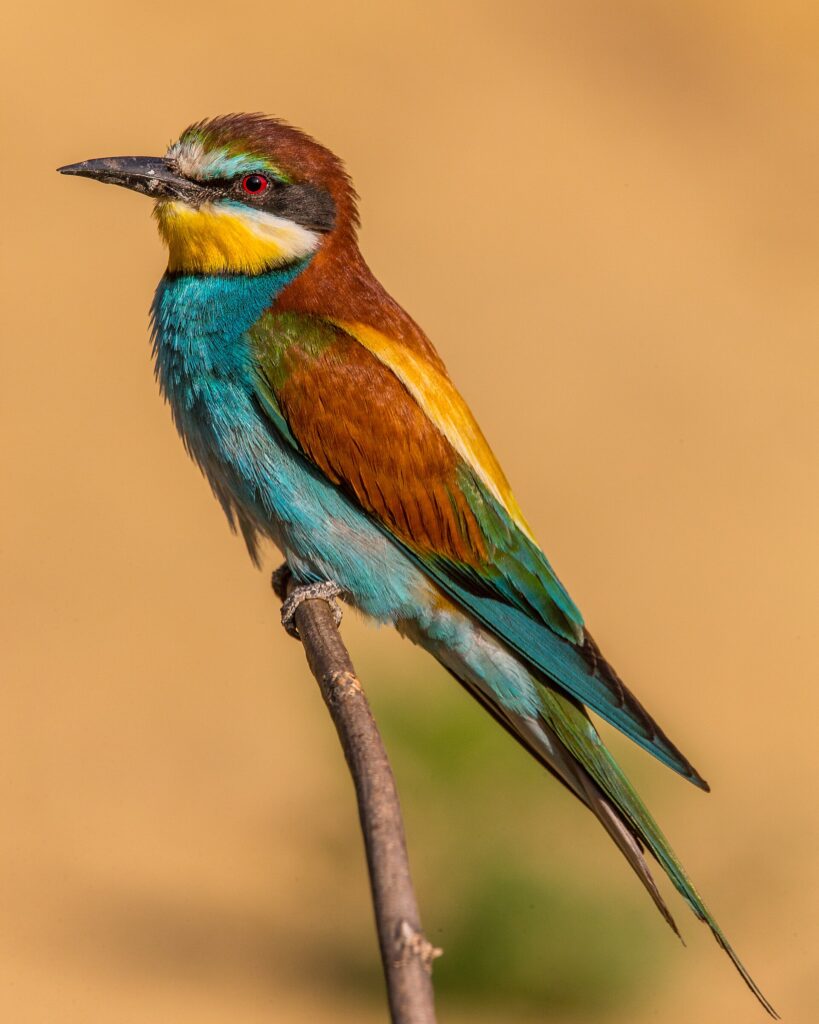
Bee-eaters catch bees and wasps in flight, then beat them against a branch and rub off the stinger before swallowing them.