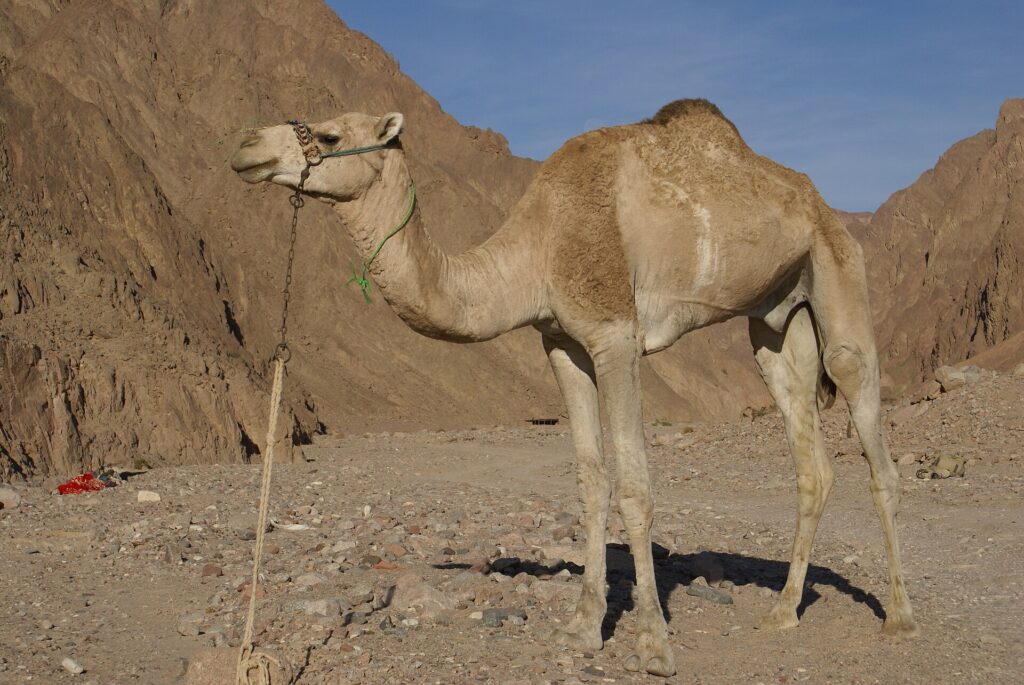
Dromedary Camel
A thirsty dromedary can drink over 100 litres of water in about 10 minutes, and can survive losing about a quarter of its body weight in water.
A thirsty dromedary can drink over 100 litres of water in about 10 minutes, and can survive losing about a quarter of its body weight in water.
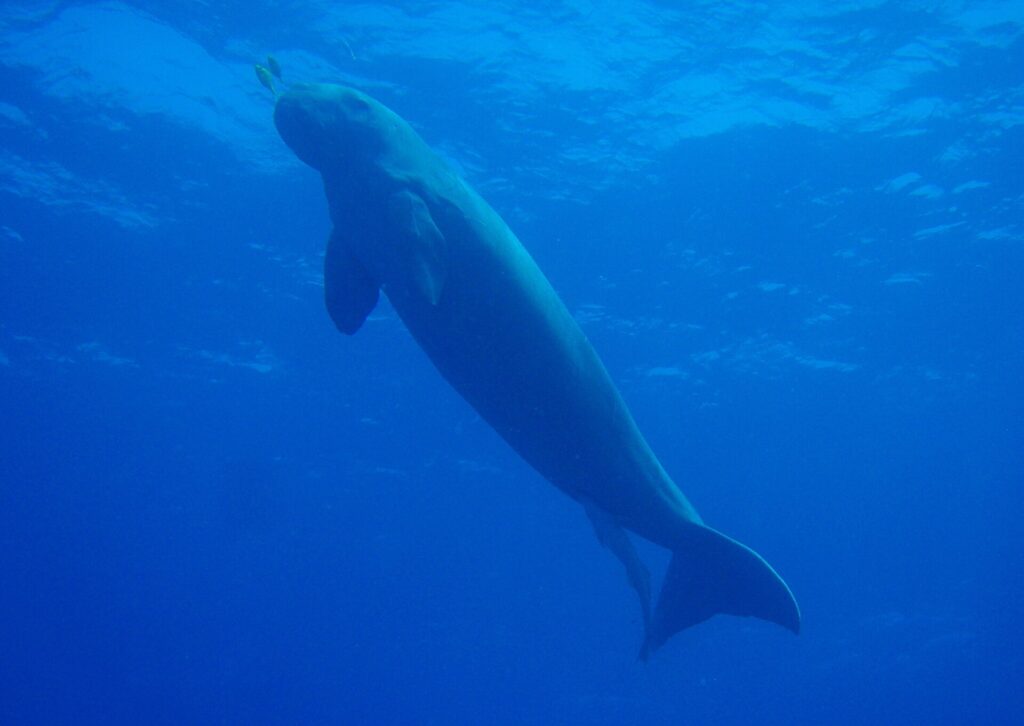
The dugong is the only strictly marine plant-eating mammal, leaving tell-tale trails through seagrass meadows as it grazes.
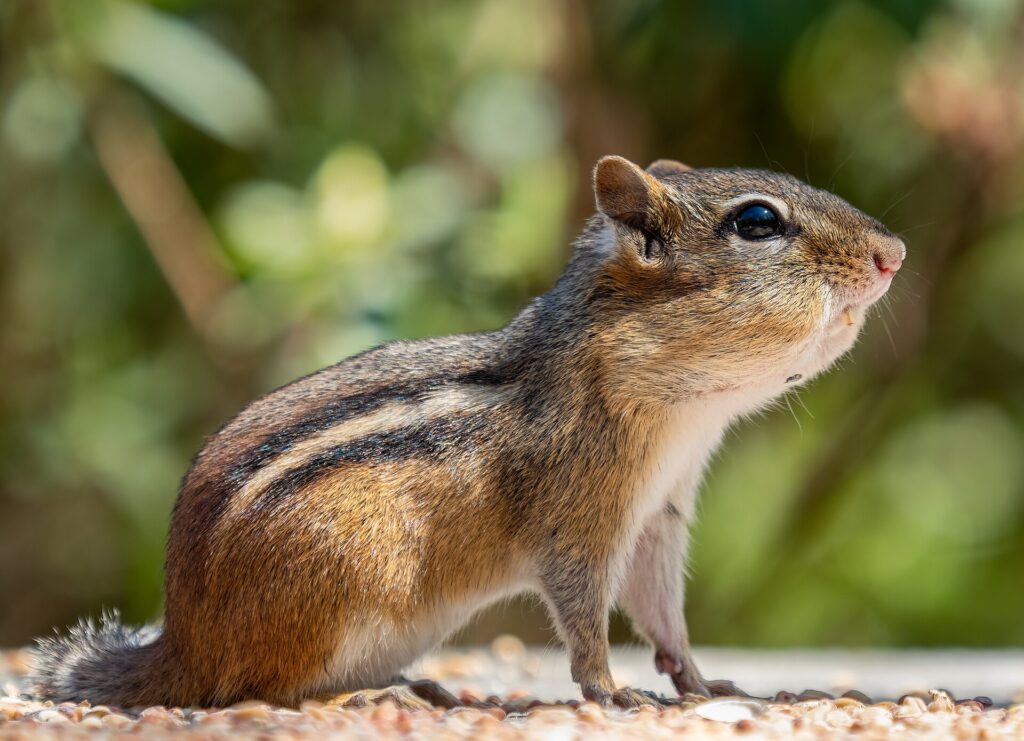
A chipmunk’s cheek pouches stretch to hold many seeds at once, letting it carry dozens of sunflower seeds or several acorns back to its burrow in one trip.
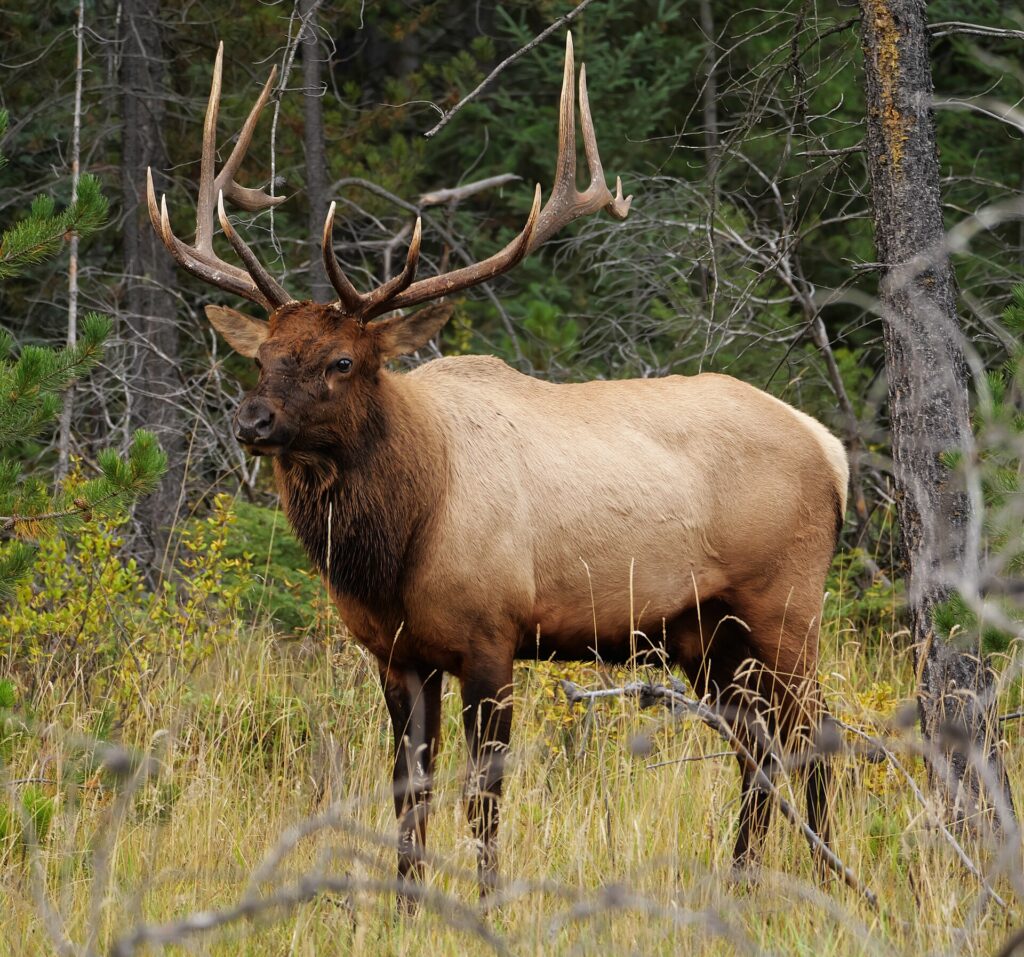
A bull elk’s antlers can grow up to about 2.5 cm a day in summer, making them among the fastest-growing animal tissues.
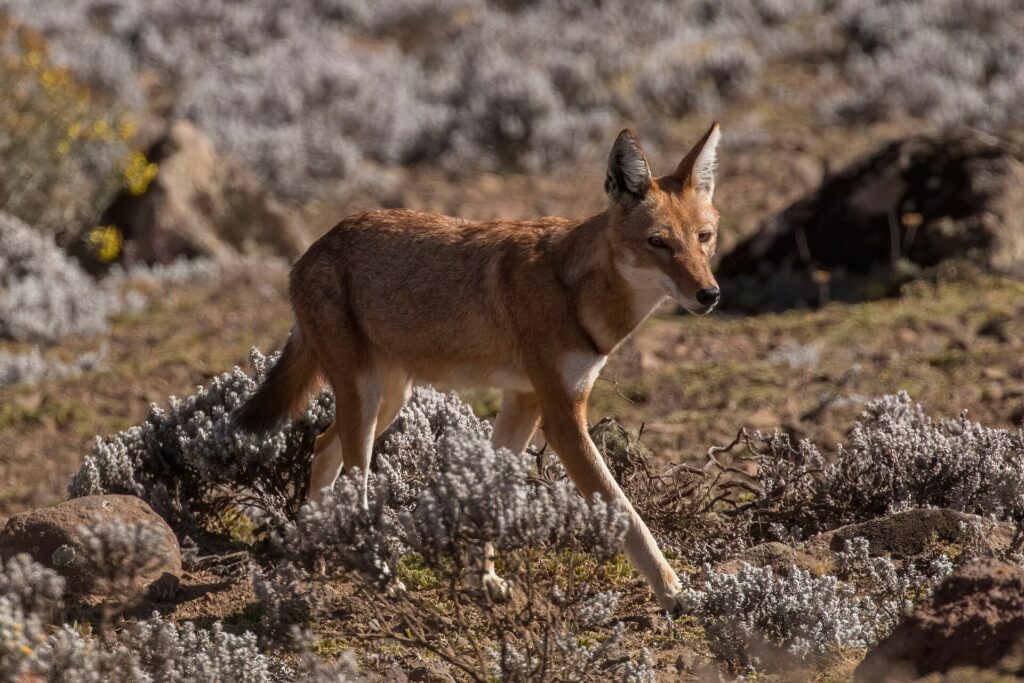
The Ethiopian wolf is the rarest wild dog in the world, with only about 500 adults left.
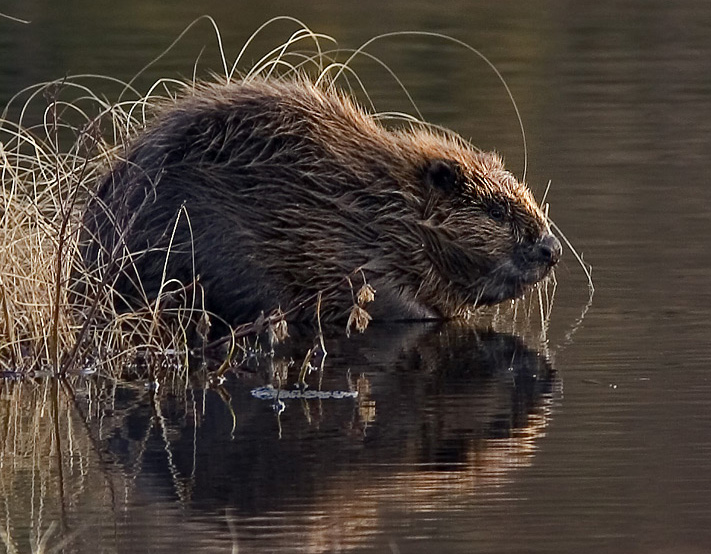
Eurasian beavers were hunted down to about 1,200 animals in the early 1900s; today there are well over a million across Europe and Asia.
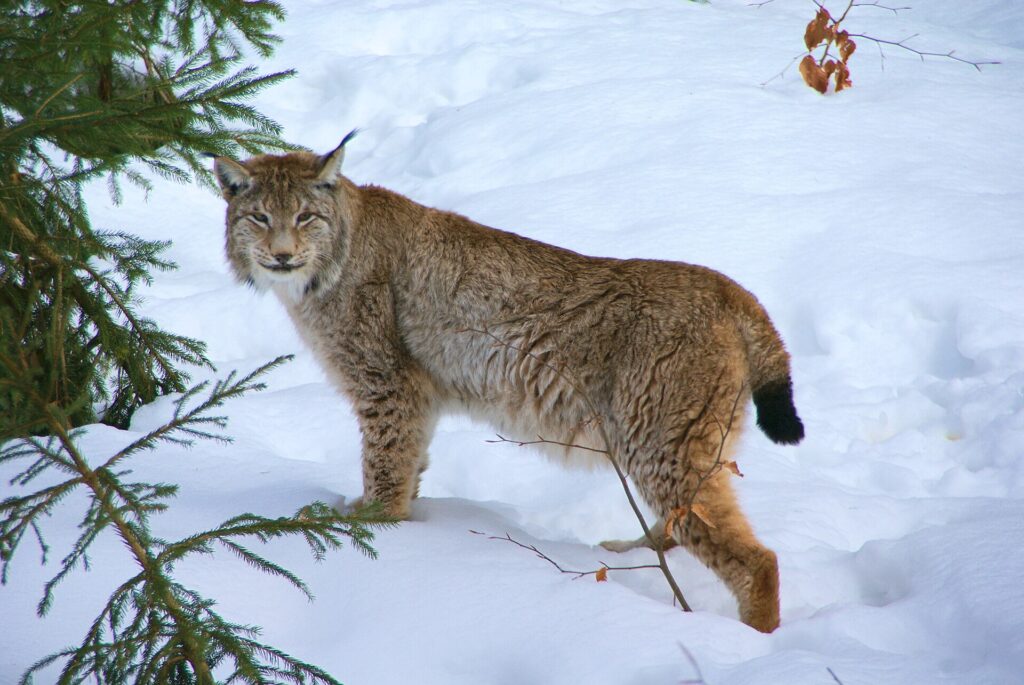
A Eurasian lynx can kill prey three to four times its own weight, such as an adult red deer or reindeer.
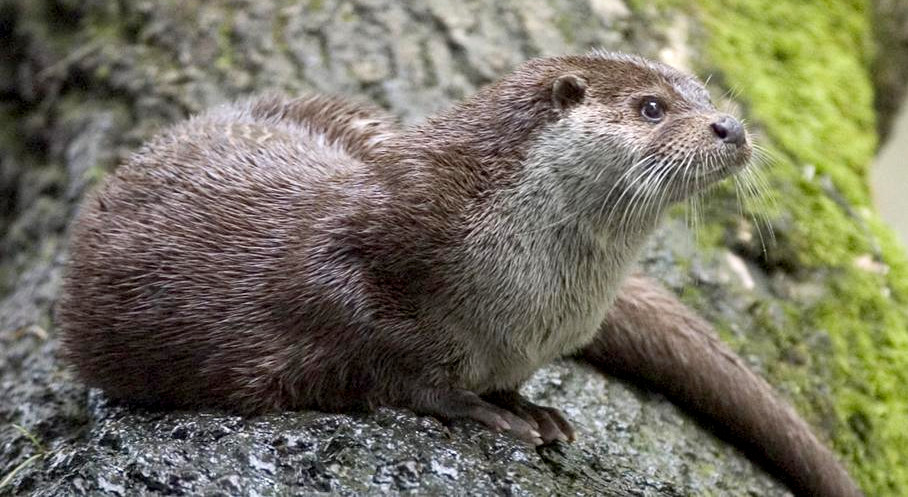
Otters mark their territories with droppings called spraints, which smell sweet, often compared to jasmine tea.
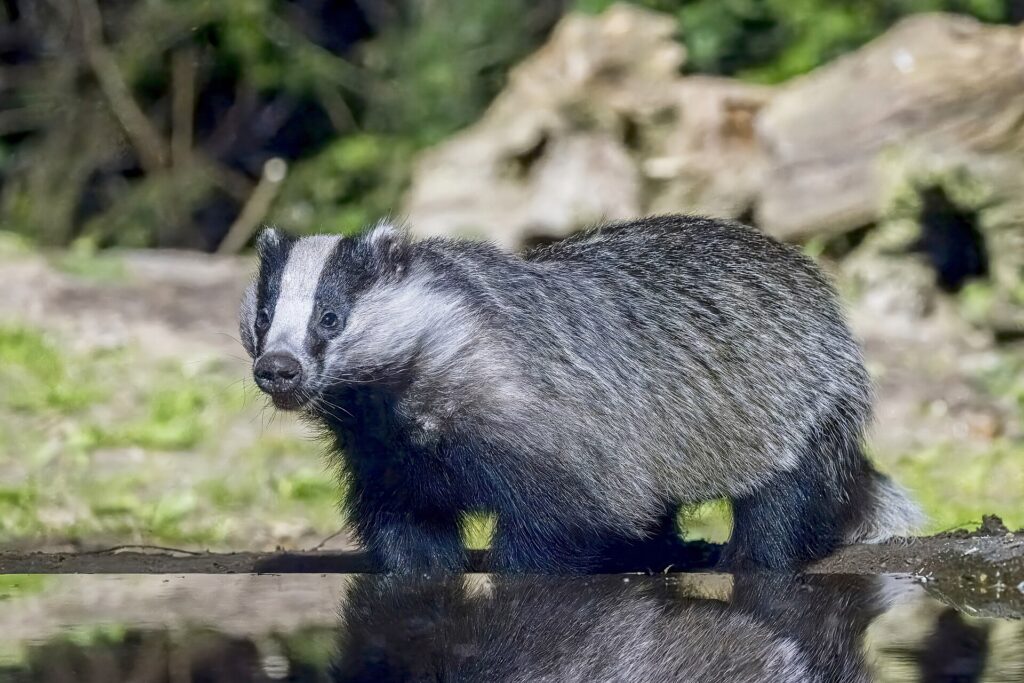
Badgers live in underground ‘setts’ that can be used by the same family for many generations, some with dozens of entrances and hundreds of metres of tunnels.
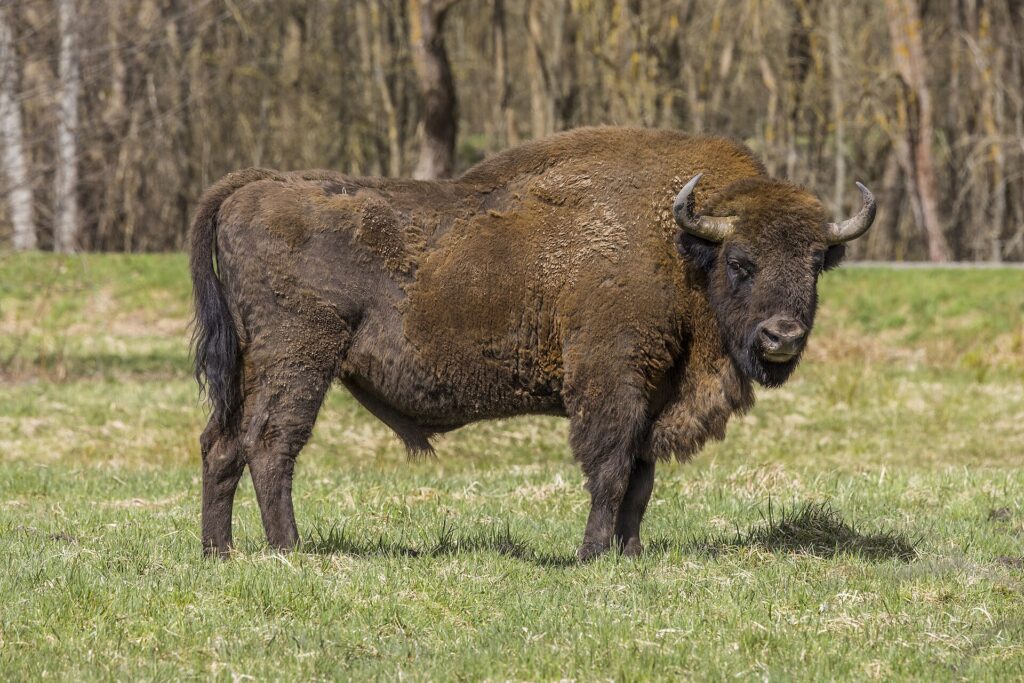
Every European bison alive today descends from just 12 animals kept in zoos after the species was hunted out of the wild by 1927.
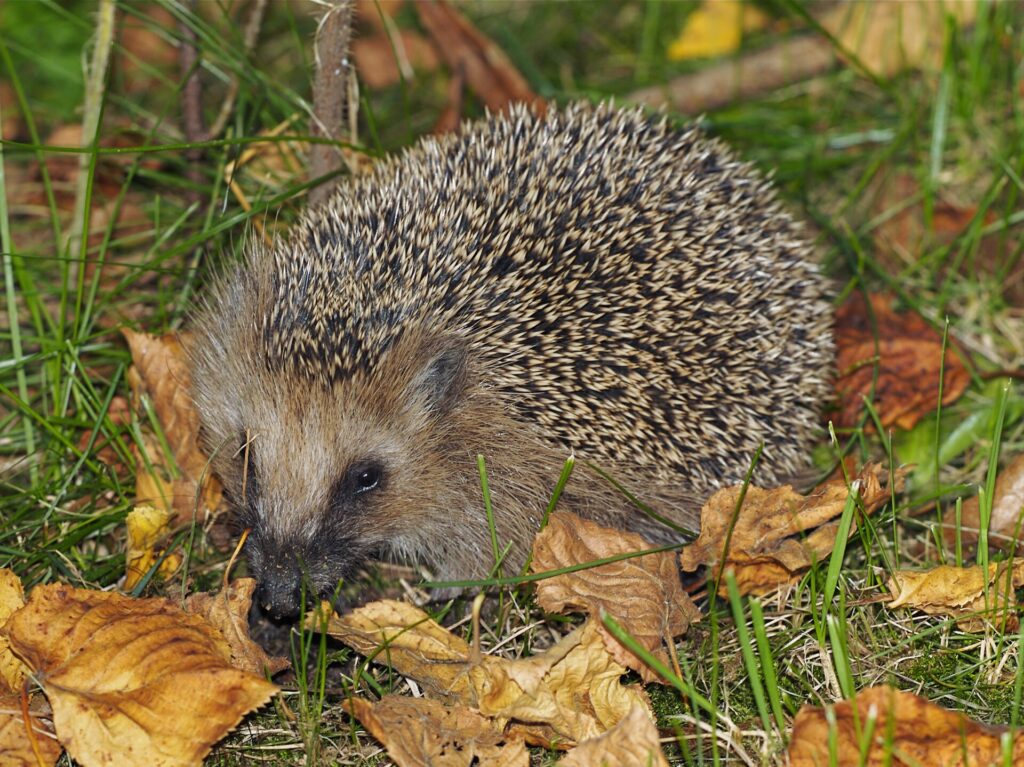
A hedgehog has about 5,000–7,000 spines, and it can roll into a tight ball so that only spines face an attacker.
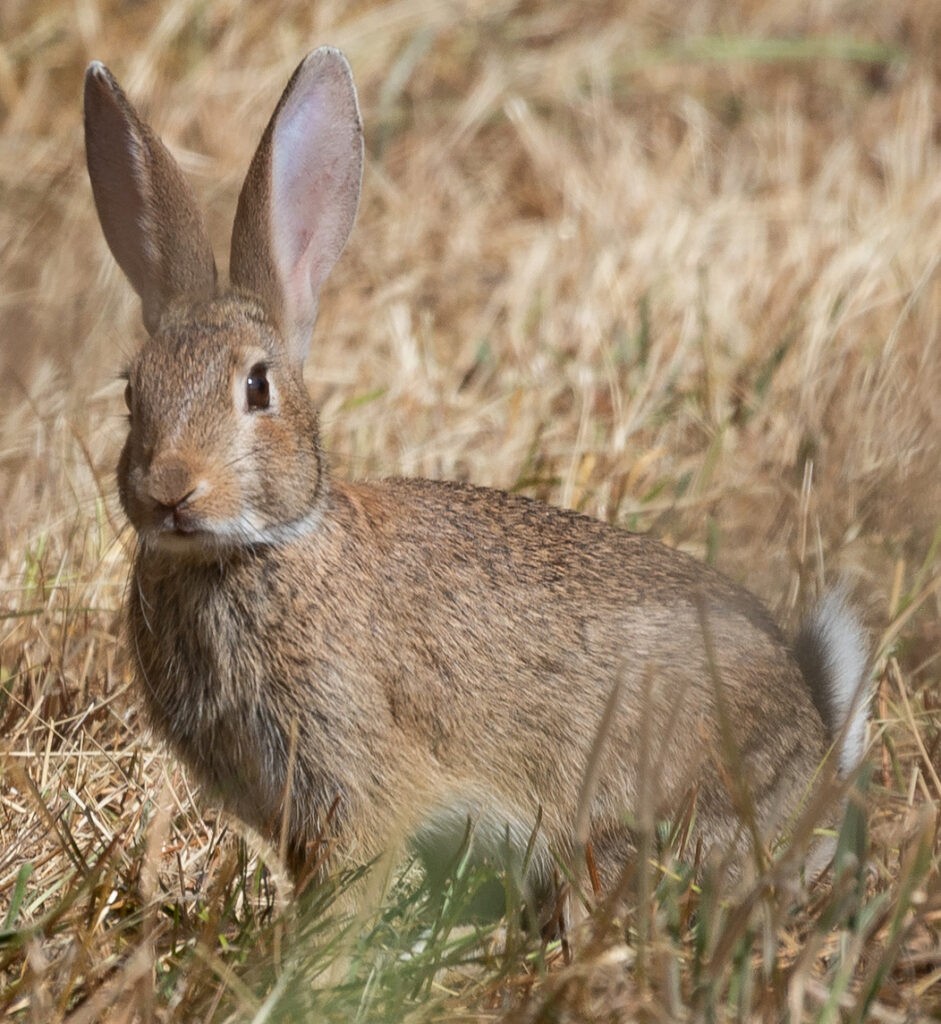
The European rabbit is a pest across much of the world, yet it is Endangered in its native Spain and Portugal, where diseases have wiped out most of the population.
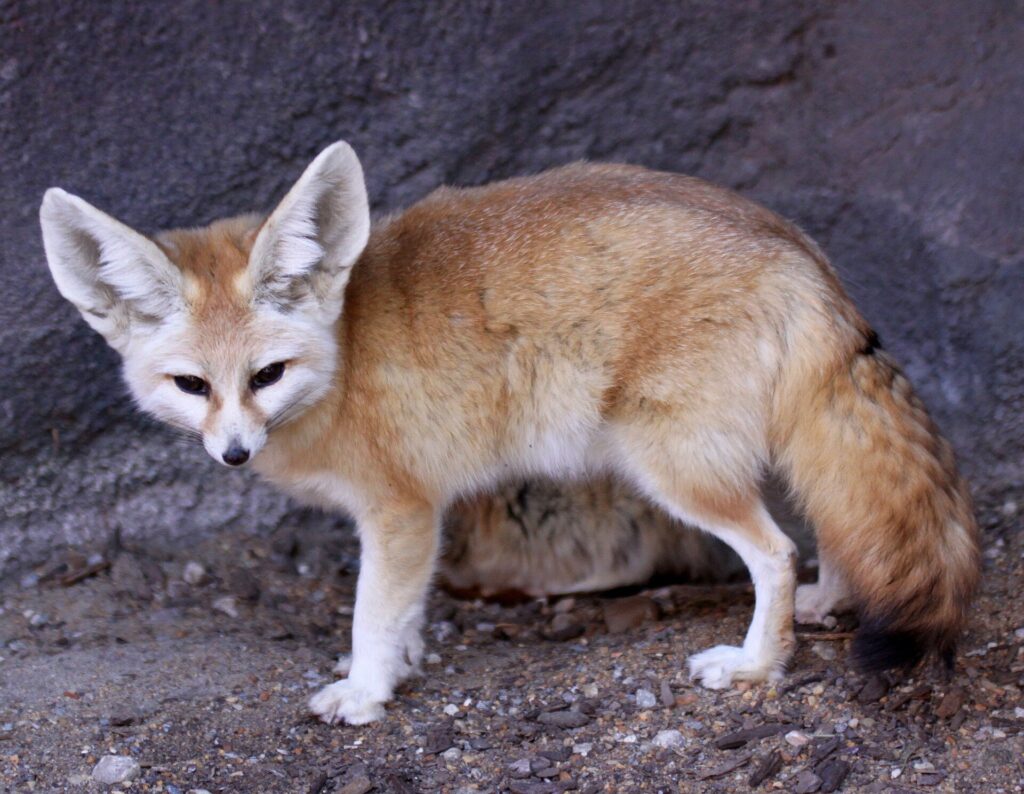
The fennec fox has the largest ears relative to body size of any member of the dog family, used both to shed heat and to hear prey moving underground.
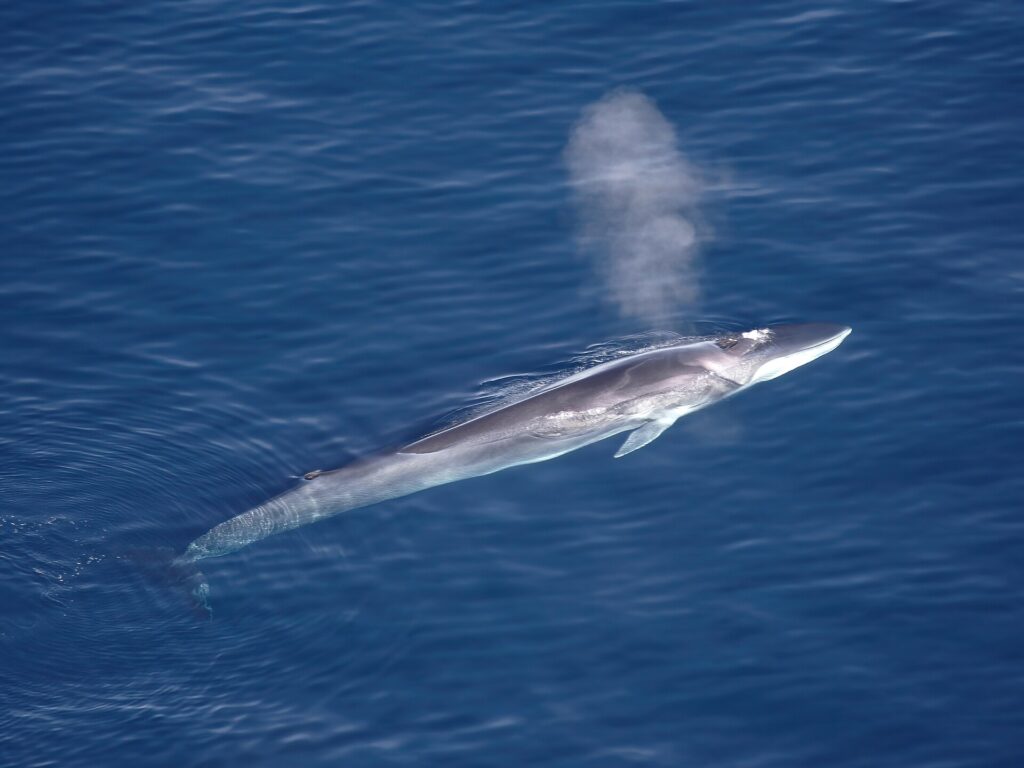
The fin whale is the second-largest animal on Earth, and so fast that sailors called it the ‘greyhound of the sea’.
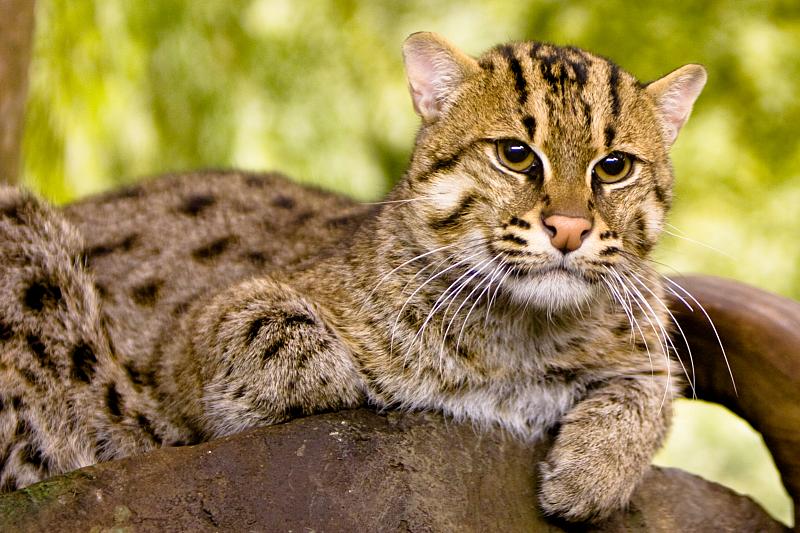
The fishing cat dives into water to catch fish and has partly webbed front feet and a waterproof double-layered coat.
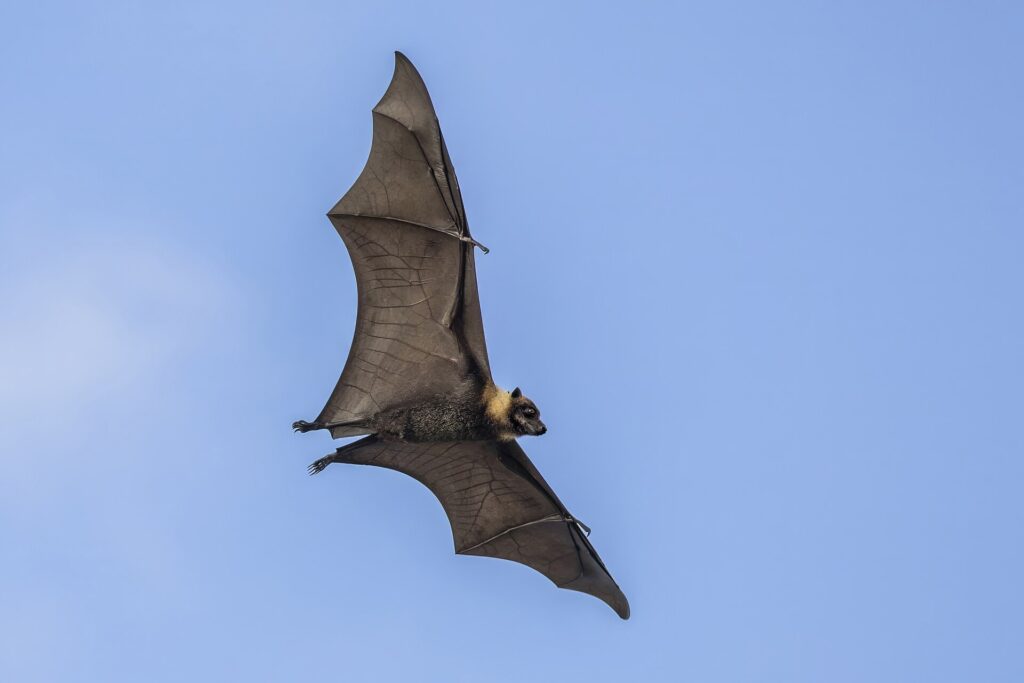
Flying foxes are among the world’s most important pollinators and seed dispersers, flying up to 50 km or more in a night and spreading seeds across whole landscapes.
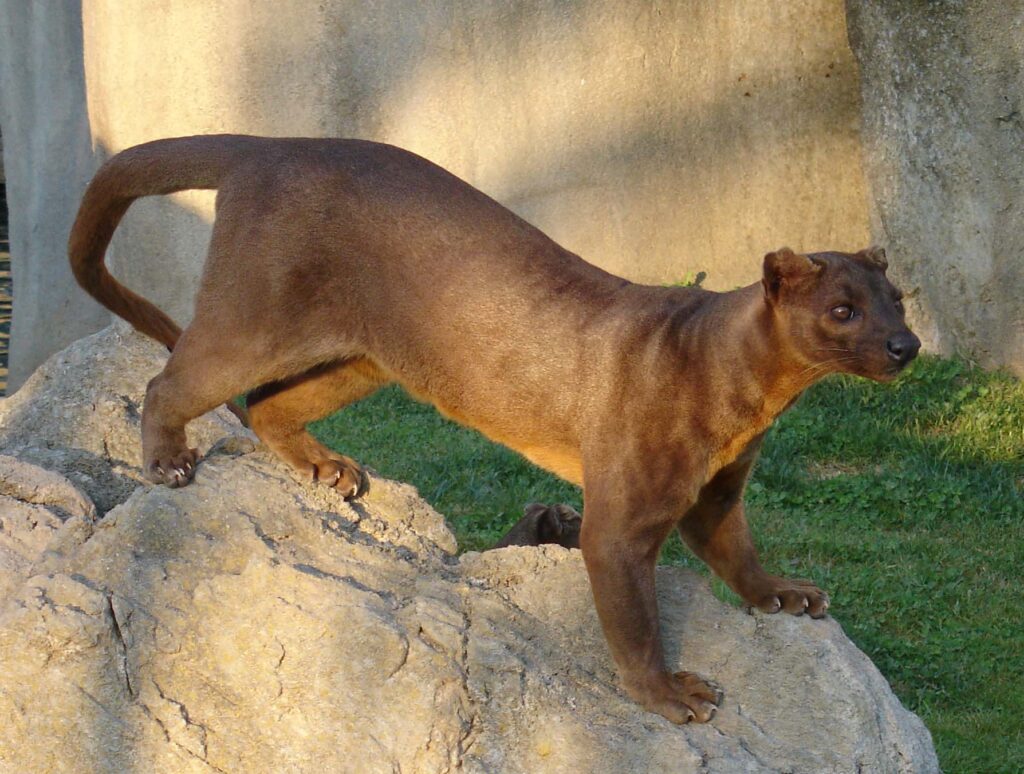
The fossa is Madagascar’s largest predator, and it can run down trees headfirst to chase lemurs through the canopy.
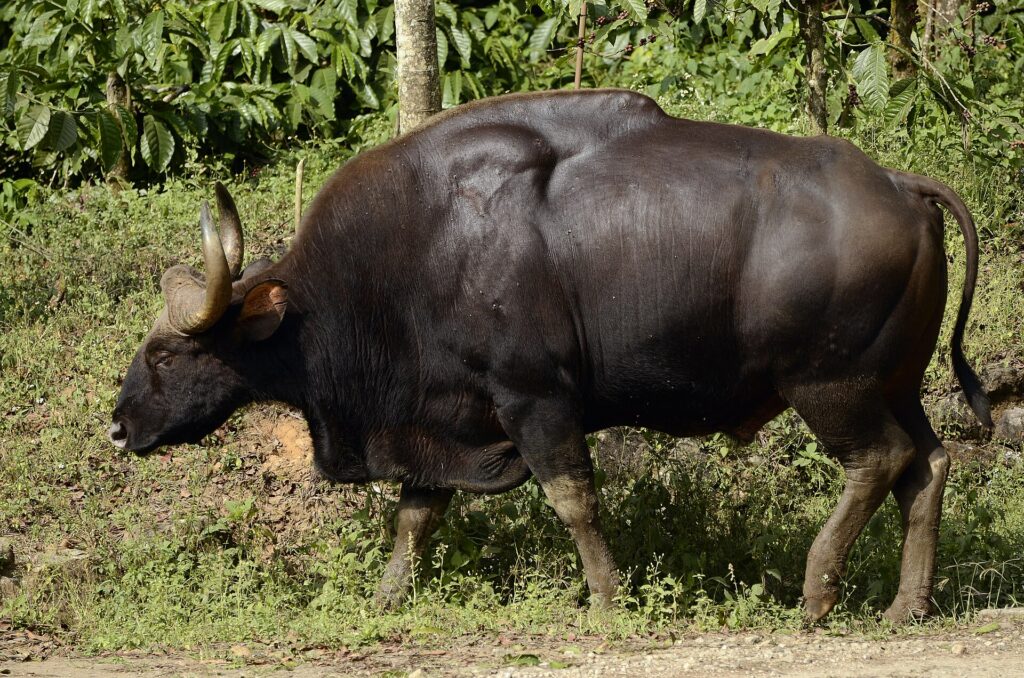
The gaur is the largest wild cattle species on Earth, with bulls weighing up to about 1.5 tonnes.
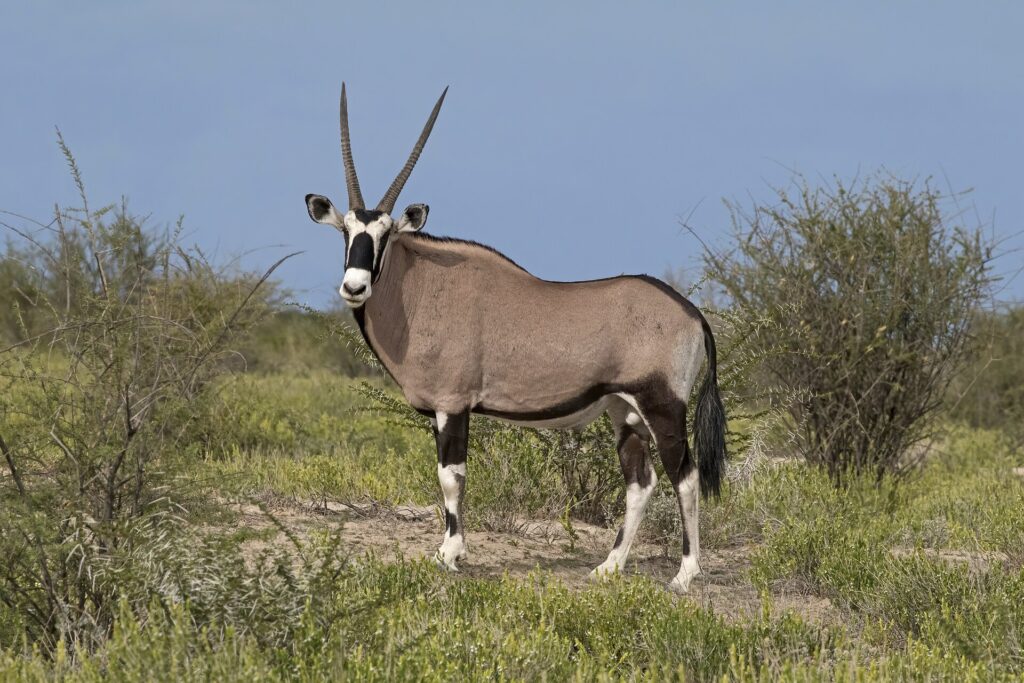
Gemsbok survive desert heat by letting their body temperature rise to about 45 °C, while a network of blood vessels keeps their brain cooler.
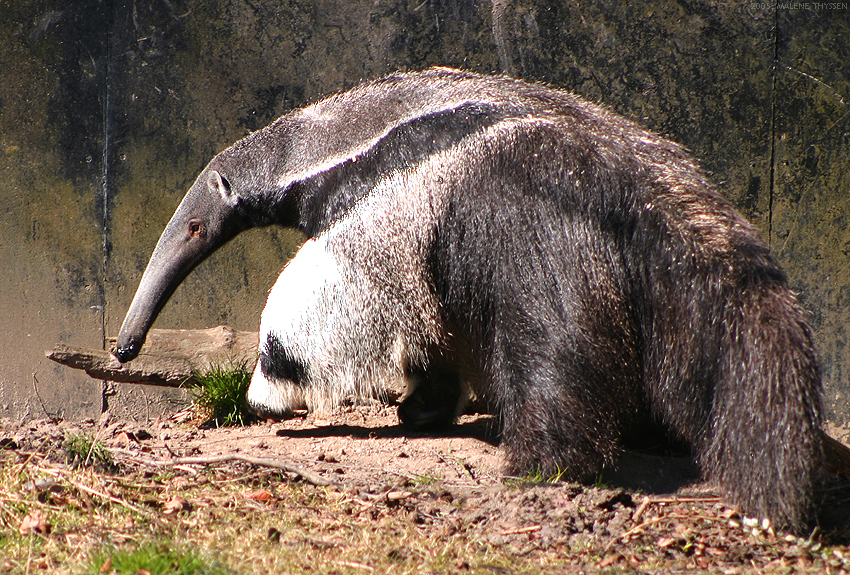
A giant anteater’s sticky tongue can be about 60 cm long and flick in and out up to about 150 times a minute.
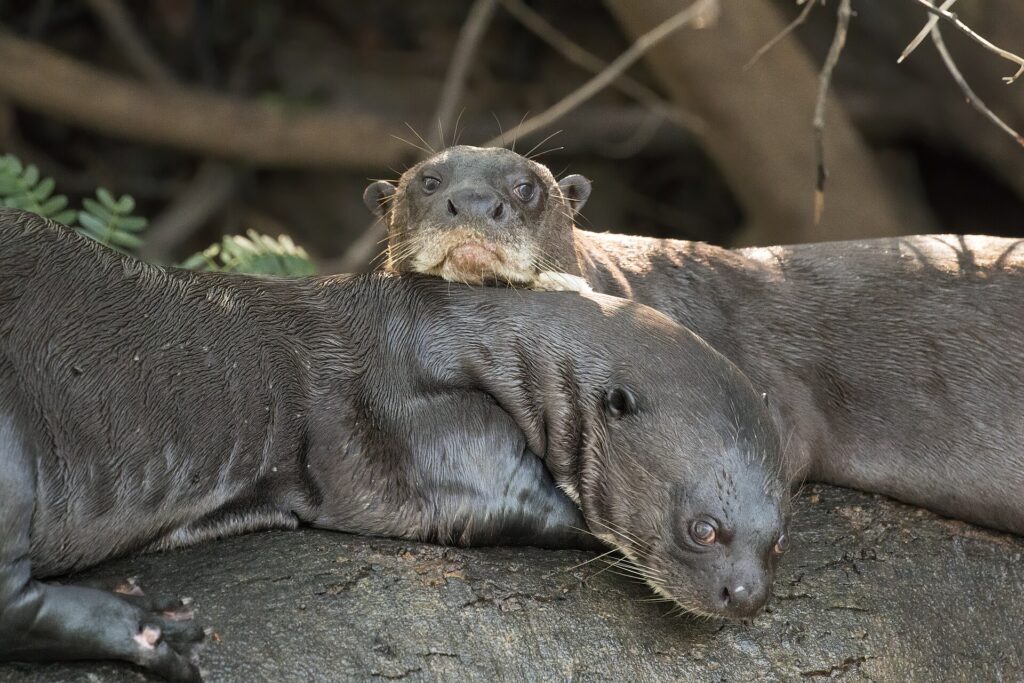
Each giant otter has a unique cream-coloured throat pattern, which researchers use to identify individuals.
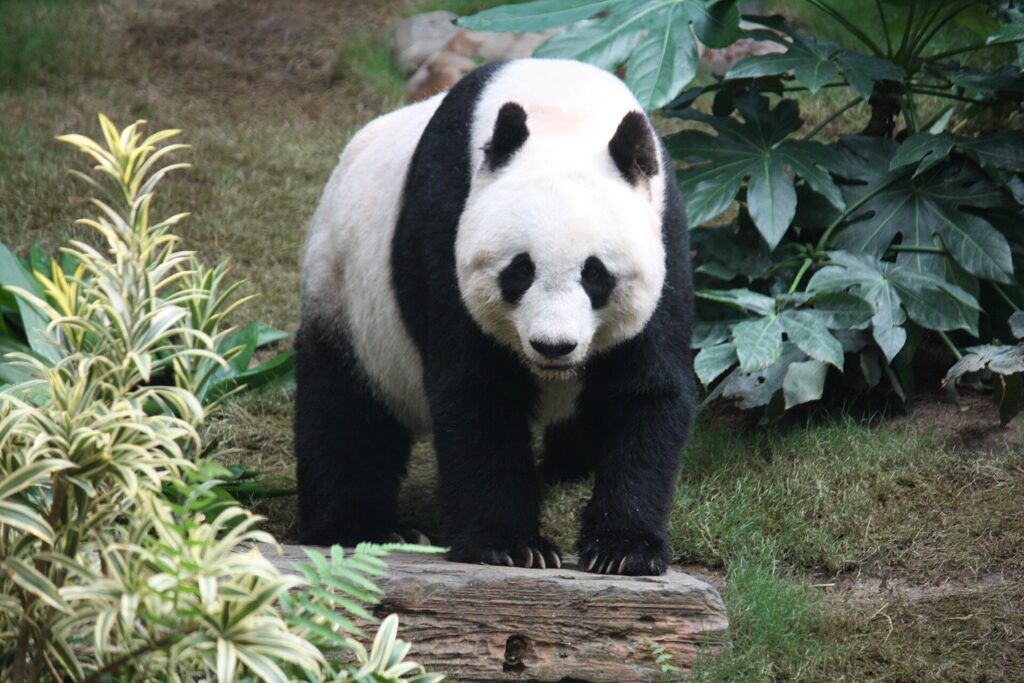
A giant panda has an extended wrist bone that works like a thumb, helping it grip bamboo stems.
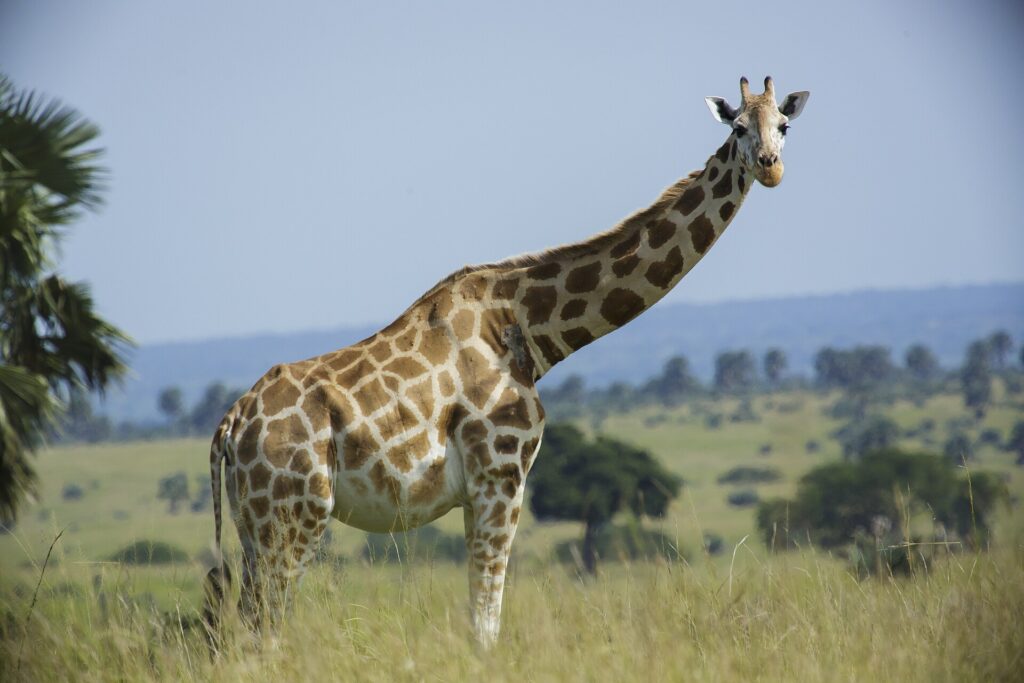
A giraffe’s neck is up to about 2 m long but contains the same number of vertebrae as a human’s: seven.
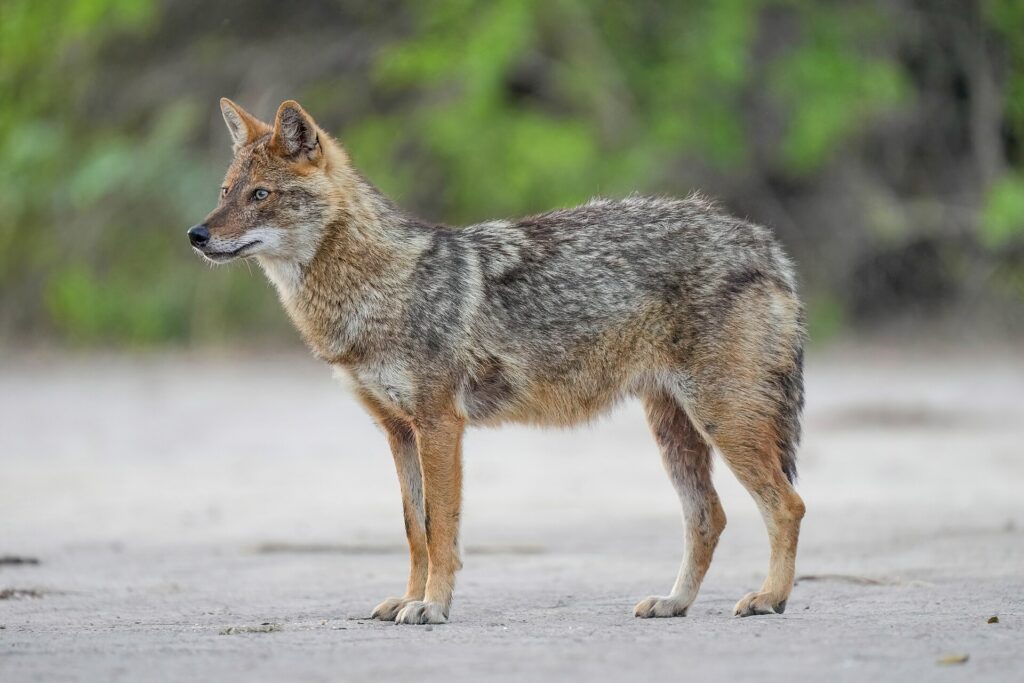
Golden jackals are spreading rapidly across Europe and have reached as far as the Netherlands, Denmark and the Baltic states.