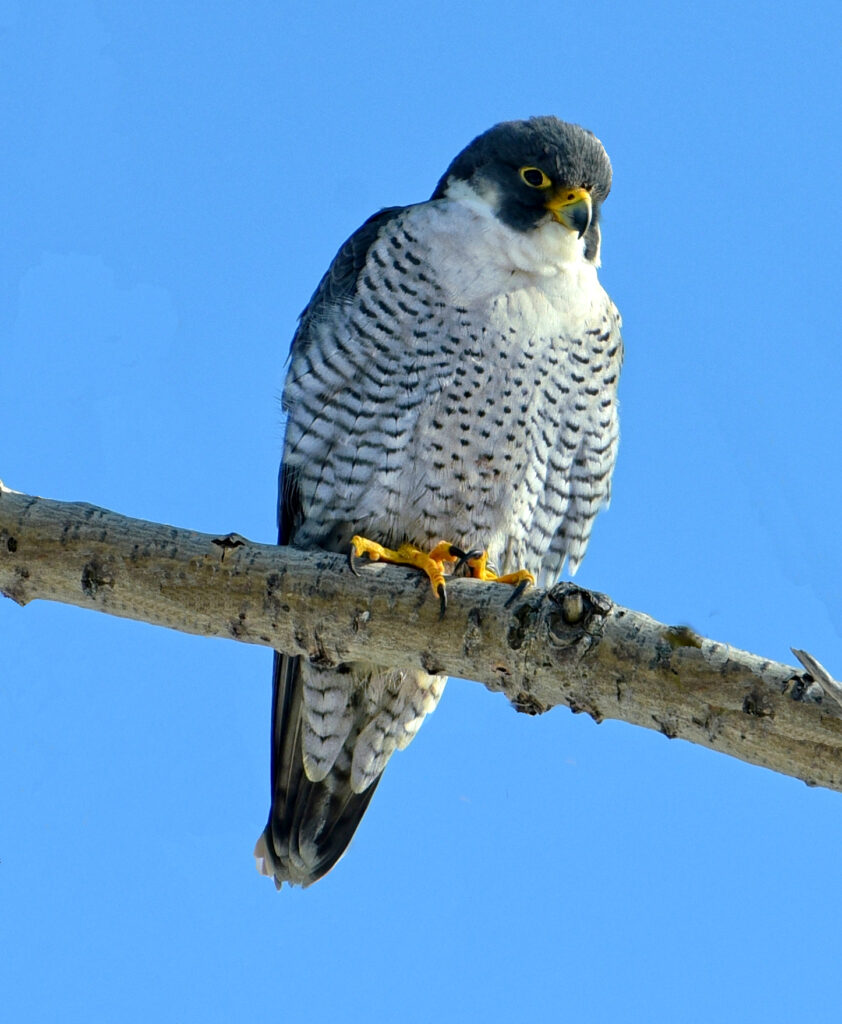
Peregrine Falcon
In a hunting dive, the peregrine falcon is the fastest animal on Earth, with speeds recorded above 300 km/h.
In a hunting dive, the peregrine falcon is the fastest animal on Earth, with speeds recorded above 300 km/h.
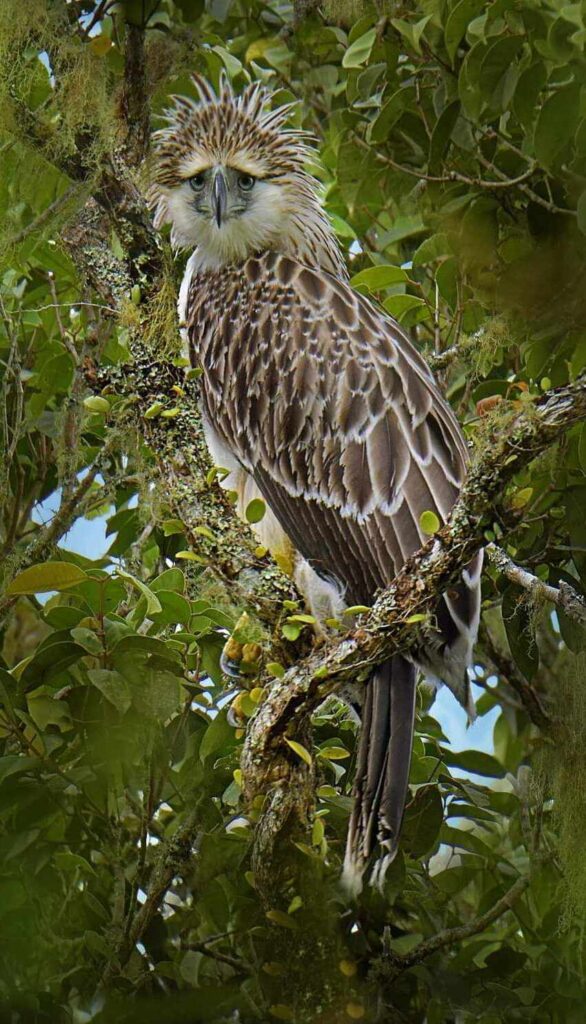
The Philippine eagle is one of the largest and most powerful eagles on Earth, and killing one in the Philippines can bring up to 12 years in prison.
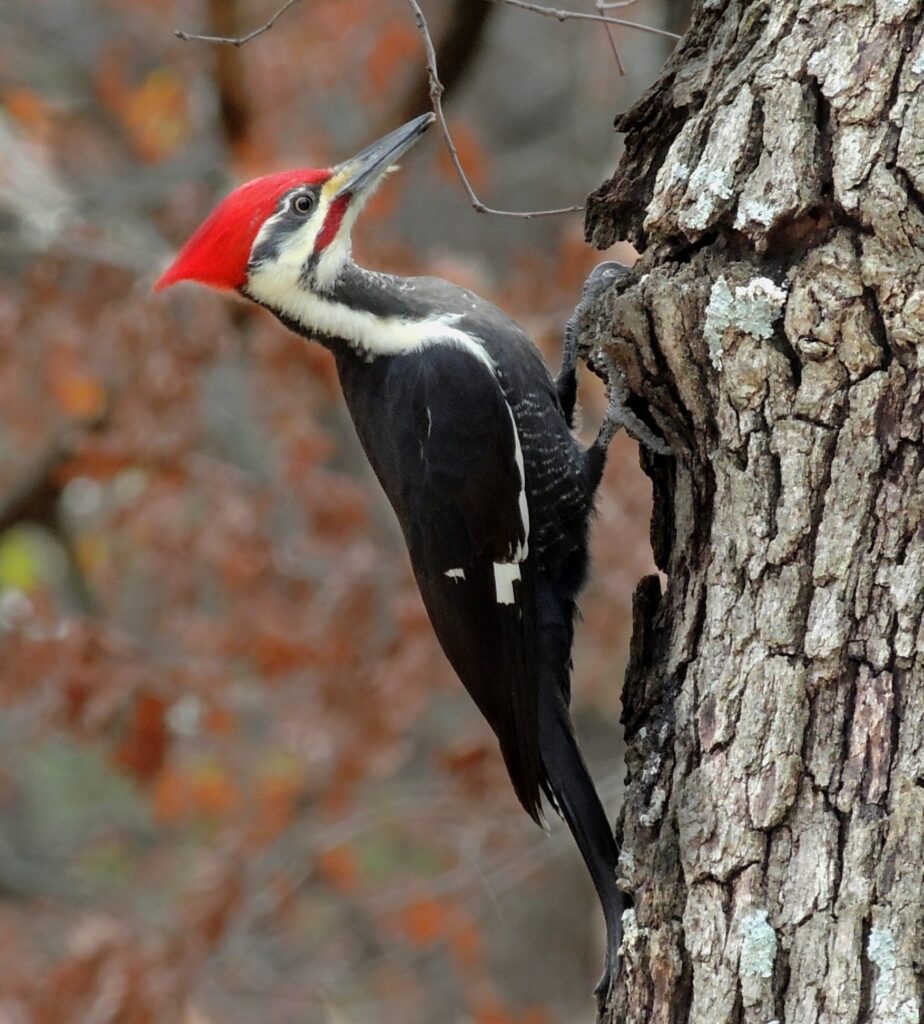
Pileated woodpeckers chisel large, rectangular holes into trees to reach carpenter ants, and their old holes become homes for owls, ducks, bats and other animals.
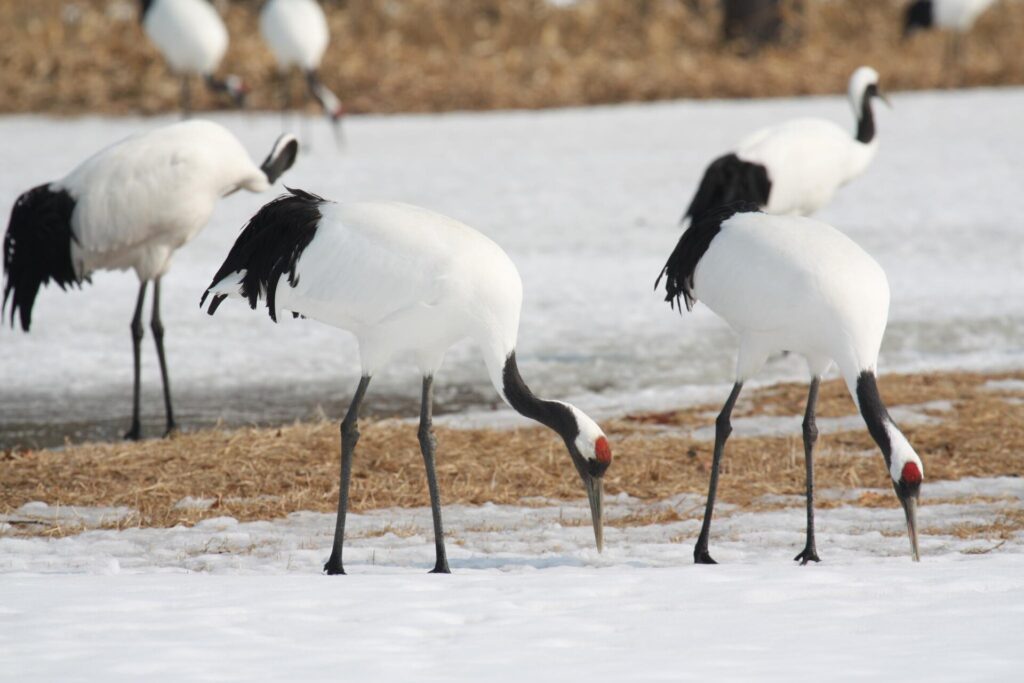
In Hokkaido, red-crowned cranes were reduced to about 20 birds in the 1920s; winter feeding by local people helped them recover to well over 1,000.
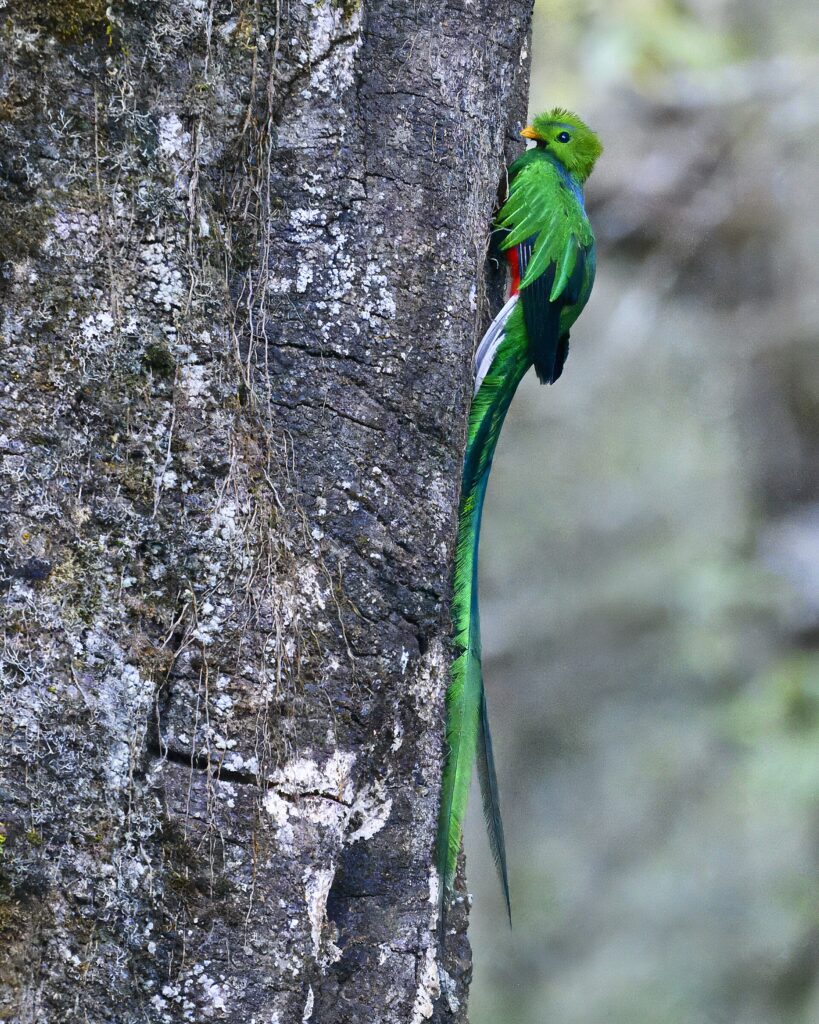
The resplendent quetzal was sacred to the Maya and Aztecs, and today Guatemala’s currency, the quetzal, is named after it.
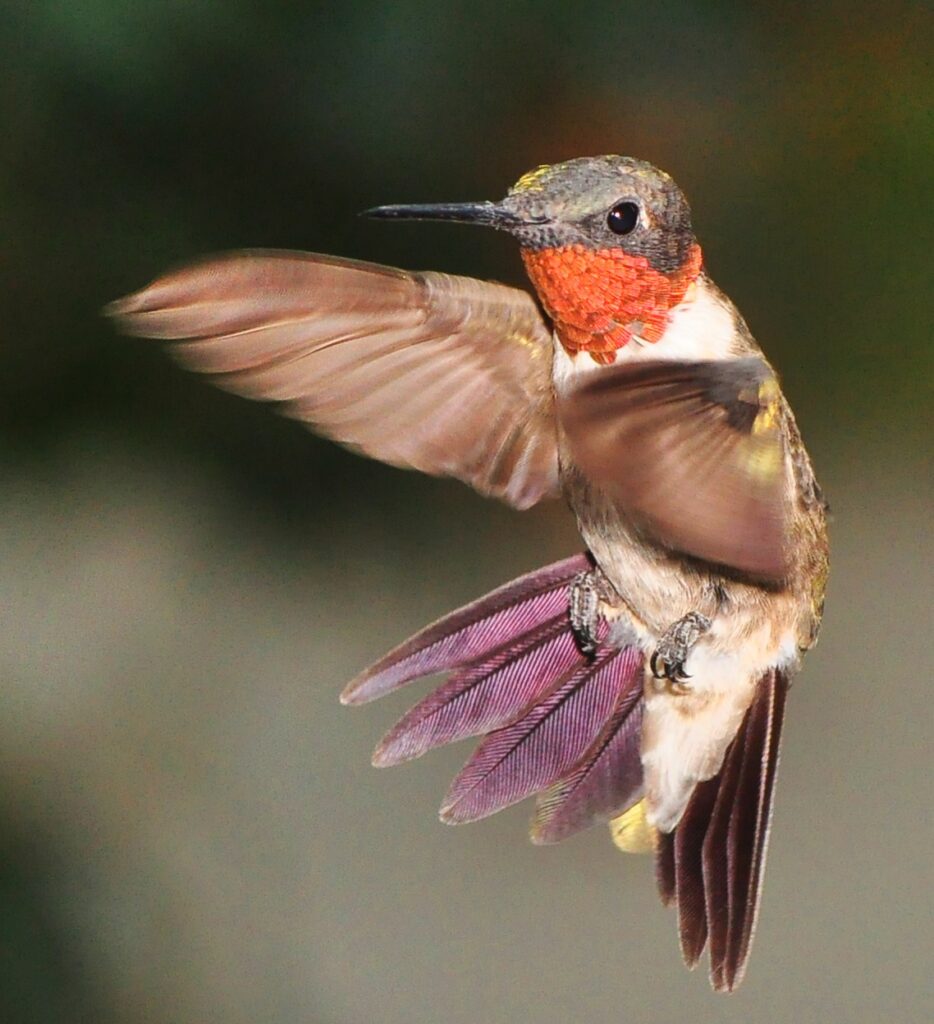
Many ruby-throated hummingbirds fly nonstop across the Gulf of Mexico, about 800 km, after doubling their body weight with fat.
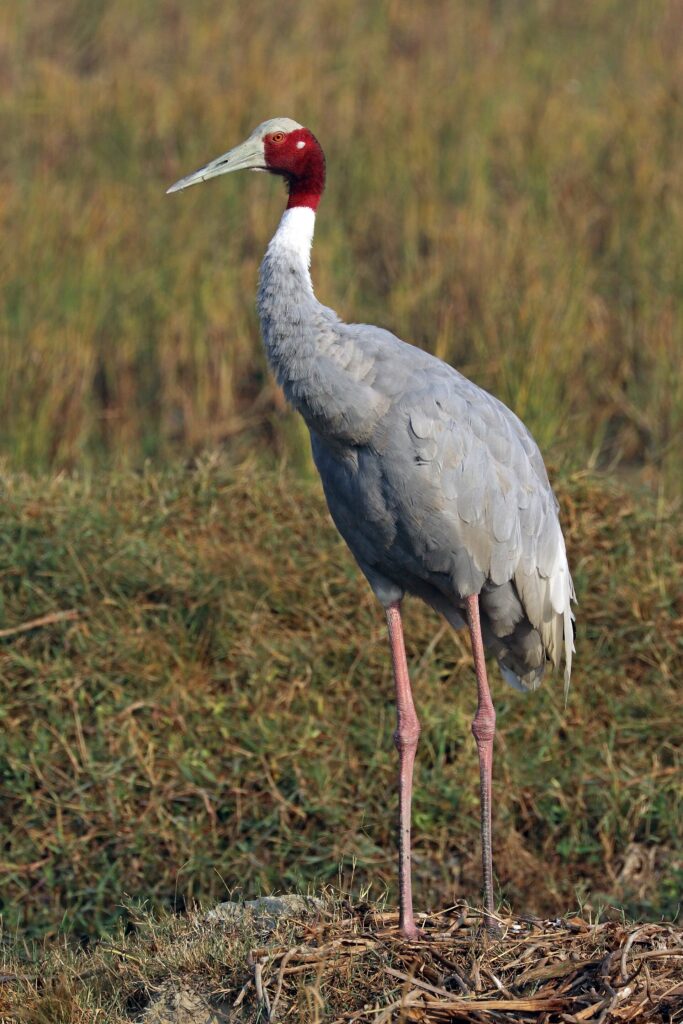
The sarus crane is the tallest flying bird in the world, standing almost as tall as an adult human.
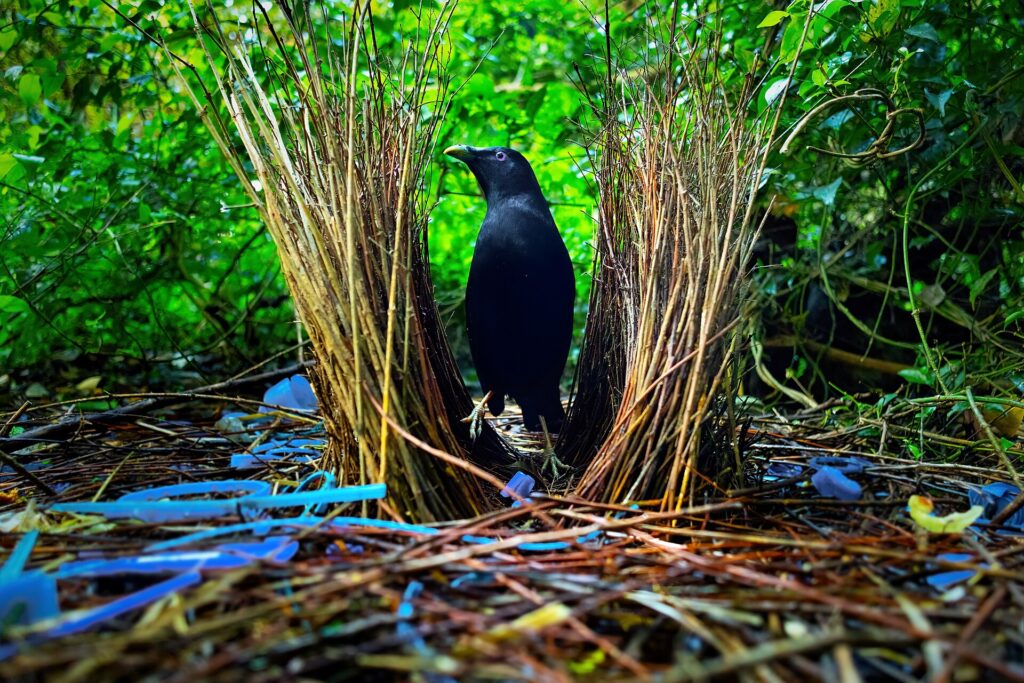
Male satin bowerbirds build elaborate avenues of sticks and decorate them with blue objects such as flowers, feathers, bottle tops and straws to attract females.
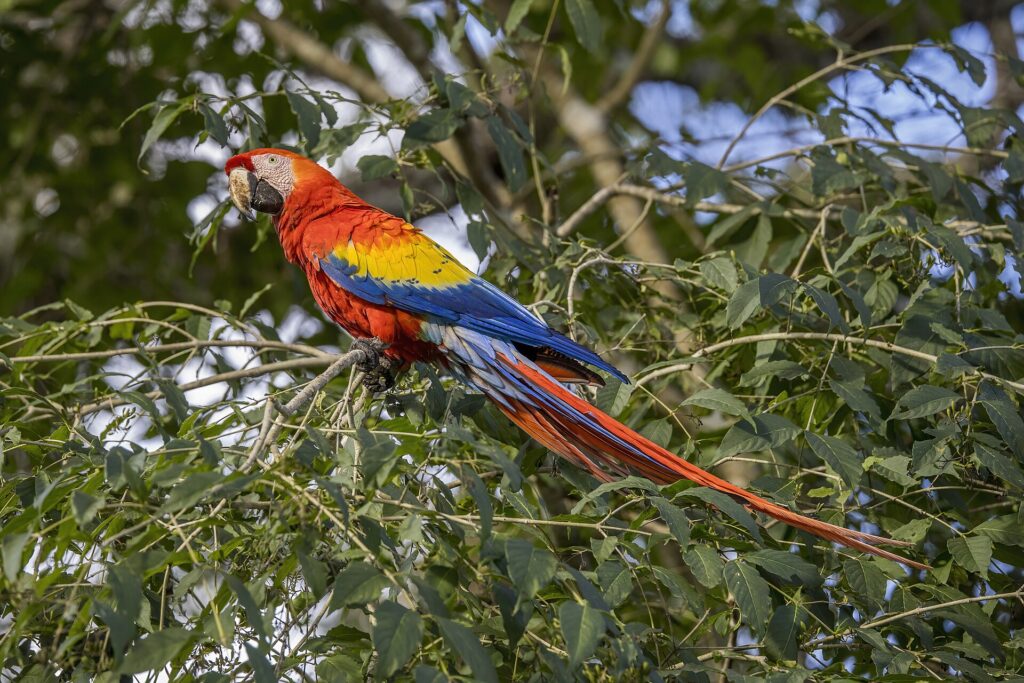
Scarlet macaws gather in noisy flocks at riverbank clay licks, where eating clay may provide sodium and help neutralise toxins in seeds.
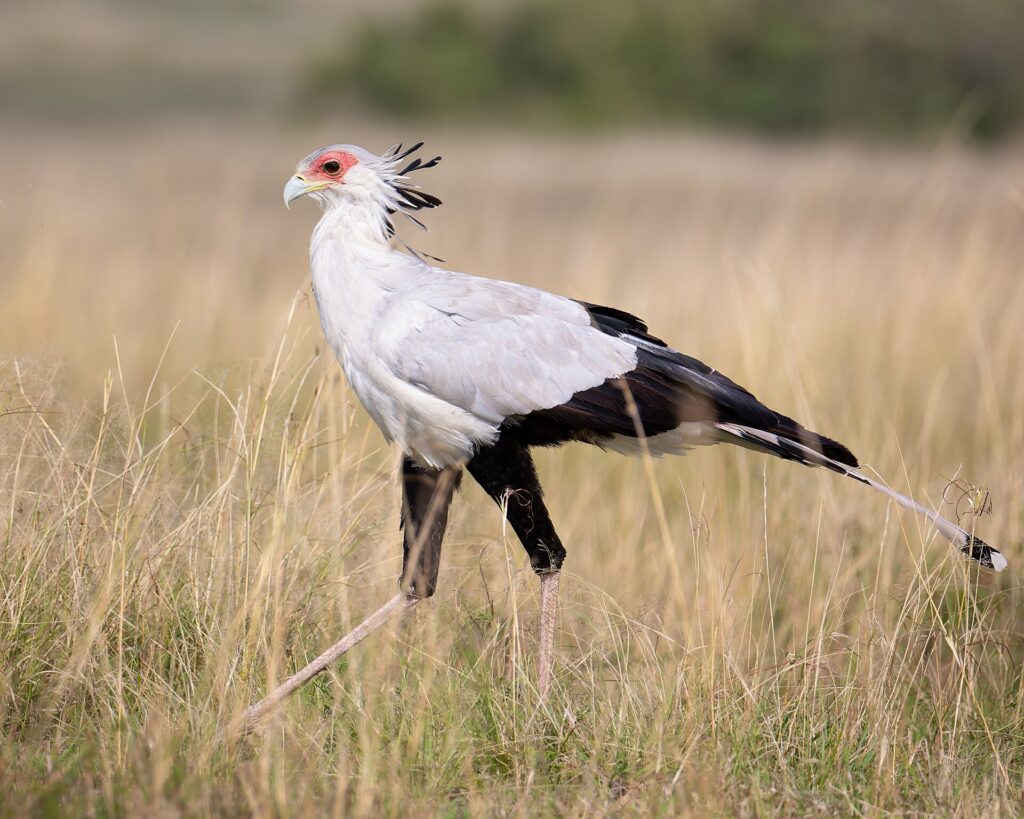
The secretary bird kills snakes by stamping on them with a kick that delivers about five times its own body weight in a fraction of a second.
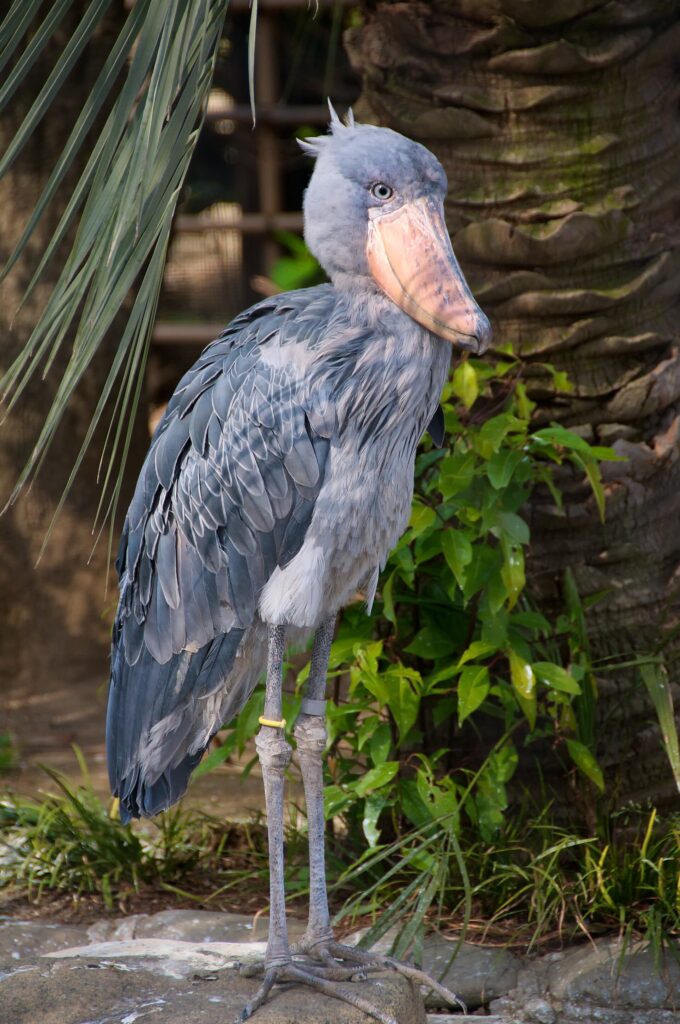
A shoebill can stand motionless for hours, then collapse forward onto its prey in a lunge called a ‘collapse’.
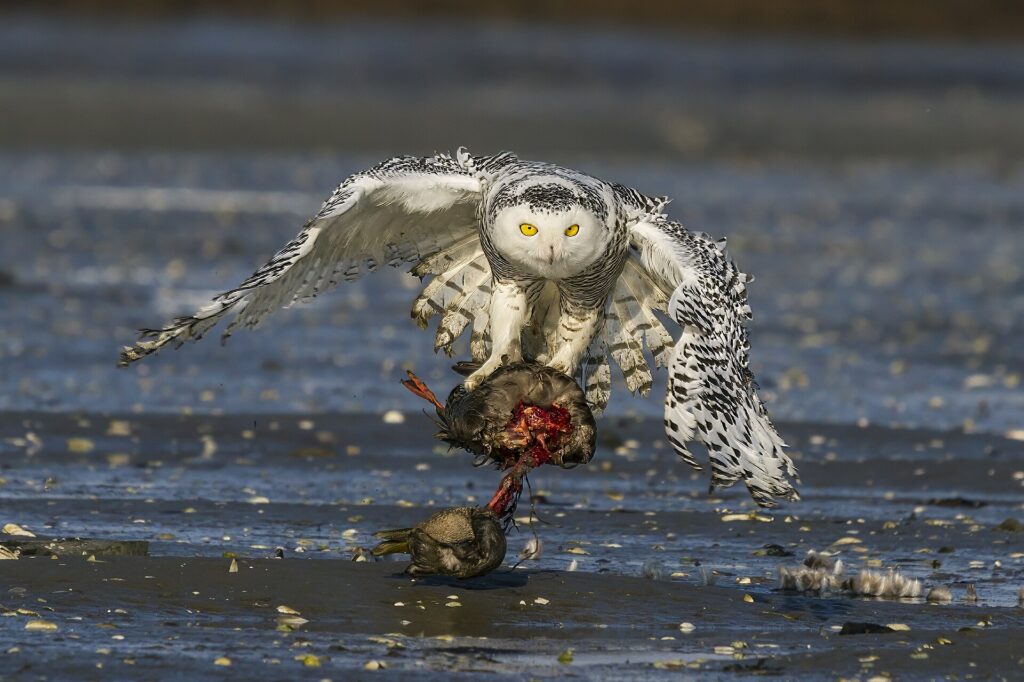
A single snowy owl can eat more than 1,600 lemmings in a year, and the number of eggs it lays depends on how many lemmings there are.
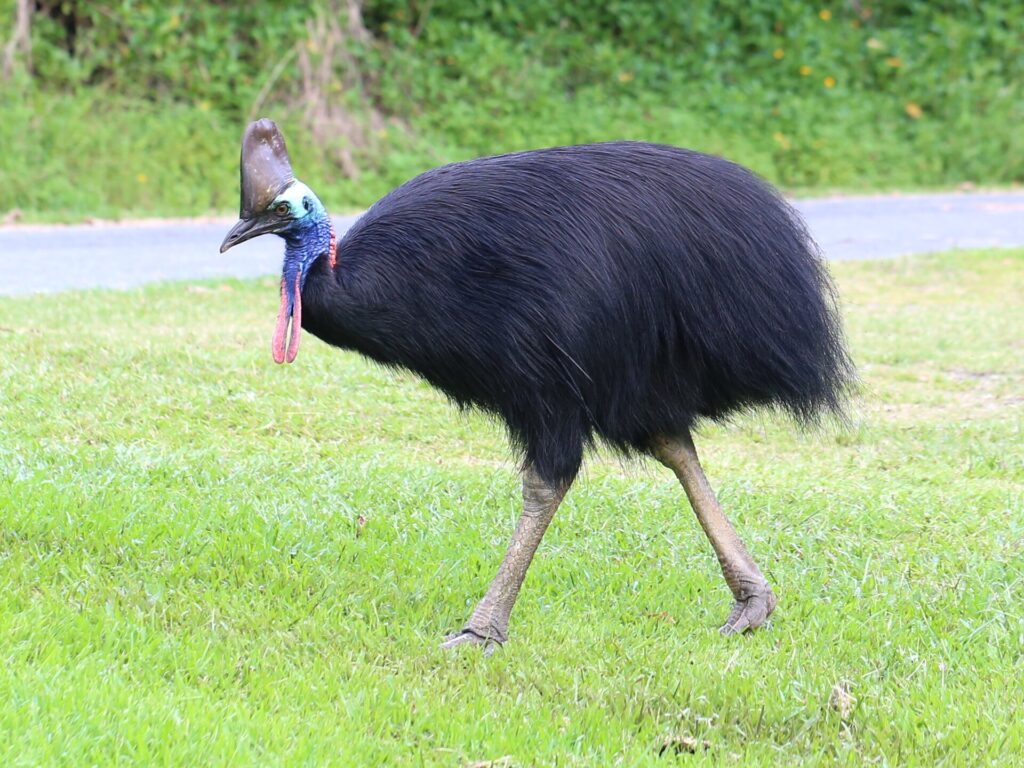
Cassowaries swallow fruit whole and spread the seeds of more than 200 rainforest plant species, some of which depend on them.
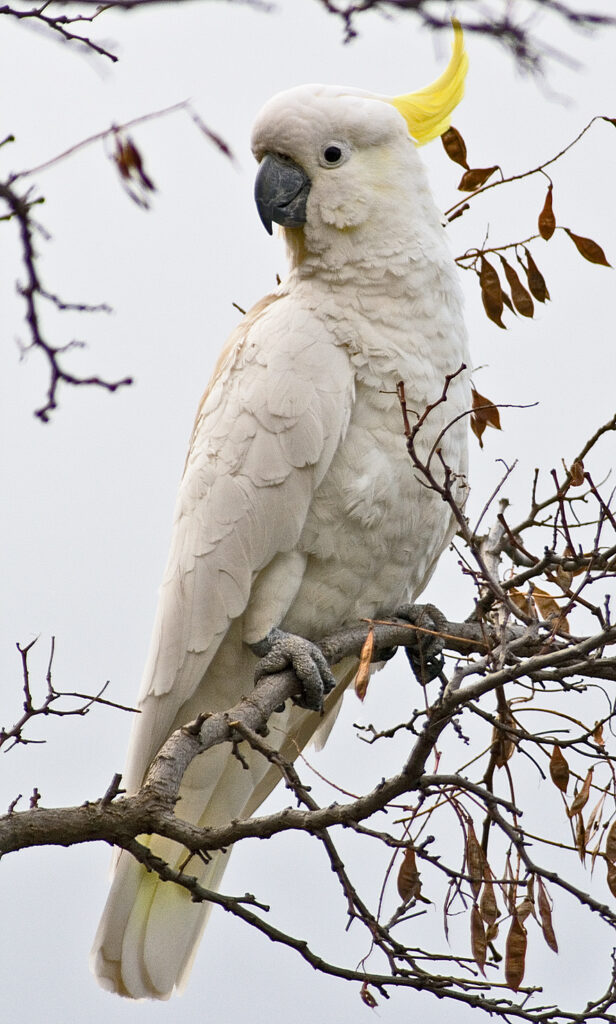
In Sydney, sulphur-crested cockatoos have learned to lift the lids of wheelie bins to find food, and the skill has spread from suburb to suburb by imitation.
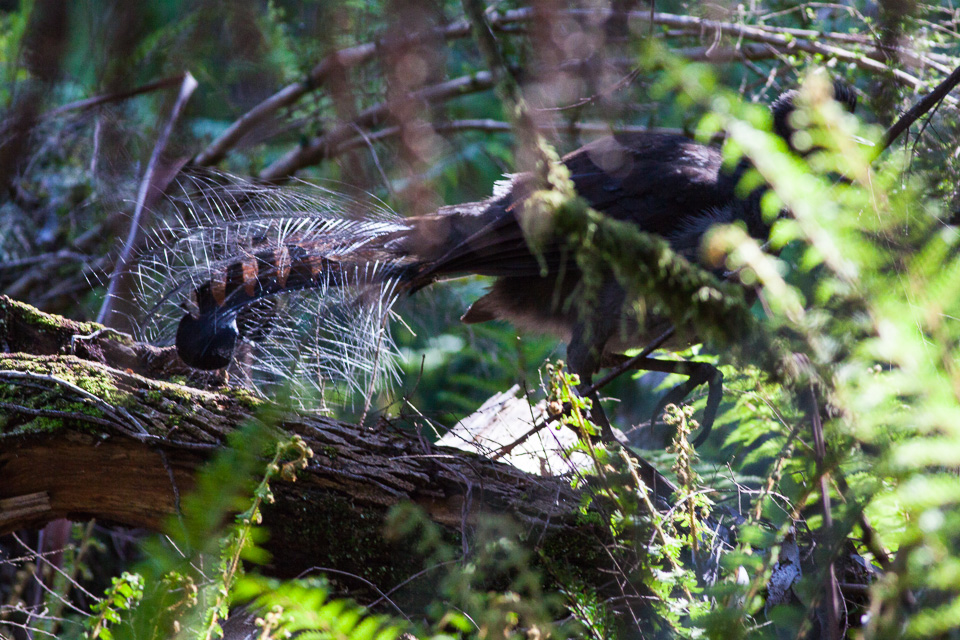
The superb lyrebird is one of the world’s greatest mimics, copying the songs of dozens of other birds and, occasionally, human sounds such as camera shutters and car alarms.
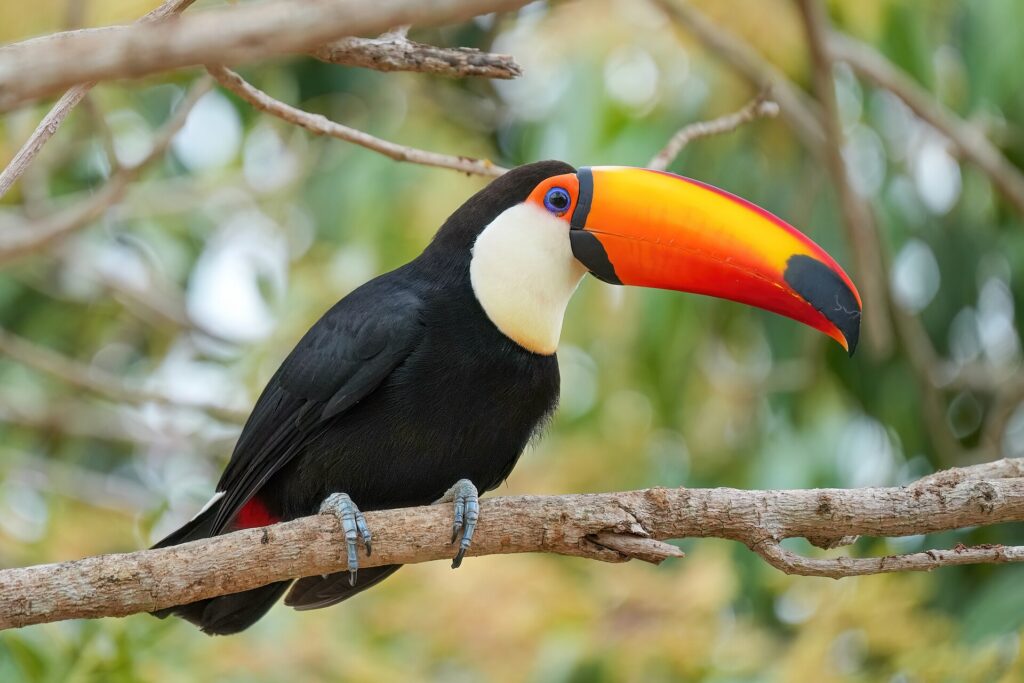
A toco toucan’s huge bill works as a radiator: the bird can change blood flow to it to lose or save body heat.
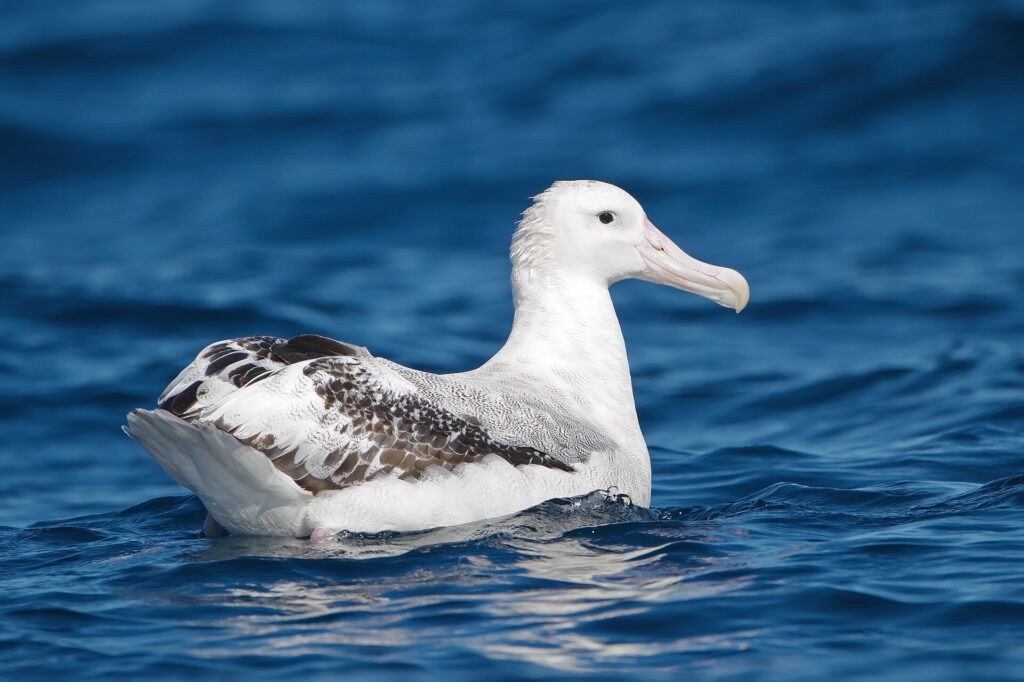
The wandering albatross has the largest wingspan of any living bird and can travel thousands of kilometres on a single foraging trip, barely flapping.
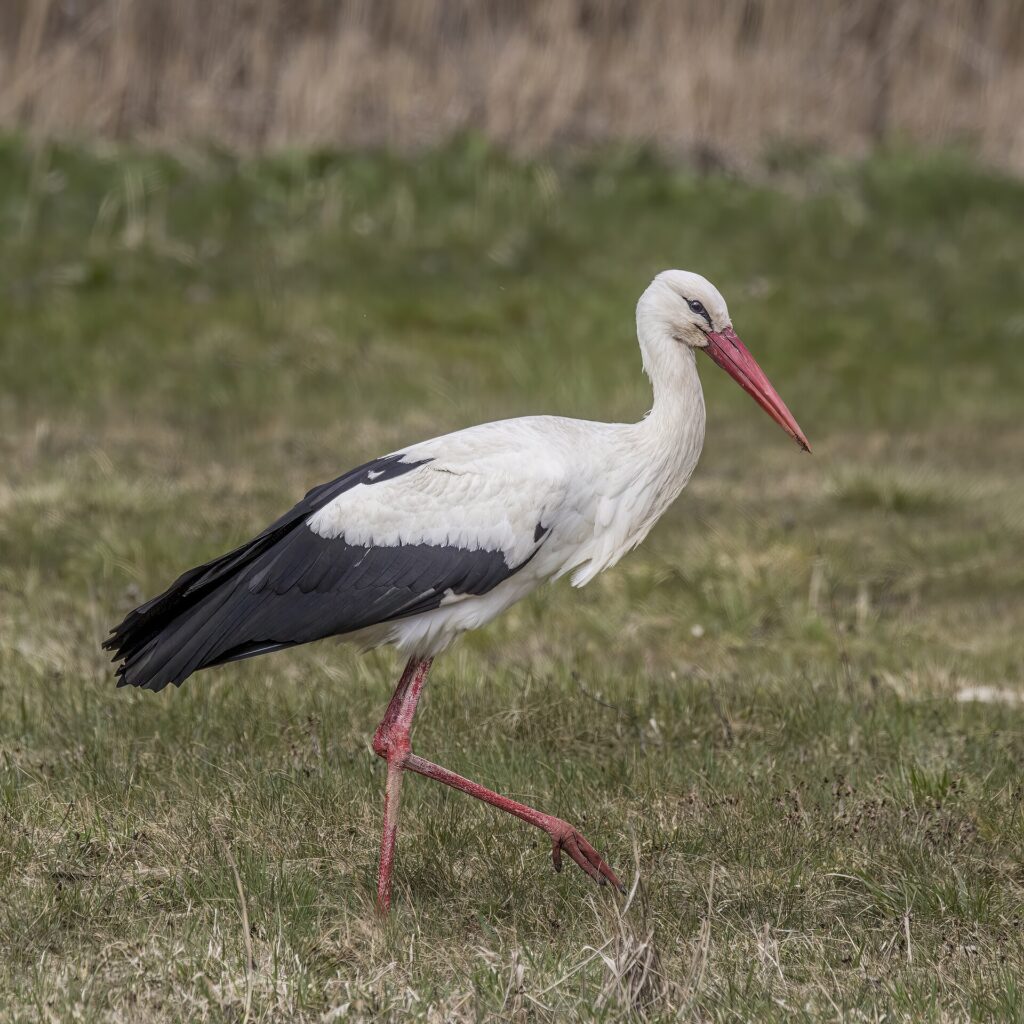
White storks avoid long sea crossings on migration, funnelling over the Strait of Gibraltar and the Bosphorus in huge flocks that ride warm air currents.
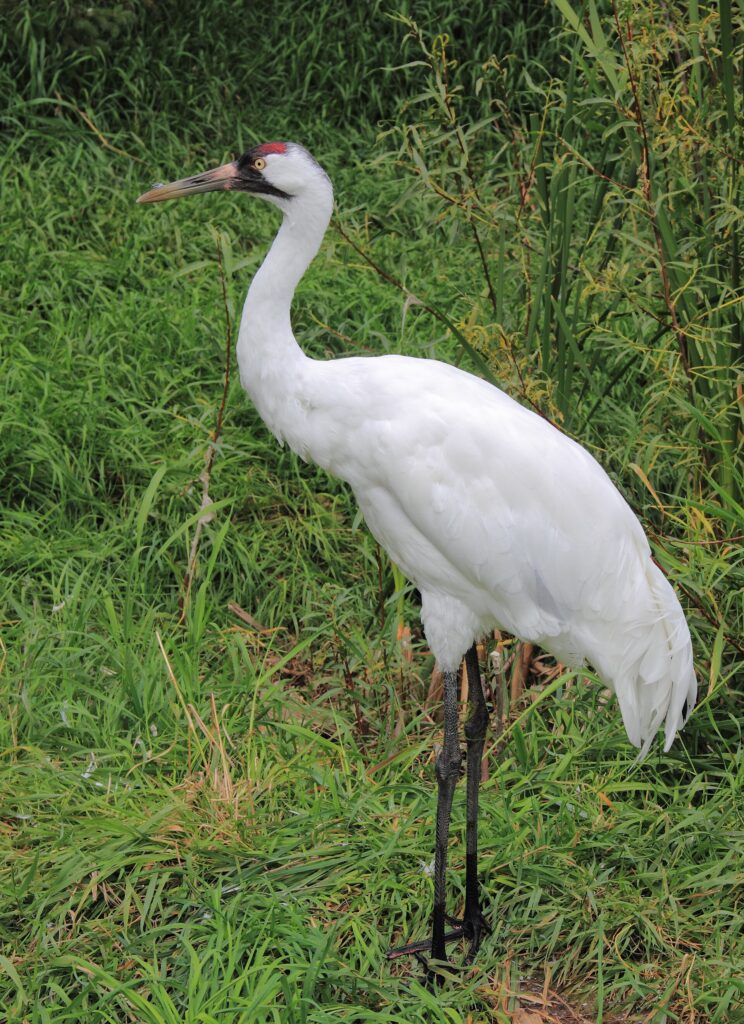
In 1941, only about 21 whooping cranes survived; today the only natural wild flock has grown to more than 500 birds.
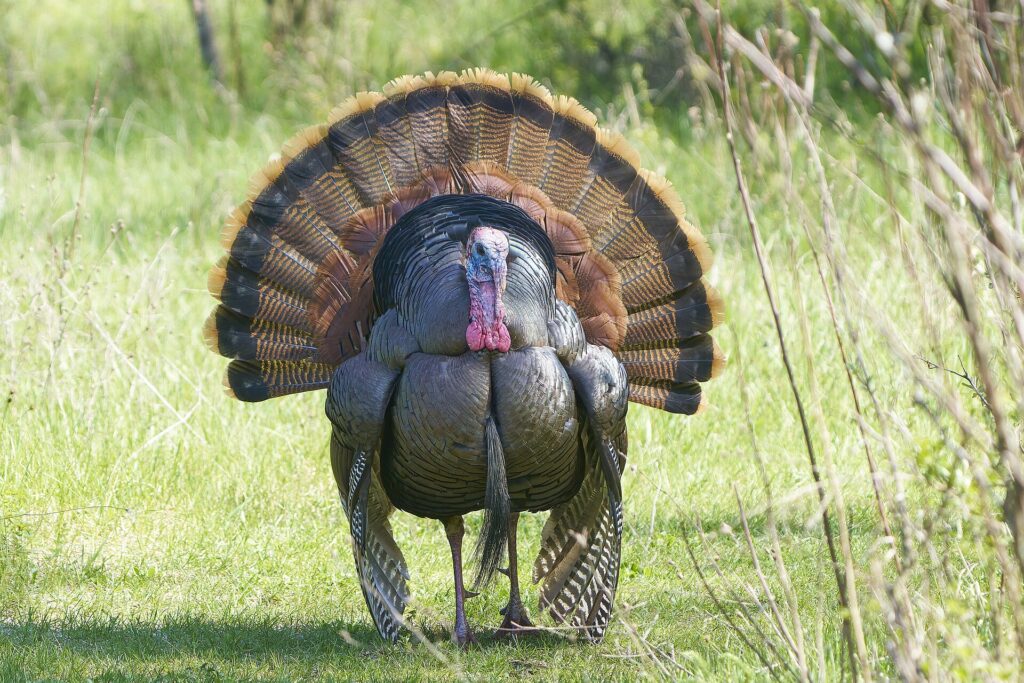
Wild turkeys were reduced to a few tens of thousands in the early 1900s; thanks to protection and reintroduction, there are now around six to seven million.