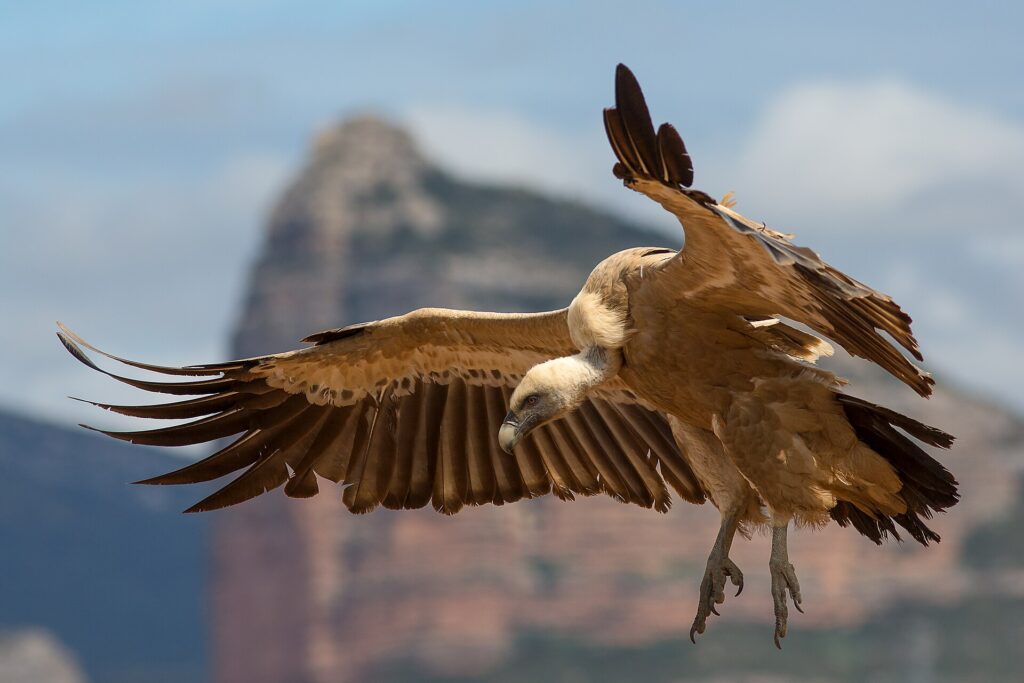
Griffon Vulture
Griffon vultures can soar for hours on rising warm air without flapping, scanning huge areas for carcasses.
Griffon vultures can soar for hours on rising warm air without flapping, scanning huge areas for carcasses.
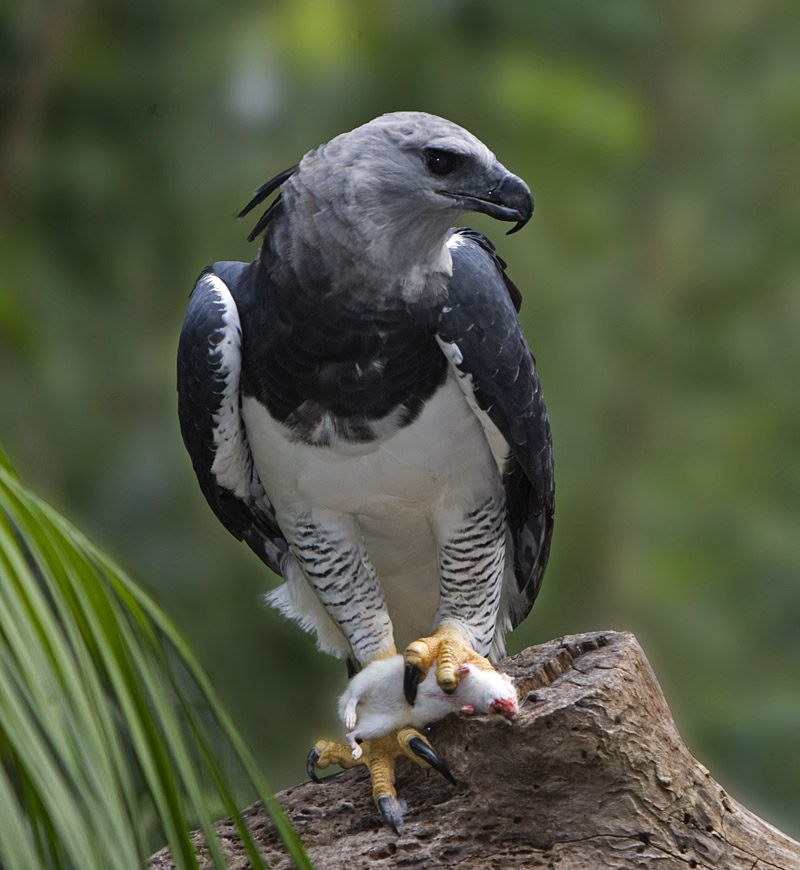
A harpy eagle’s rear talons can reach about 10–12 cm long, as long as a grizzly bear’s claws.
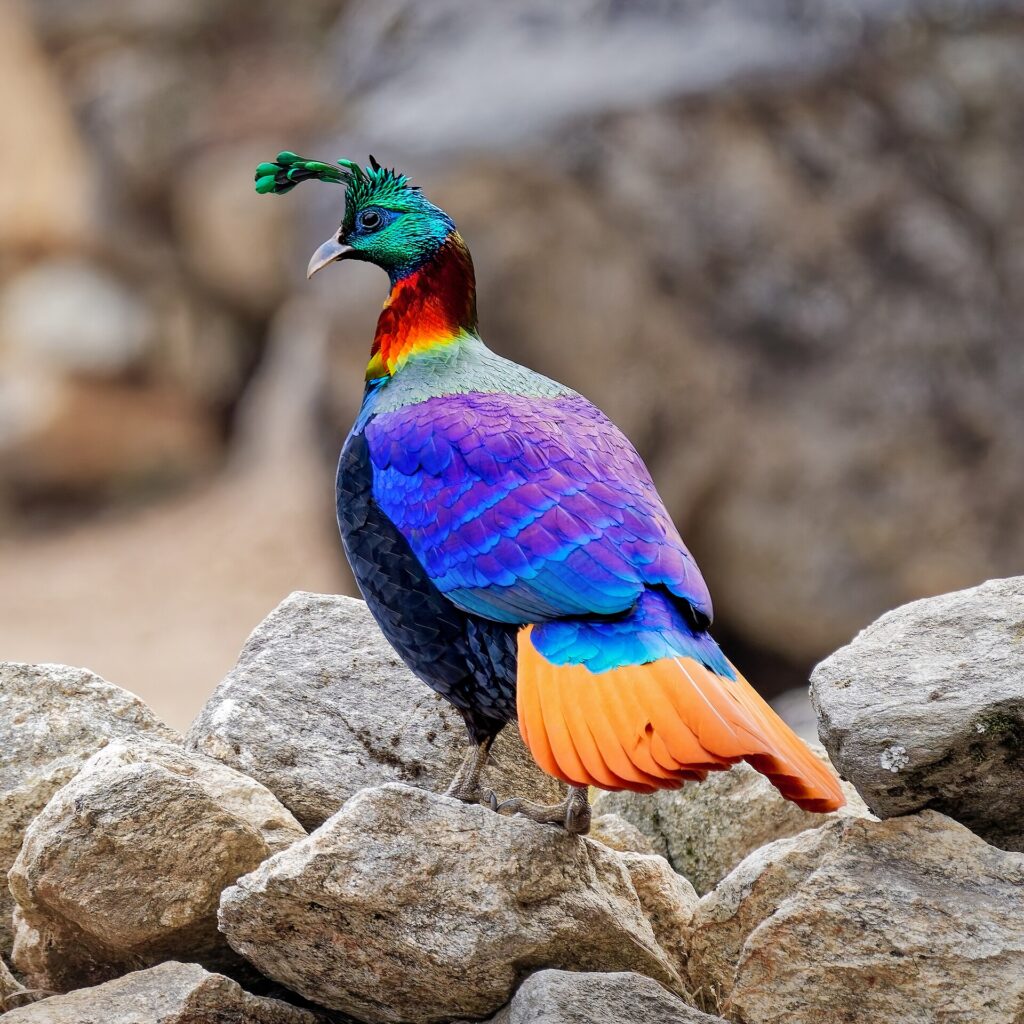
The male Himalayan monal shimmers with iridescent green, purple, copper and blue, and is Nepal’s national bird, known locally as the Danphe.
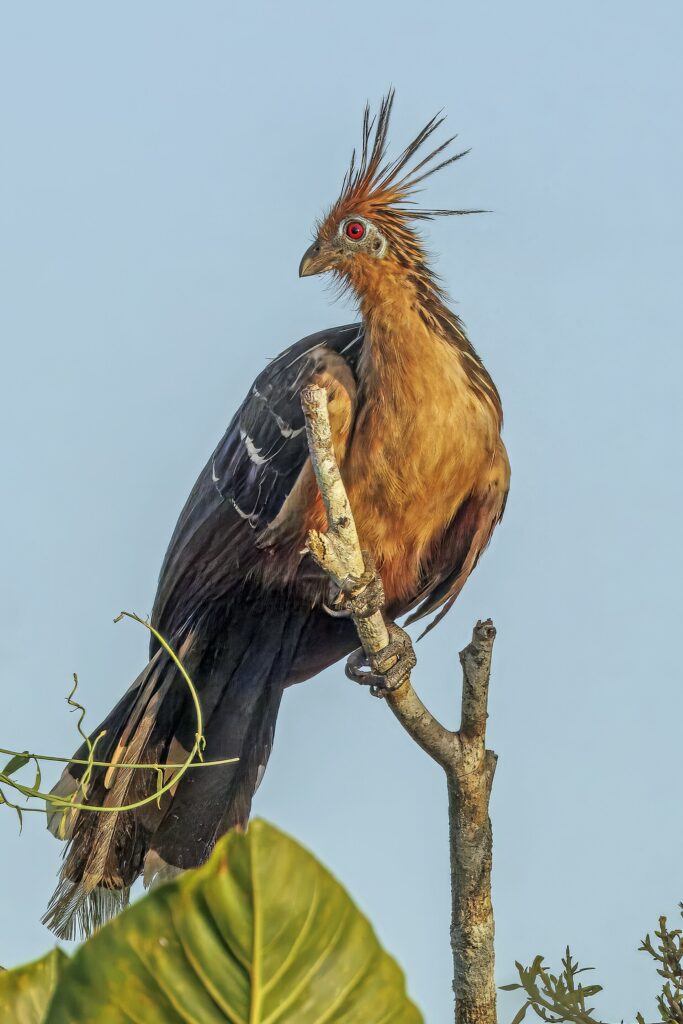
Hoatzin chicks have two claws on each wing, which they use to climb back up into trees after dropping into water to escape predators.
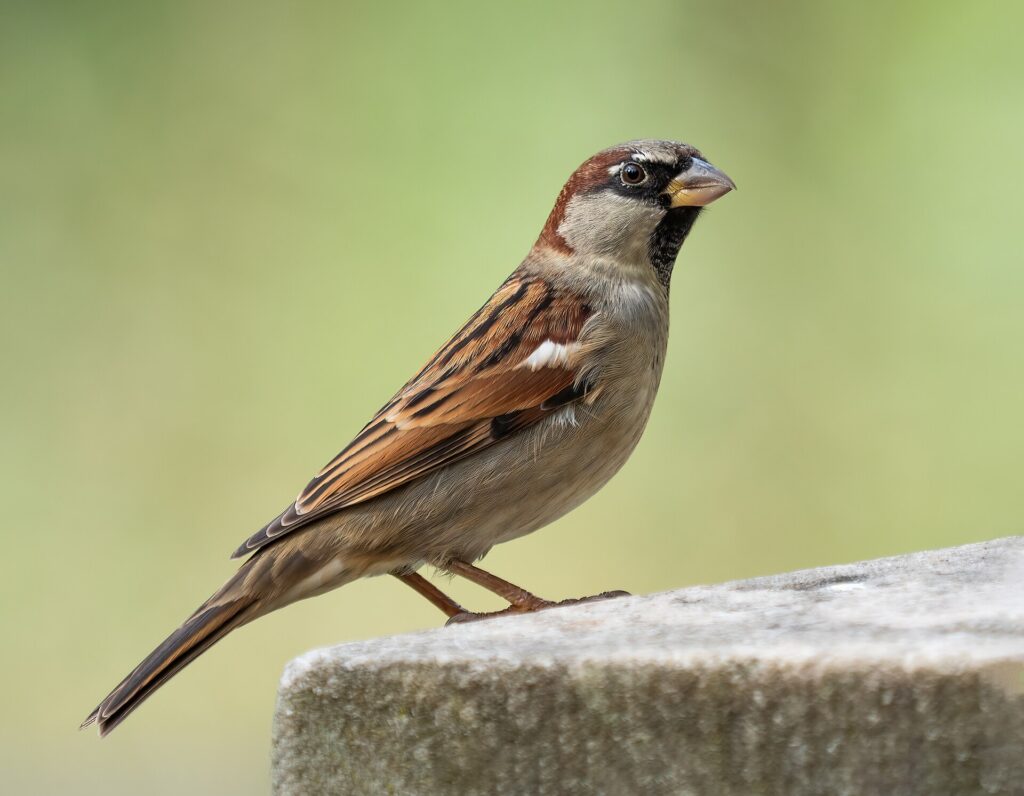
House sparrows have lived alongside people for about 10,000 years, since the beginning of farming, and are now among the most widespread birds on Earth.
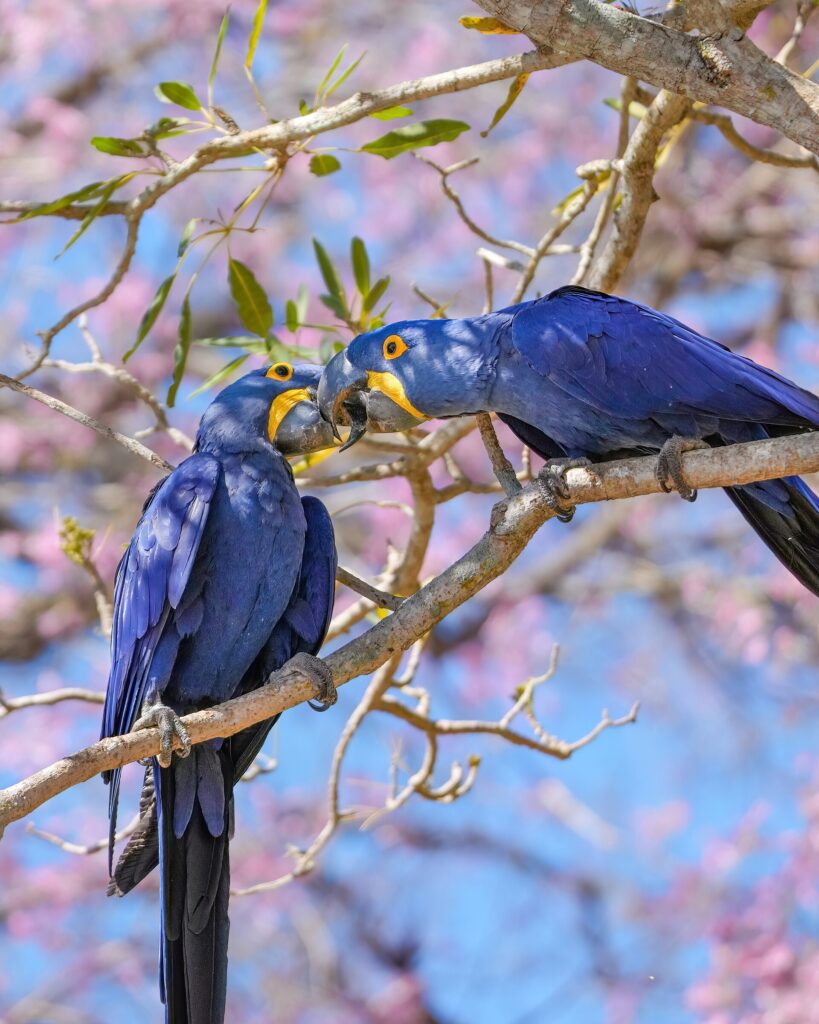
The hyacinth macaw is the longest parrot in the world, and its massive beak can crack palm nuts so hard that people need a hammer to open them.
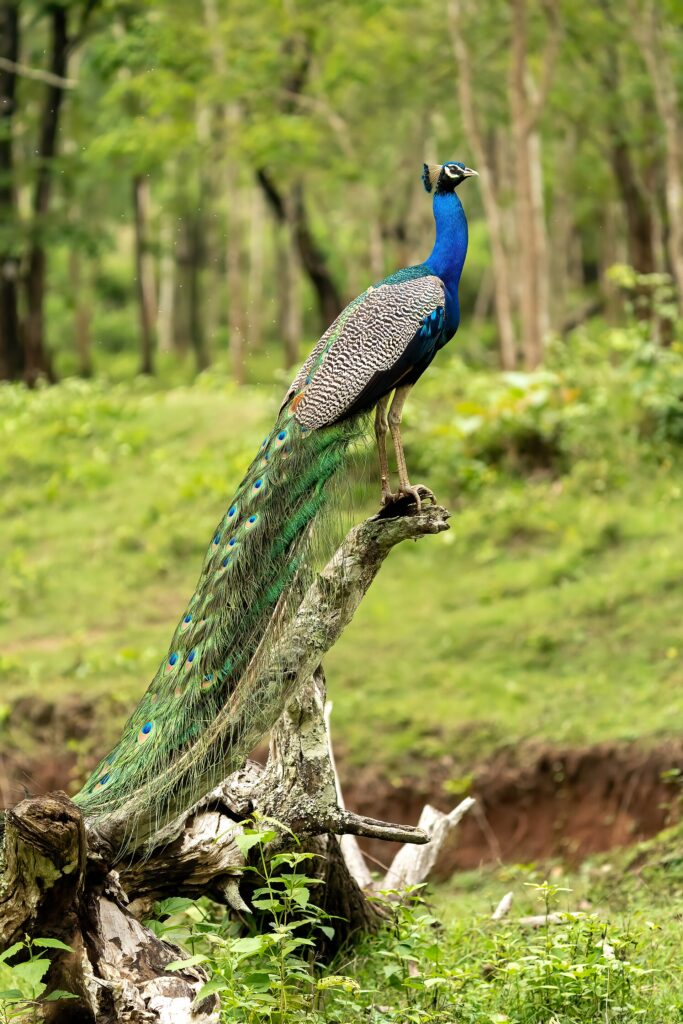
A peacock’s famous ‘tail’ is actually a train of about 200 elongated feathers growing from the lower back, and it is shed and regrown every year.
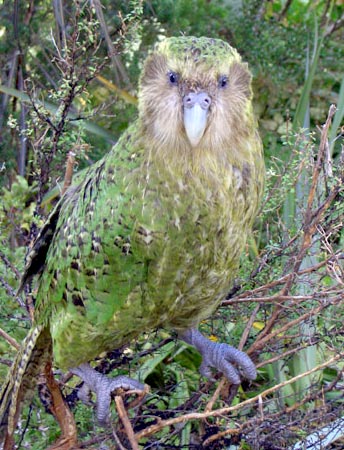
The kākāpō is the world’s only flightless parrot, and every surviving bird is individually named and monitored.
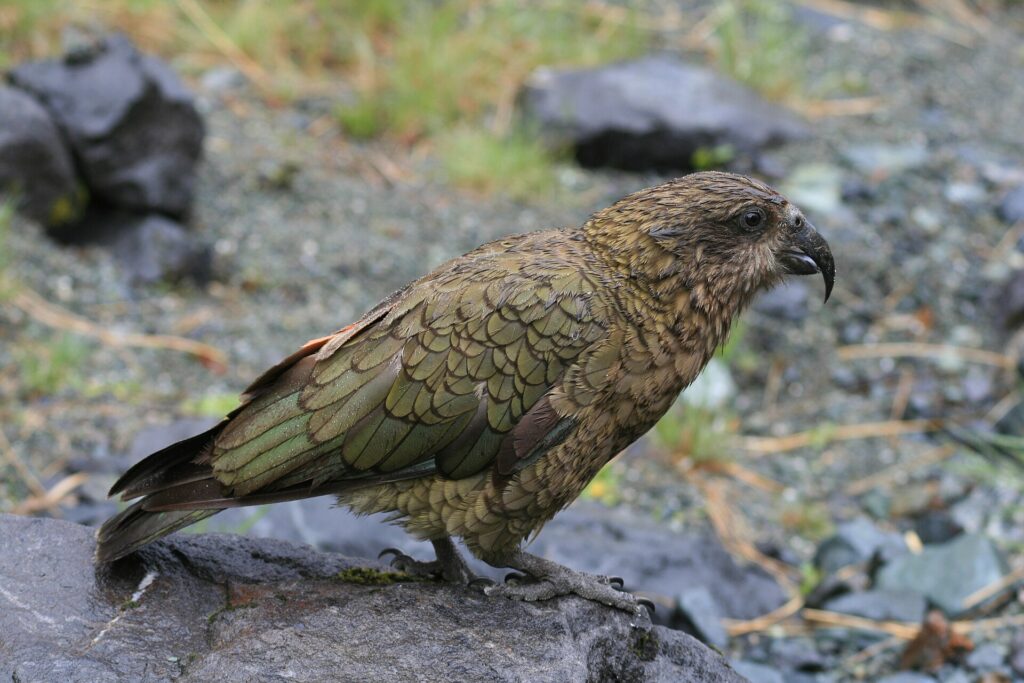
The kea is the world’s only alpine parrot, and its playful call can make other kea start playing, an example of contagious emotion in birds.
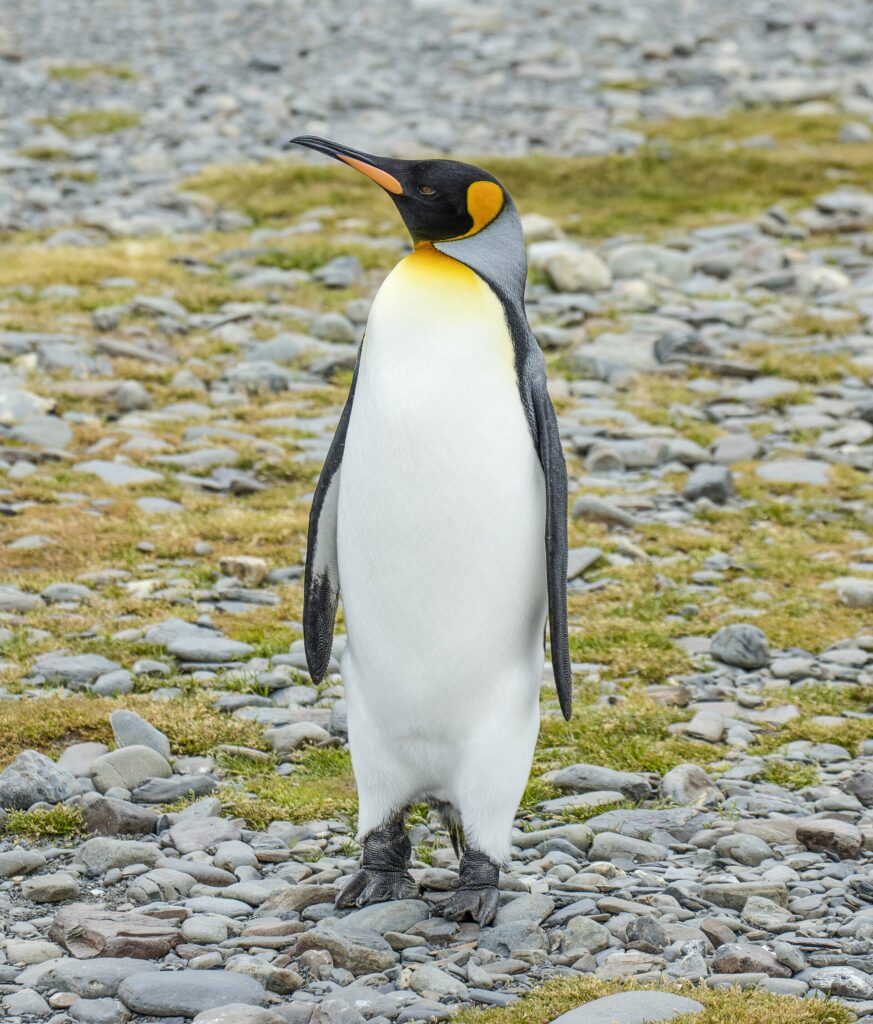
A king penguin’s breeding cycle takes over a year, so a pair can raise at most two chicks every three years.
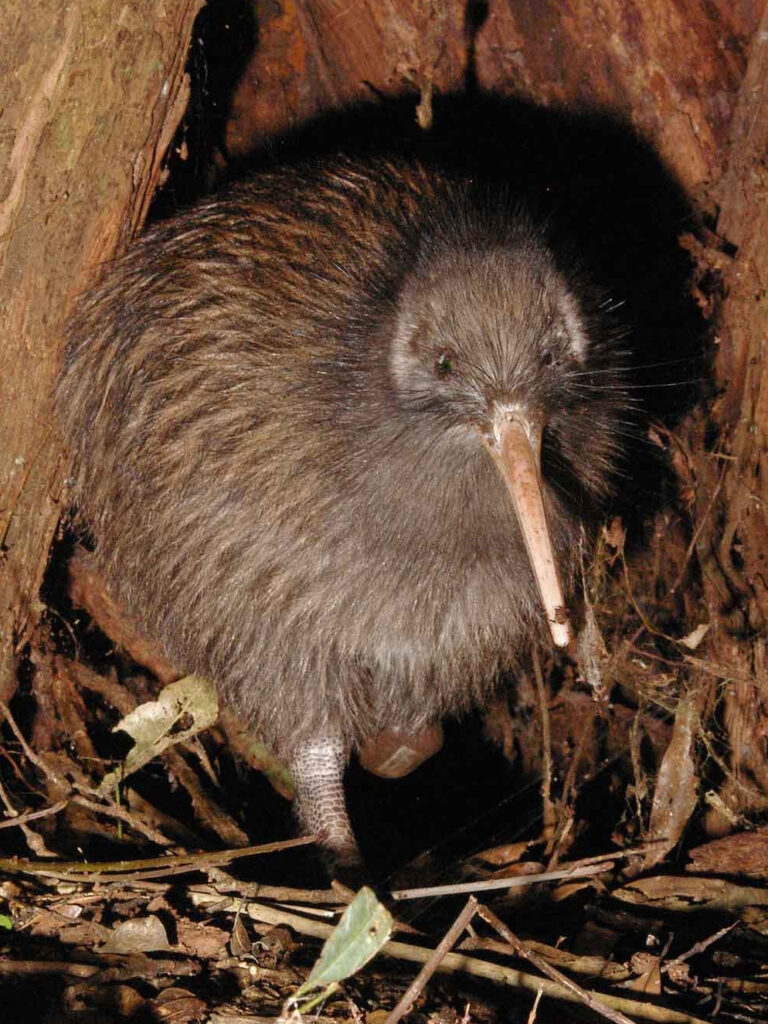
A kiwi egg can weigh around 15–20 percent of the female’s body weight, one of the largest eggs relative to body size of any bird.
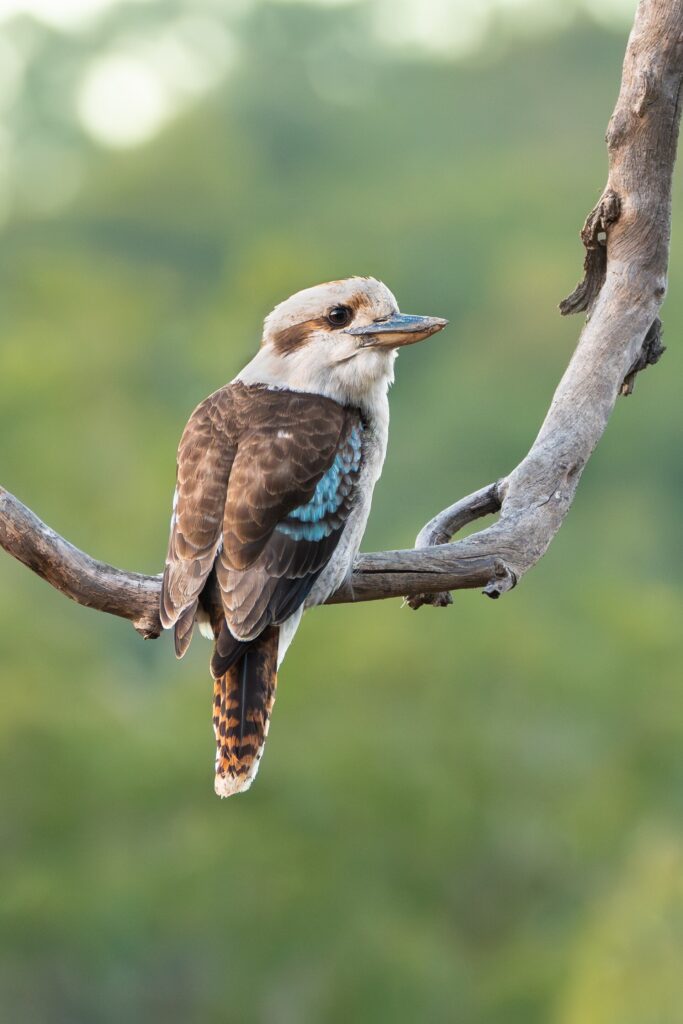
The kookaburra’s loud call sounds like human laughter, and families often ‘laugh’ together at dawn and dusk to mark their territory.
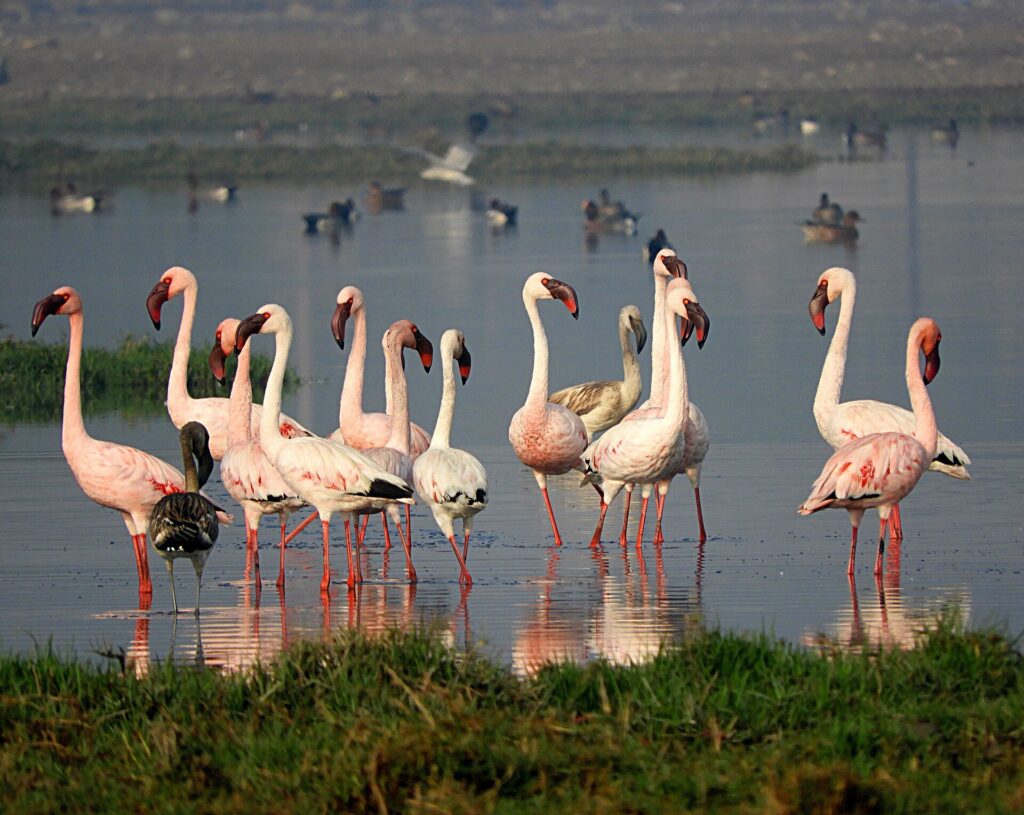
Most of the world’s lesser flamingos breed at Tanzania’s Lake Natron, a caustic soda lake that is too harsh for most predators to cross.
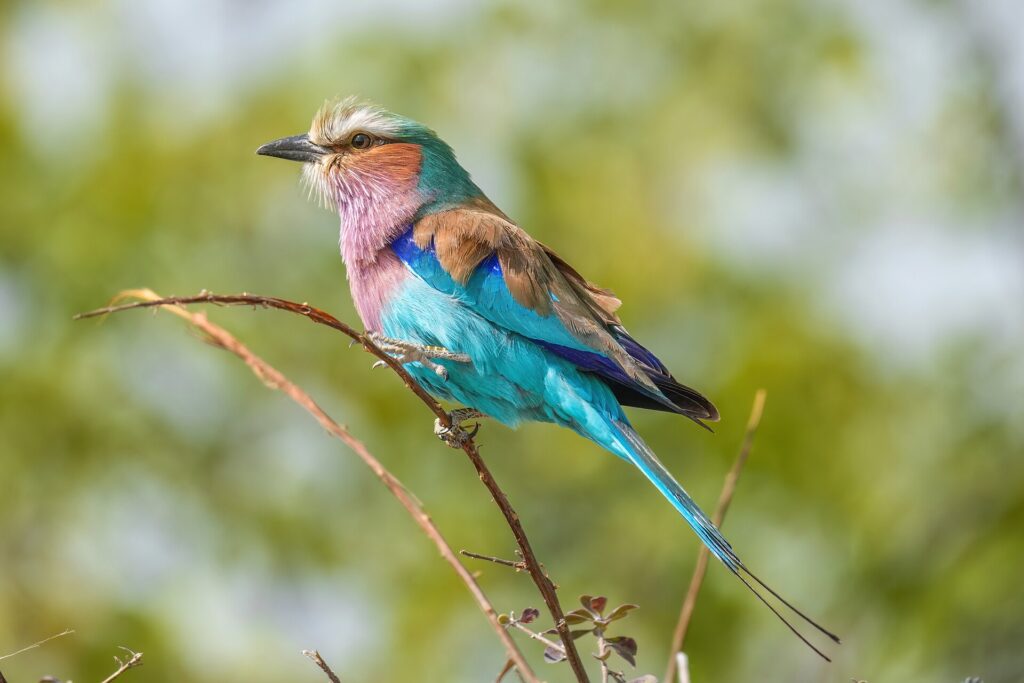
During courtship, the lilac-breasted roller flies high, then dives and rolls from side to side, giving the roller family its name.
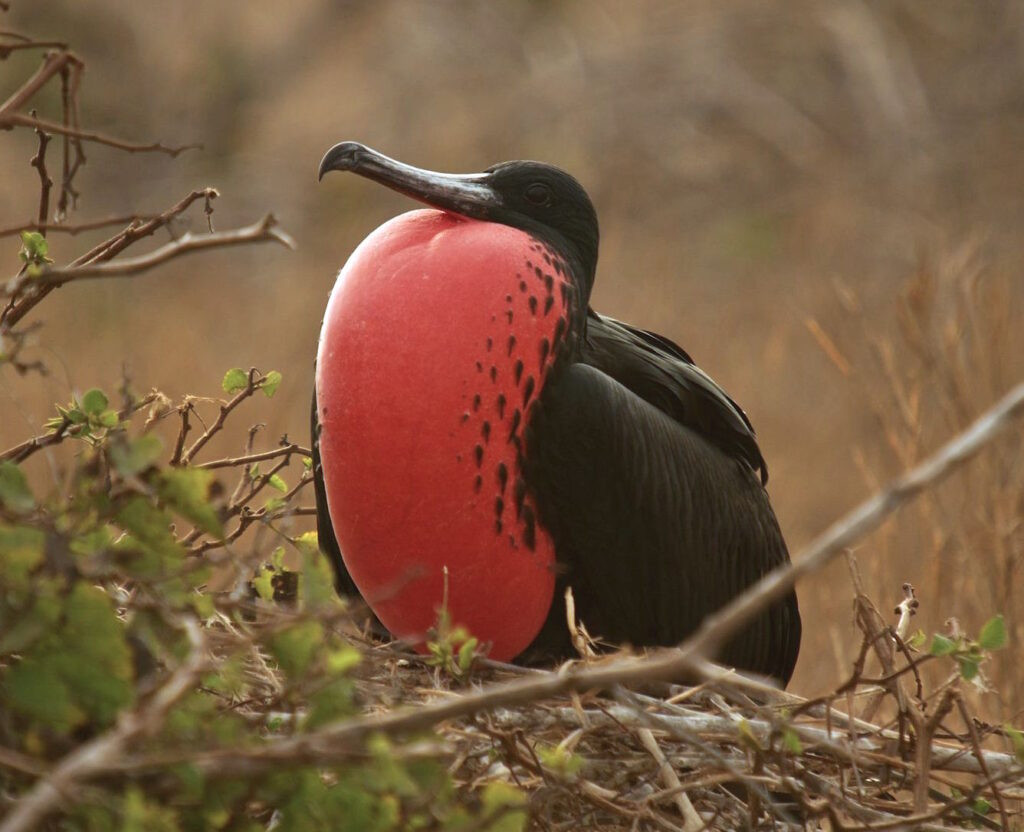
During courtship, male frigatebirds inflate a bright red throat pouch into a huge balloon to attract females.
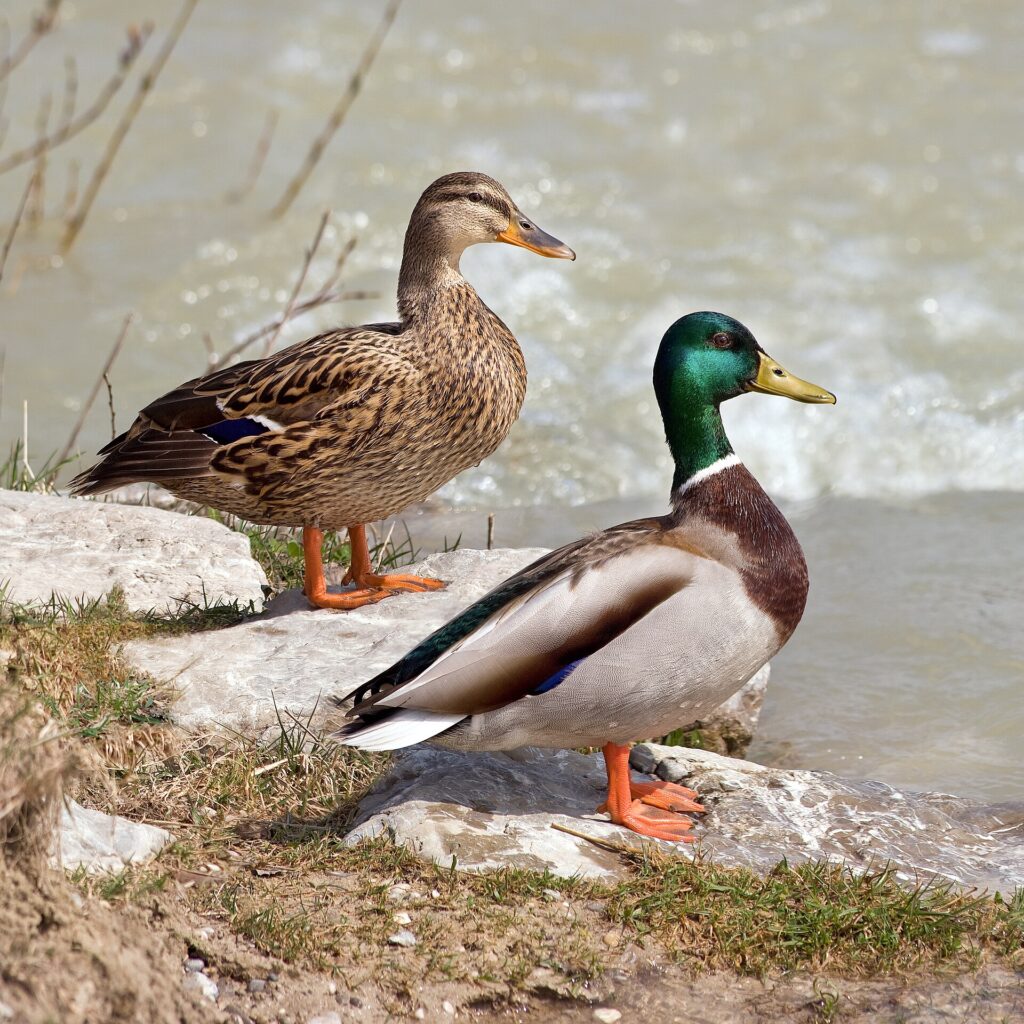
Mallards can sleep with one eye open and half of their brain awake, and ducks at the edge of a group do this more often to watch for predators.
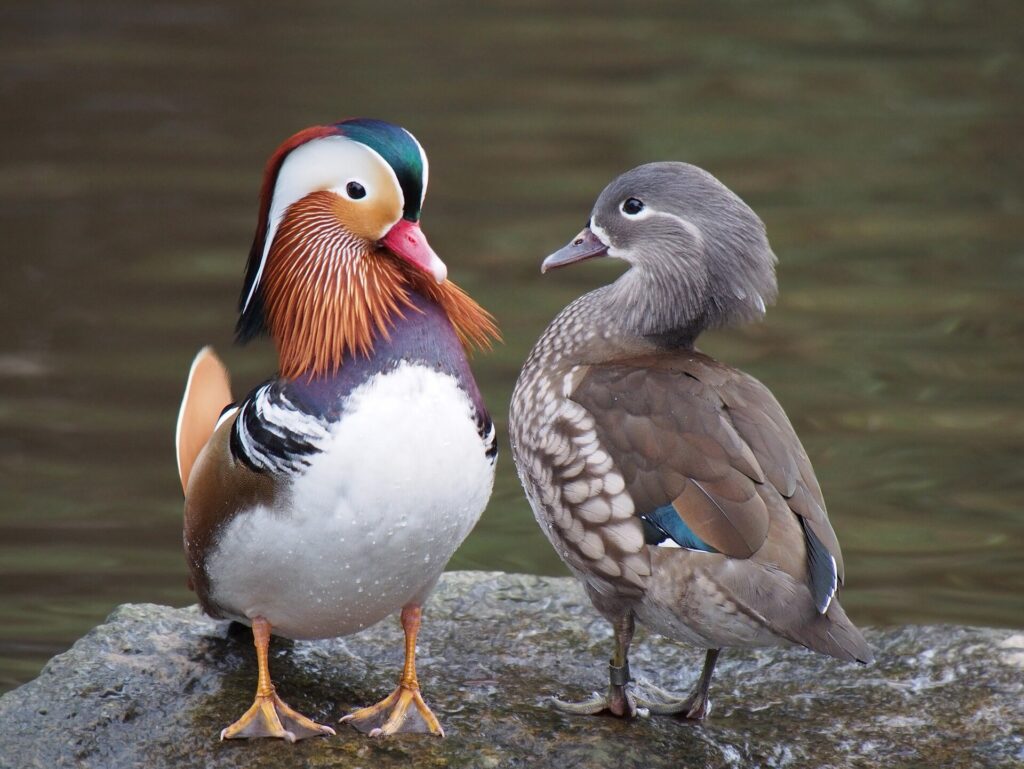
Mandarin ducks nest in tree holes high above the ground, and the ducklings leap out to the ground just a day or two after hatching.
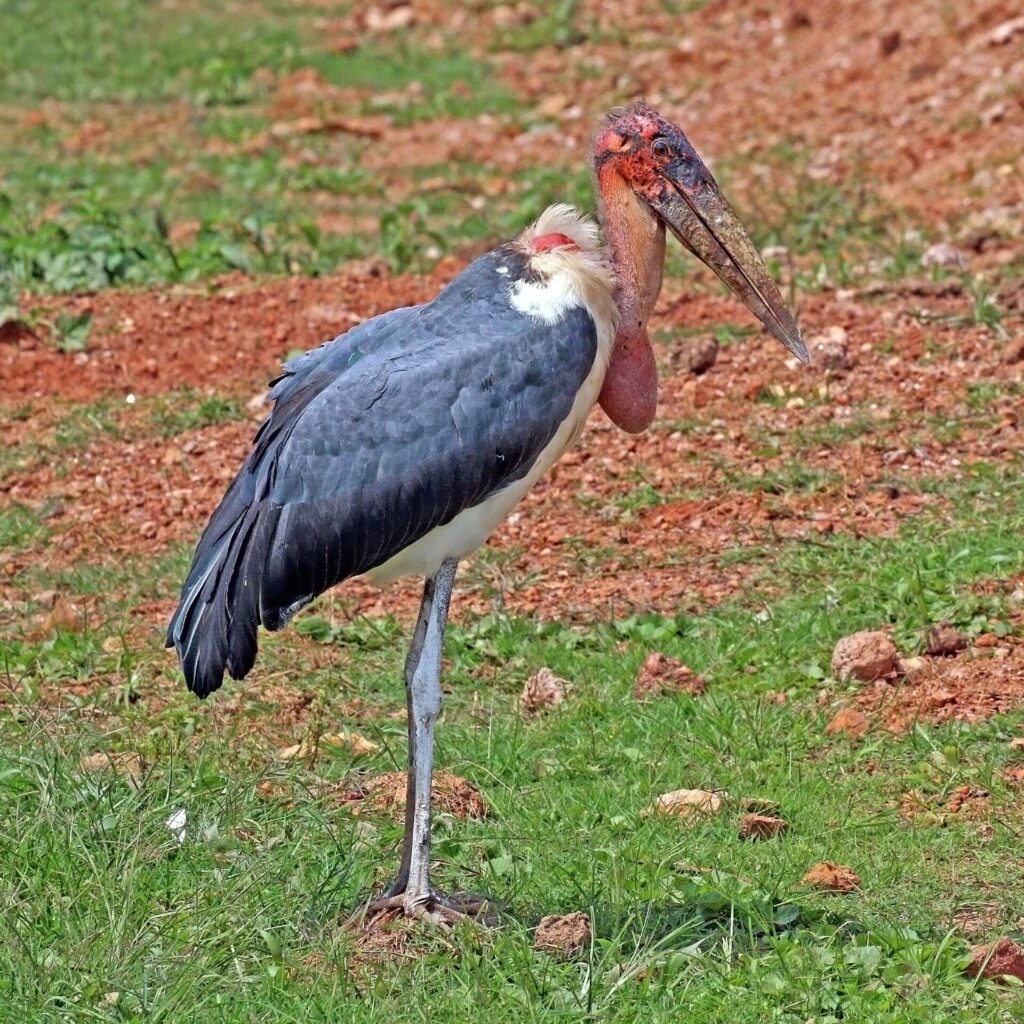
The marabou stork has one of the largest wingspans of any land bird, and it is nicknamed the ‘undertaker bird’ for its hunched, cloaked appearance.
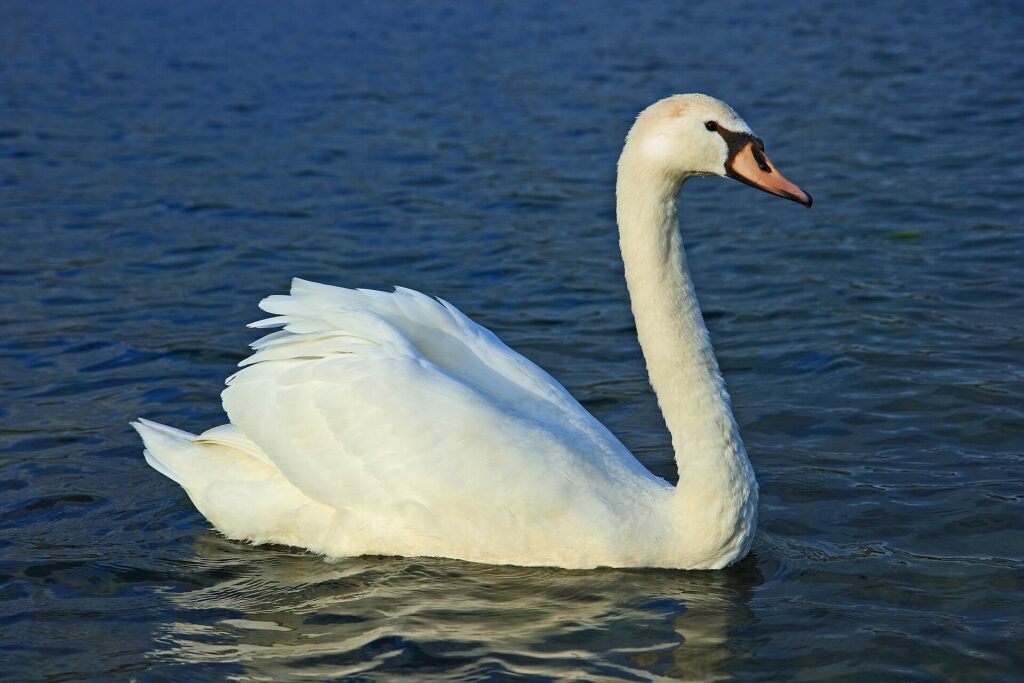
In Britain, the Crown traditionally claims ownership of unmarked mute swans on open water, and swans on the Thames are counted each July in the centuries-old ‘Swan Upping’.
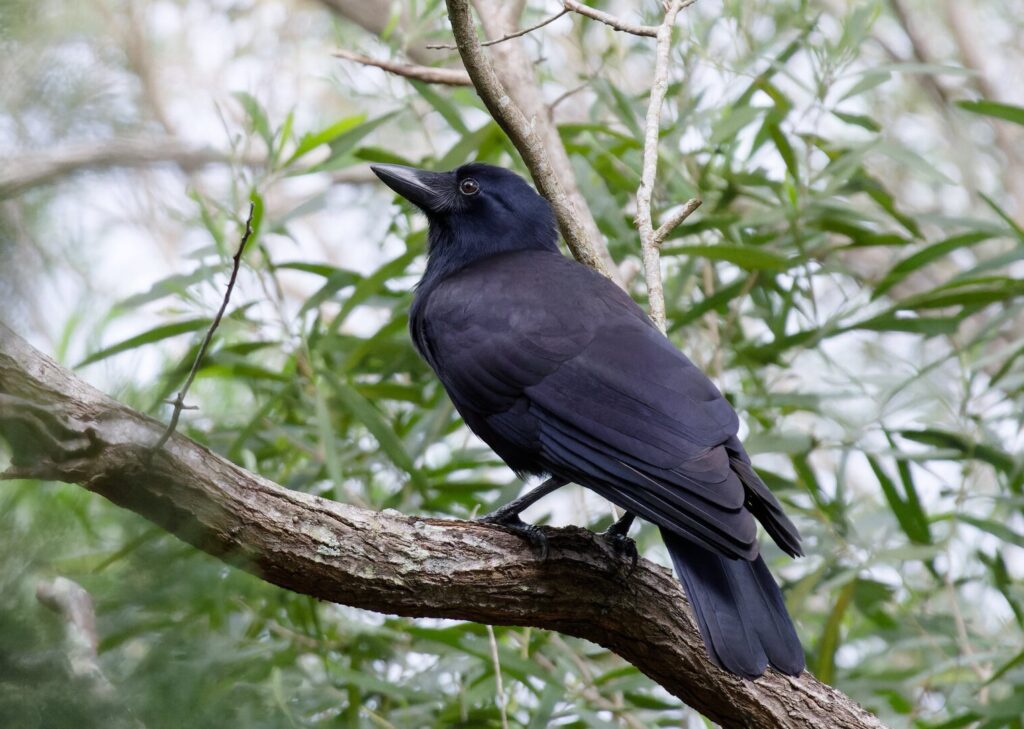
New Caledonian crows make hooked tools from twigs and barbed tools from leaves, and in experiments they have combined up to four parts into a single longer tool.
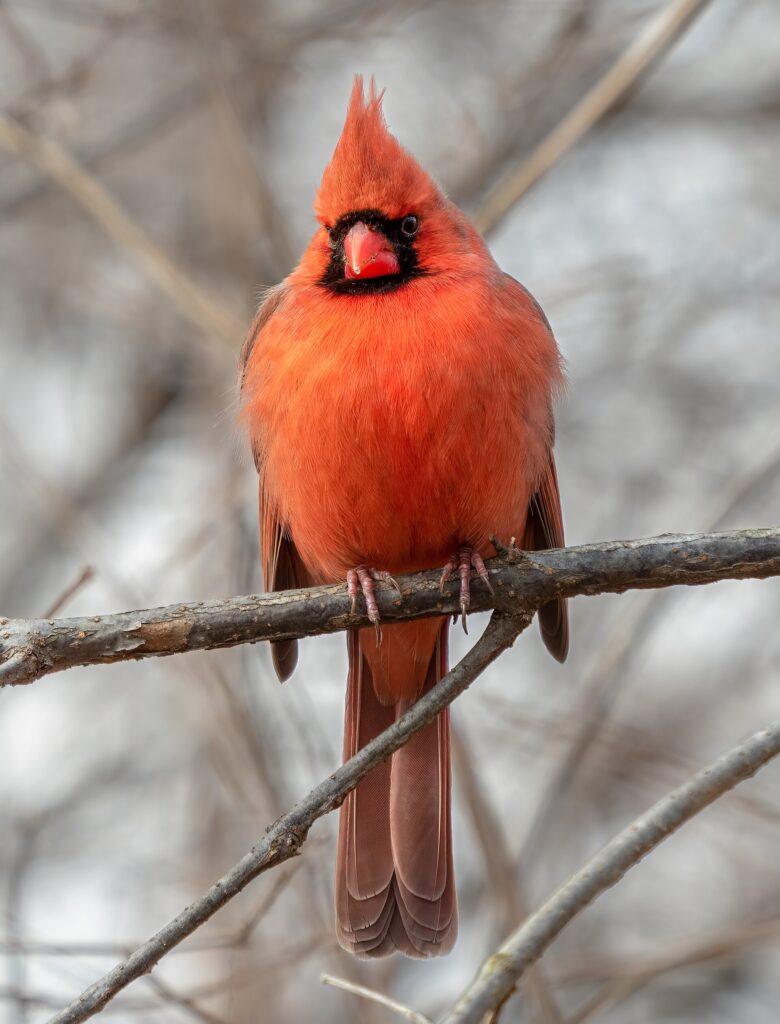
The northern cardinal is the state bird of seven US states, more than any other bird.
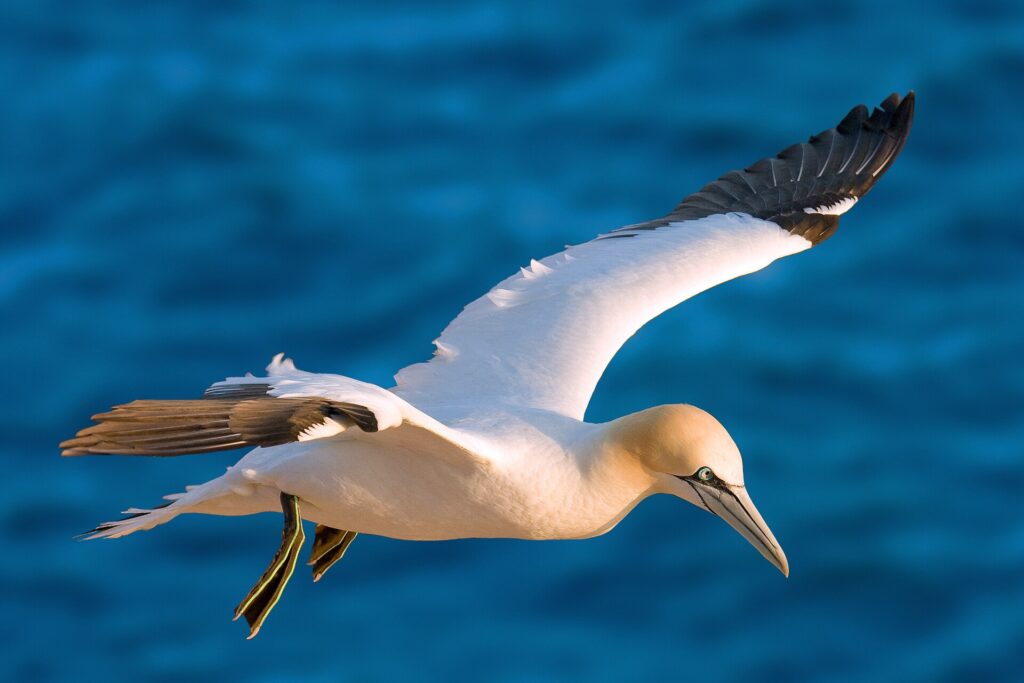
Gannets plunge into the sea from heights of 30–40 metres, hitting the water at about 85 km/h, protected by air sacs that cushion the impact.
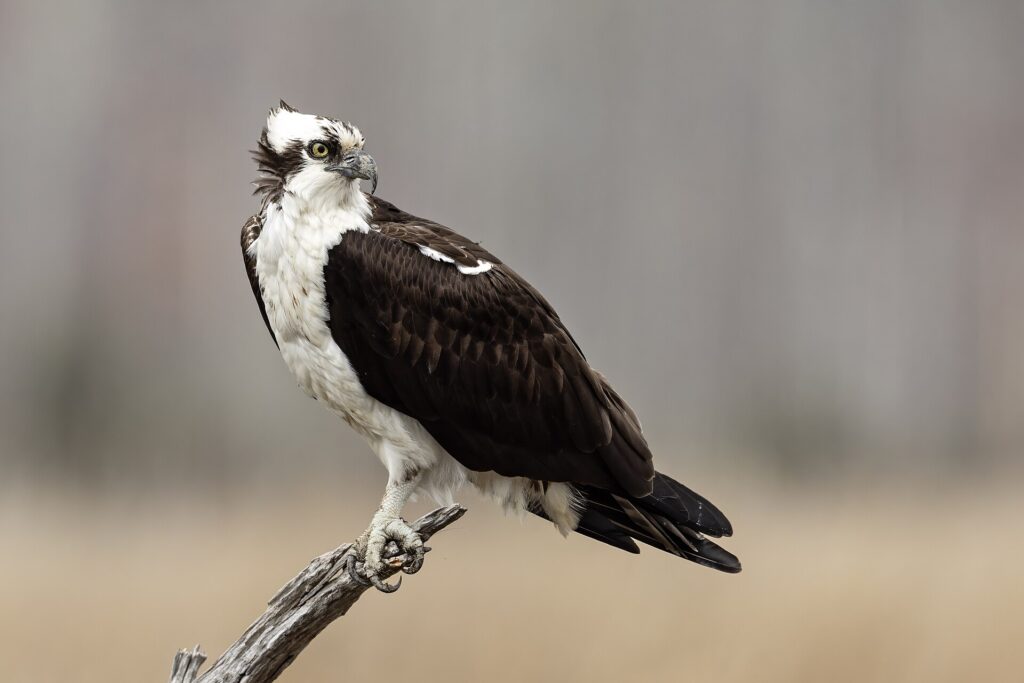
The osprey is the only raptor that plunges feet-first into water to catch fish, sometimes disappearing completely below the surface.
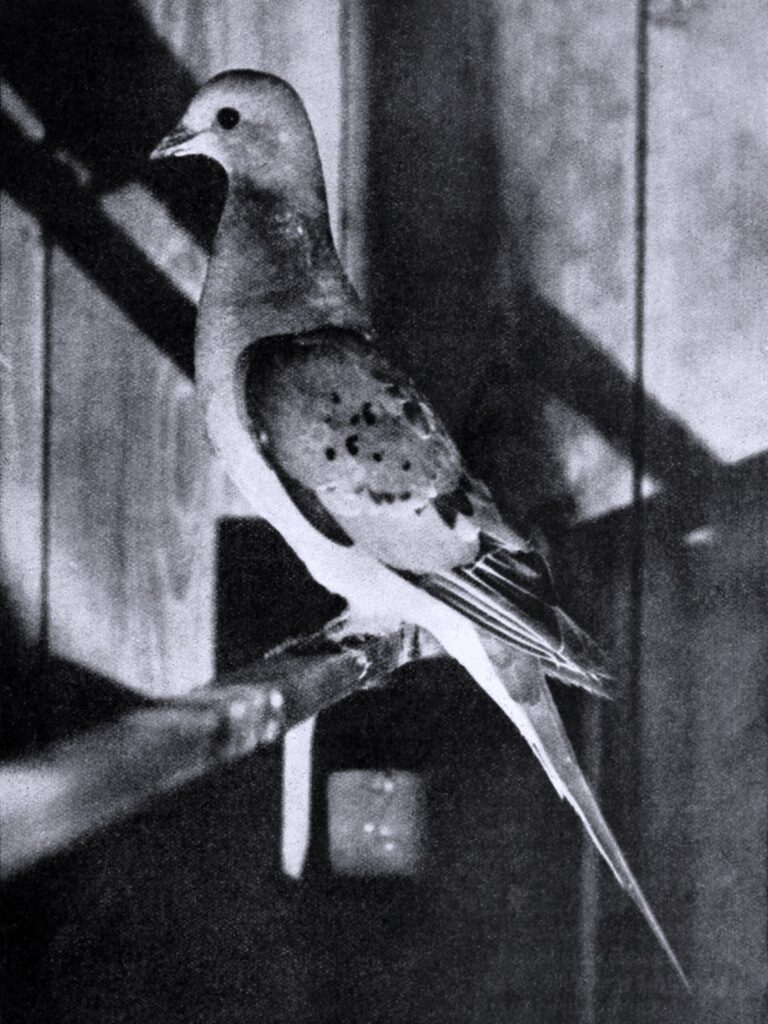
The passenger pigeon was probably the most abundant bird in North America, with billions of birds, yet it was driven to extinction in just a few decades.