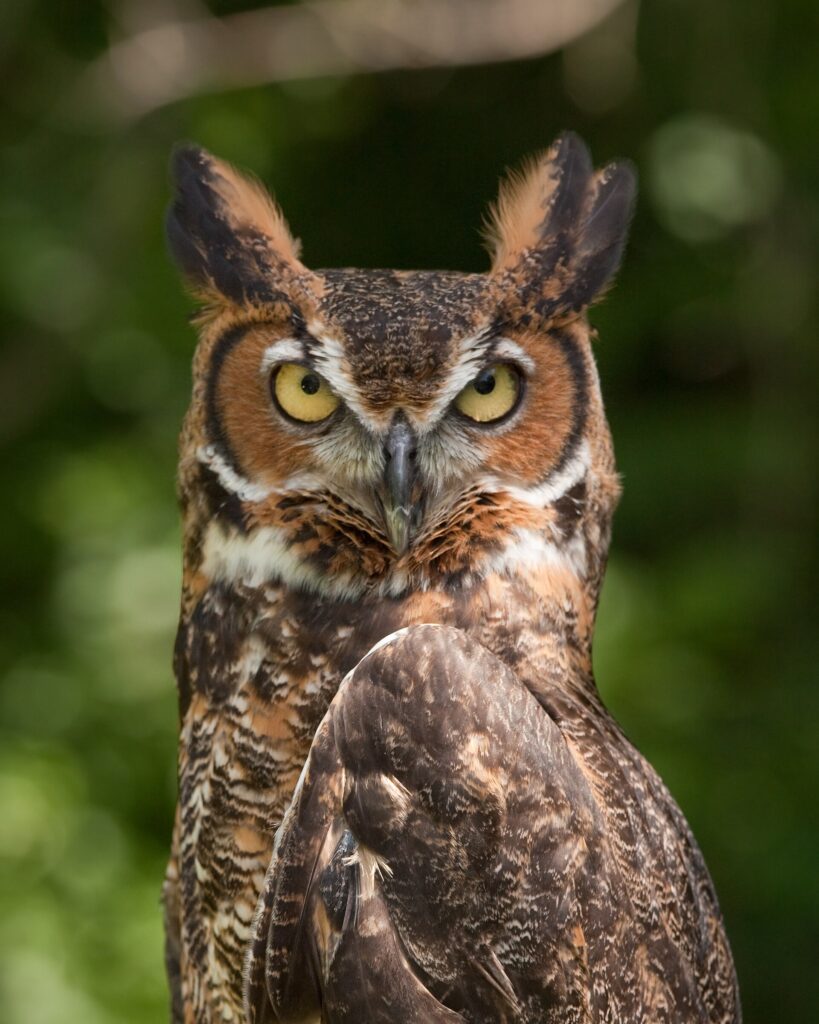
Great Horned Owl
Great horned owls are one of the few predators that regularly eat skunks, probably because, like most birds, they have a poor sense of smell.
Great horned owls are one of the few predators that regularly eat skunks, probably because, like most birds, they have a poor sense of smell.
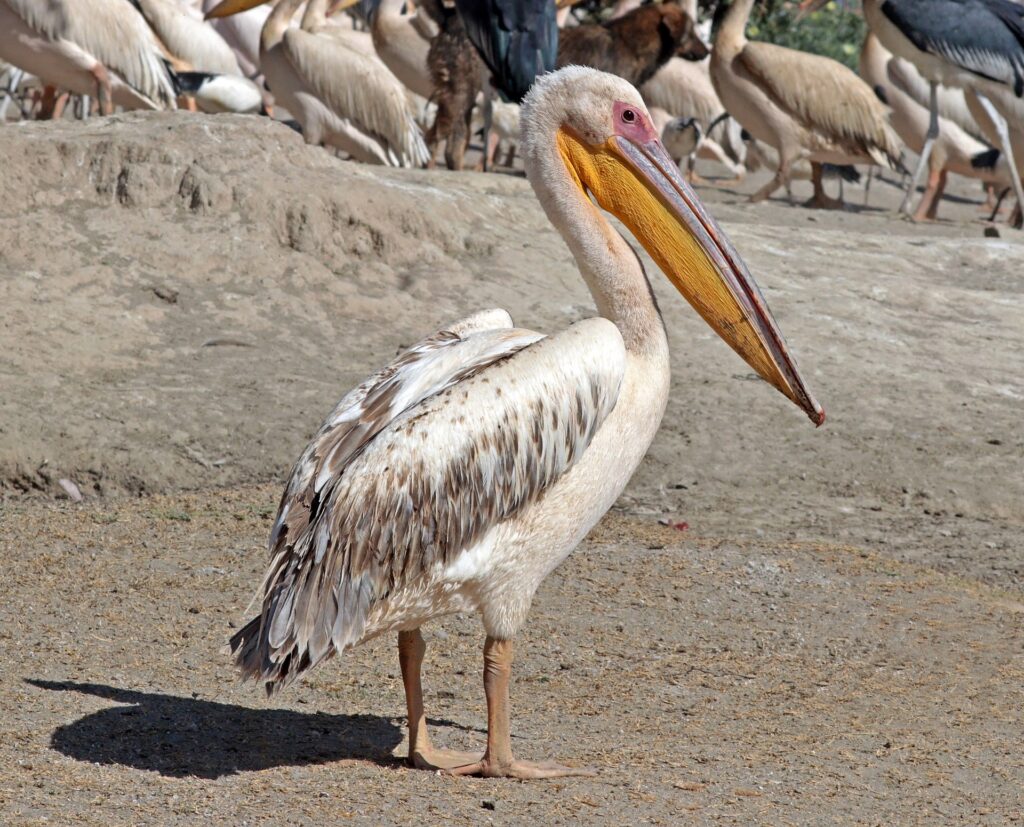
Great white pelicans fish as a team, swimming in a horseshoe formation to herd fish into shallow water before scooping them up together.
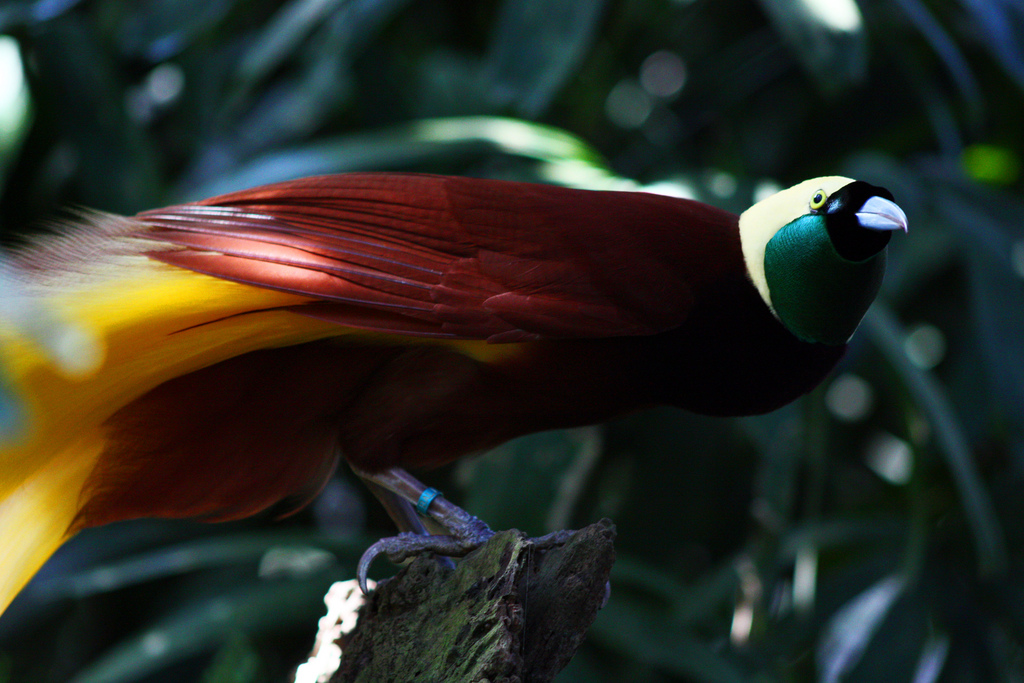
Its scientific name ‘apoda’ means ‘without feet’: the first skins brought to Europe in the 1500s had their feet removed, so Europeans believed the birds never landed.
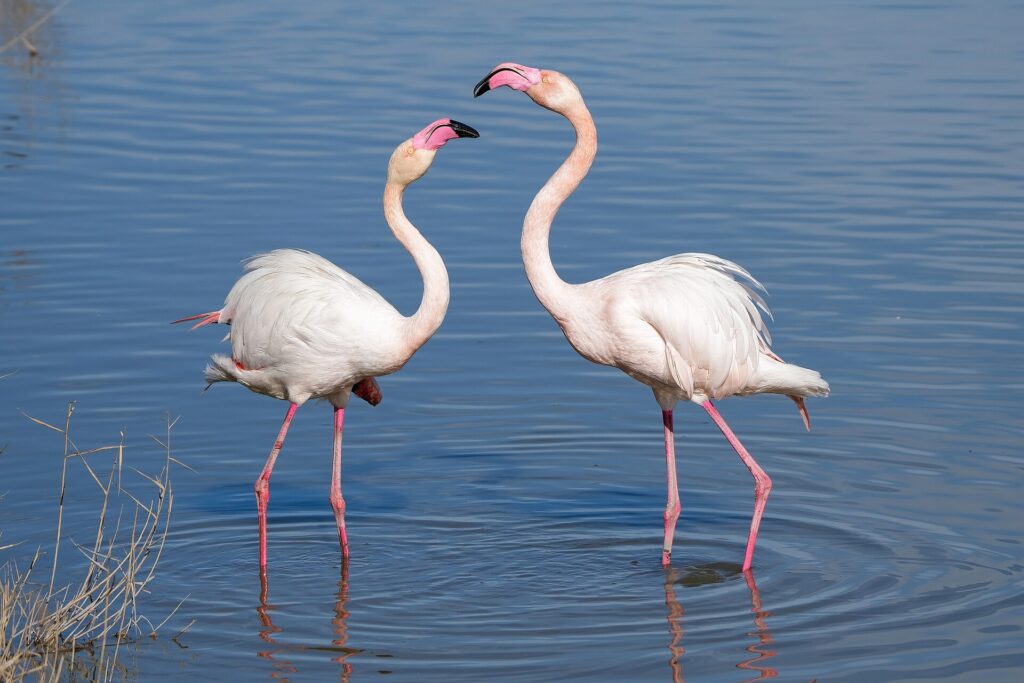
Flamingos are pink because of carotenoid pigments in the algae and shrimp they eat; chicks are born grey and white.
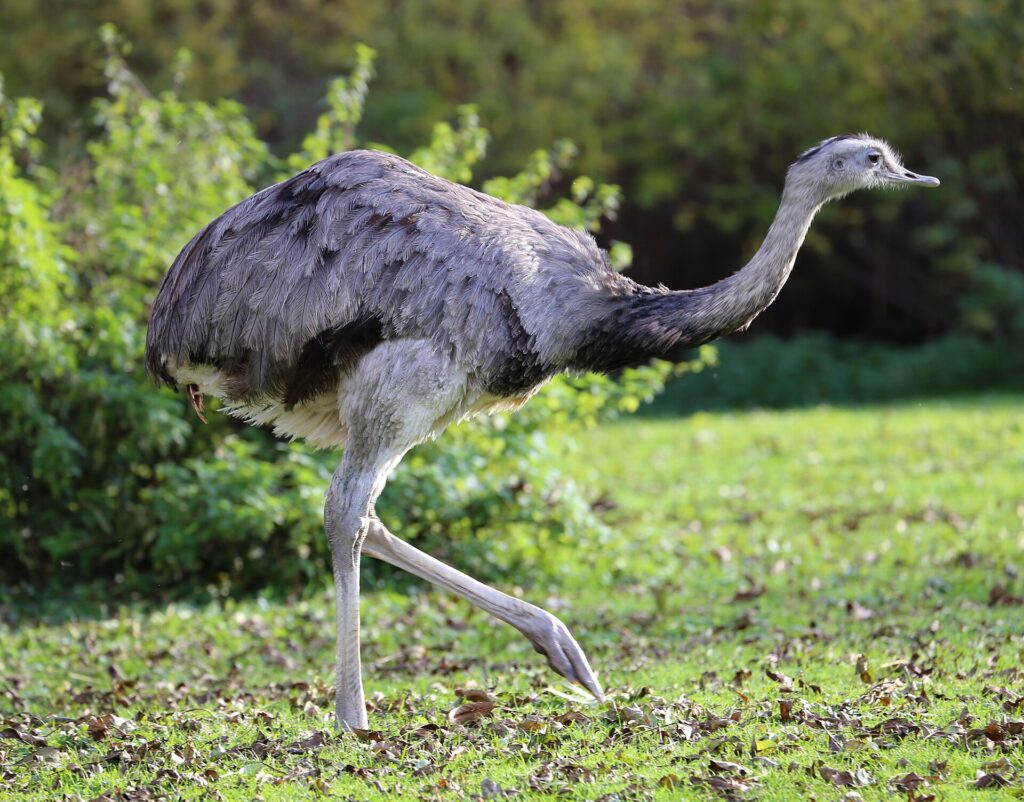
Male rheas incubate eggs laid by several females, sometimes guarding dozens of eggs in one nest and fiercely protecting the chicks.
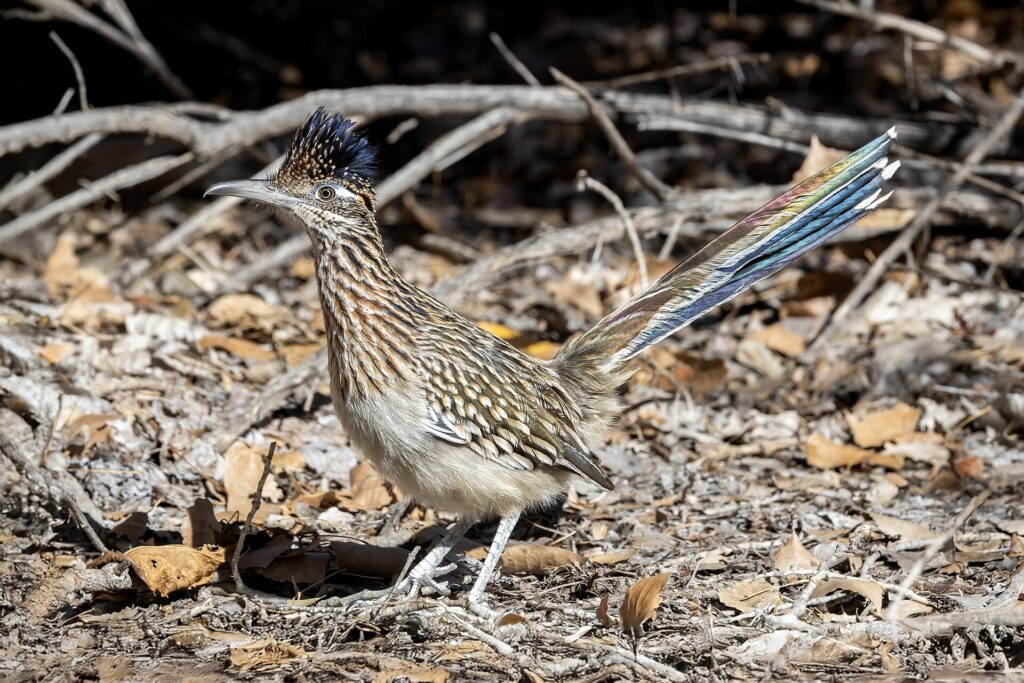
Roadrunners hunt rattlesnakes, grabbing them behind the head and bashing them against rocks, sometimes teaming up with a partner.
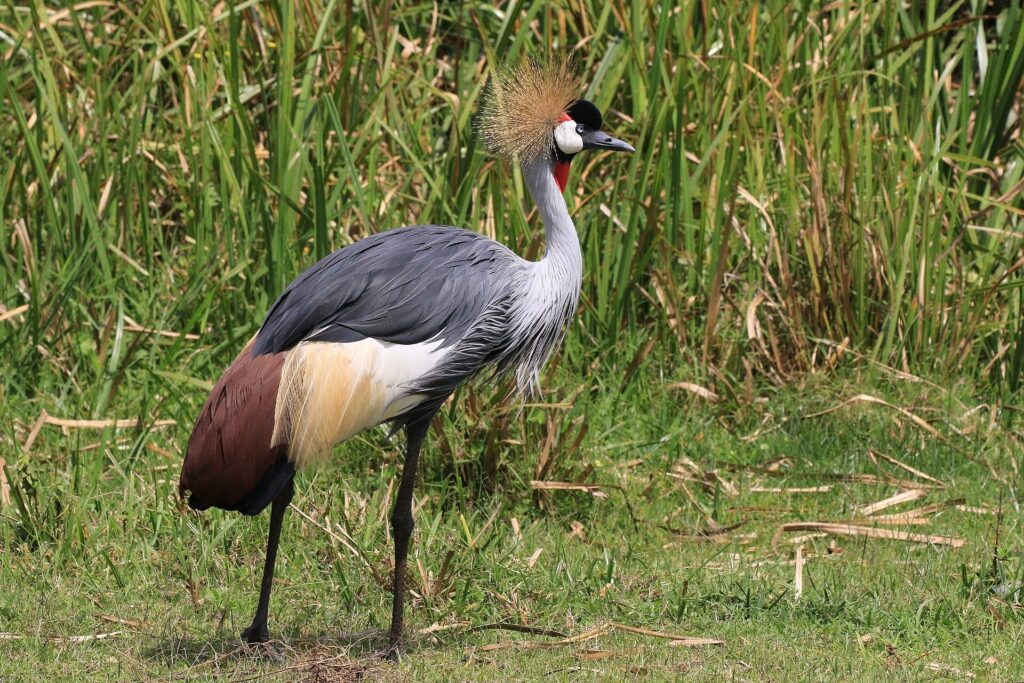
The grey crowned crane is one of only two crane species that can perch in trees, thanks to a long hind toe that grips branches.
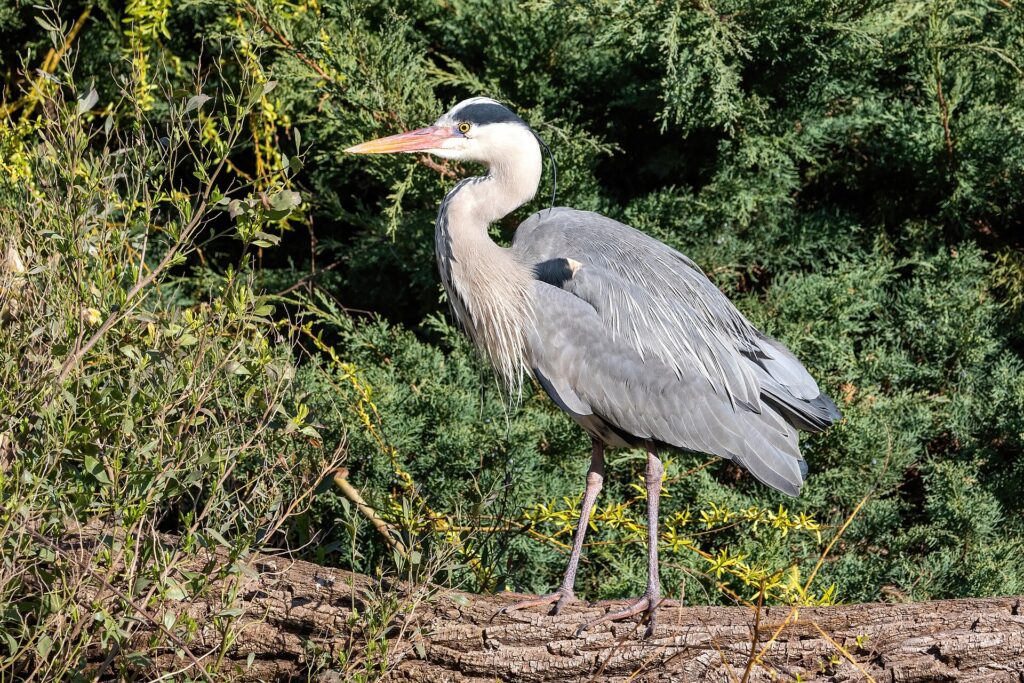
Britain’s Heronries Census has counted nesting grey herons since 1928, making it the longest-running census of breeding birds in the world.
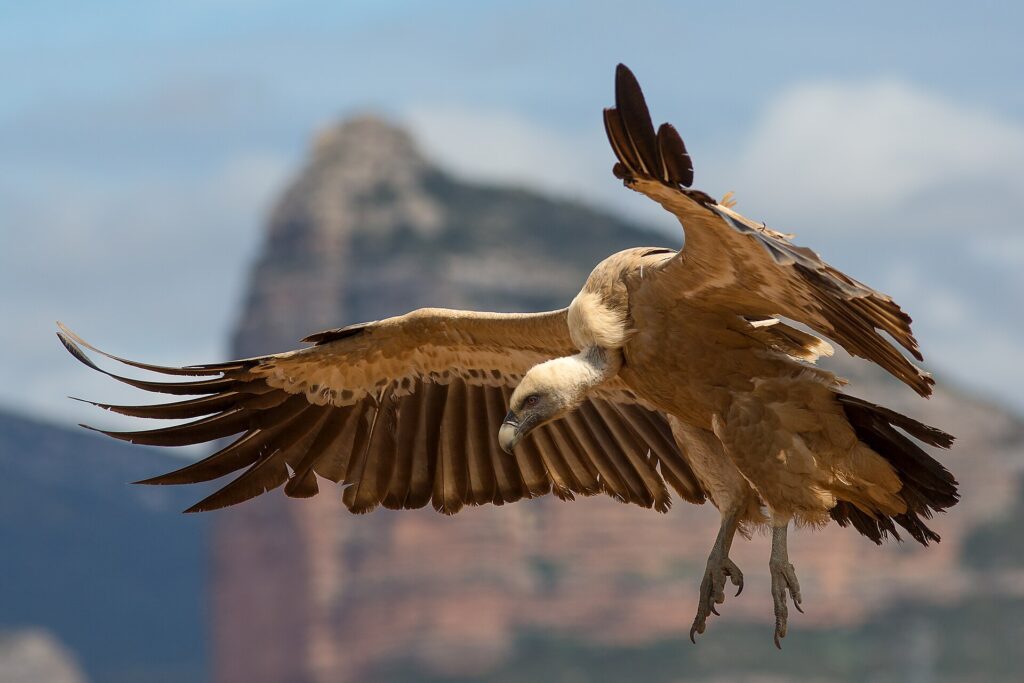
Griffon vultures can soar for hours on rising warm air without flapping, scanning huge areas for carcasses.
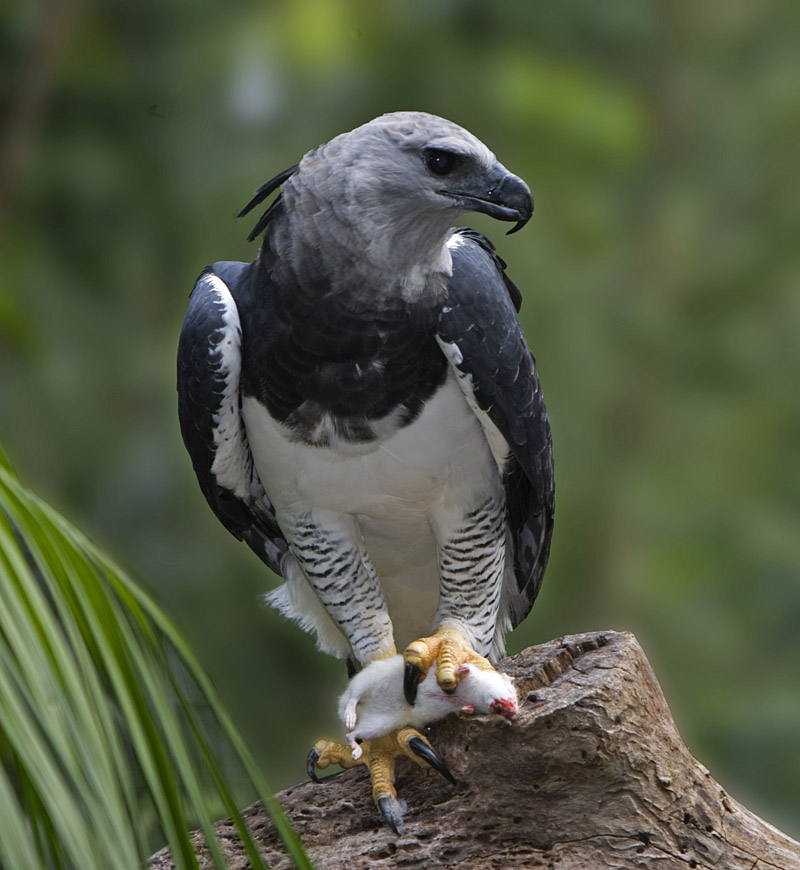
A harpy eagle’s rear talons can reach about 10–12 cm long, as long as a grizzly bear’s claws.