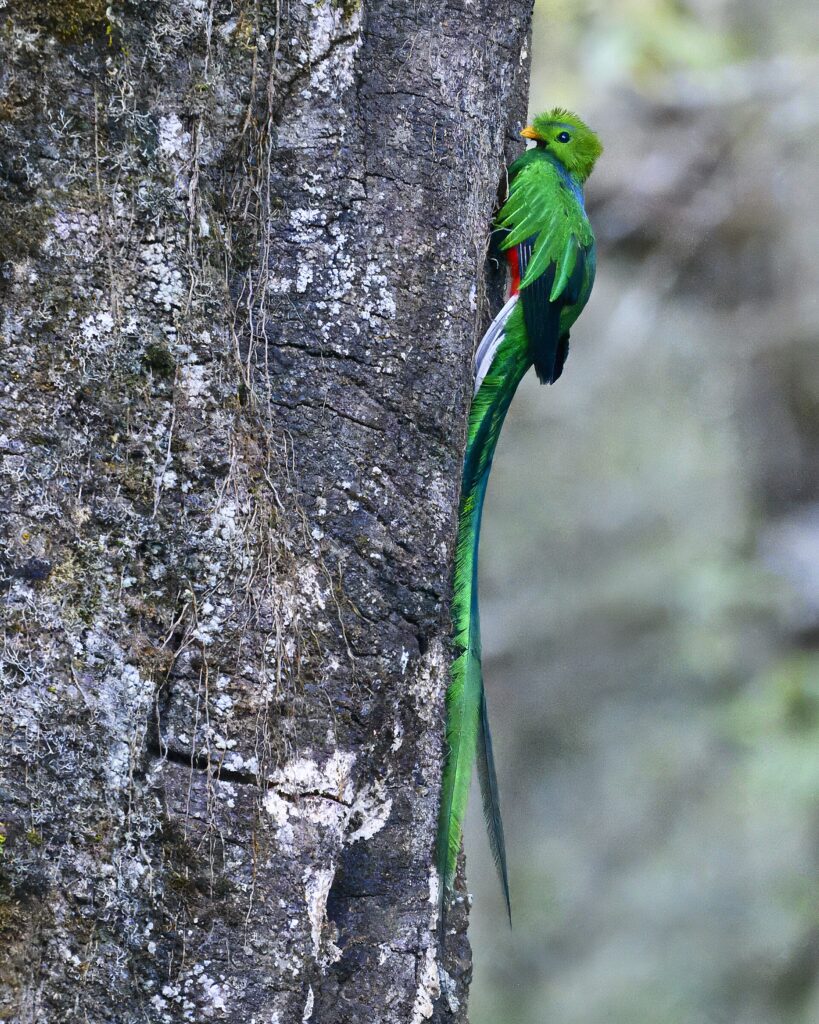
Resplendent Quetzal
The resplendent quetzal was sacred to the Maya and Aztecs, and today Guatemala’s currency, the quetzal, is named after it.
The resplendent quetzal was sacred to the Maya and Aztecs, and today Guatemala’s currency, the quetzal, is named after it.
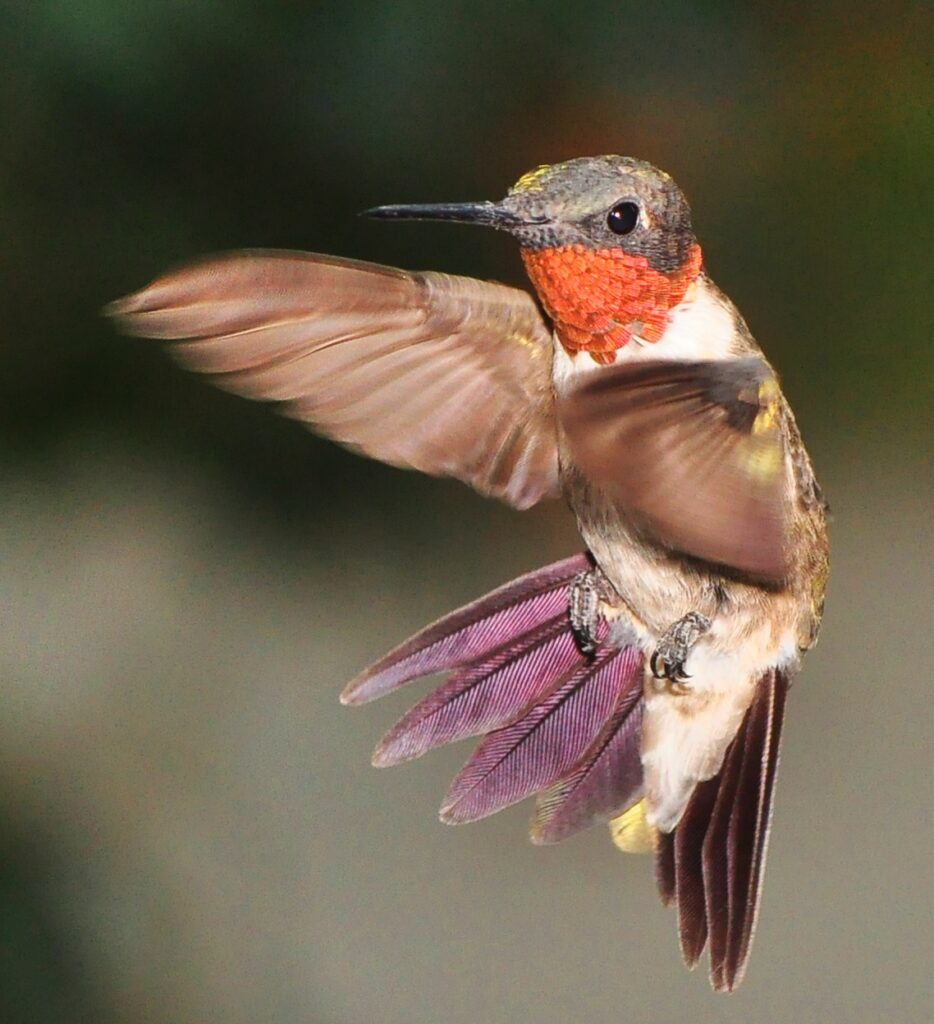
Many ruby-throated hummingbirds fly nonstop across the Gulf of Mexico, about 800 km, after doubling their body weight with fat.
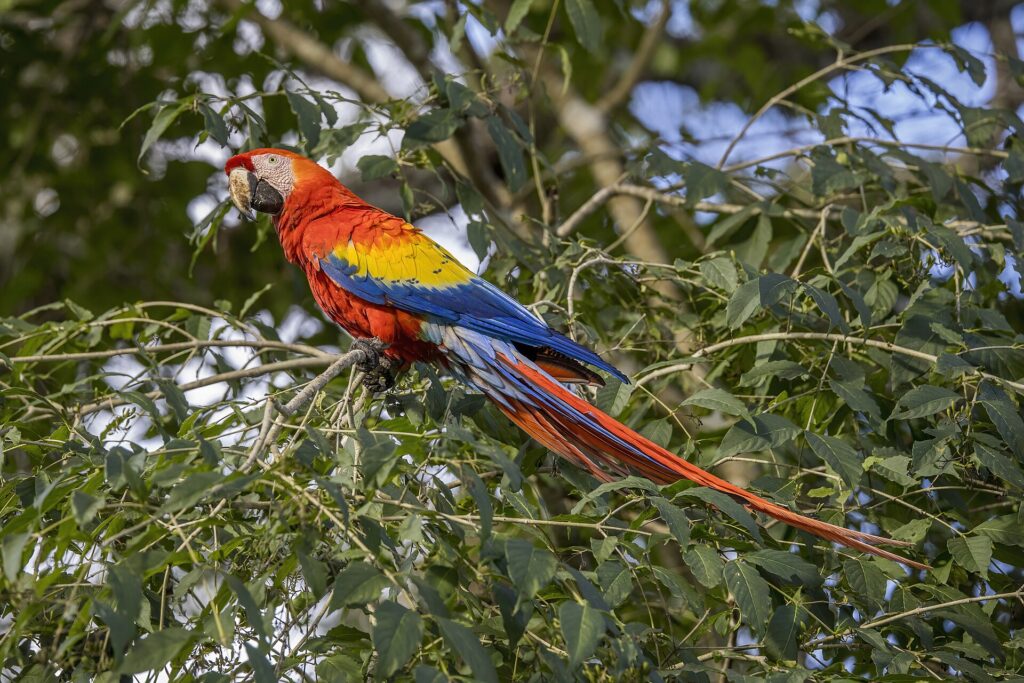
Scarlet macaws gather in noisy flocks at riverbank clay licks, where eating clay may provide sodium and help neutralise toxins in seeds.
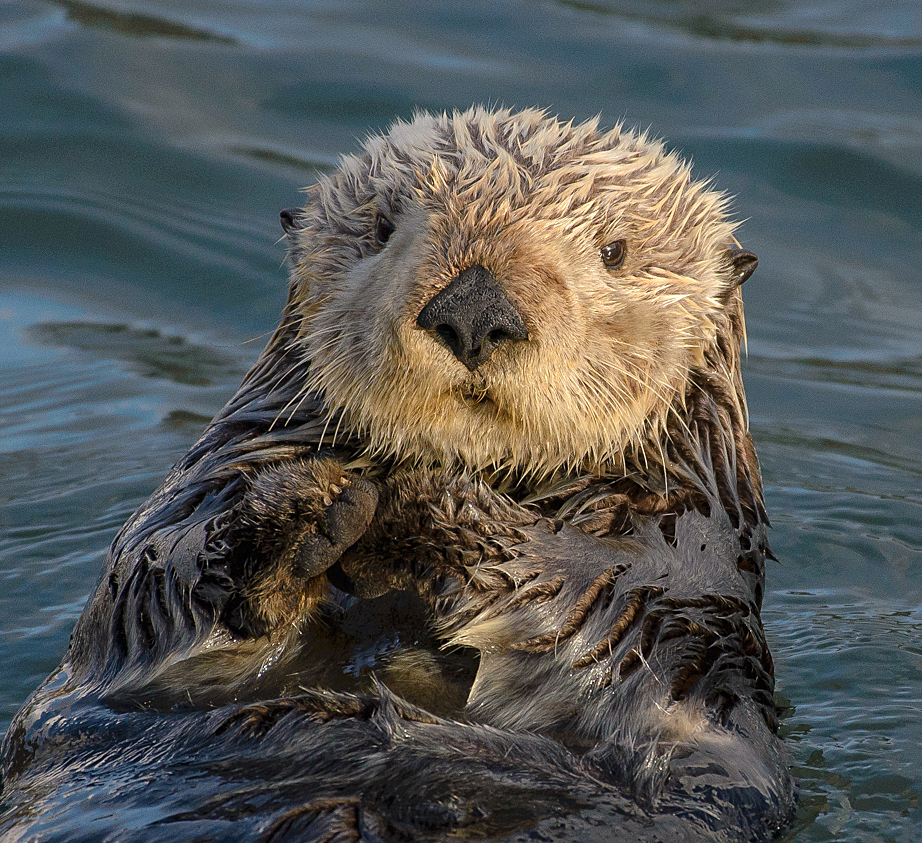
Sea otters have the densest fur of any animal, up to about a million hairs per square inch, which keeps them warm without blubber.
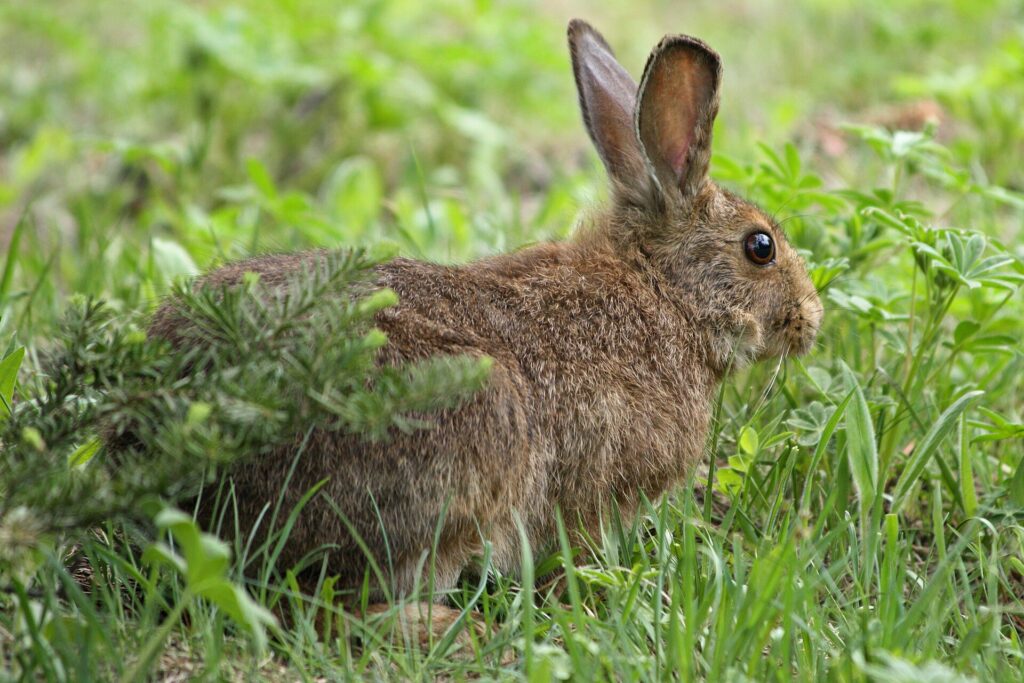
Snowshoe hares turn white in winter and brown in summer, but as snow seasons shorten, many are now white on brown ground, where predators can easily spot them.
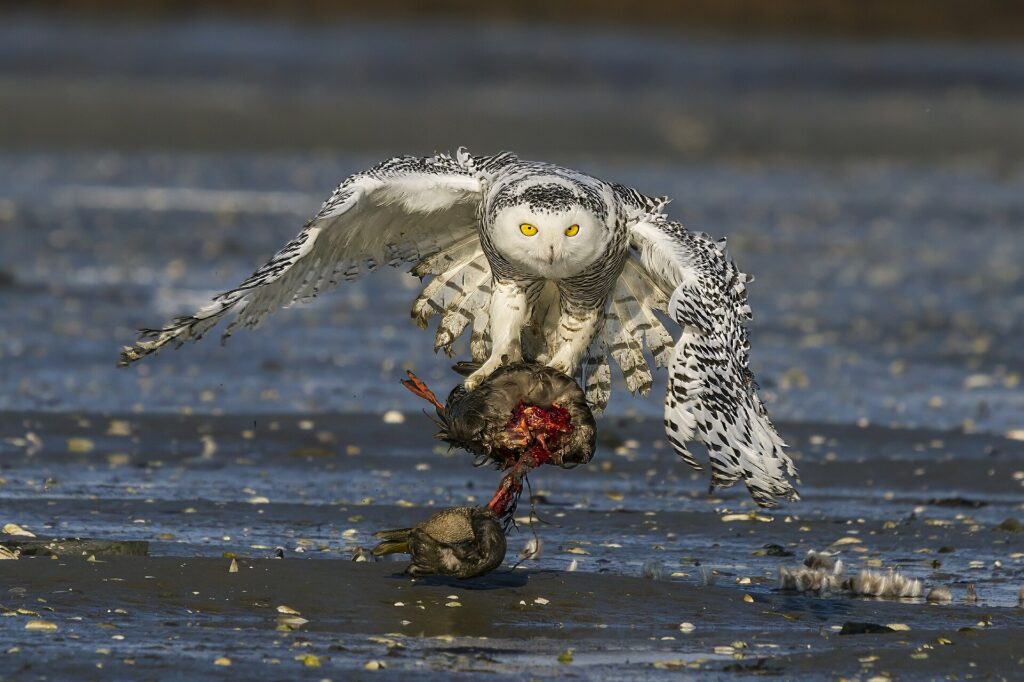
A single snowy owl can eat more than 1,600 lemmings in a year, and the number of eggs it lays depends on how many lemmings there are.
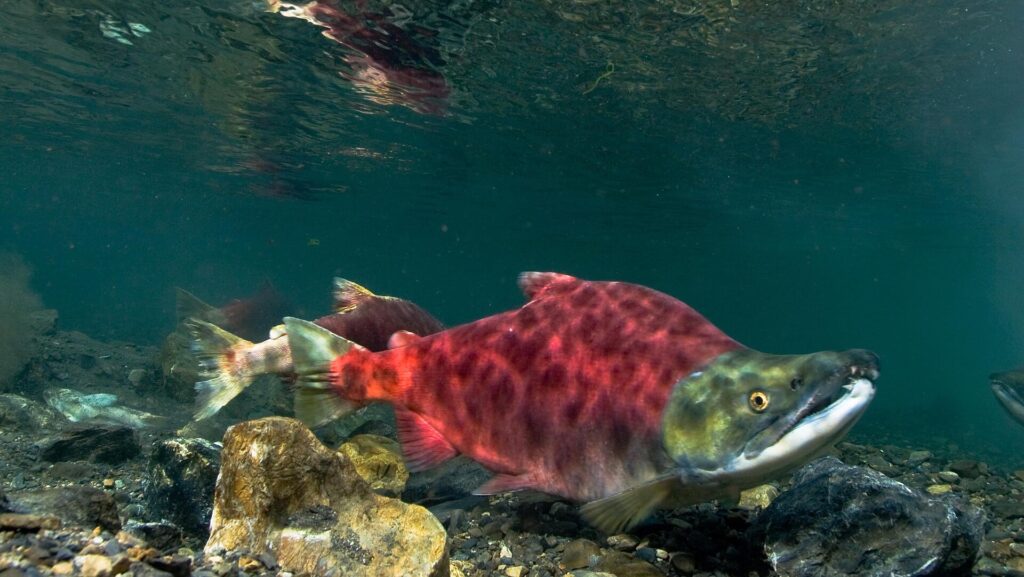
When sockeye salmon return to spawn, they turn brilliant red with green heads, and their bodies later fertilise the forests along the rivers.
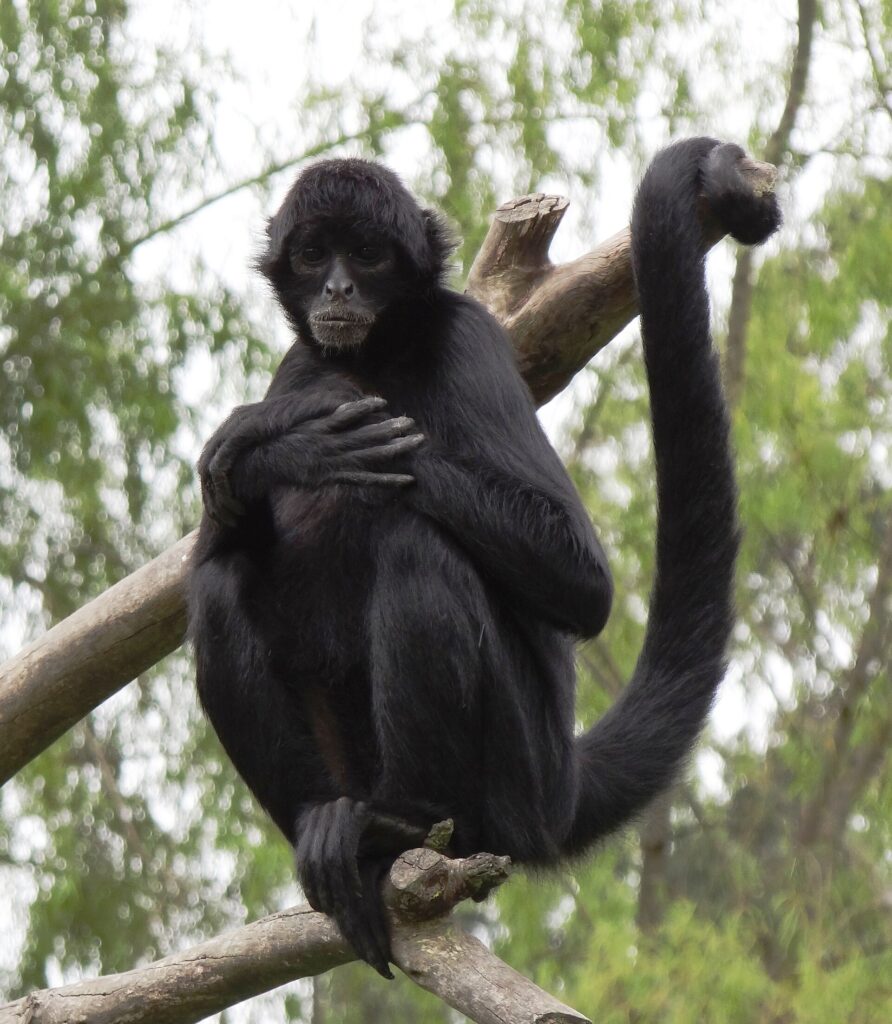
A spider monkey’s tail is like a fifth hand, with a bare, fingerprint-like patch on its underside that grips branches.
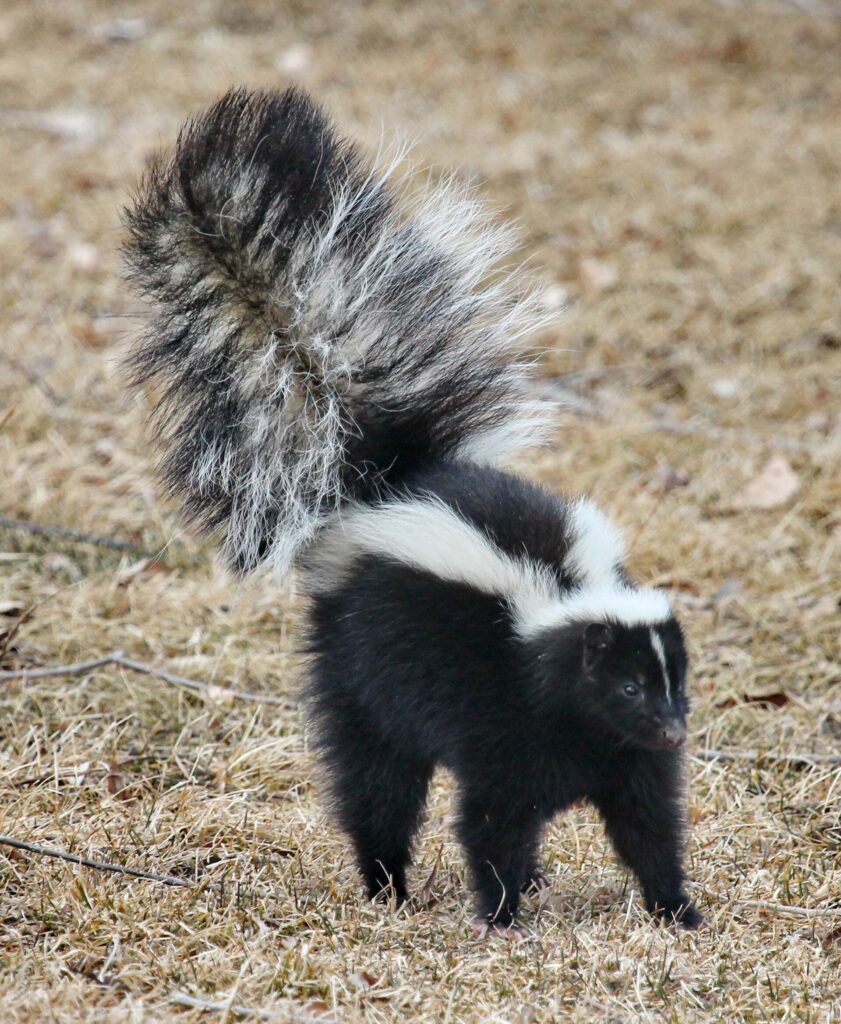
A striped skunk can spray a foul-smelling liquid accurately at attackers several metres away, and the smell can be detected more than a kilometre downwind.
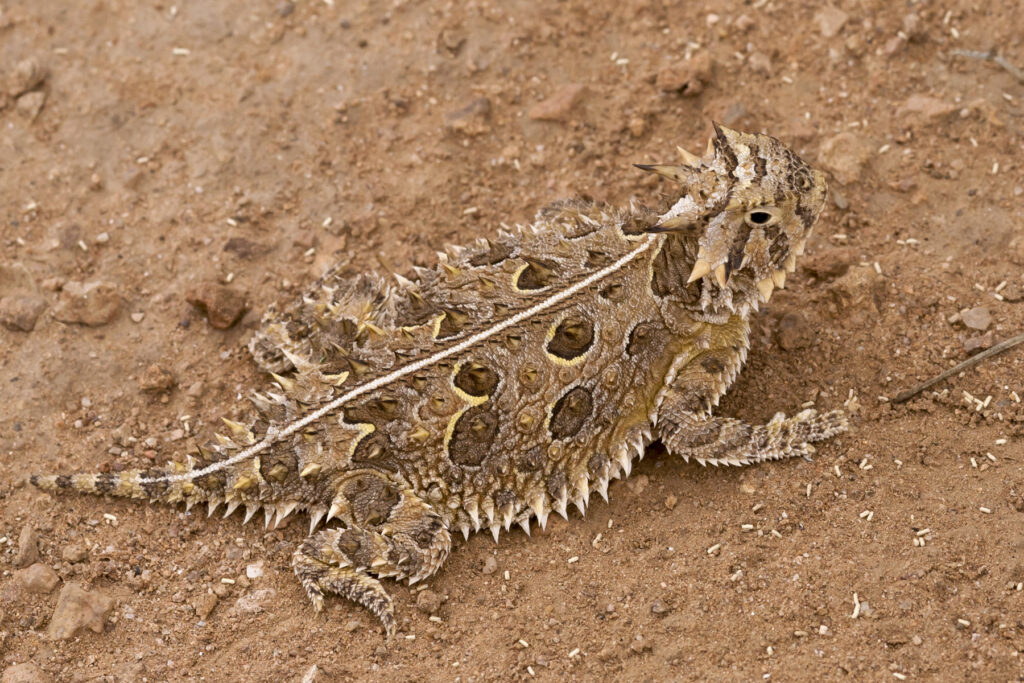
The Texas horned lizard can squirt a stream of foul-tasting blood from its eyes, up to about 1.5 metres, to drive off coyotes and dogs.