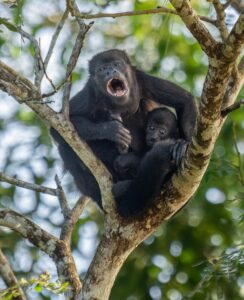
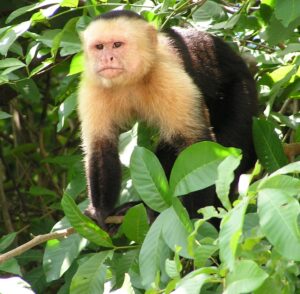
Spider monkeys are long-limbed, acrobatic monkeys of American rainforests. They spend almost all their time in the high canopy, eating fruit and spreading seeds.
Interesting facts
- Spider monkeys have very long arms and legs and swing through the trees.
- Most species have no thumbs, or only tiny ones, which helps them hook onto branches.
- They are important seed dispersers for large-seeded rainforest trees.
- Groups split up to forage and come back together, a system called fission–fusion.
- Females give birth only every two to four years.
- They need large areas of undisturbed forest to survive.
Behaviour
Spider monkeys live in communities of 20 to 40 that split into small groups during the day. They move quickly by swinging and leaping and use their tail to hang while feeding.
Breeding and young
After about seven and a half months, a single infant is born. Young stay with their mothers for several years.
Threats and conservation
Deforestation, hunting for meat and the pet trade. Slow reproduction makes populations vulnerable.
Where to see it
- Corcovado National Park, Costa Rica
- Tikal National Park, Guatemala
- Manu National Park, Peru
- Yasuní National Park, Ecuador
Status source: IUCN Red List. Profile last reviewed September 2026.
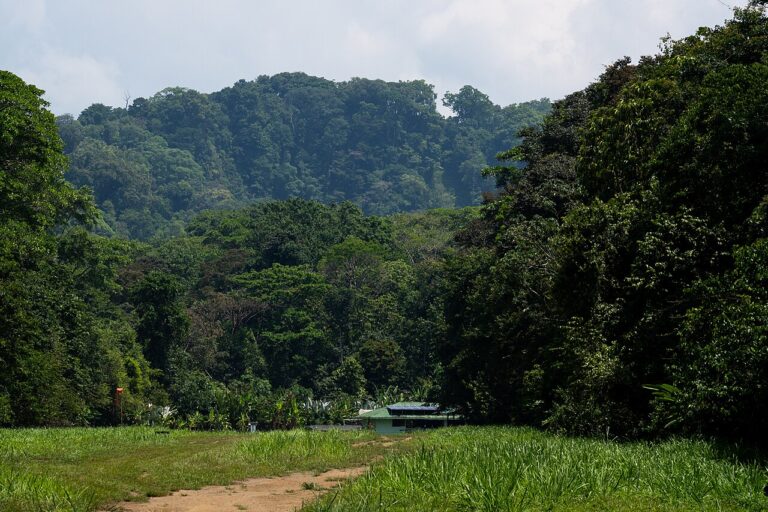 Corcovado National Park: The Most Biologically Intense Place on Earth?