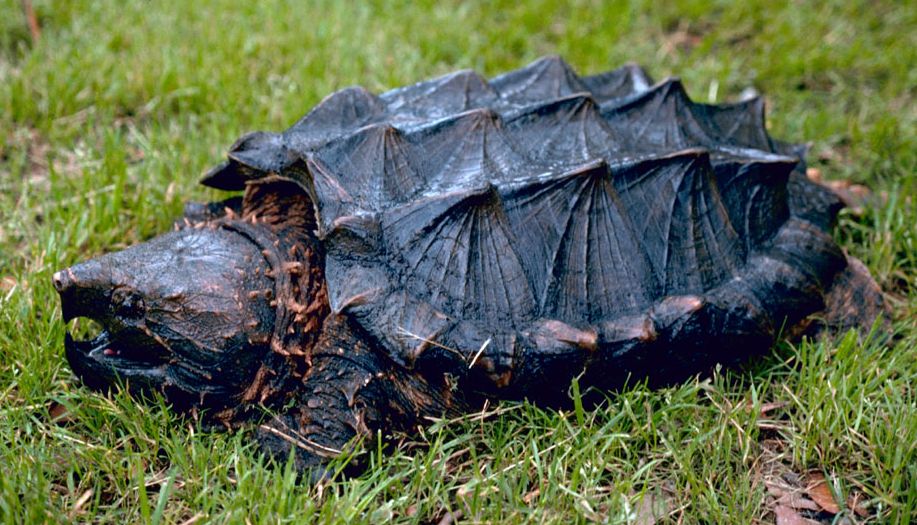
Alligator Snapping Turtle
The alligator snapping turtle lies motionless on the riverbed with its mouth open, wiggling a pink, worm-like lure on its tongue to attract fish.
The alligator snapping turtle lies motionless on the riverbed with its mouth open, wiggling a pink, worm-like lure on its tongue to attract fish.
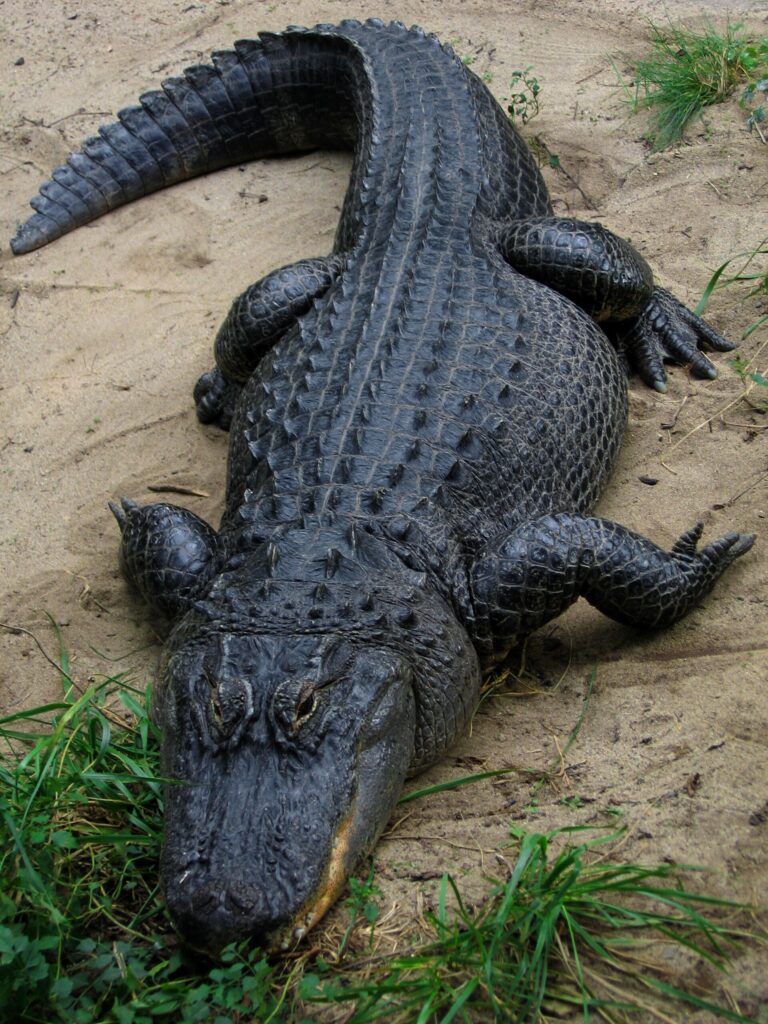
Alligators dig ‘gator holes’ that hold water through droughts, creating refuges for fish, turtles and birds, which makes them ecosystem engineers.
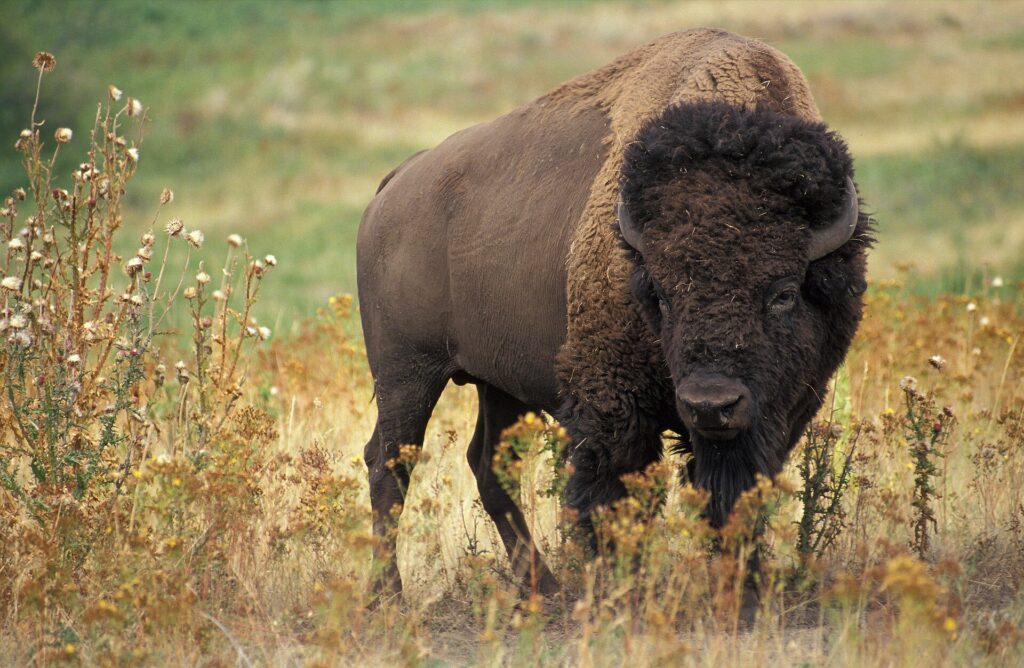
Around 30 to 60 million bison once roamed North America; by 1889 fewer than 1,000 were left.
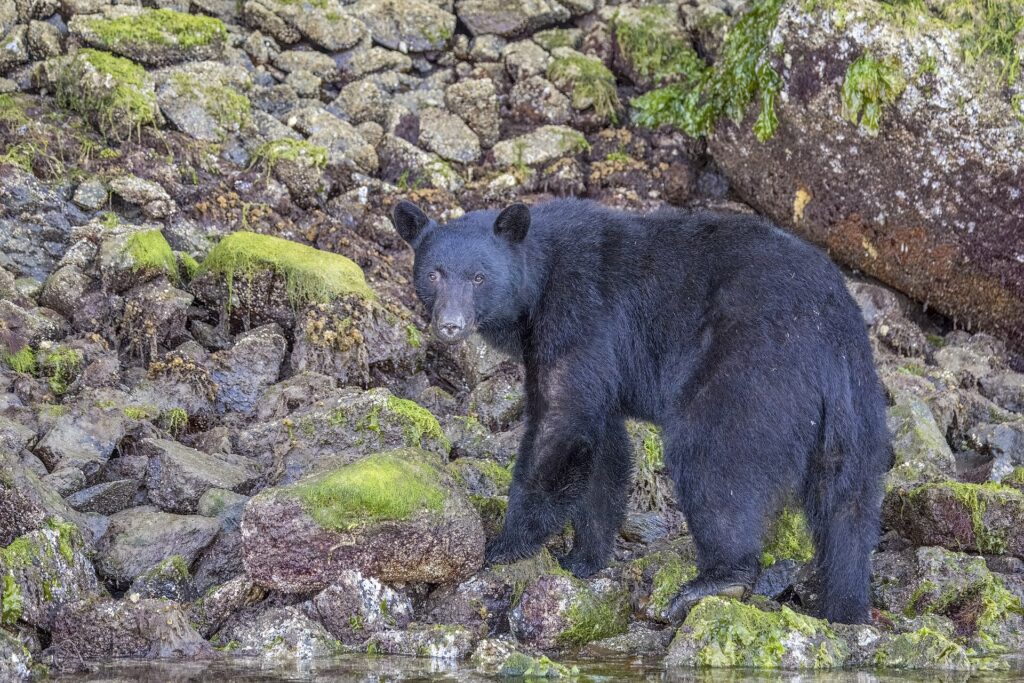
Not all black bears are black: they can be brown, cinnamon, blond, blue-grey or even white, like the rare ‘spirit bears’ of British Columbia.
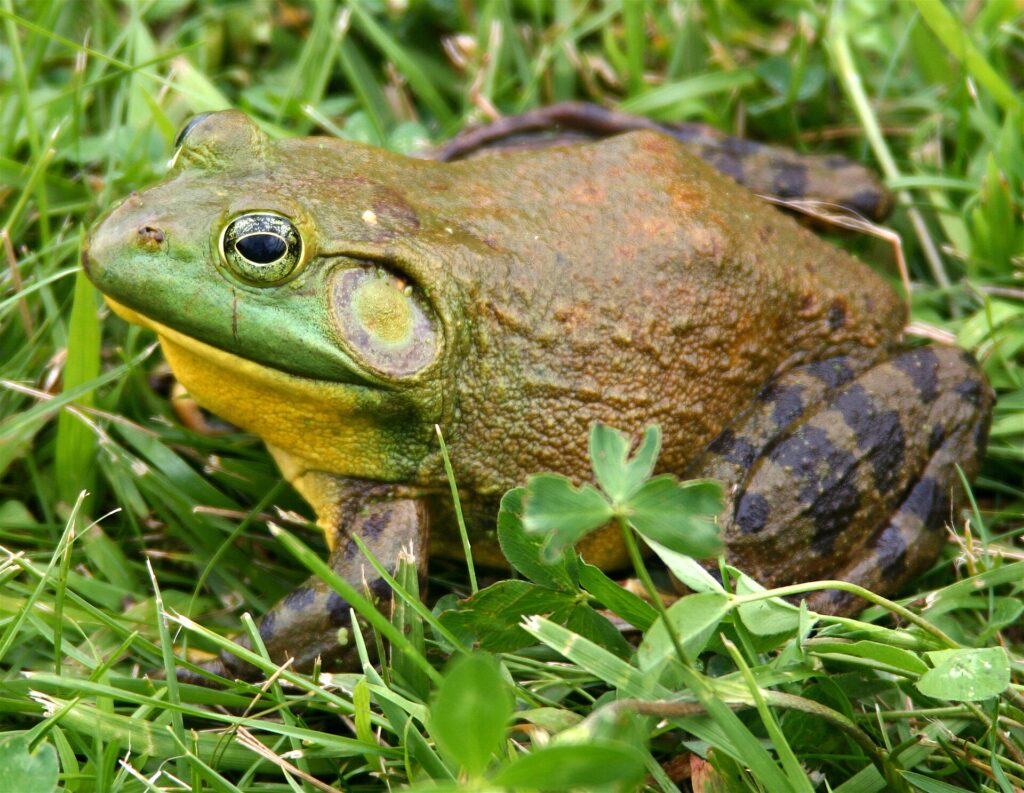
The American bullfrog will eat almost anything it can fit in its mouth, including snakes, birds, bats and other frogs.
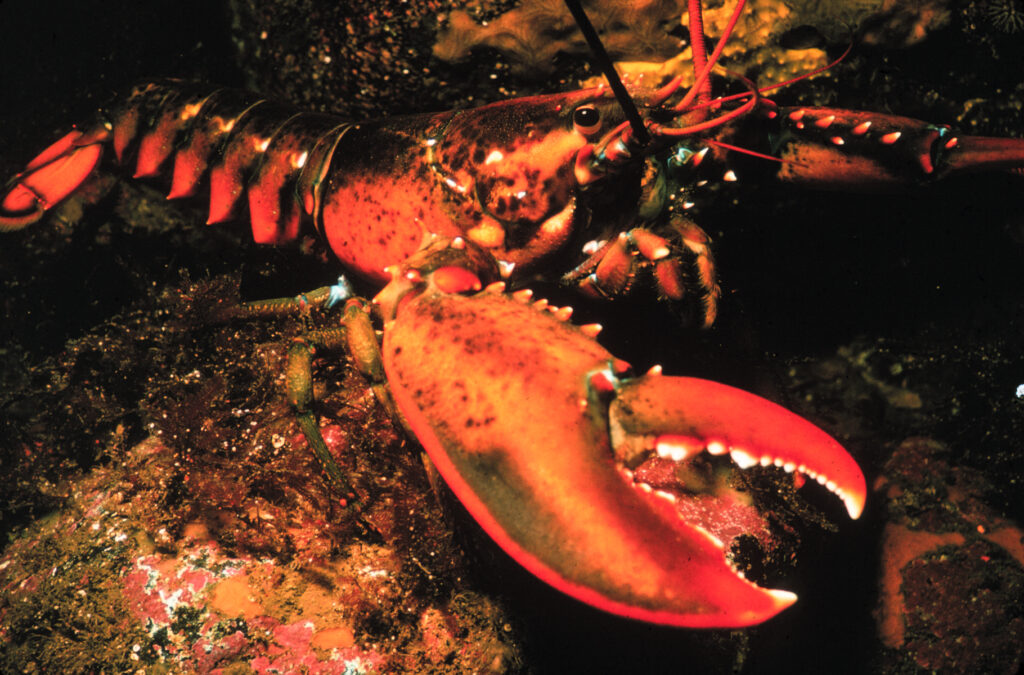
The American lobster is the heaviest crustacean in the world; the record lobster, caught in Nova Scotia, weighed about 20 kg.
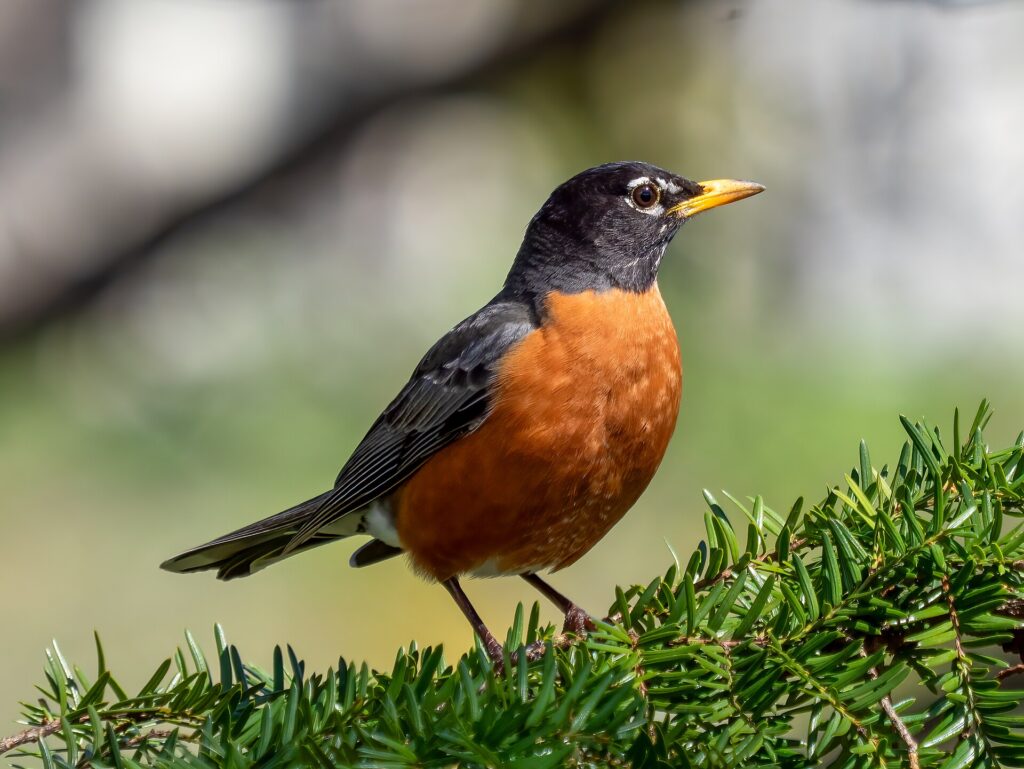
American robins find earthworms by sight, tilting their heads to spot tiny movements in the soil.
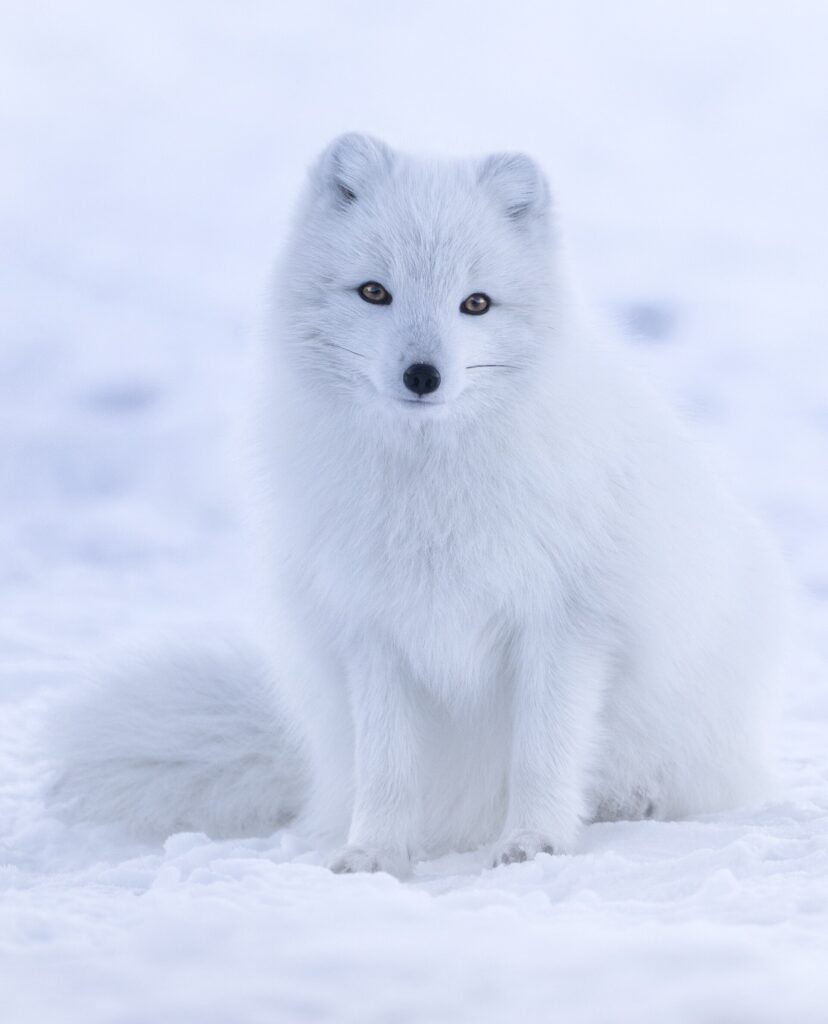
A young female Arctic fox walked 3,506 km across sea ice from Svalbard to Greenland in just 76 days, one of the longest journeys ever recorded for the species.
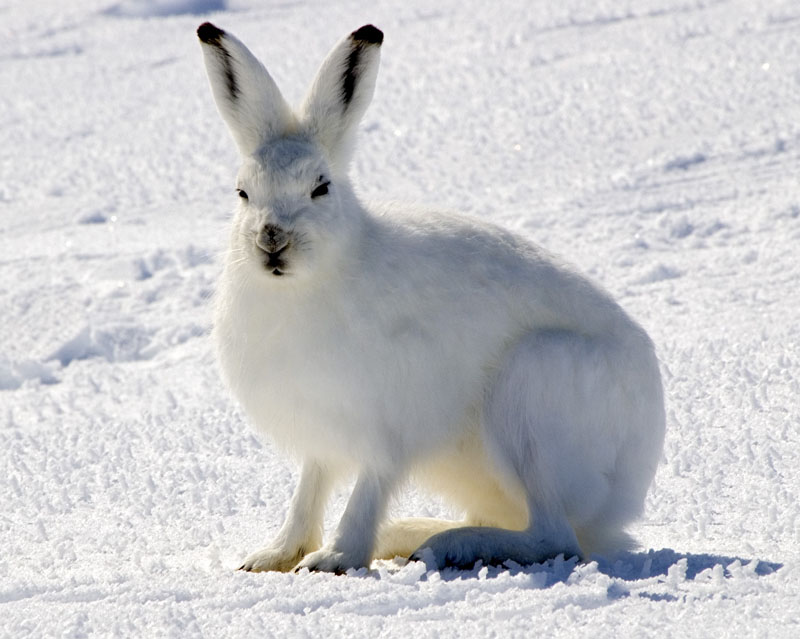
Arctic hares can hop on their hind legs like kangaroos, and in the far north they sometimes gather in groups of hundreds.
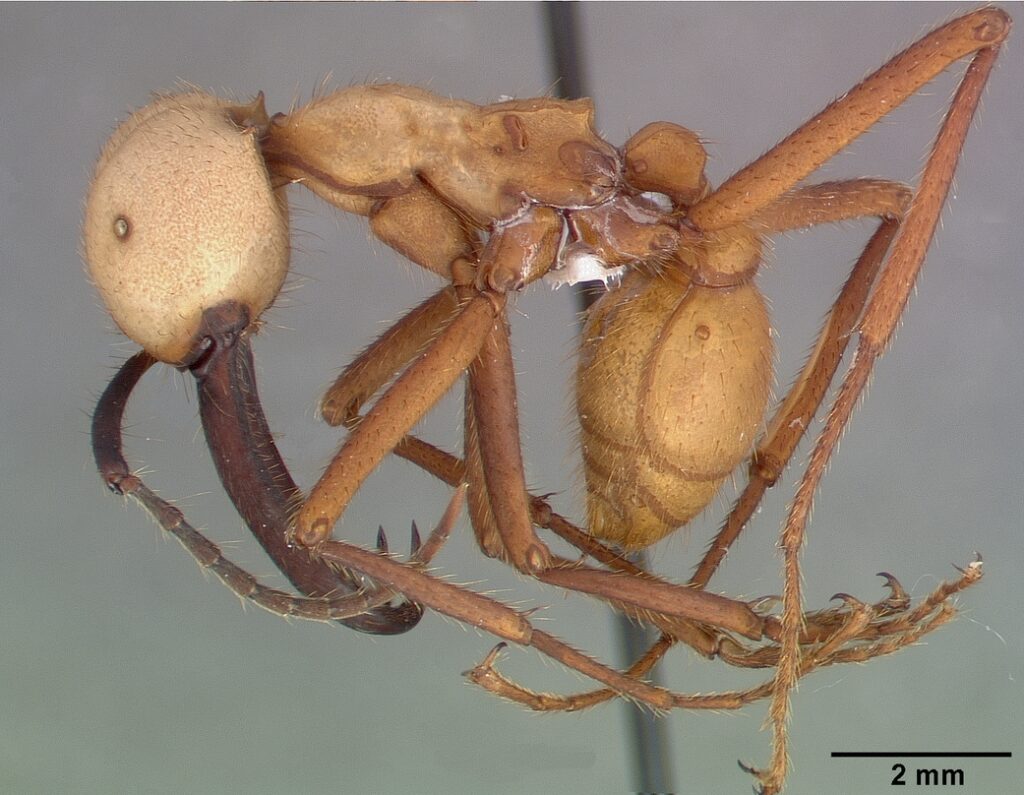
Army ants have no permanent nest: they link their bodies together to build a living nest, called a bivouac, that can hold hundreds of thousands of ants.
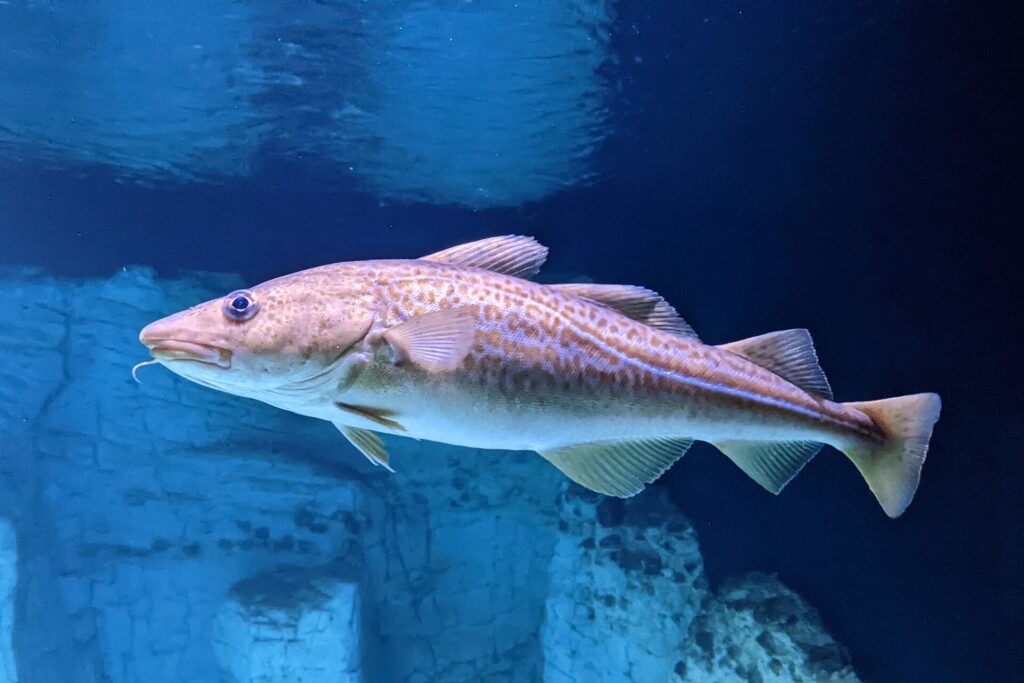
The collapse of the cod stocks off Newfoundland in 1992 put about 40,000 people out of work and became a global warning about overfishing.
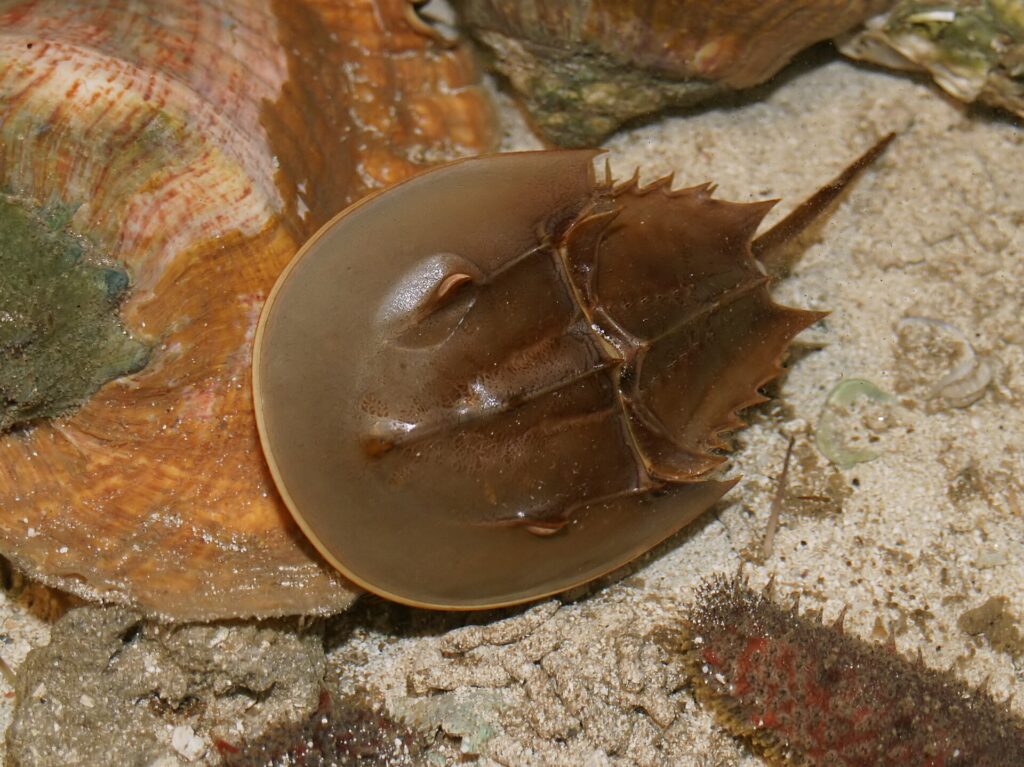
Horseshoe crab blood is blue, and an extract from it is used to test vaccines, injectable drugs and medical implants for dangerous bacterial contamination.
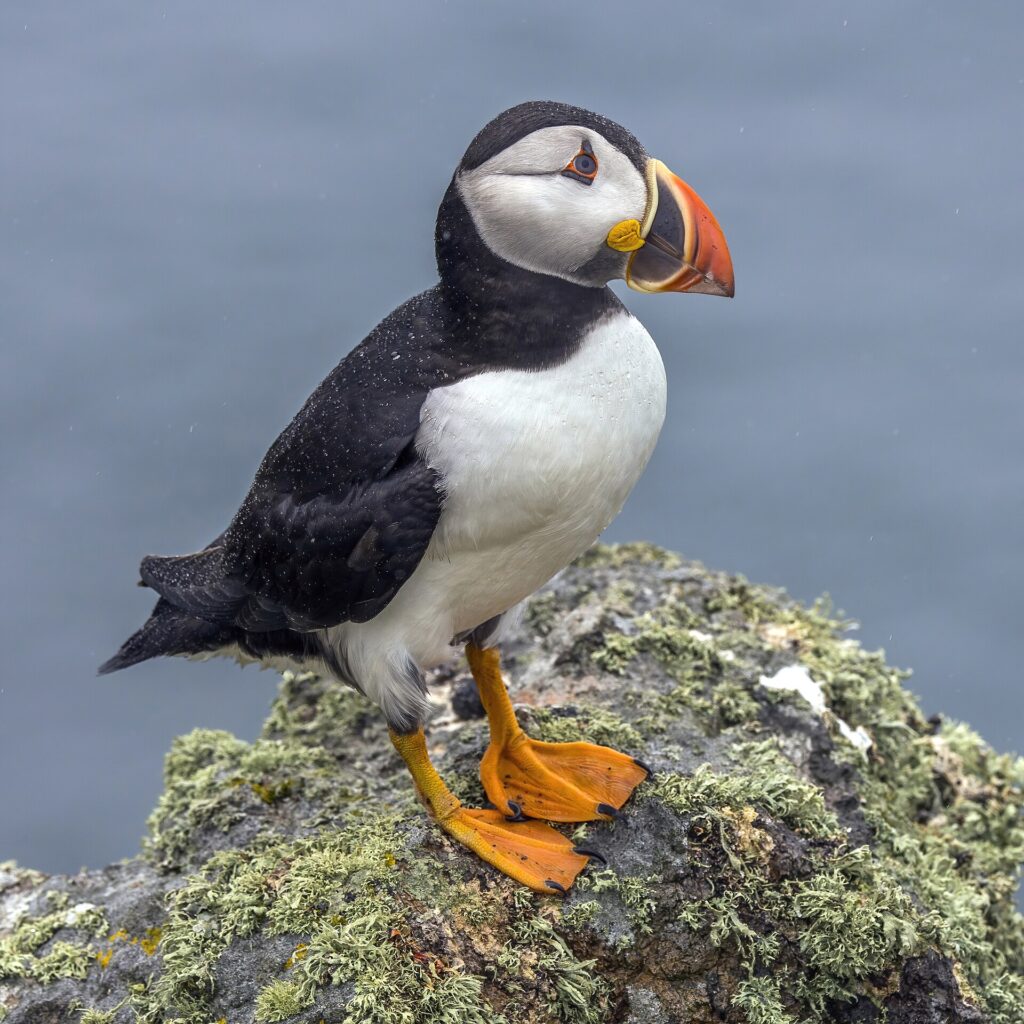
A puffin can carry a dozen or more small fish crosswise in its bill at once, holding them in place with a spiny tongue.
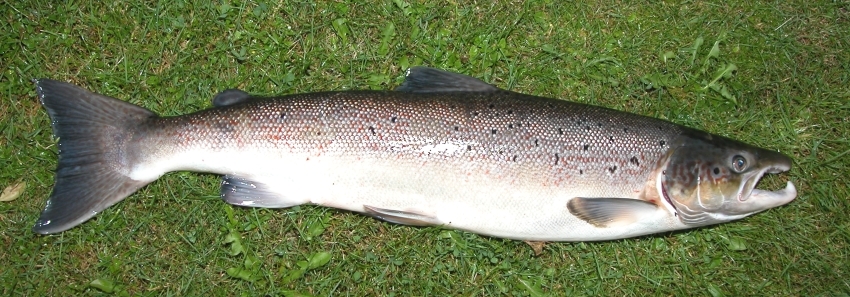
Atlantic salmon find their way back to the exact river where they hatched, years later, largely by recognising its smell.
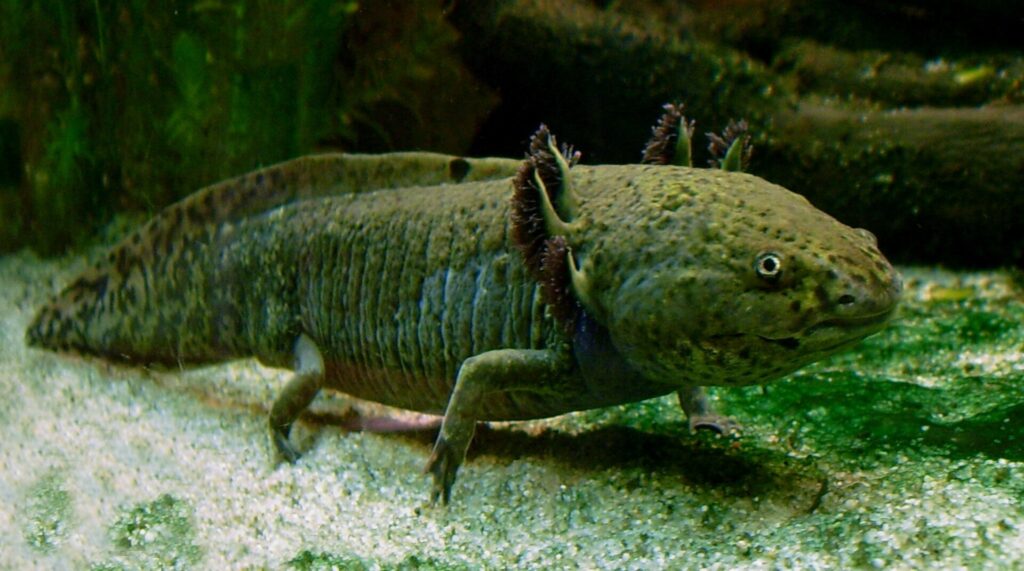
Axolotls can regrow lost limbs, parts of their spinal cord, heart and even parts of their brain without scarring.
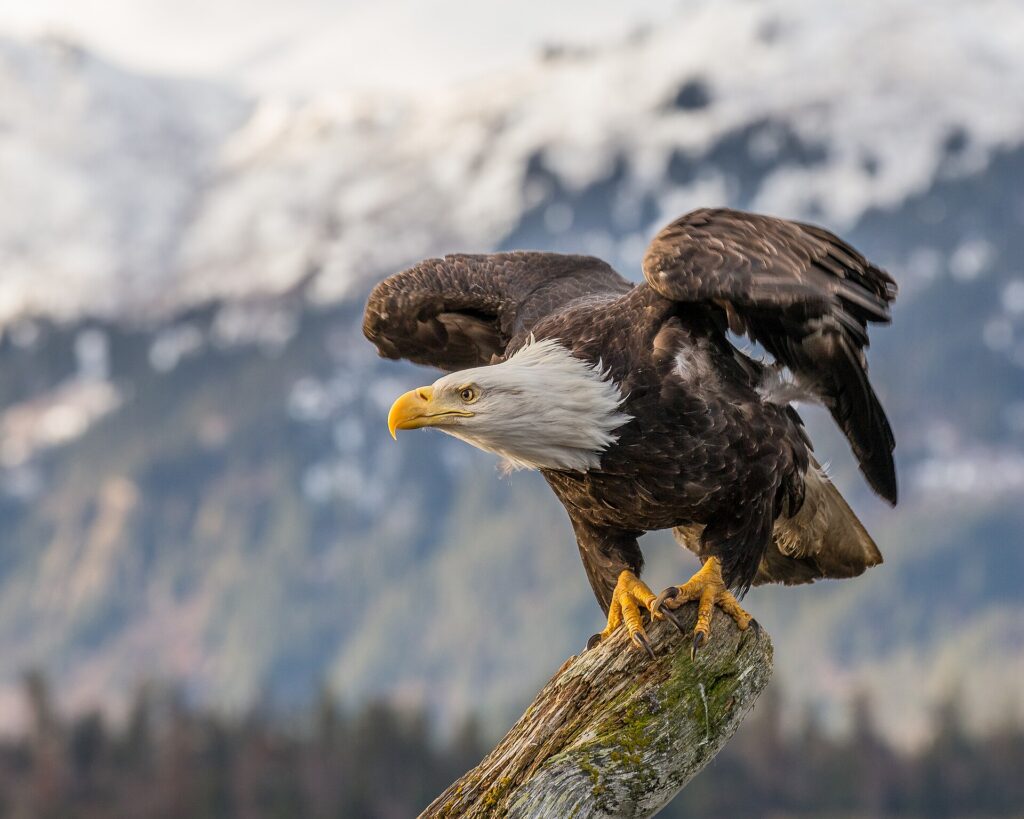
Bald eagles build the largest nests of any North American bird; one famous nest in Florida was about 6 m deep and weighed around 2 tonnes.
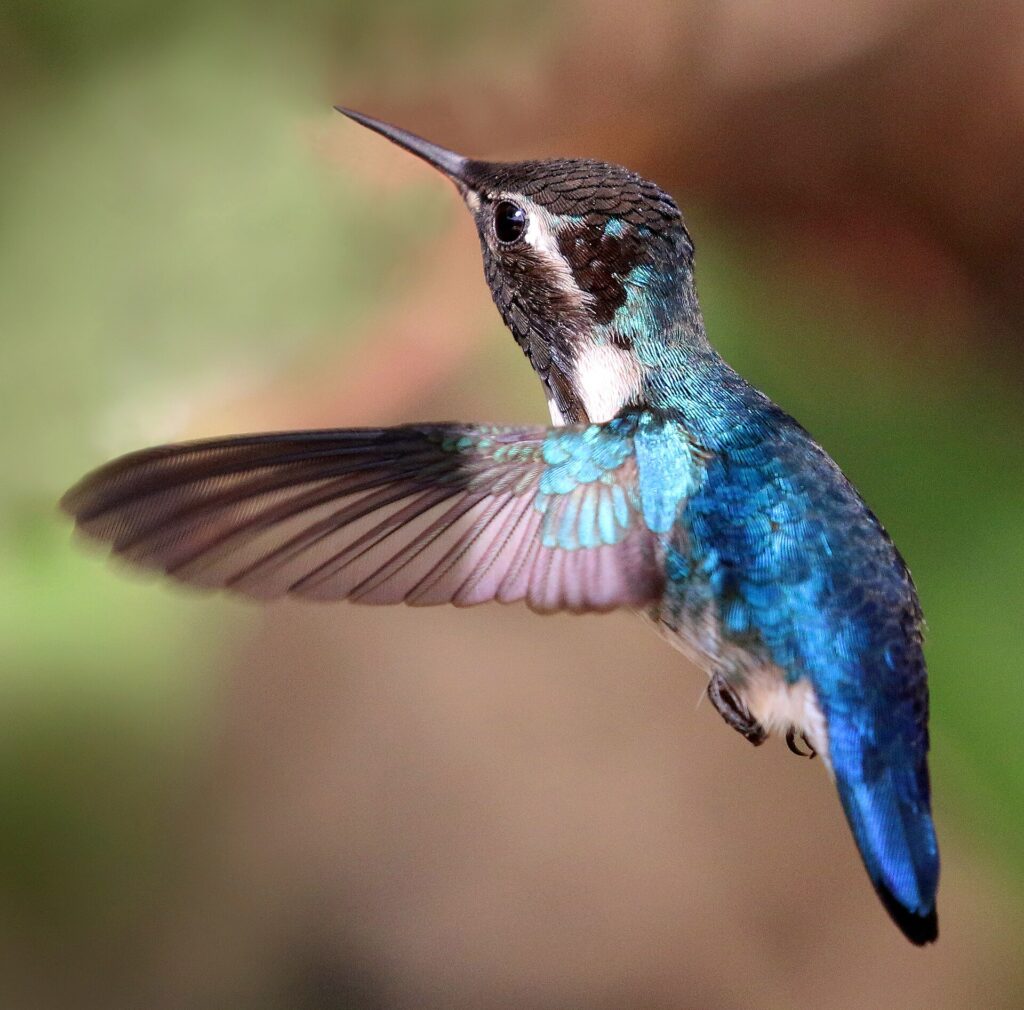
The bee hummingbird is the smallest bird in the world, weighing less than a small coin.
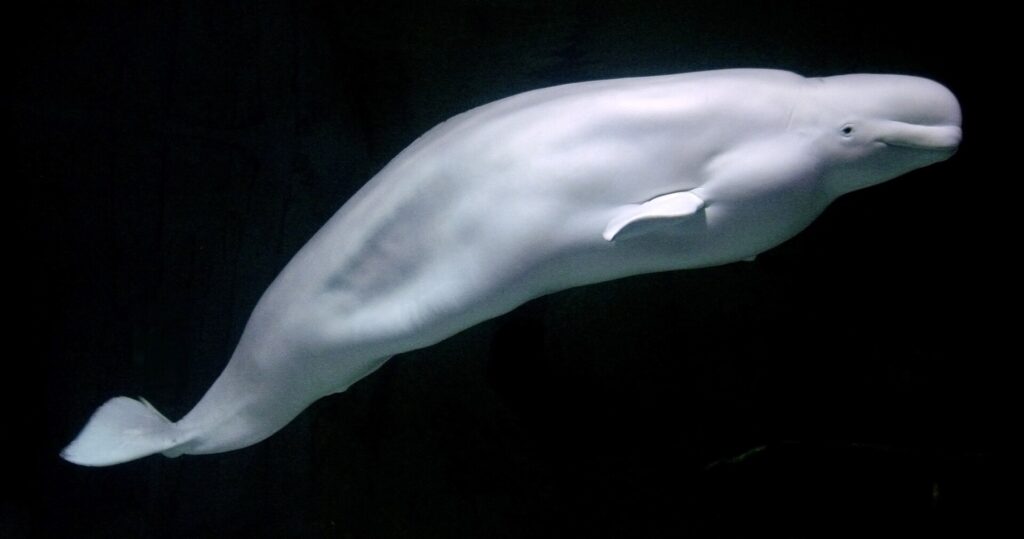
Belugas are nicknamed ‘canaries of the sea’ because they produce a huge variety of whistles, chirps, clicks and squeals.
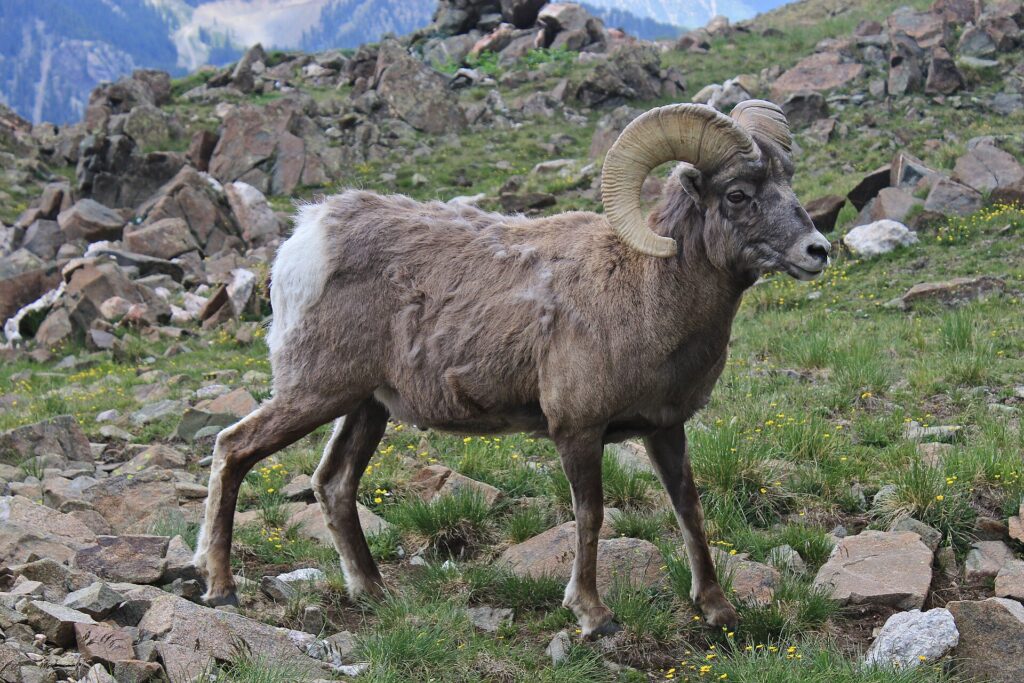
A bighorn ram’s curled horns can weigh up to about 14 kg, and rams clash heads so hard that the crack can be heard over a kilometre away.
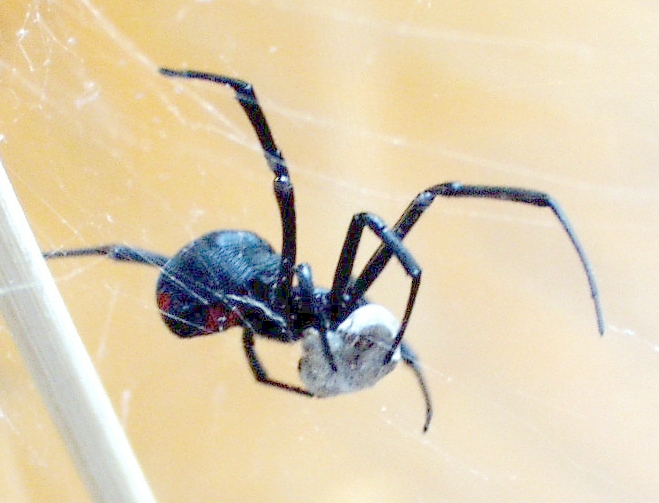
A black widow’s venom is far more potent than a rattlesnake’s, drop for drop, but it injects so little that deaths are extremely rare.
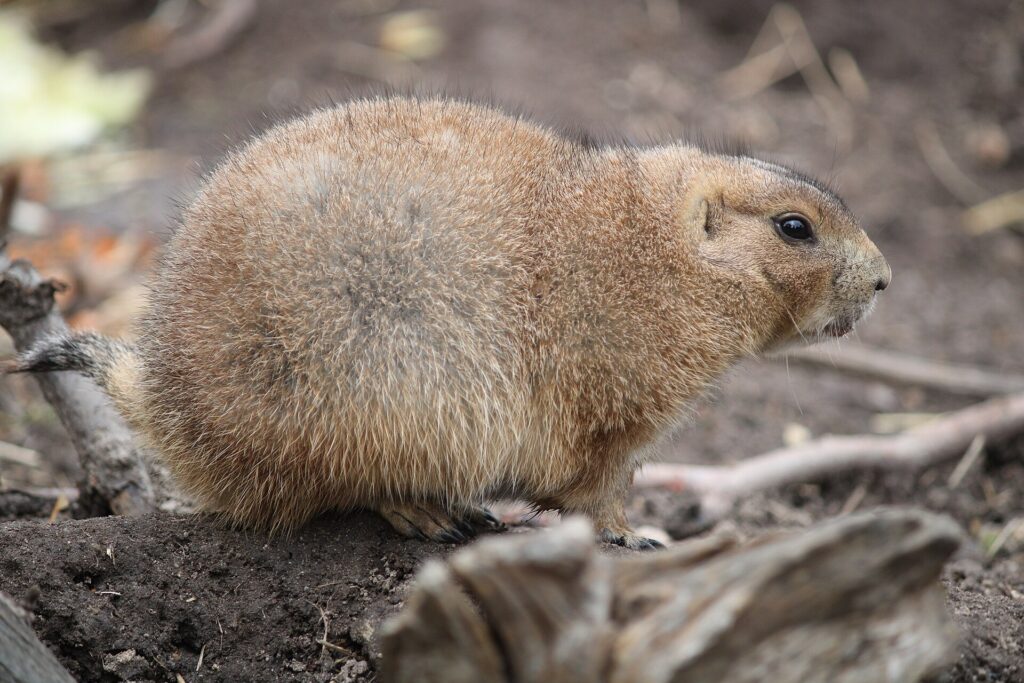
Prairie dog alarm calls are so detailed that they appear to describe a predator’s type, size and even colour.
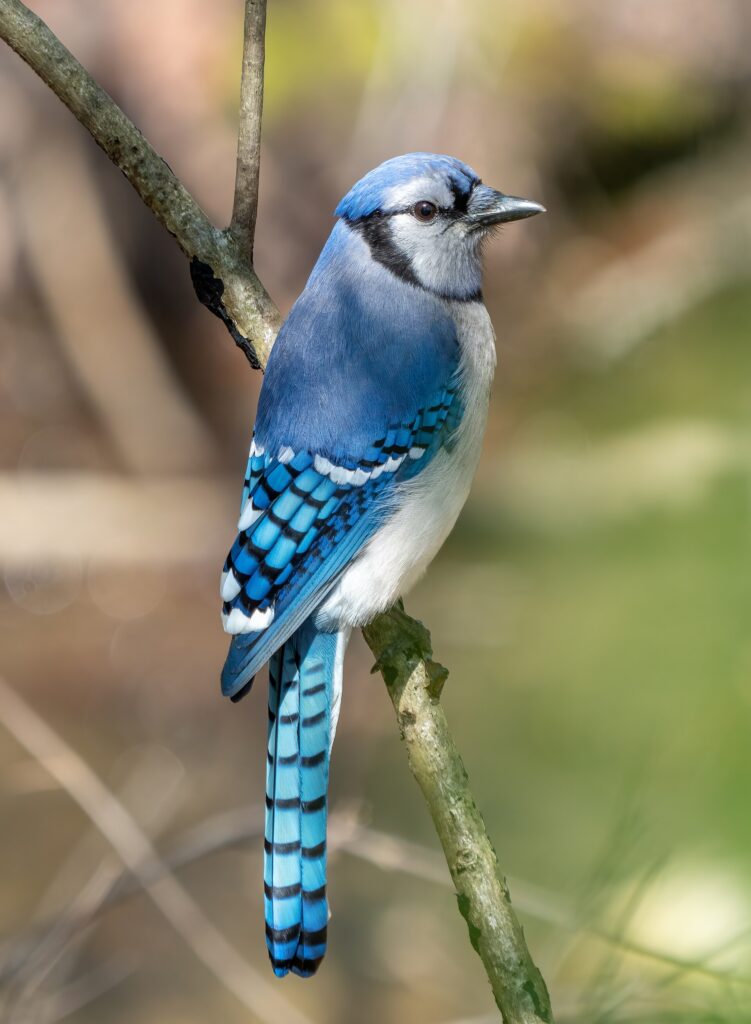
By burying thousands of acorns and forgetting some, blue jays may have helped oak forests spread north after the last Ice Age.
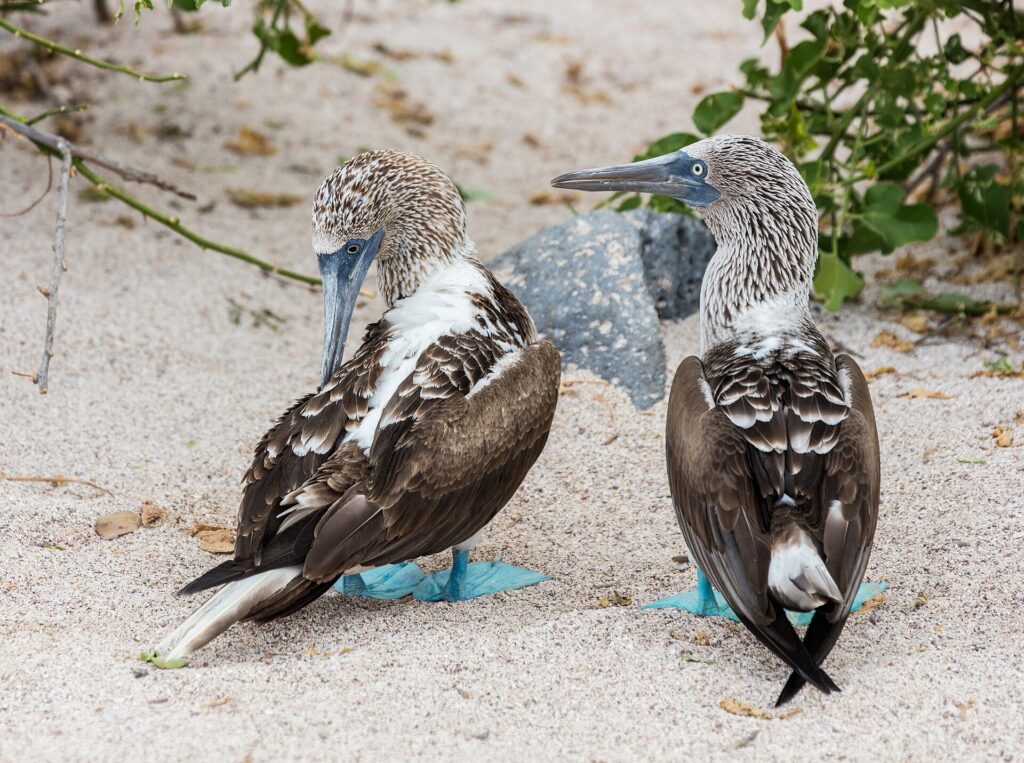
The bright blue of a booby’s feet comes from pigments in fresh fish, so brighter feet signal a healthier, better-fed partner.
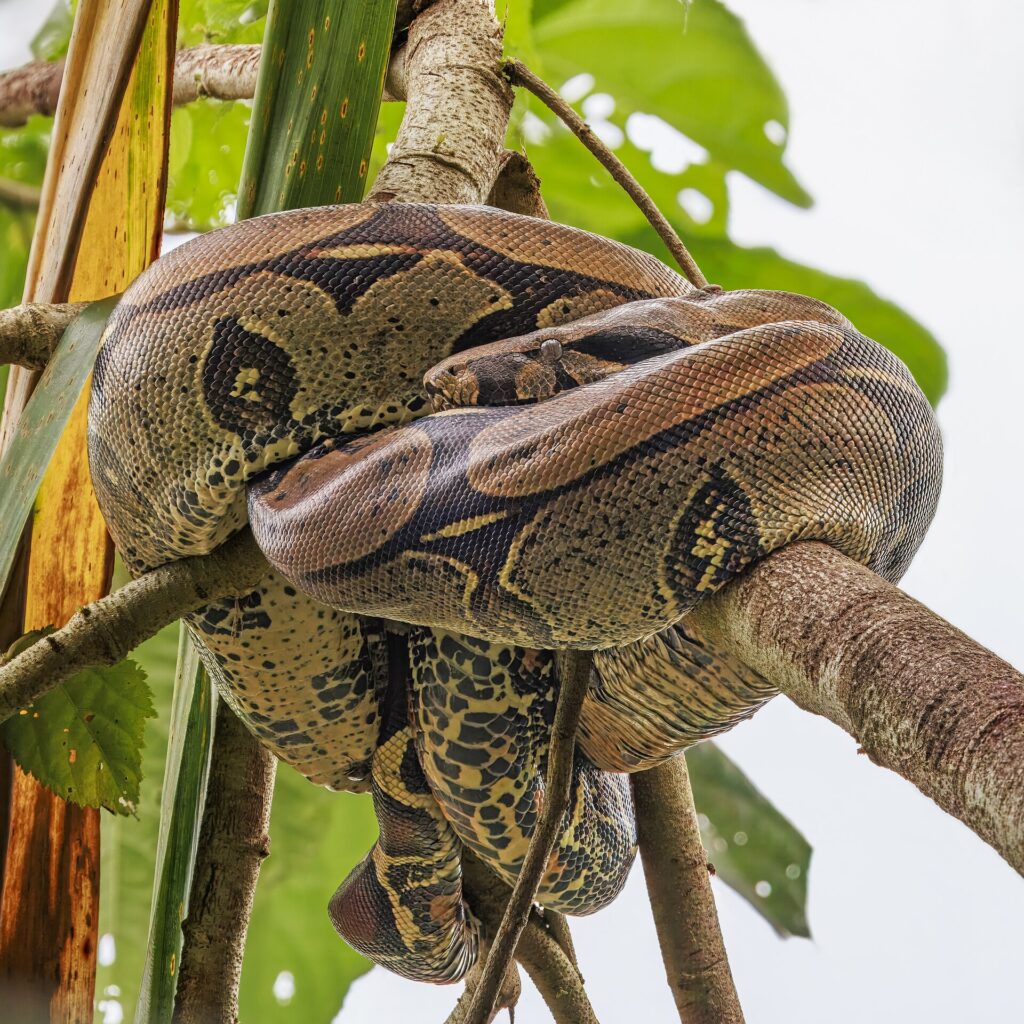
A boa constrictor kills its prey by stopping its blood flow as it squeezes, not by suffocation as people long believed.