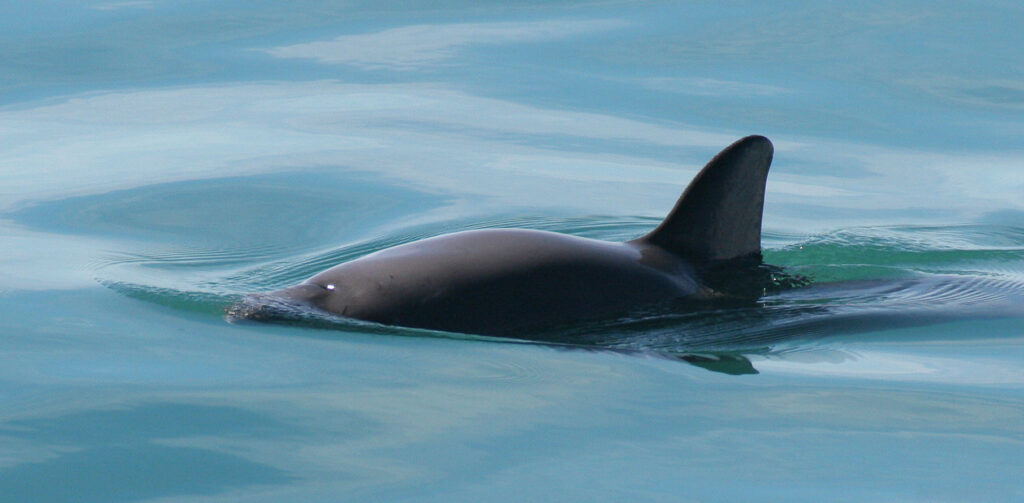
Vaquita
The vaquita is the world’s rarest marine mammal: recent surveys have estimated only around ten individuals left.
The vaquita is the world’s rarest marine mammal: recent surveys have estimated only around ten individuals left.
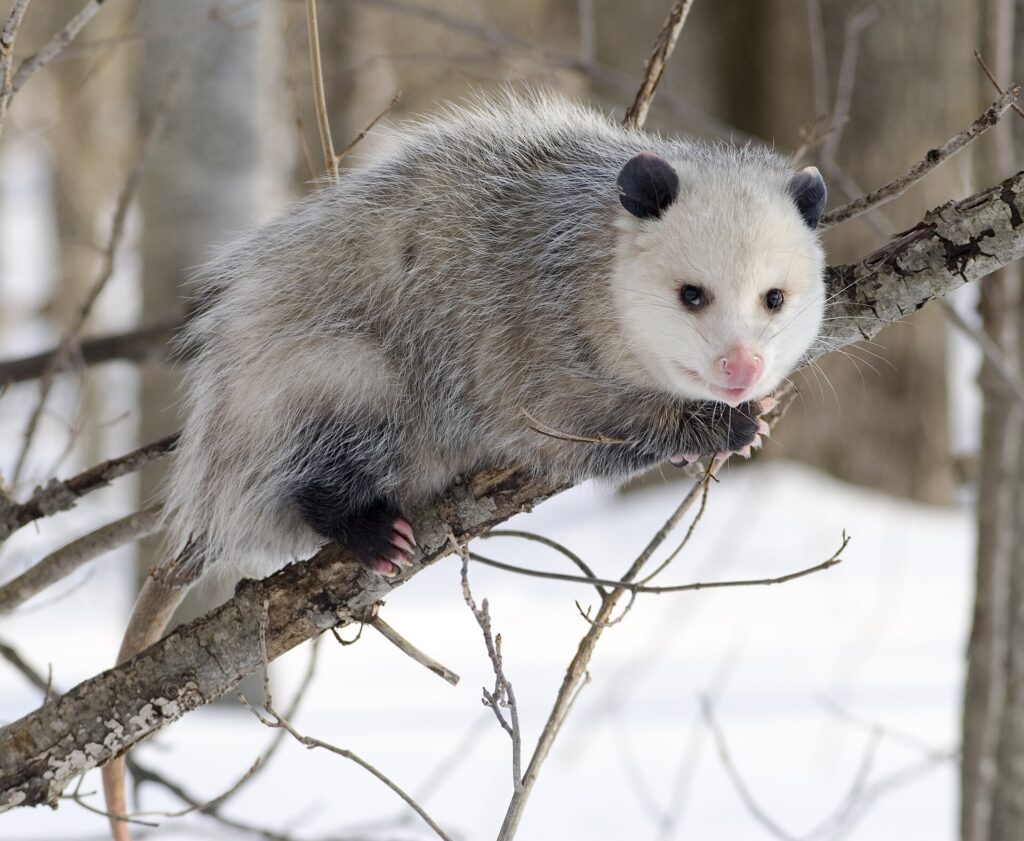
When badly frightened, an opossum may ‘play dead’, falling limp with its mouth open and giving off a foul smell for minutes or even hours.
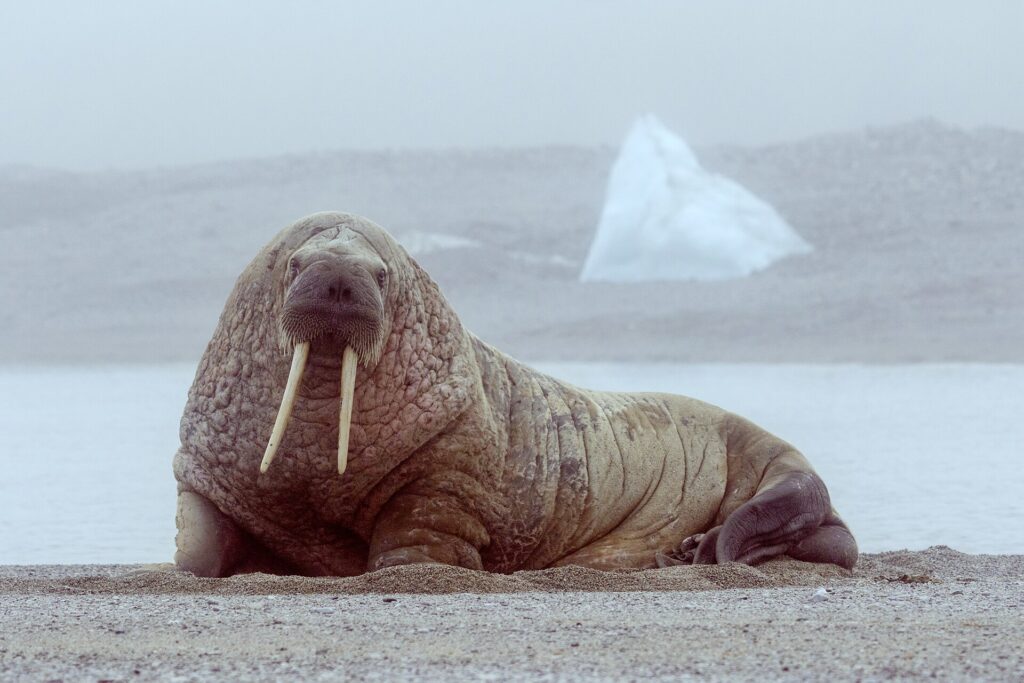
A walrus finds clams on the dark seafloor with hundreds of sensitive whiskers, then sucks the soft body out of the shell with powerful suction.
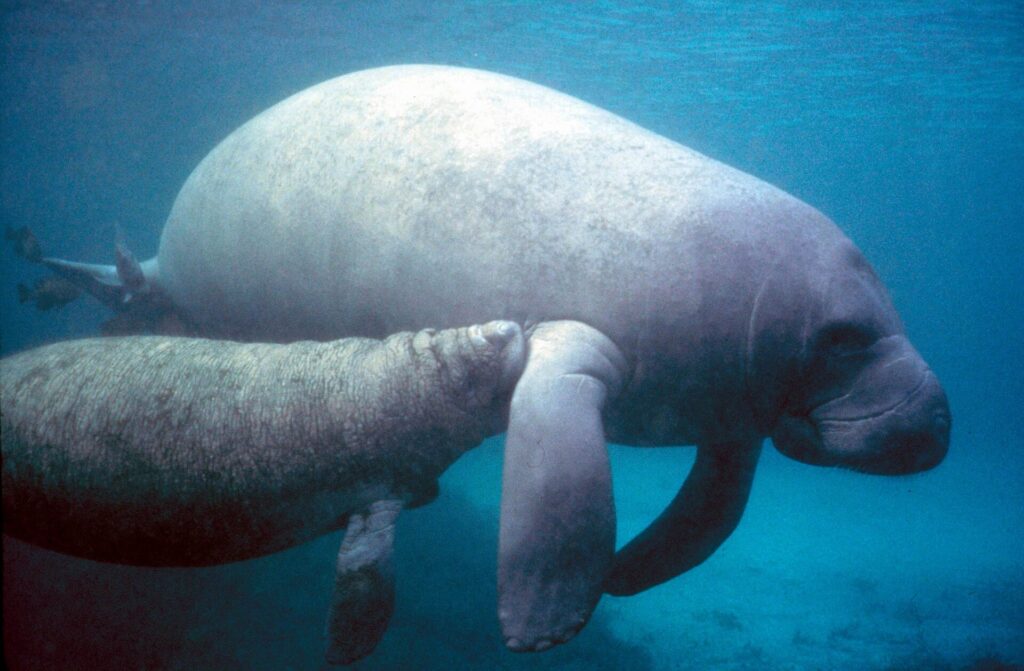
A manatee eats about a tenth of its body weight in plants every day, and its teeth are constantly replaced from the back of the jaw as they wear down.
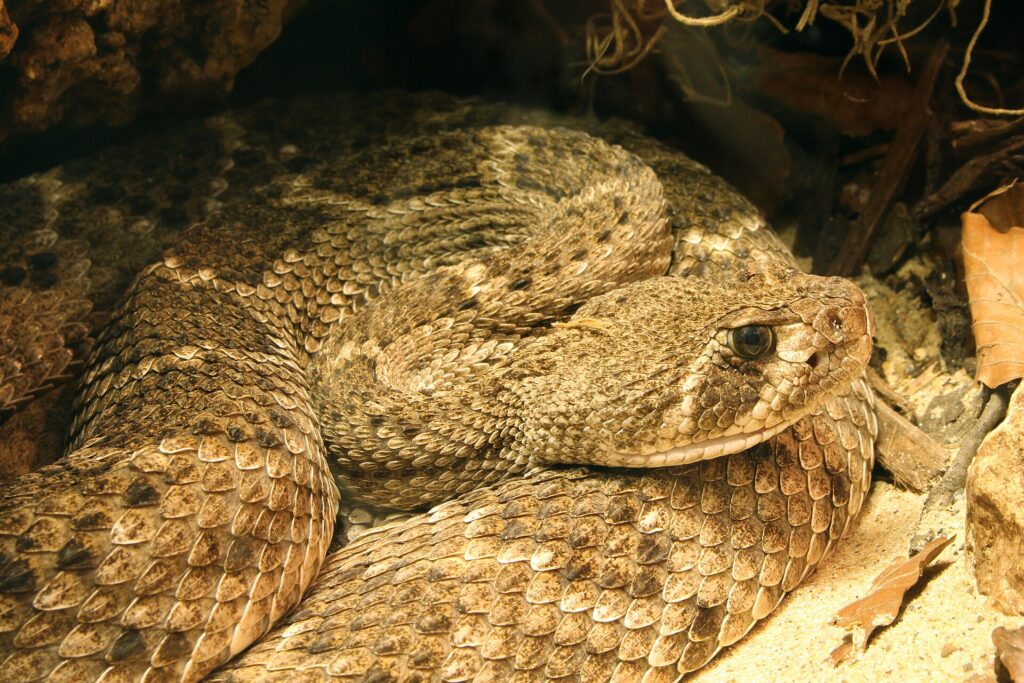
When someone approaches, a rattlesnake suddenly switches its rattle to a higher frequency, which tricks the listener into thinking the snake is closer than it is.
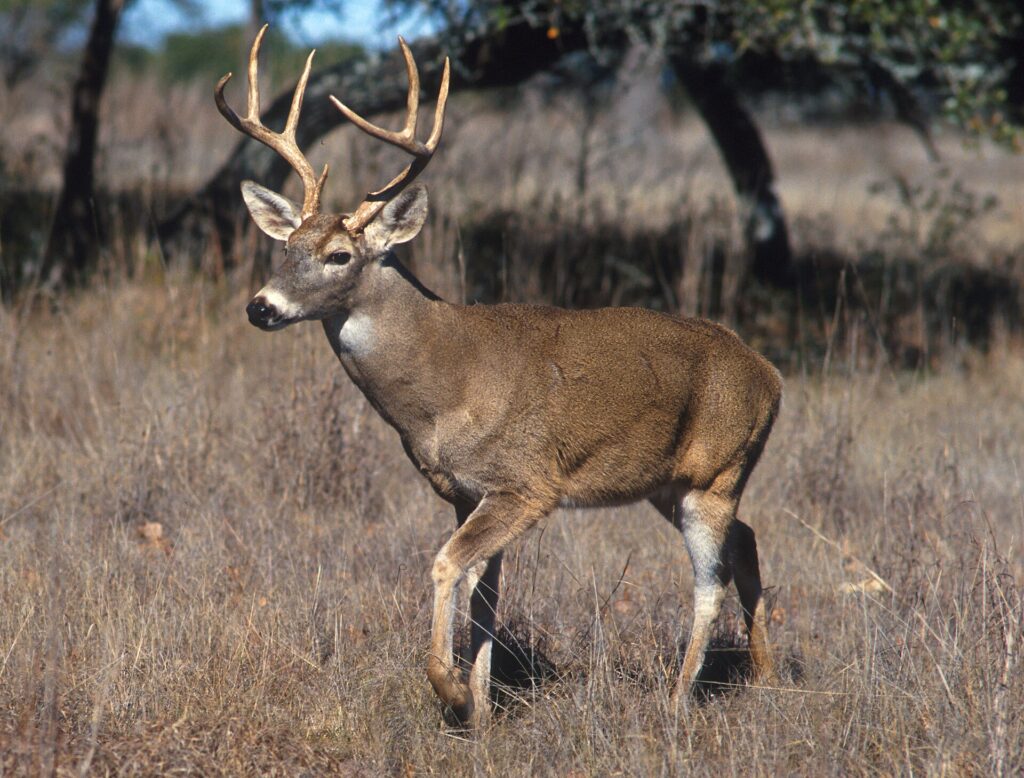
White-tailed deer were reduced to fewer than half a million in the United States around 1900; today there are around 30 million.
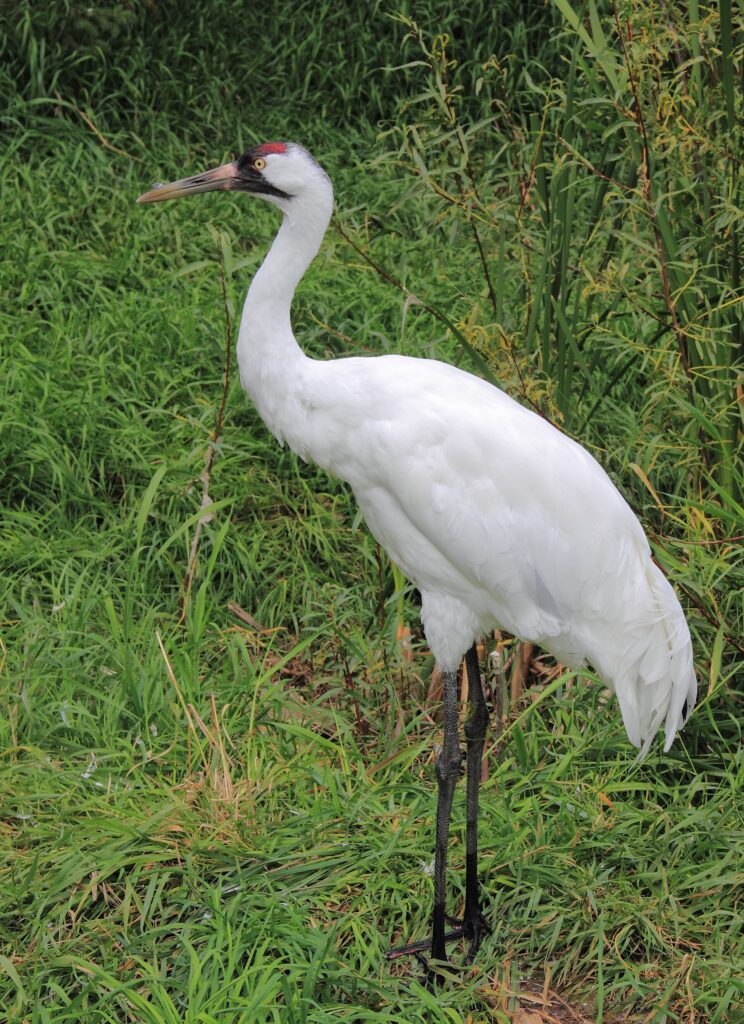
In 1941, only about 21 whooping cranes survived; today the only natural wild flock has grown to more than 500 birds.
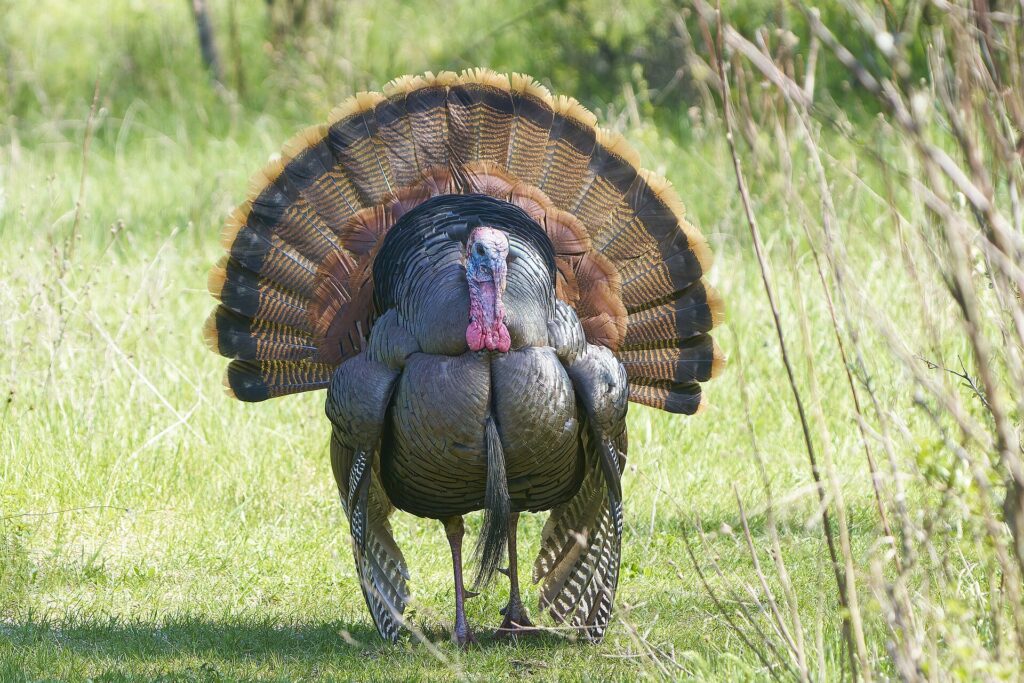
Wild turkeys were reduced to a few tens of thousands in the early 1900s; thanks to protection and reintroduction, there are now around six to seven million.
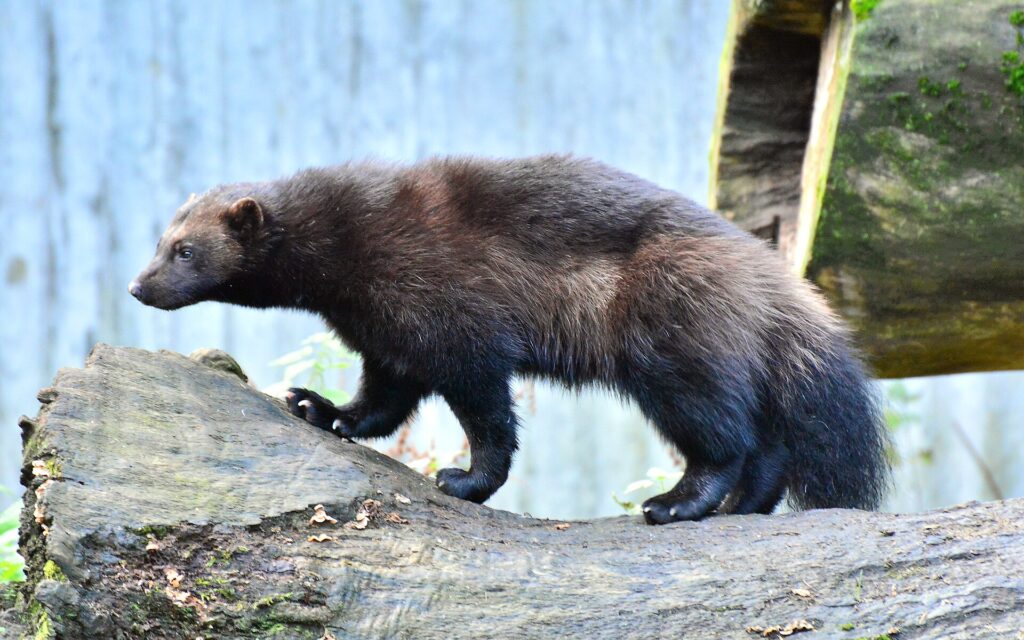
Wolverines can travel huge distances: one young male walked more than 800 km from Wyoming to Colorado.
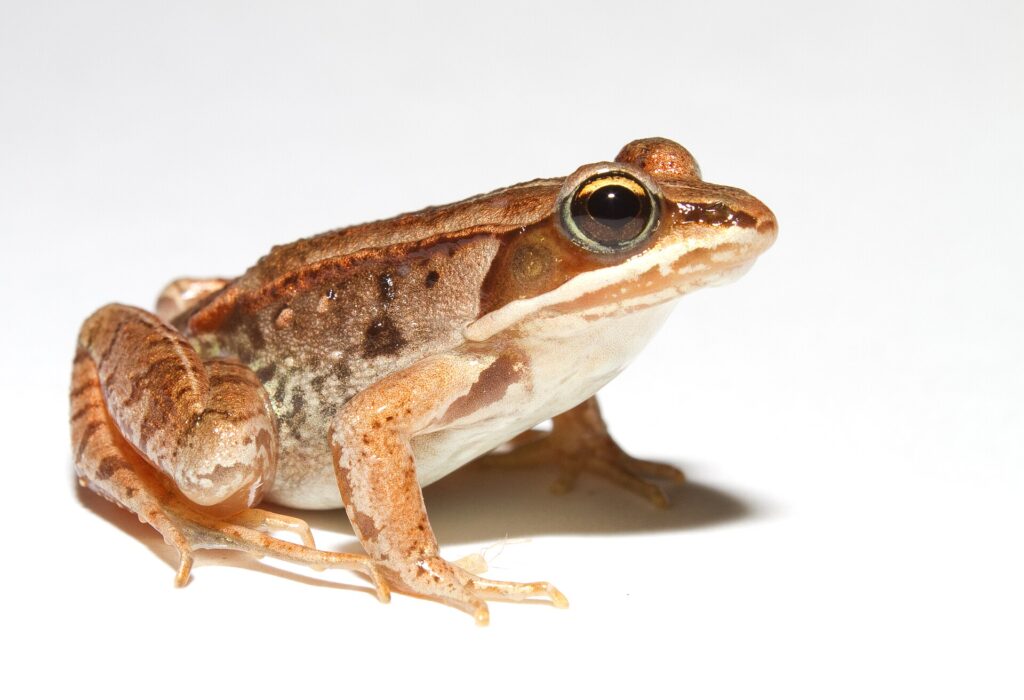
The wood frog freezes solid in winter: its heart stops and up to about two-thirds of its body water turns to ice, yet it thaws and hops away in spring.