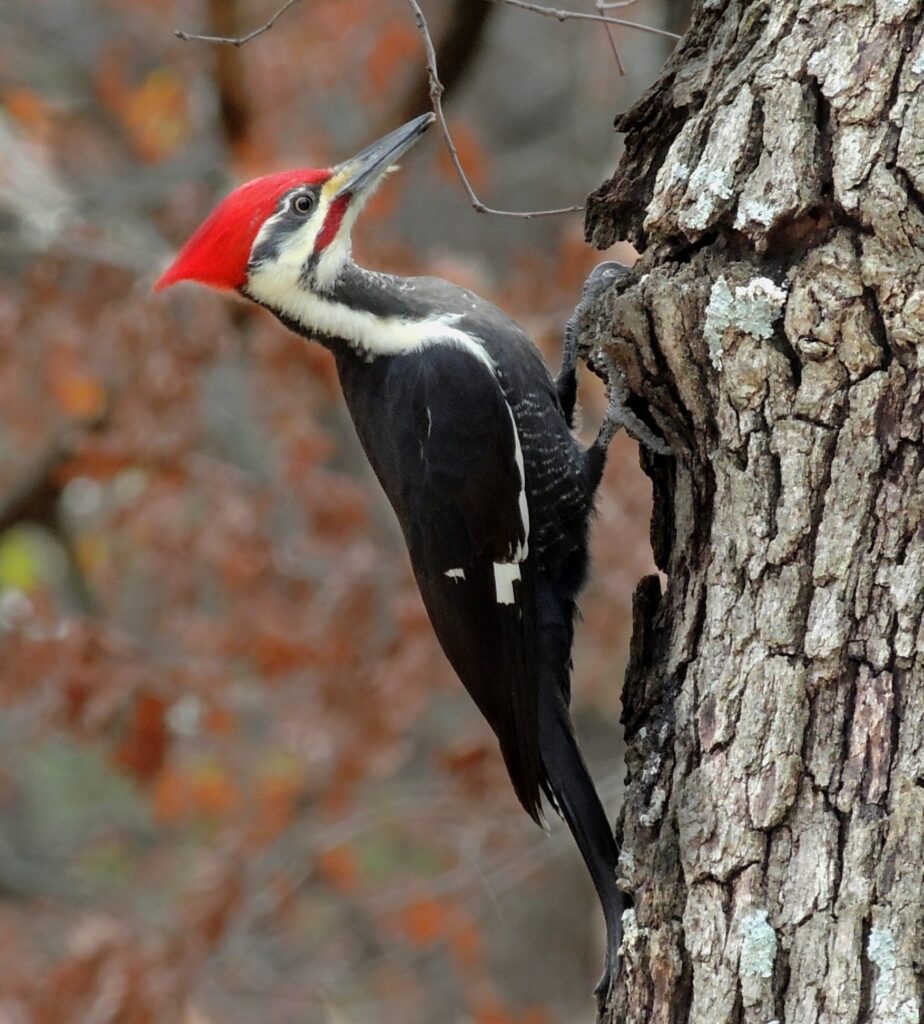
Pileated Woodpecker
Pileated woodpeckers chisel large, rectangular holes into trees to reach carpenter ants, and their old holes become homes for owls, ducks, bats and other animals.
Pileated woodpeckers chisel large, rectangular holes into trees to reach carpenter ants, and their old holes become homes for owls, ducks, bats and other animals.
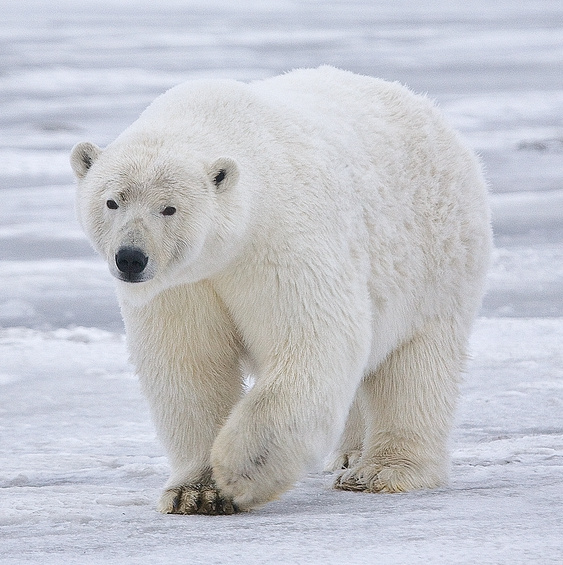
A polar bear’s fur is not white; each hair is transparent and hollow, and its skin underneath is black.
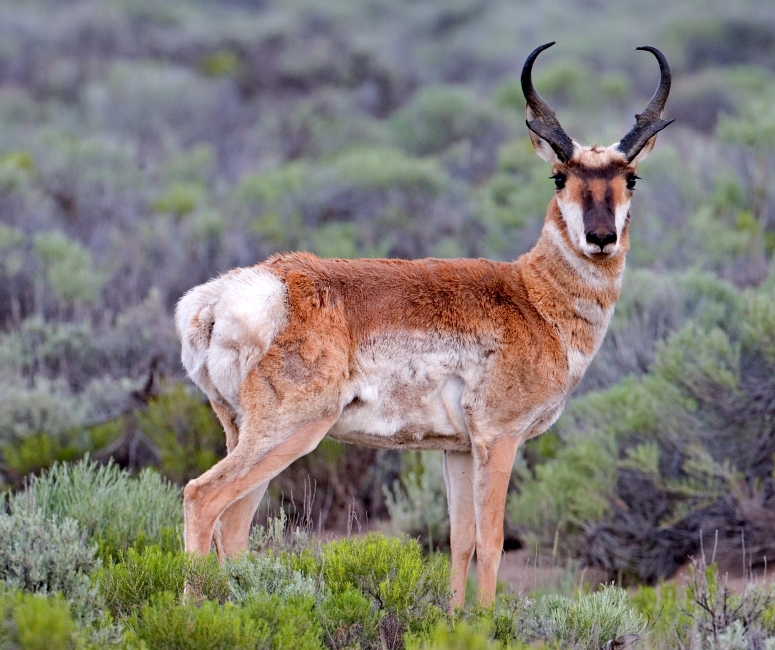
The pronghorn is the fastest land animal in the Americas and can run at high speed for longer than a cheetah.
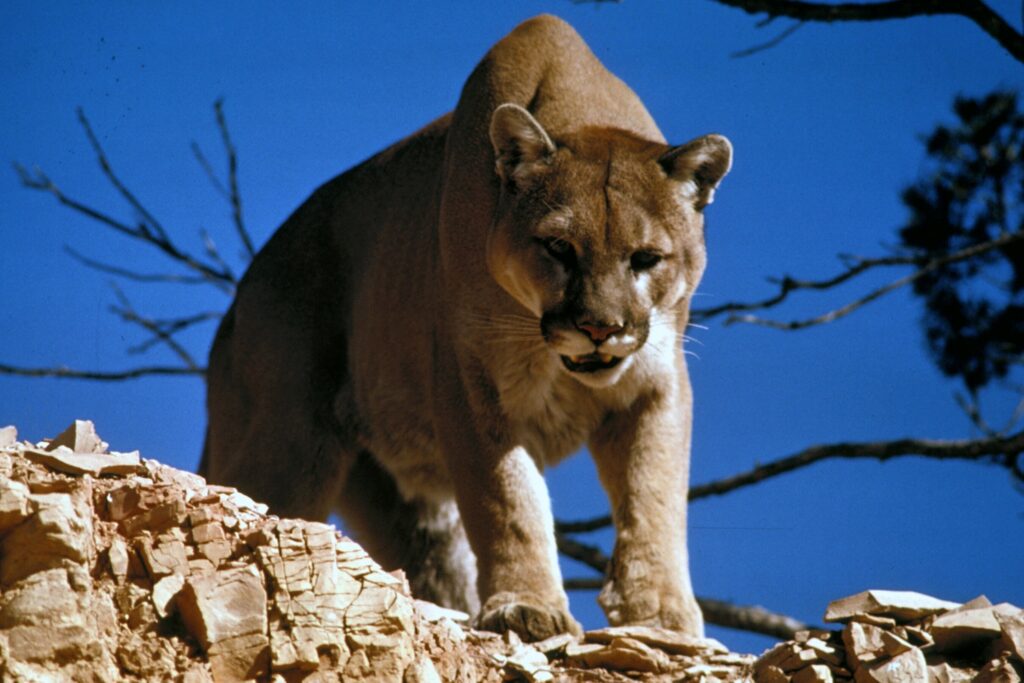
The puma holds the record for the animal with the most names: more than 40 in English alone, including cougar, mountain lion, panther and catamount.
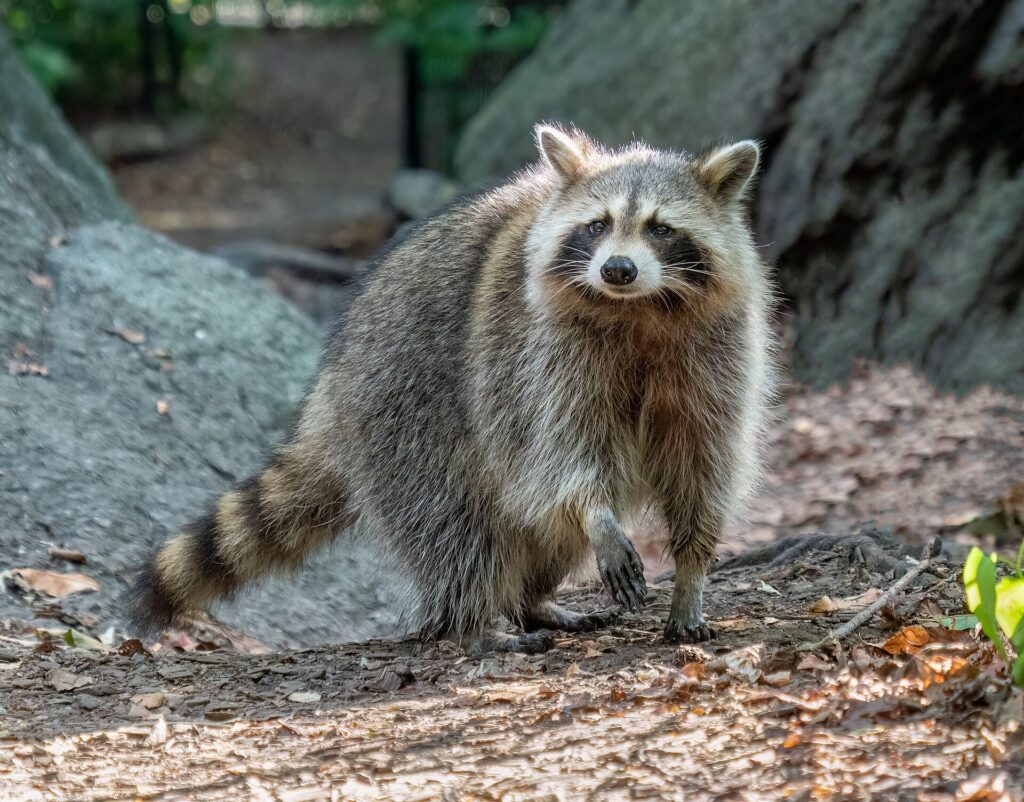
Raccoons have extremely sensitive front paws, and wetting their paws makes them even more sensitive, which is why they often ‘wash’ their food.
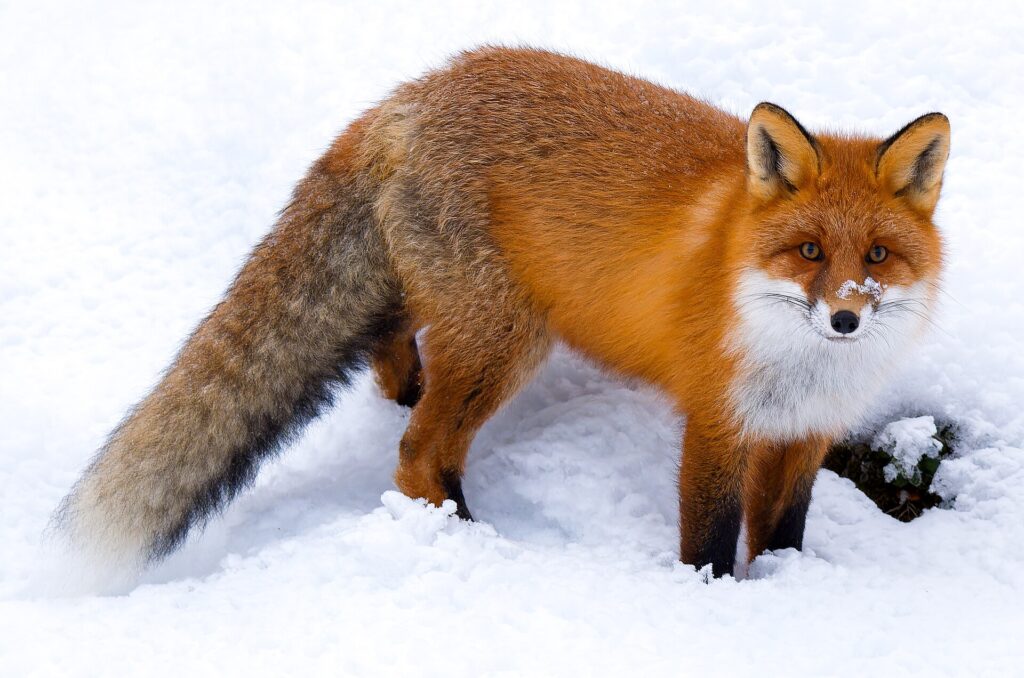
The red fox has the largest natural range of any wild carnivore on Earth, spanning North America, Europe, Asia and North Africa.
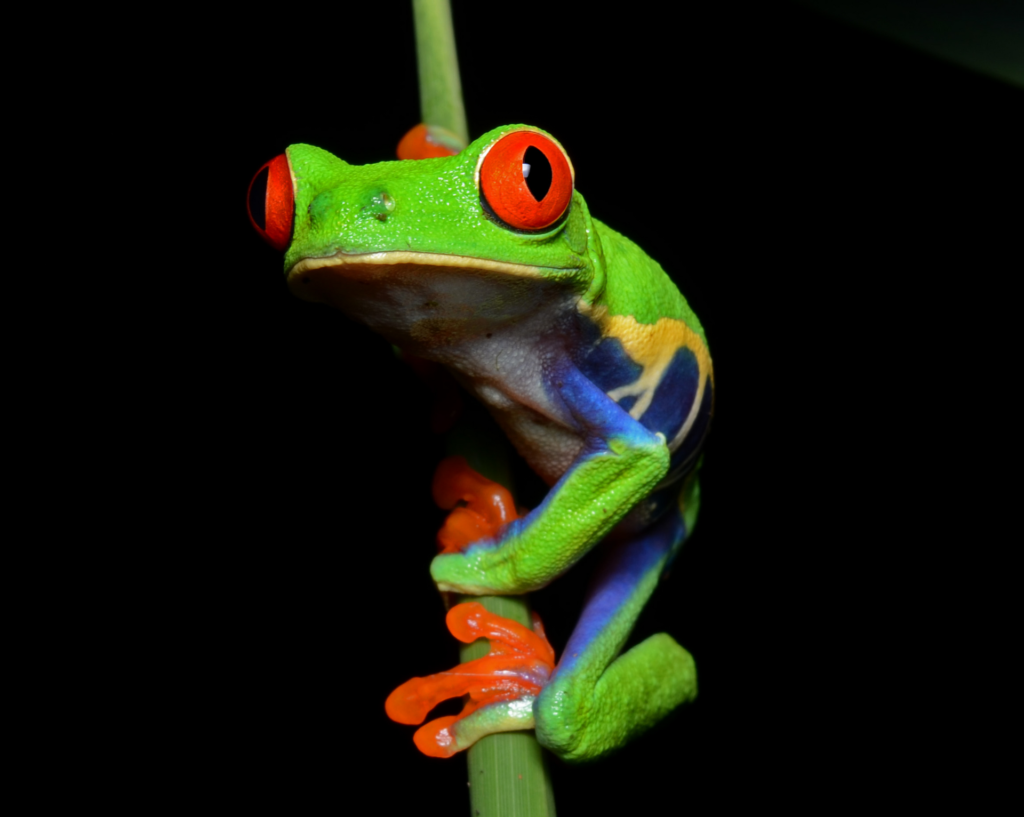
Red-eyed tree frog embryos can hatch early, within seconds, if they sense the vibrations of a snake attacking their egg clutch.
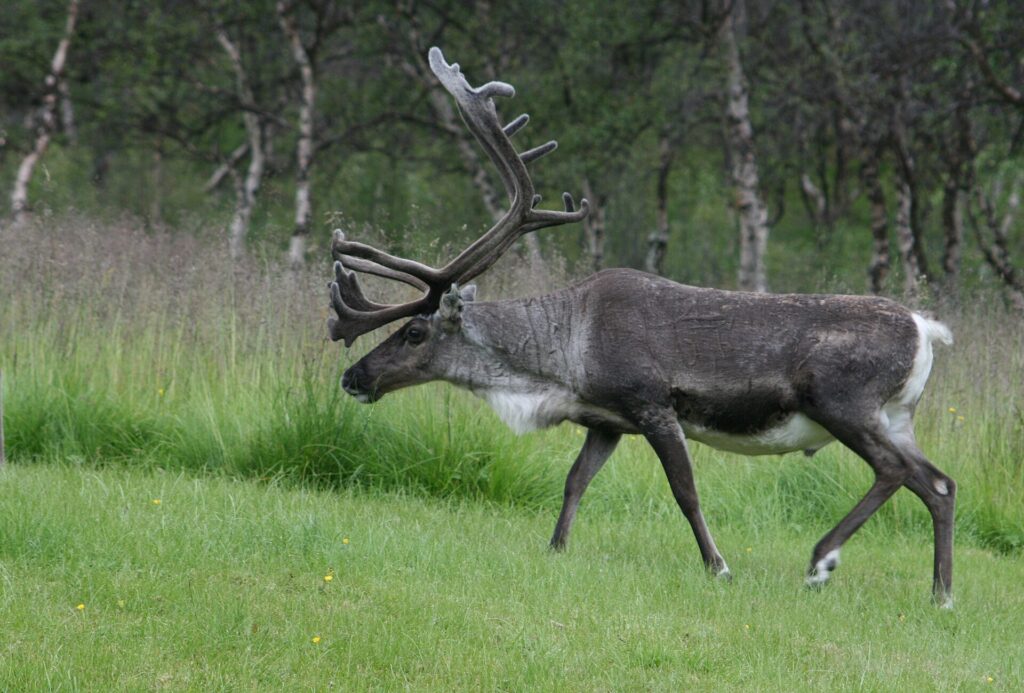
Reindeer eyes change colour with the seasons, from golden in the Arctic summer to deep blue in winter, which helps them see in the long polar night.
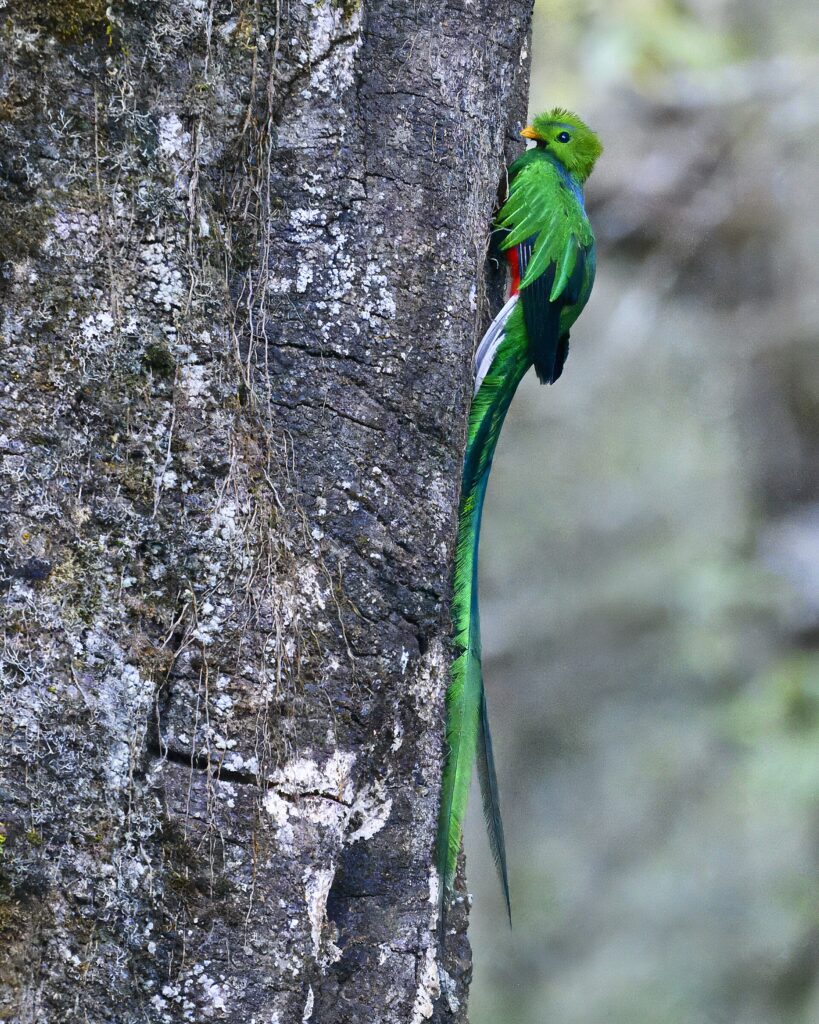
The resplendent quetzal was sacred to the Maya and Aztecs, and today Guatemala’s currency, the quetzal, is named after it.
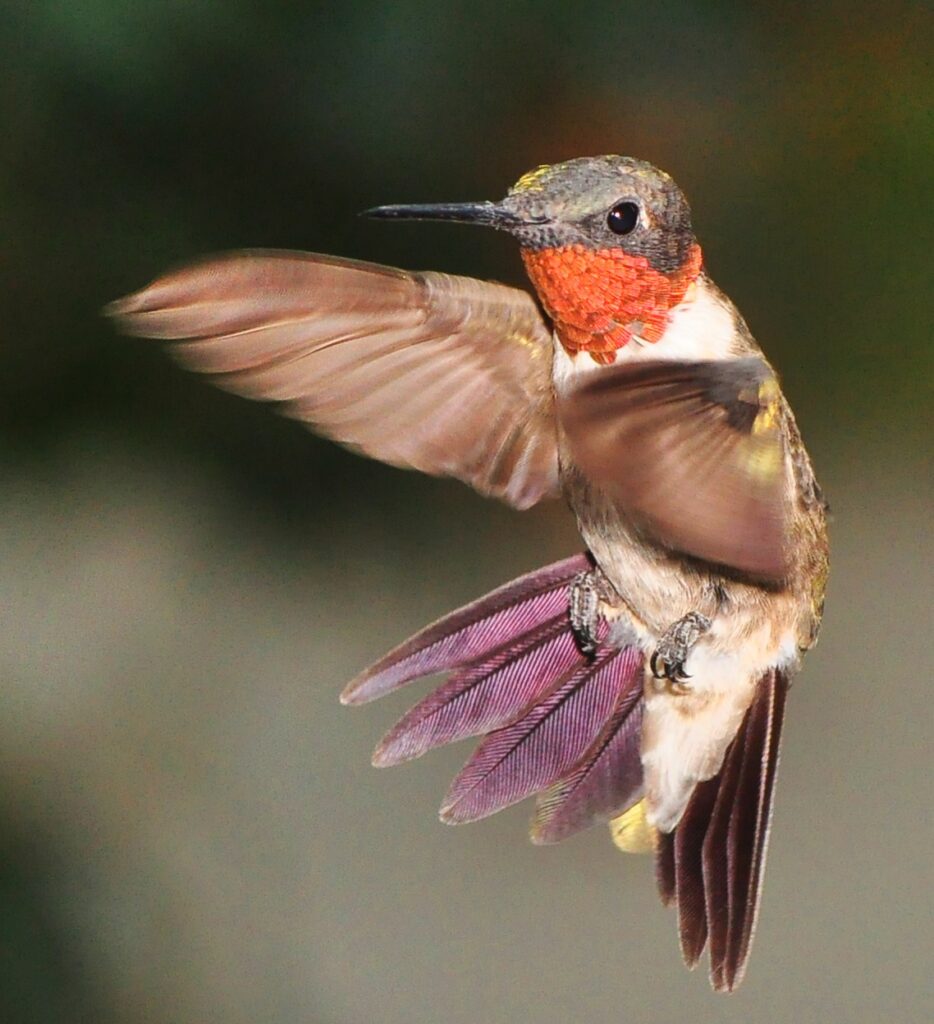
Many ruby-throated hummingbirds fly nonstop across the Gulf of Mexico, about 800 km, after doubling their body weight with fat.
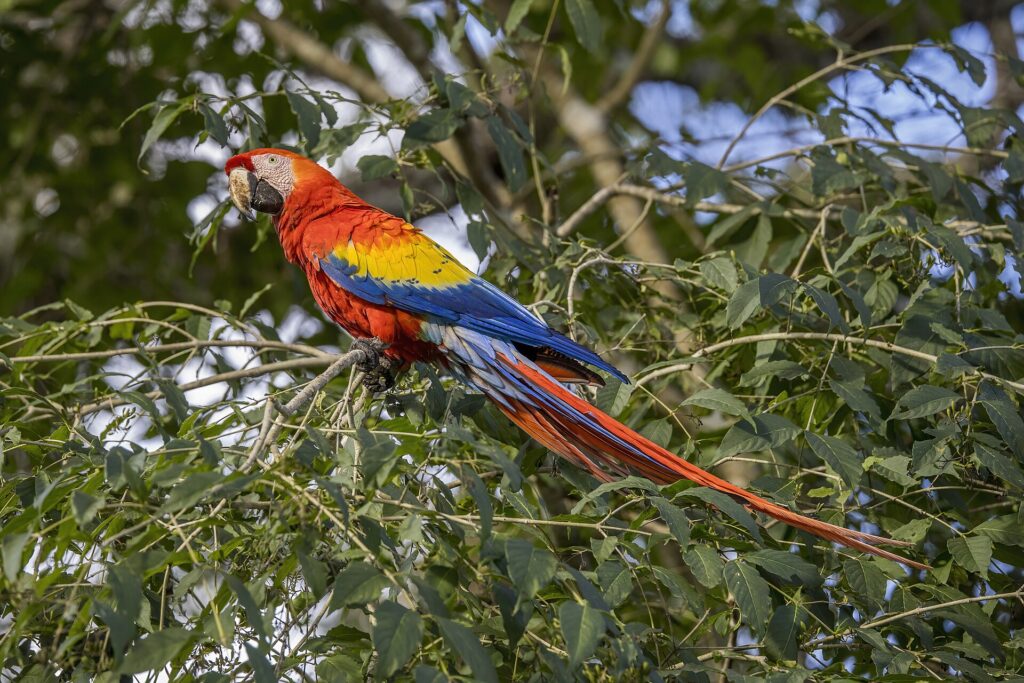
Scarlet macaws gather in noisy flocks at riverbank clay licks, where eating clay may provide sodium and help neutralise toxins in seeds.
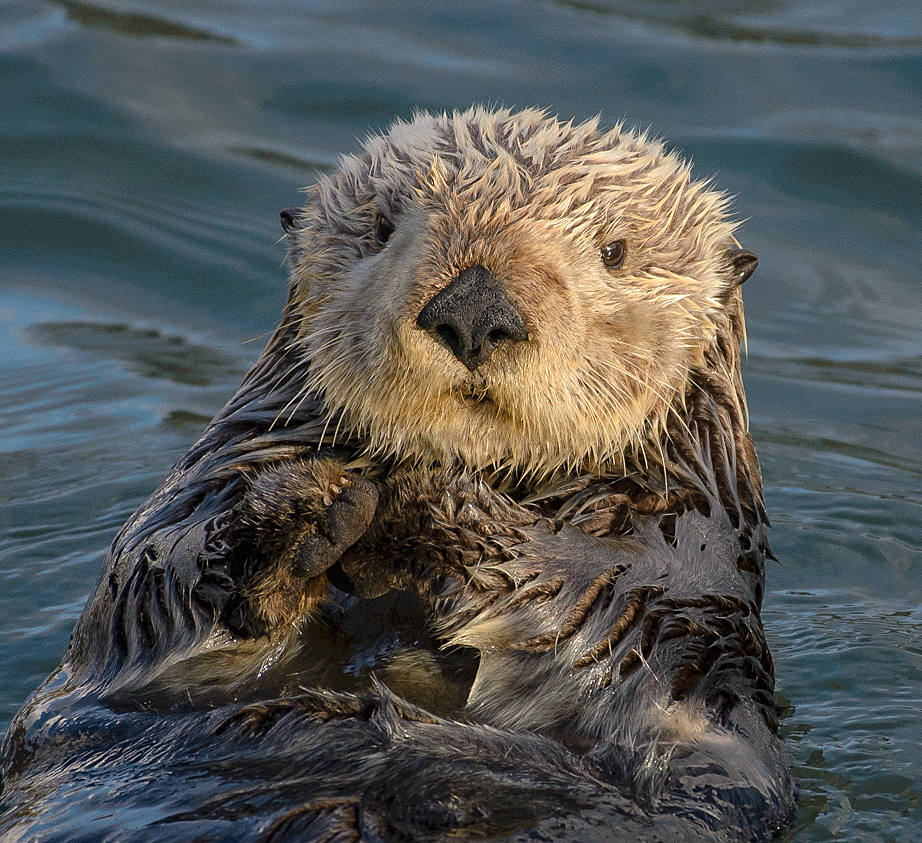
Sea otters have the densest fur of any animal, up to about a million hairs per square inch, which keeps them warm without blubber.
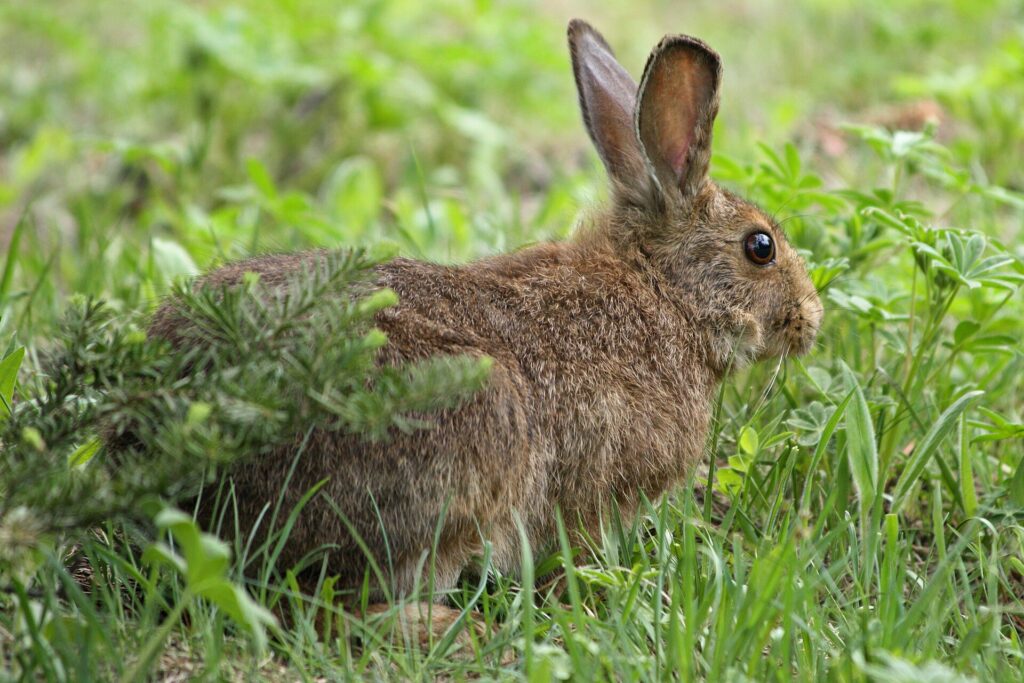
Snowshoe hares turn white in winter and brown in summer, but as snow seasons shorten, many are now white on brown ground, where predators can easily spot them.
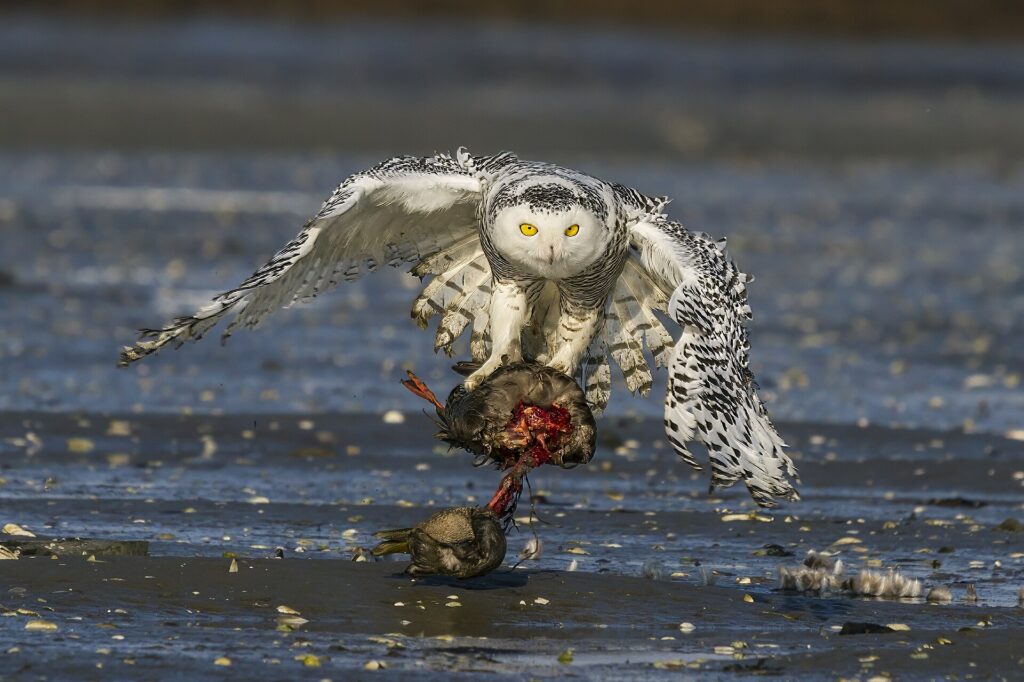
A single snowy owl can eat more than 1,600 lemmings in a year, and the number of eggs it lays depends on how many lemmings there are.
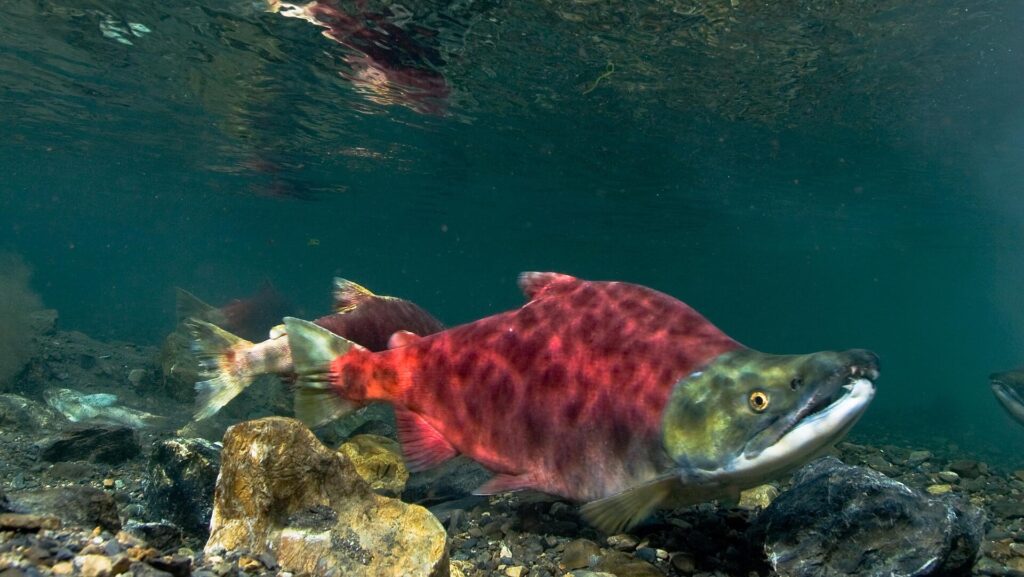
When sockeye salmon return to spawn, they turn brilliant red with green heads, and their bodies later fertilise the forests along the rivers.
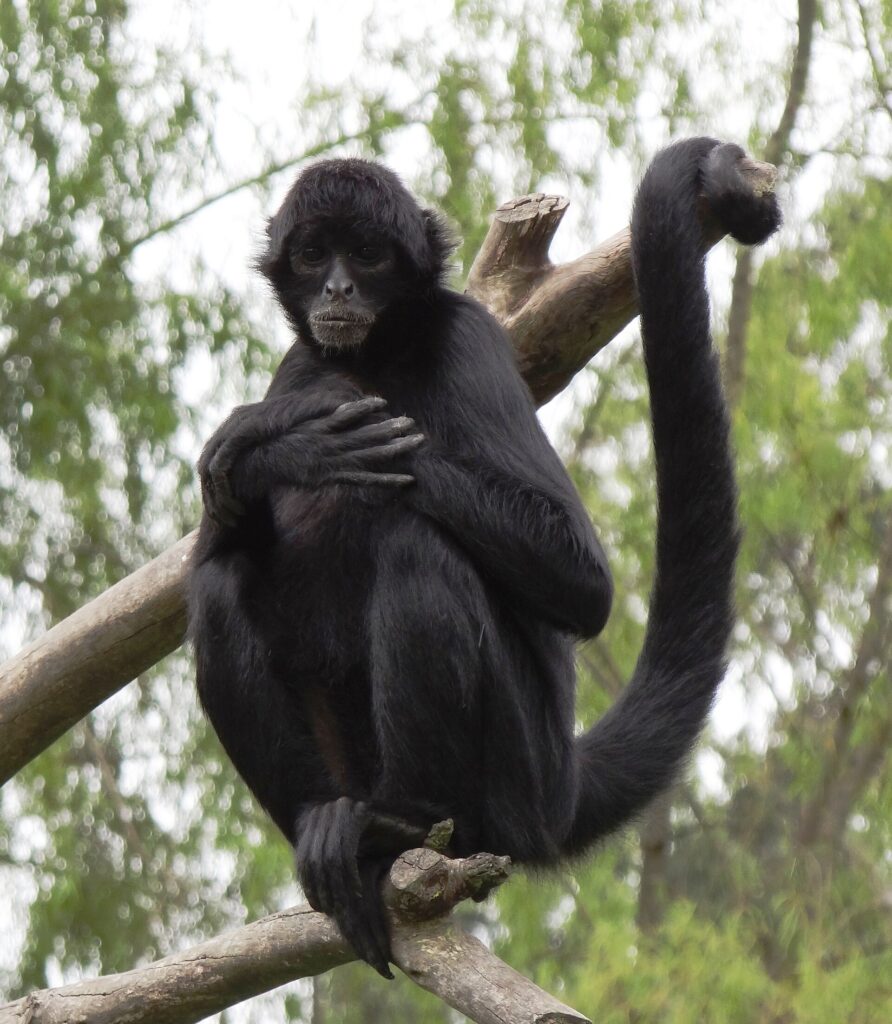
A spider monkey’s tail is like a fifth hand, with a bare, fingerprint-like patch on its underside that grips branches.
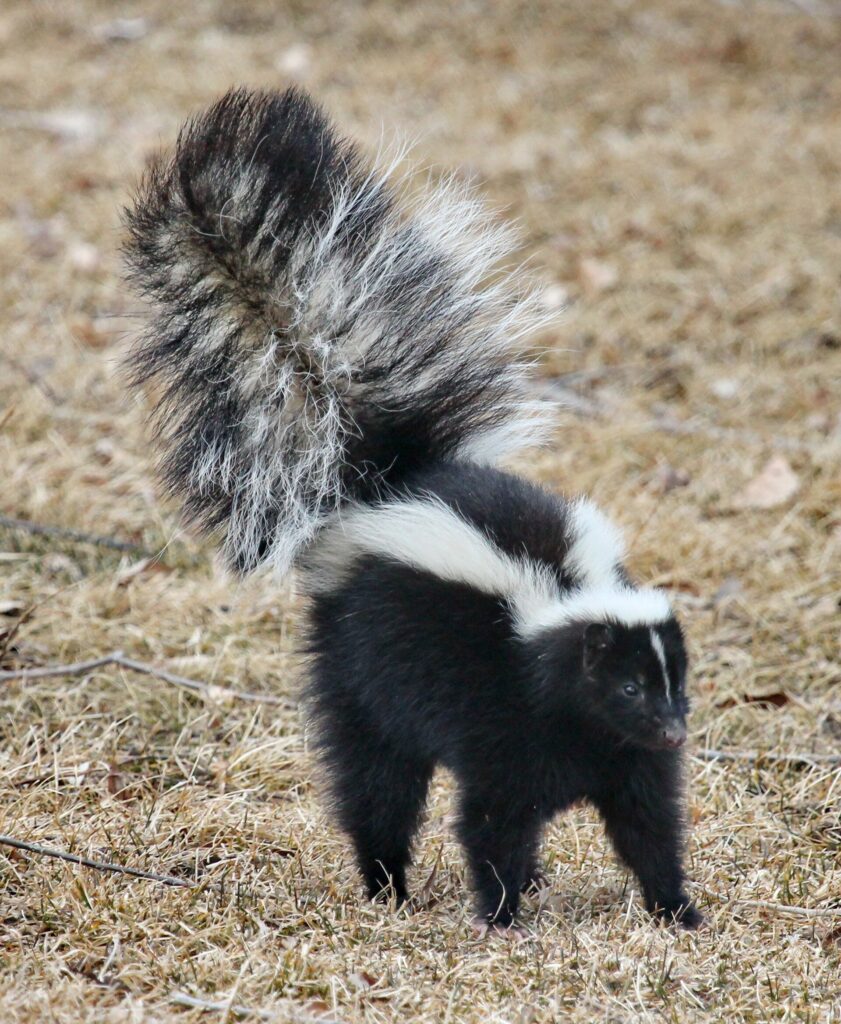
A striped skunk can spray a foul-smelling liquid accurately at attackers several metres away, and the smell can be detected more than a kilometre downwind.
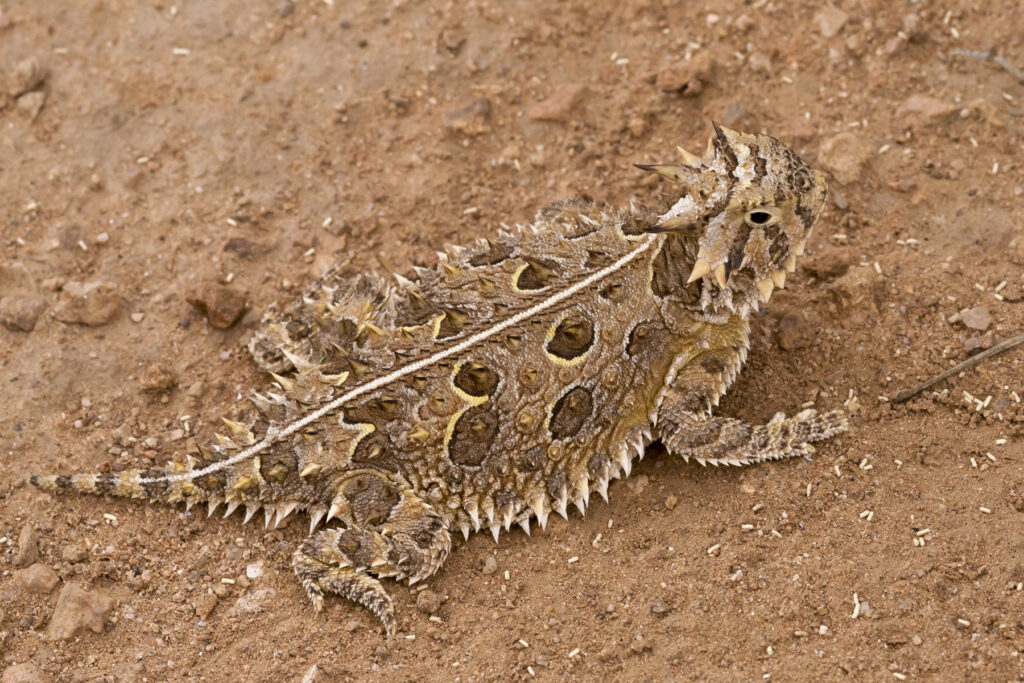
The Texas horned lizard can squirt a stream of foul-tasting blood from its eyes, up to about 1.5 metres, to drive off coyotes and dogs.

The vaquita is the world’s rarest marine mammal: recent surveys have estimated only around ten individuals left.
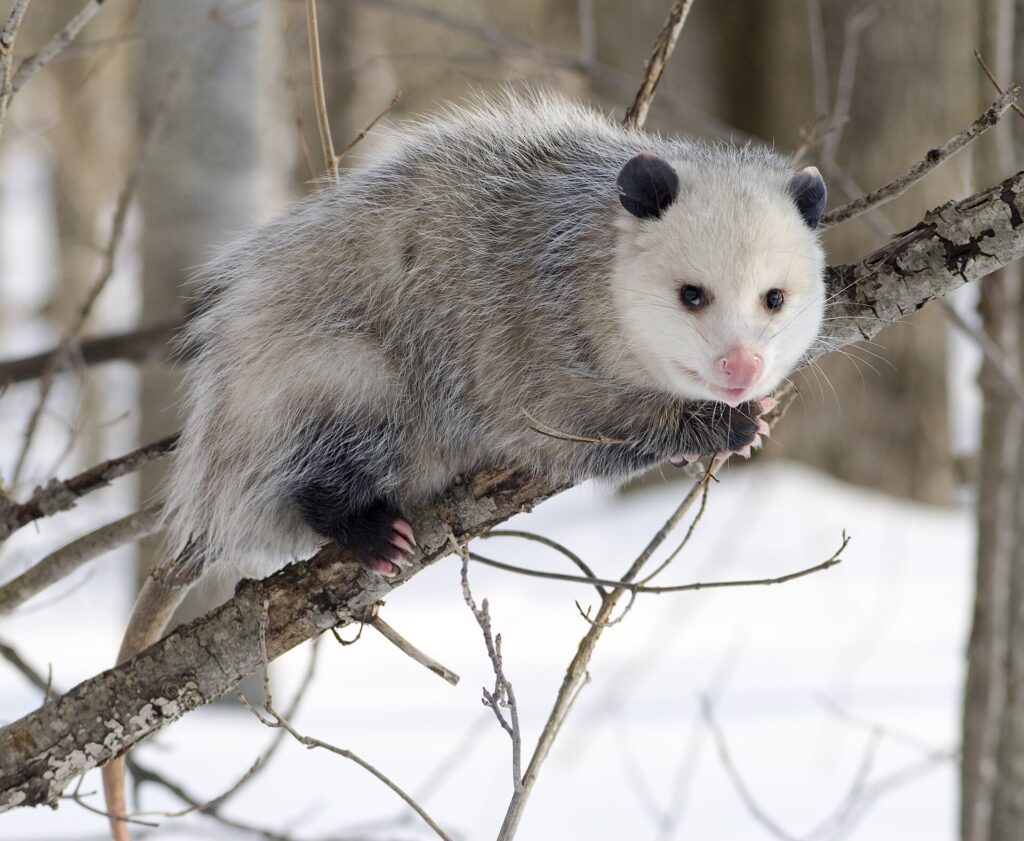
When badly frightened, an opossum may ‘play dead’, falling limp with its mouth open and giving off a foul smell for minutes or even hours.
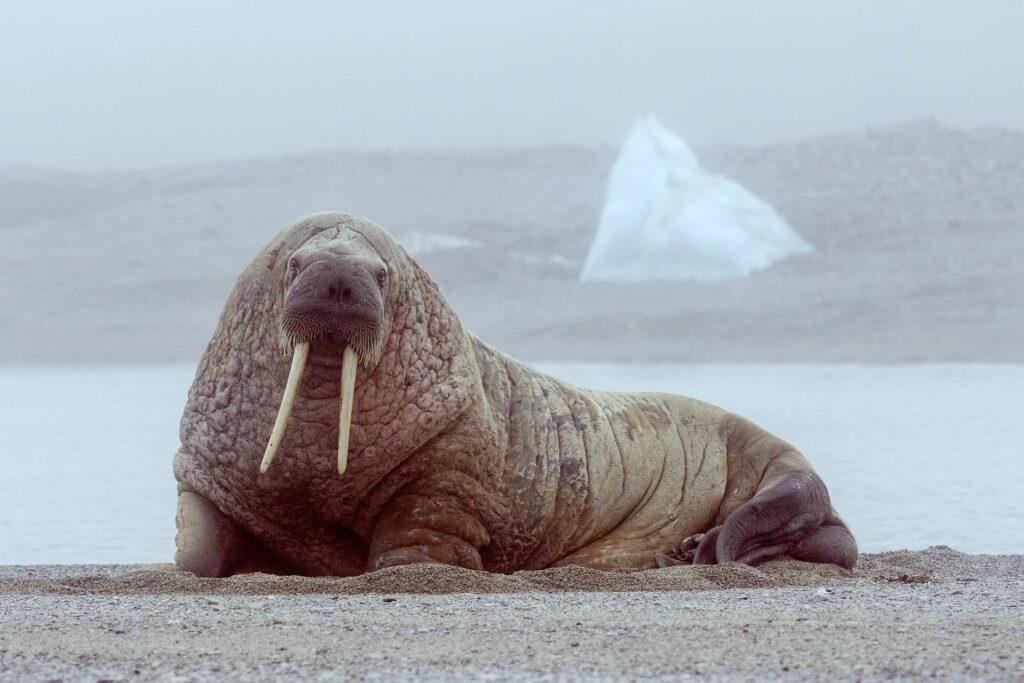
A walrus finds clams on the dark seafloor with hundreds of sensitive whiskers, then sucks the soft body out of the shell with powerful suction.
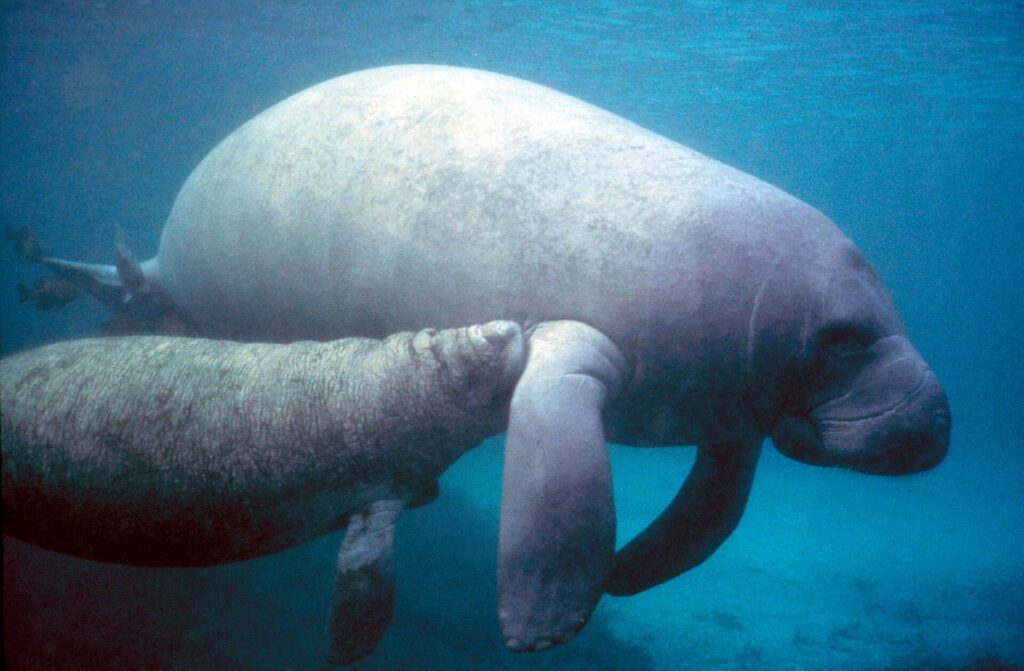
A manatee eats about a tenth of its body weight in plants every day, and its teeth are constantly replaced from the back of the jaw as they wear down.
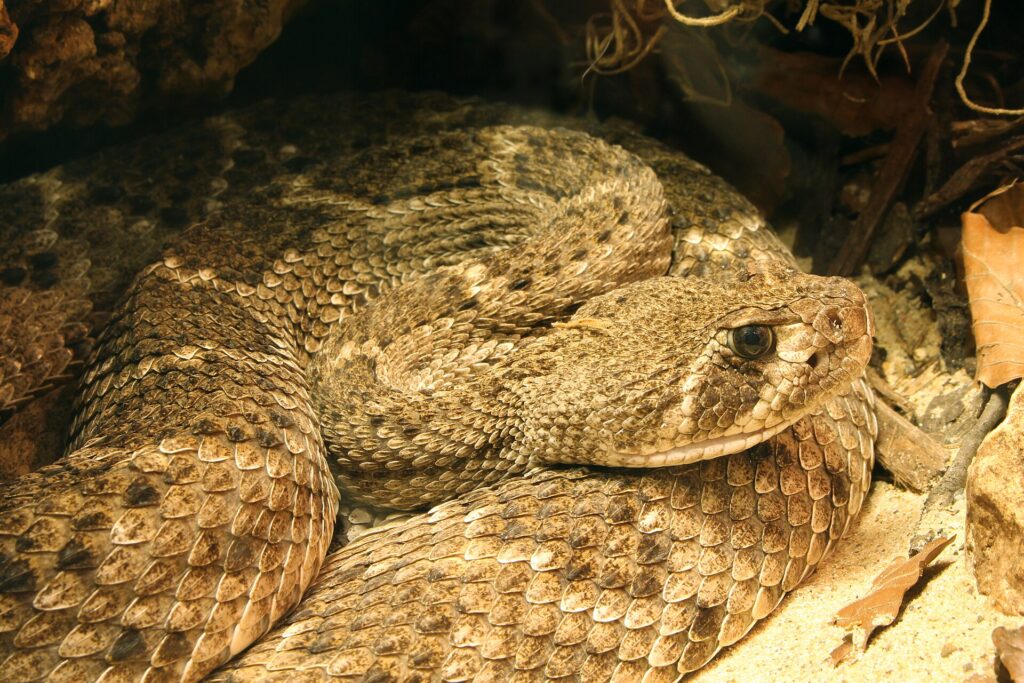
When someone approaches, a rattlesnake suddenly switches its rattle to a higher frequency, which tricks the listener into thinking the snake is closer than it is.
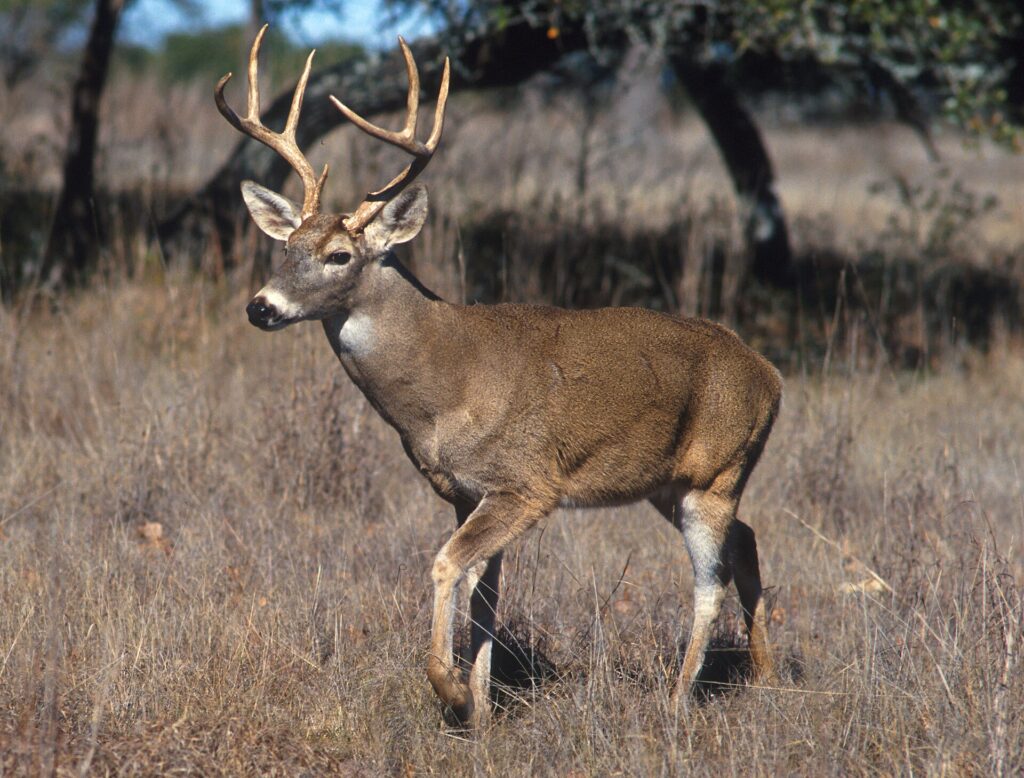
White-tailed deer were reduced to fewer than half a million in the United States around 1900; today there are around 30 million.