Giant Anteater
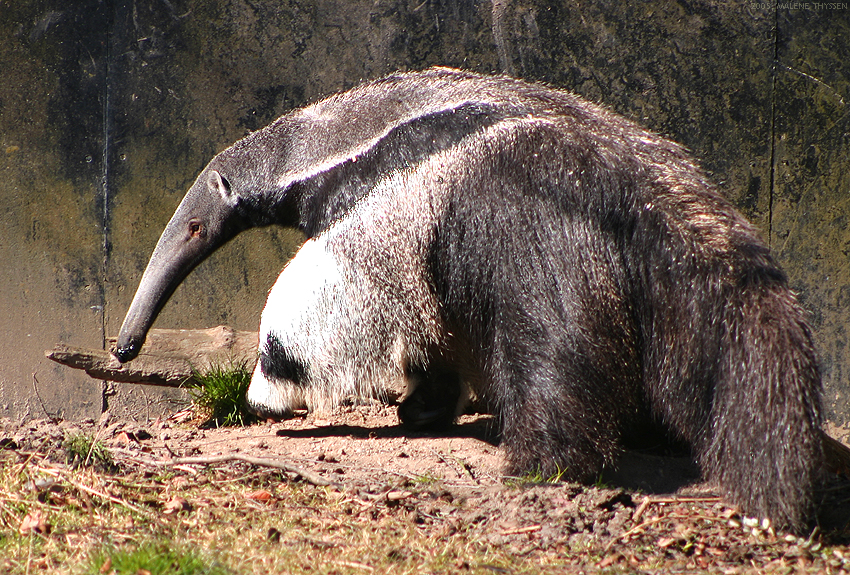
A giant anteater’s sticky tongue can be about 60 cm long and flick in and out up to about 150 times a minute.
A giant anteater’s sticky tongue can be about 60 cm long and flick in and out up to about 150 times a minute.
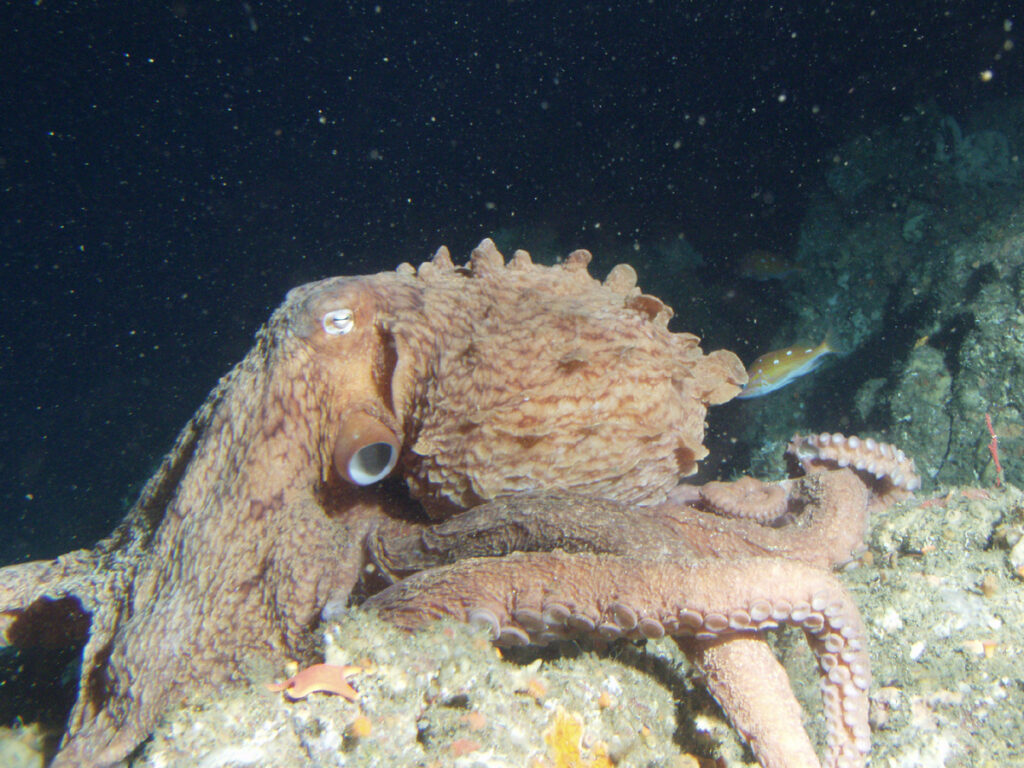
Giant Pacific octopuses can recognise individual people: in one aquarium study, they treated keepers differently depending on who had fed or teased them.
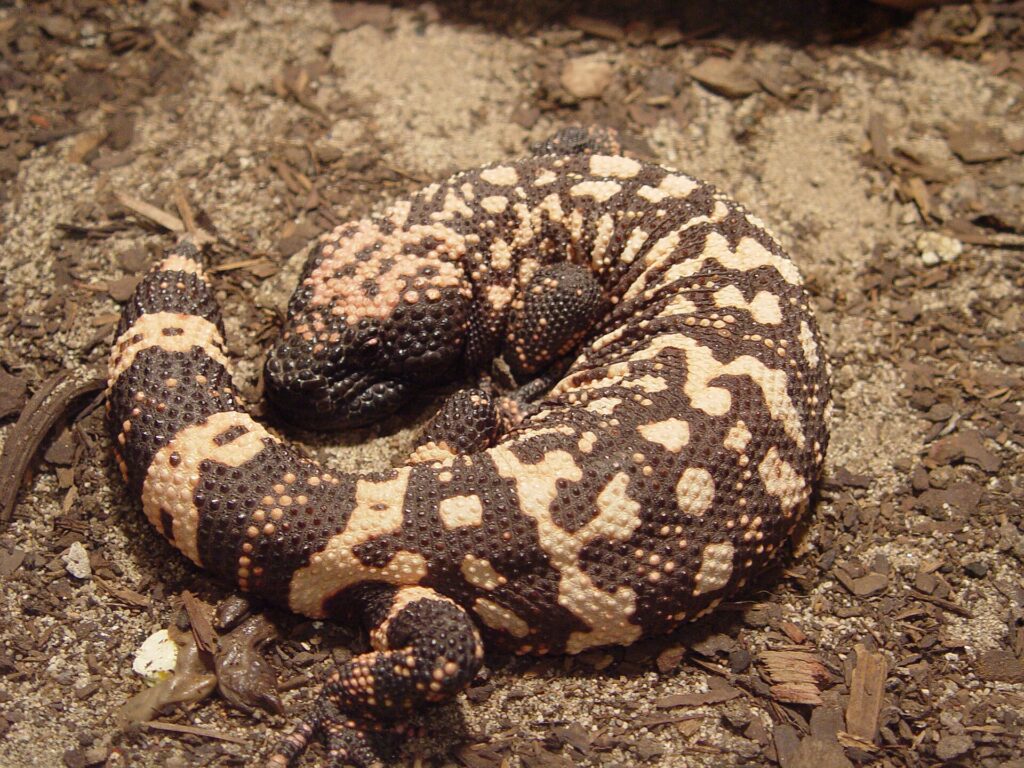
A hormone found in Gila monster saliva led to exenatide, the first of a group of modern diabetes drugs known as GLP-1 medicines.
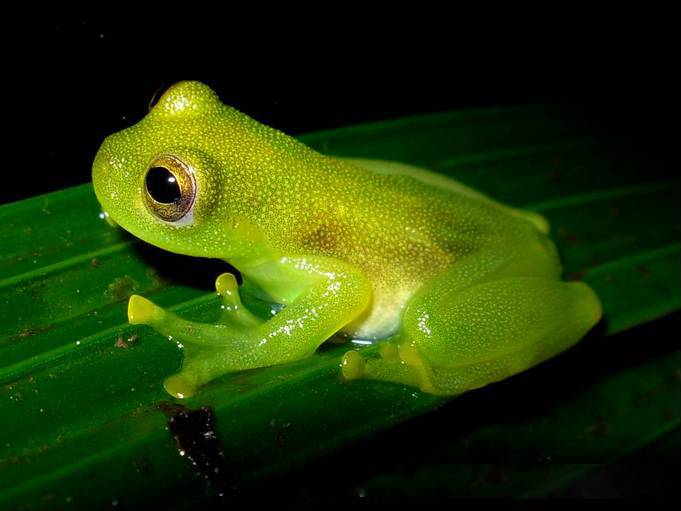
While sleeping, glass frogs hide most of their red blood cells in their liver, which makes their bodies up to about twice as transparent.
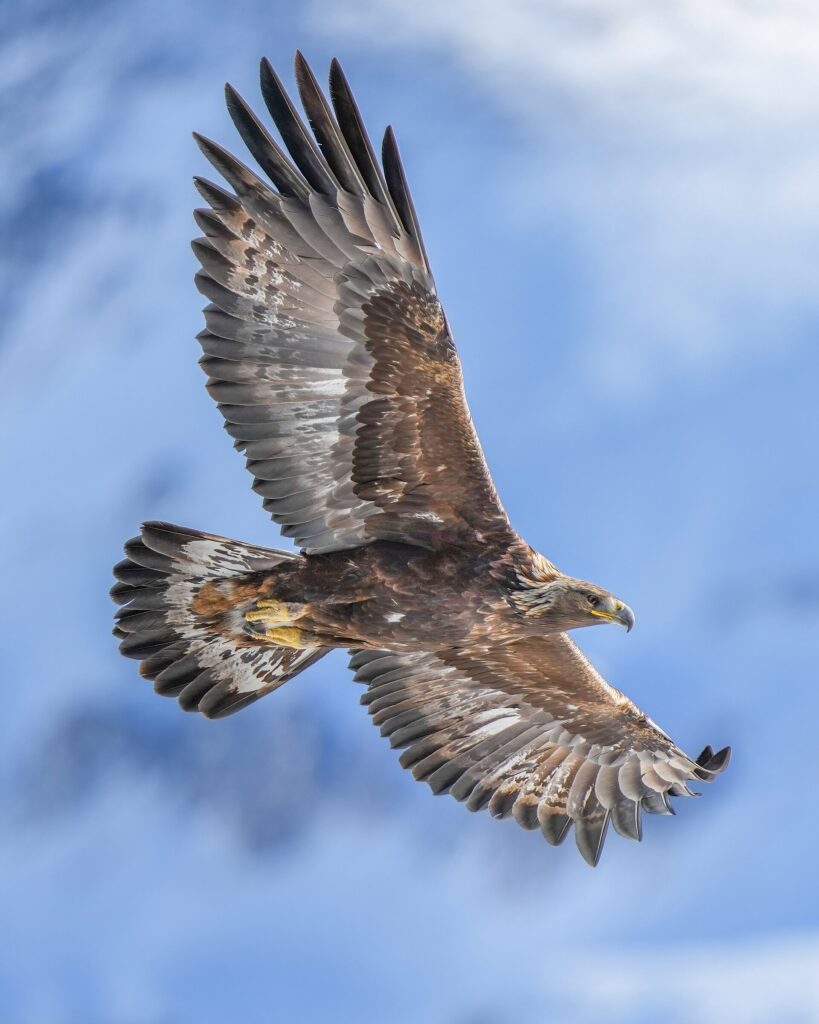
In the mountains of Mongolia and Kazakhstan, eagle hunters have trained golden eagles for centuries to hunt foxes and even wolves.
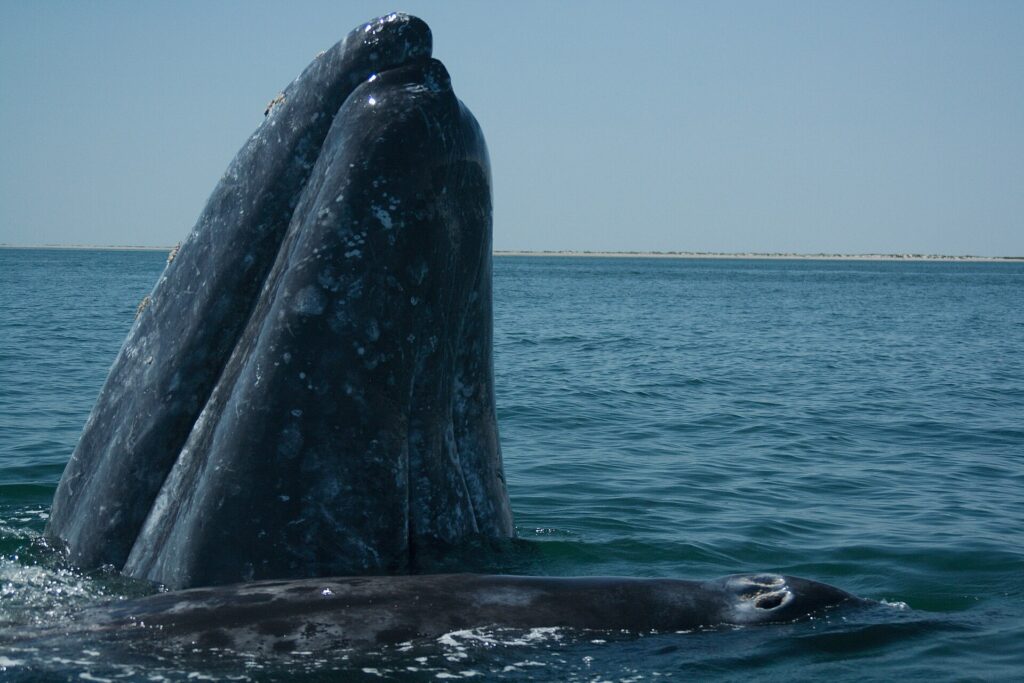
A female gray whale tracked by satellite swam about 22,500 km in a single round trip, one of the longest migrations recorded for any mammal.
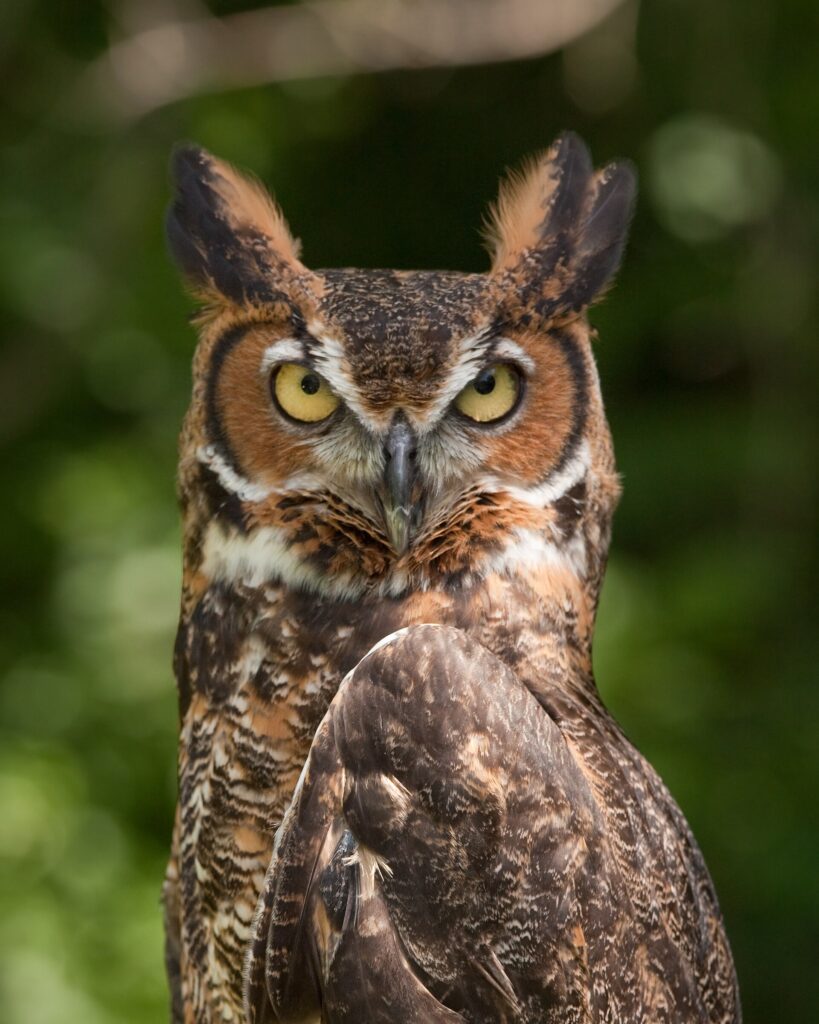
Great horned owls are one of the few predators that regularly eat skunks, probably because, like most birds, they have a poor sense of smell.
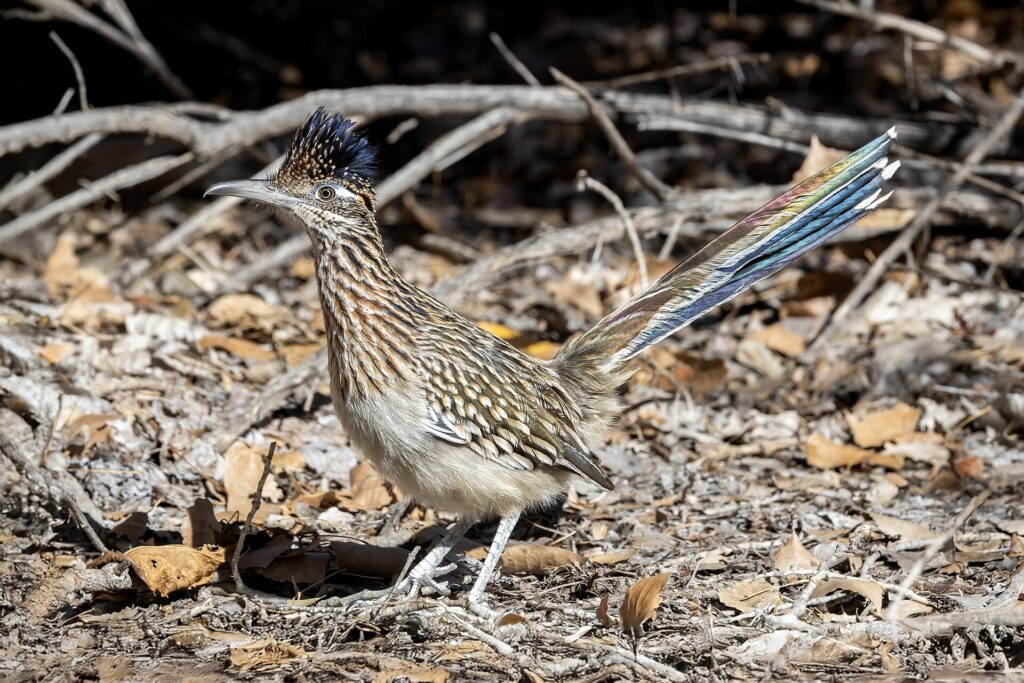
Roadrunners hunt rattlesnakes, grabbing them behind the head and bashing them against rocks, sometimes teaming up with a partner.
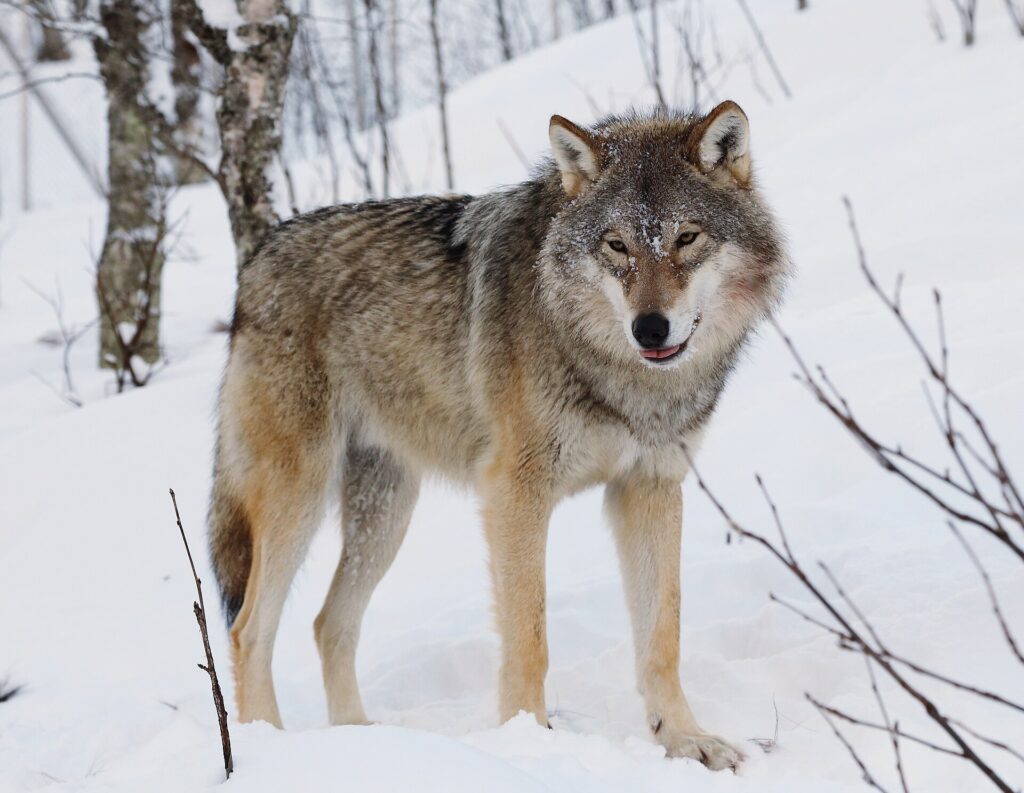
A wolf pack can travel over 50 km in a day, and dispersing young wolves have walked more than 1,000 km to find new territories.