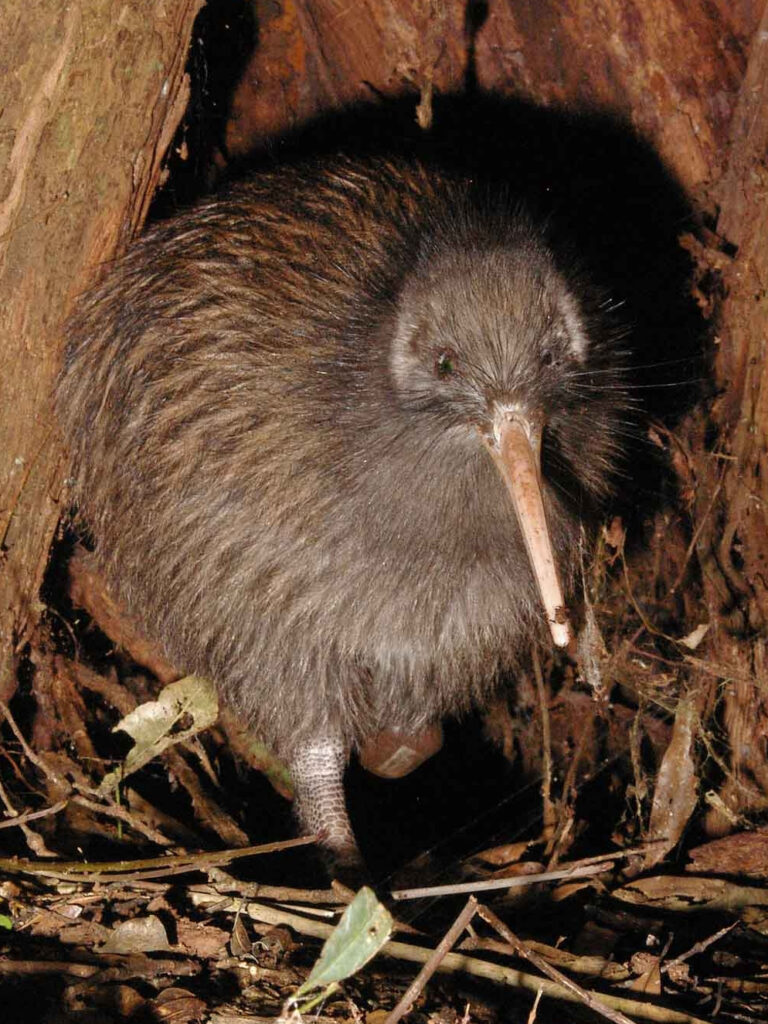
Kiwi
A kiwi egg can weigh around 15–20 percent of the female’s body weight, one of the largest eggs relative to body size of any bird.
A kiwi egg can weigh around 15–20 percent of the female’s body weight, one of the largest eggs relative to body size of any bird.
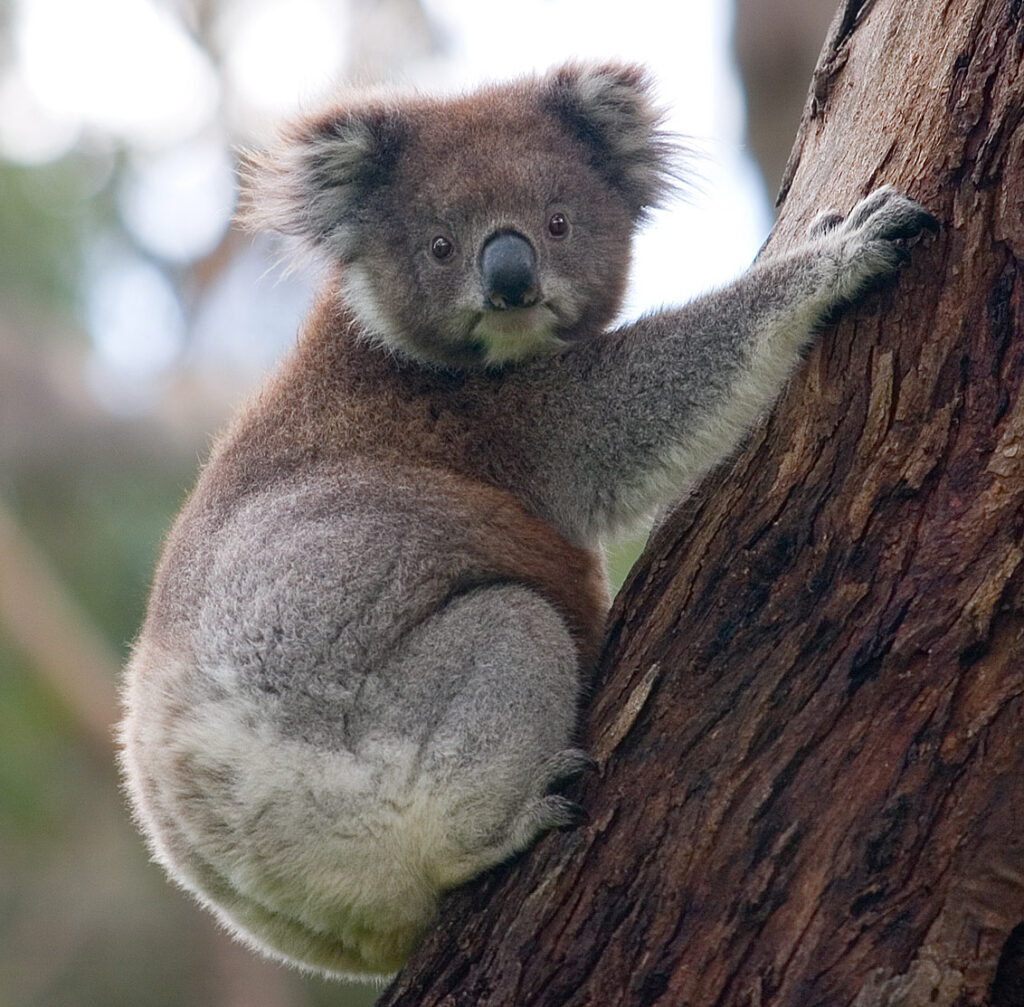
Koalas have fingerprints so similar to human fingerprints that they can be hard to tell apart even under a microscope.
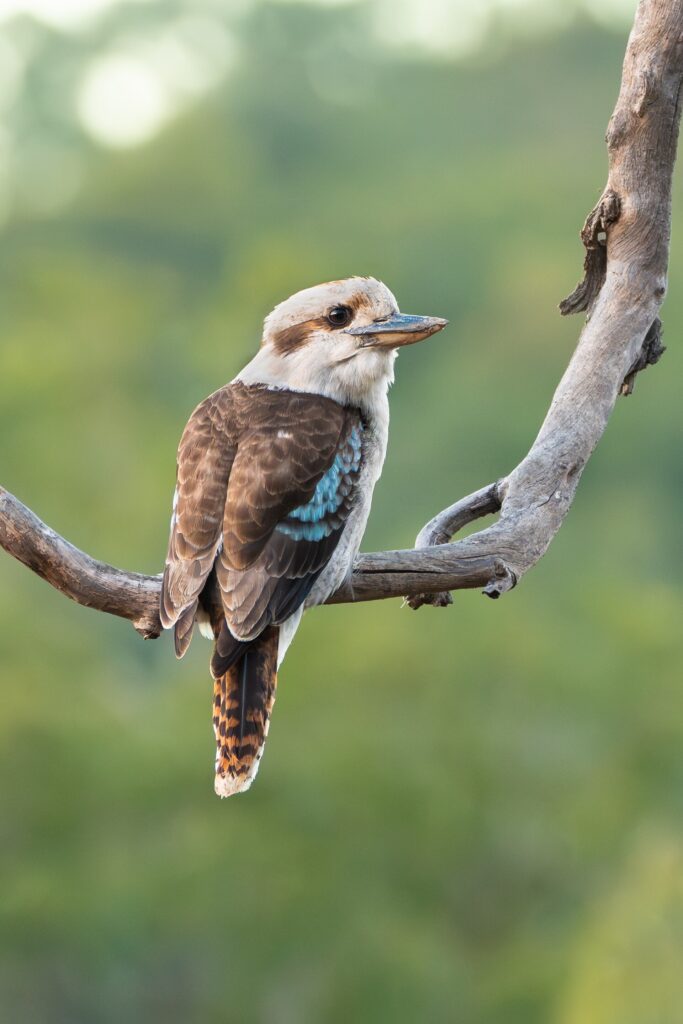
The kookaburra’s loud call sounds like human laughter, and families often ‘laugh’ together at dawn and dusk to mark their territory.
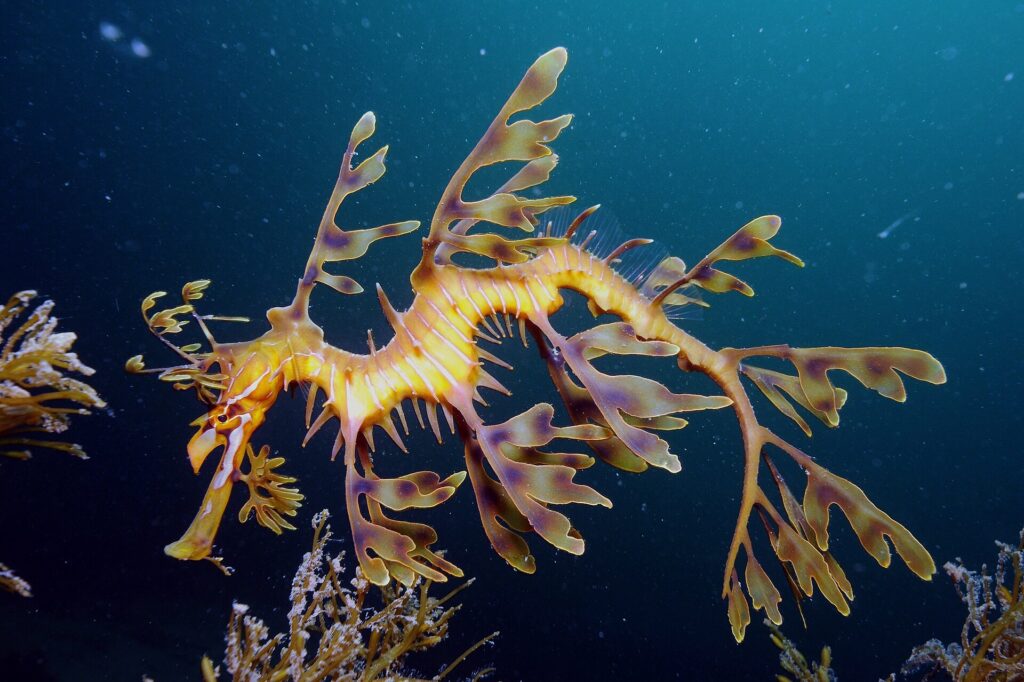
The leafy seadragon is covered in leaf-shaped growths that make it look like drifting seaweed, one of the most remarkable camouflages in the sea.
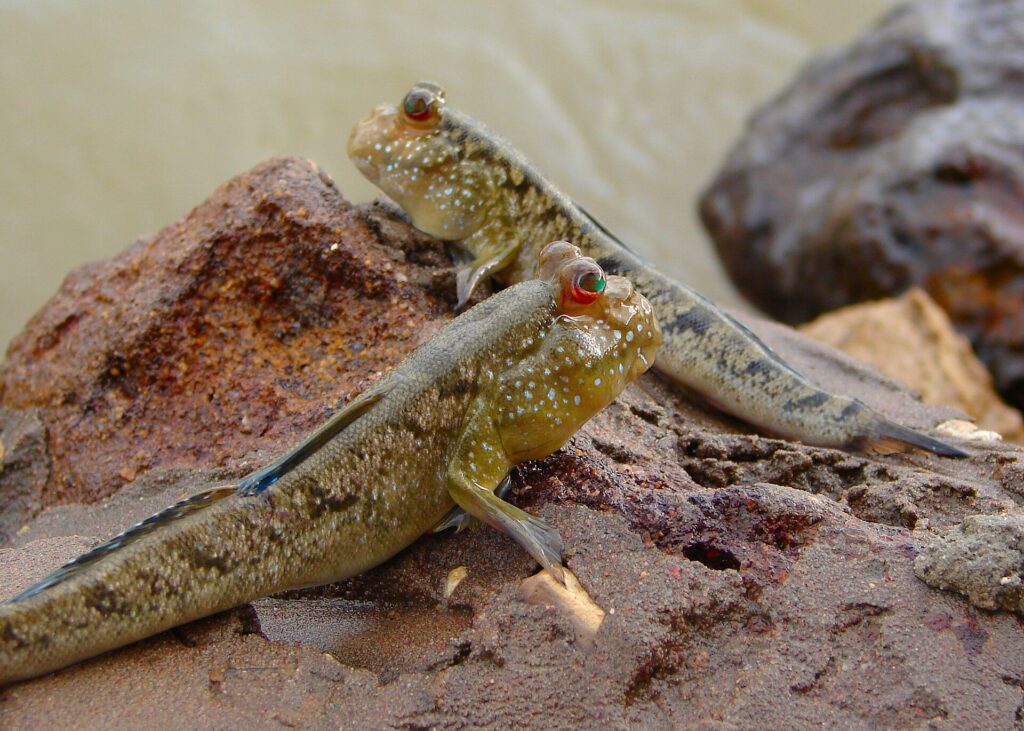
Mudskippers are fish that spend much of their time out of water, walking and skipping across mudflats on their fins.
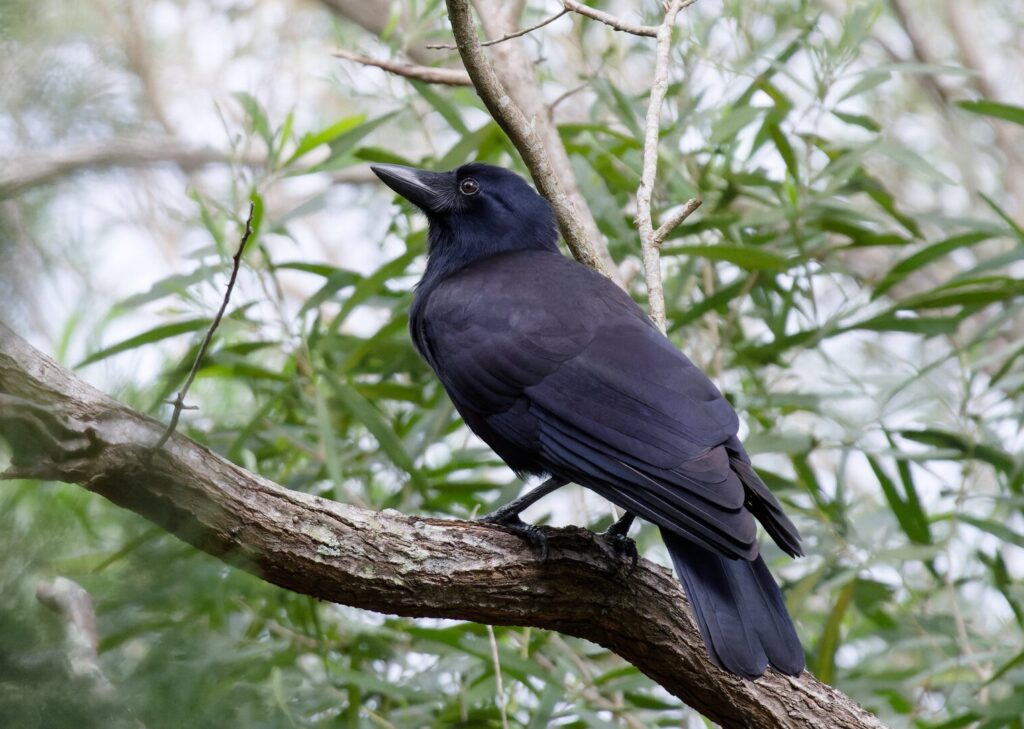
New Caledonian crows make hooked tools from twigs and barbed tools from leaves, and in experiments they have combined up to four parts into a single longer tool.
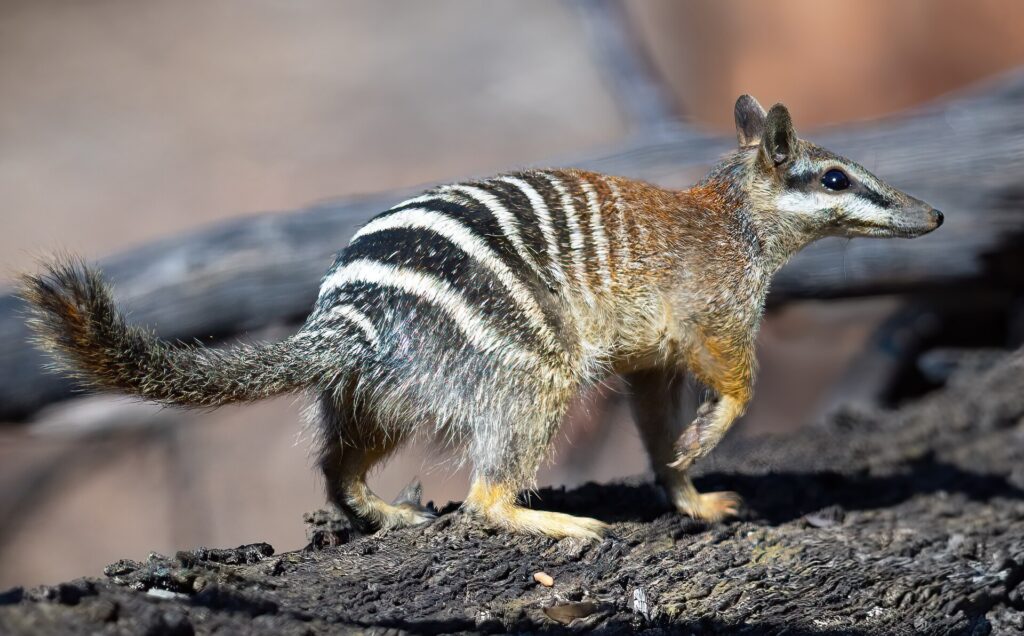
The numbat eats up to about 20,000 termites a day, licking them up with a sticky tongue about 10 cm long.
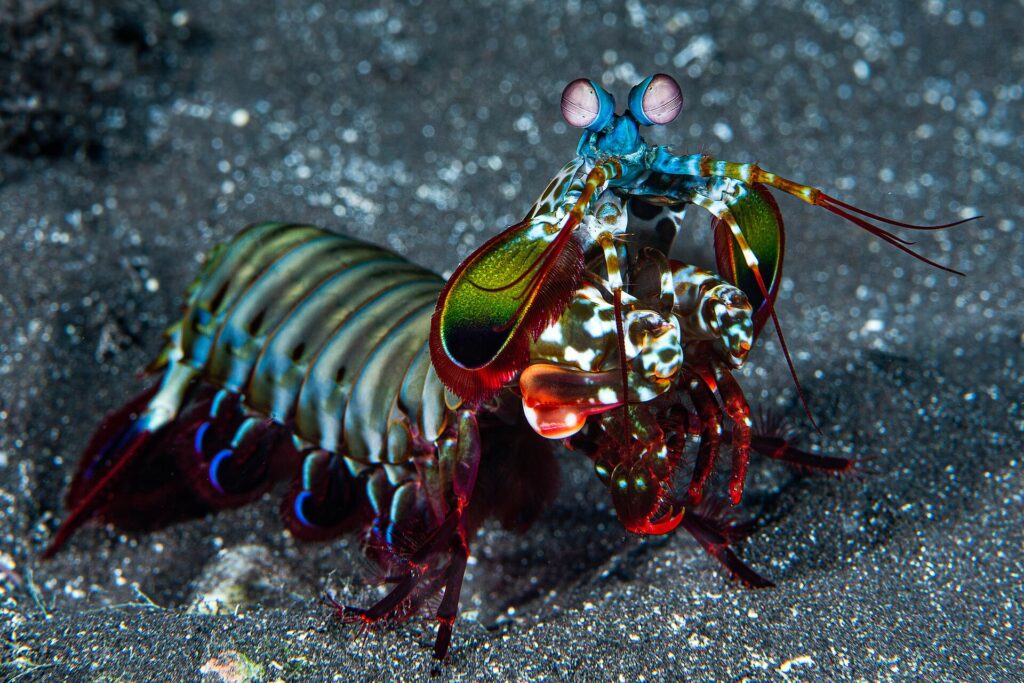
The peacock mantis shrimp punches with a club that accelerates like a bullet, striking so fast that the water around it briefly boils and flashes with light.
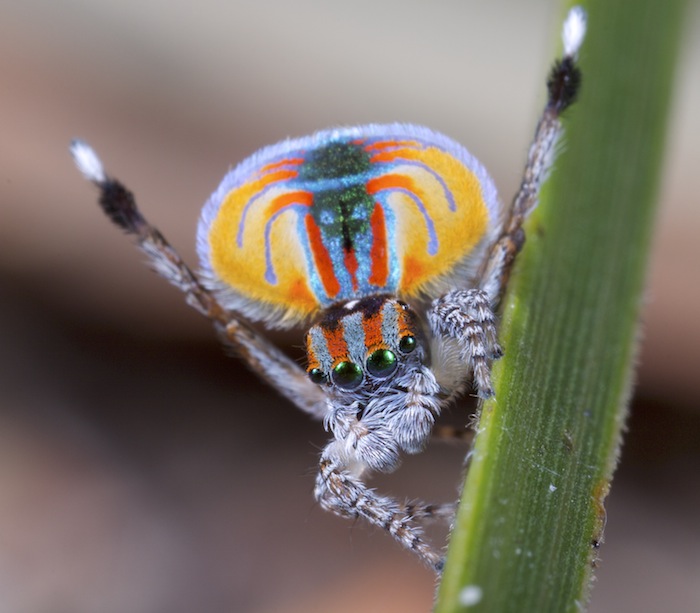
Male peacock spiders raise a brilliantly coloured flap on their abdomen and perform a waving, leg-raising dance to court females.
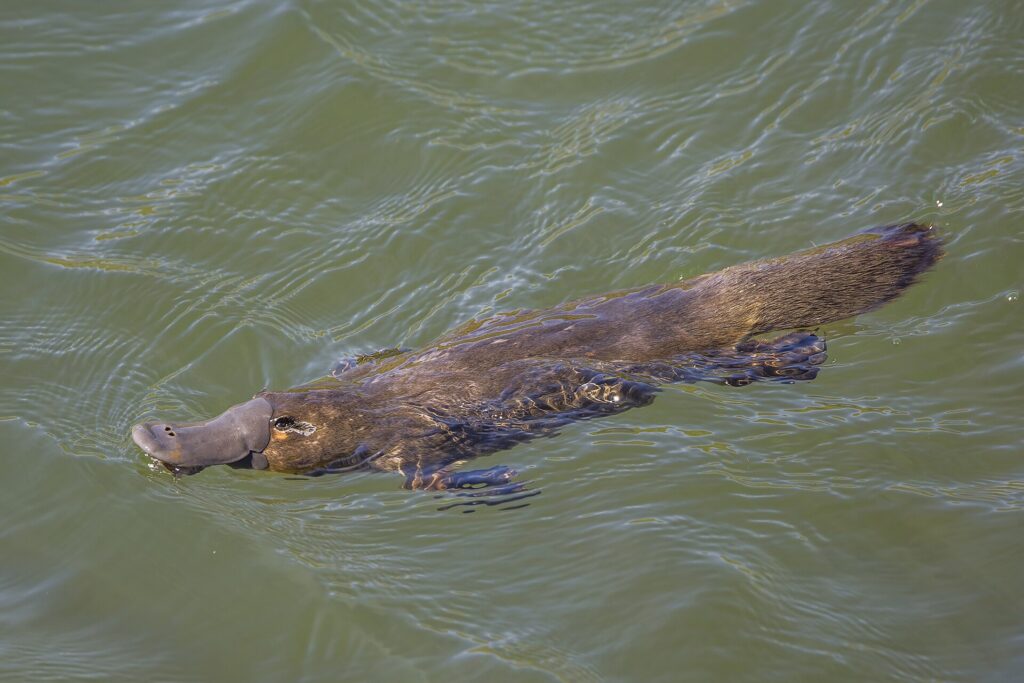
The platypus hunts with its eyes, ears and nostrils shut, finding prey by sensing the tiny electric fields made by their muscles.