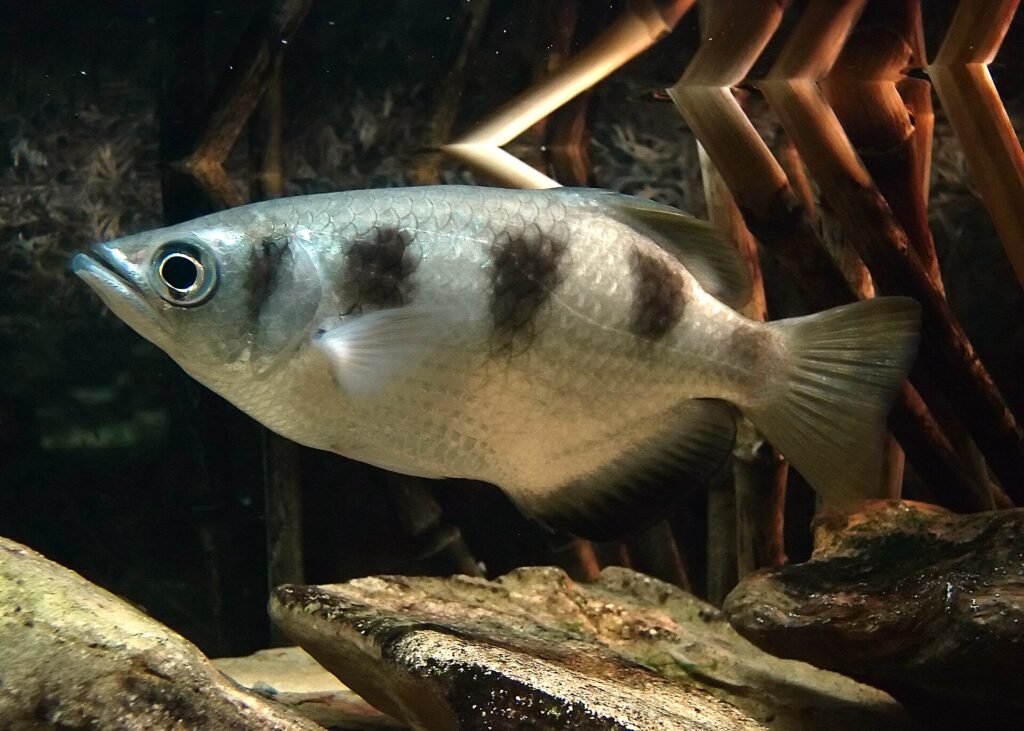
Archerfish
Archerfish shoot jets of water up to about 3 metres to knock insects off leaves, correcting for the way light bends at the water’s surface.
Archerfish shoot jets of water up to about 3 metres to knock insects off leaves, correcting for the way light bends at the water’s surface.
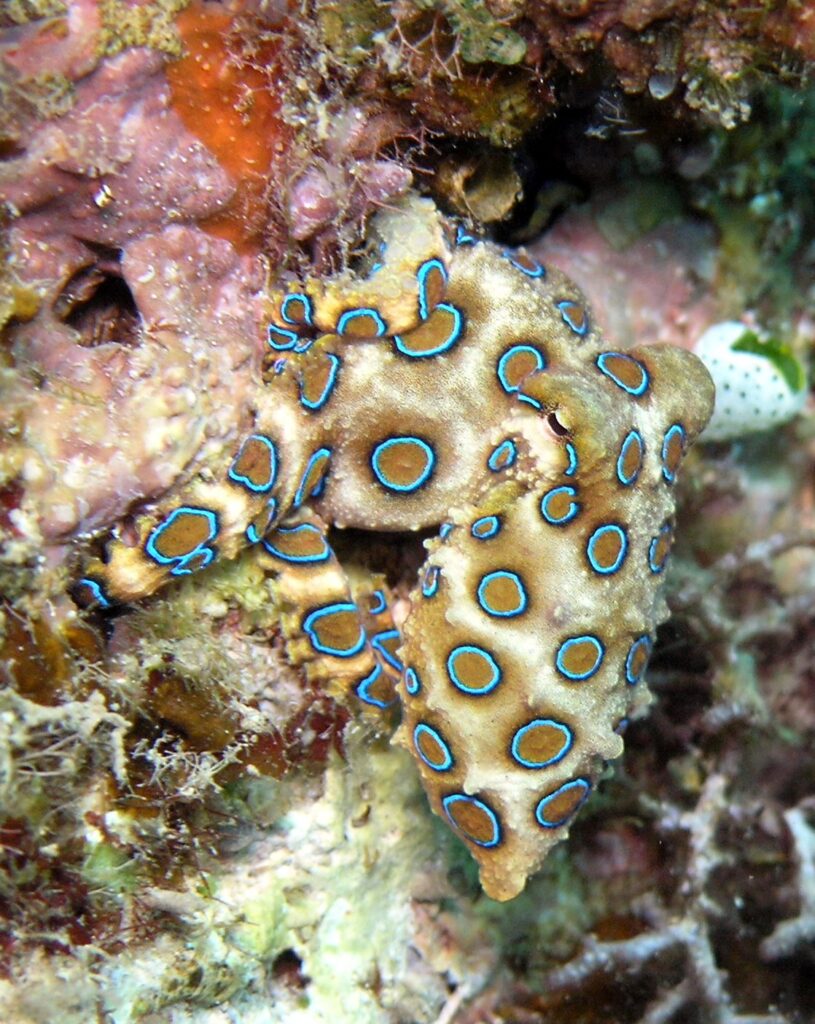
A tiny blue-ringed octopus carries enough venom to kill many adult people, and there is no antivenom.
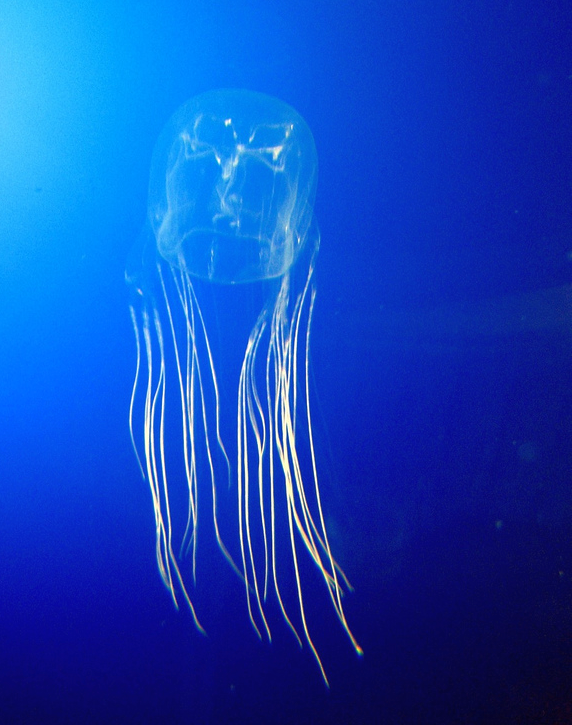
Box jellyfish have 24 eyes, including some with lenses, and actively swim and steer rather than simply drifting.
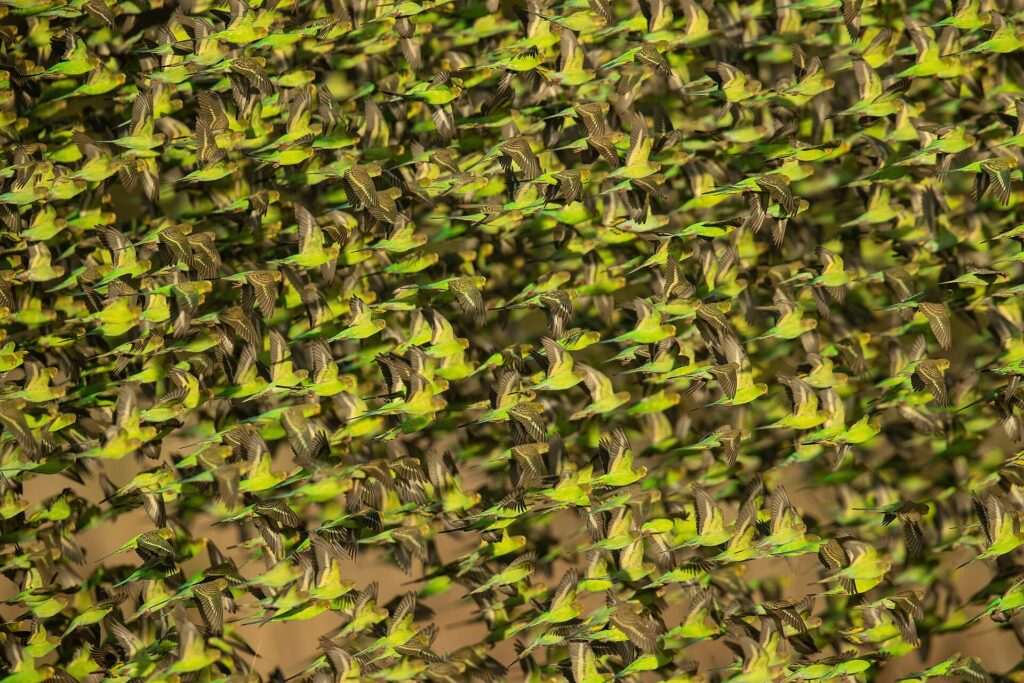
After rains in inland Australia, wild budgerigars can gather in flocks of thousands, swirling through the sky like starling murmurations.
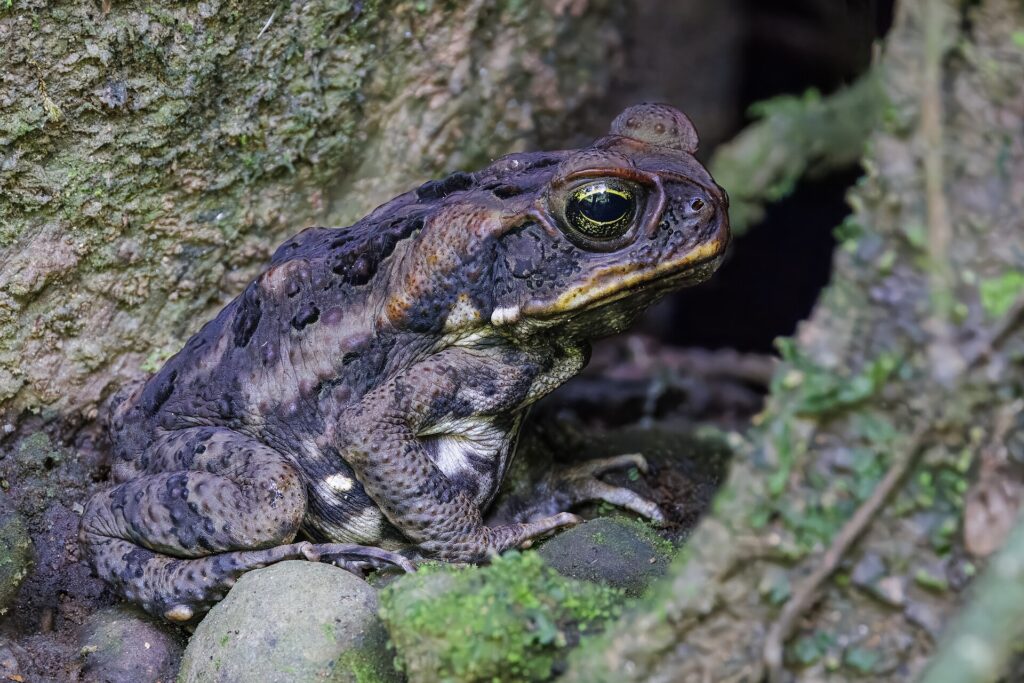
About 100 cane toads released in Queensland in 1935 to control beetles have multiplied into an estimated 200 million, spreading across northern Australia.
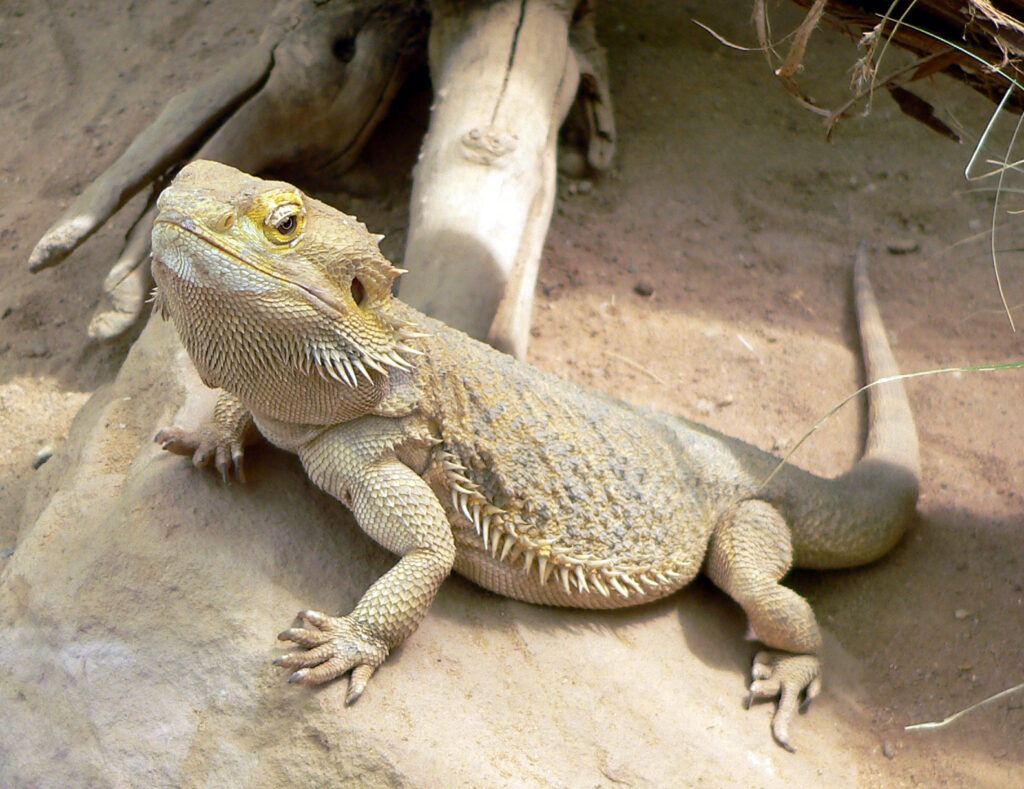
In bearded dragons, high nest temperatures can turn genetically male embryos into females, a discovery confirmed in wild populations.
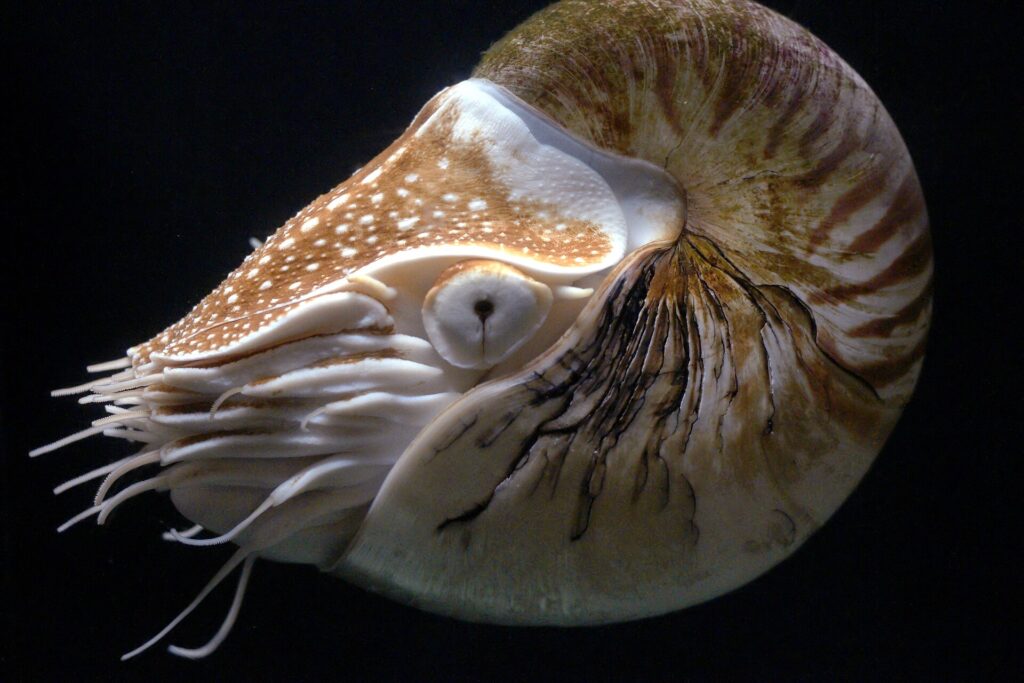
The nautilus belongs to a group of animals that has lived in the oceans for about 500 million years, long before the dinosaurs.
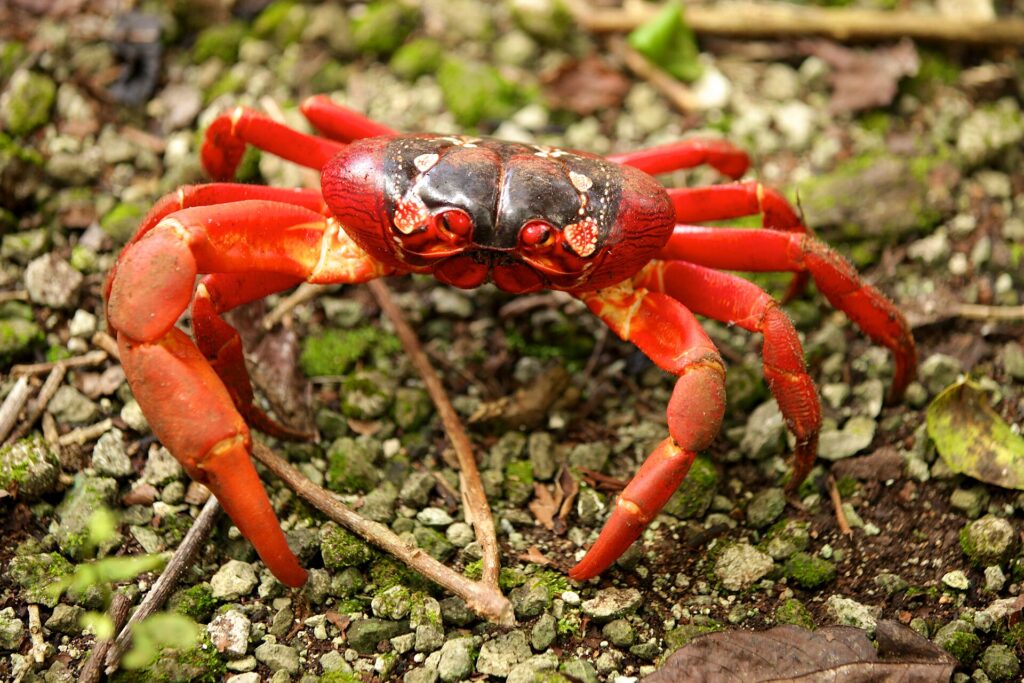
Each year, tens of millions of red crabs march from the forest to the sea to breed, covering roads, beaches and even houses in red.
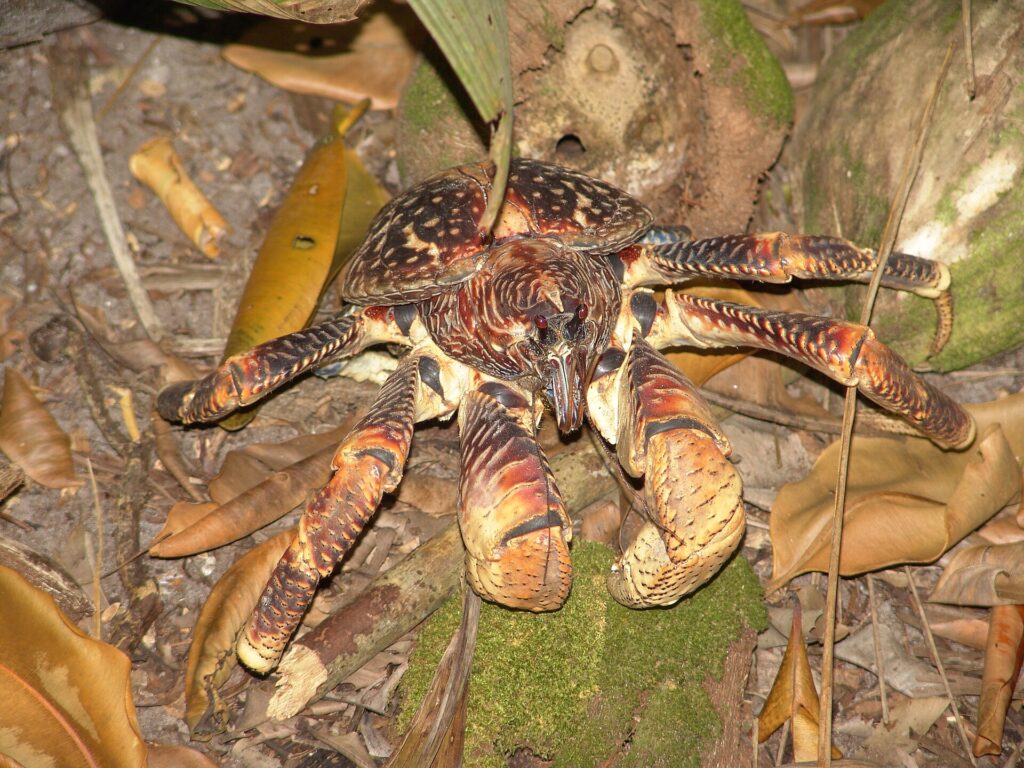
The coconut crab is the largest land-living invertebrate, and its claws can exert a pinching force greater than that of most other animals.
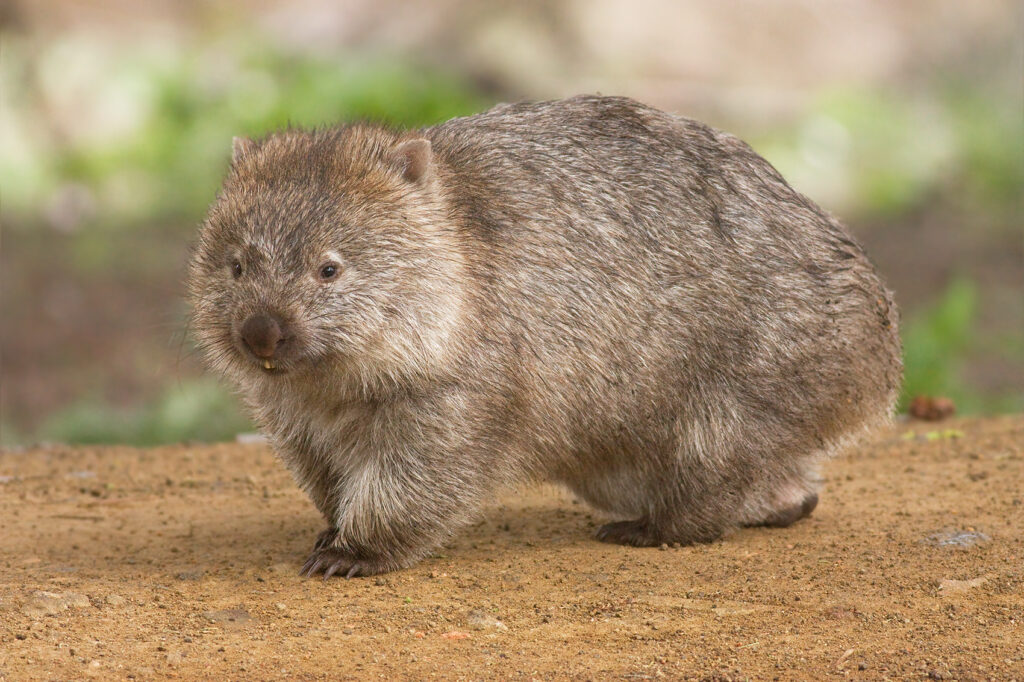
Wombats produce cube-shaped droppings, the only animal known to do so, and stack them on rocks and logs to mark their territory.
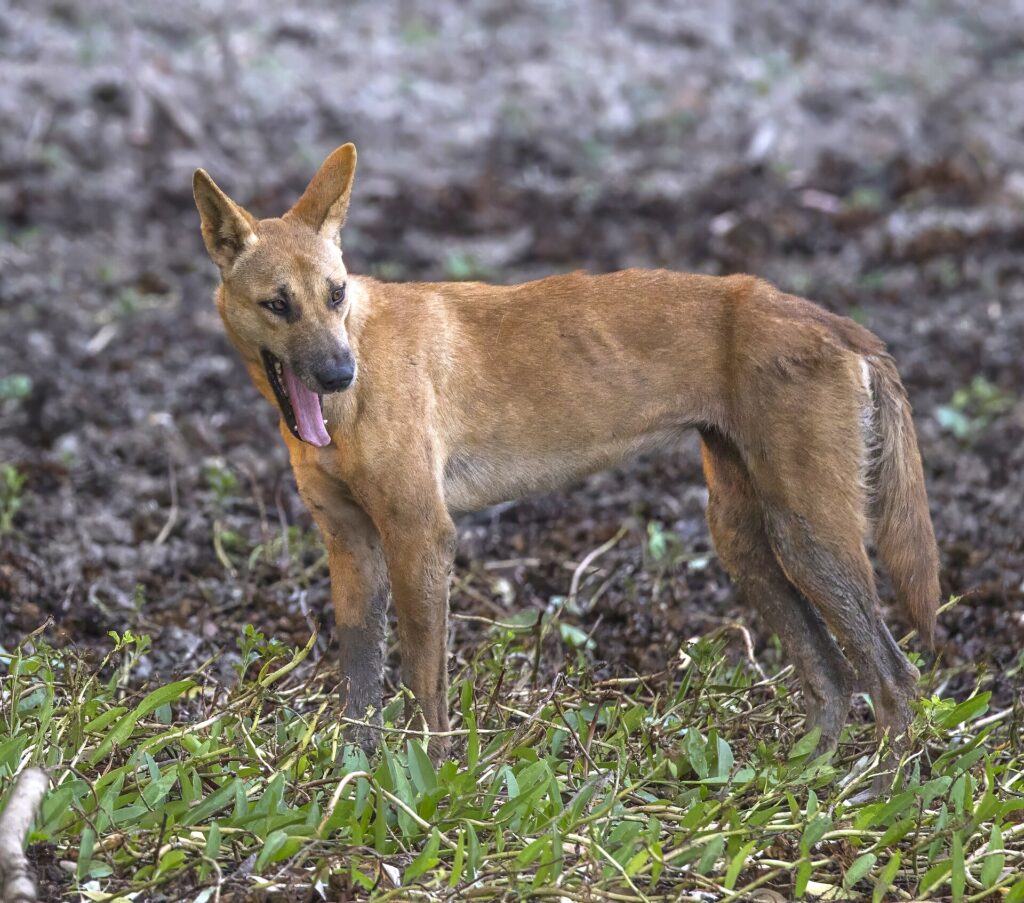
To keep dingoes out of southeastern sheep country, Australia built the Dingo Fence, which stretches over 5,000 km and is one of the longest fences in the world.
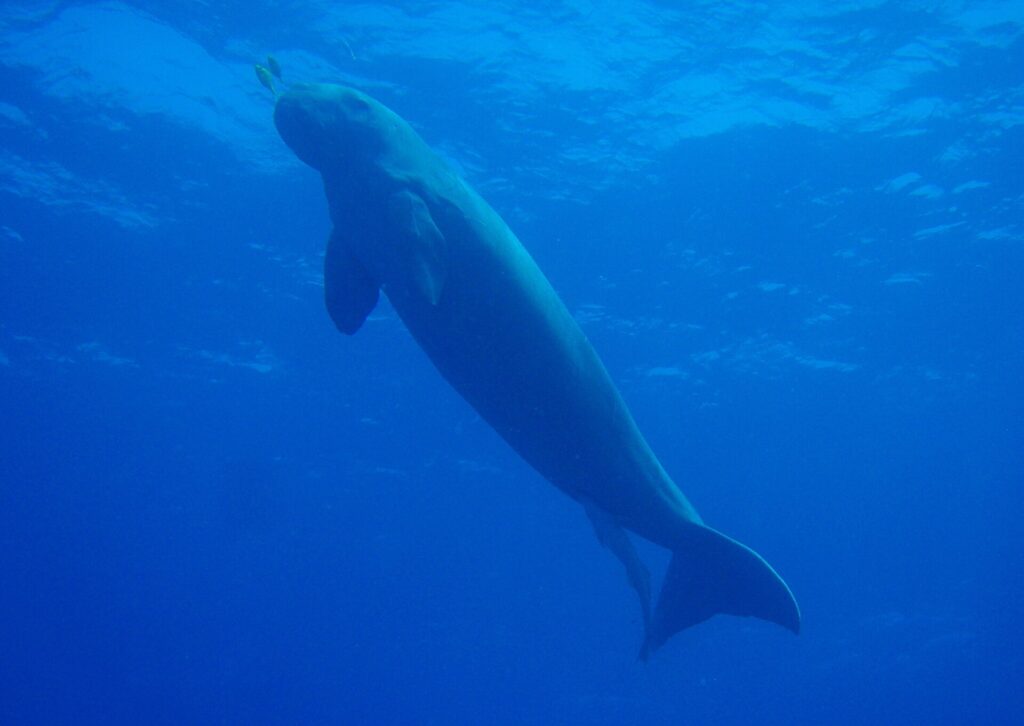
The dugong is the only strictly marine plant-eating mammal, leaving tell-tale trails through seagrass meadows as it grazes.
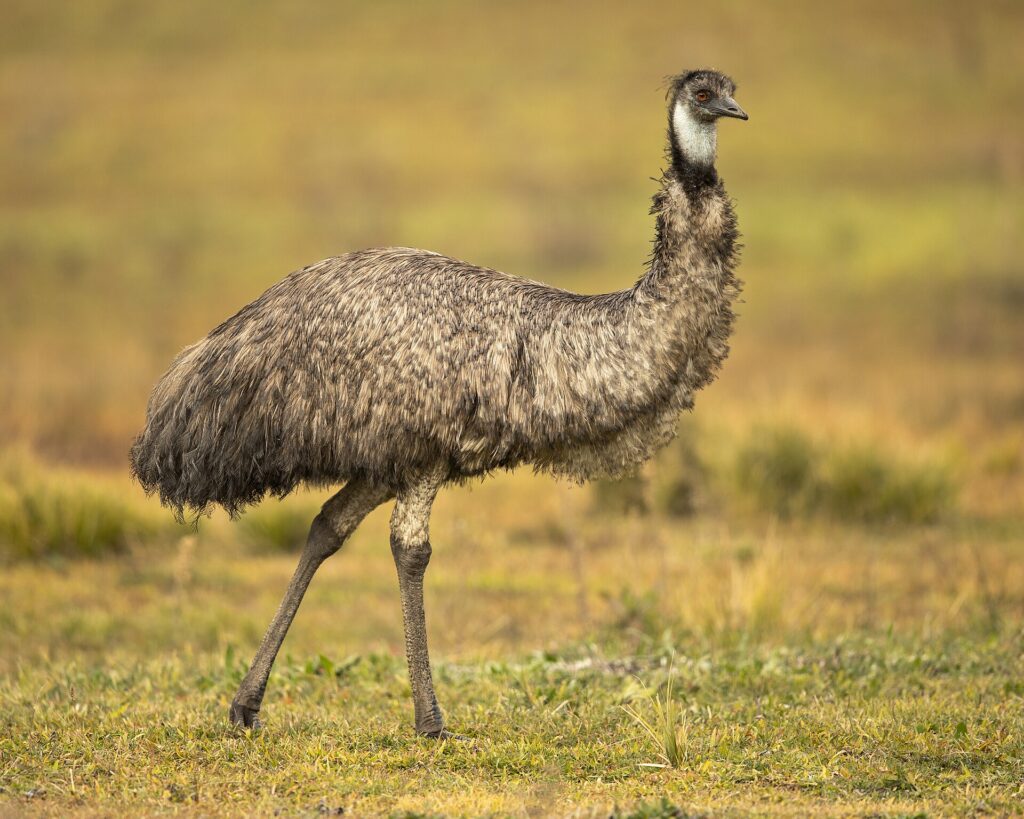
Male emus incubate the eggs alone for about eight weeks, barely eating or drinking, and can lose a large part of their body weight.
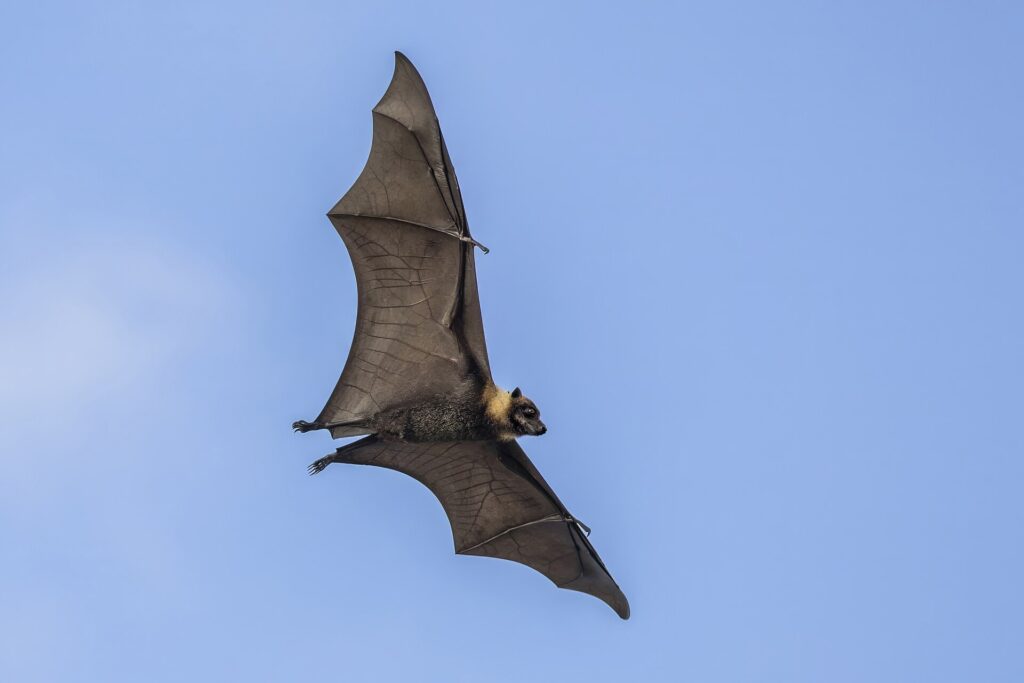
Flying foxes are among the world’s most important pollinators and seed dispersers, flying up to 50 km or more in a night and spreading seeds across whole landscapes.
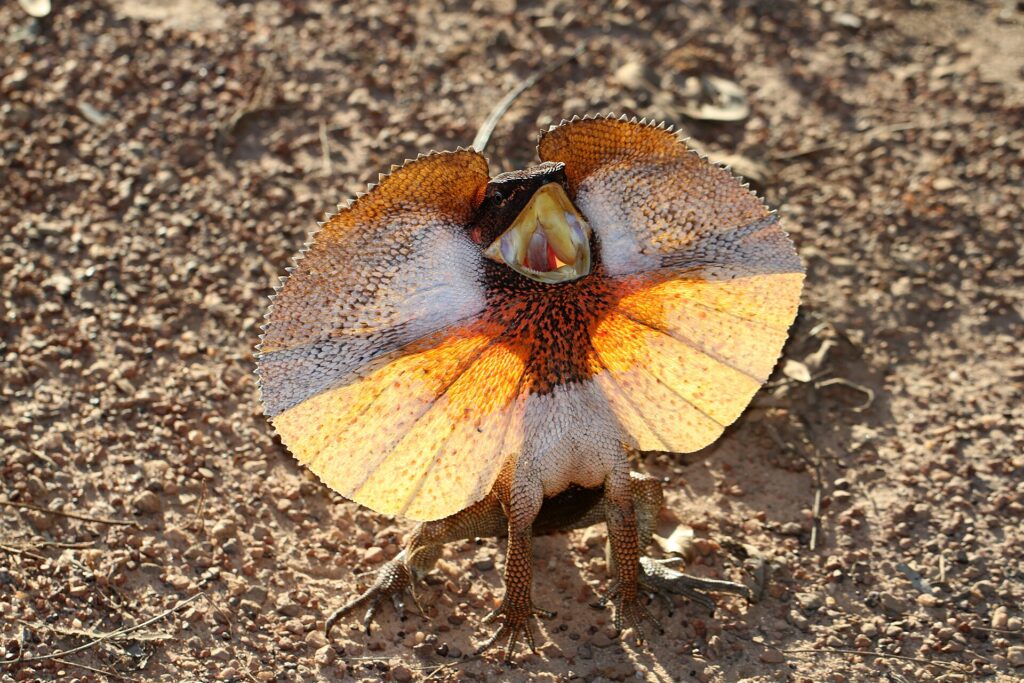
When threatened, the frilled lizard opens a huge frill of skin around its neck, hisses and gapes its bright mouth to scare off predators.
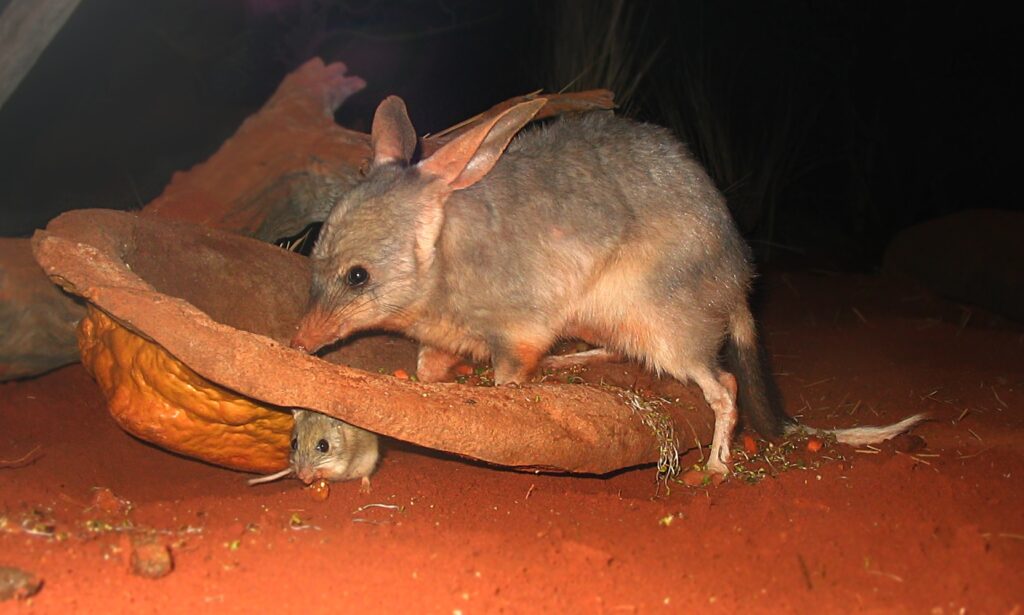
In Australia, chocolate ‘Easter bilbies’ are sold instead of Easter bunnies to raise awareness of this threatened native animal.
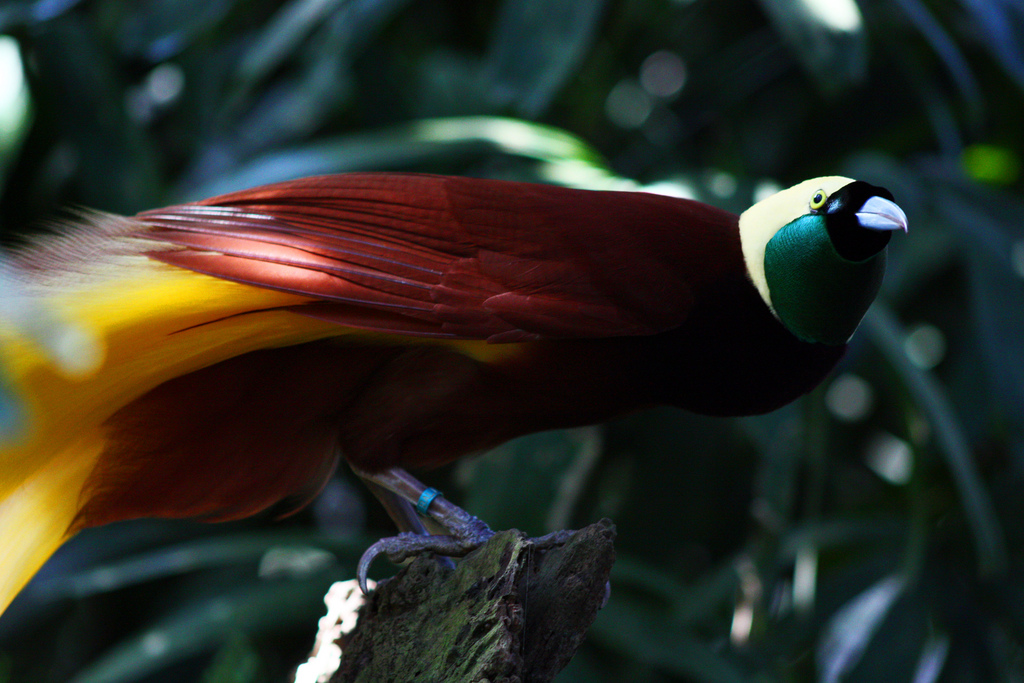
Its scientific name ‘apoda’ means ‘without feet’: the first skins brought to Europe in the 1500s had their feet removed, so Europeans believed the birds never landed.
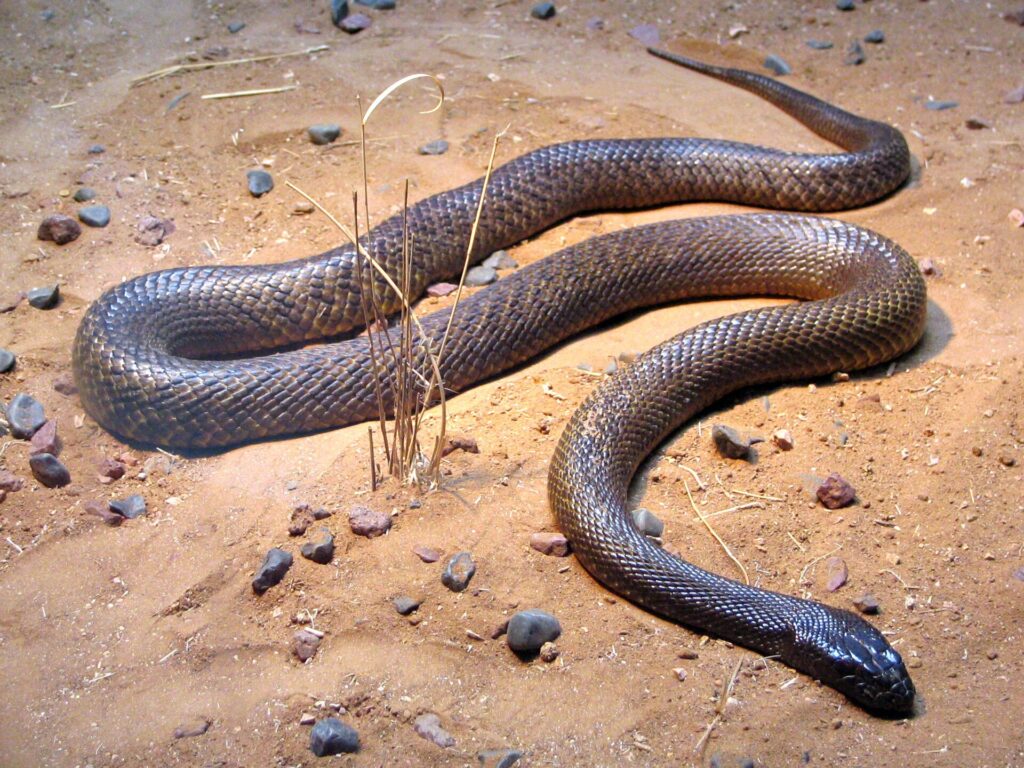
The inland taipan has the most toxic venom of any land snake, yet there is no record of it killing a person.
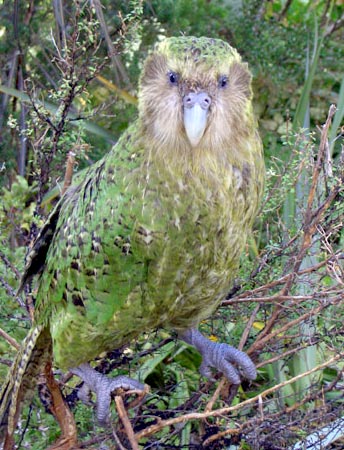
The kākāpō is the world’s only flightless parrot, and every surviving bird is individually named and monitored.
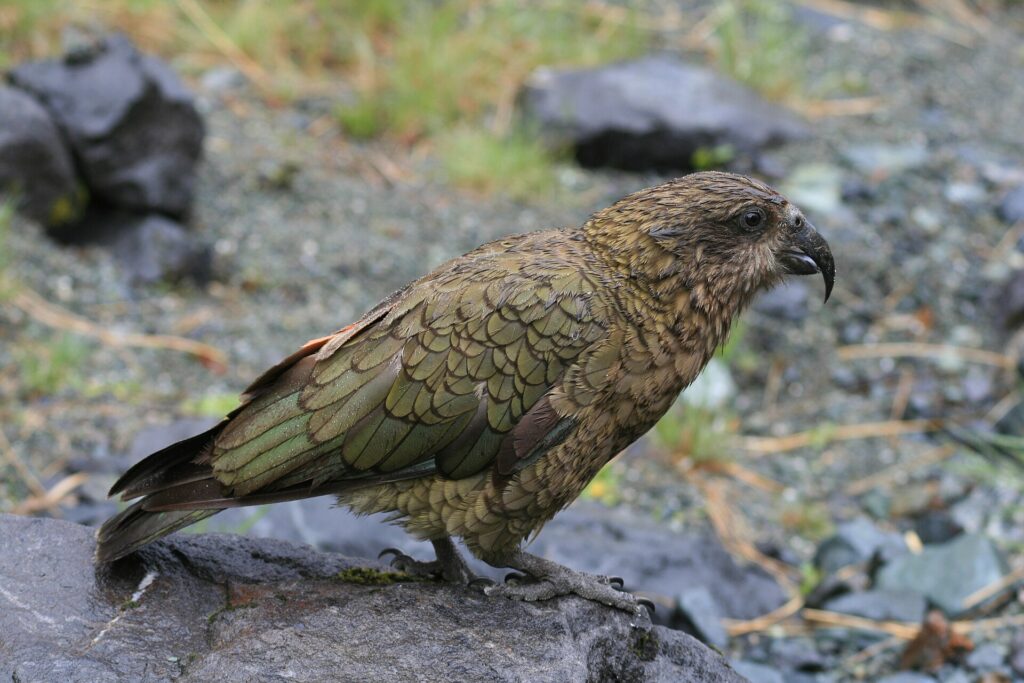
The kea is the world’s only alpine parrot, and its playful call can make other kea start playing, an example of contagious emotion in birds.
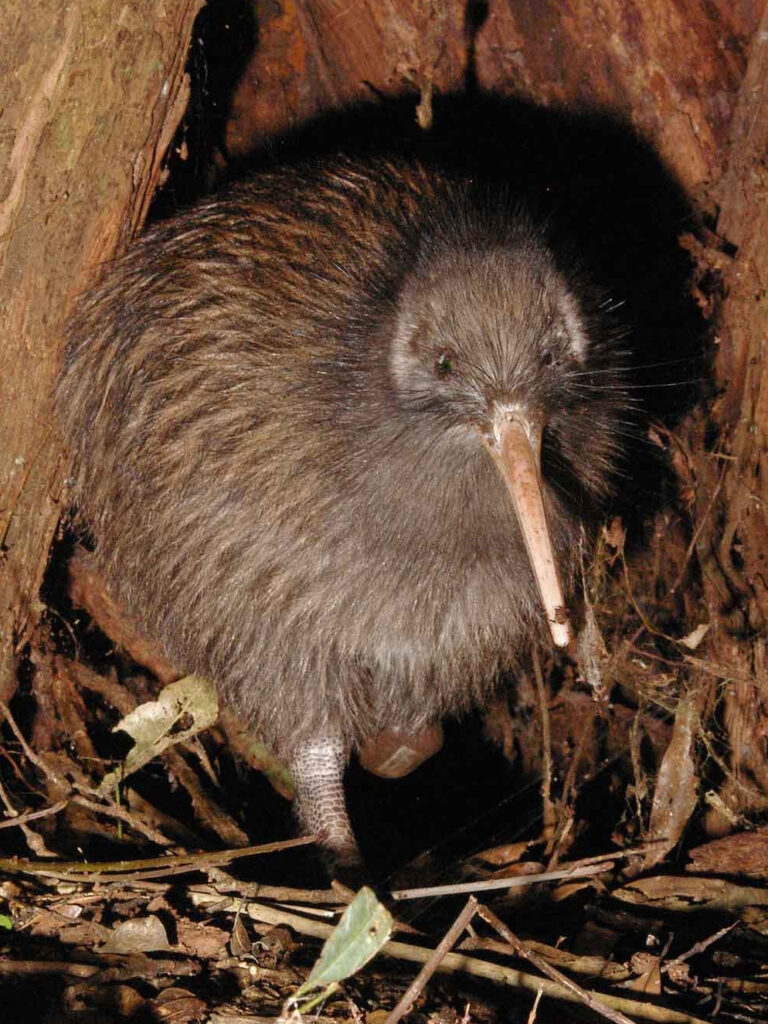
A kiwi egg can weigh around 15–20 percent of the female’s body weight, one of the largest eggs relative to body size of any bird.
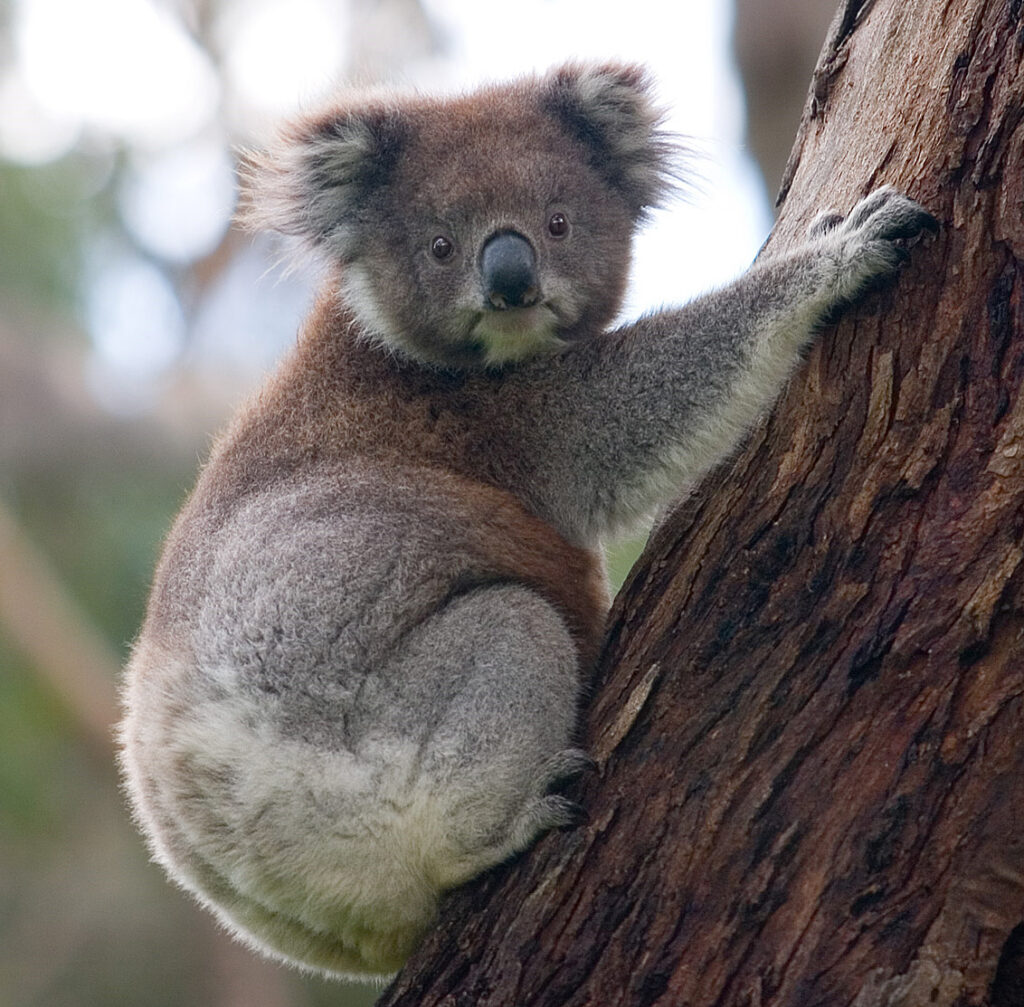
Koalas have fingerprints so similar to human fingerprints that they can be hard to tell apart even under a microscope.
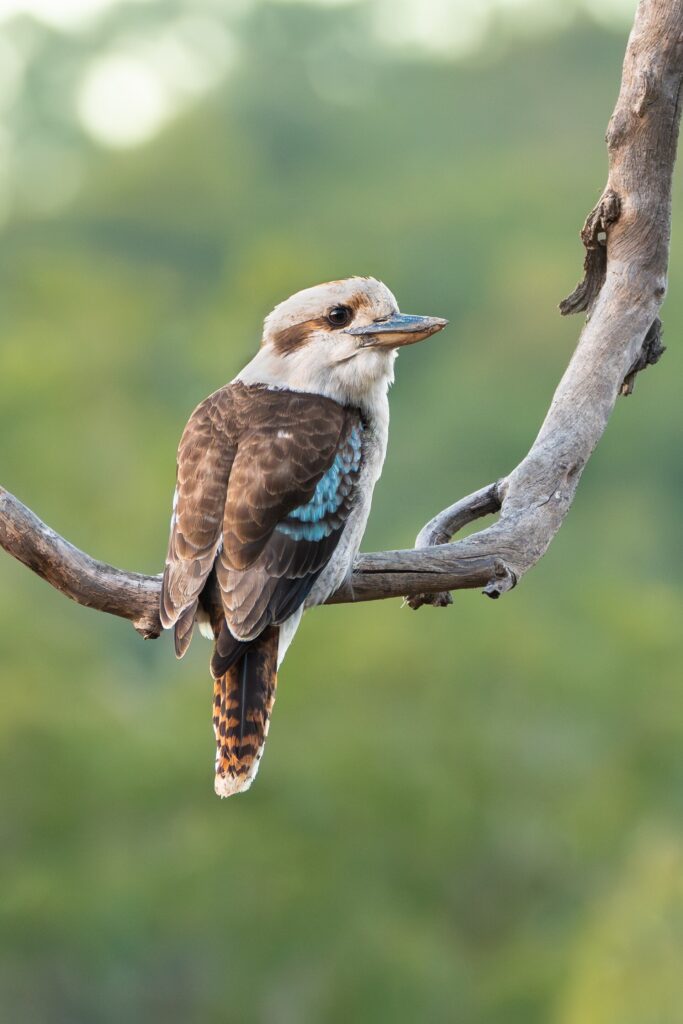
The kookaburra’s loud call sounds like human laughter, and families often ‘laugh’ together at dawn and dusk to mark their territory.
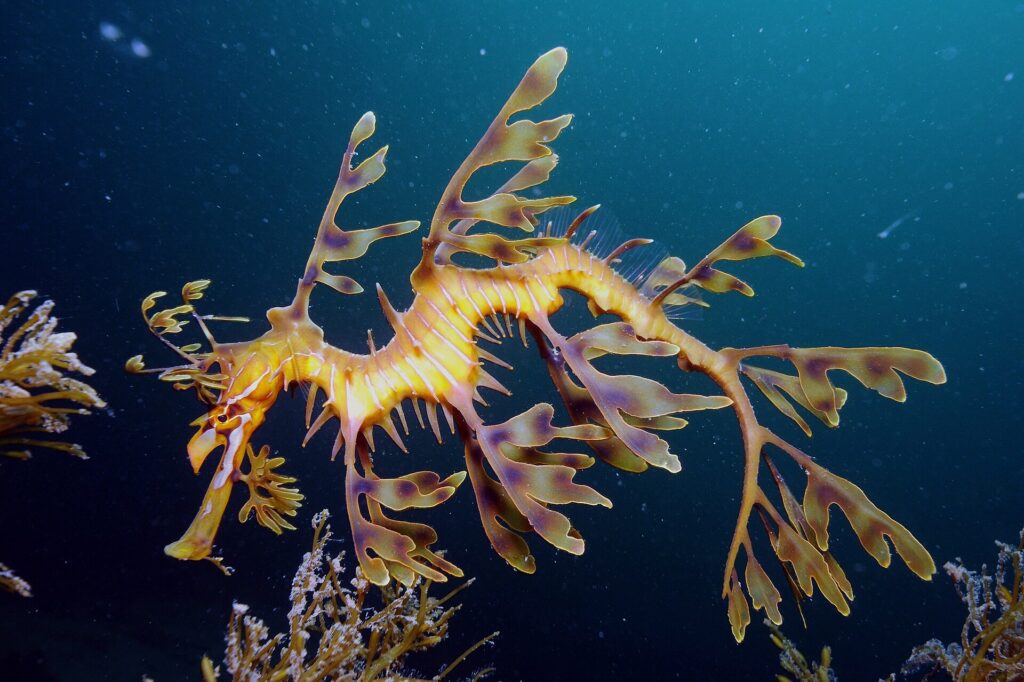
The leafy seadragon is covered in leaf-shaped growths that make it look like drifting seaweed, one of the most remarkable camouflages in the sea.