Mudskipper
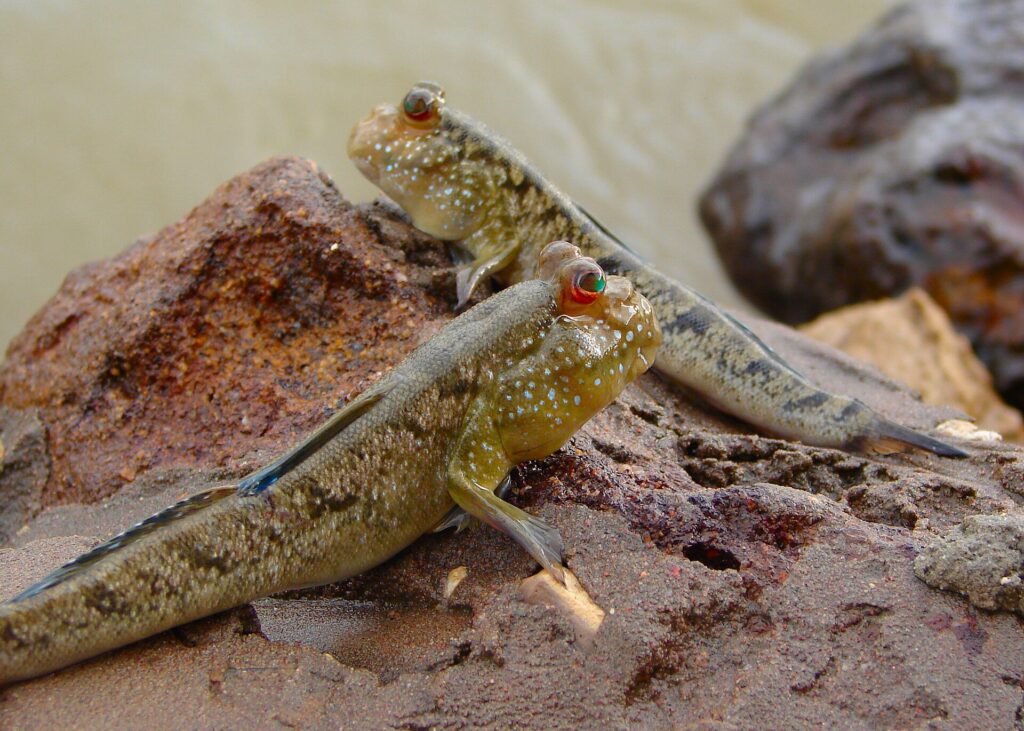
Mudskippers are fish that spend much of their time out of water, walking and skipping across mudflats on their fins.
Mudskippers are fish that spend much of their time out of water, walking and skipping across mudflats on their fins.
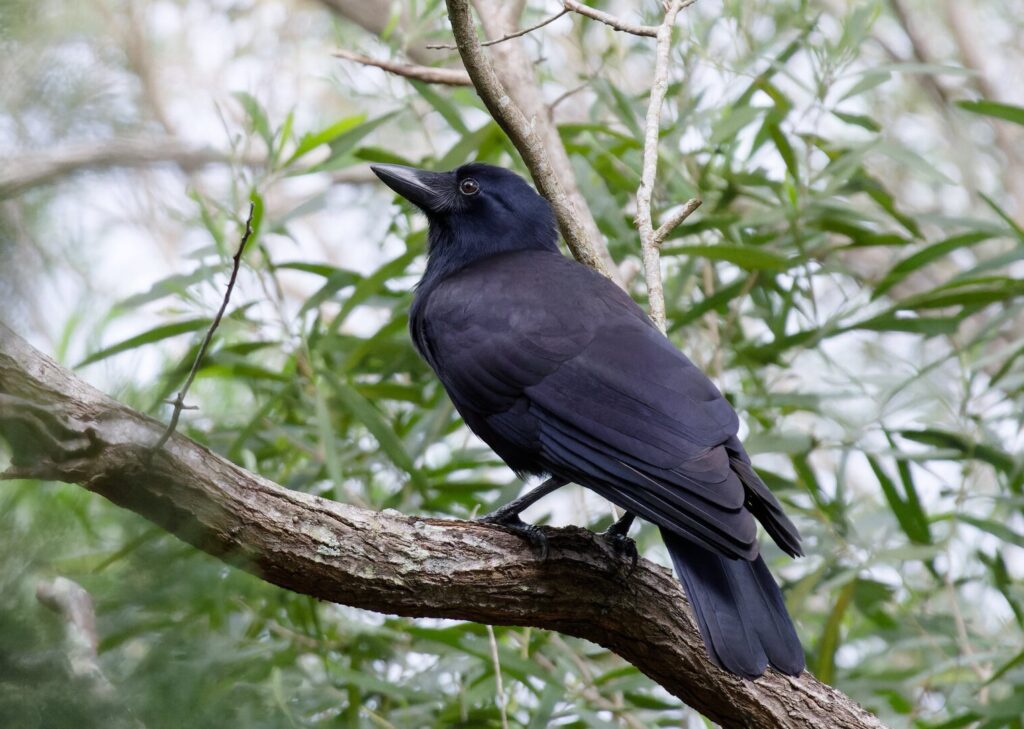
New Caledonian crows make hooked tools from twigs and barbed tools from leaves, and in experiments they have combined up to four parts into a single longer tool.
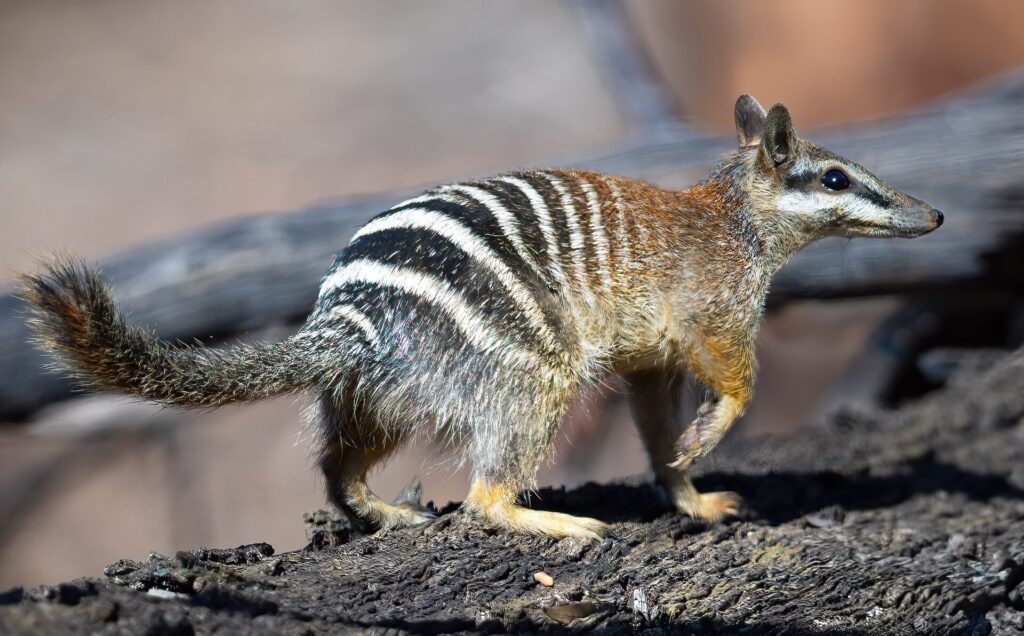
The numbat eats up to about 20,000 termites a day, licking them up with a sticky tongue about 10 cm long.
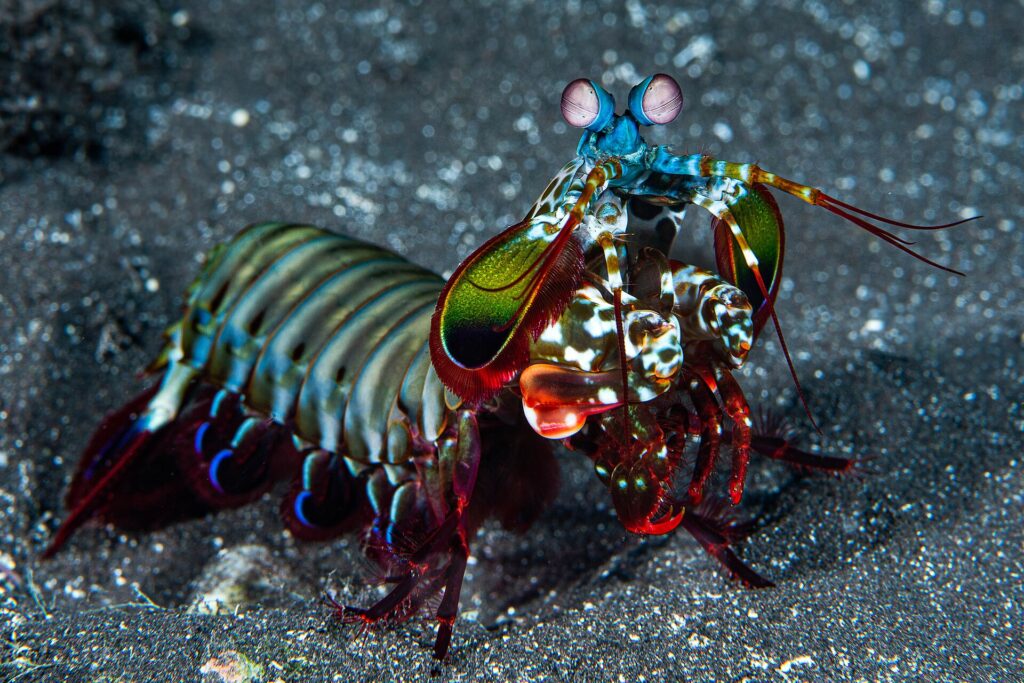
The peacock mantis shrimp punches with a club that accelerates like a bullet, striking so fast that the water around it briefly boils and flashes with light.
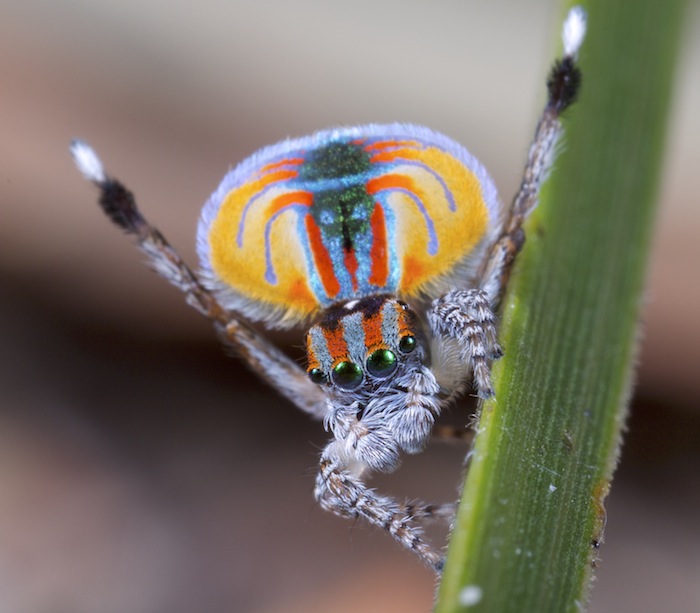
Male peacock spiders raise a brilliantly coloured flap on their abdomen and perform a waving, leg-raising dance to court females.
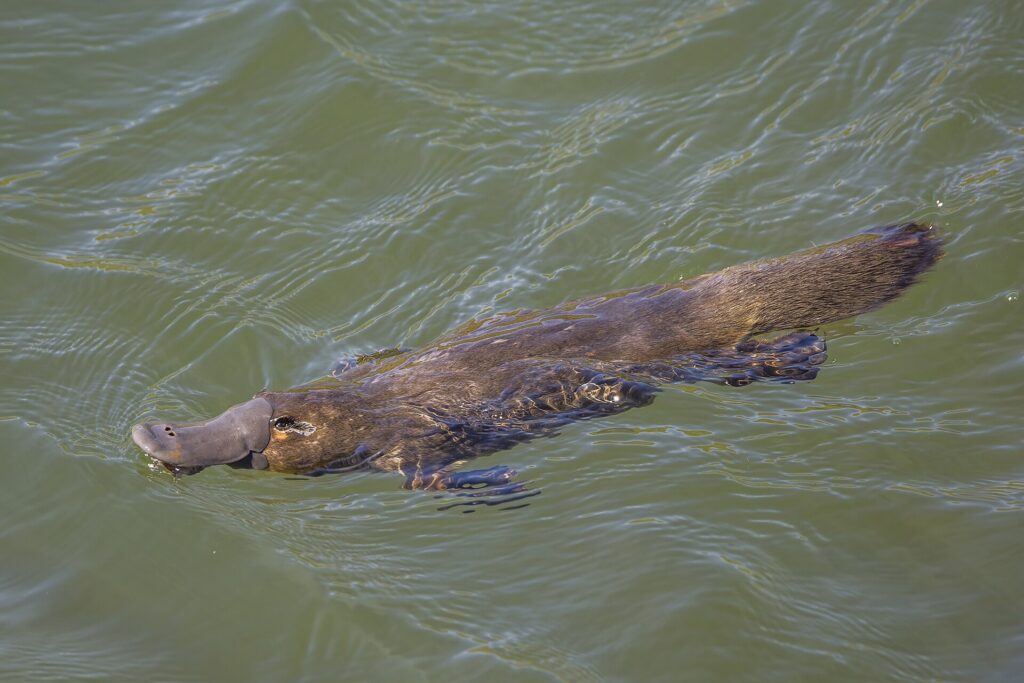
The platypus hunts with its eyes, ears and nostrils shut, finding prey by sensing the tiny electric fields made by their muscles.
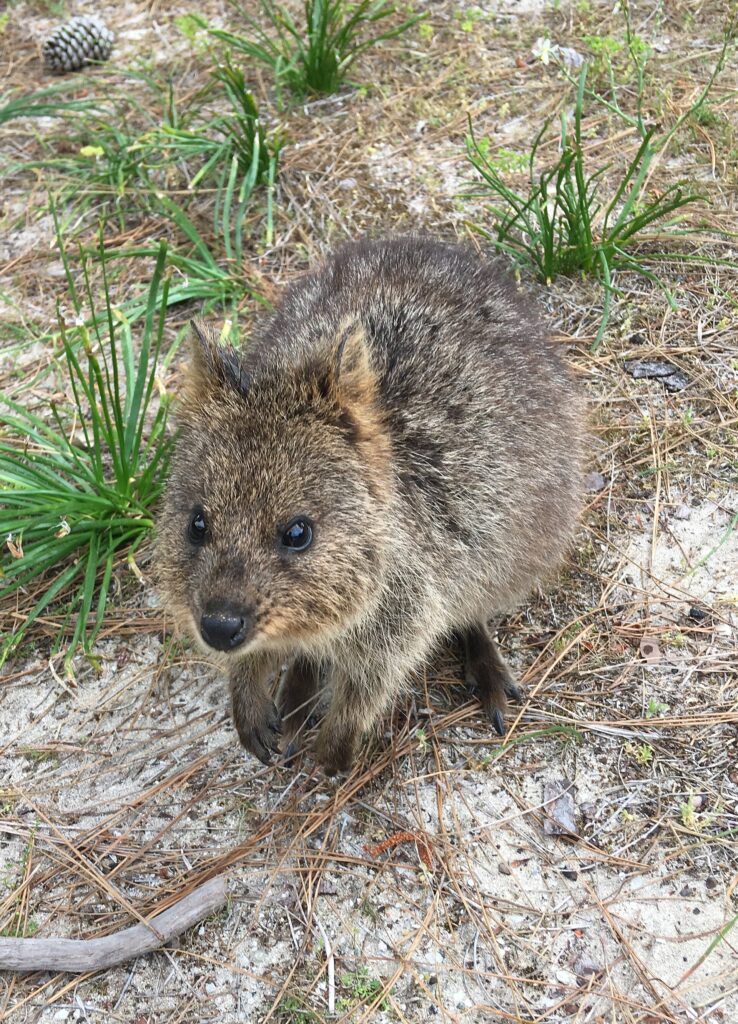
Rottnest Island got its name from a Dutch explorer in 1696, who mistook quokkas for giant rats and called the island ‘rat’s nest’.
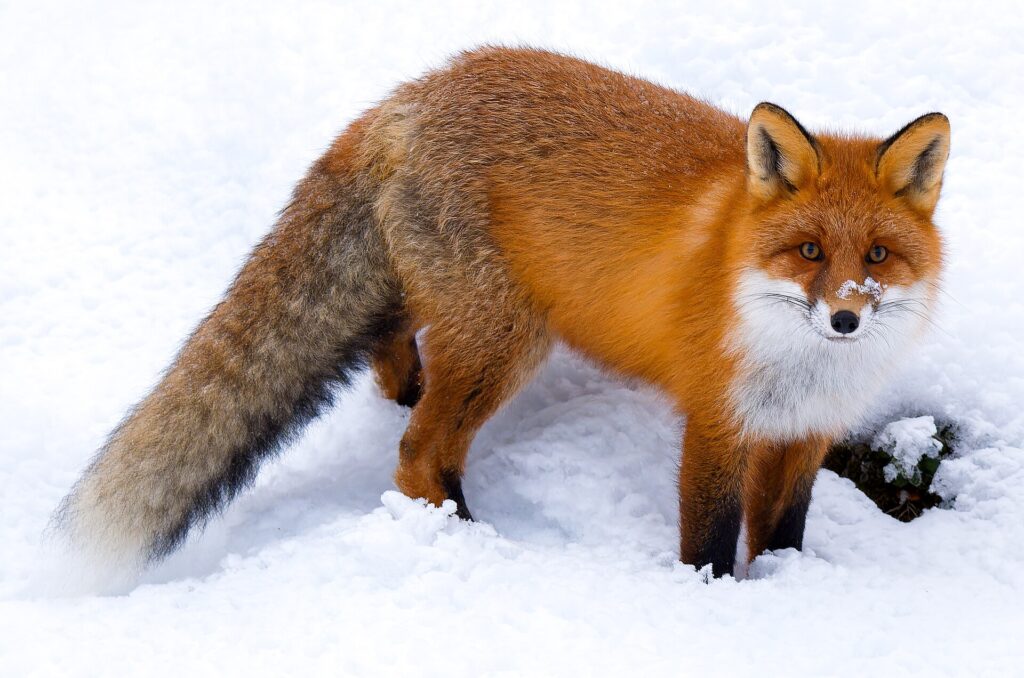
The red fox has the largest natural range of any wild carnivore on Earth, spanning North America, Europe, Asia and North Africa.
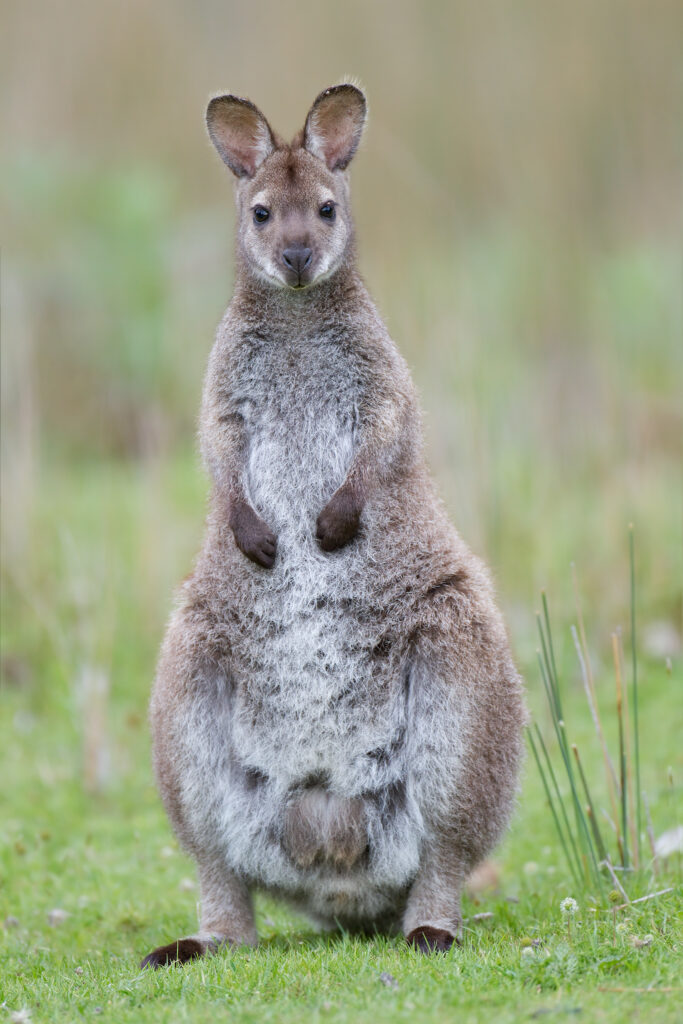
On Bruny Island in Tasmania, a population of red-necked wallabies includes rare, pale white individuals.
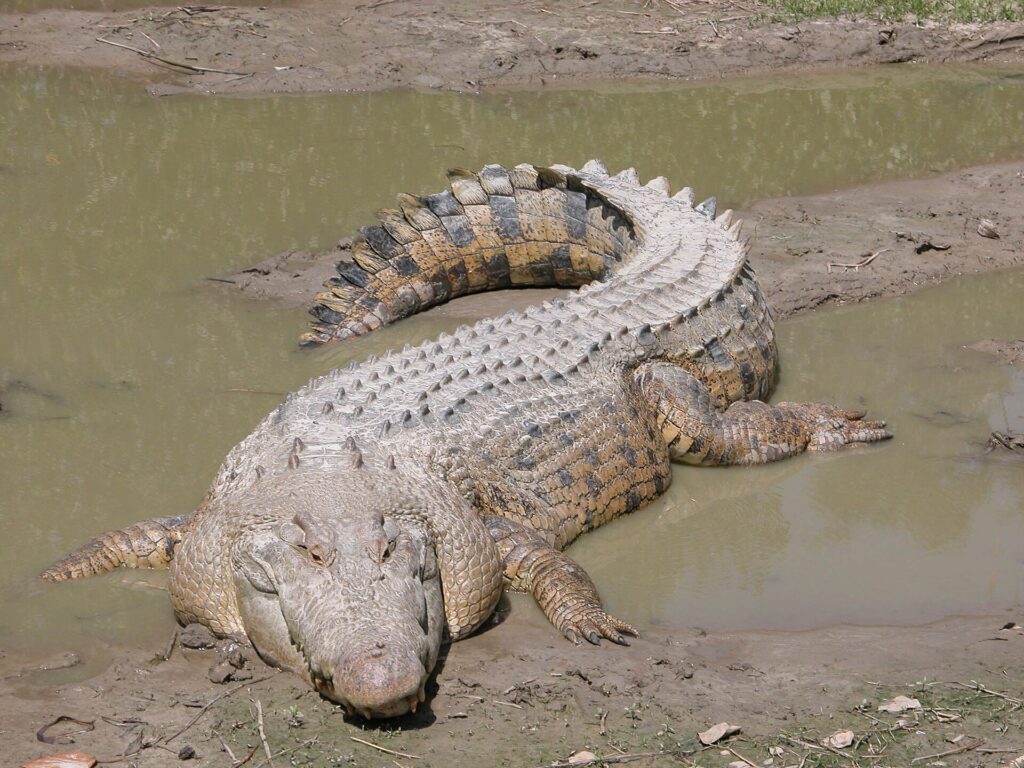
The saltwater crocodile has the strongest bite ever measured for a living animal, over 16,000 newtons.
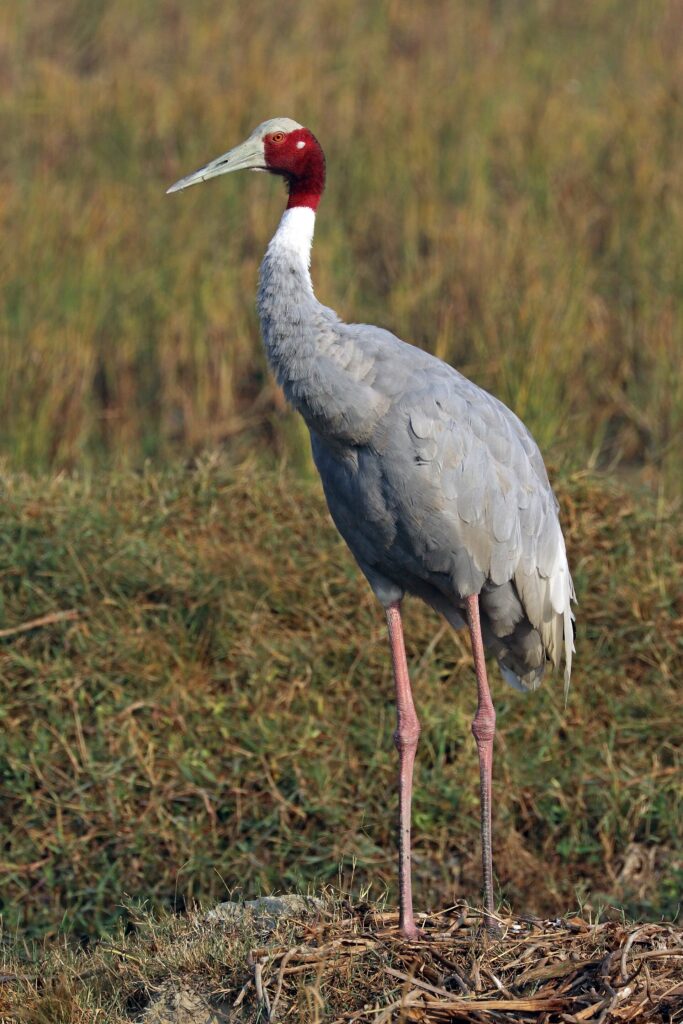
The sarus crane is the tallest flying bird in the world, standing almost as tall as an adult human.
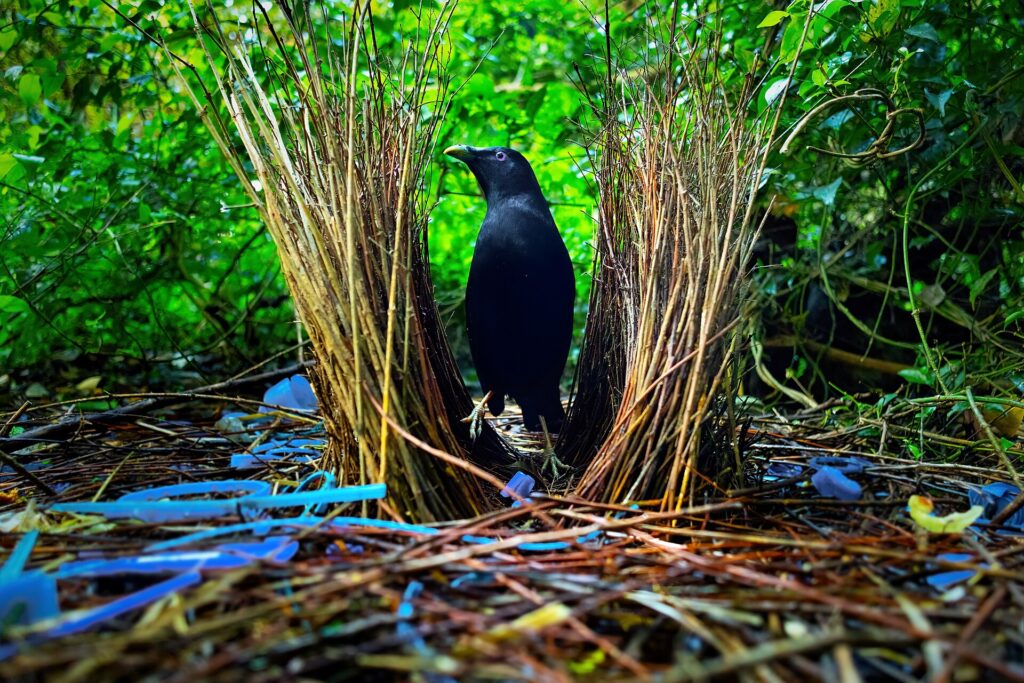
Male satin bowerbirds build elaborate avenues of sticks and decorate them with blue objects such as flowers, feathers, bottle tops and straws to attract females.
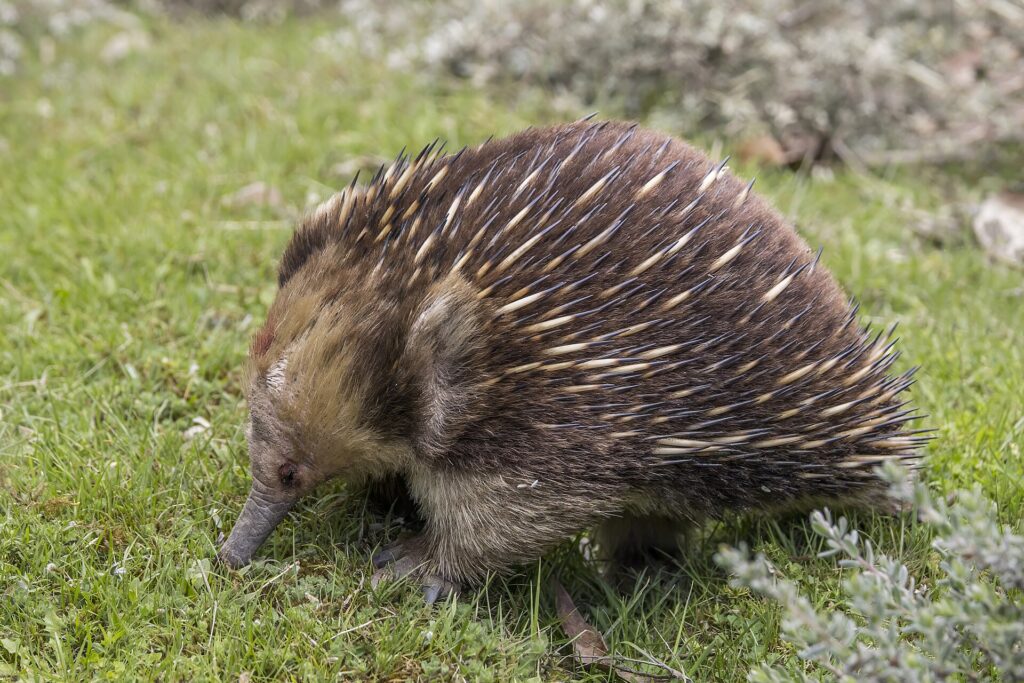
The echidna is one of only a few mammals that lay eggs: the female lays a single leathery egg directly into her pouch.
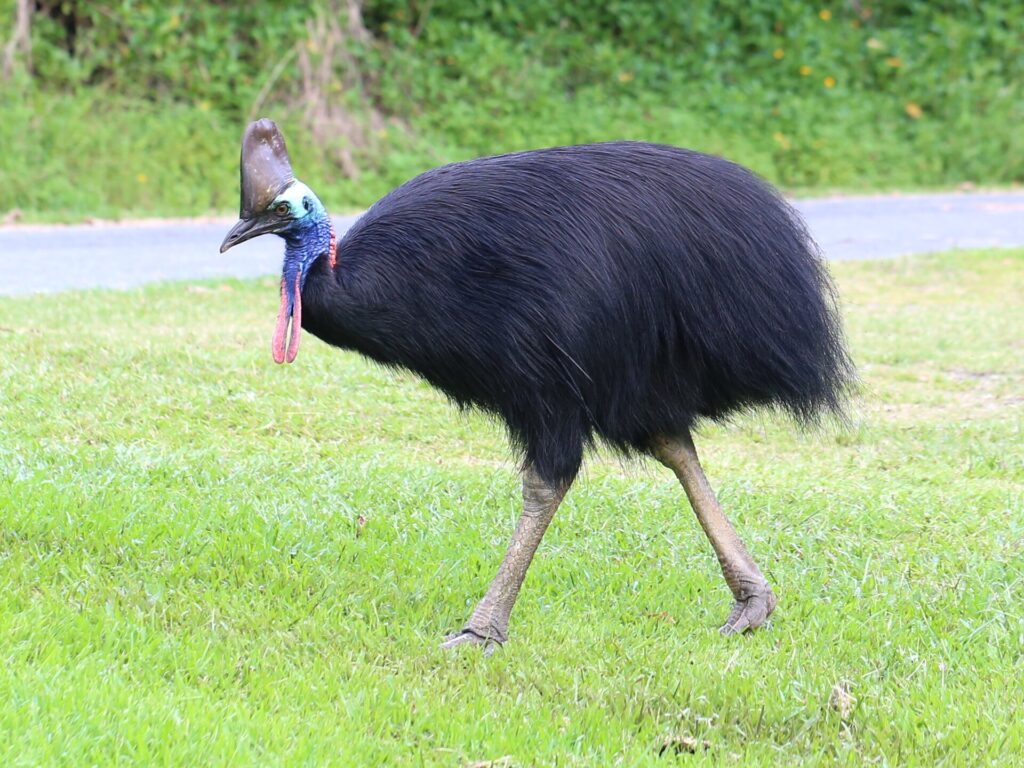
Cassowaries swallow fruit whole and spread the seeds of more than 200 rainforest plant species, some of which depend on them.
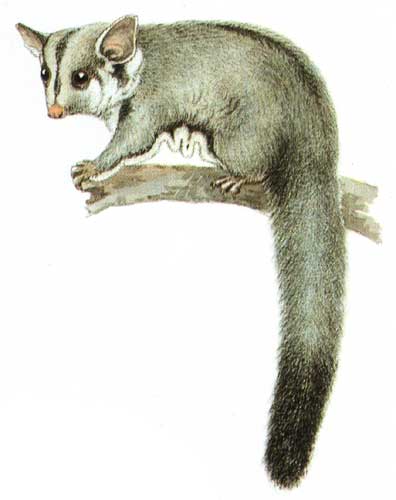
A sugar glider can glide up to about 50 metres between trees, using a thin membrane of skin stretched between its front and back legs.
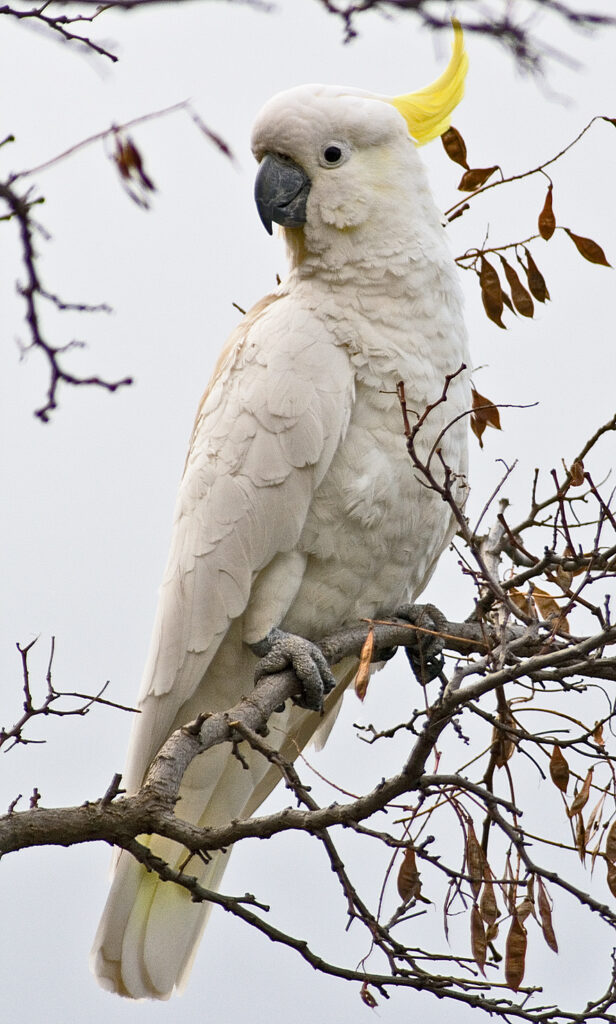
In Sydney, sulphur-crested cockatoos have learned to lift the lids of wheelie bins to find food, and the skill has spread from suburb to suburb by imitation.
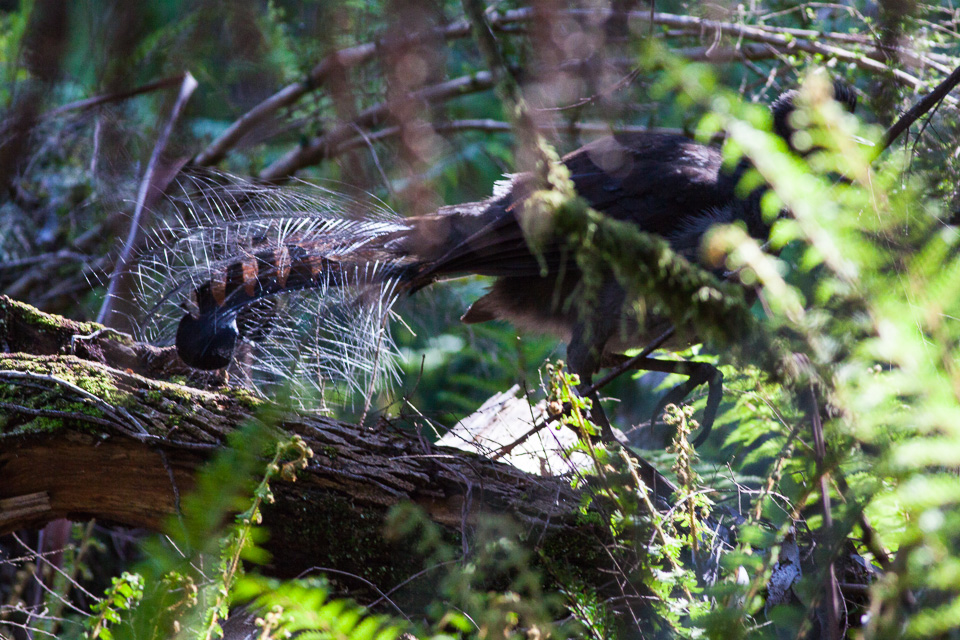
The superb lyrebird is one of the world’s greatest mimics, copying the songs of dozens of other birds and, occasionally, human sounds such as camera shutters and car alarms.
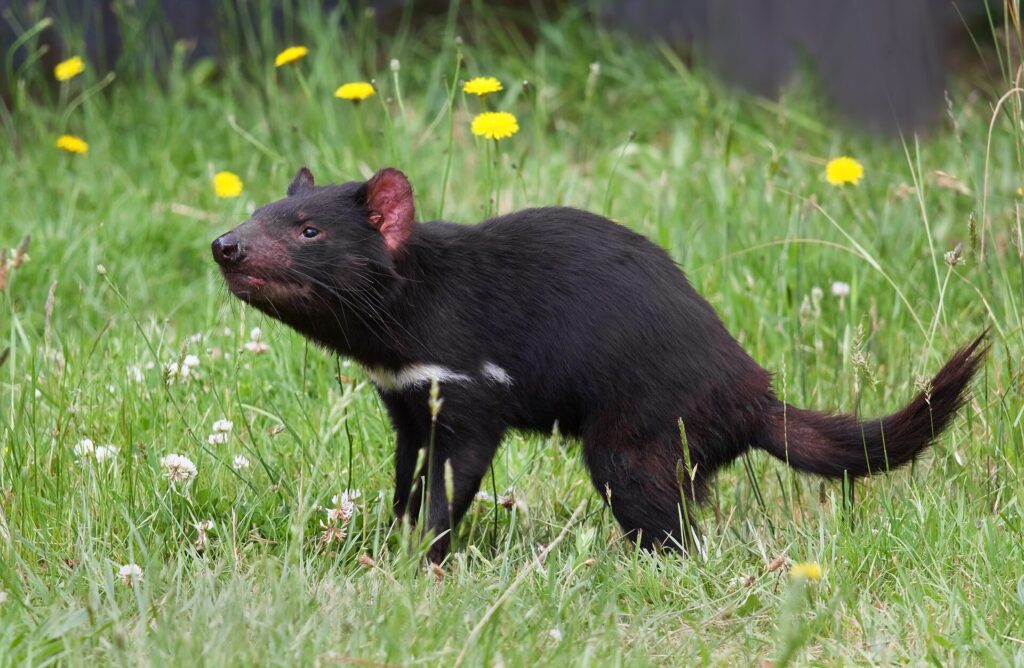
For its size, the Tasmanian devil has one of the most powerful bites of any living mammal, able to crunch through bone.
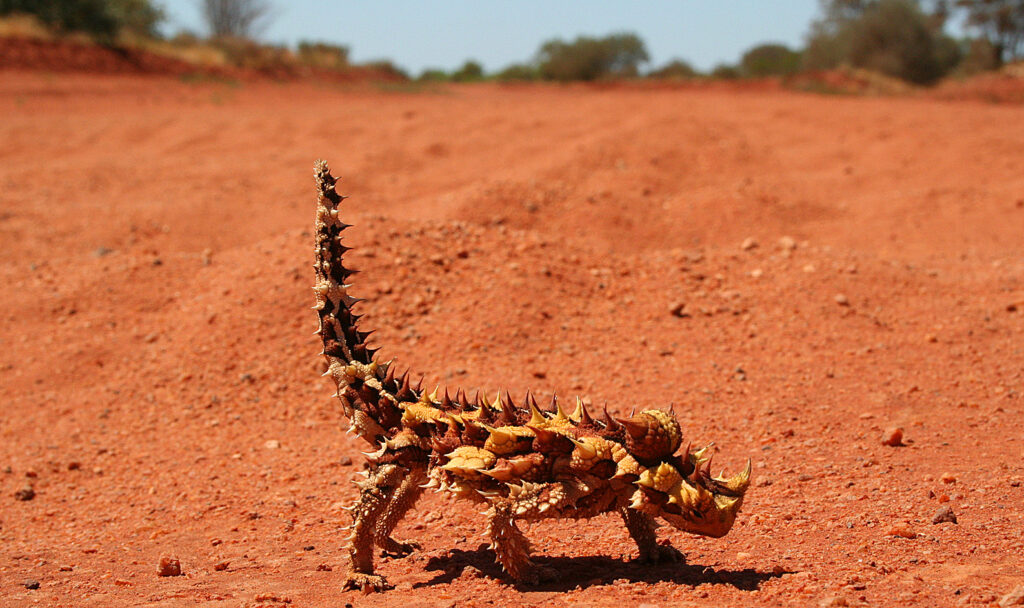
The thorny devil can drink through its skin: tiny grooves between its scales draw water from damp sand or dew up to its mouth.
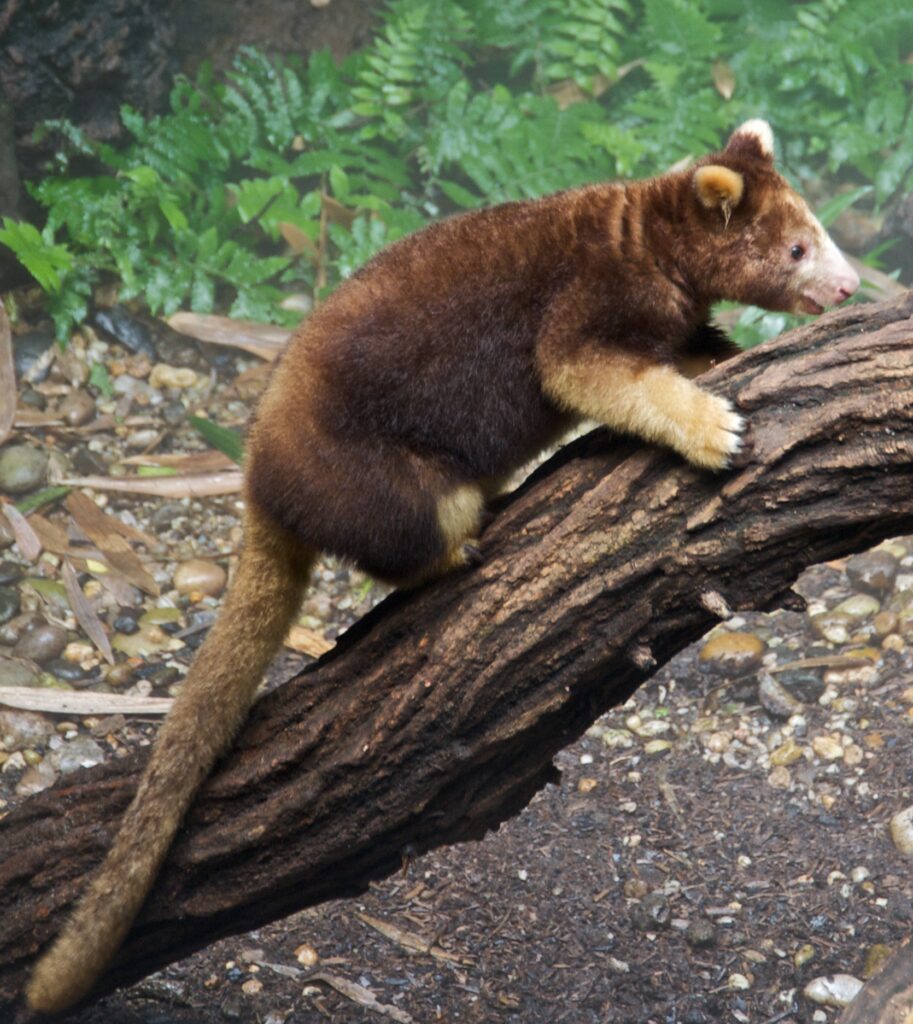
Tree kangaroos can leap down to the ground from a height of over 15 metres without being hurt.
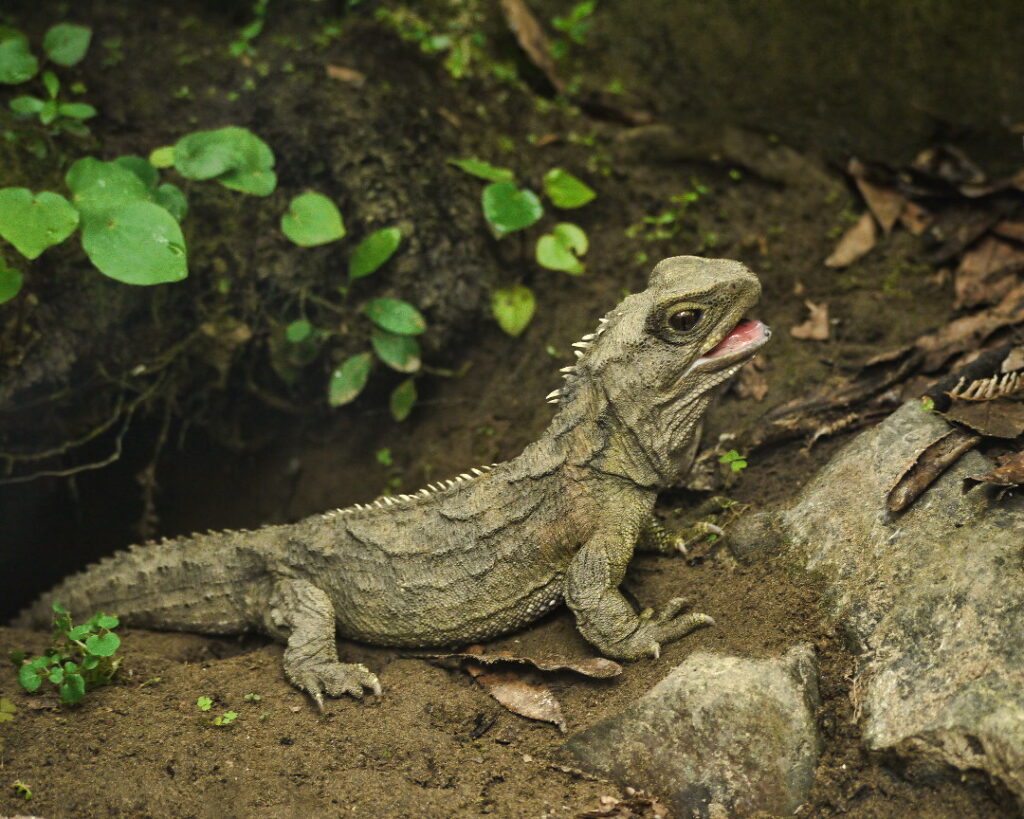
The tuatara is the only survivor of an ancient group of reptiles that flourished alongside the early dinosaurs about 200 million years ago.