The platypus combines features that seem to belong to different animals: a duck-like bill, a beaver-like tail, otter-like fur and webbed feet, venom, and egg-laying. It is found only in eastern Australia and is shy and hard to see.
Interesting facts
- The platypus is one of only five living species of egg-laying mammals, called monotremes.
- Males have venomous spurs on their hind legs, powerful enough to cause severe pain in humans.
- Platypuses glow blue-green under ultraviolet light.
- They store fat in their tails.
- Platypuses have no stomach; their gullet connects directly to the intestine.
- When the first specimen reached Britain in 1799, some scientists suspected it was a hoax.
Behaviour
Platypuses are solitary and mostly active at dawn, dusk and night. They dive for about 30 to 140 seconds at a time and rest in burrows dug into riverbanks.
Breeding and young
Females lay one to three small, leathery eggs in a nesting burrow and incubate them for about ten days. Young feed on milk that seeps from patches on the mother’s skin, since platypuses have no nipples.
Threats and conservation
Drought, dams and river changes, habitat degradation, entanglement in fishing gear and yabby traps, and predation by foxes and dogs.
Where to see it
- Eungella National Park, Queensland
- Tasmania’s rivers (for example Latrobe)
- Atherton Tablelands, Queensland
- Healesville Sanctuary, Victoria (captive)
Status source: IUCN Red List. Profile last reviewed September 2026.
Where to see the platypus
 Daintree Rainforest Wildlife Guide: Cassowaries and CrocodilesThe Daintree is the oldest tropical rainforest on Earth, home to cassowaries, crocodiles and tree kangaroos. Where to…
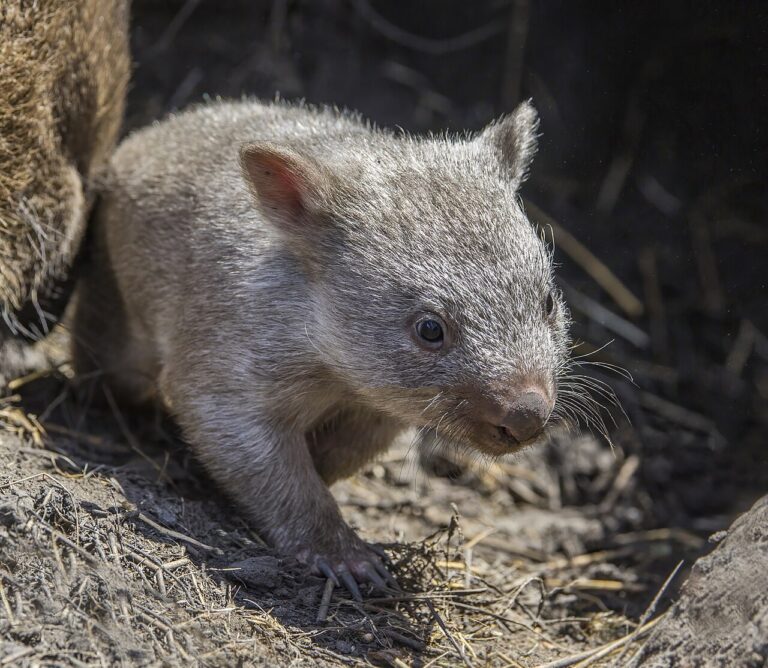 Tasmania Wildlife Guide: Devils, Wombats and PlatypusesTasmania is one of the best places in Australia for wildlife, with devils, wombats, quolls and platypuses. Where…
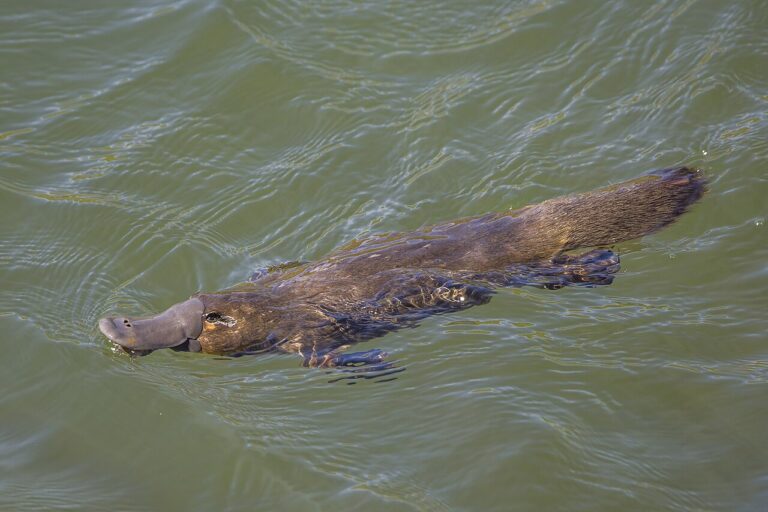 Where to See a Platypus in the WildThe platypus is shy and small, but in a few places you can watch one foraging at dawn…